 United States
Analog Cameras Timeless Imaging Solutions
Our analog cameras deliver precision with unmatched clarity and reliable performance. Discover advanced retro technology designed for quality imaging and secure functionality, ideal for both professionals and enthusiasts.
Talk to an expert
Hikvision Analog Cameras
(13)Hikvision analog cameras support coaxial BNC video runs for multi-camera DVR surveillance upgrades across retail store entrances and checkout lanes
13 Matching results
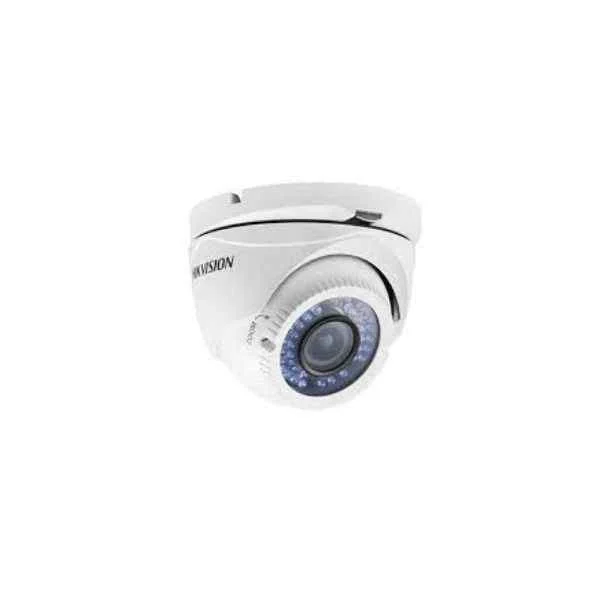
DS-2CE55C2PN (720TVL PICADIS Dome Camera)
4.4 (5)- Security Camera
- Hikvision
- Bullet
- Analog HD
- 2MP
- Fixed
Est Value In stock
First-Time Buyer Discount – Get up to 2% additional off on your first order
ORM Rewards Earn $50 in Rewards + Free Expedited Delivery – Join Now!
Use eCoupon ORMSAVE10
eCoupon limited to 5 units
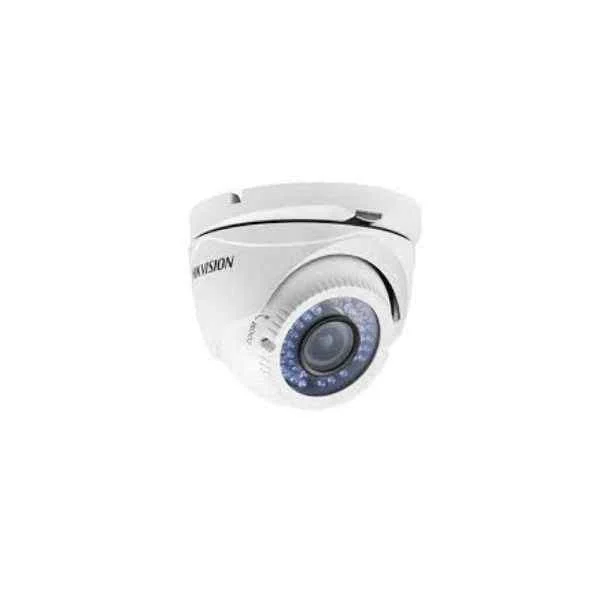
DS-2CE55F5PN-VFIR3 (1.37 Mega PICADIS IR Dome Camera)
4.4 (5)- Security Camera
- Hikvision
- Bullet / Dome / Turret / PTZ / Box / Fisheye / Thermal / Cube / Pinhole / Multi-Sensor
- Analog HD
- 5MP
- Fixed
Est Value In stockFirst-Time Buyer Discount – Get up to 2% additional off on your first order
ORM Rewards Earn $50 in Rewards + Free Expedited Delivery – Join Now!
Use eCoupon ORMSAVE10
eCoupon limited to 5 units
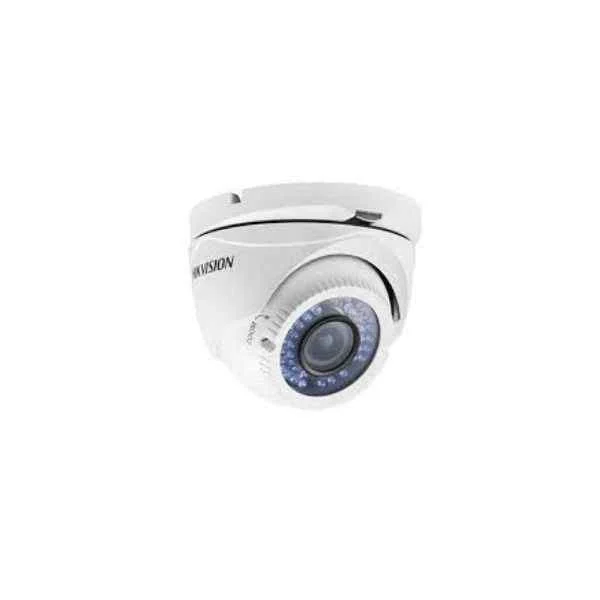
DS-2CE55C2PN-VFIR3 (720TVL Vari-focal IR Dome Camera)
4.6 (5)- Security Camera
- Hikvision
- Bullet
- Analog HD
- 2MP
- Fixed
Est Value In stockFirst-Time Buyer Discount – Get up to 2% additional off on your first order
ORM Rewards Earn $50 in Rewards + Free Expedited Delivery – Join Now!
Use eCoupon ORMSAVE10
eCoupon limited to 5 units
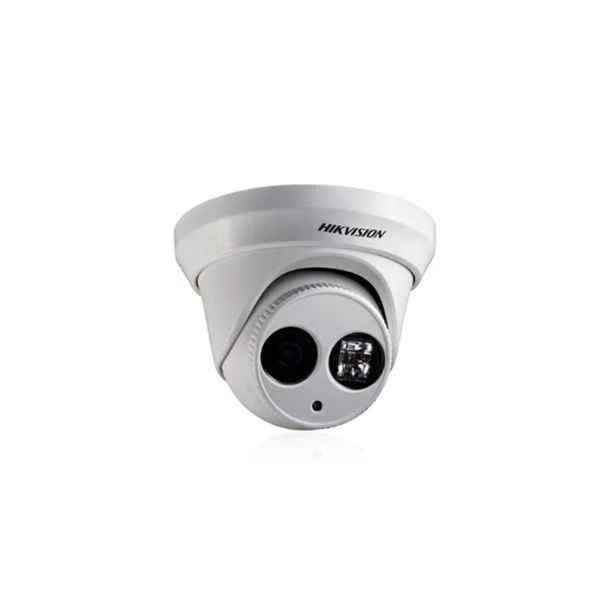
DS-2CE56C2PN-IT3 (720TVL PICADIS and EXIR Mini Dome Camera)
4.8 (5)- Security Camera
- Hikvision
- Bullet
- Analog HD
- 1080p
- Fixed
Est Value In stockFirst-Time Buyer Discount – Get up to 2% additional off on your first order
ORM Rewards Earn $50 in Rewards + Free Expedited Delivery – Join Now!
Use eCoupon ORMSAVE10
eCoupon limited to 5 units
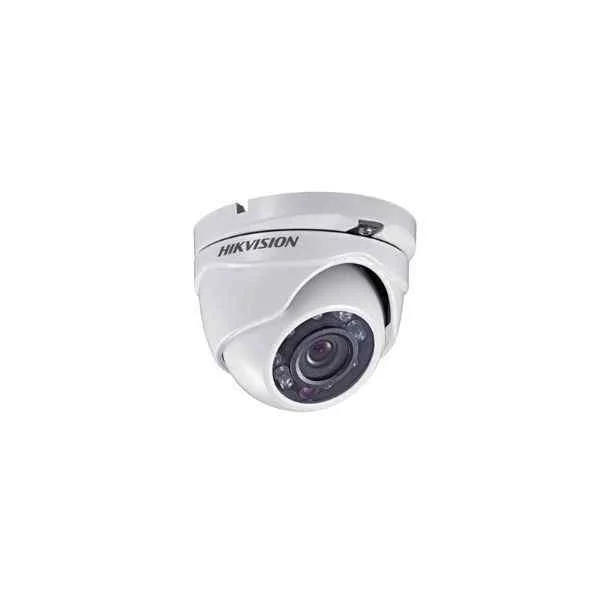
DS-2CE55C2PN-IRM (720TVL PICADIS Mini Dome Camera)
4.6 (5)- Security Camera
- Hikvision
- Bullet
- Analog HD
- 1080p
- Fixed
Est Value In stockFirst-Time Buyer Discount – Get up to 2% additional off on your first order
ORM Rewards Earn $50 in Rewards + Free Expedited Delivery – Join Now!
Use eCoupon ORMSAVE10
eCoupon limited to 5 units
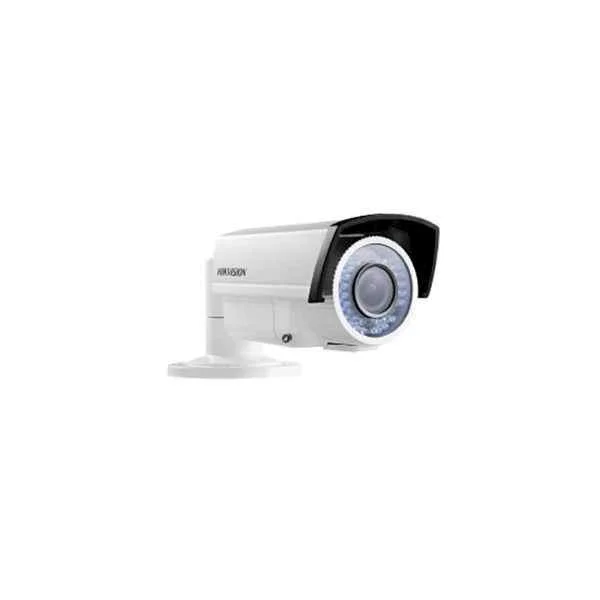
DS-2CE15F5PN-VFIR3 (1.37 Mega PICADIS IR Bullet Camera)
4.2 (5)- Security Camera
- Hikvision
- Bullet
- Analog HD
- 2MP
- Fixed
Est Value In stockFirst-Time Buyer Discount – Get up to 2% additional off on your first order
ORM Rewards Earn $50 in Rewards + Free Expedited Delivery – Join Now!
Use eCoupon ORMSAVE10
eCoupon limited to 5 units
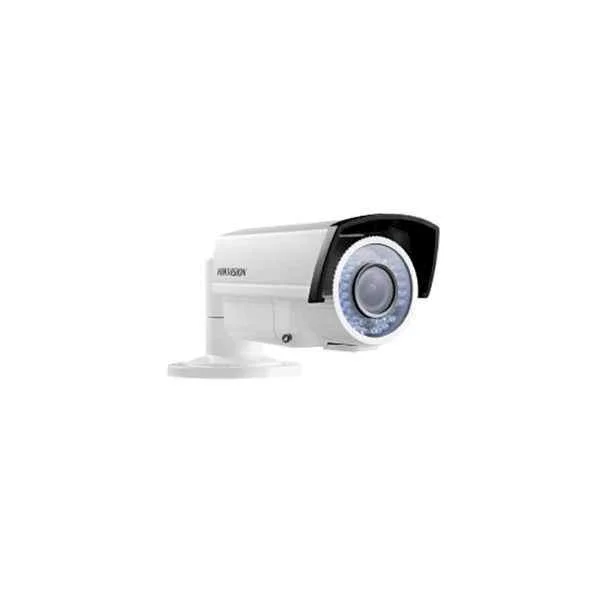
DS-2CE15C2PN-VFIR3 (720TVL Vari-focal IR Bullet Camera)
5 (5)- Security Camera
- Hikvision
- Bullet
- Analog HD
- 1080p
- Fixed
Est Value In stockFirst-Time Buyer Discount – Get up to 2% additional off on your first order
ORM Rewards Earn $50 in Rewards + Free Expedited Delivery – Join Now!
Use eCoupon ORMSAVE10
eCoupon limited to 5 units
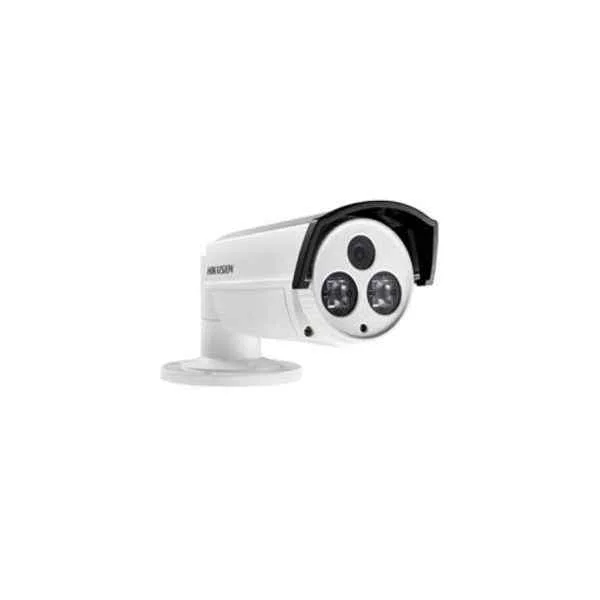
DS-2CE16C2PN-IT5 (720TVL PICADIS and EXIR Bullet Camera)
4.4 (5)- Security Camera
- Hikvision
- Bullet
- Analog HD
- 2MP
- Fixed
Est Value In stockFirst-Time Buyer Discount – Get up to 2% additional off on your first order
ORM Rewards Earn $50 in Rewards + Free Expedited Delivery – Join Now!
Use eCoupon ORMSAVE10
eCoupon limited to 5 units
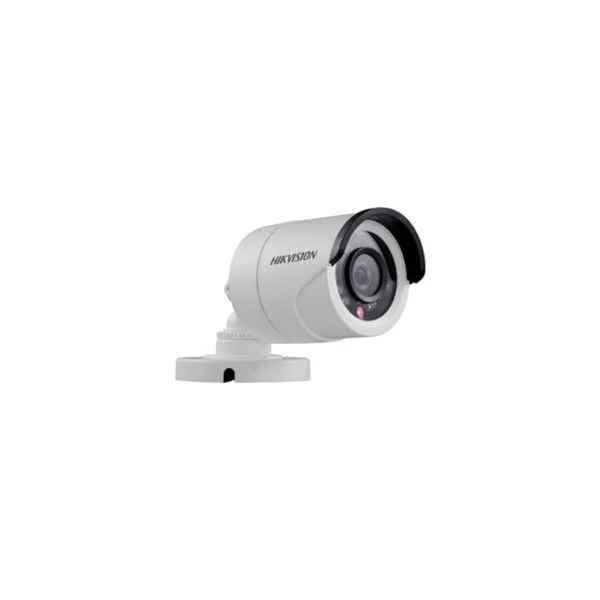
DS-2CE15C2PN-IR (720TVL PICADIS Bullet Camera)
4.8 (5)- Security Camera
- Hikvision
- Bullet
- Analog HD
- 2MP
- Fixed
Est Value In stockFirst-Time Buyer Discount – Get up to 2% additional off on your first order
ORM Rewards Earn $50 in Rewards + Free Expedited Delivery – Join Now!
Use eCoupon ORMSAVE10
eCoupon limited to 5 units
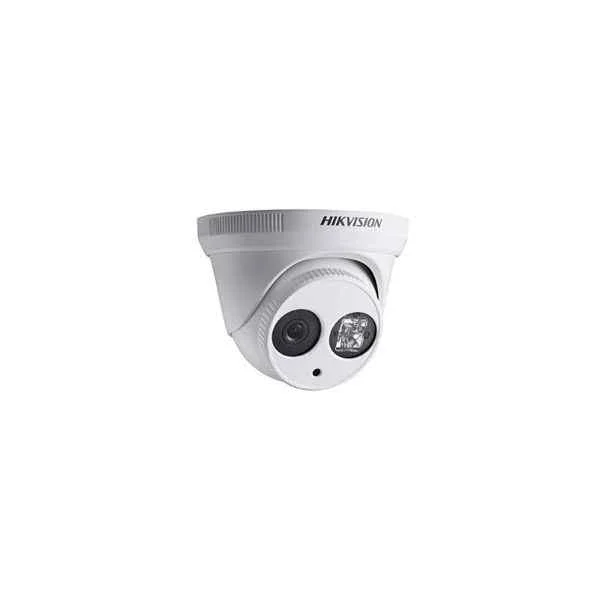
DS-2CE56C2T-IT3 (C2T_TVI_720p: TVI Only, 1/3" CMOS, Smart IR, IP66 protection, 2.8/3.6/6/8/12/16mm Lens, ICR + 40m IR Distance+ 1 pcs EXIR LED, 12 VDC power supply)
4.6 (5)- Security Camera
- Hikvision
- Bullet
- Analog HD
- 2MP
- Fixed
Est Value In stockFirst-Time Buyer Discount – Get up to 2% additional off on your first order
ORM Rewards Earn $50 in Rewards + Free Expedited Delivery – Join Now!
Use eCoupon ORMSAVE10
eCoupon limited to 5 units
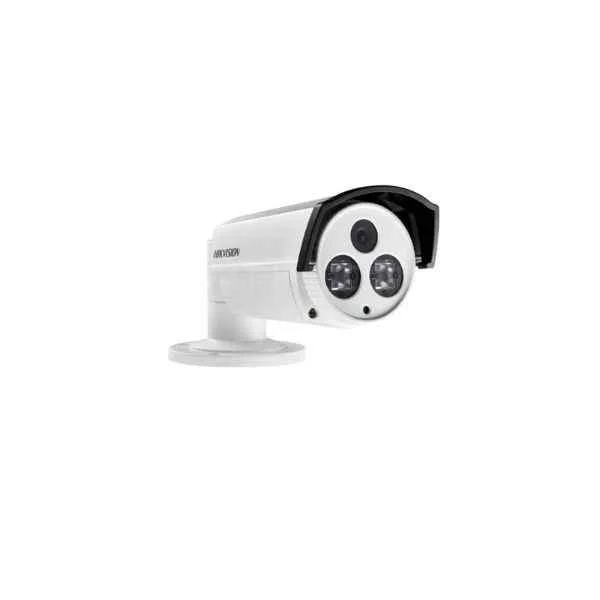
DS-2CE16C2T-IT5 (C2T_TVI_720p: TVI Only, 1/3" CMOS, Smart IR, IP66 protection, 3.6/6/8/12/16mm Lens, ICR + 80m IR Distance+ 2 pcs EXIR LED, 12 VDC power supply)
4.6 (5)- Security Camera
- Hikvision
- Bullet
- Analog HD
- 1080p
- Fixed
Est Value In stockFirst-Time Buyer Discount – Get up to 2% additional off on your first order
ORM Rewards Earn $50 in Rewards + Free Expedited Delivery – Join Now!
Use eCoupon ORMSAVE10
eCoupon limited to 5 units
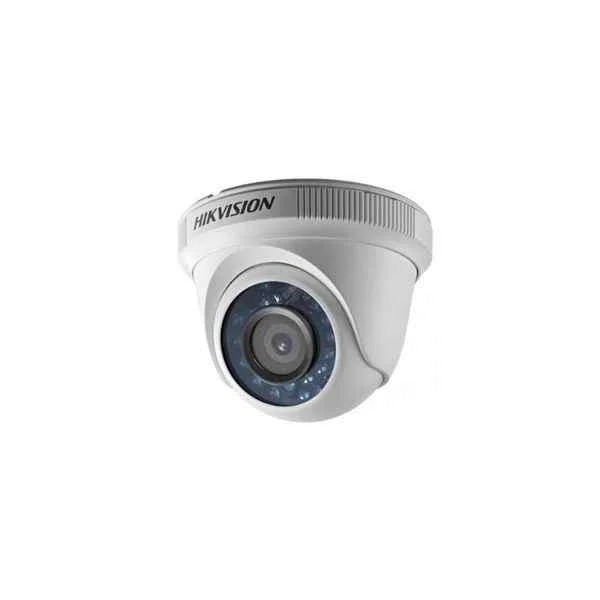
DS-2CE56C2T-IR (C2T_TVI_720p: TVI Only, 1/3" CMOS, Smart IR, IP66 protection, 2.8/ 3.6/ 6mm Lens, ICR + 20m IR Distance+ 24pcs IR LEDs, 12 VDC power supply)
4.6 (5)- Security Camera
- Hikvision
- Turret
- Analog HD
- 2MP
- Fixed
Est Value In stockFirst-Time Buyer Discount – Get up to 2% additional off on your first order
ORM Rewards Earn $50 in Rewards + Free Expedited Delivery – Join Now!
Use eCoupon ORMSAVE10
eCoupon limited to 5 units
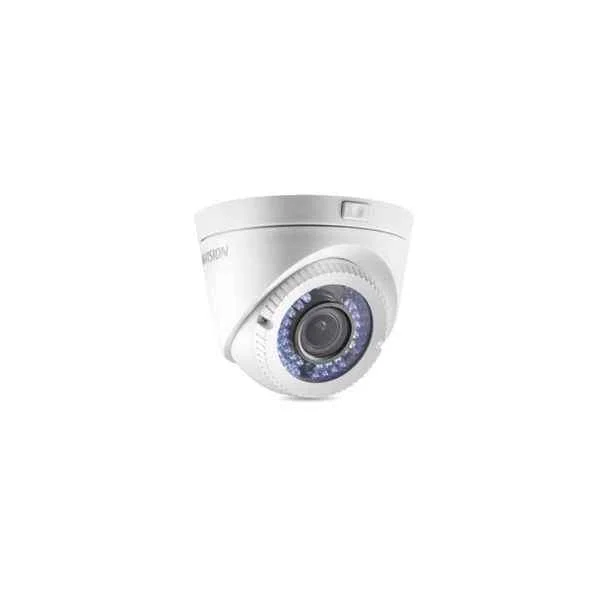
DS-2CE56C2T-VFIR3 (C2T_TVI_720p: TVI Only, 1/3" CMOS, Smart IR, IP66 protection, 2.8~12mm Lens, ICR + 40m IR Distance+ 42 pcs IR LEDs, 12VDC power supply)
4.6 (5)- Security Camera
- Hikvision
- Bullet
- Analog HD
- 2MP
- Varifocal
Est Value In stockFirst-Time Buyer Discount – Get up to 2% additional off on your first order
ORM Rewards Earn $50 in Rewards + Free Expedited Delivery – Join Now!
Use eCoupon ORMSAVE10
eCoupon limited to 5 units

ORM Sales Advisors
Buying for your business? Get a personalised quote in under 2 hours. Talk to an expert
LEARNFilters (13) 
Questions & Answers
What is an analog camera?
An analog camera uses light-sensitive film to record images through mechanical shutter and aperture controls, producing negatives or slides without digital processing.
How does an analog camera work?
Light passes through the lens and aperture onto film; the shutter controls exposure duration, and the latent image is chemically developed into a visible photograph.
What are the benefits of using an analog camera?
Analog cameras offer unique tonal qualities, superior dynamic range on film, hands-on control, and a distinct aesthetic valued by enthusiasts.
What types of film are available for analog cameras?
Film formats include 35mm, medium format (120/220), and large format sheet film; emulsions vary by ISO, color vs. black-and-white, and specialized stocks like slide film.
How do I select the right film speed (ISO)?
Choose lower ISO (100–200) for bright conditions and fine grain, higher ISO (400–800+) for low light or faster shutter speeds, balancing grain and exposure requirements.
What shutter speed should I use in different lighting conditions?
Use fast speeds (1/500–1/1000s) for bright daylight or motion, moderate speeds (1/60–1/125s) for general use, and slow speeds (1/30s or longer) with a tripod in low light.
How does aperture affect analog photography?
A wider aperture (lower f-number) yields a shallow depth of field and faster shutter speeds; a smaller aperture (higher f-number) increases depth of field and reduces light entry.
What is the process for developing analog film?
Developing involves chemical baths: developer to reduce exposed silver halide, stop bath to halt development, fixer to stabilize the image, followed by washing and drying.
Can I develop film at home?
Yes. With basic equipment (tank, reels, chemicals) you can develop black-and-white film; color C-41 processing requires precise temperature control and additional chemicals.
How should I store exposed and unexposed film?
Store unexposed film in a cool, dry place or refrigerator; keep exposed film in light-tight sleeves and refrigerate if development is delayed to prevent base fog.
What maintenance do analog cameras require?
Regularly clean the lens and film chamber, check and lubricate mechanical parts if recommended, and have shutter speeds and light seals serviced by a technician.
Are analog camera lenses interchangeable?
Interchangeability depends on mount compatibility; many 35mm and medium-format systems offer swappable lenses, but adapters may be needed for cross-mount use.
How do I scan analog negatives into digital files?
Use a dedicated film scanner or flatbed scanner with transparency unit; scan at high resolution, invert the negative, and adjust levels in image-editing software.
What common issues occur with analog cameras?
Typical problems include light leaks from worn seals, inaccurate meter readings, shutter malfunctions, and mold or fungus on optics—regular inspection prevents damage.
How much does analog photography cost compared to digital?
Initial camera costs vary widely; ongoing expenses include film ($5–15 per roll) and development ($10–20), making analog more costly per shot but valued for its aesthetic.
Can I use manual exposure meters with analog cameras?
Yes. Handheld light meters measure ambient or flash exposure and guide aperture and shutter settings; match meter readings to your film’s ISO for accurate results.
What factors most affect analog image quality?
Image quality depends on film emulsion, exposure accuracy, lens sharpness, development technique, and scanning methods when digitizing negatives.