 United States
Cables & Adapters Superior Connectivity
Choose our advanced cables & adapters engineered for exceptional performance and lasting durability, providing seamless connectivity for modern devices and ensuring reliable network performance in every environment.
Talk to an expert
416 Matching results
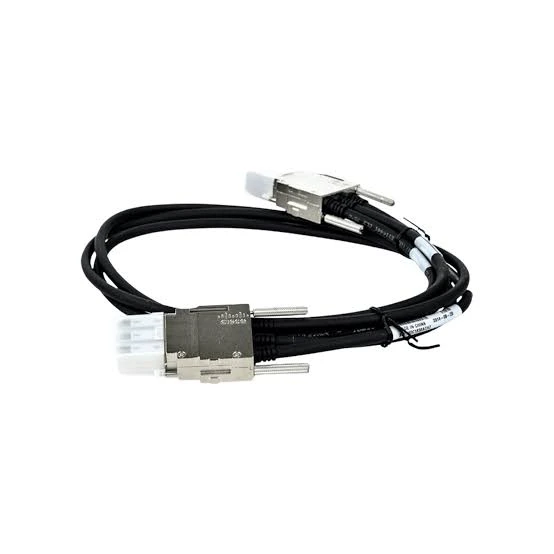
STACK-T1-1M (Cisco StackWise-480/1T Stacking Cable, 1 m, Type 1, Catalyst 9300/9300X)
4.7 (7)- Network Cable
- Stacking Cable
- STACK-T1-1M
- Cisco
- StackWise-480/1T
- Genuine Cisco
- Cisco Catalyst 9300 / 9300X
Est Value $194.00
$89.24
54% offIn stockNewRefurbishedFirst-Time Buyer Discount – Get up to 2% additional off on your first order
ORM Rewards Earn $50 in Rewards + Free Expedited Delivery – Join Now!
Use eCoupon ORMSAVE10
eCoupon limited to 5 units
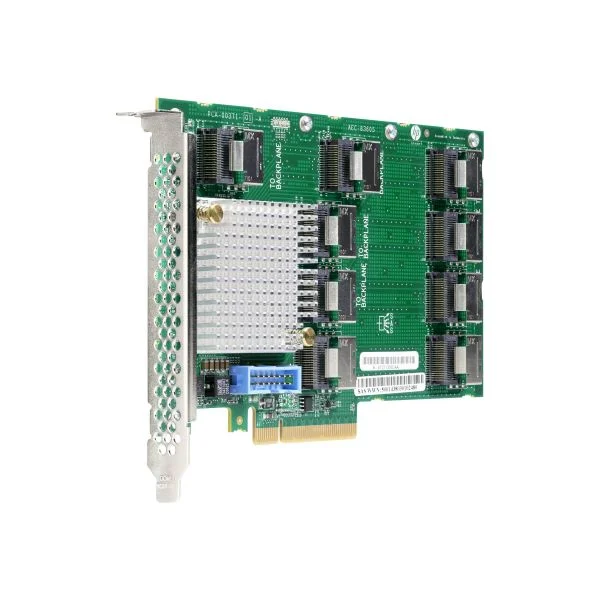
804228-B21 (HPE ProLiant DL560 Gen9 SAS Expander Card)
4.4 (5)- Expansion Card
- Hpe
- Storage Controller
- PCIe x8
- PCIe 3.0
Est Value $467.20$120.96
74.1% offIn stockRefurbishedFirst-Time Buyer Discount – Get up to 2% additional off on your first order
ORM Rewards Earn $50 in Rewards + Free Expedited Delivery – Join Now!
Use eCoupon ORMSAVE10
eCoupon limited to 5 units
STACK-T4-50CM (Cisco StackWise-160/80 Stacking Cable, 50 cm, Catalyst 9200/9200L)
4.7 (7)- Network Cable
- Stacking Cable
- STACK-T4-50CM
- Cisco
- StackWise-160/80
- Genuine Cisco
- Cisco Catalyst 9200 / 9200L
Est Value $295.00$145.05
50.8% offIn stockNewRefurbishedFirst-Time Buyer Discount – Get up to 2% additional off on your first order
ORM Rewards Earn $50 in Rewards + Free Expedited Delivery – Join Now!
Use eCoupon ORMSAVE10
eCoupon limited to 5 units
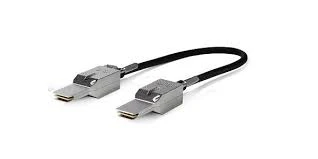
STACK-T4-1M (Cisco StackWise-160/80 Stacking Cable, 1 m, Catalyst 9200/9200L)
4.7 (7)- Network Cable
- Stacking Cable
- STACK-T4-1M
- Cisco
- StackWise-160/80
- Genuine Cisco
- Cisco Catalyst 9200 / 9200L
Est Value $267.94$228.73
14.6% offIn stockNewRefurbishedFirst-Time Buyer Discount – Get up to 2% additional off on your first order
ORM Rewards Earn $50 in Rewards + Free Expedited Delivery – Join Now!
Use eCoupon ORMSAVE10
eCoupon limited to 5 units

874576-B21 (HPE ML350 Gen10 12Gb SAS Expander Kit)
4.6 (5)- Expansion Card
- Hpe
- Storage Controller
Est Value $855.34$571.73
33.2% offIn stockRefurbishedFirst-Time Buyer Discount – Get up to 2% additional off on your first order
ORM Rewards Earn $50 in Rewards + Free Expedited Delivery – Join Now!
Use eCoupon ORMSAVE10
eCoupon limited to 5 units
- BEST SELLING
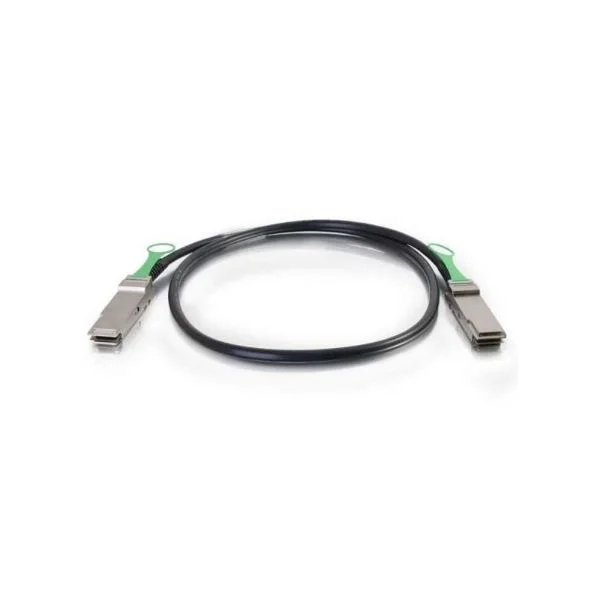
QSFP-H40G-CU1M (40GBASE-CR4 Passive Copper Cable, 1m)
4.6 (5)Est Value $295.00$250.73
15% offIn stockNewRefurbishedFirst-Time Buyer Discount – Get up to 2% additional off on your first order
ORM Rewards Earn $50 in Rewards + Free Expedited Delivery – Join Now!
Use eCoupon ORMSAVE10
eCoupon limited to 5 units
- BEST SELLING
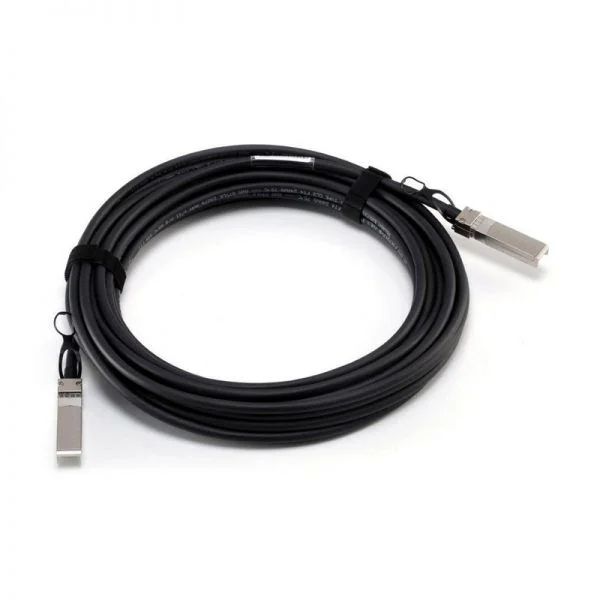
SFP-H10GB-CU5M (10GBASE-CU SFP+ Cable 5 Meter, Passive)
4.3 (10)Est Value $177.00$42.00
76.3% offIn stockNewRefurbishedFirst-Time Buyer Discount – Get up to 2% additional off on your first order
ORM Rewards Earn $50 in Rewards + Free Expedited Delivery – Join Now!
Use eCoupon ORMSAVE10
eCoupon limited to 5 units
- BEST SELLING
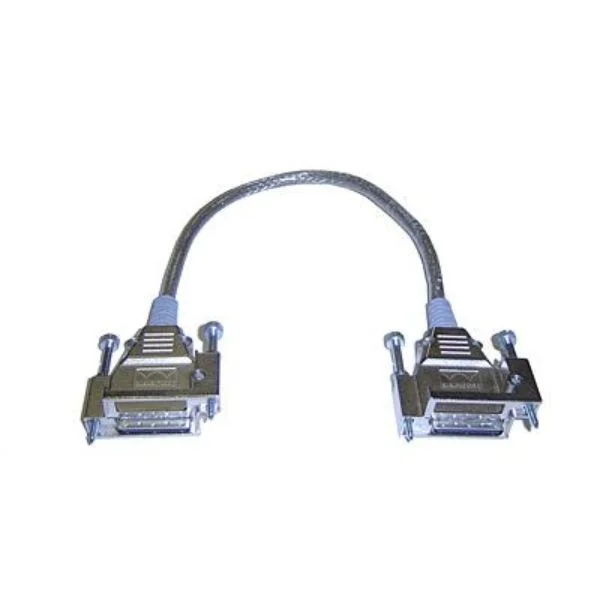
CAB-SPWR-150CM (CATALYST 3750X STACK POWER CABLE 150 CM SPARE)
4.6 (5)Est Value $270.73$80.85
70.1% offIn stockNewRefurbishedFirst-Time Buyer Discount – Get up to 2% additional off on your first order
ORM Rewards Earn $50 in Rewards + Free Expedited Delivery – Join Now!
Use eCoupon ORMSAVE10
eCoupon limited to 5 units
- BEST SELLING
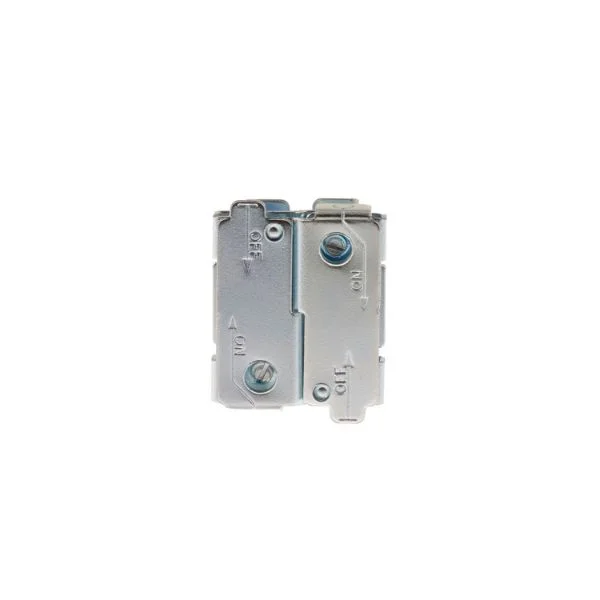
AIR-CHNL-ADAPTER (T-Rail Channel Adapter for Cisco Aironet Access Points)
4.6 (5)Est Value $243.74$121.87
50% offIn stockNewRefurbishedFirst-Time Buyer Discount – Get up to 2% additional off on your first order
ORM Rewards Earn $50 in Rewards + Free Expedited Delivery – Join Now!
Use eCoupon ORMSAVE10
eCoupon limited to 5 units
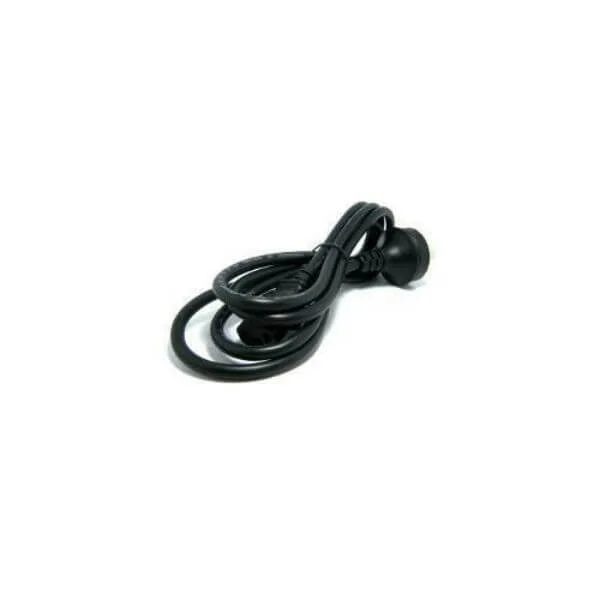
JW127A (PC-AC-UK UK AC POWER CORD INTL SKU PL=VL INTERNATIONAL SKU)
4.6 (5)Est Value $7.00$3.15
55% offIn stockNewFirst-Time Buyer Discount – Get up to 2% additional off on your first order
ORM Rewards Earn $50 in Rewards + Free Expedited Delivery – Join Now!
Use eCoupon ORMSAVE10
eCoupon limited to 5 units
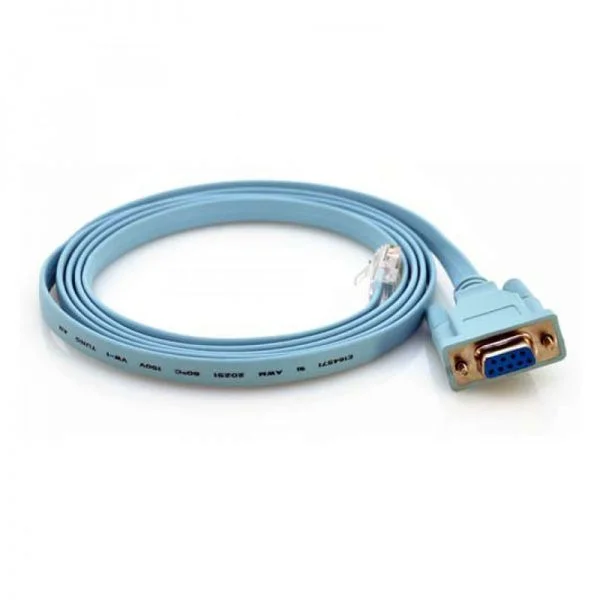
AIR-CONCAB1200 (Console Cable for 1130AG, 1200, 1230AG, 1240 Platform)
4.8 (5)Est Value $82.41$70.35
14.6% offIn stockNewRefurbishedFirst-Time Buyer Discount – Get up to 2% additional off on your first order
ORM Rewards Earn $50 in Rewards + Free Expedited Delivery – Join Now!
Use eCoupon ORMSAVE10
eCoupon limited to 5 units
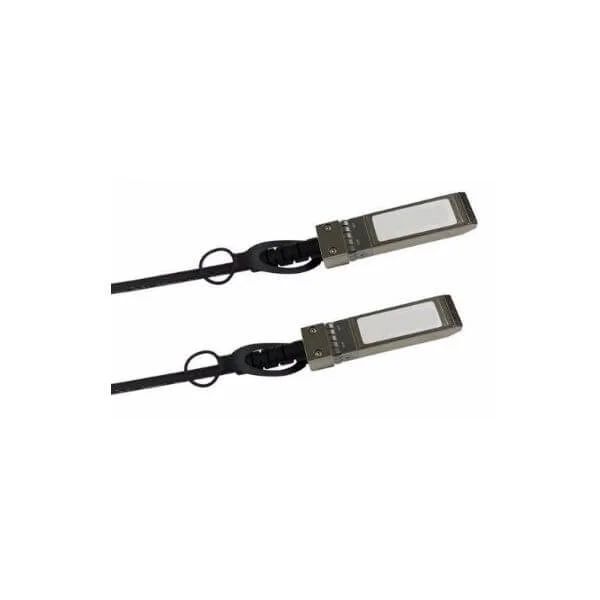
470-ACMF (Dell Networking Cable. OM4 LC/LC Fiber Cable. (Optics required). 3 Meter)
4.6 (5)Est Value $59.00$9.45
84% offIn stockNewFirst-Time Buyer Discount – Get up to 2% additional off on your first order
ORM Rewards Earn $50 in Rewards + Free Expedited Delivery – Join Now!
Use eCoupon ORMSAVE10
eCoupon limited to 5 units
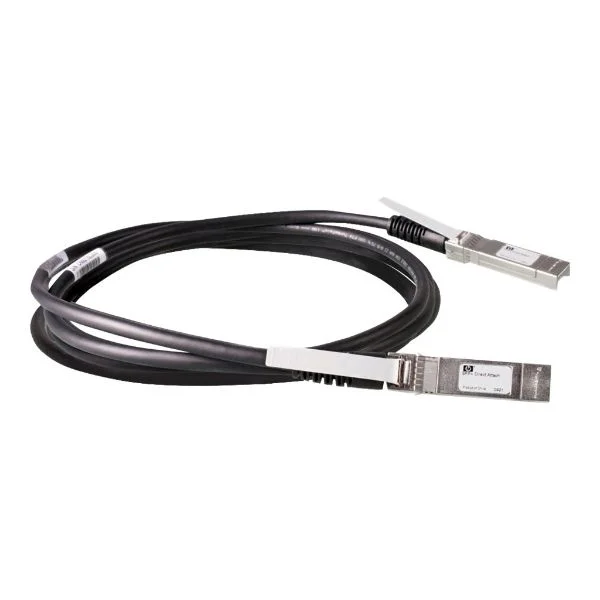
JG081C (HP X240 10G SFP+ SFP+ 5m DAC Cable)
4.6 (5)Est Value $122.79$79.79
35% offIn stockNewRefurbishedFirst-Time Buyer Discount – Get up to 2% additional off on your first order
ORM Rewards Earn $50 in Rewards + Free Expedited Delivery – Join Now!
Use eCoupon ORMSAVE10
eCoupon limited to 5 units

AP9892 (2FT POWER CORD C19 TO C20)
4.4 (5)Est Value $54.60$27.30
50% offIn stockRefurbishedFirst-Time Buyer Discount – Get up to 2% additional off on your first order
ORM Rewards Earn $50 in Rewards + Free Expedited Delivery – Join Now!
Use eCoupon ORMSAVE10
eCoupon limited to 5 units

797946-B21 (HPE ProLiant DL560 Gen9 Mini SAS Bay2 SAS Cable Kit)
4.6 (5)Est Value $65.78$32.89
50% offIn stockRefurbishedFirst-Time Buyer Discount – Get up to 2% additional off on your first order
ORM Rewards Earn $50 in Rewards + Free Expedited Delivery – Join Now!
Use eCoupon ORMSAVE10
eCoupon limited to 5 units

786092-B21 (DL380 GEN9 8SFF H240 CABLE KIT PL=SY)
4.8 (5)Est Value $161.39
In stockNewRefurbishedFirst-Time Buyer Discount – Get up to 2% additional off on your first order
ORM Rewards Earn $50 in Rewards + Free Expedited Delivery – Join Now!
Use eCoupon ORMSAVE10
eCoupon limited to 5 units

871830-B21 (GPU 8X6P CABLE KIT PL-SY)
4.6 (5)Est Value $87.00$35.70
59% offIn stockNewFirst-Time Buyer Discount – Get up to 2% additional off on your first order
ORM Rewards Earn $50 in Rewards + Free Expedited Delivery – Join Now!
Use eCoupon ORMSAVE10
eCoupon limited to 5 units

AP5641 (KVM TO SWITCHED RACK PDU)
4.4 (5)Est Value $73.50$36.75
50% offIn stockRefurbishedFirst-Time Buyer Discount – Get up to 2% additional off on your first order
ORM Rewards Earn $50 in Rewards + Free Expedited Delivery – Join Now!
Use eCoupon ORMSAVE10
eCoupon limited to 5 units
88011-99 (GN1200 SMARTCORD 6FT COIL CORD HEADSET DIRECT CONNECT PHONE CORD)
4.6 (5)Est Value $43.05$36.75
14.6% offIn stockRefurbishedFirst-Time Buyer Discount – Get up to 2% additional off on your first order
ORM Rewards Earn $50 in Rewards + Free Expedited Delivery – Join Now!
Use eCoupon ORMSAVE10
eCoupon limited to 5 units
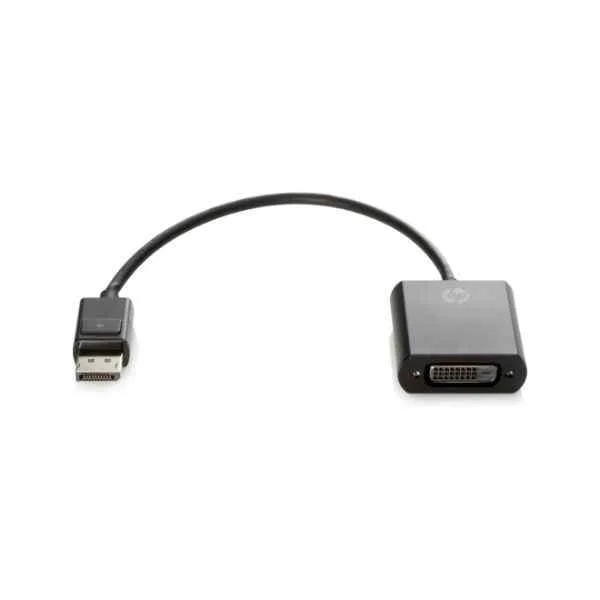
FH973AA (DISPLAYPORT TO DVI-D ADAPTER 7IN DVI-D SGL-LINK FEMALE X DP MALE)
4.2 (5)Est Value $43.05$36.75
14.6% offIn stockRefurbishedFirst-Time Buyer Discount – Get up to 2% additional off on your first order
ORM Rewards Earn $50 in Rewards + Free Expedited Delivery – Join Now!
Use eCoupon ORMSAVE10
eCoupon limited to 5 units

ORM Sales Advisors
Buying for your business? Get a personalised quote in under 2 hours. Talk to an expert
LEARNFilters (416) 
Questions & Answers
What types of cables and adapters are essential for home entertainment systems?
HDMI cables for high-definition video, USB/USB-C cables for data and power, Ethernet cables for streaming, optical/coaxial audio cables, and power adapters ensure reliable connectivity.
How do I choose the right HDMI cable version for my TV?
Select an HDMI 2.0 or higher cable certified as High Speed or Ultra High Speed to support 4K, HDR, and eARC with bandwidth up to 48 Gbps.
What’s the difference between USB-C and Thunderbolt 3 cables?
USB-C is a reversible connector supporting up to 10 Gbps USB 3.1; Thunderbolt 3 uses the same port but delivers up to 40 Gbps, dual 4K display support, and PCIe data transfer.
Do I need a certified Ethernet cable for Gigabit network speeds?
Yes. Use at least Cat5e or higher (Cat6, Cat6a) certified Ethernet cables to guarantee 1 Gbps or higher bandwidth and reliable network performance.
How do I measure the correct cable length for my setup?
Measure the total distance between devices along routing paths, then add 10–15% extra length to accommodate bends and cable management without tension.
Can I use adapters to connect VGA devices to HDMI ports?
Yes. An active VGA-to-HDMI adapter with a built-in converter chip translates analog VGA to digital HDMI. Choose one with audio input if sound is required.
Are active HDMI cables better than passive HDMI cables?
Active HDMI cables include signal boosters for reliable transmission beyond 15 m. Passive cables work well under 5–10 m but lack built-in amplification.
What is the difference between DisplayPort and HDMI?
HDMI targets home entertainment with audio-video integration and ARC/eARC support. DisplayPort focuses on computing with higher refresh rates, daisy-chaining, and adaptive sync.
How do I troubleshoot a cable or adapter that isn’t working?
Ensure tight connections, inspect for bent pins or damage, test alternative cables/devices, update firmware, and replace the cable or adapter if the issue persists.
How can I identify shielded versus unshielded cables?
Shielded cables have a visible metallic foil or braided layer under the jacket to reduce electromagnetic interference. Unshielded cables lack this layer and cost less.
What is the maximum data transfer rate of USB 3.0 vs USB 2.0?
USB 3.0 (USB 3.2 Gen 1) supports up to 5 Gbps, while USB 2.0 maxes out at 480 Mbps. USB 3.1 Gen 2 further increases speeds to 10 Gbps.
How can I ensure compatibility of power adapters with my devices?
Match the adapter’s output voltage and current to your device specifications, confirm the connector type, and choose adapters with UL or CE safety certifications.
What cable materials and construction improve durability?
Braided nylon jackets resist abrasion, gold-plated connectors prevent corrosion, and oxygen-free copper conductors enhance signal integrity and longevity.
How do I minimize signal interference in audio/video cables?
Use shielded cables, separate them from power lines, employ ferrite beads, and avoid tight bundling to reduce electromagnetic and radio-frequency interference.
How should I clean and maintain my cables and adapters?
Disconnect cables, wipe connectors with a lint-free cloth and isopropyl alcohol, inspect for wear regularly, and store without sharp bends or kinks.
Are third-party adapters and cables safe to use with my devices?
Reputable third-party brands with UL, RoHS, or CE certifications are generally safe. Avoid no-name products and verify they meet your device’s power and data requirements.