 United States
Converters High Performance Transformation Tools
Achieve accurate, high-speed signal and data conversions with our industrial-grade converters—engineered for reliability, precision, and optimized performance across complex connectivity environments.
Talk to an expert
Tp-Link Converters
(13)TP-Link converters support fiber-uplink access closets with Gigabit Ethernet media conversion, SFP or RJ-45 interfaces, and production network refreshes
13 Matching results
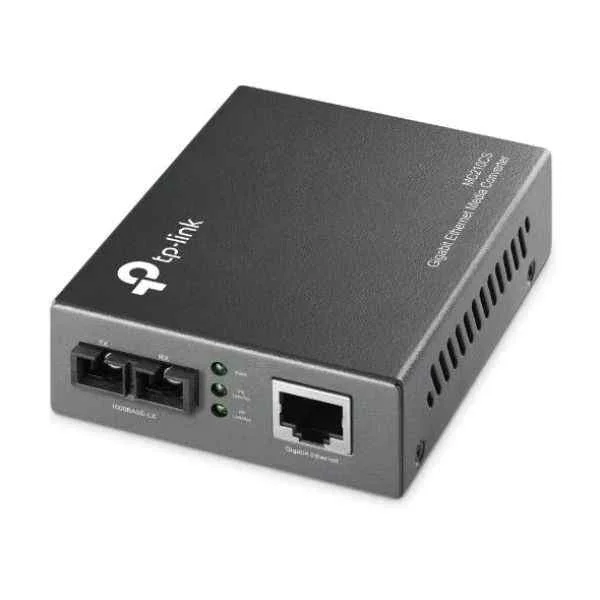
MC210CS (MC210CS 2PORT 10/100/1000 RJ45/ SC UP TO 15KM MODULE SWITCHING AC)
4.8 (6)- Converter
- Tp-Link
- AV
- Unidirectional
- AV Integration
- HDMI
- VGA
Est Value $211.64
$97.18
54.1% offIn stockNewRefurbishedFirst-Time Buyer Discount – Get up to 2% additional off on your first order
ORM Rewards Earn $50 in Rewards + Free Expedited Delivery – Join Now!
Use eCoupon ORMSAVE10
eCoupon limited to 5 units
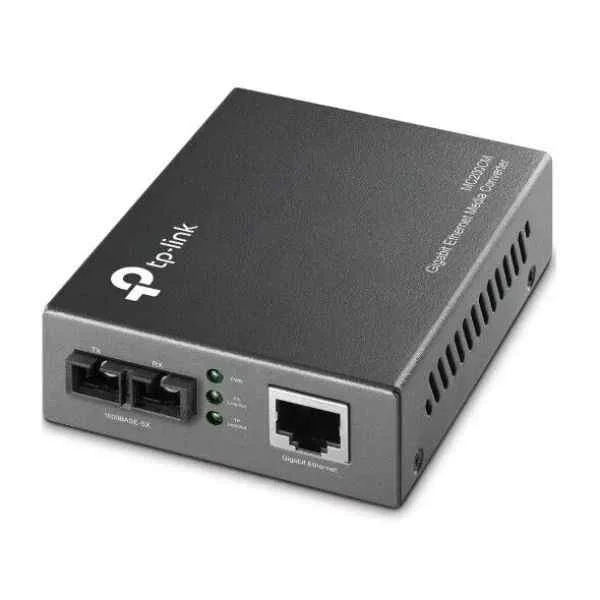
MC200CM (MC200CM 2PORT 10/100/1000 RJ45/ SC UP TO 550M MODULE SWITCHING AC)
4.5 (6)- Converter
- Tp-Link
- AV
- Unidirectional
- AV Integration
- HDMI
- VGA
Est Value $414.22$207.11
50% offIn stockRefurbishedFirst-Time Buyer Discount – Get up to 2% additional off on your first order
ORM Rewards Earn $50 in Rewards + Free Expedited Delivery – Join Now!
Use eCoupon ORMSAVE10
eCoupon limited to 5 units
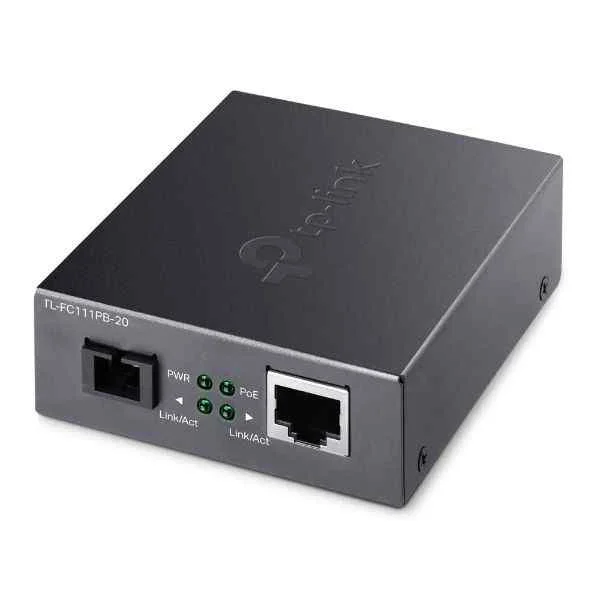
TL-FC111PB-20 (10/100 MBPS RJ45 TO 100 MBPS 1X100MBPS SC 1X10/100M RJ45)
4.3 (6)- Converter
- Tp-Link
- Power
- Unidirectional
- Power Conversion
- IEC
- IEC
Est Value $107.10$53.55
50% offIn stockNewFirst-Time Buyer Discount – Get up to 2% additional off on your first order
ORM Rewards Earn $50 in Rewards + Free Expedited Delivery – Join Now!
Use eCoupon ORMSAVE10
eCoupon limited to 5 units
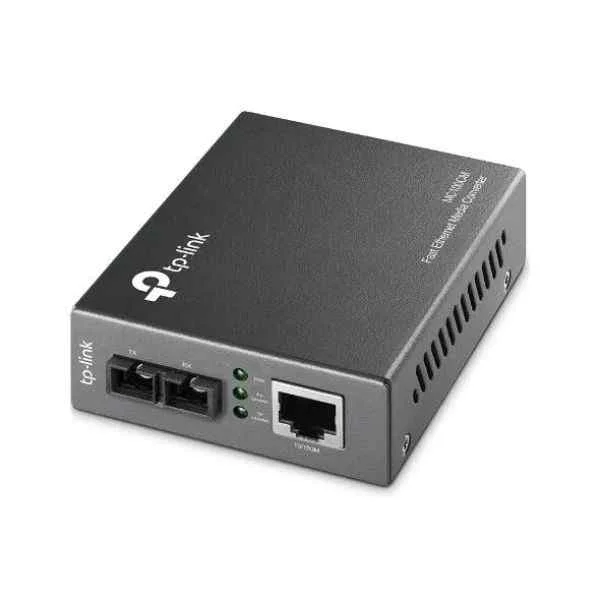
MC100CM (UNMC100CM 2PORT 10/100 RJ45/SC TO 2KM STDALN SWITCHING ADAPT)
4.7 (6)- Converter
- Tp-Link
- AV
- Unidirectional
- AV Integration
- HDMI
- VGA
Est Value $386.04$193.02
50% offIn stockNewRefurbishedFirst-Time Buyer Discount – Get up to 2% additional off on your first order
ORM Rewards Earn $50 in Rewards + Free Expedited Delivery – Join Now!
Use eCoupon ORMSAVE10
eCoupon limited to 5 units
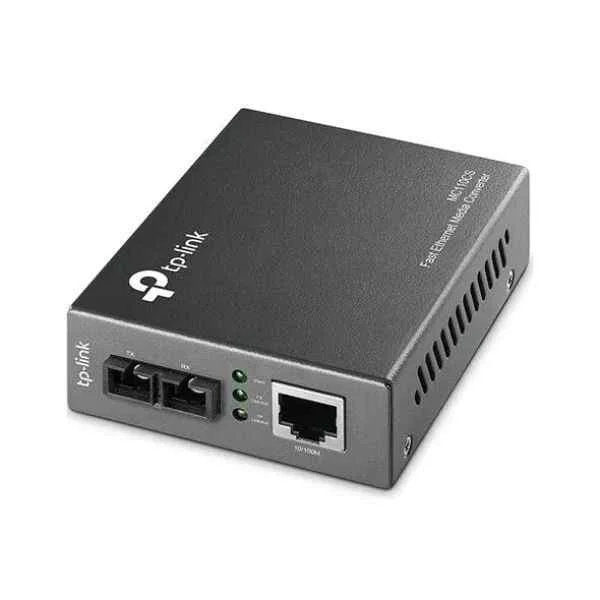
MC110CS (OMADA SC FIBER CONVERTER)
4.7 (6)- Converter
- Tp-Link
- Signal
- Unidirectional
- AV Integration
- HDMI
- VGA
Est Value $233.34$116.67
50% offIn stockNewRefurbishedFirst-Time Buyer Discount – Get up to 2% additional off on your first order
ORM Rewards Earn $50 in Rewards + Free Expedited Delivery – Join Now!
Use eCoupon ORMSAVE10
eCoupon limited to 5 units
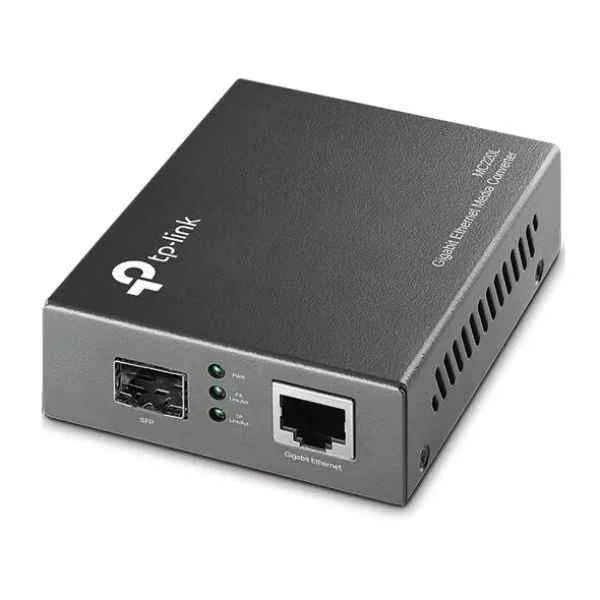
MC220L (MC220L 1PORT 10/100/1000 RJ45 0.55KM/10KM MODULE SFP SLOT)
4.8 (6)- Converter
- Tp-Link
- AV
- Unidirectional
- AV Integration
- HDMI
- VGA
Est Value $187.60$93.80
50% offIn stockNewRefurbishedFirst-Time Buyer Discount – Get up to 2% additional off on your first order
ORM Rewards Earn $50 in Rewards + Free Expedited Delivery – Join Now!
Use eCoupon ORMSAVE10
eCoupon limited to 5 units
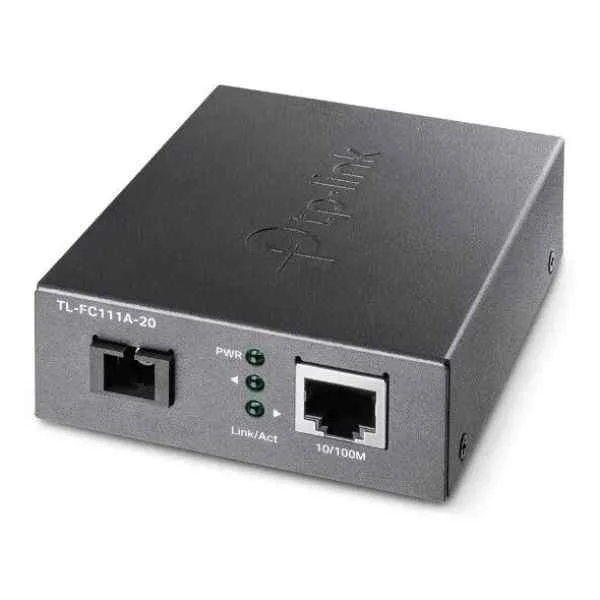
TL-FC111A-20 (10/100 MBPS RJ45 TO 100 MBPS SINGLE-MODE SC WDM BI-DIRECTION)
4.5 (6)- Converter
- Tp-Link
- Media
- Bidirectional
- Networking
- RJ-45
- Fiber LC
Est Value $89.54$76.44
14.6% offIn stockRefurbishedFirst-Time Buyer Discount – Get up to 2% additional off on your first order
ORM Rewards Earn $50 in Rewards + Free Expedited Delivery – Join Now!
Use eCoupon ORMSAVE10
eCoupon limited to 5 units
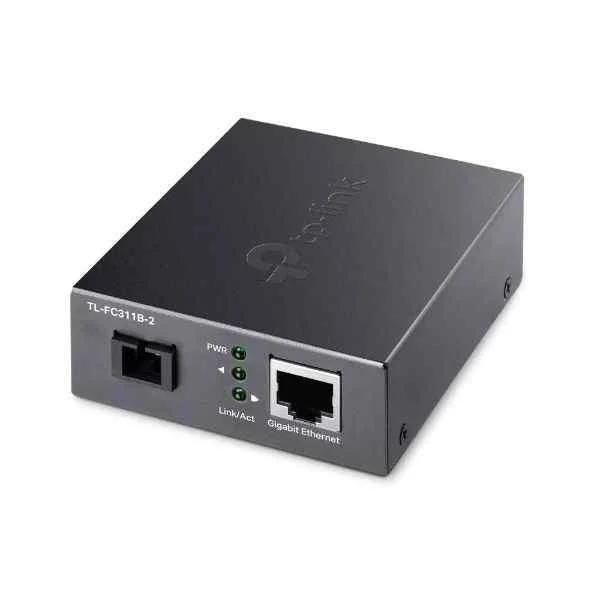
TL-FC311B-2 (TL-FC311B-2 10/100/1000MBPS RJ45 WDM STANDALONE 2KM)
4.8 (6)- Converter
- Tp-Link
- Media Converter
- Bidirectional
- Networking
- RJ-45
- Fiber LC
Est Value In stockFirst-Time Buyer Discount – Get up to 2% additional off on your first order
ORM Rewards Earn $50 in Rewards + Free Expedited Delivery – Join Now!
Use eCoupon ORMSAVE10
eCoupon limited to 5 units
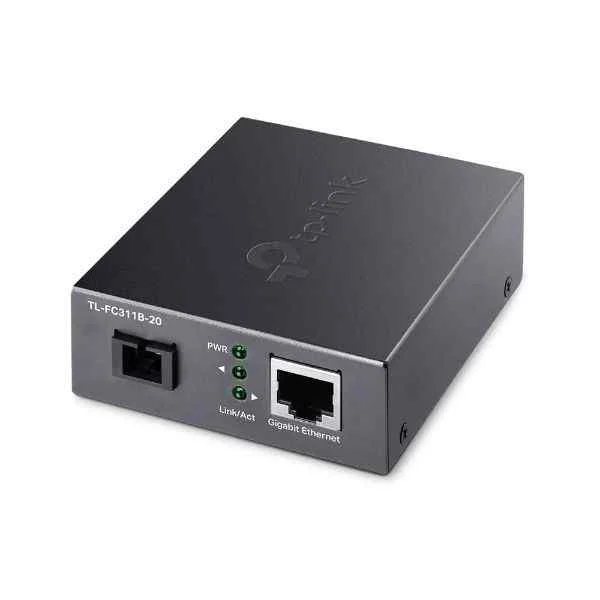
TL-FC311B-20 (TL-FC311B-20 10/100/1000MBPS RJ45 WDM STANDALONE 20KM)
4.8 (6)- Converter
- Tp-Link
- Signal
- Unidirectional
- AV Integration
- HDMI
- VGA
Est Value In stockFirst-Time Buyer Discount – Get up to 2% additional off on your first order
ORM Rewards Earn $50 in Rewards + Free Expedited Delivery – Join Now!
Use eCoupon ORMSAVE10
eCoupon limited to 5 units
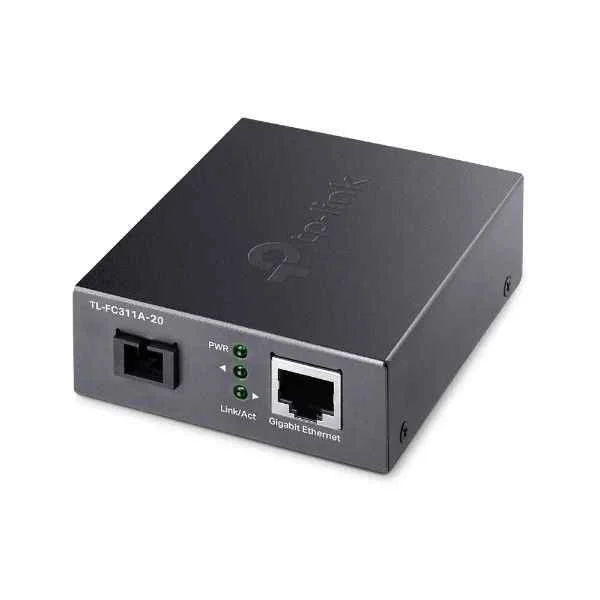
TL-FC311A-20 (TL-FC311A-20 10/100/1000MBPS RJ45 WDM STANDALONE 20KM)
4.7 (6)- Converter
- Tp-Link
- AV
- Unidirectional
- AV Integration
- HDMI
- VGA
Est Value In stockFirst-Time Buyer Discount – Get up to 2% additional off on your first order
ORM Rewards Earn $50 in Rewards + Free Expedited Delivery – Join Now!
Use eCoupon ORMSAVE10
eCoupon limited to 5 units
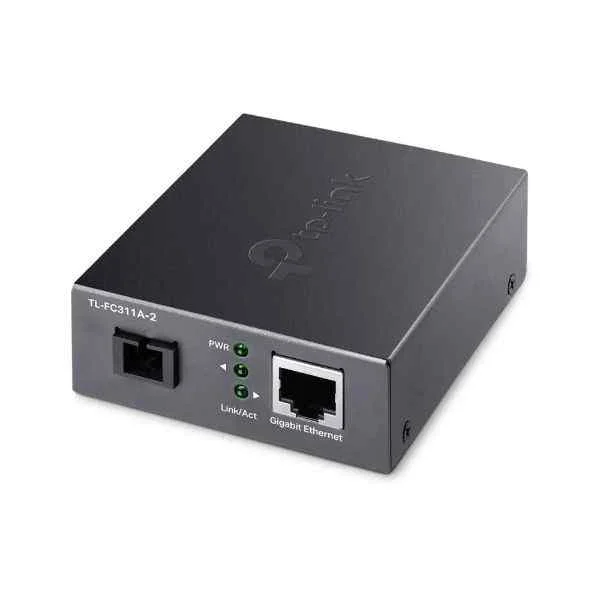
TL-FC311A-2 (TL-FC311A-2 10/100/1000MBPS RJ45 WDM STANDALONE 2KM)
4.5 (6)- Converter
- Tp-Link
- AV
- Unidirectional
- AV Integration
- HDMI
- VGA
Est Value In stockFirst-Time Buyer Discount – Get up to 2% additional off on your first order
ORM Rewards Earn $50 in Rewards + Free Expedited Delivery – Join Now!
Use eCoupon ORMSAVE10
eCoupon limited to 5 units
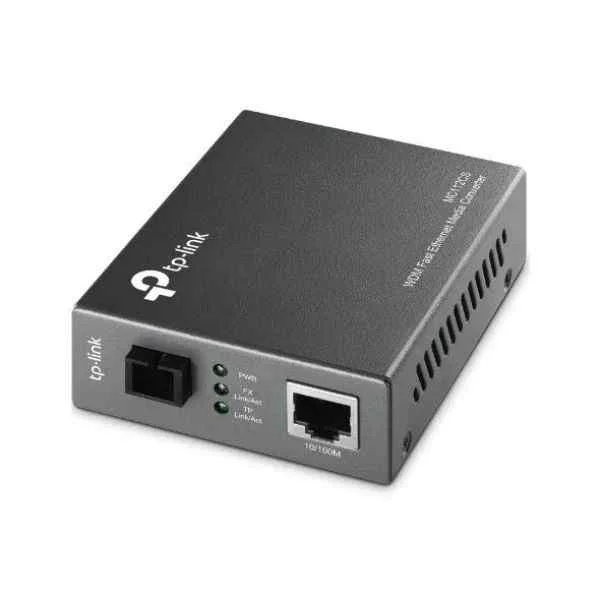
MC112CS (10/100Mbps WDM - 1000 Mbit/s - IEEE 802.3,IEEE 802.3u,IEEE 802.3x - Gigabit Ethernet - 1000 Mbit/s - SC - Wired)
4.7 (6)- Converter
- Tp-Link
- AV
- Unidirectional
- AV Integration
- HDMI
- VGA
Est Value In stockFirst-Time Buyer Discount – Get up to 2% additional off on your first order
ORM Rewards Earn $50 in Rewards + Free Expedited Delivery – Join Now!
Use eCoupon ORMSAVE10
eCoupon limited to 5 units
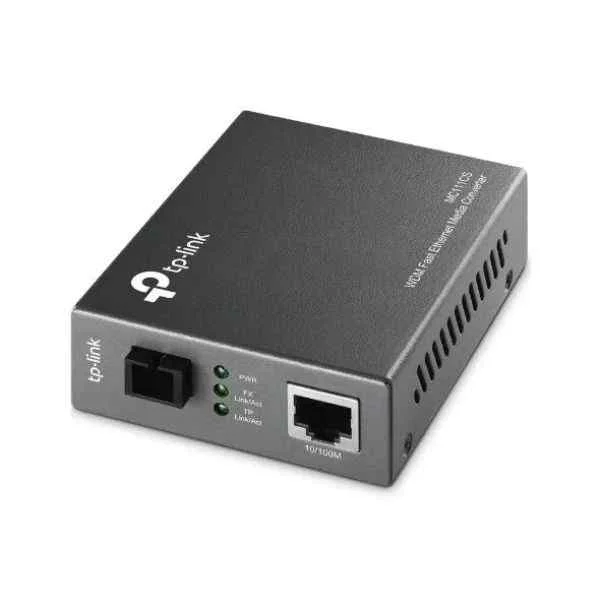
MC111CS (MC111CS - 1000 Mbit/s - IEEE 802.3,IEEE 802.3u,IEEE 802.3x - Gigabit Ethernet - 1000 Mbit/s - UTP 3 - 4 - 5e - 5 - SC)
4.8 (6)- Converter
- Tp-Link
- AV
- Unidirectional
- AV Integration
- HDMI
- VGA
Est Value In stockFirst-Time Buyer Discount – Get up to 2% additional off on your first order
ORM Rewards Earn $50 in Rewards + Free Expedited Delivery – Join Now!
Use eCoupon ORMSAVE10
eCoupon limited to 5 units

ORM Sales Advisors
Buying for your business? Get a personalised quote in under 2 hours. Talk to an expert
LEARNFilters (13) 
Questions & Answers
What are the most common types of electrical converters?
The most common electrical converters are AC-to-DC converters, DC-to-DC converters, DC-to-AC inverters and AC voltage transformers, each designed to adapt voltage and current forms for specific devices.
How does an electrical converter work?
A converter transforms input voltage or current type into a different output level or waveform by using switching, filtering and regulation stages to ensure stable power delivery.
What is the difference between AC–DC and DC–DC converters?
An AC–DC converter rectifies alternating current into direct current, while a DC–DC converter changes one DC voltage level to another through step-up or step-down regulation.
How do I choose the right voltage converter for my device?
Select a converter rated for your device’s input voltage range and power draw, plus 20% extra capacity to ensure safe, reliable operation under peak loads.
What size converter do I need for a specific appliance?
Calculate your appliance’s wattage and choose a converter with at least 20% more wattage capacity than your device’s maximum power requirement.
What efficiency rating should I look for in a power converter?
Aim for converters with at least 90% efficiency to minimize energy loss, reduce heat generation and lower operating costs.
Can I use a converter for sensitive electronics?
Yes—select a converter with regulated output, low ripple and EMI filtering to protect sensitive electronics from voltage spikes and interference.
How do I install a power converter safely?
Mount the converter in a well-ventilated area, follow the manufacturer’s wiring diagram, secure all connections and observe proper grounding practices.
Do electrical converters generate heat?
Yes—converters dissipate heat proportional to their power loss, so proper ventilation or heat sinks are essential to maintain optimal performance.
How should I maintain and clean my converter?
Regularly inspect for dust build-up, use compressed air to clear vents and verify tight cable connections to ensure efficient heat dissipation and reliable operation.
What safety certifications should I look for in a converter?
Look for UL, CE, RoHS or FCC certifications to guarantee compliance with international safety, EMC and environmental standards.
Can I use a converter for international travel?
Yes—travel converters that support 100–240 VAC input and multiple plug adapters allow you to use your devices safely in different countries.
What is the typical lifespan of a converter?
A high-quality converter can last 5–10 years under normal use, depending on load conditions, maintenance and operating environment.
How do I troubleshoot common converter issues?
Check input/output voltages, inspect wiring for loose connections, ensure adequate ventilation and consult the error indicator codes in the user manual.
Are there outdoor-rated converters for harsh environments?
Yes—IP65 or IP67-rated converters offer waterproofing, dust resistance and rugged housings for reliable outdoor and industrial applications.