 United States
Data Tapes High-Performance Solutions
Our innovative data tape solutions combine unprecedented durability with high-security archival storage capabilities, ensuring consistent performance and reliability for mission-critical operations in dynamic digital environments.
Talk to an expert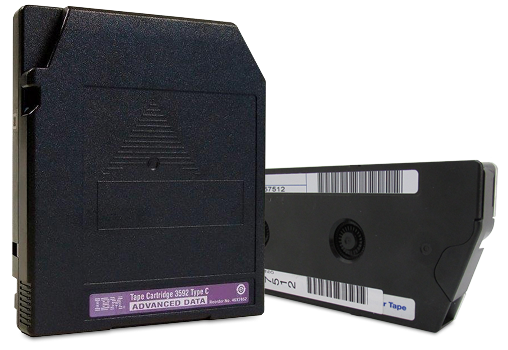
Slr / Mlr Data Tape
(16)SLR/MLR data tapes for quarter-inch cartridge archives, supporting QIC-compatible backup rotations in department file-server tape pools, with controlled media handling
8Mm Data Tape
(16)8mm data tapes for helical-scan backup estates, supporting cartridge media rotation across departmental archive shelves, with indexed cartridge cataloging
Qic Data Tape
(21)QIC data tapes for quarter-inch cartridge systems, supporting legacy workstation and server backup rotation in branch storage rooms
Dlt Data Tape
(16)DLT data tapes for midrange server backup, supporting half-inch cartridge media in SCSI-attached tape libraries, with offsite vault handling
Super Dlt Data Tape
(5)Super DLT data tapes for expanded server retention, supporting SDLT cartridge formats in midrange backup libraries, with labeled media tracking
3480 & 3490 Data Tape
(4)3480 and 3490 data tapes for mainframe cartridge archives, supporting IBM-compatible media rotation in tape silo environments, with controlled media handling
4Mm Dds Data Tape
(6)4mm DDS data tapes for DAT backup systems, supporting compact cartridge rotation in departmental server rooms, for cataloged retention
3590 "J" And "K" Data Tape
(0)3590 J and K data tapes for IBM mainframe storage, supporting half-inch cartridge media in library operations, with offsite vault handling
Lto Data Tape
(16)LTO data tapes for open-format tape libraries, supporting Ultrium cartridge rotation across server backup environments, with labeled media tracking
3592 Data Tape
(1)3592 data tapes for IBM enterprise-class cartridge libraries, supporting high-capacity mainframe and open-systems archive workflows, with indexed cartridge cataloging
9840 & 9940 Data Tape
(0)9840 and 9940 data tapes for StorageTek archive systems, supporting cartridge media rotation in mainframe tape libraries, with offsite vault handling
8Mm Vxa Data Tape
(0)8mm VXA data tapes for packet-tape backup systems, supporting cartridge rotation in branch archive closets, with barcode tracking
T10000 & T2 Data Tape
(1)T10000 and T2 data tapes for Oracle StorageTek libraries, supporting high-capacity cartridge rotation in mainframe archives, for cataloged retention
3570 Magstar Data Tape
(1)3570 Magstar data tapes for IBM midrange backup, supporting cartridge media rotation in AS/400 archive environments, with offsite vault handling
103 Matching results
- BEST SELLING
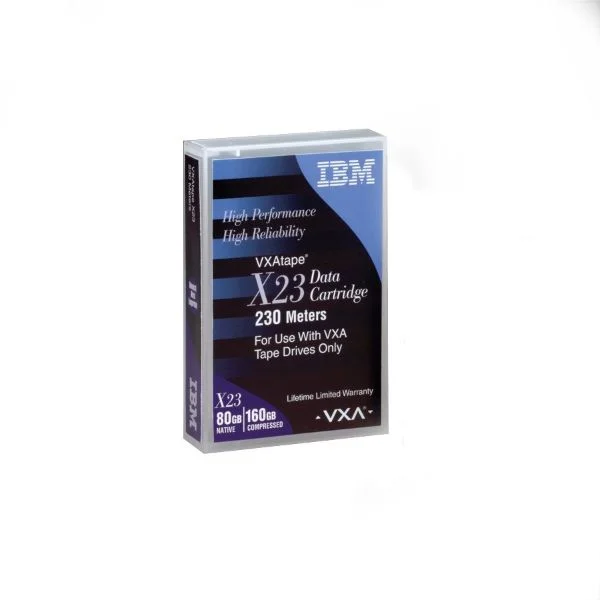
19P4876 (IBM VXA Tape V23 Data Cartridge, 230 Meter)
4.8 (5)- Data Tape
- Data Tape Media
- Other
- Standard
- Backup / Long-Term Archiving / Compliance Storage / Tape Libraries
- 80 GB
Est Value $225.22
$112.61
50% offIn stockRefurbishedFirst-Time Buyer Discount – Get up to 2% additional off on your first order
ORM Rewards Earn $50 in Rewards + Free Expedited Delivery – Join Now!
Use eCoupon ORMSAVE10
eCoupon limited to 5 units
- BEST SELLING
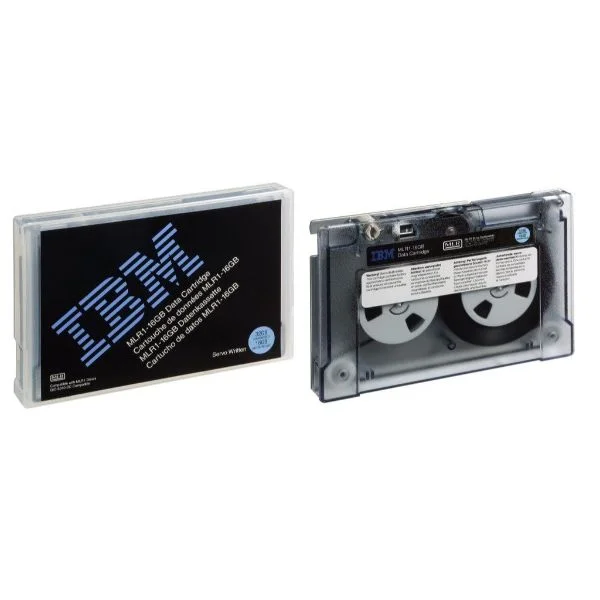
19P4209 (IBM SLR60 30/60GB Tapes)
4.8 (5)- Data Tape
- Data Tape Media
- Other
- Standard
- Backup / Long-Term Archiving / Tape Libraries
- 30 GB
Est Value $144.60$123.44
14.6% offIn stockNewRefurbishedFirst-Time Buyer Discount – Get up to 2% additional off on your first order
ORM Rewards Earn $50 in Rewards + Free Expedited Delivery – Join Now!
Use eCoupon ORMSAVE10
eCoupon limited to 5 units
- BEST SELLING
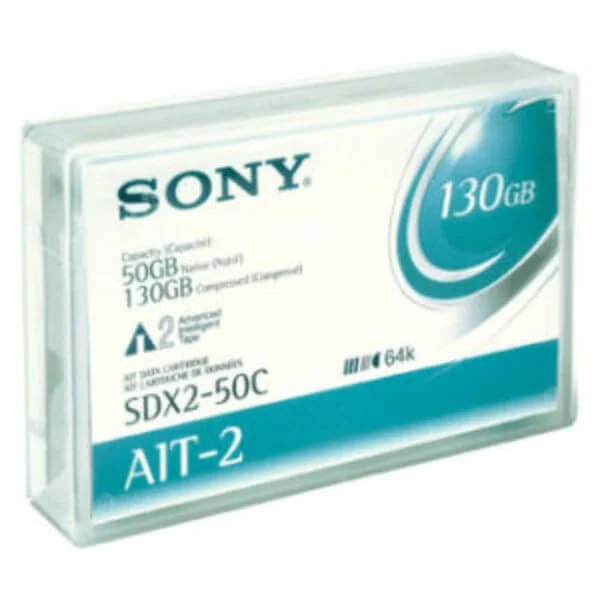
SDX2-50W (Sony AIT-2 (50/130) GB Tapes)
4.8 (5)- Data Tape
- Data Tape Media
- AIT
- AIT-2
- Standard
- Backup / Long-Term Archiving / Compliance Storage / Tape Libraries
- 50 GB
Est Value $283.50$141.75
50% offIn stockRefurbishedFirst-Time Buyer Discount – Get up to 2% additional off on your first order
ORM Rewards Earn $50 in Rewards + Free Expedited Delivery – Join Now!
Use eCoupon ORMSAVE10
eCoupon limited to 5 units
- BEST SELLING

59H3092 (IBM DLT Cleaning Tapes)
4.6 (5)- Data Tape
- Data Tape Media
- DLT
- Cleaning
- Tape Libraries
Est Value $178.60$152.46
14.6% offIn stockRefurbishedFirst-Time Buyer Discount – Get up to 2% additional off on your first order
ORM Rewards Earn $50 in Rewards + Free Expedited Delivery – Join Now!
Use eCoupon ORMSAVE10
eCoupon limited to 5 units
- FEARURED
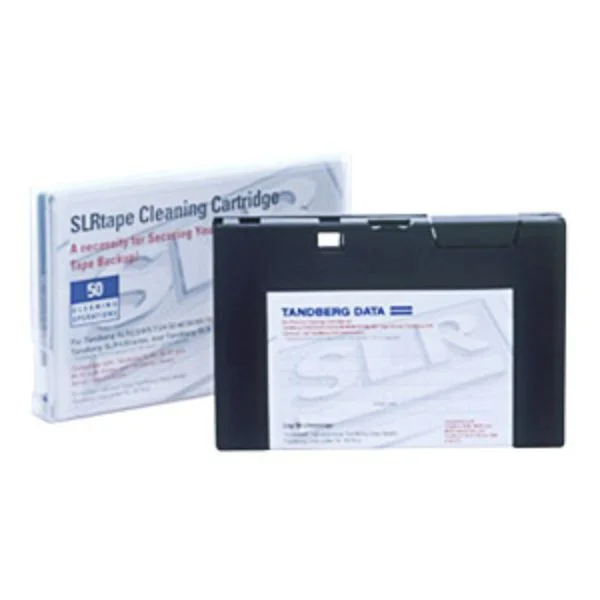
5678-2 (Tandberg 5.25 Inch Dry Process SLR Cleaning Cartridge)
4.6 (5)- Cleaning Cartridge
- Data Tape Media
- Other
- Cleaning
- Tape Libraries
Est Value $1,209.60$604.80
50% offIn stockRefurbishedFirst-Time Buyer Discount – Get up to 2% additional off on your first order
ORM Rewards Earn $50 in Rewards + Free Expedited Delivery – Join Now!
Use eCoupon ORMSAVE10
eCoupon limited to 5 units
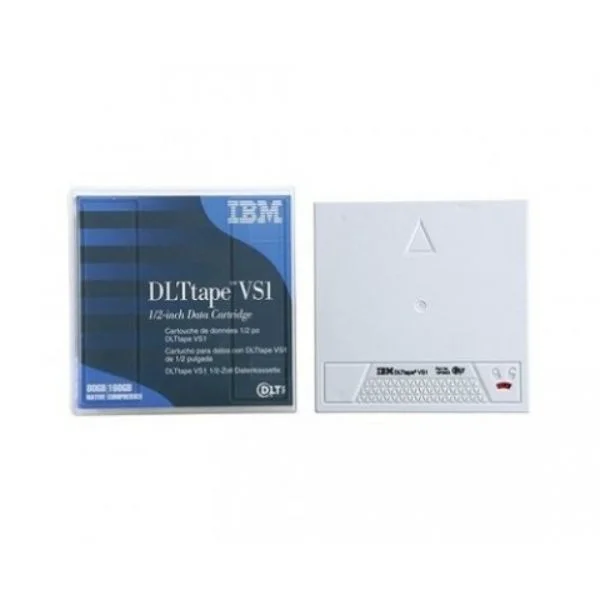
18P8923 (IBM DLT VS-1 (80/160) GB Tapes)
4.8 (5)- Data Tape
- Data Tape Media
- DLT
- Standard
- Backup / Long-Term Archiving / Compliance Storage / Tape Libraries
- 80 GB
Est Value $124.54$106.31
14.6% offIn stockRefurbishedFirst-Time Buyer Discount – Get up to 2% additional off on your first order
ORM Rewards Earn $50 in Rewards + Free Expedited Delivery – Join Now!
Use eCoupon ORMSAVE10
eCoupon limited to 5 units
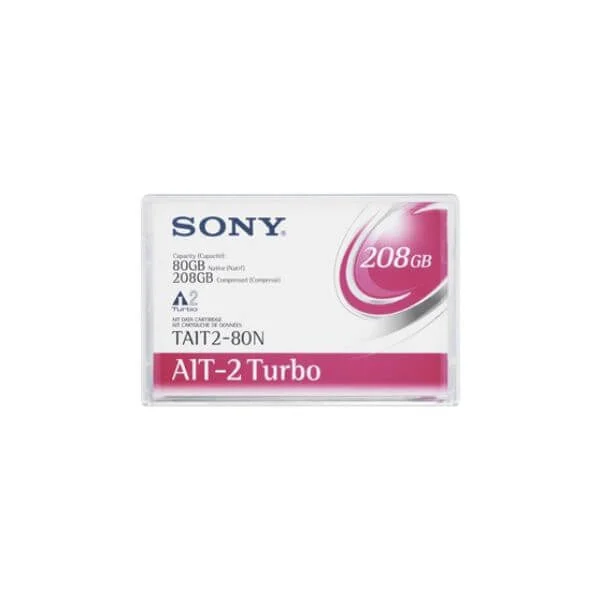
TAIT2-80C (AIT-2, Turbo, 80 /208 GB)
4.6 (5)- Data Tape
- Data Tape Media
- AIT
- AIT-2 Turbo
- Standard
- Backup / Long-Term Archiving / Compliance Storage / Tape Libraries
- 80 GB
Est Value $220.50$110.25
50% offIn stockRefurbishedFirst-Time Buyer Discount – Get up to 2% additional off on your first order
ORM Rewards Earn $50 in Rewards + Free Expedited Delivery – Join Now!
Use eCoupon ORMSAVE10
eCoupon limited to 5 units
C8010A (HP DAT 72 72GB 170M DATA CARTRIDGE)
4.6 (5)- Data Tape
- Data Tape Media
- DDS
- Standard
- Backup / Long-Term Archiving / Compliance Storage / Tape Libraries
- 36 GB
Est Value $137.02$116.97
14.6% offIn stockRefurbishedFirst-Time Buyer Discount – Get up to 2% additional off on your first order
ORM Rewards Earn $50 in Rewards + Free Expedited Delivery – Join Now!
Use eCoupon ORMSAVE10
eCoupon limited to 5 units
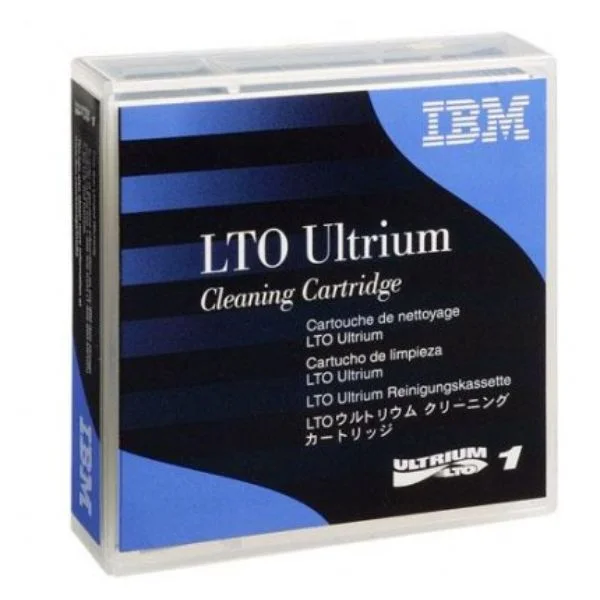
35L2086 (IBM LTO Cleaning Tapes)
4.8 (5)- Data Tape
- Data Tape Media
- LTO
- Cleaning
- Backup
Est Value $164.56$152.18
7.5% offIn stockRefurbishedFirst-Time Buyer Discount – Get up to 2% additional off on your first order
ORM Rewards Earn $50 in Rewards + Free Expedited Delivery – Join Now!
Use eCoupon ORMSAVE10
eCoupon limited to 5 units
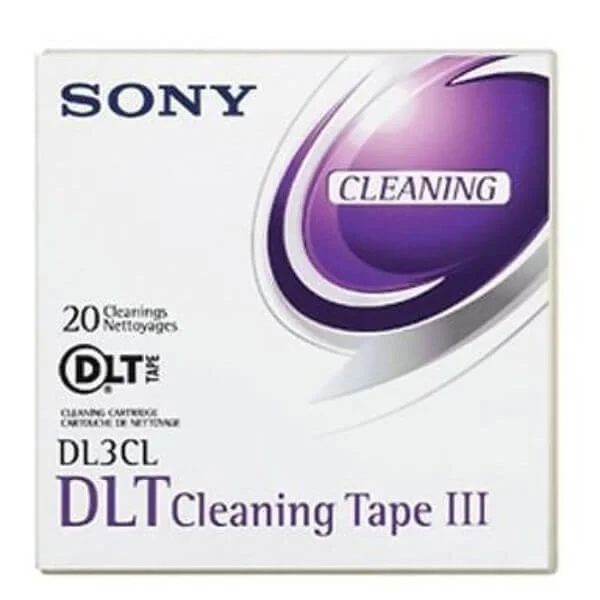
DL3CL (Sony DLT Cleaning Tapes)
4.6 (5)- Data Tape
- Data Tape Media
- DLT
- Cleaning
- Tape Libraries
Est Value $184.98$157.91
14.6% offIn stockRefurbishedFirst-Time Buyer Discount – Get up to 2% additional off on your first order
ORM Rewards Earn $50 in Rewards + Free Expedited Delivery – Join Now!
Use eCoupon ORMSAVE10
eCoupon limited to 5 units
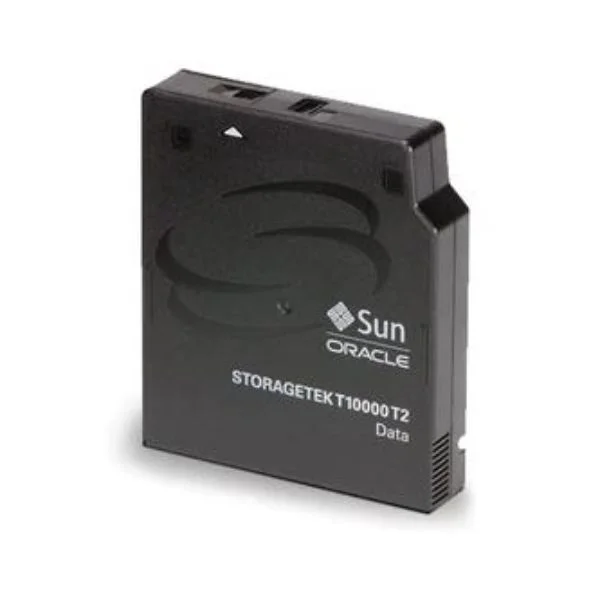
003-5366-01 (Sun / Oracle, "T2" T10000 T10K 5TB P/N 003-5366-01)
5 (5)- Data Tape
- Data Tape Media
- Other
- Standard
- Backup / Long-Term Archiving / Compliance Storage / Tape Libraries
- 5.0 TB
Est Value $426.30$118.11
72.3% offIn stockNewRefurbishedFirst-Time Buyer Discount – Get up to 2% additional off on your first order
ORM Rewards Earn $50 in Rewards + Free Expedited Delivery – Join Now!
Use eCoupon ORMSAVE10
eCoupon limited to 5 units

35L0844 (IBM SLR/MLR Cleaning Tapes)
4.8 (5)- Data Tape
- Data Tape Media
- Other
- Cleaning
- Tape Libraries
Est Value $844.03$799.05
5.3% offIn stockNewRefurbishedFirst-Time Buyer Discount – Get up to 2% additional off on your first order
ORM Rewards Earn $50 in Rewards + Free Expedited Delivery – Join Now!
Use eCoupon ORMSAVE10
eCoupon limited to 5 units
- BEST SELLING
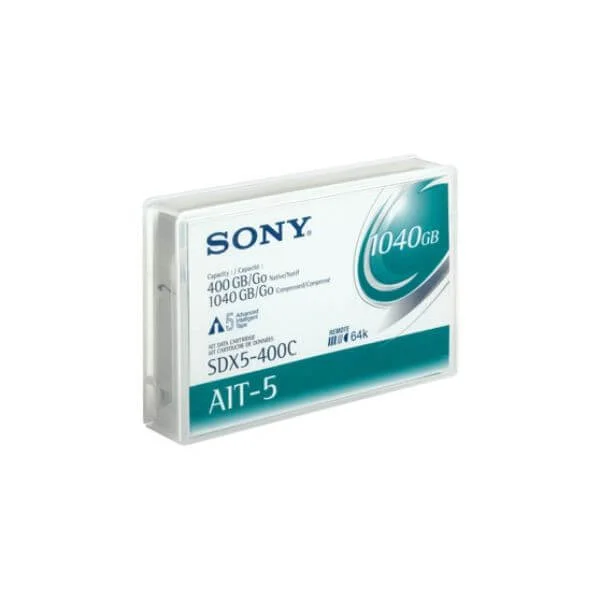
sdx5-400c (Sony AIT-5 400/1040GB Tape The Sony AIT-5 AME is a cutting-edge solution for data backups and data recall efforts. The Sony AIT-5 tape cartridge is highly efficient, reliable, and cost-effective.)
4.8 (5)- Data Tape
- Data Tape Media
- AIT
- AIT-5
- Standard
- Backup / Long-Term Archiving / Compliance Storage / Tape Libraries
- 400 GB
Est Value $63.00$31.50
50% offIn stockRefurbishedFirst-Time Buyer Discount – Get up to 2% additional off on your first order
ORM Rewards Earn $50 in Rewards + Free Expedited Delivery – Join Now!
Use eCoupon ORMSAVE10
eCoupon limited to 5 units
- BEST SELLING
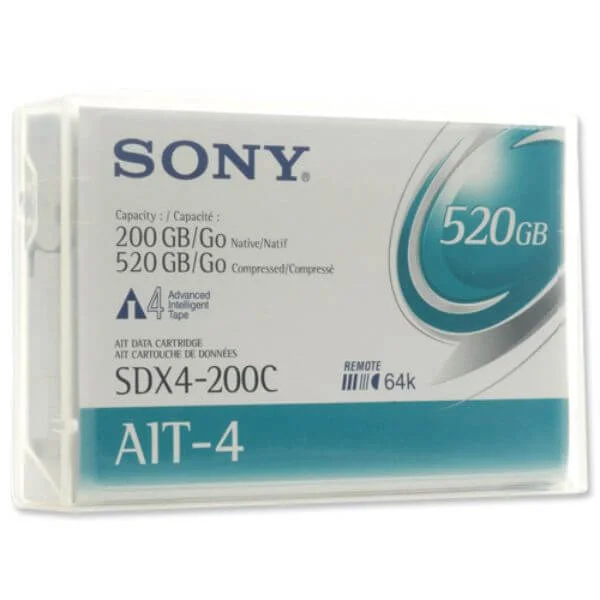
sdx4-200c (Sony AIT-4 (200/520) GB P/N SDX4-200C The Sony AIT-4 200/520 is the perfect storage solution for massive amounts of data. The Sony AIT-4 tape cartridge is of the highest quality and offers an amazingly efficient means for data backups and data recovery.)
4.6 (5)- Data Tape
- Data Tape Media
- AIT
- AIT-4
- Standard
- Backup / Long-Term Archiving / Compliance Storage / Tape Libraries
- 200 GB
Est Value $73.50$36.75
50% offIn stockRefurbishedFirst-Time Buyer Discount – Get up to 2% additional off on your first order
ORM Rewards Earn $50 in Rewards + Free Expedited Delivery – Join Now!
Use eCoupon ORMSAVE10
eCoupon limited to 5 units
- BEST SELLING
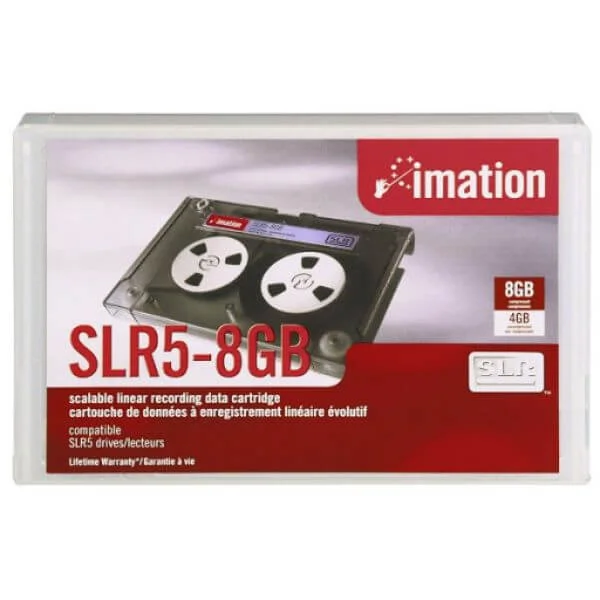
SLR58GB (Sony SLR5 4/8 GB Tapes)
4.6 (5)- Data Tape
- Data Tape Media
- Other
- Standard
- Backup / Long-Term Archiving / Compliance Storage / Tape Libraries
- 4 GB
Est Value $105.00$52.50
50% offIn stockRefurbishedFirst-Time Buyer Discount – Get up to 2% additional off on your first order
ORM Rewards Earn $50 in Rewards + Free Expedited Delivery – Join Now!
Use eCoupon ORMSAVE10
eCoupon limited to 5 units
- BEST SELLING
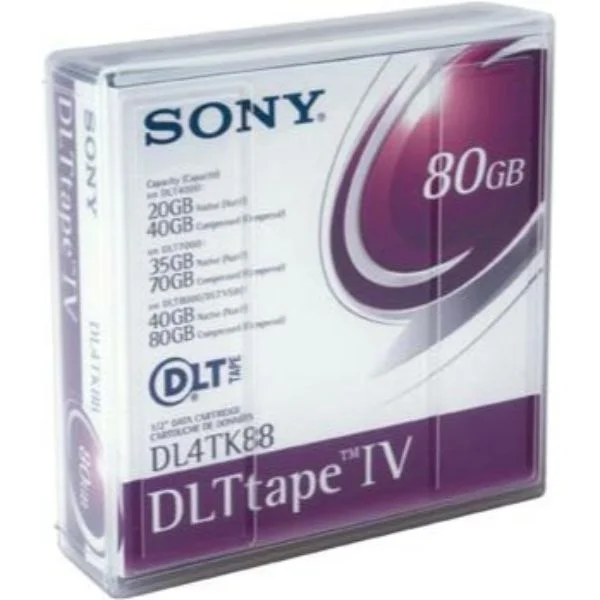
DL4TK88 (Sony DLT IV 40/80 Tapes The Sony DLT IV utilizes MP (metal particle) technology as it effectively backs up large volumes of mission-critical data. With a native capacity of 40GB and compressed capacity of 80GB, the DLTtape™ offers high capacity storage.)
4.8 (5)- Data Tape
- Data Tape Media
- DLT
- Standard
- Backup / Long-Term Archiving / Compliance Storage / Tape Libraries
- 40 GB
Est Value $71.86$61.35
14.6% offIn stockRefurbishedFirst-Time Buyer Discount – Get up to 2% additional off on your first order
ORM Rewards Earn $50 in Rewards + Free Expedited Delivery – Join Now!
Use eCoupon ORMSAVE10
eCoupon limited to 5 units
- BEST SELLING
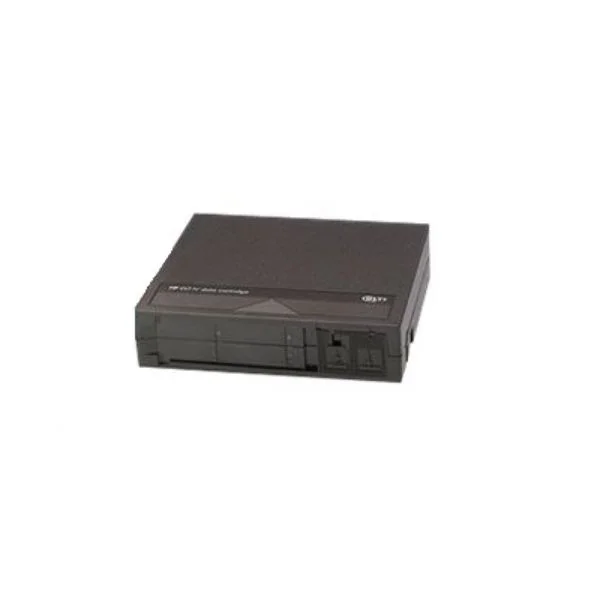
295192-B21 (Compaq DLT4 (40/80)GB)
4.6 (5)- Data Tape
- Data Tape Media
- DLT
- Standard
- Backup / Long-Term Archiving / Tape Libraries
- 40 GB
Est Value $73.80$63.00
14.6% offIn stockRefurbishedFirst-Time Buyer Discount – Get up to 2% additional off on your first order
ORM Rewards Earn $50 in Rewards + Free Expedited Delivery – Join Now!
Use eCoupon ORMSAVE10
eCoupon limited to 5 units
- BEST SELLING
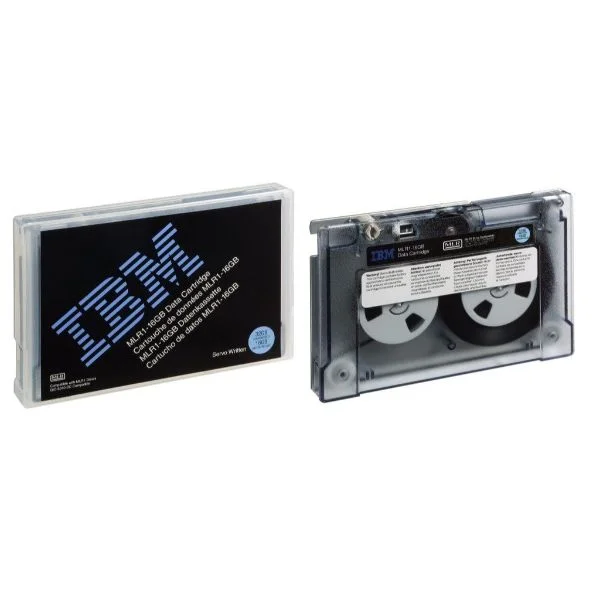
59H3660 (IBM SLR5 4/8 GB Tapes)
4.6 (10)- Data Tape
- Data Tape Media
- Other
- Standard
- Backup / Long-Term Archiving / Tape Libraries
- 4 GB
Est Value In stockFirst-Time Buyer Discount – Get up to 2% additional off on your first order
ORM Rewards Earn $50 in Rewards + Free Expedited Delivery – Join Now!
Use eCoupon ORMSAVE10
eCoupon limited to 5 units
- BEST SELLING
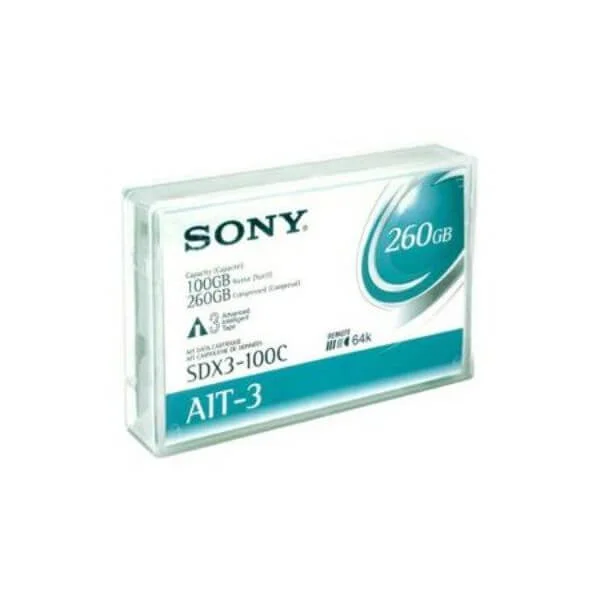
SDX3-100C (Sony AIT-3 (100/260) GB The Sony AIT-3 100/260 allows for you to secure your most important data for years to come. The Sony AIT-3 tape cartridge is of the highest quality and offers an amazingly efficient means for data backups and data recovery)
5 (5)- Data Tape
- Data Tape Media
- AIT
- AIT-3
- Standard
- Backup / Long-Term Archiving / Compliance Storage / Tape Libraries
- 100 GB
Est Value In stockFirst-Time Buyer Discount – Get up to 2% additional off on your first order
ORM Rewards Earn $50 in Rewards + Free Expedited Delivery – Join Now!
Use eCoupon ORMSAVE10
eCoupon limited to 5 units
- BEST SELLING
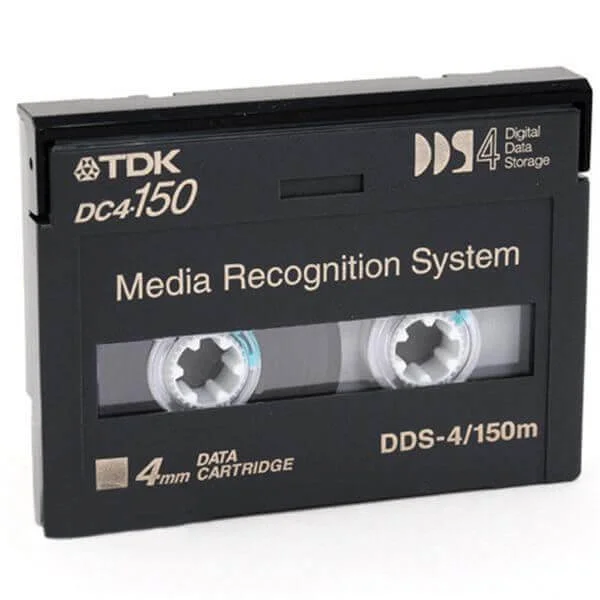
DC4-150 (TDK 4mm DDS-4, 20/40GB The TDK DDS-4 tape cartridge is a powerful solution for the storage of large amounts of data. Featuring 20 GB of native storage capacity and 40 GB of compressed storage capacity, the TDK DDS4 4mm simplifies data archiving efforts.)
4.6 (5)- Data Tape
- Data Tape Media
- DDS
- DDS-4
- Standard
- Backup / Long-Term Archiving / Compliance Storage / Tape Libraries
- 20 GB
Est Value In stockFirst-Time Buyer Discount – Get up to 2% additional off on your first order
ORM Rewards Earn $50 in Rewards + Free Expedited Delivery – Join Now!
Use eCoupon ORMSAVE10
eCoupon limited to 5 units

ORM Sales Advisors
Buying for your business? Get a personalised quote in under 2 hours. Talk to an expert
LEARNFilters (103) 
Questions & Answers
What are data tapes and how do they work?
Data tapes are magnetic storage media that record digital information sequentially. They work by passing a tape cartridge over read/write heads in a tape drive to store or retrieve data.
What types of data tape formats are available?
Common formats include LTO (Linear Tape-Open), IBM TS, and Oracle StorageTek. Each format offers distinct capacities, speeds, and compatibility with enterprise tape libraries.
What storage capacities do data tapes offer?
Modern data tapes range from 1.5 TB to 45 TB of compressed capacity per cartridge. Capacity varies by generation and format, with LTO-8 offering up to 30 TB compressed.
How long can data tapes retain archived data?
Data tapes can reliably store data for 20 to 30 years under proper environmental conditions. Longevity depends on temperature, humidity, and handling protocols.
What are the advantages of using data tapes over disk or cloud?
Data tapes deliver lower cost per TB, high durability, and offline air-gap security. They also reduce energy consumption and long-term storage expenses compared to spinning disk or cloud.
How do I choose the right data tape for my environment?
Evaluate required capacity, transfer rate, library compatibility, and budget. Match your backup window and retention policy with the tape generation that meets performance needs.
How do I ensure data integrity on tape backups?
Use error-correcting codes, regular integrity scans, and retention of multiple tape copies. Implement checksum validation and routine test restores to verify data.
How often should I test or refresh my data tapes?
Conduct quarterly or biannual test restores and refresh tapes every 3 to 5 years. This practice prevents data degradation and maintains compatibility with evolving hardware.
How should I store data tapes for optimal preservation?
Store tapes vertically in a climate-controlled environment at 15–25°C and 20–50% relative humidity. Keep them away from magnetic fields, dust, and direct sunlight.
What is the typical cost per gigabyte for data tape storage?
Tape storage costs range from $0.01 to $0.03 per GB depending on volume and format. Bulk purchasing and library integration can further reduce per-GB pricing.
Can I encrypt data on tapes for security?
Yes. Most modern tape drives support hardware encryption with AES-256 to secure data at rest. Manage encryption keys through an enterprise key management system.
How fast can I back up and restore data using tapes?
Data transfer rates vary by tape generation, from 300 MB/s (LTO-6) up to 360 MB/s (LTO-8) native. Restore speeds match backup speeds, subject to drive and library performance.
Which backup software solutions support tape backups?
Leading solutions include Veritas NetBackup, IBM Spectrum Protect, Commvault, and Veeam. Ensure your software version supports your chosen tape hardware and format.
How do I restore data from a tape backup?
Load the tape into a compatible drive or library, select the restore job in your backup software, and initiate the data retrieval process. Monitor the job for completion and verify restored files.
Can data tapes be used for offsite disaster recovery?
Yes. Offsite rotation of encrypted tape cartridges creates an air-gapped backup copy. This strategy enhances resilience against ransomware and site-wide failures.
What tape drives and libraries are compatible with data tape formats?
Compatibility lists are published by LTO Consortium and OEMs such as IBM and HPE. Verify drive firmware and library automation support the tape generation you plan to use.
How do I securely retire or destroy old data tapes?
Use certified degaussers or physical shredders designed for magnetic tapes. Maintain destruction certificates and audit logs to comply with data-privacy regulations.