 United States
Firewalls Uncompromising Network Security
Ensure unparalleled protection with our state-of-art firewall solutions. Our robust systems deliver advanced threat detection, secure network architecture, and scalable integration for complete digital transformation and cybersecurity success.
Talk to an expert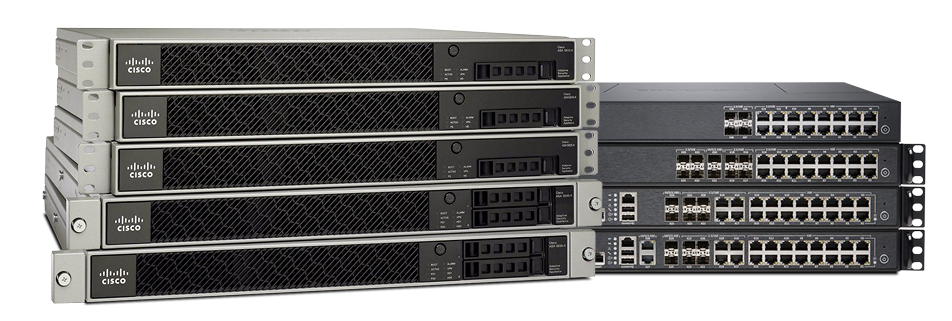
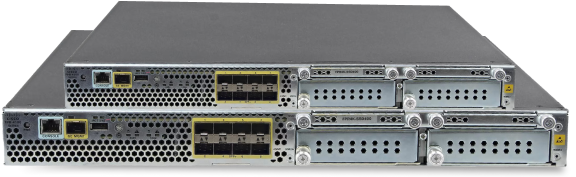
Cisco Firewalls
(120)Cisco firewalls secure branch WAN edge and campus internet ingress with stateful inspection, IPsec VPN, and multi-gigabit traffic filtering
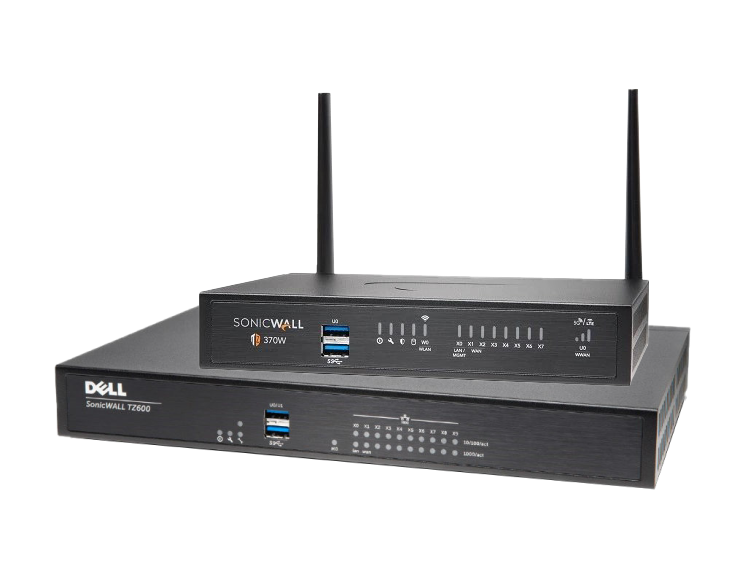
Dell Firewalls
(2)Dell firewalls fit mixed-vendor branch security closets with Gigabit Ethernet uplinks, SSL VPN access, and stateful packet inspection
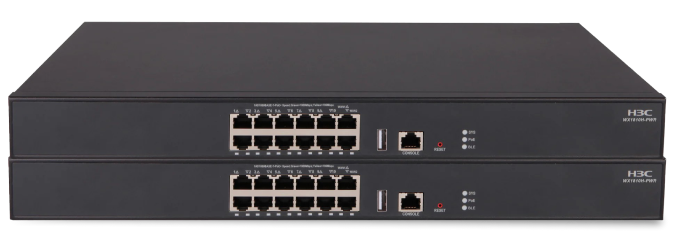
H3C Firewalls
(3)H3C firewalls protect campus distribution boundaries with Layer 3 segmentation, IPsec tunnels, and available 10 Gigabit Ethernet options
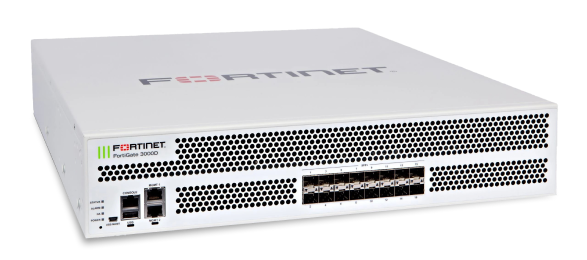
Fortinet Firewalls
(614)Fortinet firewalls secure branch WAN edge, retail internet breakouts, and data center perimeters with NGFW inspection and IPsec VPN
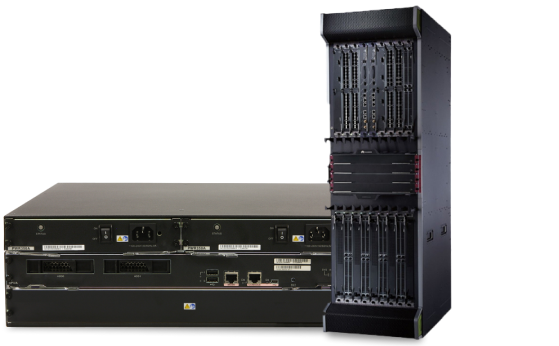
Huawei Firewalls
(150)Huawei firewalls secure carrier branch and campus perimeter deployments with IPsec VPN, application control, and multi-gigabit threat inspection
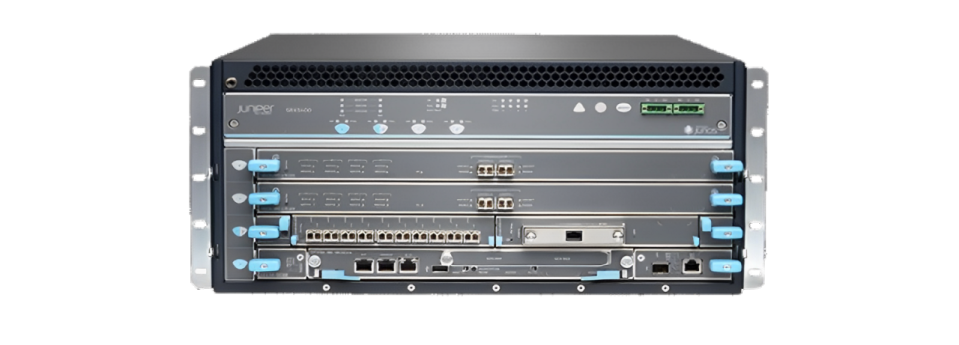
Juniper Firewalls
(95)Juniper firewalls protect campus WAN edges and data center segments with SRX services, IPsec VPN, and high-throughput packet processing
984 Matching results
- BEST SELLING
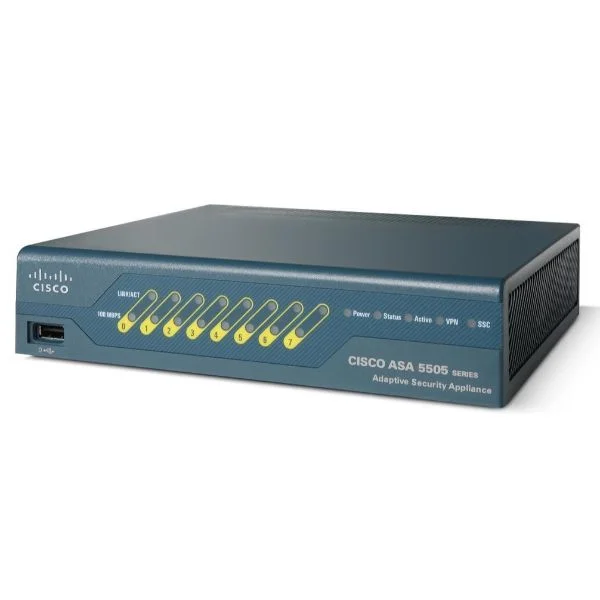
ASA5505-BUN-K9 (ASA 5505 Appliance with SW, 10 Users, 8 ports, 3DES/AES)
4.8 (5)- Firewall Appliance
- Cisco
- Desktop
- Small Business / Branch Office
- VPN / UTM
- Layer 3 / Layer 4
- AC Power Supply
Est Value $595.00
$115.50
80.6% offIn stockNewRefurbishedFirst-Time Buyer Discount – Get up to 2% additional off on your first order
ORM Rewards Earn $50 in Rewards + Free Expedited Delivery – Join Now!
Use eCoupon ORMSAVE10
eCoupon limited to 5 units
- BEST SELLING
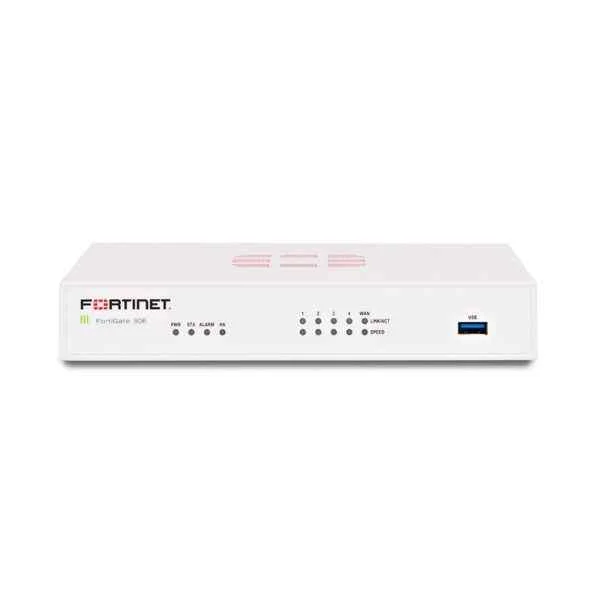
FG-30E (Fortinet FG-30E, 5 x GE RJ45 ports (Including 1 x WAN port, 4 x Switch ports), Max managed FortiAPs (Total / Tunnel) 2 / 2)
4.6 (5)- Firewall Appliance
- Fortinet
- Rack-mount
- SMB / Enterprise / Branch Office / Cloud
- VPN / Secure Access / Segmentation / UTM
- Layer 7
- AC Power Supply
Est Value $353.13$254.10
28% offIn stockRefurbishedFirst-Time Buyer Discount – Get up to 2% additional off on your first order
ORM Rewards Earn $50 in Rewards + Free Expedited Delivery – Join Now!
Use eCoupon ORMSAVE10
eCoupon limited to 5 units
- BEST SELLING
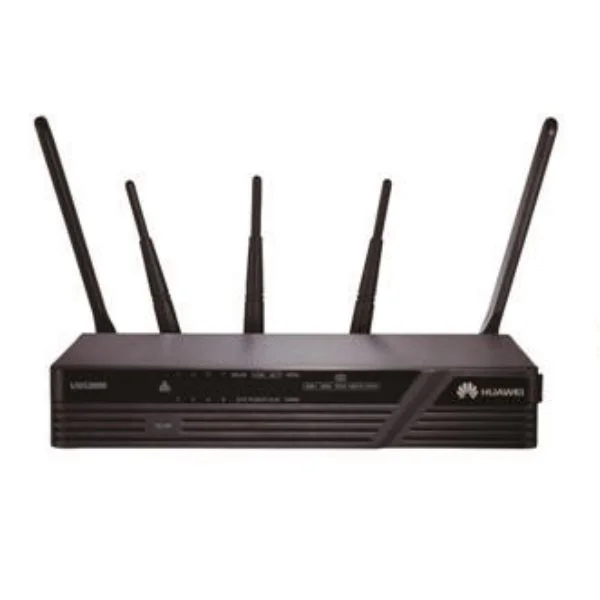
USG2110-F-W (USG2110-F-W AC Host with 2FE WAN(RJ45)+8FE LAN(RJ45),WIFI,512M memory,1AC power supply)
4.5 (6)- Firewall Appliance
- Huawei
- Rack-mount
- Enterprise / Branch Office
- VPN / Secure Access / Segmentation / UTM
- Layer 3 / Layer 4 / Layer 7
- AC Power Supply
Est Value $890.91$402.24
54.9% offIn stockNewFirst-Time Buyer Discount – Get up to 2% additional off on your first order
ORM Rewards Earn $50 in Rewards + Free Expedited Delivery – Join Now!
Use eCoupon ORMSAVE10
eCoupon limited to 5 units
- BEST SELLING
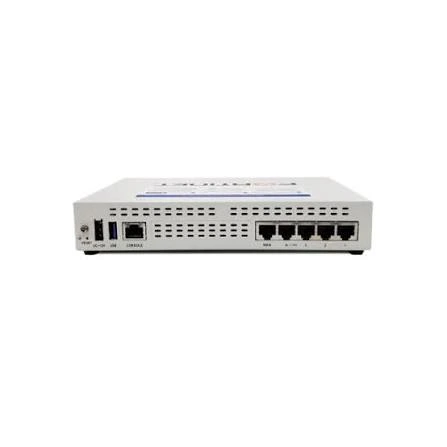
FG-40F (FortiGate 40F FG-40F, 5 x GE RJ45 ports (including 4 x Internal Ports, 1 x WAN Ports))
5 (5)- Firewall Appliance
- Fortinet
- Rack-mount
- Small Business / Enterprise / Branch Office
- VPN / Secure Access / UTM
- Layer 3 / Layer 7
- AC Power Supply
Est Value $802.33$684.92
14.6% offIn stockNewRefurbishedFirst-Time Buyer Discount – Get up to 2% additional off on your first order
ORM Rewards Earn $50 in Rewards + Free Expedited Delivery – Join Now!
Use eCoupon ORMSAVE10
eCoupon limited to 5 units
- BEST SELLING
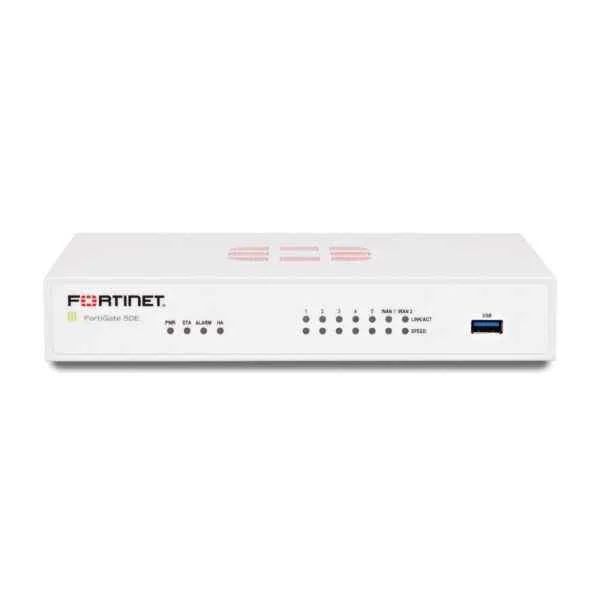
FG-50E (Fortinet FG-50E, 7 x GE RJ45 ports (Including 2 x WAN port, 5 x Switch ports), Max managed FortiAPs (Total / Tunnel) 10 / 5)
4.2 (5)- Firewall Appliance
- Fortinet
- Desktop
- Small Business / Branch Office
- VPN / Secure Access / UTM
- Layer 3 / Layer 4 / Layer 7
- AC Power Supply
Est Value $1,217.70$1,039.50
14.6% offIn stockNewRefurbishedFirst-Time Buyer Discount – Get up to 2% additional off on your first order
ORM Rewards Earn $50 in Rewards + Free Expedited Delivery – Join Now!
Use eCoupon ORMSAVE10
eCoupon limited to 5 units
- BEST SELLING
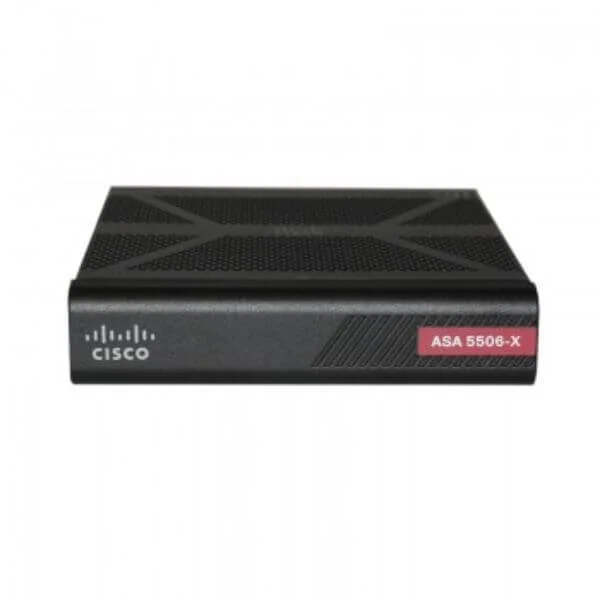
ASA5506-K9 (Cisco ASA 5500-X Next Generation, ASA 5506-X, 8*GE ports, 1GE Mgmt, AC, 3DES/AES, AVC, FirePower, FireSIGHT, unlimited user nodes)
4.6 (5)- Firewall Appliance
- Cisco
- Desktop
- Small Business / Branch Office
- VPN / UTM
- Layer 3 / Layer 4
- AC Power Supply
Est Value $1,262.00$173.25
86.3% offIn stockNewRefurbishedFirst-Time Buyer Discount – Get up to 2% additional off on your first order
ORM Rewards Earn $50 in Rewards + Free Expedited Delivery – Join Now!
Use eCoupon ORMSAVE10
eCoupon limited to 5 units
- BEST SELLING
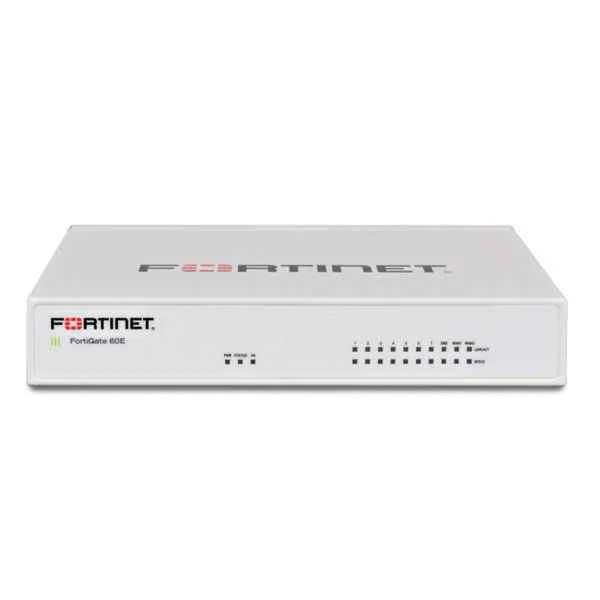
FG-60E (Fortinet FG-60E, 10 x GE RJ45 ports (including 7 x Internal Ports, 2 x WAN Ports, 1 x DMZ Port). Max managed FortiAPs (Total / Tunnel) 30 / 10)
4.4 (5)- Firewall Appliance
- Fortinet
- Desktop
- Small Business / Branch Office
- VPN / UTM
- Layer 7
- AC Power Supply
Est Value $795.66$309.54
61.1% offIn stockNewRefurbishedFirst-Time Buyer Discount – Get up to 2% additional off on your first order
ORM Rewards Earn $50 in Rewards + Free Expedited Delivery – Join Now!
Use eCoupon ORMSAVE10
eCoupon limited to 5 units
- BEST SELLING
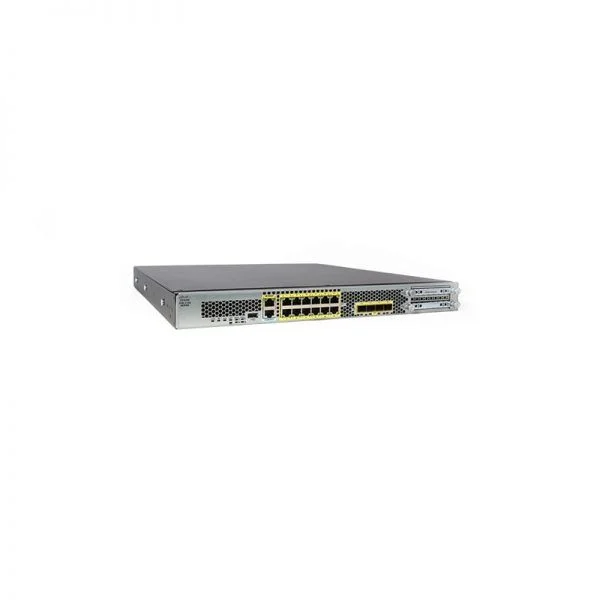
FPR2110-NGFW-K9 (FIREPOWER 2110 NGFW APPL 1U)
4.6 (5)- Firewall Appliance
- Cisco
- Rack-mount
- Small Business / Business / Enterprise / Branch Office
- NGFW, IPS, VPN, Web Filtering, Application Control
- Layer 3 / Layer 4 / Layer 7
- AC Power Supply
Est Value $13,942.00$472.50
96.6% offIn stockNewRefurbishedFirst-Time Buyer Discount – Get up to 2% additional off on your first order
ORM Rewards Earn $50 in Rewards + Free Expedited Delivery – Join Now!
Use eCoupon ORMSAVE10
eCoupon limited to 5 units
- BEST SELLING
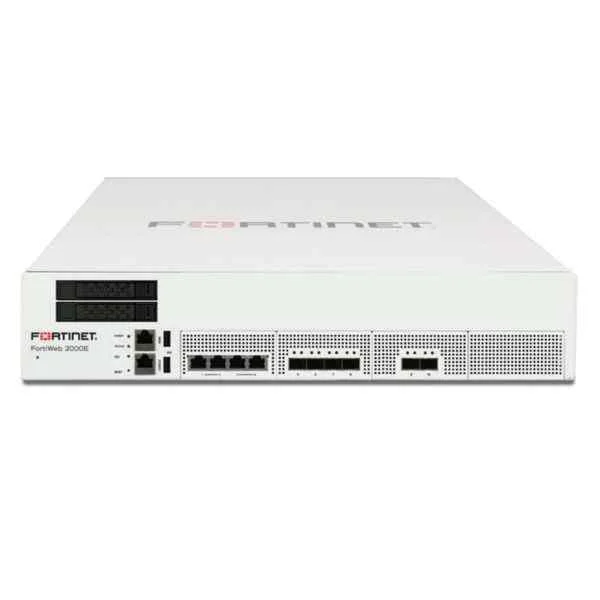
FWB-2000E (Fortinet FWB-2000E Web Application Firewall - 2 x 10GE SFP+ ports, 4 x GE RJ45 bypass ports, 4 x GE SFP ports, dual AC power supplies, 2 TB storage)
4.4 (5)- Firewall Appliance
- Fortinet
- Rack-mount
- Enterprise
- UTM
- Layer 7
- AC Power Supply
Est Value $59,646.82$54,112.07
9.3% offIn stockNewRefurbishedFirst-Time Buyer Discount – Get up to 2% additional off on your first order
ORM Rewards Earn $50 in Rewards + Free Expedited Delivery – Join Now!
Use eCoupon ORMSAVE10
eCoupon limited to 5 units
- BEST SELLING
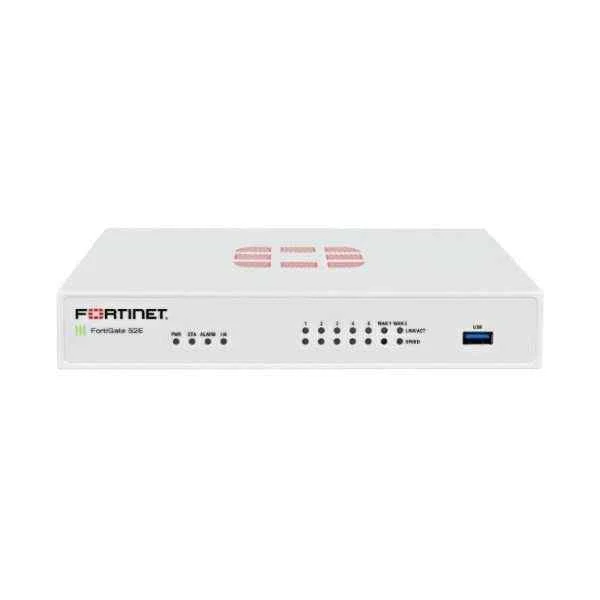
FG-52E (Fortinet FG-52E 7 x GE RJ45 ports (Including 2 x WAN port, 5 x Switch ports) with 2x 32GB SSD onboard storage. Max managed FortiAPs (Total / Tunnel) 10 / 5)
4.6 (5)- Firewall Appliance
- Fortinet
- Rack-mount
- Branch Office
- UTM
- Layer 7
- AC Power Supply
Est Value $1,196.56$884.22
26.1% offIn stockNewRefurbishedFirst-Time Buyer Discount – Get up to 2% additional off on your first order
ORM Rewards Earn $50 in Rewards + Free Expedited Delivery – Join Now!
Use eCoupon ORMSAVE10
eCoupon limited to 5 units
- BEST SELLING
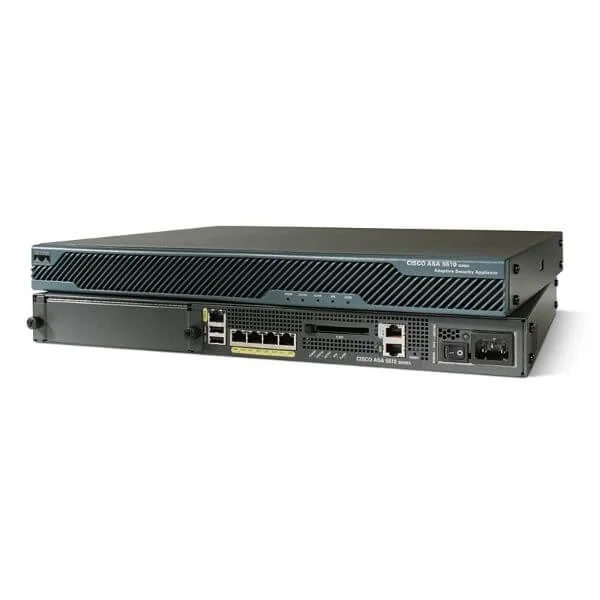
ASA5520-BUN-K9 (ASA 5520 Security Appliance with SW, HA, 4GE+1FE, 3DES/AES, Cisco ASA 5500 Series Firewall Edition Bundles)
4.6 (5)- Firewall Appliance
- Cisco
- Rack-mount
- Enterprise / Branch Office
- VPN / Secure Access / UTM
- Layer 3 / Layer 4
- AC Power Supply
Est Value $71.40
In stockNewRefurbishedFirst-Time Buyer Discount – Get up to 2% additional off on your first order
ORM Rewards Earn $50 in Rewards + Free Expedited Delivery – Join Now!
Use eCoupon ORMSAVE10
eCoupon limited to 5 units
- BEST SELLING
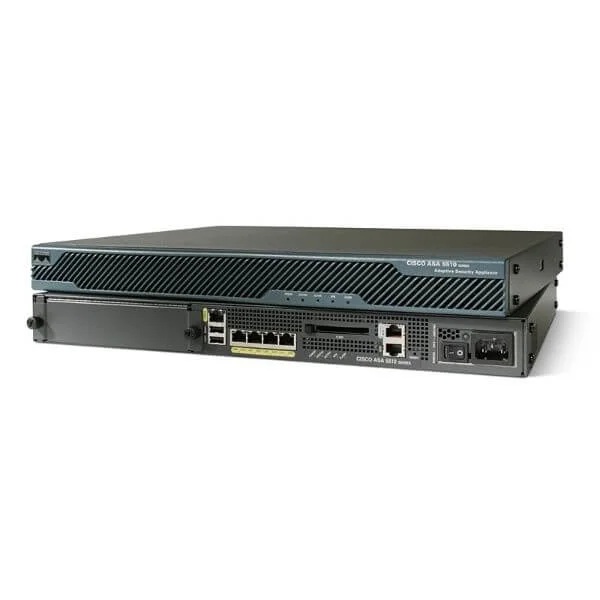
ASA5510-BUN-K9 (ASA 5510 Security Appliance with SW, 5FE,3DES/AES, Cisco ASA 5500 Series Firewall Edition Bundles)
4.4 (5)- Firewall Appliance
- Cisco
- Rack-mount
- Enterprise / Branch Office
- VPN / Secure Access / UTM
- Layer 3 / Layer 4
- AC Power Supply
Est Value $53.55
In stockNewRefurbishedFirst-Time Buyer Discount – Get up to 2% additional off on your first order
ORM Rewards Earn $50 in Rewards + Free Expedited Delivery – Join Now!
Use eCoupon ORMSAVE10
eCoupon limited to 5 units
- BEST SELLING
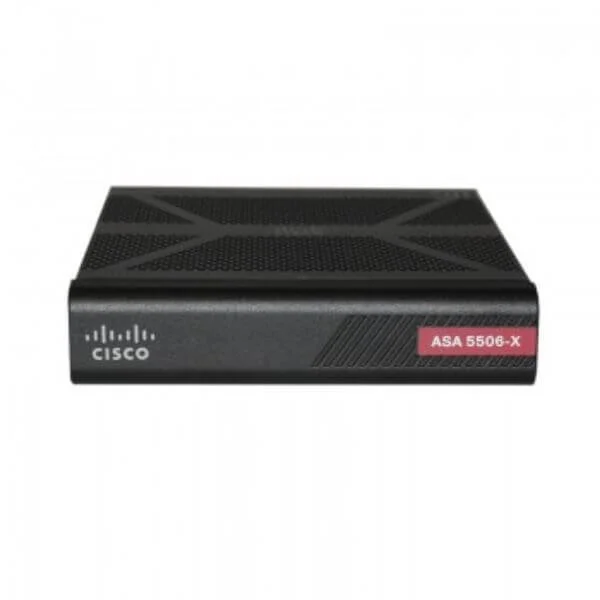
ASA5506W-E-K9 (ASA 5506-X WITH FIREPOWER SERVICES WIFI 8GE AC 3DES/AES)
4.6 (5)- Firewall Appliance
- Cisco
- Desktop
- Small Business / Branch Office
- VPN / UTM
- Layer 3
- AC Power Supply
Est Value $1,345.00$851.07
36.7% offIn stockNewRefurbishedFirst-Time Buyer Discount – Get up to 2% additional off on your first order
ORM Rewards Earn $50 in Rewards + Free Expedited Delivery – Join Now!
Use eCoupon ORMSAVE10
eCoupon limited to 5 units
- BEST SELLING
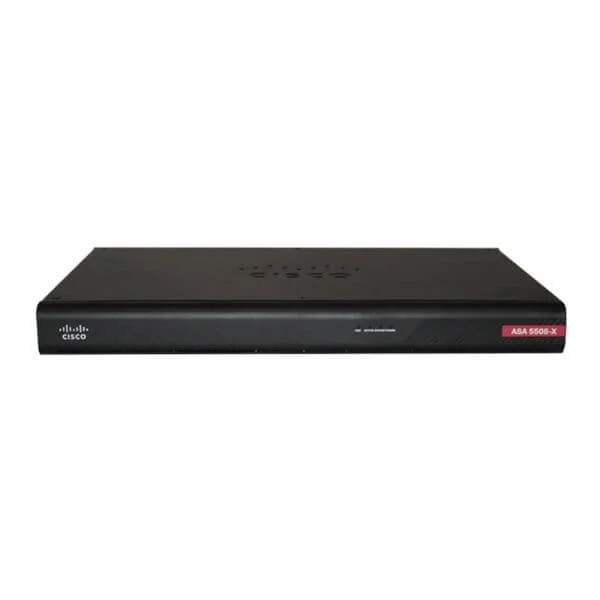
ASA5508-K9 (Cisco ASA 5500-X Next Generation, ASA 5508-X, 8*GE ports, 1GE Mgmt, AC, 3DES/AES, AVC, FirePower, FireSIGHT, unlimited user nodes, 100 IPsec VPN, Active/Active, 80G SSD)
4.8 (5)- Firewall Appliance
- Cisco
- Rack-mount
- Small Business / Branch Office
- VPN / Secure Access / UTM
- Layer 3 / Layer 4
- AC Power Supply
Est Value $105.00
In stockNewRefurbishedFirst-Time Buyer Discount – Get up to 2% additional off on your first order
ORM Rewards Earn $50 in Rewards + Free Expedited Delivery – Join Now!
Use eCoupon ORMSAVE10
eCoupon limited to 5 units
- BEST SELLING
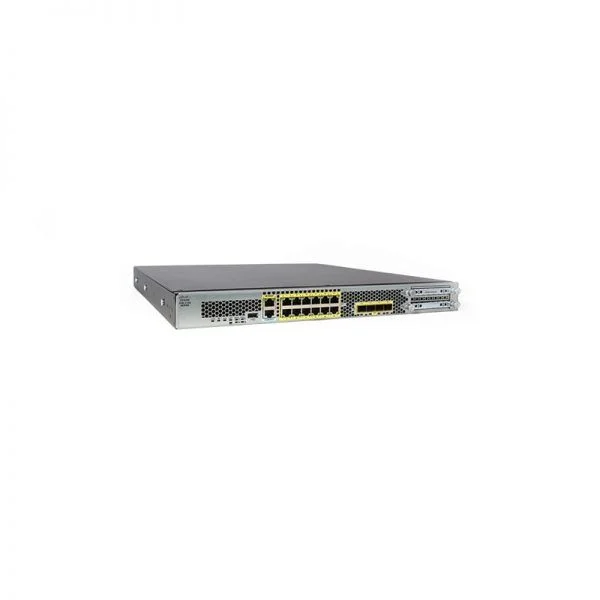
FPR2110-ASA-K9 (Cisco Firepower 2130 NGFW Appliance, 1U, 1 x NetMod Bay)
4.8 (5)- Rack-mount
- Cisco
- Small Business / Business / Branch Office
- VPN / UTM
- Layer 3, Layer 4, Layer 7
- AC Power Supply
- Yes
Est Value $13,942.00$485.07
96.5% offIn stockNewRefurbishedFirst-Time Buyer Discount – Get up to 2% additional off on your first order
ORM Rewards Earn $50 in Rewards + Free Expedited Delivery – Join Now!
Use eCoupon ORMSAVE10
eCoupon limited to 5 units
- BEST SELLING
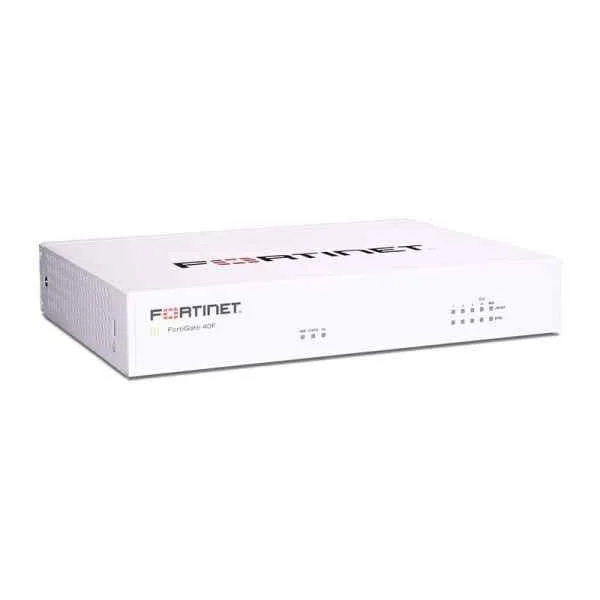
FG-40F-BDL-950-60 (FG-40F Hardware plus 5 Year 24*7 FortiCare and FortiGuard Unified (UTP) Protection)
4.6 (5)- Firewall Appliance
- Fortinet
- Desktop
- Branch Office
- VPN / UTM
- Layer 3 / Layer 4 / Layer 7
- AC Power Supply
Est Value $1,990.40$1,451.10
27.1% offIn stockNewFirst-Time Buyer Discount – Get up to 2% additional off on your first order
ORM Rewards Earn $50 in Rewards + Free Expedited Delivery – Join Now!
Use eCoupon ORMSAVE10
eCoupon limited to 5 units
- BEST SELLING
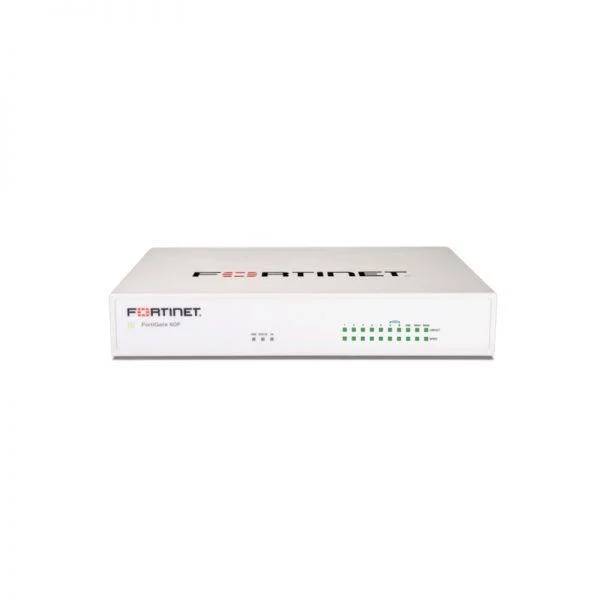
FG-60F-BDL-950-12 (Fortigate 60F FG-60F Hardware plus 1 Year 24*7 FortiCare and FortiGuard Unified (UTP) Protection)
4.6 (5)- Firewall Appliance
- Fortinet
- Desktop
- Branch Office / SMB
- VPN / Secure Access / UTM
- Layer 7
- AC Power Supply
Est Value $2,038.50$1,585.50
22.2% offIn stockNewFirst-Time Buyer Discount – Get up to 2% additional off on your first order
ORM Rewards Earn $50 in Rewards + Free Expedited Delivery – Join Now!
Use eCoupon ORMSAVE10
eCoupon limited to 5 units
- BEST SELLING
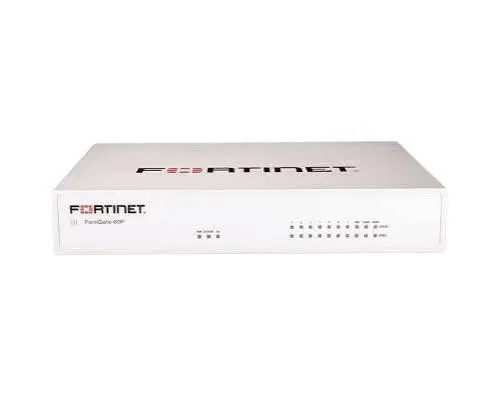
FG-60F-BDL-950-36 (Fortigate 60F FG-60F Hardware plus 3 Year 24*7 FortiCare and FortiGuard Unified (UTP) Protection (FG-60F & FC-10-0060F-950-02-36))
4.6 (5)- Firewall Appliance
- Fortinet
- Hardware Appliance / Rack-mount
- Small Business / Enterprise / Branch Office
- VPN / Secure Access / UTM
- Layer 3 / Layer 4 / Layer 7
- AC Power Supply
Est Value $2,031.36$1,624.09
20% offIn stockNewFirst-Time Buyer Discount – Get up to 2% additional off on your first order
ORM Rewards Earn $50 in Rewards + Free Expedited Delivery – Join Now!
Use eCoupon ORMSAVE10
eCoupon limited to 5 units
- BEST SELLING
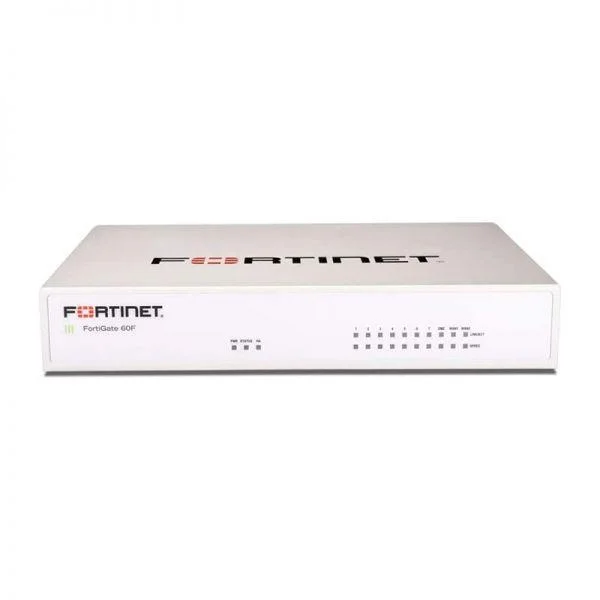
FG-60F-BDL-950-60 (Fortigate 60F FG-60F Hardware plus 5 Year 24*7 FortiCare and FortiGuard Unified (UTP) Protection (FG-60F & FC-10-0060F-950-02-60))
4.2 (5)- Firewall Appliance
- Fortinet
- Hardware Appliance
- Small Business / Enterprise / Branch Office
- VPN / Secure Access / UTM
- Layer 3 / Layer 4 / Layer 7
- AC Power Supply
Est Value $2,794.24$1,843.80
34% offIn stockNewFirst-Time Buyer Discount – Get up to 2% additional off on your first order
ORM Rewards Earn $50 in Rewards + Free Expedited Delivery – Join Now!
Use eCoupon ORMSAVE10
eCoupon limited to 5 units
- BEST SELLING
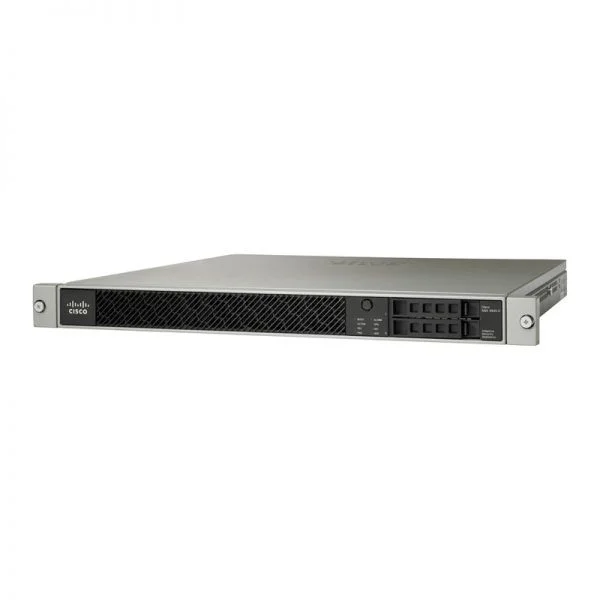
ASA5555-FPWR-K9 (ASA 5555-X with FirePOWER Services, 8GE, AC, 3DES/AES, 2SSD)
4.4 (5)- Firewall Appliance
- Cisco
- Rack-mount
- Enterprise / Branch Office
- VPN / Secure Access / UTM
- Layer 3 / Layer 4 / Layer 7
- AC Power Supply
Est Value $25,595.00$1,569.75
93.9% offIn stockNewRefurbishedFirst-Time Buyer Discount – Get up to 2% additional off on your first order
ORM Rewards Earn $50 in Rewards + Free Expedited Delivery – Join Now!
Use eCoupon ORMSAVE10
eCoupon limited to 5 units

ORM Sales Advisors
Buying for your business? Get a personalised quote in under 2 hours. Talk to an expert
LEARNFilters (984) 
Questions & Answers
What is a firewall?
A firewall is a network security device or software that monitors and controls incoming and outgoing traffic based on security rules, creating a barrier between trusted and untrusted networks.
How does a firewall work?
A firewall filters network packets by applying preconfigured rules to allow or block traffic based on IP addresses, ports, protocols, and application-level patterns, ensuring only authorized communication passes.
What are the main types of firewalls?
The main firewall types are packet-filtering firewalls, stateful inspection firewalls, proxy firewalls, and next-generation firewalls (NGFWs), each offering varying levels of traffic inspection and policy enforcement.
What is the difference between hardware and software firewalls?
Hardware firewalls are standalone appliances installed at the network perimeter for high throughput, while software firewalls run on individual devices to provide customized host-level protection.
What is a next-generation firewall (NGFW)?
An NGFW combines traditional firewall functions with advanced features like deep packet inspection, intrusion prevention (IPS), application awareness, and user identity management to counter modern threats.
Why do I need a firewall?
Firewalls protect your network by blocking unauthorized access, preventing data breaches, enforcing security policies, and monitoring traffic to safeguard sensitive information and system integrity.
How do I choose the right firewall for my network?
Evaluate network size, throughput requirements, security features (e.g., IPS, VPN, application control), budget, and management capabilities to select a firewall that aligns with your performance and protection needs.
How do I configure a firewall?
Configure a firewall by defining network zones, establishing security policies, setting allow or deny rules for traffic flows, assigning NAT or port-forwarding rules, and regularly reviewing rule sets.
How often should firewall rules be updated?
Update firewall rules at least quarterly or whenever changes in network architecture or security policies occur, and immediately after detecting new vulnerabilities or threats to maintain optimal protection.
Can a firewall stop all cyber threats?
While firewalls block many unauthorized access attempts and known threats, they cannot prevent all attacks; complementary measures like antivirus software, IDS/IPS, and regular patching are essential.
What is a firewall policy?
A firewall policy is a set of rules that define which network traffic is permitted or denied based on criteria such as source/destination IP, port numbers, protocols, and application type.
What is a DMZ in firewall configurations?
A DMZ is a separate network segment that isolates public-facing services (e.g., web servers) from the internal network, allowing external access while protecting sensitive systems.
How does port forwarding work in a firewall?
Port forwarding maps external ports to internal IP addresses and ports, allowing inbound traffic to reach specific devices or services behind the firewall without exposing the entire network.
How do I troubleshoot firewall connectivity issues?
Troubleshoot by verifying rule configurations, checking interface statuses and logs, testing packet flows with ping or traceroute, and using diagnostic tools to identify blocked or misrouted traffic.
What’s the difference between a firewall and antivirus software?
A firewall controls network traffic based on security rules to prevent unauthorized access, while antivirus software scans for, detects, and removes malicious software on endpoints.