 United States
GPU Modules Advanced Computing Solutions
Experience unparalleled efficiency with our industry-leading GPU modules that deliver robust performance, exceptional cost-effective scalability, and advanced computational precision designed for modern high-performance data centers.
Talk to an expert
Asus Gpu Modules
(4)ASUS GPU modules for single-seat CAD workstations provide PCIe x16 accelerator options for rendering, simulation, and multi-monitor design workloads
Fujitsu Gpu Modules
(8)Fujitsu GPU modules for rack server virtualization nodes support PCIe x16 add-in cards for VDI graphics and remote engineering sessions
Hp Gpu Modules
(22)HP GPU modules for medical imaging review stations add PCIe graphics acceleration for PACS viewers, 3D reconstruction, and color-critical displays
34 Matching results
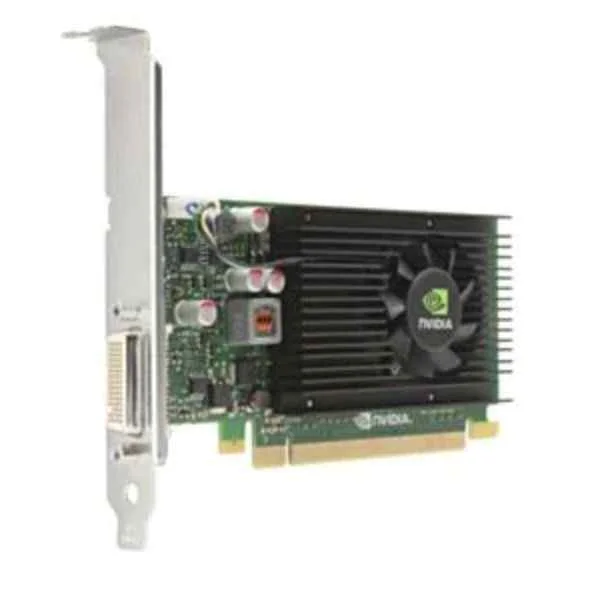
E1U66AA (NVIDIA NVS 315 1GB Graphics Card - NVS 315 - 1 GB - GDDR3 - 64 bit - 2560 x 1600 pixels - PCI Express x16)
4.8 (8)Est Value $122.79
$104.82
14.6% offIn stockRefurbishedFirst-Time Buyer Discount – Get up to 2% additional off on your first order
ORM Rewards Earn $50 in Rewards + Free Expedited Delivery – Join Now!
Use eCoupon ORMSAVE10
eCoupon limited to 5 units
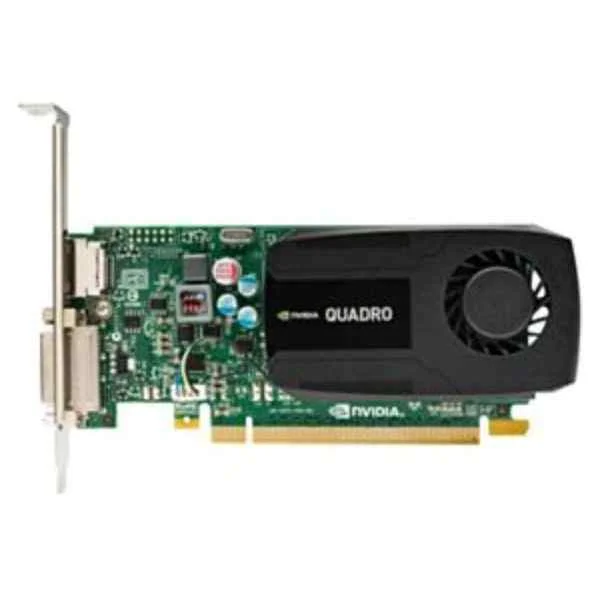
N1T07AA (NVIDIA Quadro K420 2GB Graphics Card - Quadro K420 - 2 GB - GDDR3 - 128 bit - 3840 x 2160 pixels - PCI Express x16 2.0)
4.6 (8)Est Value $152.93$146.48
4.2% offIn stockRefurbishedFirst-Time Buyer Discount – Get up to 2% additional off on your first order
ORM Rewards Earn $50 in Rewards + Free Expedited Delivery – Join Now!
Use eCoupon ORMSAVE10
eCoupon limited to 5 units
1ME01AA (KIT HPI NVIDIA QUADRO P1000 4GB KIT 2 ADAPTERS)
4.5 (8)Est Value $439.73$375.38
14.6% offIn stockNewRefurbishedFirst-Time Buyer Discount – Get up to 2% additional off on your first order
ORM Rewards Earn $50 in Rewards + Free Expedited Delivery – Join Now!
Use eCoupon ORMSAVE10
eCoupon limited to 5 units
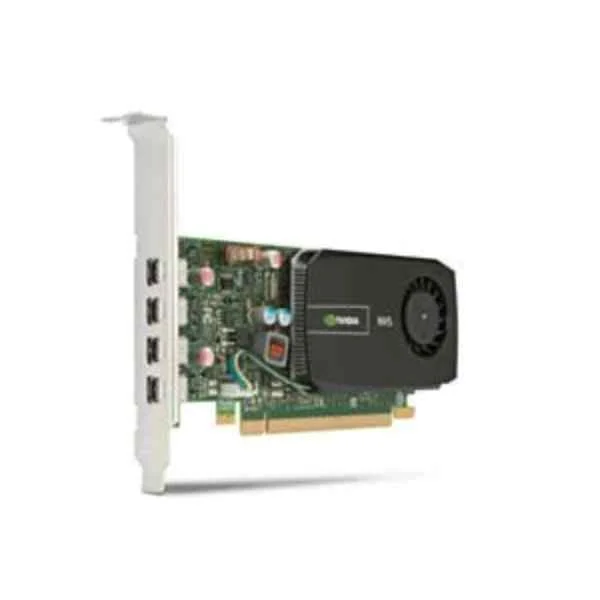
C2J98AA (NVIDIA NVS 510 2GB Graphics Card - NVS 510 - 2 GB)
4.6 (8)Est Value $219.26$156.99
28.4% offIn stockRefurbishedFirst-Time Buyer Discount – Get up to 2% additional off on your first order
ORM Rewards Earn $50 in Rewards + Free Expedited Delivery – Join Now!
Use eCoupon ORMSAVE10
eCoupon limited to 5 units
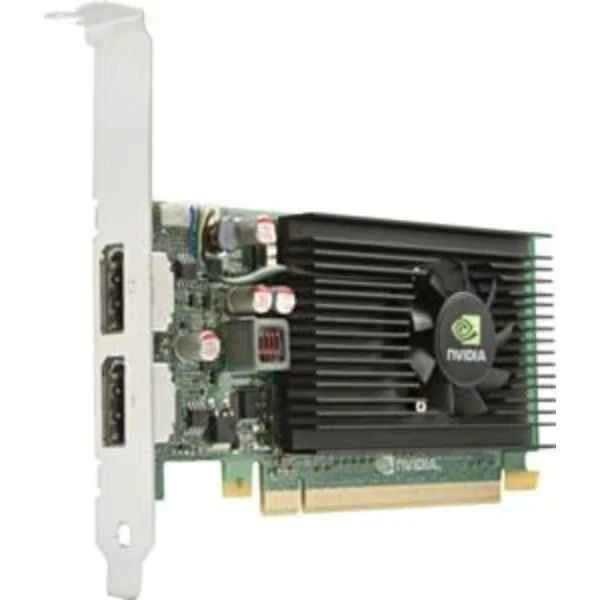
M6V51AA (NVIDIA NVS 310 1GB Graphics Card - NVS 310 - 1 GB - GDDR3 - 64 bit - 2560 x 1600 pixels - PCI Express x16 2.0)
4.6 (8)Est Value $230.90$173.50
24.9% offIn stockRefurbishedFirst-Time Buyer Discount – Get up to 2% additional off on your first order
ORM Rewards Earn $50 in Rewards + Free Expedited Delivery – Join Now!
Use eCoupon ORMSAVE10
eCoupon limited to 5 units
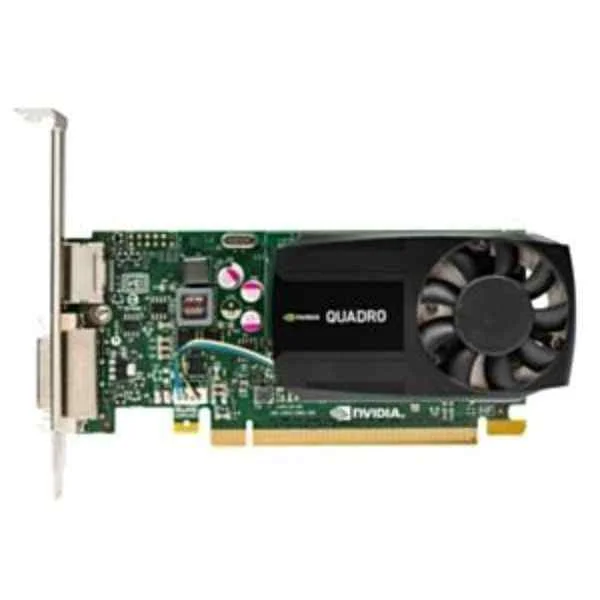
J3G87AA (NVIDIA Quadro K620 2GB Graphics Card - Quadro K620 - 2 GB - GDDR3 - 128 bit - 4096 x 2160 pixels - PCI Express x16)
4.5 (8)Est Value $237.38$187.43
21% offIn stockRefurbishedFirst-Time Buyer Discount – Get up to 2% additional off on your first order
ORM Rewards Earn $50 in Rewards + Free Expedited Delivery – Join Now!
Use eCoupon ORMSAVE10
eCoupon limited to 5 units
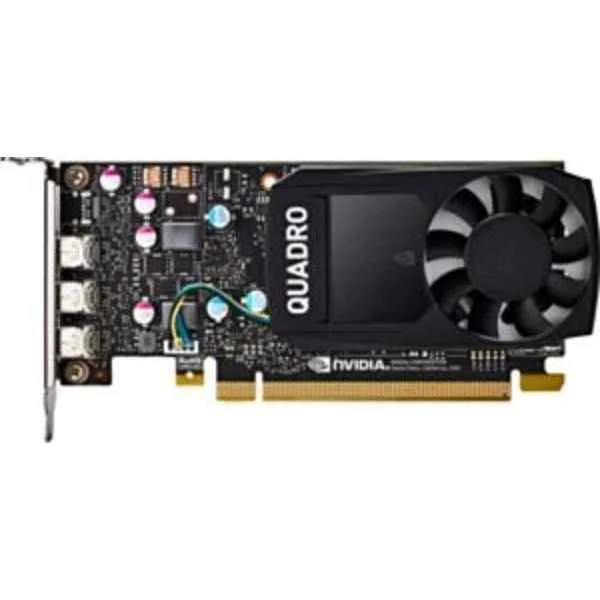
1ME43AA (HP NVIDIA QUADRO P400 2GB GRAPHICS CARD)
4.6 (8)Est Value $343.80$226.85
34% offIn stockRefurbishedFirst-Time Buyer Discount – Get up to 2% additional off on your first order
ORM Rewards Earn $50 in Rewards + Free Expedited Delivery – Join Now!
Use eCoupon ORMSAVE10
eCoupon limited to 5 units
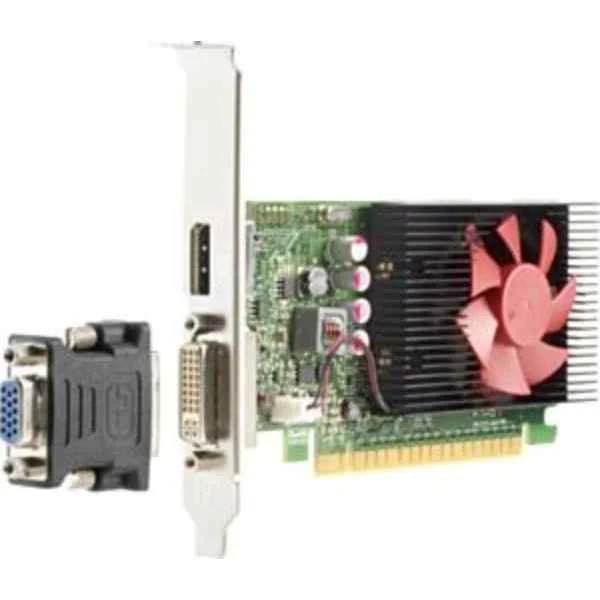
Z9H51AA (NVIDIA Quadro P600 (2GB) Graphics Card - Quadro P600 - 2 GB - GDDR5 - 128 bit - 5120 x 2880 pixels - PCI Express x16 3.0)
4.6 (5)Est Value $266.31$227.34
14.6% offIn stockRefurbishedFirst-Time Buyer Discount – Get up to 2% additional off on your first order
ORM Rewards Earn $50 in Rewards + Free Expedited Delivery – Join Now!
Use eCoupon ORMSAVE10
eCoupon limited to 5 units
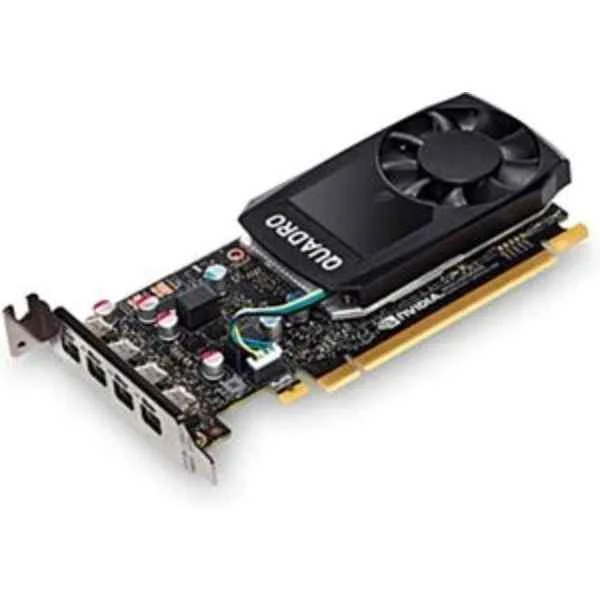
3ME25AA (NVIDIA Quadro P620 2GB Graphics Card - Quadro P620 - 2 GB - GDDR5 - 128 bit - 5120 x 2880 pixels - PCI Express x16 3.0)
4.6 (8)Est Value $321.42$274.39
14.6% offIn stockRefurbishedFirst-Time Buyer Discount – Get up to 2% additional off on your first order
ORM Rewards Earn $50 in Rewards + Free Expedited Delivery – Join Now!
Use eCoupon ORMSAVE10
eCoupon limited to 5 units
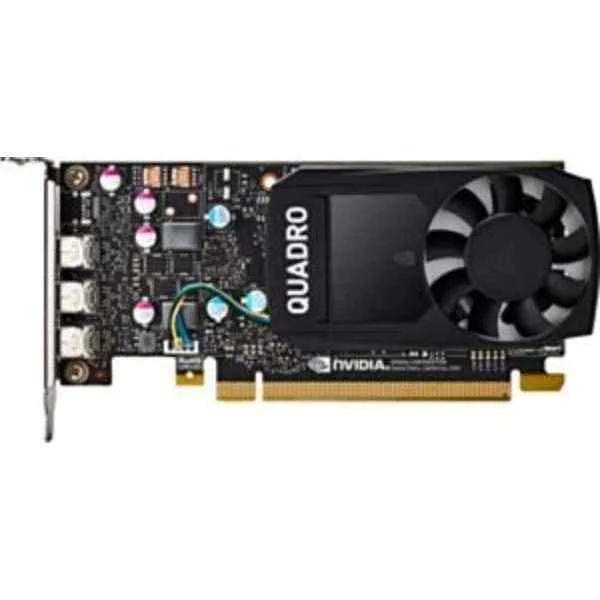
1ME40AA (NVIDIA Quadro P4000 (8GB) Graphics Card - Quadro P4000 - 8 GB - GDDR5 - 256 bit - 5120 x 2880 pixels - PCI Express x16 3.0)
4.6 (8)Est Value $1,845.82$922.91
50% offIn stockNewRefurbishedFirst-Time Buyer Discount – Get up to 2% additional off on your first order
ORM Rewards Earn $50 in Rewards + Free Expedited Delivery – Join Now!
Use eCoupon ORMSAVE10
eCoupon limited to 5 units
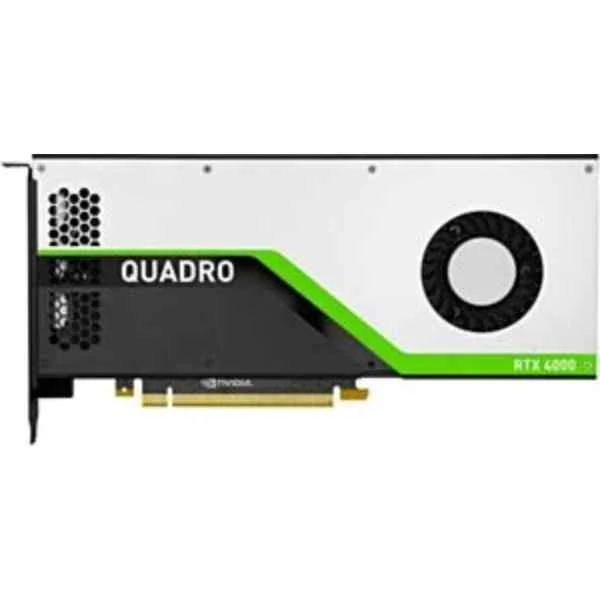
5JV89AA (NO HP BD NVIDIA QUADRO RTX 4000 8GB (3)DP+USBC)
4.4 (8)Est Value $1,409.88$1,203.55
14.6% offIn stockNewRefurbishedFirst-Time Buyer Discount – Get up to 2% additional off on your first order
ORM Rewards Earn $50 in Rewards + Free Expedited Delivery – Join Now!
Use eCoupon ORMSAVE10
eCoupon limited to 5 units
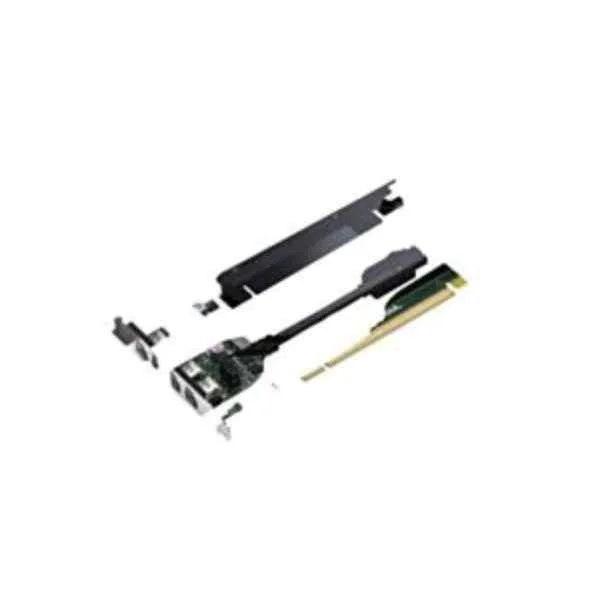
T7T59AA (NVIDIA Quadro K1200 4GB TWR/SFF Kit - Quadro K1200 - 4 GB - GDDR5 - 128 bit - 3840 x 2160 pixels - PCI Express x16 2.0)
4.6 (5)Est Value $547.84$399.00
27.2% offIn stockRefurbishedFirst-Time Buyer Discount – Get up to 2% additional off on your first order
ORM Rewards Earn $50 in Rewards + Free Expedited Delivery – Join Now!
Use eCoupon ORMSAVE10
eCoupon limited to 5 units
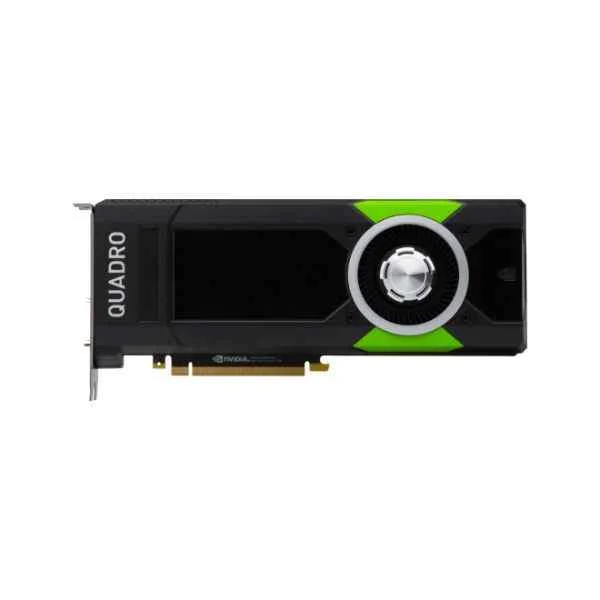
Z0B13AA (NVIDIA Quadro P5000 (16GB) - Quadro P5000 - 16 GB - GDDR5X - 256 bit - 7680 x 4320 pixels - PCI Express x16 3.0)
4.6 (5)Est Value $3,691.64$1,845.82
50% offIn stockNewRefurbishedFirst-Time Buyer Discount – Get up to 2% additional off on your first order
ORM Rewards Earn $50 in Rewards + Free Expedited Delivery – Join Now!
Use eCoupon ORMSAVE10
eCoupon limited to 5 units
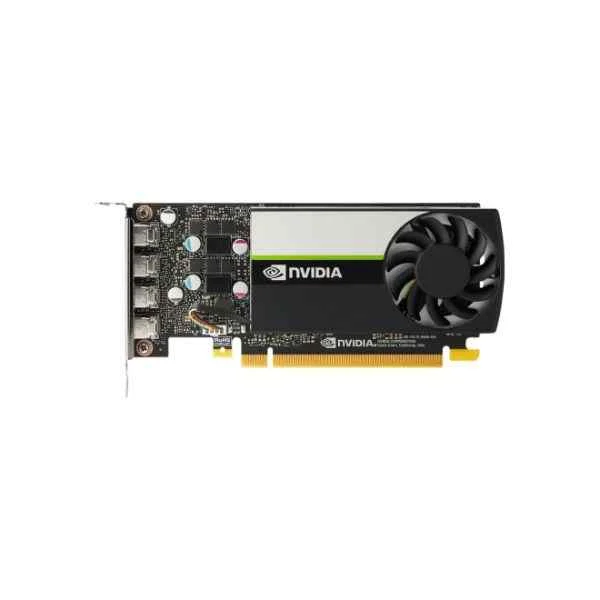
20X22AA (NVIDIA T1000 4GB 4mDP GFXw/2 mDPtoDPAdpt)
4.6 (5)Est Value $610.66$572.11
6.3% offIn stockRefurbishedFirst-Time Buyer Discount – Get up to 2% additional off on your first order
ORM Rewards Earn $50 in Rewards + Free Expedited Delivery – Join Now!
Use eCoupon ORMSAVE10
eCoupon limited to 5 units
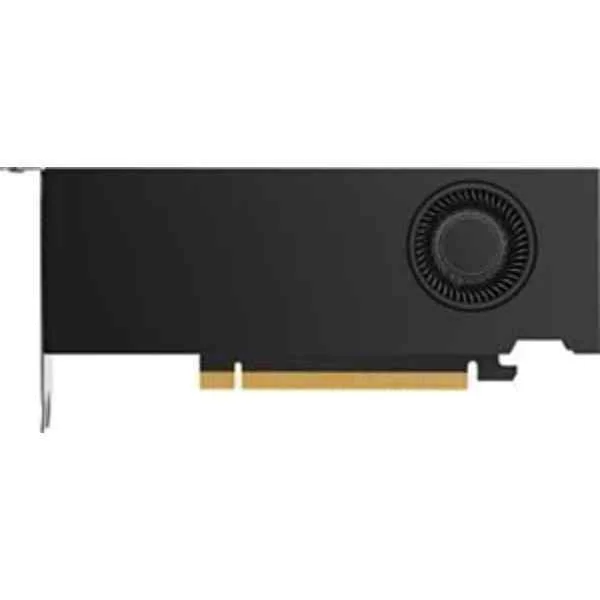
340L0AA (HP NVIDIA RTX A2000 6GB DP 4mDP Graphics (340L0AA))
4.5 (8)Est Value $1,215.36$607.68
50% offIn stockNewFirst-Time Buyer Discount – Get up to 2% additional off on your first order
ORM Rewards Earn $50 in Rewards + Free Expedited Delivery – Join Now!
Use eCoupon ORMSAVE10
eCoupon limited to 5 units
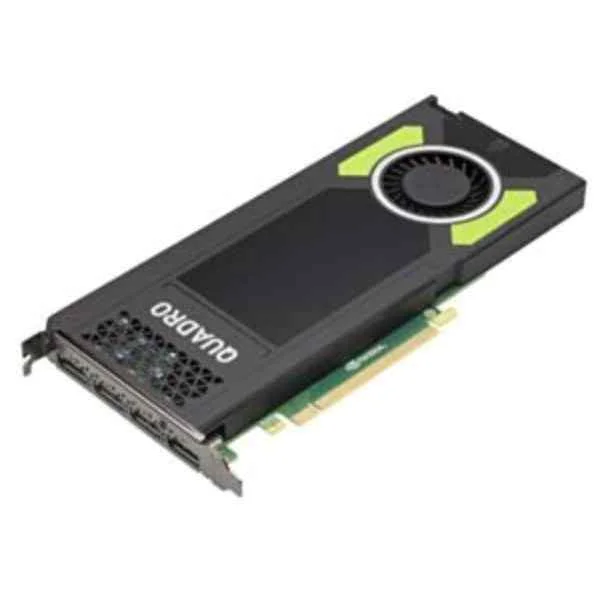
M6V52AA (NVIDIA Quadro M4000 - Quadro M4000 - 8 GB - GDDR5 - 256 bit - 2560 x 1600 pixels - PCI Express x16 3.0)
4.4 (5)Est Value $749.48$639.80
14.6% offIn stockRefurbishedFirst-Time Buyer Discount – Get up to 2% additional off on your first order
ORM Rewards Earn $50 in Rewards + Free Expedited Delivery – Join Now!
Use eCoupon ORMSAVE10
eCoupon limited to 5 units
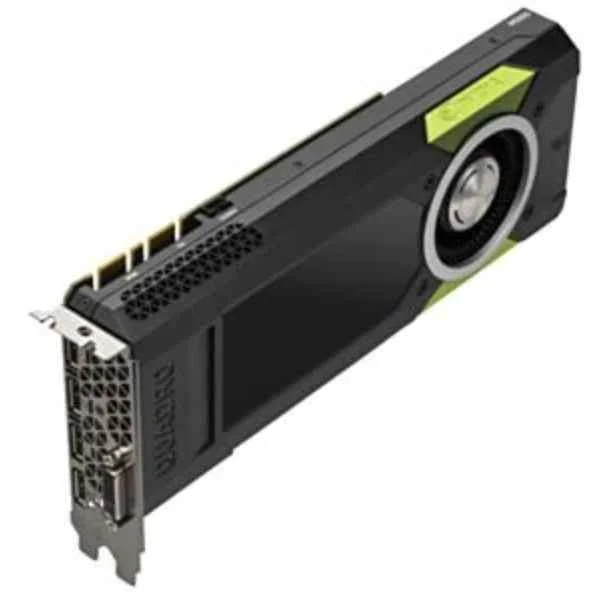
M6V53AA (NVIDIA Quadro M5000 - Quadro M5000 - 8 GB - GDDR5 - 256 bit - 4096 x 2160 pixels - PCI Express x16 3.0)
4.8 (5)Est Value $1,133.57$955.64
15.7% offIn stockRefurbishedFirst-Time Buyer Discount – Get up to 2% additional off on your first order
ORM Rewards Earn $50 in Rewards + Free Expedited Delivery – Join Now!
Use eCoupon ORMSAVE10
eCoupon limited to 5 units
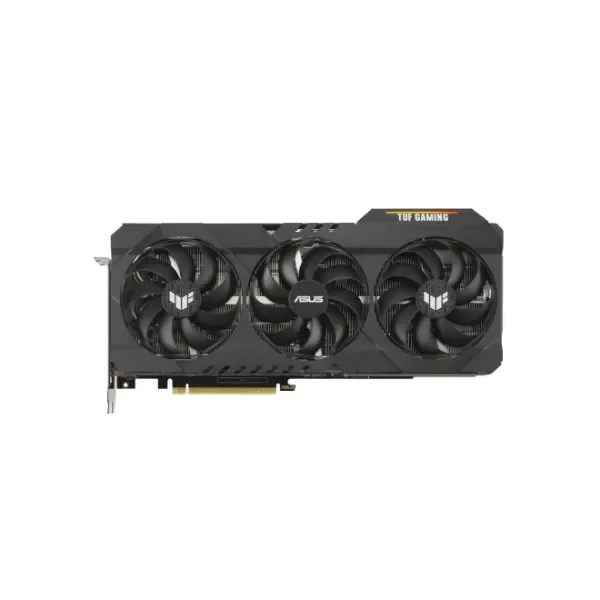
90YV0FD1-M0NM00 (TUF Gaming TUF-RTX3090-O24G-GAMING - GeForce RTX 3090 - 24 GB - GDDR6X - 384 bit - 7680 x 4320 pixels - PCI Express 4.0)
4.2 (5)Est Value $4,963.42$3,851.93
22.4% offIn stockNewRefurbishedFirst-Time Buyer Discount – Get up to 2% additional off on your first order
ORM Rewards Earn $50 in Rewards + Free Expedited Delivery – Join Now!
Use eCoupon ORMSAVE10
eCoupon limited to 5 units
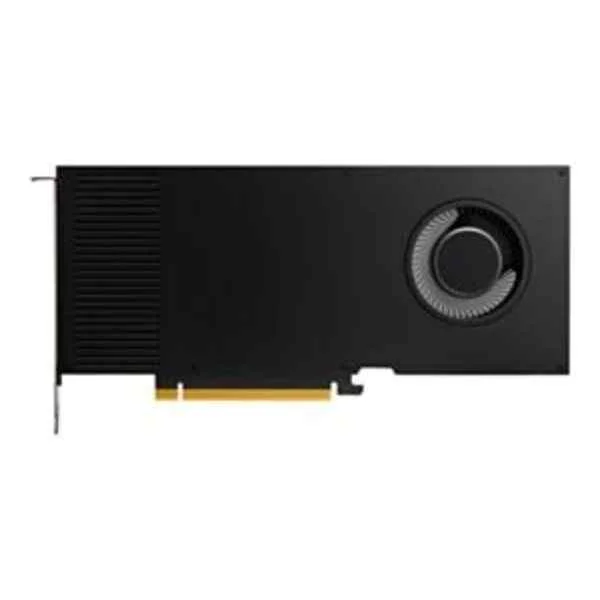
20X24AA (HP Nvidia RTX A4000, 16 GB GDDR6, PCI Express 4.0 x 16, 4x DP 1.4a (20X24AA))
4.9 (8)Est Value $2,184.97$1,865.22
14.6% offIn stockRefurbishedFirst-Time Buyer Discount – Get up to 2% additional off on your first order
ORM Rewards Earn $50 in Rewards + Free Expedited Delivery – Join Now!
Use eCoupon ORMSAVE10
eCoupon limited to 5 units
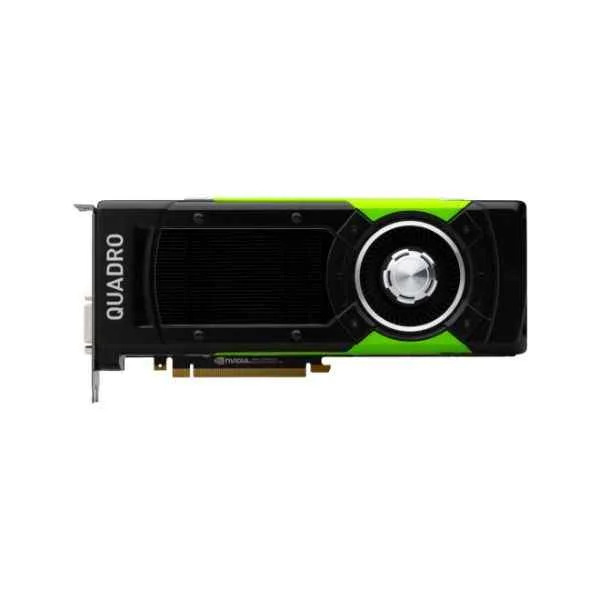
Z0B12AA (NVIDIA Quadro P6000 (24GB) Graphics Card - Quadro P6000 - 24 GB - GDDR5 - 384 bit - 7680 x 4320 pixels - PCI Express x16 3.0)
4.6 (5)Est Value $3,873.02$2,958.90
23.6% offIn stockRefurbishedFirst-Time Buyer Discount – Get up to 2% additional off on your first order
ORM Rewards Earn $50 in Rewards + Free Expedited Delivery – Join Now!
Use eCoupon ORMSAVE10
eCoupon limited to 5 units

ORM Sales Advisors
Buying for your business? Get a personalised quote in under 2 hours. Talk to an expert
LEARNFilters (34) 
Questions & Answers
What is a GPU module?
A GPU module is a self-contained graphics processing unit assembly optimized for high-performance computing, AI inference, and advanced graphics rendering in data centers, workstations, and embedded platforms.
How do I choose the right GPU module for my application?
Select a GPU module based on required compute performance (TFLOPS), memory capacity, power envelope, thermal design, and software compatibility with frameworks like CUDA or OpenCL.
What are the key performance metrics for GPU modules?
Key metrics include single- and double-precision TFLOPS, memory bandwidth (GB/s), VRAM size, power consumption (W), and inference throughput (images/sec) for AI workloads.
How do I install a GPU module in my system?
Power down your system, insert the module into the designated M.2, PCIe, or MXM slot, secure with mounting screws, connect power cables, then update drivers and firmware.
What cooling solutions are available for GPU modules?
Cooling options include active heatsinks with fans, liquid-cooling blocks, and passive heatsinks for constrained environments. Choose based on TDP, airflow availability, and form-factor restrictions.
How much power do GPU modules typically require?
GPU modules consume between 25W and 300W depending on performance class. Consult the module’s datasheet for exact TDP and ensure your power supply meets peak and sustained load demands.
Are GPU modules compatible with standard motherboards?
Compatibility depends on form factor (PCIe, M.2, MXM) and BIOS support. Verify slot type, power headers, and OEM firmware compatibility before purchasing to ensure seamless integration.
Can I upgrade my system’s GPU module?
Yes, you can upgrade by replacing the existing module with a higher-performance compatible model. Confirm the same slot interface, power budget, and cooling capacity before upgrading.
How is GPU module memory configured?
GPU modules feature onboard GDDR6, HBM2e, or GDDR6X memory banks. Capacity ranges from 4GB to 80GB, and ECC options are available for error-free computing in mission-critical applications.
What software frameworks support GPU modules?
Major frameworks include NVIDIA CUDA, AMD ROCm, TensorFlow, PyTorch, and OpenCL. Ensure your GPU module’s drivers and SDKs align with your development environment for optimal performance.
How do GPU modules accelerate AI and deep learning?
GPU modules provide massive parallelism, specialized tensor or matrix cores, and high memory bandwidth, enabling faster training and inference of neural networks compared to CPU-only systems.
What are the differences between integrated and discrete GPU modules?
Integrated GPU modules share system memory and offer lower performance and power consumption. Discrete modules have dedicated VRAM, higher compute power, and superior thermal headroom.
How do I troubleshoot GPU module errors?
Check power connections, reseat the module, update drivers and firmware, monitor temperatures, and scan system logs for error codes. Contact vendor support with diagnostics if issues persist.
What are the benefits of modular GPU architectures?
Modular GPU architectures simplify scalability, enable hot-swap upgrades, reduce downtime, and allow tailored compute clusters by mixing different performance tiers in the same chassis.
How do I verify GPU module performance?
Use benchmarks like SPECviewperf, MLPerf, or custom workloads. Monitor real-time metrics (utilization, temperature, power) with tools such as NVIDIA nvidia-smi or AMD rocm-smi.
Can GPU modules be used in rugged or embedded systems?
Yes, specialized rugged GPU modules conform to industrial temperature ranges, shock and vibration standards, and compact form factors, making them ideal for edge AI and defense applications.