 United States
HD Cameras Unrivaled Clarity Performance
Experience unrivaled clarity and precision with our state-of-the-art HD cameras designed for professional performance and durability. Capture every moment flawlessly and elevate your visual storytelling.
Talk to an expert
Hikvision Turbo Hd Cameras
(152)Hikvision Turbo HD cameras support brownfield coaxial surveillance migrations using HDTVI video for multi-building retail and warehouse security deployments
152 Matching results
- BEST SELLING
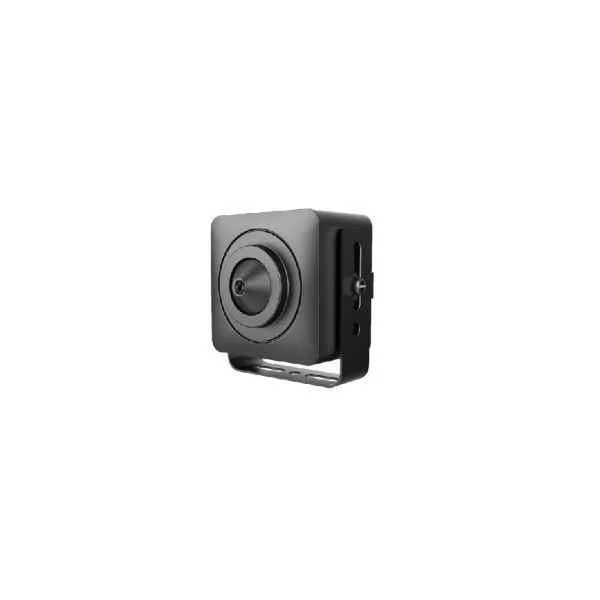
DS-2CS54D8T-PH (2 MP Ultra Low Light Indoor Fixed Covert Camera)
4.2 (5)- Security Camera
- Hikvision
- Bullet
- IP Camera
- 8MP
- Fixed
- Motion Detection
Est Value In stock
First-Time Buyer Discount – Get up to 2% additional off on your first order
ORM Rewards Earn $50 in Rewards + Free Expedited Delivery – Join Now!
Use eCoupon ORMSAVE10
eCoupon limited to 5 units
- BEST SELLING
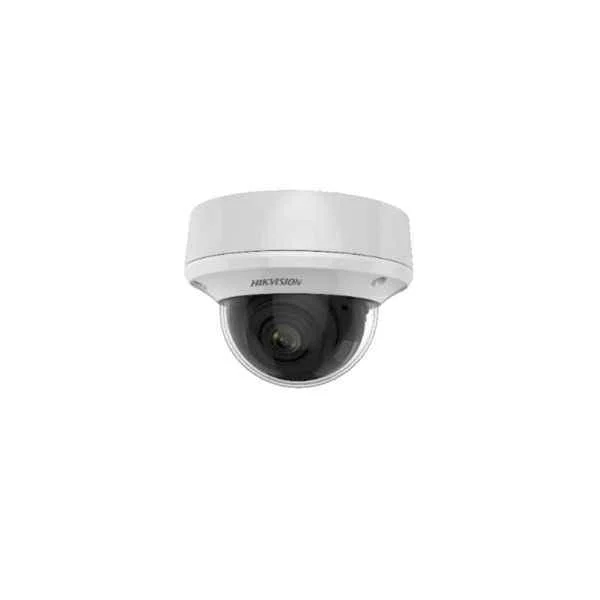
DS-2CE5AD8T-VPIT3ZF (2 MP Ultra Low Light Vandal Motorized Varifocal Dome Camera)
5 (5)- Security Camera
- Hikvision
- Turret
- Analog HD
- 1080p
- Varifocal
Est Value In stockFirst-Time Buyer Discount – Get up to 2% additional off on your first order
ORM Rewards Earn $50 in Rewards + Free Expedited Delivery – Join Now!
Use eCoupon ORMSAVE10
eCoupon limited to 5 units
- BEST SELLING
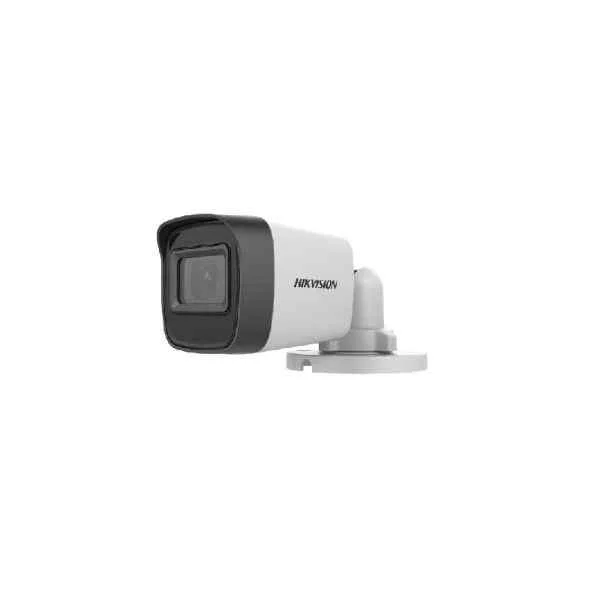
DS-2CE16H0T-ITFS (5 MP Audio Fixed Mini Bullet Camera)
4.6 (5)- Security Camera
- Hikvision
- Bullet
- Analog HD
- 1080p
- Fixed
Est Value In stockFirst-Time Buyer Discount – Get up to 2% additional off on your first order
ORM Rewards Earn $50 in Rewards + Free Expedited Delivery – Join Now!
Use eCoupon ORMSAVE10
eCoupon limited to 5 units
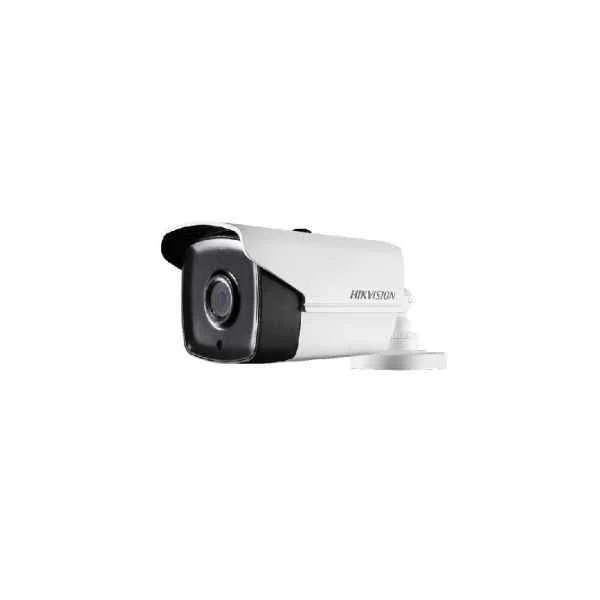
DS-2CC12D9T-IT5E (2 MP PoC Fixed Bullet Camera)
4.6 (5)- Security Camera
- Hikvision
- Bullet
- IP Camera
- 2MP
- Varifocal
- Motion Detection
Est Value In stockFirst-Time Buyer Discount – Get up to 2% additional off on your first order
ORM Rewards Earn $50 in Rewards + Free Expedited Delivery – Join Now!
Use eCoupon ORMSAVE10
eCoupon limited to 5 units
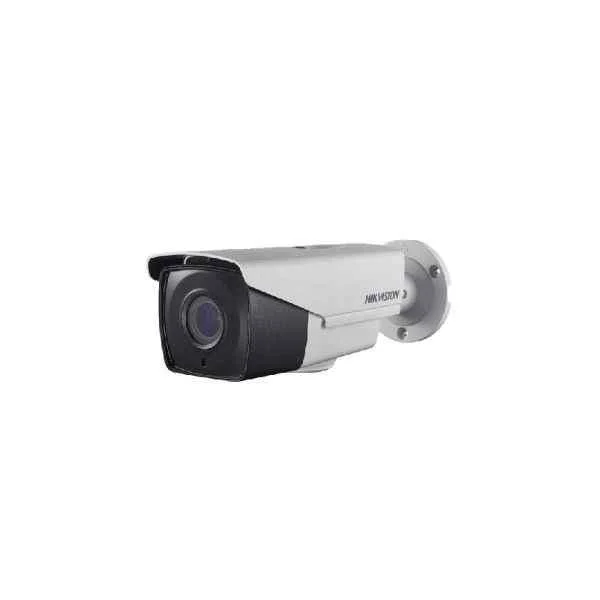
DS-2CC12D9T-AIT3ZE (2 MP PoC Motorized Varifocal Bullet Camera)
4.4 (5)- Security Camera
- Hikvision
- Turret
- IP Camera
- 2MP
- Fixed
- Motion Detection
Est Value In stockFirst-Time Buyer Discount – Get up to 2% additional off on your first order
ORM Rewards Earn $50 in Rewards + Free Expedited Delivery – Join Now!
Use eCoupon ORMSAVE10
eCoupon limited to 5 units
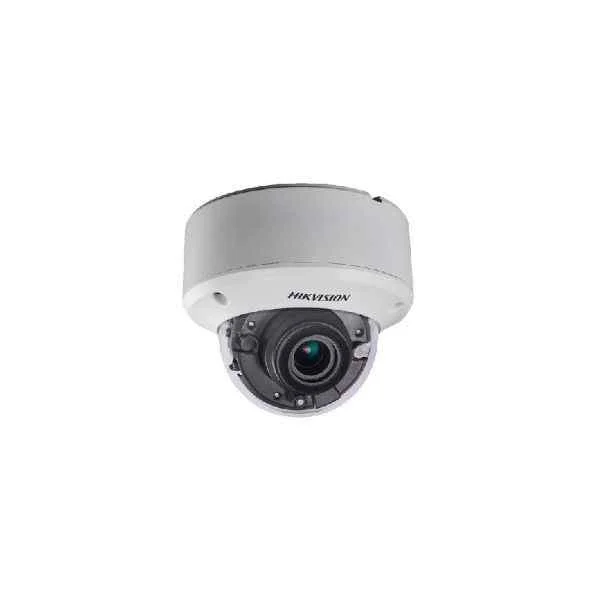
DS-2CC52D9T-AVPIT3ZE (2 MP PoC Vandal Motorized Varifocal Dome Camera)
4.6 (5)- Security Camera
- Hikvision
- Bullet
- IP Camera
- 1080p
- Fixed
- Motion Detection
Est Value In stockFirst-Time Buyer Discount – Get up to 2% additional off on your first order
ORM Rewards Earn $50 in Rewards + Free Expedited Delivery – Join Now!
Use eCoupon ORMSAVE10
eCoupon limited to 5 units
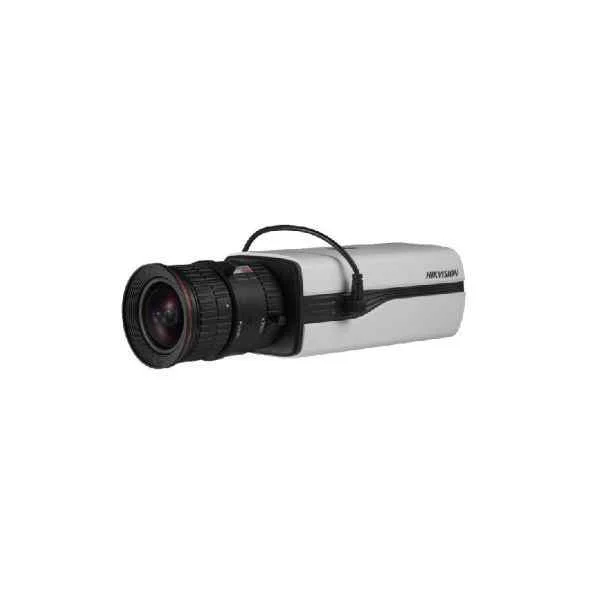
DS-2CC12D9T (2 MP Box Camera)
4.6 (5)- Security Camera
- Hikvision
- Bullet
- IP Camera
- 4MP
- Fixed
- Motion Detection
Est Value In stockFirst-Time Buyer Discount – Get up to 2% additional off on your first order
ORM Rewards Earn $50 in Rewards + Free Expedited Delivery – Join Now!
Use eCoupon ORMSAVE10
eCoupon limited to 5 units
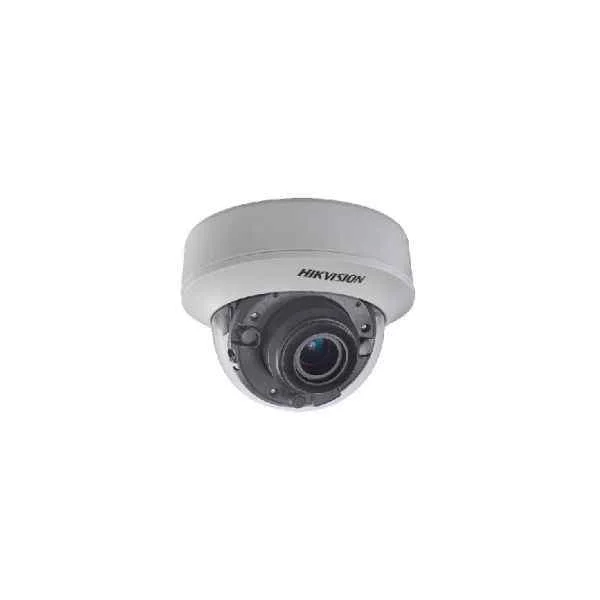
DS-2CC52D9T-AITZE (2 MP PoC Indoor Motorized Varifocal Dome Camera)
4.4 (5)- Security Camera
- Hikvision
- Dome
- IP Camera
- 2MP
- Fixed
- Motion Detection
Est Value In stockFirst-Time Buyer Discount – Get up to 2% additional off on your first order
ORM Rewards Earn $50 in Rewards + Free Expedited Delivery – Join Now!
Use eCoupon ORMSAVE10
eCoupon limited to 5 units
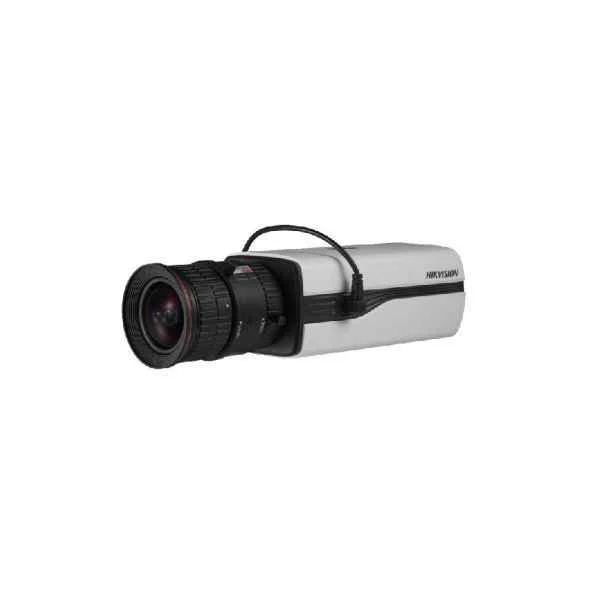
DS-2CC12D9T-E (2 MP PoC Box Camera)
5 (5)- Security Camera
- Hikvision
- Bullet
- IP Camera
- 2MP
- Fixed
- Motion Detection
Est Value In stockFirst-Time Buyer Discount – Get up to 2% additional off on your first order
ORM Rewards Earn $50 in Rewards + Free Expedited Delivery – Join Now!
Use eCoupon ORMSAVE10
eCoupon limited to 5 units
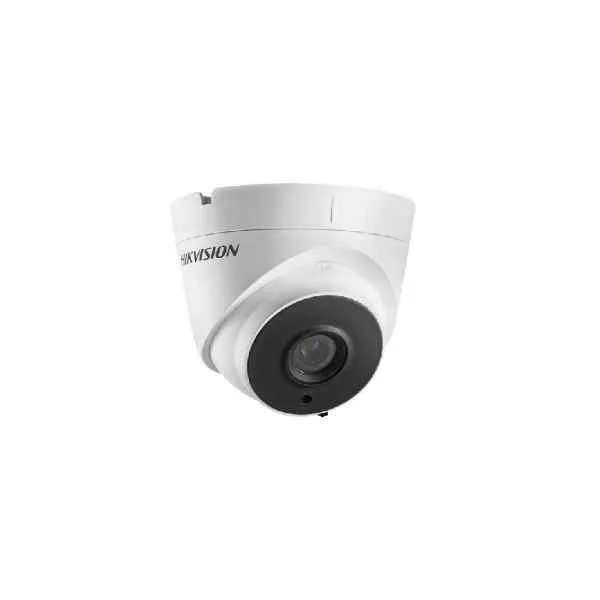
DS-2CC52D9T-IT3E (2 MP PoC Fixed Turret Camera)
4.6 (5)- Security Camera
- Hikvision
- Bullet / Dome / Turret / PTZ / Box / Fisheye / Thermal / Cube / Pinhole / Multi-Sensor
- IP Camera / Analog HD / Analog CVBS / Wireless / Hybrid
- 1080p
- Fixed
- Motion Detection
Est Value In stockFirst-Time Buyer Discount – Get up to 2% additional off on your first order
ORM Rewards Earn $50 in Rewards + Free Expedited Delivery – Join Now!
Use eCoupon ORMSAVE10
eCoupon limited to 5 units
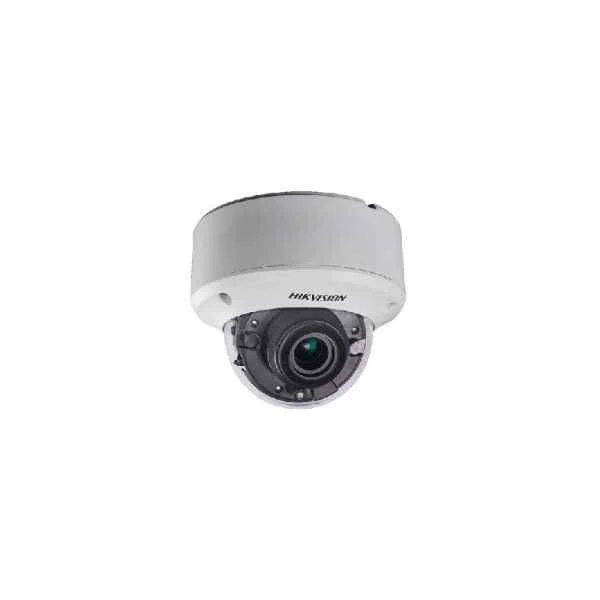
DS-2CE59U8T-AVPIT3Z (4K Vandal Motorized Varifocal Dome Camera)
4.6 (5)- Security Camera
- Hikvision
- Bullet
- Analog HD
- 8MP
- Fixed
Est Value In stockFirst-Time Buyer Discount – Get up to 2% additional off on your first order
ORM Rewards Earn $50 in Rewards + Free Expedited Delivery – Join Now!
Use eCoupon ORMSAVE10
eCoupon limited to 5 units
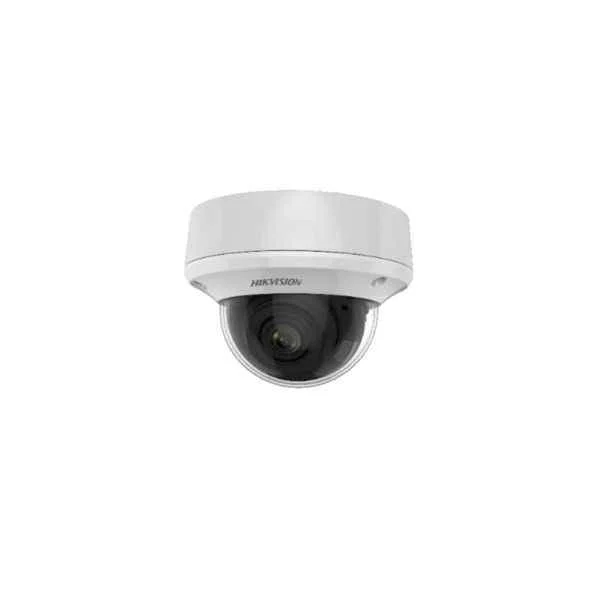
DS-2CE5AD8T-VPIT3ZE (2 MP Ultra Low Light Vandal PoC Motorized Varifocal Dome Camera)
4.6 (5)- Security Camera
- Hikvision
- Bullet
- Analog HD
- 2MP
- Varifocal
Est Value In stockFirst-Time Buyer Discount – Get up to 2% additional off on your first order
ORM Rewards Earn $50 in Rewards + Free Expedited Delivery – Join Now!
Use eCoupon ORMSAVE10
eCoupon limited to 5 units
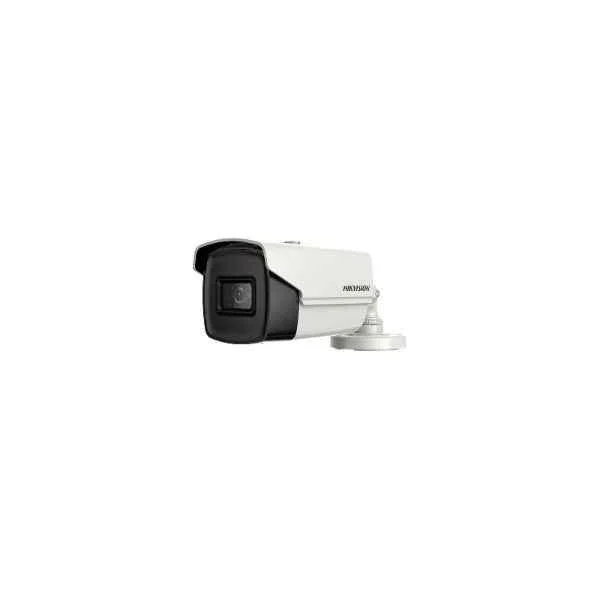
DS-2CE16U7T-IT3F (4K Ultra Low Light Fixed Bullet Camera)
4.6 (5)- Security Camera
- Hikvision
- Turret
- Analog HD
- 2MP
- Fixed
Est Value In stockFirst-Time Buyer Discount – Get up to 2% additional off on your first order
ORM Rewards Earn $50 in Rewards + Free Expedited Delivery – Join Now!
Use eCoupon ORMSAVE10
eCoupon limited to 5 units
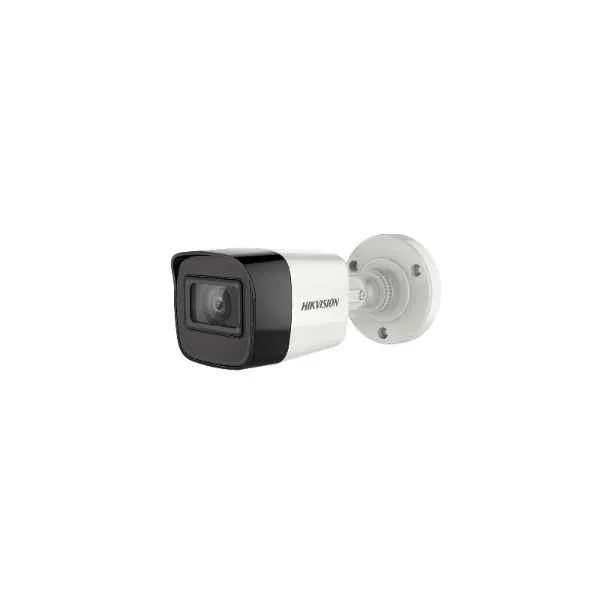
DS-2CE16U7T-ITF (4K Ultra Low Light Fixed Mini Bullet Camera)
4.8 (5)- Security Camera
- Hikvision
- Bullet
- Analog HD
- 2MP
- Fixed
Est Value In stockFirst-Time Buyer Discount – Get up to 2% additional off on your first order
ORM Rewards Earn $50 in Rewards + Free Expedited Delivery – Join Now!
Use eCoupon ORMSAVE10
eCoupon limited to 5 units
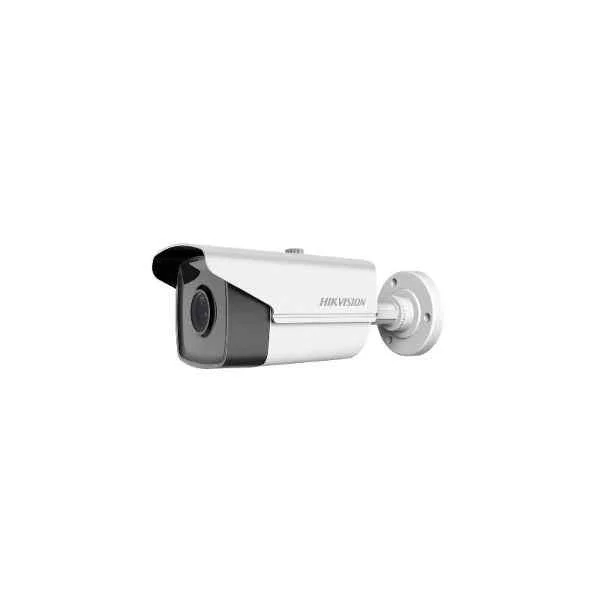
DS-2CE16D8T-IT1F (2MP Ultra Low Light Fixed Bullet Camera)
4.4 (5)- Security Camera
- Hikvision
- Turret
- Analog HD
- 8MP
- Fixed
Est Value In stockFirst-Time Buyer Discount – Get up to 2% additional off on your first order
ORM Rewards Earn $50 in Rewards + Free Expedited Delivery – Join Now!
Use eCoupon ORMSAVE10
eCoupon limited to 5 units
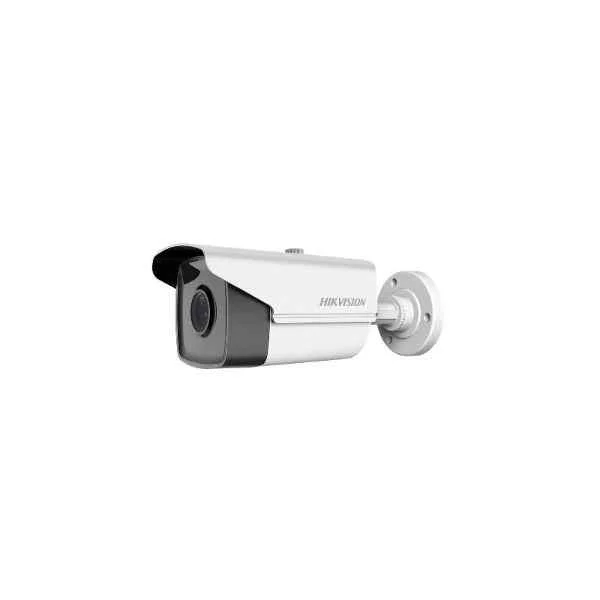
DS-2CE16D8T-IT3F (2 MP Ultra Low Light Fixed Bullet Camera)
4.4 (5)- Security Camera
- Hikvision
- Turret
- Analog HD
- 1080p
- Fixed
Est Value In stockFirst-Time Buyer Discount – Get up to 2% additional off on your first order
ORM Rewards Earn $50 in Rewards + Free Expedited Delivery – Join Now!
Use eCoupon ORMSAVE10
eCoupon limited to 5 units
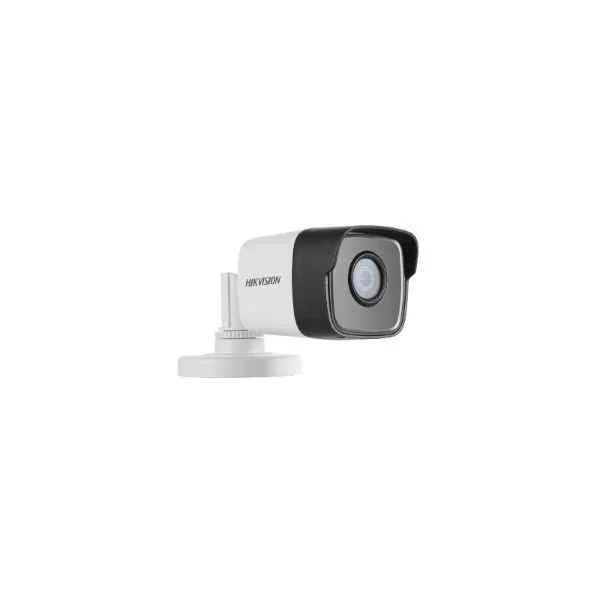
DS-2CE16D8T-ITF (2MP Ultra Low Light Fixed Mini Bullet Camera)
4.6 (5)- Security Camera
- Hikvision
- Bullet
- Analog HD
- 2MP
- Fixed
Est Value In stockFirst-Time Buyer Discount – Get up to 2% additional off on your first order
ORM Rewards Earn $50 in Rewards + Free Expedited Delivery – Join Now!
Use eCoupon ORMSAVE10
eCoupon limited to 5 units
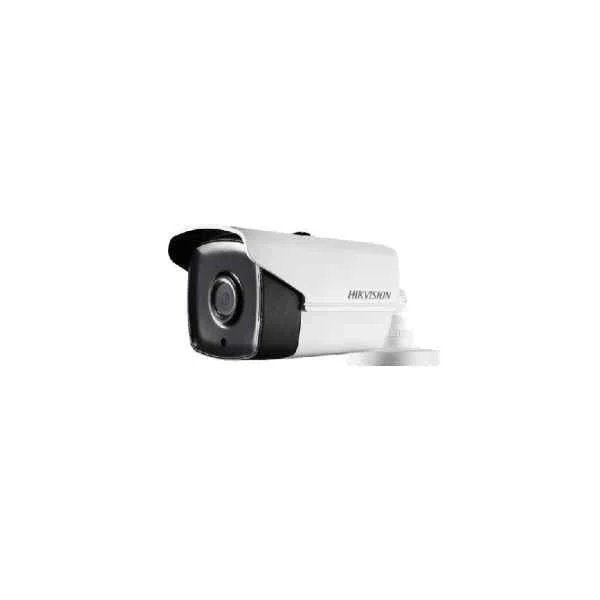
DS-2CE16D8T-IT5E (2 MP Ultra Low Light PoC Fixed Bullet Camera)
4.2 (5)- Security Camera
- Hikvision
- Bullet
- Analog HD
- 8MP
- Fixed
Est Value In stockFirst-Time Buyer Discount – Get up to 2% additional off on your first order
ORM Rewards Earn $50 in Rewards + Free Expedited Delivery – Join Now!
Use eCoupon ORMSAVE10
eCoupon limited to 5 units
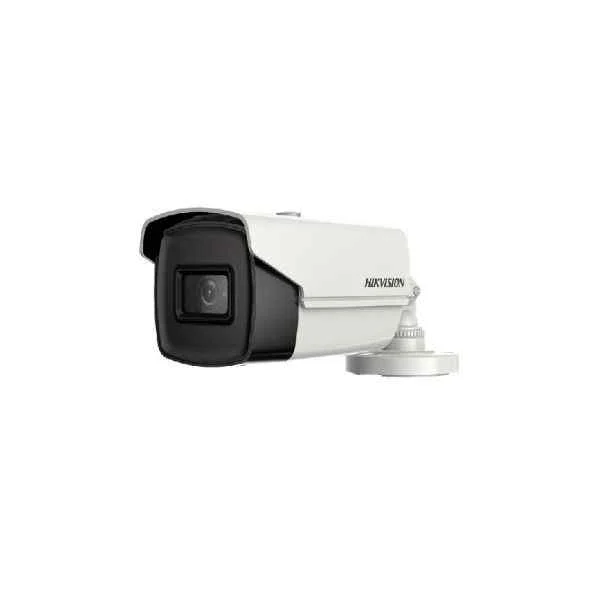
DS-2CE16H8T-IT1F (5 MP Ultra Low Light Fixed Bullet Camera)
4.6 (5)- Security Camera
- Hikvision
- Bullet
- Analog HD
- 1080p
- Fixed
- Motion Detection
Est Value In stockFirst-Time Buyer Discount – Get up to 2% additional off on your first order
ORM Rewards Earn $50 in Rewards + Free Expedited Delivery – Join Now!
Use eCoupon ORMSAVE10
eCoupon limited to 5 units
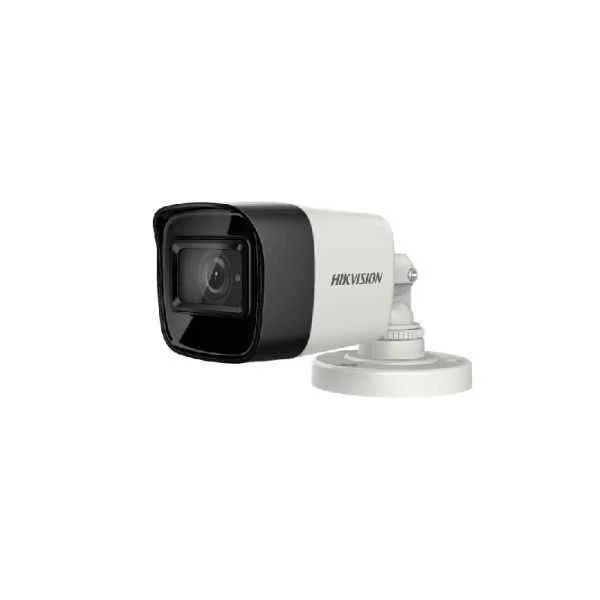
DS-2CE16H8T-ITF (5 MP Ultra Low Light Fixed Mini Bullet Camera)
4.8 (5)- Security Camera
- Hikvision
- Bullet
- Analog HD
- 1080p
- Fixed
Est Value In stockFirst-Time Buyer Discount – Get up to 2% additional off on your first order
ORM Rewards Earn $50 in Rewards + Free Expedited Delivery – Join Now!
Use eCoupon ORMSAVE10
eCoupon limited to 5 units

ORM Sales Advisors
Buying for your business? Get a personalised quote in under 2 hours. Talk to an expert
LEARNFilters (152) 
Questions & Answers
What is an HD camera?
An HD camera is a high-definition video device that captures footage at resolutions of 1280×720 (720p) or higher, delivering sharper images and finer detail than standard-definition cameras.
What is the difference between HD and Full HD (1080p)?
HD (720p) records at 1280×720 pixels, while Full HD (1080p) captures video at 1920×1080 pixels, offering nearly twice the resolution and increased clarity.
How do I choose the best HD camera for my needs?
Select an HD camera based on your required resolution, sensor size, frame rate, connectivity options, build quality and budget to ensure it meets your shooting scenarios.
Why is sensor size important in an HD camera?
A larger sensor captures more light and dynamic range, improving low-light performance, depth of field control and overall image quality in HD recordings.
Does a higher frame rate improve video quality?
Yes, higher frame rates (60fps or above) produce smoother motion and allow for slow-motion playback, enhancing the viewing experience for fast-moving subjects.
What connectivity options should I look for in an HD camera?
Look for HDMI or SDI outputs for uncompressed video, USB or Ethernet for streaming, plus Wi-Fi, Bluetooth and audio inputs to support versatile recording workflows.
How does low-light performance vary in HD cameras?
Low-light performance depends on sensor size, pixel pitch, lens aperture and ISO range; larger sensors and wide-aperture lenses deliver cleaner, noise-reduced footage in dim conditions.
What storage capacity do I need for HD video recording?
At 1080p/30fps, expect roughly 5GB per 40 minutes; plan SD cards or SSDs based on total recording time, bit rate and backup requirements.
How do HDMI and USB outputs differ for HD cameras?
HDMI outputs uncompressed video to monitors or switchers, while USB provides compressed digital transfer for direct streaming and file transfers to computers.
Can I use interchangeable lenses with an HD camera?
Some HD cameras feature C-mount, Micro Four Thirds or proprietary mounts, allowing you to swap lenses for different focal lengths and aperture needs.
What’s the difference between a DSLR and a dedicated HD camera?
DSLRs offer larger sensors and interchangeable lenses but shorter continuous recording, whereas dedicated HD cameras provide ergonomic controls, longer recording times and integrated zoom.
How does bit rate affect HD video quality?
Higher bit rates preserve more image data, reducing compression artifacts and producing smoother, more detailed footage at the expense of larger file sizes.
What video formats do HD cameras support?
Most HD cameras record in MP4, MOV or AVCHD containers using H.264 or H.265 codecs, ensuring broad compatibility with editing software and streaming platforms.
Are waterproof HD cameras available?
Yes, many action-style HD cameras include built-in waterproofing or housings rated from 10m to 60m, enabling reliable underwater recording without extra accessories.
What is image stabilization and why is it crucial?
Image stabilization—optical (OIS) or electronic (EIS)—compensates for hand shake and vibration, delivering smooth, blur-free HD footage in handheld or moving shots.
What’s the typical price range for a quality HD camera?
Entry-level HD cameras start around $200, mid-range models range from $500 to $1,000, and professional units exceed $1,000 based on sensor size and advanced features.