 United States
Other Networking Accessories Collection
Elevate your network infrastructure with premium Other Networking Accessories engineered for optimized connectivity and durability. Discover reliable solutions that empower IT environments with superior performance and lasting efficiency.
Talk to an expert
3 Matching results
- BEST SELLING
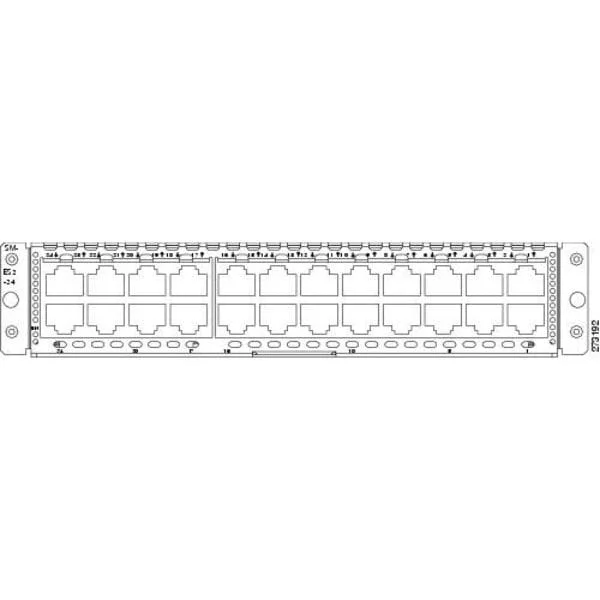
SM-ES2-24-P (Enhanced EtherSwitch Service Module, L2, SM, 23 FE, 1 GE, POE)
4.8 (5)Est Value
$284.13
In stockNewRefurbishedFirst-Time Buyer Discount – Get up to 2% additional off on your first order
ORM Rewards Earn $50 in Rewards + Free Expedited Delivery – Join Now!
Use eCoupon ORMSAVE10
eCoupon limited to 5 units
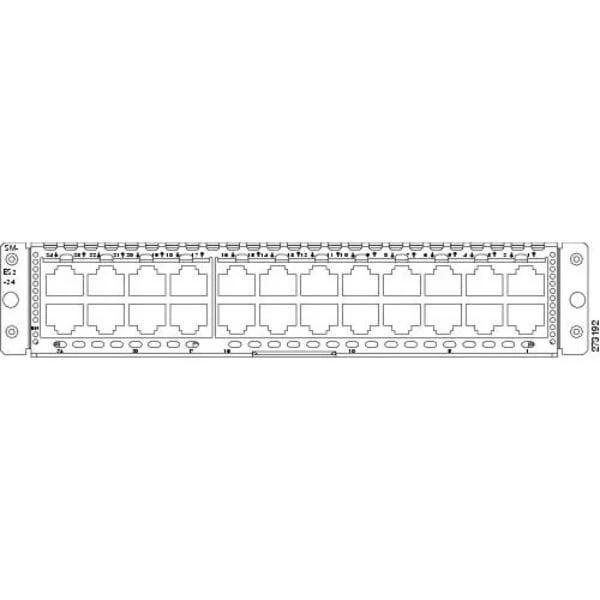
SM-ES2-24 (Enhanced EtherSwitch, L2, SM, 23 FE, 1 GE)
4.2 (5)Est Value $1,995.00$130.20
93.5% offIn stockNewRefurbishedFirst-Time Buyer Discount – Get up to 2% additional off on your first order
ORM Rewards Earn $50 in Rewards + Free Expedited Delivery – Join Now!
Use eCoupon ORMSAVE10
eCoupon limited to 5 units
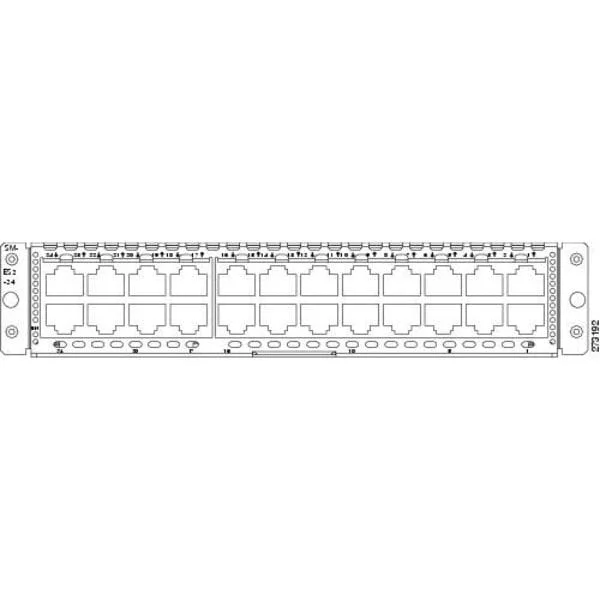
SM-ES3-24-P (Enhcd EtherSwitch Service Module, L2/L3 switching, 23 * 10/100 FE ports, 1 * 10/100/1000 GE ports, Enhanced POE, Cisco EnergyWise technology)
4.8 (5)Est Value $4,839.00$4,339.76
10.3% offIn stockNewFirst-Time Buyer Discount – Get up to 2% additional off on your first order
ORM Rewards Earn $50 in Rewards + Free Expedited Delivery – Join Now!
Use eCoupon ORMSAVE10
eCoupon limited to 5 units

ORM Sales Advisors
Buying for your business? Get a personalised quote in under 2 hours. Talk to an expert
LEARNFilters (3) 
Questions & Answers
What networking accessories are essential for a small business?
Essential accessories include patch panels, keystone jacks, cable management systems, surge protectors, PoE injectors, cable testers and rack-mount kits to ensure organized, scalable networks.
How do patch panels improve cable organization?
Patch panels centralize Ethernet connections into labeled ports, simplify moves/adds/changes, reduce cable clutter and accelerate troubleshooting.
What factors should I consider when selecting keystone jacks?
Choose keystone jacks based on cable category (Cat5e, Cat6, Cat6a), termination style (tool-free or IDC), shielding requirements and wall-plate compatibility.
Why is cable management important in network installations?
Proper cable management prevents signal interference, improves airflow for cooling, reduces wear on cables and makes maintenance faster and safer.
How do I choose a reliable surge protector for network equipment?
Select a surge protector with a high joule rating, low clamping voltage, Ethernet/PoE ports and UL or IEC safety certifications to safeguard all network devices.
Can PoE injectors power any PoE device?
PoE injectors compatible with IEEE 802.3af/at/bt can power any compliant device; verify the injector’s wattage output matches your device’s requirements.
What tools are required for reliable networking cable installation?
You need a cable stripper, crimping tool, punch-down tool, cable tester and fish tape to strip, terminate, test and route cables correctly.
How do cable testers detect network issues?
Cable testers send defined signal patterns through each wire pair to identify shorts, opens, miswires and split pairs, delivering instant pass/fail results.
Are RJ45 couplers suitable for high-speed Gigabit networks?
Yes—use couplers rated for Cat6 or Cat6a to maintain full Gigabit performance; ensure the coupler’s category matches your existing cabling.
What maintenance is required for fiber optic accessories?
Regularly clean connectors with lint-free wipes and isopropyl alcohol, inspect for scratches and use proper dust caps to prevent signal loss.
How do I design an efficient network rack layout?
Balance power distribution, cooling and cable routing by using vertical managers, blanking panels, proper shelf placement and labeled patch panels.
What are best practices for labeling and color-coding network cables?
Label both ends with unique, consistent IDs and use a color-coding scheme that aligns with your port map to expedite identification and reduce errors.
What role do grounding kits play in network safety?
Grounding kits protect equipment from electrical surges and static by bonding racks and panels to earth ground, ensuring system stability and personnel safety.
Are reusable Velcro straps better than zip ties for cable management?
Yes—Velcro straps prevent over-tightening, reduce cable stress, allow easy reconfiguration and maintain neat bundles compared to single-use zip ties.
How do I select the right wall plate and faceplate for Ethernet ports?
Match port count to your configuration, choose compatible keystone modules, and select durable metal or high-grade plastic faceplates for long-term reliability.
What warranty and support should I expect for networking accessories?
Look for at least a one-year manufacturer warranty, vendor technical support and compliance with industry standards like ANSI/TIA for assured performance.
How often should networking accessories be inspected and replaced?
Inspect cables, connectors and management hardware quarterly; replace any damaged or worn components immediately to maintain optimal network reliability.