 United States
Motherboards for Elite Performance
Our premium range of motherboards ensures robust connectivity, exceptional reliability, and superior performance for complex computing tasks. Engineered with cutting-edge technology, they optimize system efficiency and enhance productivity.
Talk to an expert
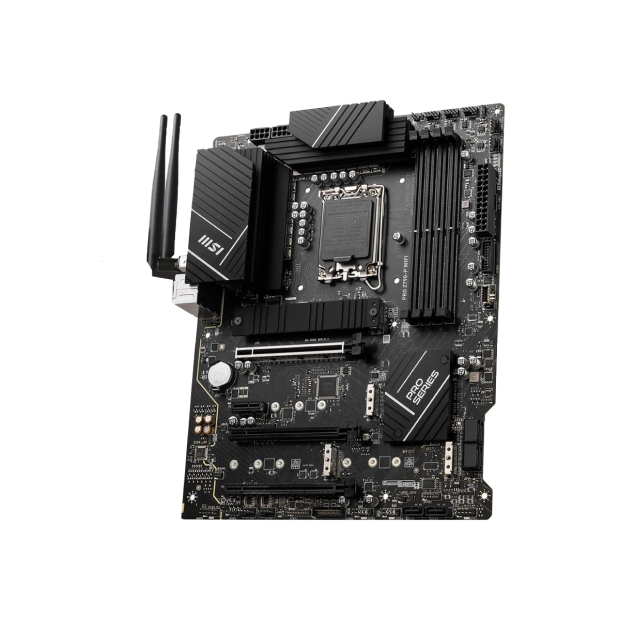
Intel Motherboards
(29)Intel motherboards fit virtualization hosts and database nodes using LGA server sockets, PCIe expansion, and DDR5 ECC memory support
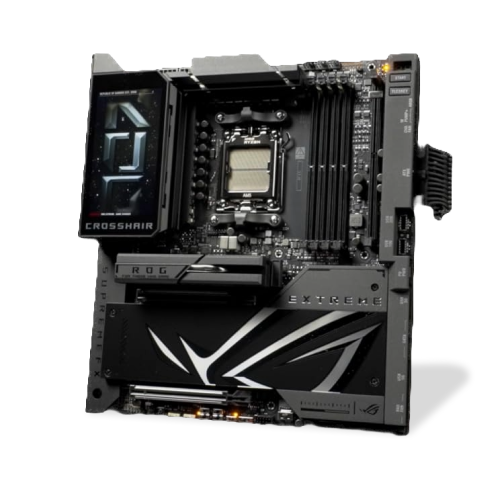
Asus Motherboards
(79)Asus motherboards suit creator workstations and gaming fleet builds with ATX form factors, M.2 storage lanes, and USB-C rear I/O
108 Matching results
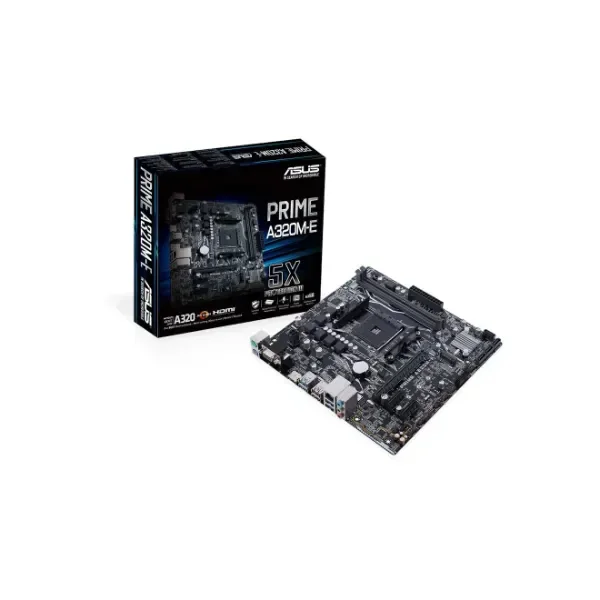
90MB0V10-M0EAY0 (PRIME A320M-E - AMD - Socket AM4 - AMD A - AMD Athlon - AMD Athlon X4 - AMD Ryzen 3 - 2nd Generation AMD Ryzen™ 3 - AMD Ryzen 3 3rd Gen,... - DDR4-SDRAM - DIMM - 2133,2400,2666,2933,3200 MHz)
4.6 (5)- Motherboard
- Asus
- AMD X670
- AM5
- AMD Ryzen 9
- Ryzen 7000 Series
- DDR5
Est Value $203.32
$173.57
14.6% offIn stockRefurbishedFirst-Time Buyer Discount – Get up to 2% additional off on your first order
ORM Rewards Earn $50 in Rewards + Free Expedited Delivery – Join Now!
Use eCoupon ORMSAVE10
eCoupon limited to 5 units
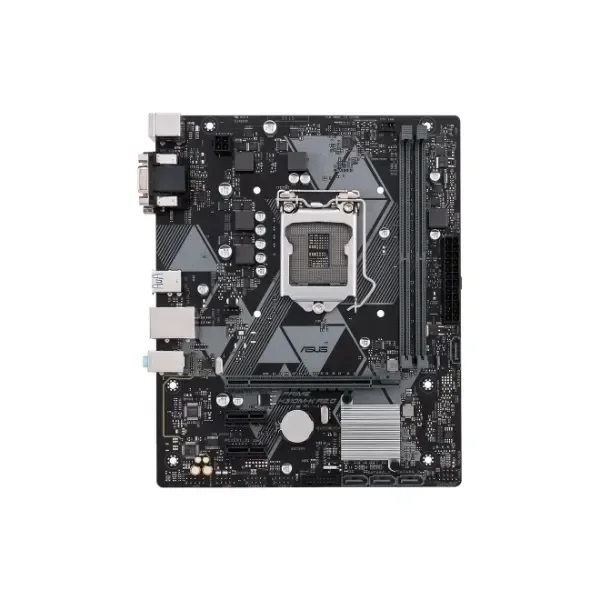
90MB0Z30-M0EAY0 (PRIME H310M-K R2.0 - Intel - LGA 1151 (Socket H4) - Intel® Celeron® - Intel® Core™ i3 - Intel Core i5 - Intel Core i7 - Intel® Pentium® - i3-8xxx,i5-8xxx,i7-8xxx - DDR4-SDRAM - DIMM)
4.6 (5)- Motherboard
- Asus
- AMD B550
- AM4
- AMD Ryzen 9
- Ryzen 5000 Series
- DDR4
Est Value $211.79$180.80
14.6% offIn stockRefurbishedFirst-Time Buyer Discount – Get up to 2% additional off on your first order
ORM Rewards Earn $50 in Rewards + Free Expedited Delivery – Join Now!
Use eCoupon ORMSAVE10
eCoupon limited to 5 units
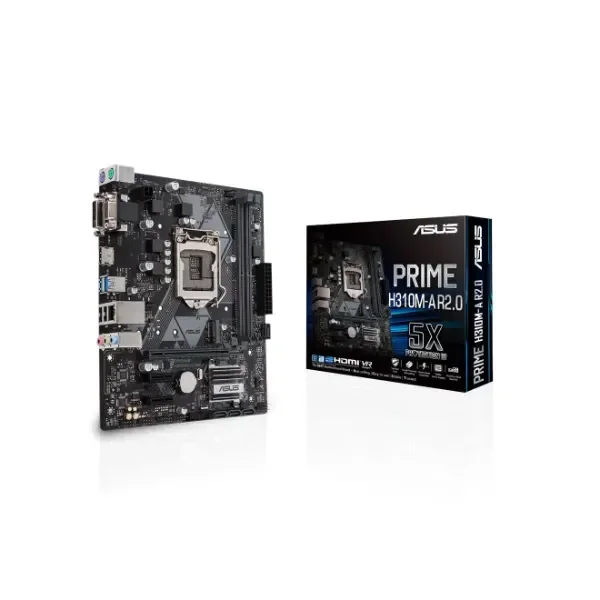
90MB0Z10-M0EAY0 (PRIME H310M-A R2.0 - Intel - LGA 1151 (Socket H4) - Intel® Celeron® - Intel® Core™ i3 - Intel Core i5 - Intel Core i7 - Intel® Pentium® - i3-8xxx,i5-8xxx,i7-8xxx - DDR4-SDRAM - 32 GB)
4.2 (5)- Motherboard
- Asus
- AMD B550
- AM4
- AMD Ryzen 9
- Ryzen 5000 Series
- DDR4
Est Value $241.31$206.00
14.6% offIn stockRefurbishedFirst-Time Buyer Discount – Get up to 2% additional off on your first order
ORM Rewards Earn $50 in Rewards + Free Expedited Delivery – Join Now!
Use eCoupon ORMSAVE10
eCoupon limited to 5 units
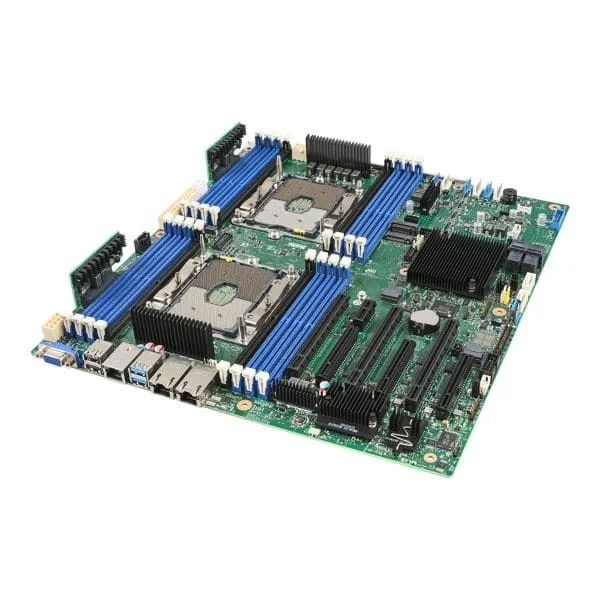
BOXD945GCLF (Intel Desktop Board D945GCLF - Essential Series - motherboard - mini ITX / micro ATX - Intel Atom 230 - i945GC)
4.4 (5)- Motherboard
- Intel
- Intel Z790
- LGA 1700
- Intel Core i9
- 13th Gen Intel
- DDR5
Est Value $252.85$215.85
14.6% offIn stockRefurbishedFirst-Time Buyer Discount – Get up to 2% additional off on your first order
ORM Rewards Earn $50 in Rewards + Free Expedited Delivery – Join Now!
Use eCoupon ORMSAVE10
eCoupon limited to 5 units
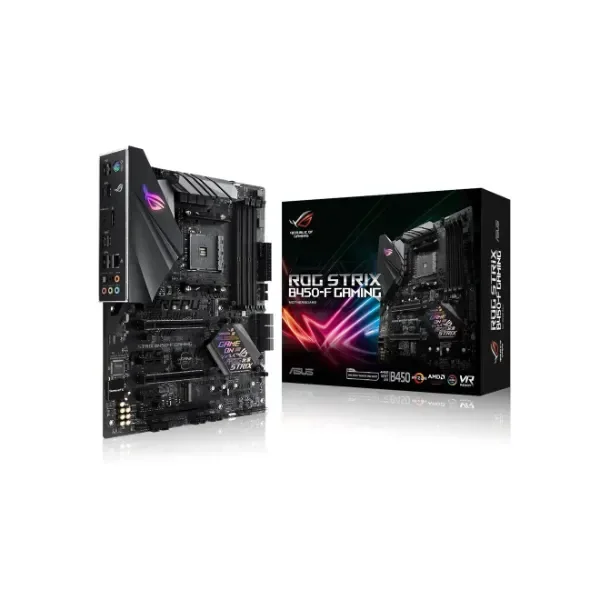
90MB0YS0-M0EAY0 (ROG STRIX B450-F GAMING - AMD - Socket AM4 - AMD Athlon - AMD Ryzen 3 - 2nd Generation AMD Ryzen™ 3 - AMD Ryzen 3 3rd Gen - AMD Ryzen 5 - 2nd... - DDR4-SDRAM - DIMM - 2133,2400,2666,2800,2933,3000,3200 MHz)
4.6 (5)- Motherboard
- Asus
- Intel Z790
- LGA 1700
- Intel Core i7
- 13th Gen Intel
- DDR5
Est Value $284.47$242.84
14.6% offIn stockRefurbishedFirst-Time Buyer Discount – Get up to 2% additional off on your first order
ORM Rewards Earn $50 in Rewards + Free Expedited Delivery – Join Now!
Use eCoupon ORMSAVE10
eCoupon limited to 5 units
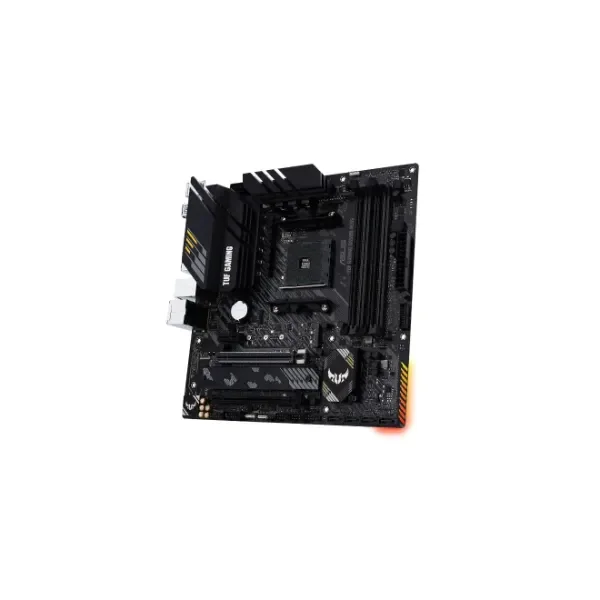
90MB14A0-M0EAY0 (TUF GAMING B550M PLUS - AMD - Socket AM4 - AMD Ryzen 3 3rd Gen - 3rd Generation AMD Ryzen 5 - 3rd Generation AMD Ryzen 7 - 3rd Generation AMD... - DDR4-SDRAM - 128 GB - DIMM)
4.6 (5)- Motherboard
- Asus
- AMD X670
- AM5
- AMD Ryzen 7000 Series
- Ryzen 7000 Series
- DDR5
Est Value $289.09$246.78
14.6% offIn stockRefurbishedFirst-Time Buyer Discount – Get up to 2% additional off on your first order
ORM Rewards Earn $50 in Rewards + Free Expedited Delivery – Join Now!
Use eCoupon ORMSAVE10
eCoupon limited to 5 units
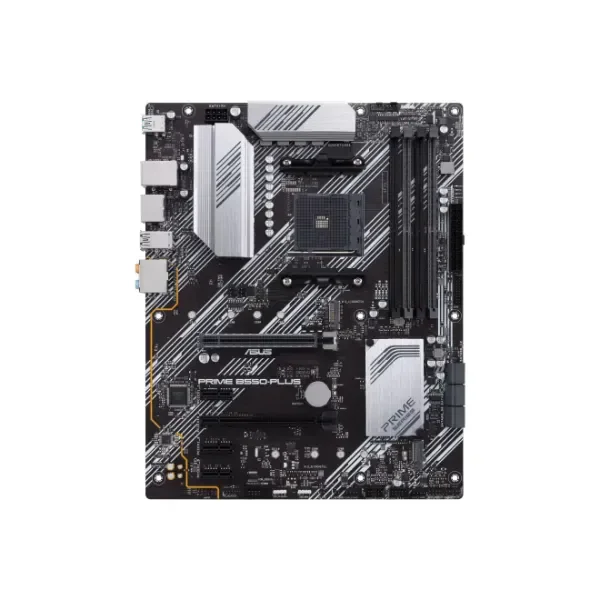
90MB14U0-M0EAY0 (PRIME B550-PLUS - AMD - Socket AM4 - AMD Ryzen 3 3rd Gen - 3rd Generation AMD Ryzen 5 - 3rd Generation AMD Ryzen 7 - 3rd Generation AMD... - DDR4-SDRAM - 128 GB - DIMM)
5 (5)- Motherboard
- Asus
- Intel Z690
- LGA 1700
- Intel Core i9
- 12th Gen Intel
- DDR5
Est Value $302.69$258.39
14.6% offIn stockRefurbishedFirst-Time Buyer Discount – Get up to 2% additional off on your first order
ORM Rewards Earn $50 in Rewards + Free Expedited Delivery – Join Now!
Use eCoupon ORMSAVE10
eCoupon limited to 5 units
90MB14V0-M0EAY0 (PRIME B550M-K - AMD - Socket AM4 - AMD Ryzen 3 3rd Gen - 3rd Generation AMD Ryzen 5 - 3rd Generation AMD Ryzen 7 - 3rd Generation AMD... - DDR4-SDRAM - 128 GB - DIMM)
4.6 (5)- Motherboard
- Asus
- Intel Z790
- LGA 1700
- Intel Core i9
- 12th Gen Intel / 13th Gen Intel / 14th Gen Intel
- DDR5
Est Value $306.10$261.30
14.6% offIn stockRefurbishedFirst-Time Buyer Discount – Get up to 2% additional off on your first order
ORM Rewards Earn $50 in Rewards + Free Expedited Delivery – Join Now!
Use eCoupon ORMSAVE10
eCoupon limited to 5 units
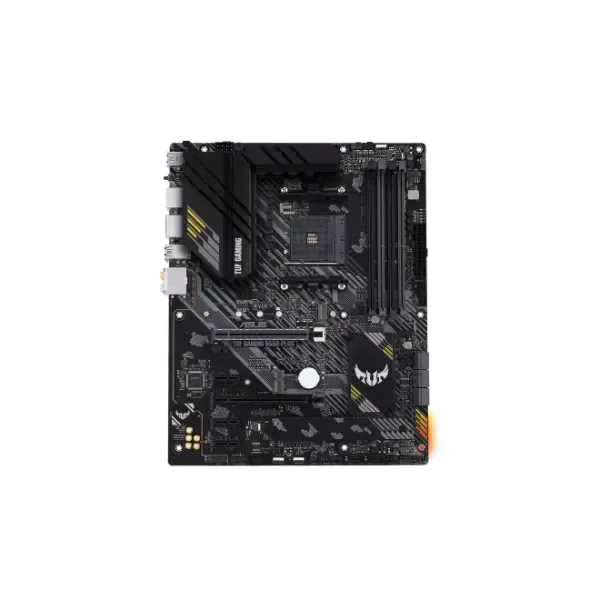
90MB14G0-M0EAY0 (TUF Gaming B550-PLUS - AMD - Socket AM4 - AMD Ryzen 3 3rd Gen - 3rd Generation AMD Ryzen 5 - 3rd Generation AMD Ryzen 7 - 3rd Generation AMD... - Socket AM4 - DDR4-SDRAM - 128 GB)
4.8 (5)- Motherboard
- Asus
- Intel Z790
- LGA 1700
- 14th Gen Intel
- 14th Gen Intel
- DDR5
Est Value $312.65$266.90
14.6% offIn stockRefurbishedFirst-Time Buyer Discount – Get up to 2% additional off on your first order
ORM Rewards Earn $50 in Rewards + Free Expedited Delivery – Join Now!
Use eCoupon ORMSAVE10
eCoupon limited to 5 units
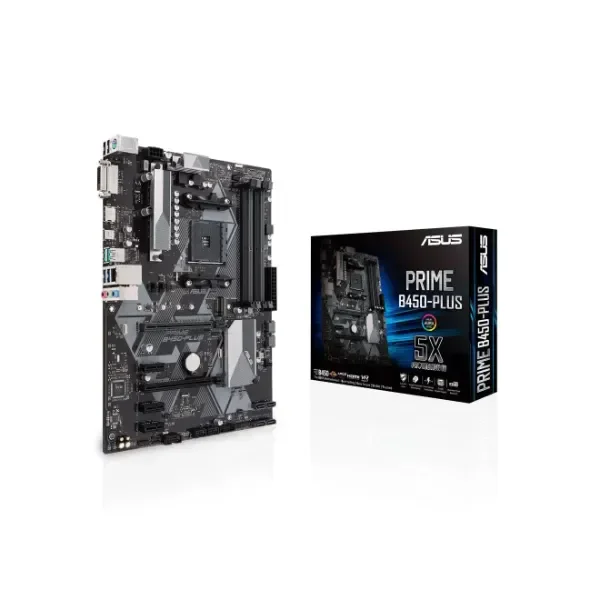
90MB0YN0-M0EAY0 (PRIME B450-PLUS - AMD - Socket AM4 - AMD Athlon - AMD Ryzen 3 - 2nd Generation AMD Ryzen™ 3 - AMD Ryzen 3 3rd Gen - AMD Ryzen 5 - 2nd... - DDR4-SDRAM - DIMM - 2133,2400,2666,2800,3000,3200 MHz)
4.4 (5)- Motherboard
- Asus
- Intel Z790
- LGA 1700
- Intel Core i9
- 13th Gen Intel
- DDR5
Est Value $313.47$267.59
14.6% offIn stockRefurbishedFirst-Time Buyer Discount – Get up to 2% additional off on your first order
ORM Rewards Earn $50 in Rewards + Free Expedited Delivery – Join Now!
Use eCoupon ORMSAVE10
eCoupon limited to 5 units
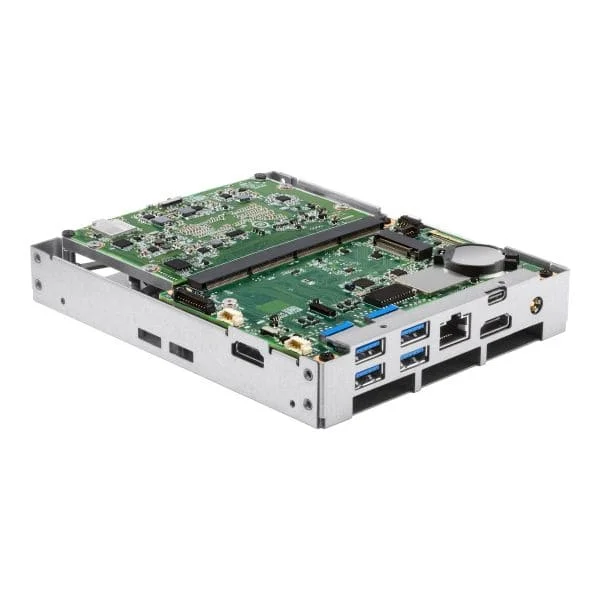
BLKNUC7PJYBN (JUNE CANYON NUC7PJYBN BOARD L5)
4.5 (6)- Motherboard
- Intel
- Intel Z790
- LGA 1700
- Intel Core i9
- 13th Gen Intel
- DDR5
Est Value $554.20$277.10
50% offIn stockRefurbishedFirst-Time Buyer Discount – Get up to 2% additional off on your first order
ORM Rewards Earn $50 in Rewards + Free Expedited Delivery – Join Now!
Use eCoupon ORMSAVE10
eCoupon limited to 5 units
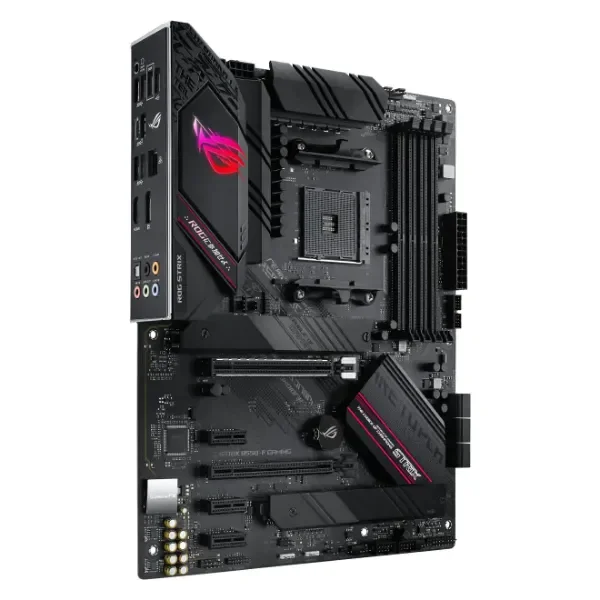
90MB14S0-M0EAY0 (ROG STRIX B550-F GAMING - AMD - Socket AM4 - AMD Ryzen 3 3rd Gen - 3rd Generation AMD Ryzen 5 - 3rd Generation AMD Ryzen 7 - 3rd Generation AMD... - DDR4-SDRAM - 128 GB - DIMM)
4.8 (5)- Motherboard
- Asus
- Intel Z790
- LGA 1700
- Intel Core i9
- 13th Gen Intel
- DDR5
Est Value $357.83$305.47
14.6% offIn stockRefurbishedFirst-Time Buyer Discount – Get up to 2% additional off on your first order
ORM Rewards Earn $50 in Rewards + Free Expedited Delivery – Join Now!
Use eCoupon ORMSAVE10
eCoupon limited to 5 units
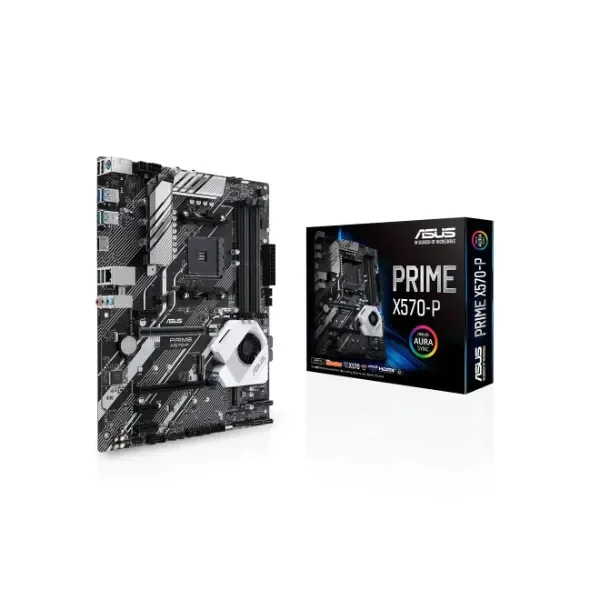
90MB11N0-M0EAY0 (Prime X570-P - AMD - Socket AM4 - 2nd Generation AMD Ryzen™ 3 - AMD Ryzen 3 3rd Gen - 2nd Generation AMD Ryzen™ 5 - 3rd Generation... - DDR4-SDRAM - 128 GB - DIMM)
4.6 (5)- Motherboard
- Asus
- Intel Z790
- LGA 1700
- Intel Core i9
- 13th Gen Intel
- DDR5
Est Value $379.76$324.19
14.6% offIn stockRefurbishedFirst-Time Buyer Discount – Get up to 2% additional off on your first order
ORM Rewards Earn $50 in Rewards + Free Expedited Delivery – Join Now!
Use eCoupon ORMSAVE10
eCoupon limited to 5 units
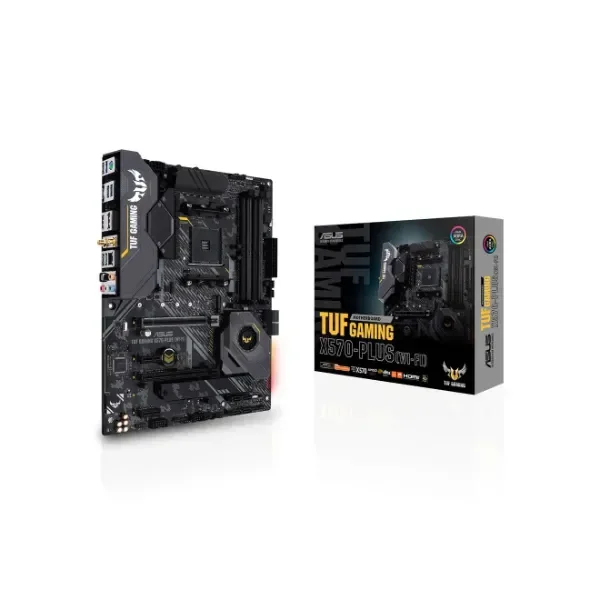
90MB1170-M0EAY0 (TUF Gaming X570-Plus (WI-FI) - AMD - Socket AM4 - 2nd Generation AMD Ryzen™ 3 - AMD Ryzen 3 3rd Gen - 2nd Generation AMD Ryzen™ 5 - 3rd Generation... - DDR4-SDRAM - 128 GB - DIMM)
4.6 (5)- Motherboard
- Asus
- AMD B550
- AM4
- AMD Ryzen 9
- Ryzen 5000 Series
- DDR4
Est Value $394.95$337.16
14.6% offIn stockRefurbishedFirst-Time Buyer Discount – Get up to 2% additional off on your first order
ORM Rewards Earn $50 in Rewards + Free Expedited Delivery – Join Now!
Use eCoupon ORMSAVE10
eCoupon limited to 5 units
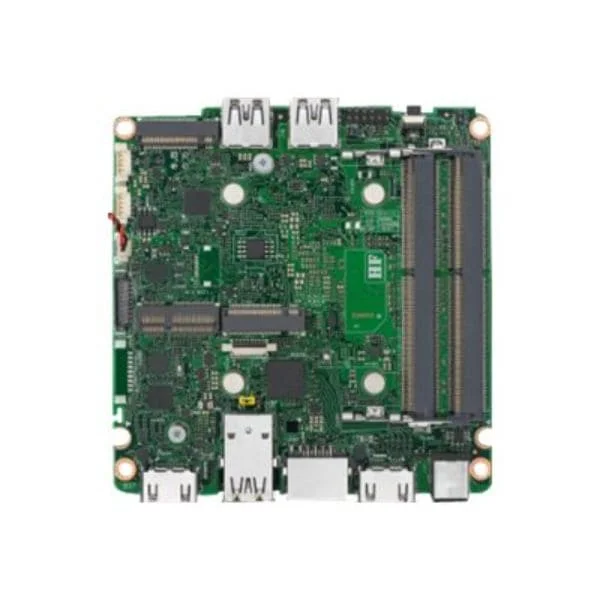
BNUC11TNBI30000 (Intel Next Unit of Computing Board 11 Pro Board - NUC11TNBi3 - motherboard - UCFF - Intel Core i3 1115G4)
4.8 (6)- Motherboard
- Intel
- Intel Z790
- LGA 1700
- Intel Core i9
- 13th Gen Intel
- DDR5
Est Value $764.40$382.20
50% offIn stockRefurbishedFirst-Time Buyer Discount – Get up to 2% additional off on your first order
ORM Rewards Earn $50 in Rewards + Free Expedited Delivery – Join Now!
Use eCoupon ORMSAVE10
eCoupon limited to 5 units
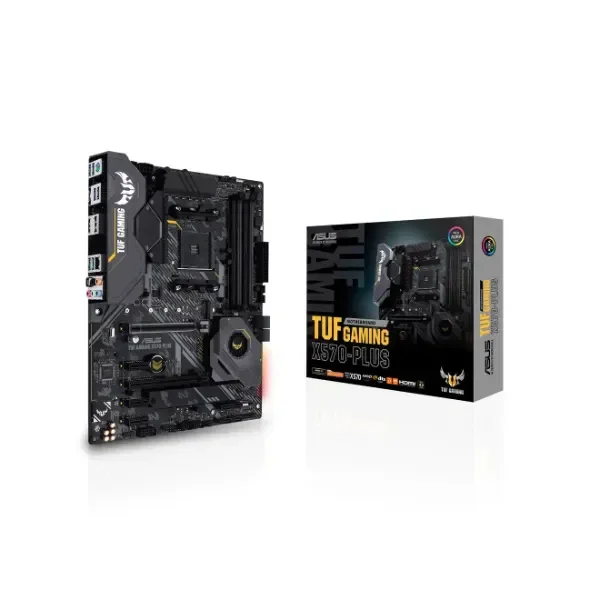
90MB1180-M0EAY0 (TUF Gaming X570-Plus - AMD - Socket AM4 - 2nd Generation AMD Ryzen™ 3 - AMD Ryzen 3 3rd Gen - 2nd Generation AMD Ryzen™ 5 - 3rd Generation... - DDR4-SDRAM - 128 GB - DIMM)
4.4 (5)- Motherboard
- Asus
- AMD B550
- AM4
- AMD Ryzen 9
- Ryzen 5000 Series
- DDR4
Est Value $455.72$389.03
14.6% offIn stockRefurbishedFirst-Time Buyer Discount – Get up to 2% additional off on your first order
ORM Rewards Earn $50 in Rewards + Free Expedited Delivery – Join Now!
Use eCoupon ORMSAVE10
eCoupon limited to 5 units
90MB11B0-M0EAY0 (PRIME X570-PRO - AMD - Socket AM4 - 2nd Generation AMD Ryzen™ 3 - AMD Ryzen 3 3rd Gen - 2nd Generation AMD Ryzen™ 5 - 3rd Generation... - DDR4-SDRAM - 128 GB - DIMM)
4.8 (5)- Motherboard
- Asus
- AMD B550
- AM4
- AMD Ryzen 9
- Ryzen 5000 Series
- DDR4
Est Value $531.67$453.86
14.6% offIn stockRefurbishedFirst-Time Buyer Discount – Get up to 2% additional off on your first order
ORM Rewards Earn $50 in Rewards + Free Expedited Delivery – Join Now!
Use eCoupon ORMSAVE10
eCoupon limited to 5 units
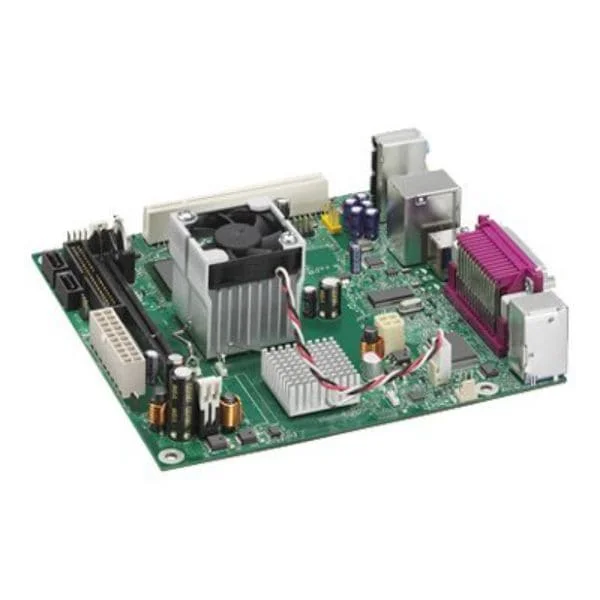
DBS1200SPOR (Intel Server Board S1200SPOR - motherboard - micro ATX - LGA1151 Socket - C232)
4.8 (5)- Motherboard
- Intel
- Intel Z790
- LGA 1700
- Intel Core i9
- 13th Gen Intel
- DDR5
Est Value $586.83$500.96
14.6% offIn stockRefurbishedFirst-Time Buyer Discount – Get up to 2% additional off on your first order
ORM Rewards Earn $50 in Rewards + Free Expedited Delivery – Join Now!
Use eCoupon ORMSAVE10
eCoupon limited to 5 units

90MB1370-M0EAY0 (ROG MAXIMUS XII FORMULA - Intel - LGA 1200 - Intel® Celeron® - Intel® Pentium® - Intel Pentium G - DDR4-SDRAM - 128 GB - DIMM)
4.4 (5)- Motherboard
- Asus
- Intel C621A
- LGA 3647
- Intel Xeon Scalable
- Intel Xeon Scalable
- DDR4
Est Value $613.46$523.69
14.6% offIn stockRefurbishedFirst-Time Buyer Discount – Get up to 2% additional off on your first order
ORM Rewards Earn $50 in Rewards + Free Expedited Delivery – Join Now!
Use eCoupon ORMSAVE10
eCoupon limited to 5 units
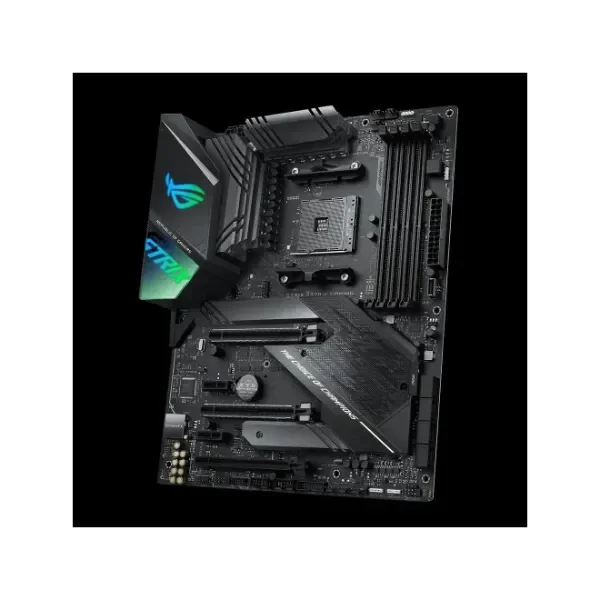
90MB1160-M0EAY0 (ROG Strix X570-F Gaming - AMD - Socket AM4 - 2nd Generation AMD Ryzen™ 3 - AMD Ryzen 3 3rd Gen - 2nd Generation AMD Ryzen™ 5 - 3rd Generation... - DDR4-SDRAM - 128 GB - DIMM)
5 (5)- Motherboard
- Asus
- Intel Z790
- LGA 1700
- Intel Core i7
- 14th Gen Intel
- DDR5
Est Value $673.06$574.56
14.6% offIn stockRefurbishedFirst-Time Buyer Discount – Get up to 2% additional off on your first order
ORM Rewards Earn $50 in Rewards + Free Expedited Delivery – Join Now!
Use eCoupon ORMSAVE10
eCoupon limited to 5 units

ORM Sales Advisors
Buying for your business? Get a personalised quote in under 2 hours. Talk to an expert
LEARNFilters (108) 
Questions & Answers
What is a motherboard?
A motherboard is the main printed circuit board that connects and allows communication between the CPU, RAM, storage, and peripherals in a computer.
How do I choose the right motherboard for my CPU?
Select a motherboard with a compatible CPU socket, appropriate chipset features, solid VRM power delivery, and a form factor that fits your build and upgrade plans.
What motherboard form factors should I consider?
Common form factors—ATX, Micro-ATX, and Mini-ITX—determine size, expansion slots, and case compatibility; choose based on your space constraints and component needs.
How much RAM can a motherboard support?
RAM capacity depends on the number of DIMM slots and maximum module size—typically 32 GB to 128 GB per board—so always verify the manufacturer’s specifications.
What is a motherboard chipset and why is it important?
A chipset manages data flow between the CPU, memory, and peripherals; higher-end chipsets offer more PCIe lanes, USB ports, RAID support, and overclocking capabilities.
How many PCIe slots does a motherboard need for expansion?
Choose a motherboard with enough PCIe x1, x4, x8, and x16 slots—ideally PCIe 4.0 or 5.0—for your GPU, NVMe storage, network cards, and other add-on devices.
What motherboard features are essential for gaming?
Gaming motherboards should include reinforced PCIe slots, high-quality VRMs, multi-phase power delivery, fast memory support, advanced cooling headers, and high-speed networking.
Can I overclock my CPU with any motherboard?
Overclocking requires a chipset and VRM design that supports frequency adjustments—Intel Z-series and AMD B/X-series boards are typically engineered for safe overclocking.
Do motherboards support multiple graphics cards?
Yes, boards with SLI (NVIDIA) or CrossFire (AMD) certification and multiple PCIe x16 slots can run multi-GPU setups, though single high-end GPUs are now more common.
How do I update my motherboard BIOS?
Download the latest BIOS file from the manufacturer’s website, copy it to a USB drive, and use the onboard flash utility (e.g., Q-Flash, EZ Flash) to install the update.
What connectivity ports should I look for on a motherboard?
Ensure the board offers sufficient USB 3.x/USB-C, SATA, M.2, Ethernet, audio jacks, and display outputs based on your storage, peripherals, and networking requirements.
How do I check motherboard compatibility with my RAM and CPU?
Review the motherboard’s QVL (Qualified Vendor List) for certified RAM modules and confirm CPU socket and chipset support on the official product page.
What are the common signs of motherboard failure?
Watch for boot errors, random system crashes, unrecognized hardware, burning smells, or visible damage (e.g., bulging capacitors) as indicators of motherboard issues.
How long does a motherboard typically last?
With normal use and proper cooling, a quality motherboard usually lasts between 5 and 10 years before technology or wear necessitates an upgrade.
Do motherboards come with built-in Wi-Fi and Bluetooth?
Many modern motherboards include integrated Wi-Fi (802.11ac/ax) and Bluetooth (4.x/5.x), but entry-level models may require separate expansion cards for wireless connectivity.