 United States
Cisco Controller Modules for Enterprises
Elevate network efficiency with Cisco Controller Modules, engineered for robust performance, seamless integration, and enhanced security across enterprise networks. Optimize infrastructure reliability and scalability with cutting-edge technology.
Talk to an expert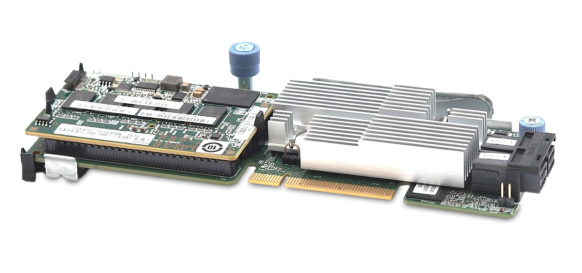
5 Matching results
C9800-18X1GE (CATALYST 9800-80 1GE MODULE)
4.8 (5)- Network Module
- Cisco
- Ethernet
- 1Gbps
- RJ-45
- TCP/IP
- Modular
Est Value $6,606.00
$3,657.15
44.6% offIn stockNewFirst-Time Buyer Discount – Get up to 2% additional off on your first order
ORM Rewards Earn $50 in Rewards + Free Expedited Delivery – Join Now!
Use eCoupon ORMSAVE10
eCoupon limited to 5 units
C9800-1X40GE (CATALYST 9800-80 1PORT 40GE MODULE)
4.6 (5)- Network Module / Network Card
- Cisco
- Ethernet Module
- 40G
- QSFP+
- TCP/IP
- Modular
Est Value $6,606.00$3,657.15
44.6% offIn stockNewFirst-Time Buyer Discount – Get up to 2% additional off on your first order
ORM Rewards Earn $50 in Rewards + Free Expedited Delivery – Join Now!
Use eCoupon ORMSAVE10
eCoupon limited to 5 units
C9800-1X100GE (CATALYST 9800-80 1PORT 100GE MODULE)
4.6 (5)- Network Module
- Cisco
- Ethernet
- 100G
- QSFP28
- TCP/IP
- Modular
Est Value $8,258.00$4,573.80
44.6% offIn stockNewFirst-Time Buyer Discount – Get up to 2% additional off on your first order
ORM Rewards Earn $50 in Rewards + Free Expedited Delivery – Join Now!
Use eCoupon ORMSAVE10
eCoupon limited to 5 units
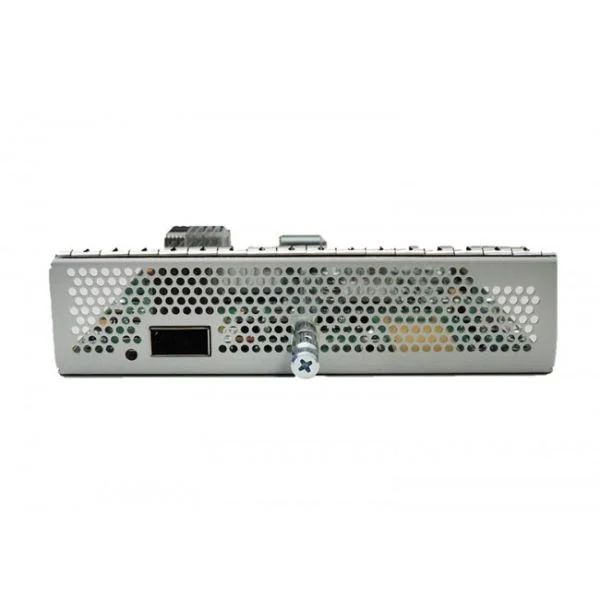
C9800-2X40GE (Cisco Catalyst 9800-80 2 Ports 40 GE Module)
4.6 (5)- Network Module
- Cisco
- Ethernet
- 40Gbps
- SFP28
- TCP/IP
- Modular
Est Value $8,258.00$2,245.32
72.8% offIn stockNewRefurbishedFirst-Time Buyer Discount – Get up to 2% additional off on your first order
ORM Rewards Earn $50 in Rewards + Free Expedited Delivery – Join Now!
Use eCoupon ORMSAVE10
eCoupon limited to 5 units
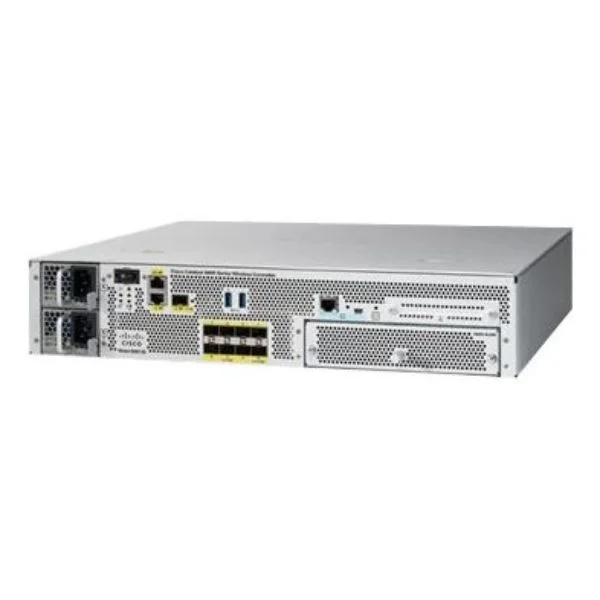
C9800-10X10E (Cisco Catalyst 9800-80 10 GE Module)
4.6 (5)- Network Module
- Cisco
- Ethernet
- 10Gbps
- SFP+
- TCP/IP
- Modular
Est Value In stockFirst-Time Buyer Discount – Get up to 2% additional off on your first order
ORM Rewards Earn $50 in Rewards + Free Expedited Delivery – Join Now!
Use eCoupon ORMSAVE10
eCoupon limited to 5 units

ORM Sales Advisors
Buying for your business? Get a personalised quote in under 2 hours. Talk to an expert
LEARNFilters (5) 
Questions & Answers
What is a Cisco Controller Module?
A Cisco Controller Module is a hardware component that centralizes management of wireless access points, offering unified configuration, monitoring, and optimization for enterprise Wi-Fi networks.
What are the key benefits of using Cisco Controller Modules?
Key benefits include: improved network scalability, seamless policy enforcement, real-time RF management, and enhanced security through integrated threat detection.
Which Cisco Controller Module models are available?
Available models include the 2504, 3504, 5520, and 8540 Series, each supporting different access point densities, throughput capacities, and redundancy options.
How do I choose the right Cisco Controller Module for my network?
Select based on access point count, throughput requirements, high-availability needs, and supported features like advanced RF management and guest access.
How do I configure a Cisco Controller Module?
Initial configuration is performed via the web GUI or CLI: assign a management IP, set WLAN profiles, define security policies, and add access points under Wireless > Access Points.
What types of licenses are required for Cisco Controller Modules?
You need a Base License for essential features, plus optional software licenses (Foundation, Enhanced, and Advanced Services) to enable application visibility, intrusion prevention, and advanced analytics.
How do Cisco Controller Modules integrate with Cisco DNA Center?
Controller Modules register with Cisco DNA Center for centralized policy, automation, assurance, and software image management across wired and wireless domains.
Can Cisco Controller Modules support high-availability?
Yes. Active/Standby and N+1 failover configurations ensure session persistence and uninterrupted connectivity during hardware or software failures.
What security features do Cisco Controller Modules offer?
They provide AES-CCMP encryption, rogue AP containment, 802.1X authentication, wireless intrusion prevention (WIPS), and integrated guest access management.
How many access points can each Cisco Controller Module manage?
Capacity varies by model: the 2504 supports up to 75 APs, the 3504 up to 150 APs, the 5520 up to 1500 APs, and the 8540 up to 6000 APs.
What wireless protocols are supported by Cisco Controller Modules?
They support 802.11a/b/g/n/ac/ax standards, including MU-MIMO, beamforming, and OFDMA to optimize performance and client density.
How do I upgrade the software on a Cisco Controller Module?
Use the GUI or CLI to download the latest Cisco IOS XE or AireOS image, stage it on the controller, and perform an in-place upgrade with automatic rollback on failure.
What is the difference between AireOS and IOS XE on Cisco Controller Modules?
AireOS is a dedicated wireless OS with mature features, while IOS XE offers unified image management, programmability (NETCONF/YANG), and deeper integration with Cisco DNA.
How do Cisco Controller Modules optimize radio frequency (RF) performance?
They perform dynamic RF management—automatic channel assignment, power adjustment, and interference mitigation—to maximize coverage and throughput.
What troubleshooting tools are available on Cisco Controller Modules?
Built-in tools include spectrum analysis, packet capture, wireless event logs, RF heat maps, and real-time statistics to expedite fault isolation.
How do I secure management access to a Cisco Controller Module?
Enforce role-based access control (RBAC), use secure protocols (HTTPS, SSH), integrate with TACACS+/RADIUS, and enable two-factor authentication for administrator accounts.