 United States
Network Security Management Solutions
Elevate your enterprise's defense with advanced network security protocols and comprehensive management systems, ensuring robust threat prevention, data integrity, and streamlined IT governance for unmatched operational success.
Talk to an expert
Hpe Network Security And Management Solutions
(9)HPE network security and management solutions for campus policy operations, with 802.1X control, SNMP monitoring, and multi-site visibility
Fortinet Network Security And Management Solutions
(16)Fortinet network security and management solutions for distributed firewall estates, coordinating IPsec VPNs, threat logs, and policy governance
Fortinet Others
(15)Fortinet network security accessories and platforms for mixed firewall refresh projects, covering appliance options, subscriptions, and Ethernet-connected support components
40 Matching results
- BEST SELLING
JW546AAE (AIRWAVE 1 DEVICE LICS ELTU PL-PV)
4.8 (5)Est Value $451.50
$225.75
50% offIn stockNewFirst-Time Buyer Discount – Get up to 2% additional off on your first order
ORM Rewards Earn $50 in Rewards + Free Expedited Delivery – Join Now!
Use eCoupon ORMSAVE10
eCoupon limited to 5 units
- BEST SELLING
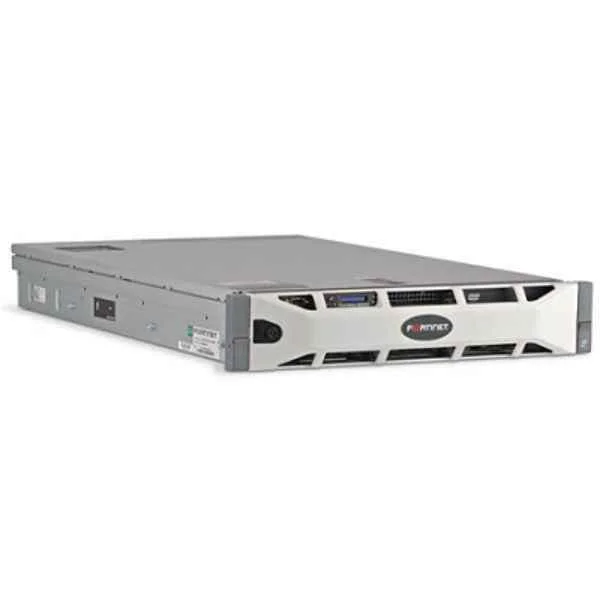
FAZ-VM-GB1 (UPG LICS FOR 1GB/DAY OF LOGS)
4.6 (5)Est Value $935.37$738.22
21.1% offIn stockNewRefurbishedFirst-Time Buyer Discount – Get up to 2% additional off on your first order
ORM Rewards Earn $50 in Rewards + Free Expedited Delivery – Join Now!
Use eCoupon ORMSAVE10
eCoupon limited to 5 units
- BEST SELLING
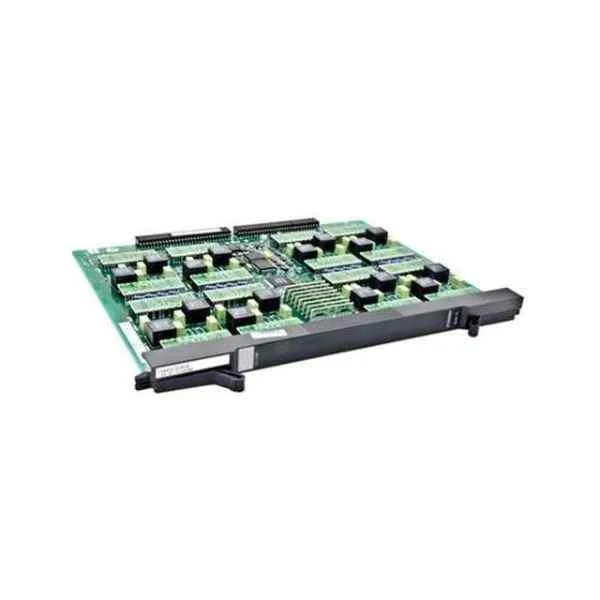
FAZ-VM-GB5 (UPG LICS FOR 5GB/DAY OF LOGS)
4.8 (5)Est Value $2,806.11$2,641.95
5.9% offIn stockNewRefurbishedFirst-Time Buyer Discount – Get up to 2% additional off on your first order
ORM Rewards Earn $50 in Rewards + Free Expedited Delivery – Join Now!
Use eCoupon ORMSAVE10
eCoupon limited to 5 units
- BEST SELLING
JW558AAE (AIRWAVE FAILOVR 25 DEV LICS ELTU PL-PV)
4.6 (5)Est Value $2,129.00$1,782.90
16.3% offIn stockNewFirst-Time Buyer Discount – Get up to 2% additional off on your first order
ORM Rewards Earn $50 in Rewards + Free Expedited Delivery – Join Now!
Use eCoupon ORMSAVE10
eCoupon limited to 5 units
- BEST SELLING
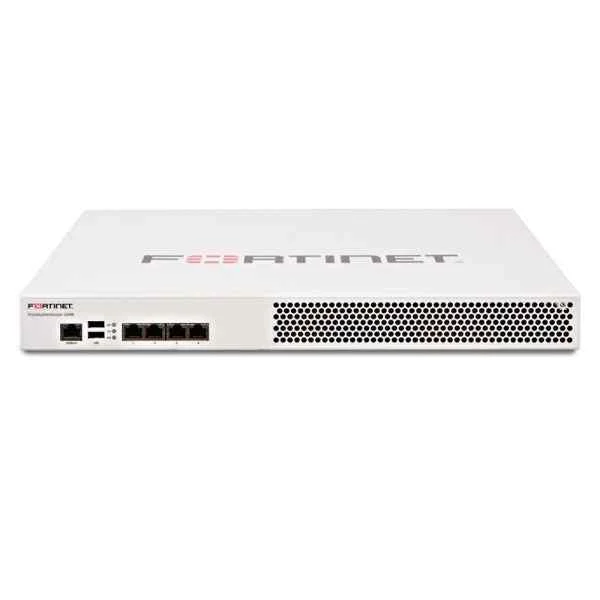
FAC-200E (FortiAuthenticator-200E, Management and FSSO appliance - 4 x GE RJ45 ports, 1 TB storage. Supports up to 500 Users)
4.4 (5)Est Value $6,232.69$3,337.61
46.4% offIn stockNewFirst-Time Buyer Discount – Get up to 2% additional off on your first order
ORM Rewards Earn $50 in Rewards + Free Expedited Delivery – Join Now!
Use eCoupon ORMSAVE10
eCoupon limited to 5 units
- BEST SELLING
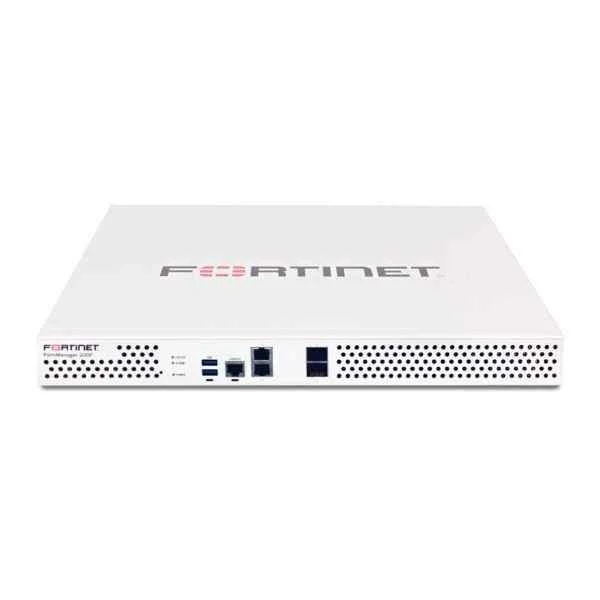
FAZ-200F (Fortinet FAZ-200F. Centralized log and analysis appliance - 2 x GE RJ45, 4TB storage, up to 100GB/Day of logs.)
4.2 (5)Est Value $9,215.94$4,607.97
50% offIn stockRefurbishedFirst-Time Buyer Discount – Get up to 2% additional off on your first order
ORM Rewards Earn $50 in Rewards + Free Expedited Delivery – Join Now!
Use eCoupon ORMSAVE10
eCoupon limited to 5 units
- BEST SELLING
JW560AAE (AIRWAVE FAILOVR 100 DEV LICS ELTU PL-PV)
4.6 (5)Est Value $6,387.00$5,352.90
16.2% offIn stockNewFirst-Time Buyer Discount – Get up to 2% additional off on your first order
ORM Rewards Earn $50 in Rewards + Free Expedited Delivery – Join Now!
Use eCoupon ORMSAVE10
eCoupon limited to 5 units
- BEST SELLING
JZ508A (ARUBA CLEARPASS C1000 S-1200 R4 HW APPL PL CODE-L3)
4.4 (5)Est Value $7,452.00$5,708.85
23.4% offIn stockNewFirst-Time Buyer Discount – Get up to 2% additional off on your first order
ORM Rewards Earn $50 in Rewards + Free Expedited Delivery – Join Now!
Use eCoupon ORMSAVE10
eCoupon limited to 5 units
- BEST SELLING
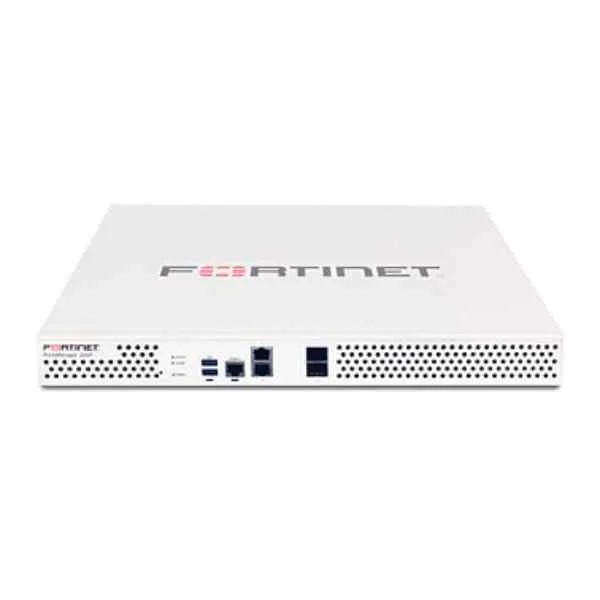
FAZ-VM-GB25 (UPG LICS FOR 25GB/DAY OF LOGS)
4.6 (5)Est Value $10,133.18$6,703.11
33.8% offIn stockNewFirst-Time Buyer Discount – Get up to 2% additional off on your first order
ORM Rewards Earn $50 in Rewards + Free Expedited Delivery – Join Now!
Use eCoupon ORMSAVE10
eCoupon limited to 5 units
- BEST SELLING
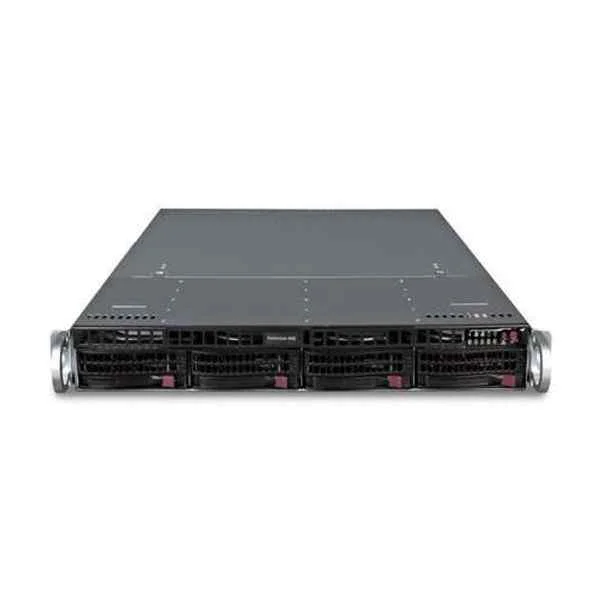
FAZ-400E (Fortinet FAZ-400E Centralized log & analysis appliance - 4 x GE RJ45, 12 TB storage, up to 75 GB/Day of Logs.)
4.2 (5)Est Value $20,707.14$10,353.57
50% offIn stockRefurbishedFirst-Time Buyer Discount – Get up to 2% additional off on your first order
ORM Rewards Earn $50 in Rewards + Free Expedited Delivery – Join Now!
Use eCoupon ORMSAVE10
eCoupon limited to 5 units
- BEST SELLING
JZ509A (Aruba ClearPass C2000 DL20 Gen9 HW-Based Appliance)
4.6 (5)Est Value $14,871.24$11,398.81
23.3% offIn stockNewFirst-Time Buyer Discount – Get up to 2% additional off on your first order
ORM Rewards Earn $50 in Rewards + Free Expedited Delivery – Join Now!
Use eCoupon ORMSAVE10
eCoupon limited to 5 units
- BEST SELLING
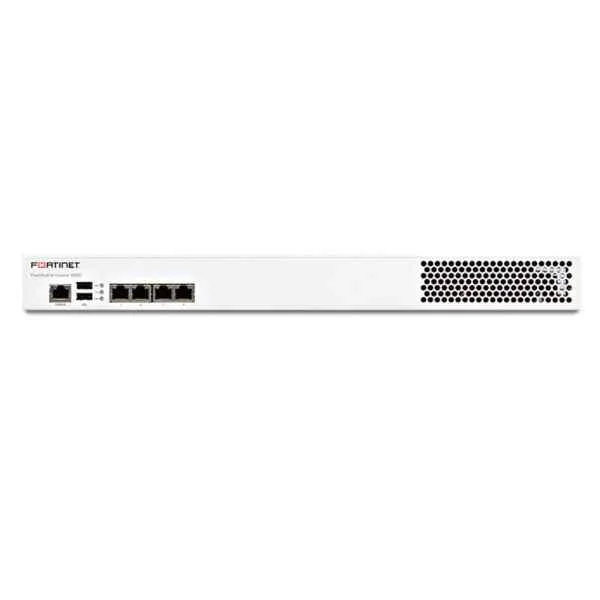
FAC-400E (FortiAuthenticator-400E, Identity Management and FSSO appliance - 4 x GE RJ45 ports, 2 TB storage. Supports up to 2,000 Users)
4.4 (5)Est Value $13,278.20$13,105.58
1.3% offIn stockNewFirst-Time Buyer Discount – Get up to 2% additional off on your first order
ORM Rewards Earn $50 in Rewards + Free Expedited Delivery – Join Now!
Use eCoupon ORMSAVE10
eCoupon limited to 5 units
- BEST SELLING
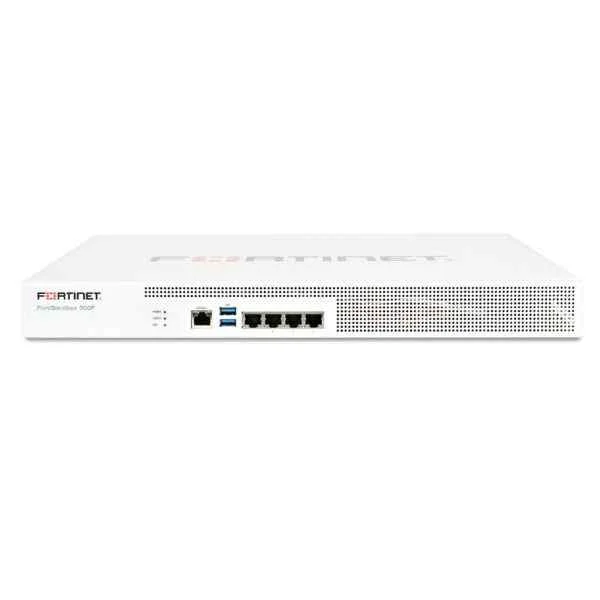
FSA-500F (Advanced Threat Protection System - 4 x GE RJ45, 2 licensed Windows/Linux/Android VMs with Win7, Win10 and (1) MS office licenses included.)
4.6 (5)Est Value $40,598.42$20,299.21
50% offIn stockRefurbishedFirst-Time Buyer Discount – Get up to 2% additional off on your first order
ORM Rewards Earn $50 in Rewards + Free Expedited Delivery – Join Now!
Use eCoupon ORMSAVE10
eCoupon limited to 5 units
- BEST SELLING
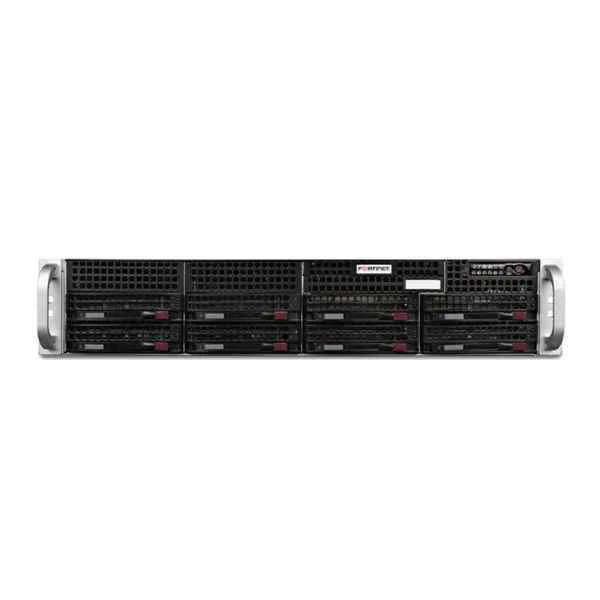
FAZ-1000E (Fortinet FAZ-1000E Centralized log & analysis appliance - 2x GE RJ45, 24TB storage, up to 300 GB/Day of Logs.)
5 (5)Est Value $45,987.78$22,993.89
50% offIn stockRefurbishedFirst-Time Buyer Discount – Get up to 2% additional off on your first order
ORM Rewards Earn $50 in Rewards + Free Expedited Delivery – Join Now!
Use eCoupon ORMSAVE10
eCoupon limited to 5 units
- BEST SELLING
FAZ-VM-GB500 (UPG LICS FOR 500GB/DAY OF LOGS)
4.4 (5)Est Value $38,973.77$25,371.93
34.9% offIn stockNewFirst-Time Buyer Discount – Get up to 2% additional off on your first order
ORM Rewards Earn $50 in Rewards + Free Expedited Delivery – Join Now!
Use eCoupon ORMSAVE10
eCoupon limited to 5 units
- BEST SELLING
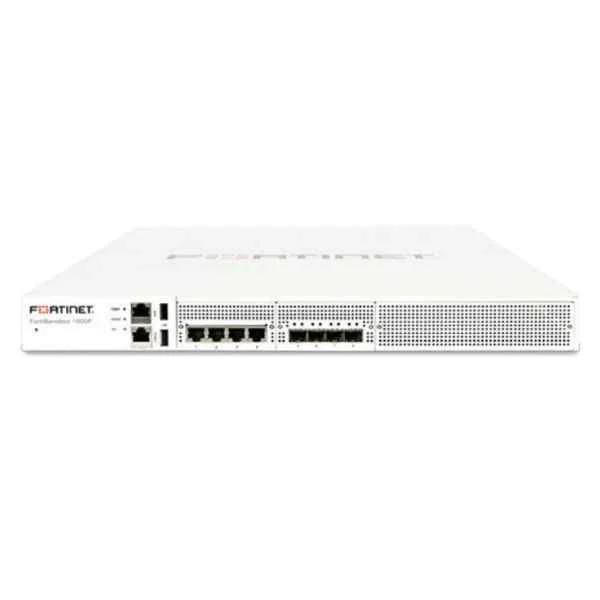
FSA-1000F (Advanced Threat Protection System - 4 x GE RJ45, 4 x GE SFP slots, 2 licensed Windows/Linux/Android VMs with Win7 , Win10 and (1) MS office licenses included. )
4.2 (5)Est Value $78,294.12$39,147.06
50% offIn stockRefurbishedFirst-Time Buyer Discount – Get up to 2% additional off on your first order
ORM Rewards Earn $50 in Rewards + Free Expedited Delivery – Join Now!
Use eCoupon ORMSAVE10
eCoupon limited to 5 units
- BEST SELLING
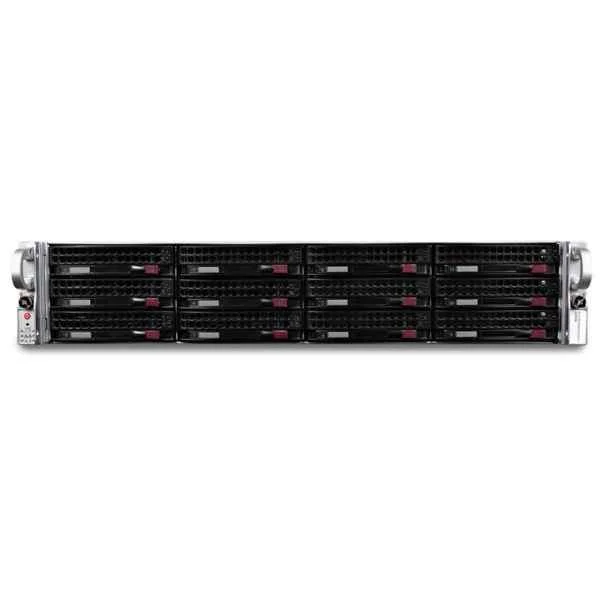
FAC-3000E (FortiAuthenticator-3000E Identity Management and FSSO appliance4 x GE RJ45 ports, 2 x GE SFP, 4 TB SAS storage. Supports up to 40,000 Users)
4.8 (5)Est Value $94,698.98$47,349.49
50% offIn stockRefurbishedFirst-Time Buyer Discount – Get up to 2% additional off on your first order
ORM Rewards Earn $50 in Rewards + Free Expedited Delivery – Join Now!
Use eCoupon ORMSAVE10
eCoupon limited to 5 units
- BEST SELLING
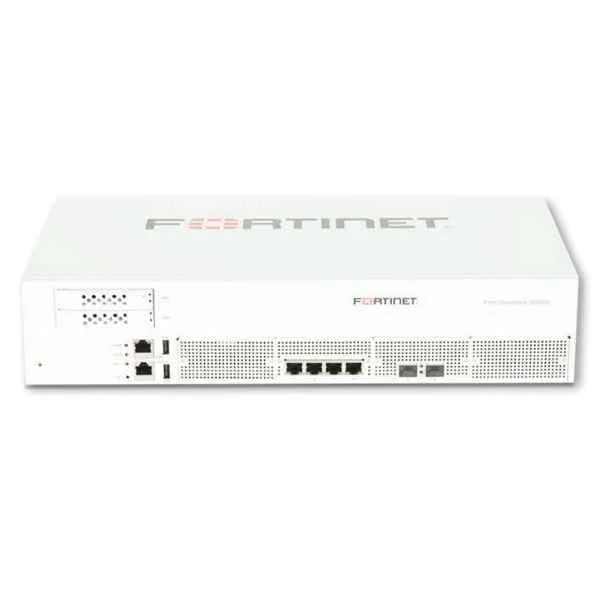
FSA-2000E (Fortinet FSA-2000E Advanced Threat Protection System - 4 x GE RJ45, 2 x 10GbE SFP+ Slots, redundant PSU, 4 VMs with Win7 , Win8 , Win10 and (1) MS office licenses included. Upgradable to a maximum of 24 licensed VMs.)
4.6 (5)Est Value $135,917.68$67,958.84
50% offIn stockNewRefurbishedFirst-Time Buyer Discount – Get up to 2% additional off on your first order
ORM Rewards Earn $50 in Rewards + Free Expedited Delivery – Join Now!
Use eCoupon ORMSAVE10
eCoupon limited to 5 units
- BEST SELLING
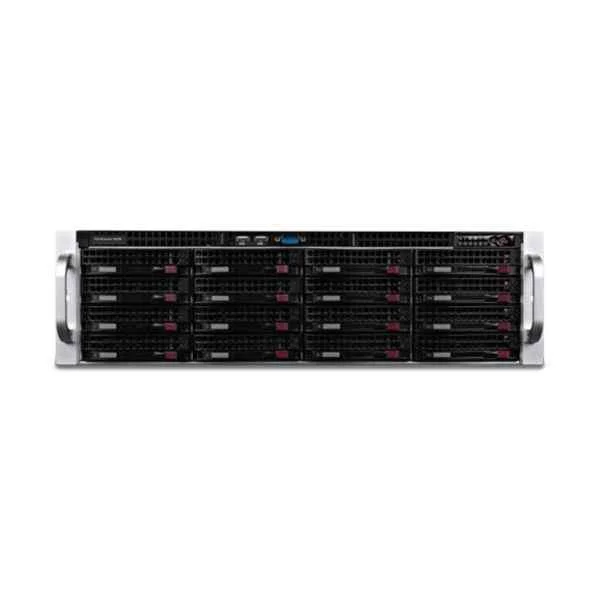
FAZ-3000F (Fortinet FAZ-3000F Centralized log&analysis appliance - 4x GE RJ45, 2x SFP+, 48TB storage, up to 1600 GB/Day of Logs.)
5 (5)Est Value $122,978.82$61,489.41
50% offIn stockRefurbishedFirst-Time Buyer Discount – Get up to 2% additional off on your first order
ORM Rewards Earn $50 in Rewards + Free Expedited Delivery – Join Now!
Use eCoupon ORMSAVE10
eCoupon limited to 5 units
- BEST SELLING
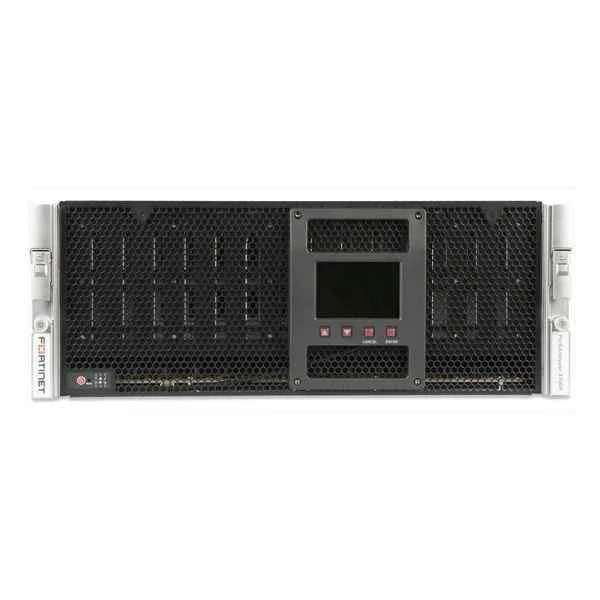
FAZ-3700F (Fortinet FAZ-3700F Centralized log & analysis appliance - 2 x GE RJ45, 2x SFP+ slots, 240 TB storage, up to 7,000 GB/Day of Logs.)
5 (5)Est Value $344,758.98$172,379.49
50% offIn stockRefurbishedFirst-Time Buyer Discount – Get up to 2% additional off on your first order
ORM Rewards Earn $50 in Rewards + Free Expedited Delivery – Join Now!
Use eCoupon ORMSAVE10
eCoupon limited to 5 units

ORM Sales Advisors
Buying for your business? Get a personalised quote in under 2 hours. Talk to an expert
LEARNFilters (40) 
Questions & Answers
What are network security and management solutions?
Network security and management solutions are integrated tools and processes that protect, monitor, and optimize an organization's network. They combine firewalls, intrusion detection/prevention, VPNs, and policy management to ensure reliable, secure connectivity and performance.
Why is network security crucial for businesses?
Network security is vital to prevent data breaches, downtime, and regulatory fines. Effective solutions maintain service availability, protect sensitive information, and uphold customer trust by proactively detecting and blocking cyber threats.
What features should I look for in a network security solution?
Key features include next-generation firewalls, intrusion detection and prevention (IDS/IPS), unified threat management (UTM), secure remote access, real-time monitoring, automatic updates, and centralized management for simplified policy enforcement.
How does a next-generation firewall (NGFW) improve network security?
An NGFW combines traditional firewall functions with deep packet inspection, application awareness, and integrated intrusion prevention. This enables granular control over traffic, faster threat detection, and comprehensive protection against modern cyberattacks.
What is intrusion detection and prevention (IDS/IPS)?
IDS/IPS are systems that monitor network traffic for malicious activities. IDS alerts administrators to suspicious events, while IPS actively blocks or mitigates threats in real time to prevent unauthorized access or damage.
How do network management solutions enhance performance?
Network management solutions collect and analyze performance metrics, automate traffic prioritization, and streamline configuration changes. This proactive approach reduces bottlenecks, optimizes resource utilization, and ensures consistent application performance.
What role does encryption play in network security?
Encryption protects data in transit and at rest by converting information into unreadable ciphertext. Strong encryption protocols like AES and TLS prevent eavesdropping and unauthorized access, ensuring data confidentiality.
How can I ensure compliance with industry regulations?
Network security and management solutions provide auditing, reporting, and policy enforcement capabilities. They automate compliance checks against standards like GDPR, HIPAA, and PCI DSS, generating real-time alerts and comprehensive audit trails.
What is secure remote access and why is it important?
Secure remote access uses VPNs, multi-factor authentication, and secure gateways to allow authorized users to connect safely from any location. It protects against man-in-the-middle attacks and unauthorized entry for remote workforces.
How do managed detection and response (MDR) services work?
MDR services combine expert analysts with advanced detection tools to monitor networks 24/7. They identify, analyze, and respond to threats in real time, providing containment strategies and forensics support to minimize impact.
Can network security solutions scale with business growth?
Yes. Modern solutions use cloud-native architectures, virtualization, and modular components to accommodate increasing traffic and expanded infrastructure without sacrificing performance or security.
What is network monitoring and why is it necessary?
Network monitoring involves continuously tracking performance, availability, and security metrics. It enables early detection of anomalies, resource bottlenecks, and security incidents, facilitating proactive maintenance and rapid issue resolution.
How do I integrate a new security solution with existing infrastructure?
Use standardized protocols (SNMP, syslog, REST APIs) and centralized management platforms to ensure seamless integration. Conduct compatibility testing, map existing policies, and apply phased deployment to minimize disruptions.
What is unified threat management (UTM)?
UTM consolidates multiple security functions—firewall, antivirus, intrusion prevention, content filtering—into a single solution. This simplifies administration, reduces complexity, and provides comprehensive protection with a unified policy framework.
How much do network security and management solutions cost?
Costs vary based on features, deployment models, and scale. Pricing typically includes licensing, hardware or subscription fees, and support. Managed services can offer predictable monthly rates, while on-premises solutions require upfront investment.
How do I choose the right network security provider?
Evaluate providers based on solution capabilities, scalability, compliance support, integration ease, and 24/7 support. Review third-party certifications, customer references, and trial options to ensure alignment with your security and management needs.