 United States
Power Cords for Efficient Performance
Discover premium power cords designed for high-performance electrical systems, enhancing device compatibility and reliability. Engineered for durability, our solutions provide consistent energy flow and optimize system safety.
Talk to an expert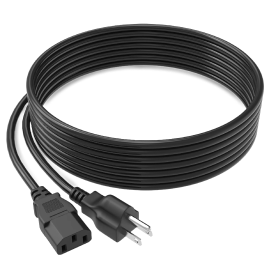
42 Matching results

AIR-CORD-R3P-40NA (40FT AC PWR CORD NA PLUG FOR 1520/1550/1570 SERIES)
5 (5)- Power Supply
- Cisco
- 850W
- Workstation / Gaming / Rack Server
- ATX
- Modular
- Gold
Est Value $450.65
$384.70
14.6% offIn stockNewRefurbishedFirst-Time Buyer Discount – Get up to 2% additional off on your first order
ORM Rewards Earn $50 in Rewards + Free Expedited Delivery – Join Now!
Use eCoupon ORMSAVE10
eCoupon limited to 5 units
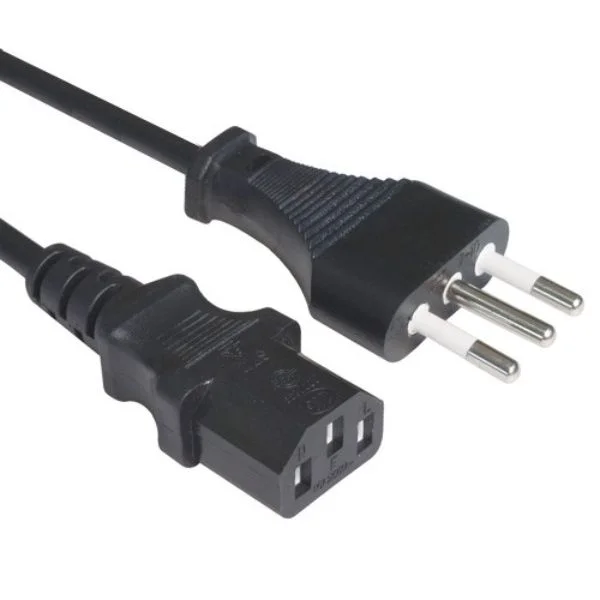
CAB-ACI (AC Power Cord (Italy), C13, CEI 23-16, 2.5m)
4.6 (5)- Power Supply
- Cisco
- 750W
- Gaming
- ATX
- Semi-Modular
- Gold
Est Value $73.80$63.00
14.6% offIn stockNewRefurbishedFirst-Time Buyer Discount – Get up to 2% additional off on your first order
ORM Rewards Earn $50 in Rewards + Free Expedited Delivery – Join Now!
Use eCoupon ORMSAVE10
eCoupon limited to 5 units
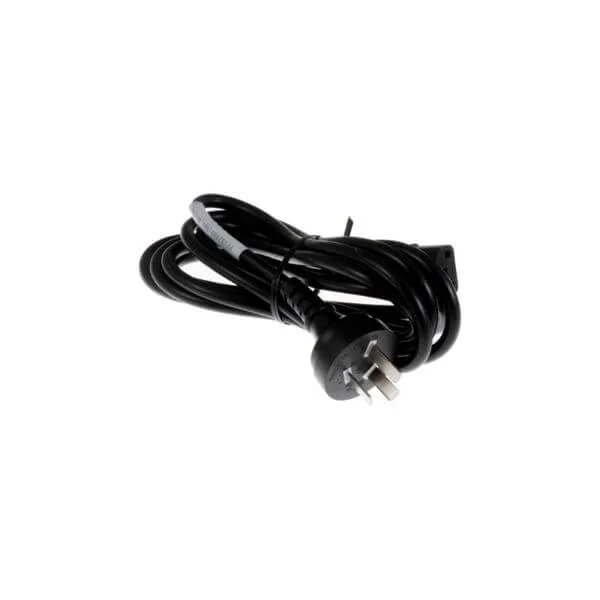
CP-PWR-CORD-AP (Power Cord, Asia Pacific)
4.7 (6)- Power Supply
- Cisco
- 600W
- Enterprise Server / Workstation / Gaming
- ATX
- Modular
- Gold
Est Value $12.00$3.15
73.8% offIn stockNewFirst-Time Buyer Discount – Get up to 2% additional off on your first order
ORM Rewards Earn $50 in Rewards + Free Expedited Delivery – Join Now!
Use eCoupon ORMSAVE10
eCoupon limited to 5 units
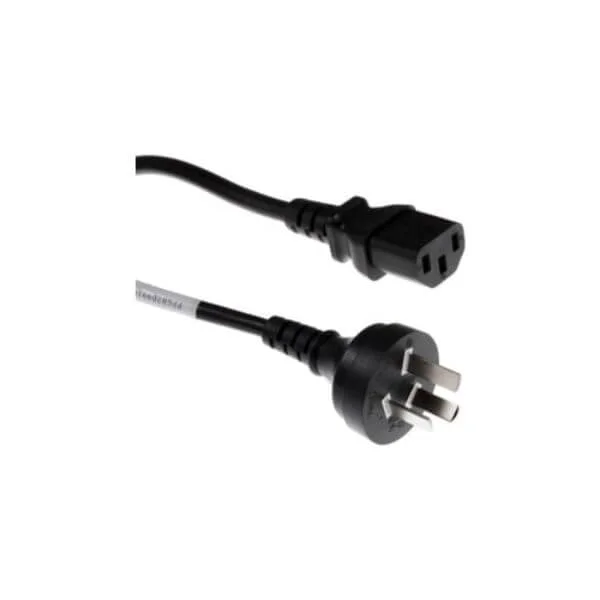
CP-PWR-CORD-AR (Power cord, Argentina)
4.7 (6)- Power Supply
- Cisco
- 850W
- Gaming
- ATX
- Non-Modular
- Gold
Est Value $86.10$73.50
14.6% offIn stockNewRefurbishedFirst-Time Buyer Discount – Get up to 2% additional off on your first order
ORM Rewards Earn $50 in Rewards + Free Expedited Delivery – Join Now!
Use eCoupon ORMSAVE10
eCoupon limited to 5 units
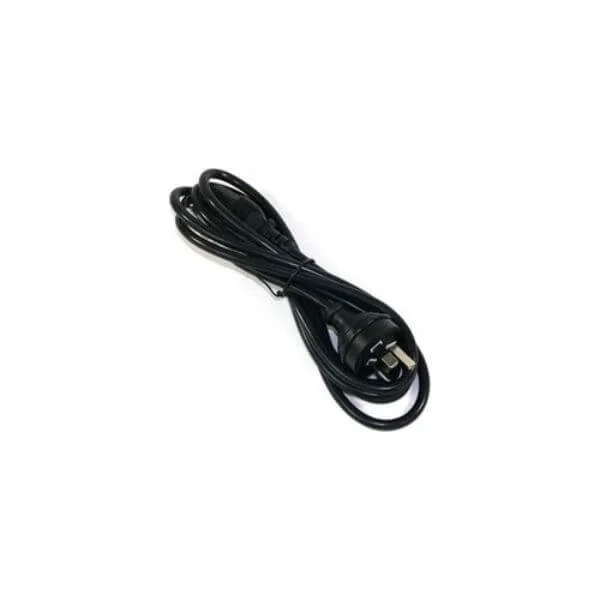
CP-PWR-CORD-AU (Power Cord, Australia)
4.5 (6)- Power Supply
- Cisco
- 850W
- Gaming
- ATX
- Modular
- Gold
Est Value $73.80$63.00
14.6% offIn stockNewRefurbishedFirst-Time Buyer Discount – Get up to 2% additional off on your first order
ORM Rewards Earn $50 in Rewards + Free Expedited Delivery – Join Now!
Use eCoupon ORMSAVE10
eCoupon limited to 5 units
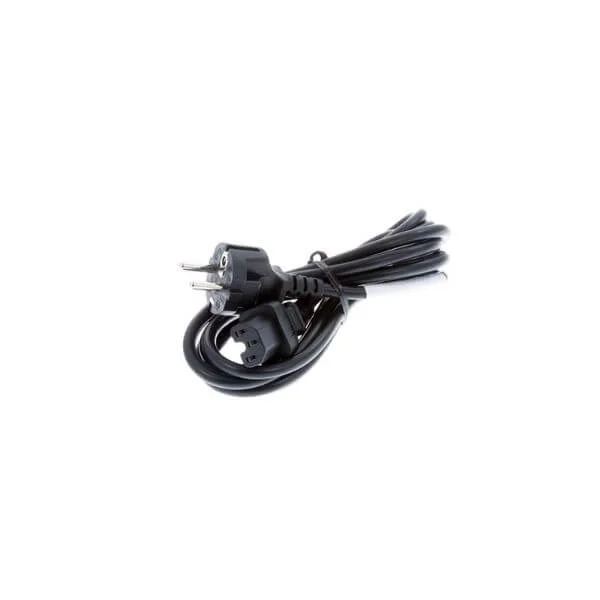
CP-PWR-CORD-CN (Power Cord, China)
4.7 (6)- Power Supply
- Cisco
- 850W
- Workstation / Gaming / Enterprise Server
- ATX
- Modular
- Gold
Est Value $12.00$3.15
73.8% offIn stockNewFirst-Time Buyer Discount – Get up to 2% additional off on your first order
ORM Rewards Earn $50 in Rewards + Free Expedited Delivery – Join Now!
Use eCoupon ORMSAVE10
eCoupon limited to 5 units
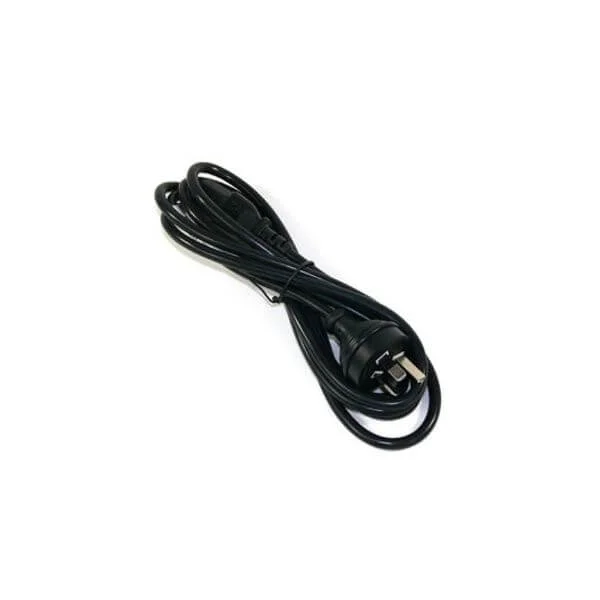
CP-PWR-CORD-IN (Power Cord, India)
4.8 (6)- Power Supply
- Cisco
- 750W
- Gaming / Workstation / Enterprise Server
- ATX
- Semi-Modular
- Gold
Est Value $12.00$3.15
73.8% offIn stockNewFirst-Time Buyer Discount – Get up to 2% additional off on your first order
ORM Rewards Earn $50 in Rewards + Free Expedited Delivery – Join Now!
Use eCoupon ORMSAVE10
eCoupon limited to 5 units
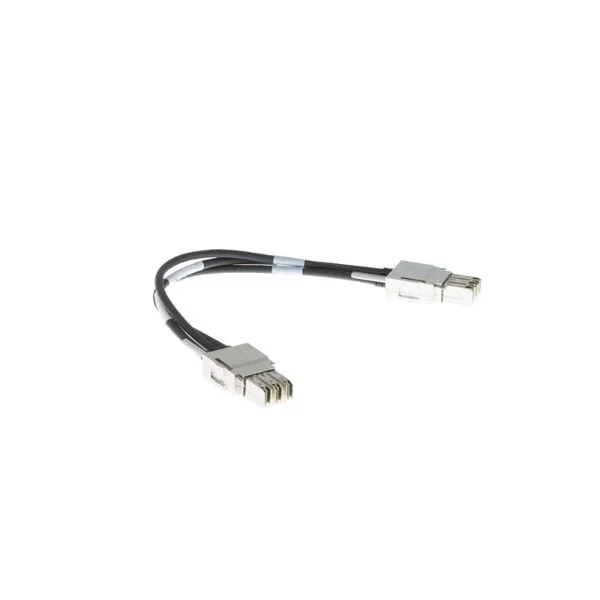
CAB-3KX-AC-UK (AC Power Cord for Catalyst 3K-X (United Kingdom) )
4.6 (5)Est Value $7.06$3.53
50% offIn stockRefurbishedFirst-Time Buyer Discount – Get up to 2% additional off on your first order
ORM Rewards Earn $50 in Rewards + Free Expedited Delivery – Join Now!
Use eCoupon ORMSAVE10
eCoupon limited to 5 units
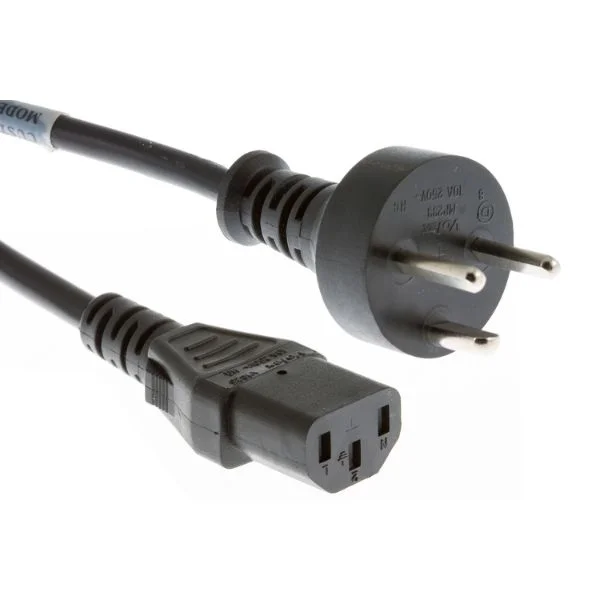
CAB-3KX-AC-DN (AC Power Cord for Catalyst 3K-X (Denmark) )
4.6 (5)- Power Supply
- Cisco
- 750W
- Gaming / Workstation / Enterprise Server
- ATX
- Modular
- Gold
Est Value $7.06$3.53
50% offIn stockRefurbishedFirst-Time Buyer Discount – Get up to 2% additional off on your first order
ORM Rewards Earn $50 in Rewards + Free Expedited Delivery – Join Now!
Use eCoupon ORMSAVE10
eCoupon limited to 5 units
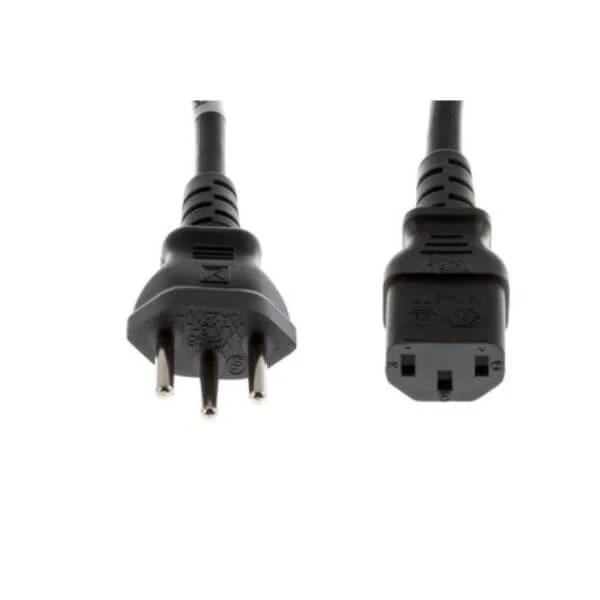
CP-PWR-CORD-SW (Power Cord, Switzerland)
4.8 (6)- Power Supply
- Cisco
- 600W
- Gaming / Workstation / Server
- ATX
- Modular
- Gold
Est Value $12.00$4.20
65% offIn stockNewFirst-Time Buyer Discount – Get up to 2% additional off on your first order
ORM Rewards Earn $50 in Rewards + Free Expedited Delivery – Join Now!
Use eCoupon ORMSAVE10
eCoupon limited to 5 units
CP-PWR-CORD-JP (Power Cord, Japan)
4.7 (6)- Power Supply
- Cisco
- 650W
- Workstation
- ATX
- Modular
- Gold
Est Value $12.00$4.20
65% offIn stockNewFirst-Time Buyer Discount – Get up to 2% additional off on your first order
ORM Rewards Earn $50 in Rewards + Free Expedited Delivery – Join Now!
Use eCoupon ORMSAVE10
eCoupon limited to 5 units
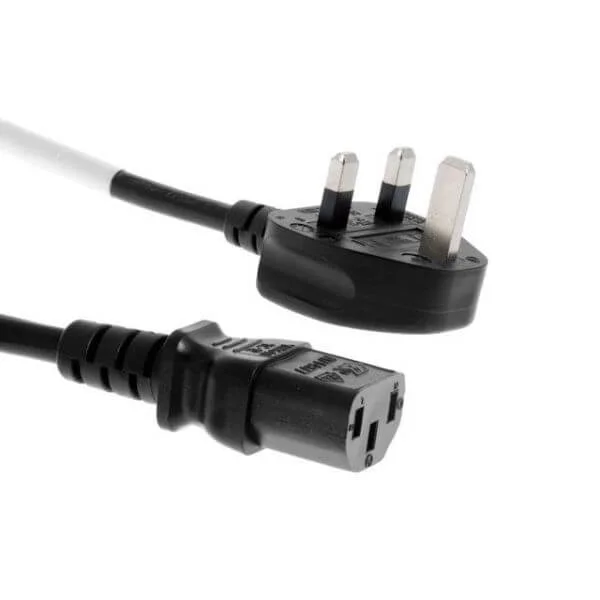
CP-PWR-CORD-UK (Power Cord, United Kingdom)
4.8 (6)- Power Supply
- Cisco
- 750W
- Gaming / Workstation
- ATX
- Modular
- Gold
Est Value $12.00$4.20
65% offIn stockNewFirst-Time Buyer Discount – Get up to 2% additional off on your first order
ORM Rewards Earn $50 in Rewards + Free Expedited Delivery – Join Now!
Use eCoupon ORMSAVE10
eCoupon limited to 5 units
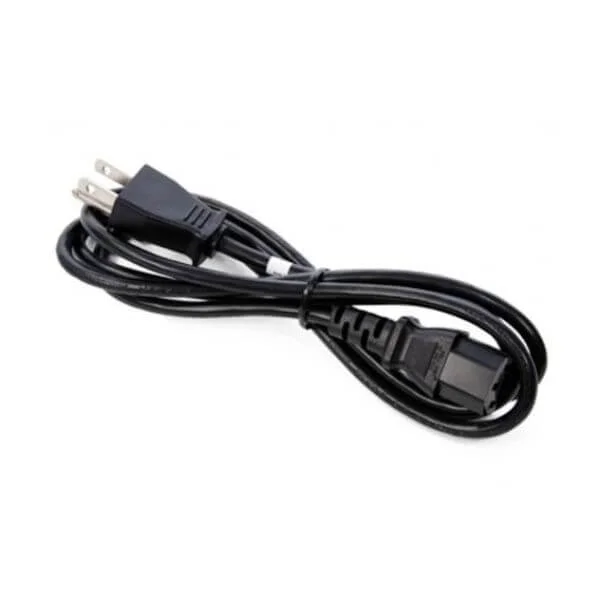
CP-PWR-CORD-BZ (PWR CORD BRAZIL)
4.8 (6)- Power Supply
- Cisco
- 650W
- Gaming / Workstation / Server
- ATX
- Modular
- Gold
Est Value $12.00$4.20
65% offIn stockNewFirst-Time Buyer Discount – Get up to 2% additional off on your first order
ORM Rewards Earn $50 in Rewards + Free Expedited Delivery – Join Now!
Use eCoupon ORMSAVE10
eCoupon limited to 5 units
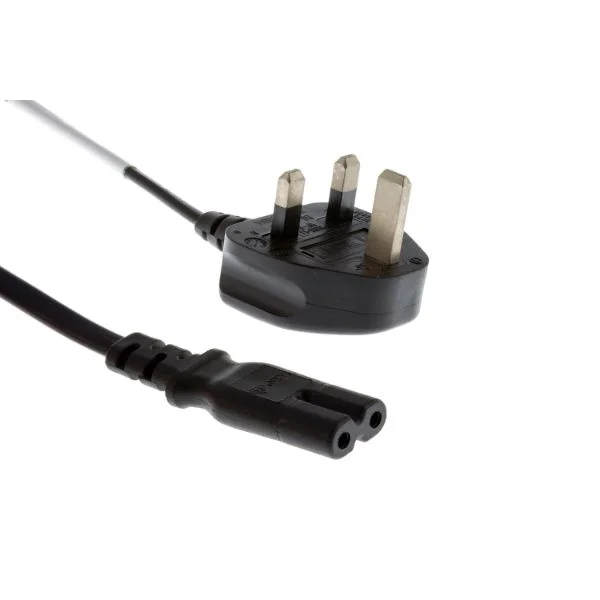
CAB-AC2UK (AC POWER CORD UK)
4.8 (5)- Power Supply
- Cisco
- 750W
- Gaming
- ATX
- Semi-Modular
- Gold
Est Value $73.80$63.00
14.6% offIn stockNewRefurbishedFirst-Time Buyer Discount – Get up to 2% additional off on your first order
ORM Rewards Earn $50 in Rewards + Free Expedited Delivery – Join Now!
Use eCoupon ORMSAVE10
eCoupon limited to 5 units
CAB-DS-ACI (Power Cables for AC Power Option, Italian)
4.6 (5)- Power Supply
- Cisco
- 850W
- Gaming
- ATX
- Modular
- Gold
Est Value $25.00$12.60
49.6% offIn stockNewFirst-Time Buyer Discount – Get up to 2% additional off on your first order
ORM Rewards Earn $50 in Rewards + Free Expedited Delivery – Join Now!
Use eCoupon ORMSAVE10
eCoupon limited to 5 units
CAB-DS-ACU (Power Cables for AC Power Option, UK)
4.6 (5)- Power Supply
- Cisco
- 850W
- Gaming / Workstation / Enterprise Server
- ATX
- Semi-Modular
- Gold
Est Value $25.00$12.60
49.6% offIn stockNewFirst-Time Buyer Discount – Get up to 2% additional off on your first order
ORM Rewards Earn $50 in Rewards + Free Expedited Delivery – Join Now!
Use eCoupon ORMSAVE10
eCoupon limited to 5 units
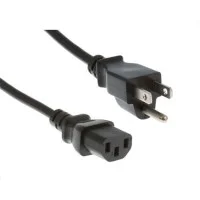
CAB-DS-ACJ-TWLK (Power Cables for AC Power Option, Japan)
4.6 (8)- Power Supply
- Cisco
- 850W
- Gaming
- ATX
- Modular
- Gold
Est Value $25.00$12.60
49.6% offIn stockNewFirst-Time Buyer Discount – Get up to 2% additional off on your first order
ORM Rewards Earn $50 in Rewards + Free Expedited Delivery – Join Now!
Use eCoupon ORMSAVE10
eCoupon limited to 5 units
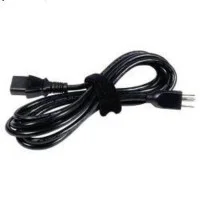
CAB-DS-ACA (Power Cables for AC Power Option, Australian)
4.8 (8)- Power Supply
- Cisco
- 750W
- Workstation / Gaming
- ATX
- Modular
- Gold
Est Value $25.00$12.60
49.6% offIn stockNewFirst-Time Buyer Discount – Get up to 2% additional off on your first order
ORM Rewards Earn $50 in Rewards + Free Expedited Delivery – Join Now!
Use eCoupon ORMSAVE10
eCoupon limited to 5 units
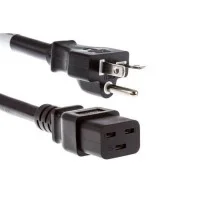
CAB-DS-120VAC (Cisco 120 VAC Power Cable, US)
4.8 (8)- Power Supply
- Cisco
- 1200W
- Gaming
- ATX
- Non-Modular
- Gold
Est Value $178.50$89.25
50% offIn stockNewRefurbishedFirst-Time Buyer Discount – Get up to 2% additional off on your first order
ORM Rewards Earn $50 in Rewards + Free Expedited Delivery – Join Now!
Use eCoupon ORMSAVE10
eCoupon limited to 5 units
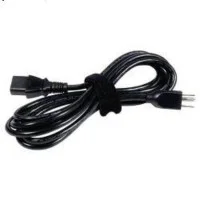
CAB-DS-ACE (Power Cables for AC Power Option, European (Spare))
4.8 (5)- Power Supply
- Cisco
- 850W
- Gaming
- ATX
- Modular
- Gold
Est Value $142.80$71.40
50% offIn stockNewRefurbishedFirst-Time Buyer Discount – Get up to 2% additional off on your first order
ORM Rewards Earn $50 in Rewards + Free Expedited Delivery – Join Now!
Use eCoupon ORMSAVE10
eCoupon limited to 5 units

ORM Sales Advisors
Buying for your business? Get a personalised quote in under 2 hours. Talk to an expert
LEARNFilters (42) 
Questions & Answers
What types of power cords are available and how do I choose the right one?
Power cords vary by connector type, voltage rating, current rating and length. To choose the right cord, identify your device’s plug style (e.g., NEMA or IEC), confirm the required voltage and amperage, and select the appropriate length and gauge to ensure safe operation.
How do I determine the correct amperage rating for a power cord?
Review your device’s power consumption in watts or amps, then choose a power cord with an equal or higher amperage rating. Ensuring the cord’s amp rating exceeds the device’s draw prevents overheating and potential hazards.
What is the difference between NEMA and IEC power cords?
NEMA cords use North American plug configurations and are rated for specific voltage and amperage values, while IEC cords follow international device-connector standards like C13/C14. Matching the plug type to your outlet and equipment ensures compatibility.
Can I use an extension cord with my power cord?
Yes, you can use an extension cord if it matches or exceeds your device’s voltage, amperage and gauge requirements. Always select an extension cord with the proper AWG rating and avoid daisy-chaining multiple cords to maintain safe current flow.
What gauge power cord do I need for a high-power appliance?
High-power appliances require lower AWG numbers (thicker conductors) such as 12 AWG or 10 AWG for currents above 15 amps. Choosing the correct gauge minimizes voltage drop and prevents overheating, ensuring reliable performance.
How can I measure the length of power cord required?
Measure the total distance from the power outlet to your device, adding 1–2 feet for slack and routing. Accurate measurement prevents tension on connectors and allows for safe, flexible placement.
Are all power cords UL listed and safe?
Not all power cords carry UL listing. Always look for UL, CSA or CE markings on the cord or packaging to verify that the cord meets established safety and performance standards.
How do I identify a damaged power cord?
Inspect the cord for visible cuts, frayed insulation, exposed wires or loose connectors. Any signs of wear, heat damage or stiffness indicate that replacement is necessary to prevent electrical risks.
Can I repair a damaged power cord?
Minor insulation damage can be temporarily repaired with heat-shrink tubing or electrical tape, but full repair by a qualified technician or replacement is recommended. Proper repair or replacement ensures continued safety compliance.
What should I consider when buying a long power cord for outdoor use?
Select an outdoor-rated (SJTW or SJTOW) power cord with weather-resistant insulation, correct gauge for your device’s amperage and appropriate safety certifications. Outdoor cords are designed to handle moisture, UV exposure and temperature variations.
How do I clean and maintain power cords?
Unplug the cord before cleaning, then wipe the insulation with a dry or slightly damp cloth. Avoid using harsh chemicals, keep connectors free of debris and store cords coiled loosely to prevent kinks.
What is the difference between a 2-prong and a 3-prong power cord?
A 2-prong cord carries only hot and neutral wires, while a 3-prong cord adds a ground wire for enhanced safety. Devices requiring grounding must use a 3-prong cord to reduce the risk of electric shock.
Can I use international power cords on overseas devices?
You can use international power cords with the correct plug adapter and voltage compatibility. Verify that the cord supports your device’s voltage, wattage and safety standards to prevent damage.
Why does my power cord overheat?
Overheating typically results from using an undersized gauge, exceeding the cord’s amperage rating or poor connections. Replace with a higher-gauge, properly rated cord and ensure secure plug fits to eliminate hot spots.
How do I properly store power cords?
Store power cords coiled using the over-under method, avoiding tight bends and knots. Keep them in a cool, dry place away from direct sunlight and chemicals to maintain insulation integrity and longevity.