 United States
Thermal Security Cameras Enhanced Safety
Discover robust thermal security cameras engineered for precise threat detection and continuous monitoring; optimize perimeter defense and secure assets with infrared technology, enhancing operational efficiency in diverse environments.
Talk to an expert
18 Matching results
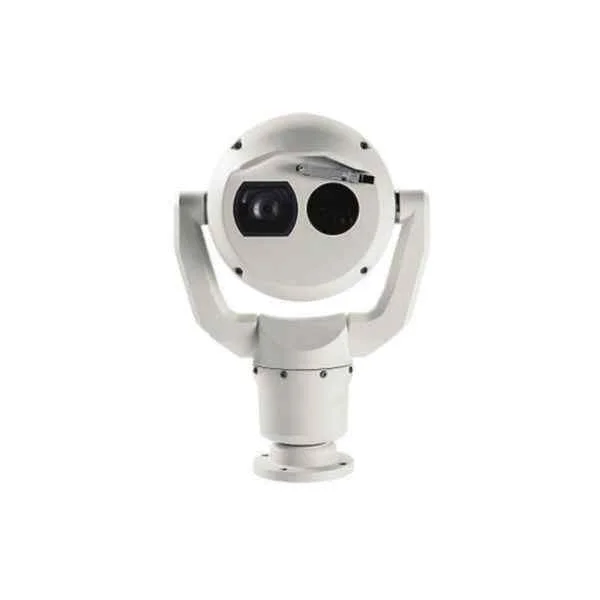
MIC-9502-Z30GVF (Bosch MIC-9502-Z30GVF VGA Thermal/Visible PTZ IP Security Camera with 30x Optical Zoom)
4.2 (5)- Security Camera
- Bosch
- Bullet
- IP Camera
- 4MP
- Varifocal
- Motion Detection / ANPR
Est Value In stock
First-Time Buyer Discount – Get up to 2% additional off on your first order
ORM Rewards Earn $50 in Rewards + Free Expedited Delivery – Join Now!
Use eCoupon ORMSAVE10
eCoupon limited to 5 units
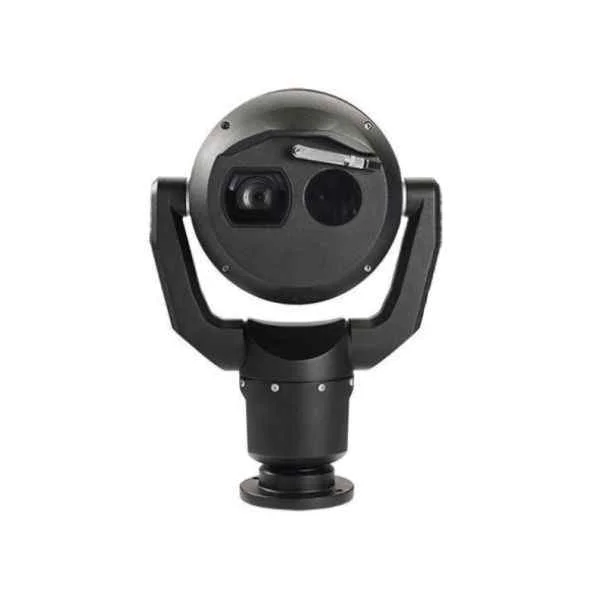
MIC-9502-Z30BVF (Bosch MIC-9502-Z30BVF 640x480 Thermal/Optical H.265 PTZ IP Security Camera)
4.6 (5)- Security Camera
- Bosch
- Bullet
- IP Camera
- 1080p
- Fixed
- Motion Detection / Intrusion Detection / N/A
Est Value In stockFirst-Time Buyer Discount – Get up to 2% additional off on your first order
ORM Rewards Earn $50 in Rewards + Free Expedited Delivery – Join Now!
Use eCoupon ORMSAVE10
eCoupon limited to 5 units
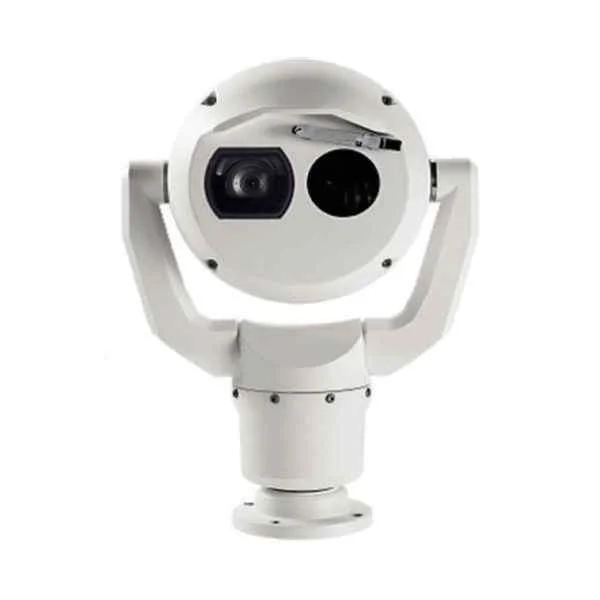
MIC-9502-Z30WVS (Bosch MIC-9502-Z30WVS 2MP Outdoor Visible/Thermal PTZ IP Security Camera - Suited for Extreme Environments)
4.5 (8)- Security Camera
- Bosch
- Bullet
- IP Camera
- 4K
- Fixed
- ANPR
Est Value In stockFirst-Time Buyer Discount – Get up to 2% additional off on your first order
ORM Rewards Earn $50 in Rewards + Free Expedited Delivery – Join Now!
Use eCoupon ORMSAVE10
eCoupon limited to 5 units
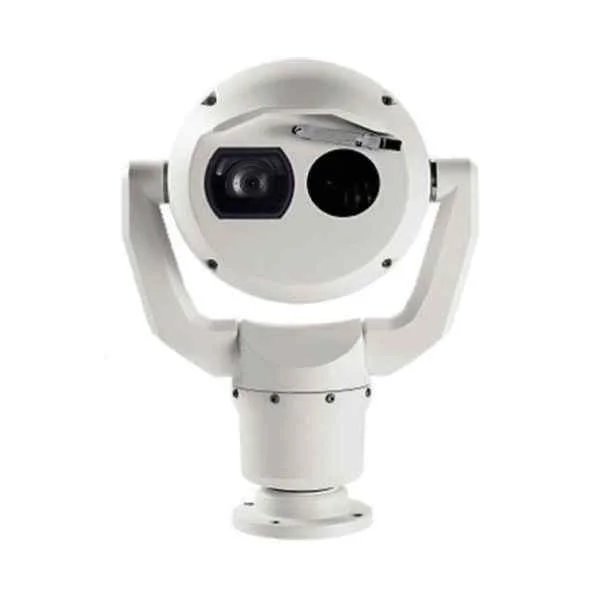
MIC-9502-Z30WQS (Bosch MIC-9502-Z30WQS 2MP Outdoor Visible/Thermal PTZ IP Security Camera - Suited for Extreme Environments)
4.4 (8)- Security Camera
- Bosch
- Bullet
- IP Camera
- 4K
- Fixed
- Motion Detection
Est Value In stockFirst-Time Buyer Discount – Get up to 2% additional off on your first order
ORM Rewards Earn $50 in Rewards + Free Expedited Delivery – Join Now!
Use eCoupon ORMSAVE10
eCoupon limited to 5 units
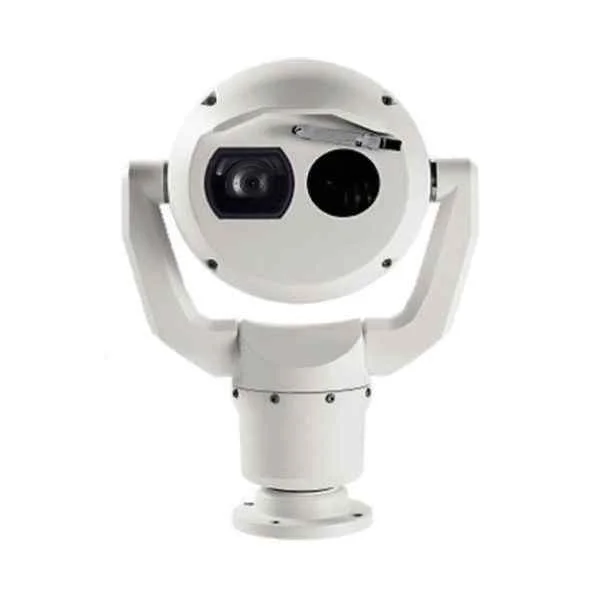
MIC-9502-Z30WVF (Bosch MIC-9502-Z30WVF 2MP Outdoor Visible/Thermal PTZ IP Security Camera - Suited for Extreme Environments)
4.6 (8)- Security Camera
- Bosch
- Bullet
- IP Camera
- 1080p
- Fixed
- ANPR
Est Value In stockFirst-Time Buyer Discount – Get up to 2% additional off on your first order
ORM Rewards Earn $50 in Rewards + Free Expedited Delivery – Join Now!
Use eCoupon ORMSAVE10
eCoupon limited to 5 units
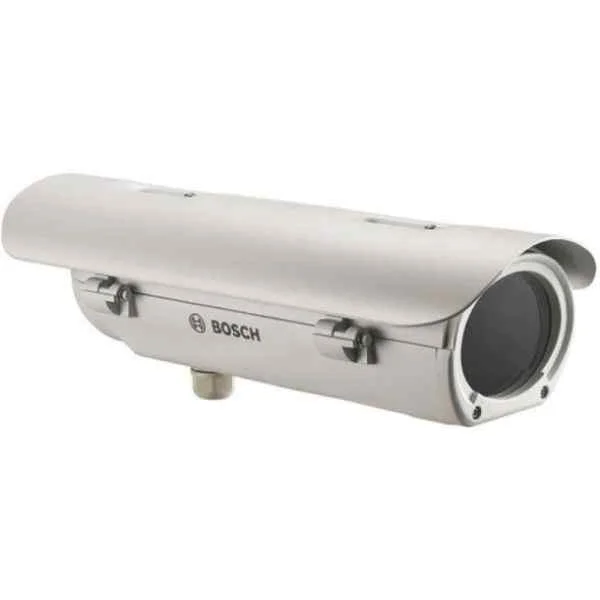
NHT-8001-F65VS (Bosch NHT-8001-F65VS VGA 9fps Thermal Bullet IP Security Camera with 65mm Fixed Lens, DINION THERMAL)
4.9 (8)- Security Camera
- Bosch
- Bullet
- IP Camera
- 4MP
- Varifocal
- Motion Detection / ANPR
Est Value In stockFirst-Time Buyer Discount – Get up to 2% additional off on your first order
ORM Rewards Earn $50 in Rewards + Free Expedited Delivery – Join Now!
Use eCoupon ORMSAVE10
eCoupon limited to 5 units
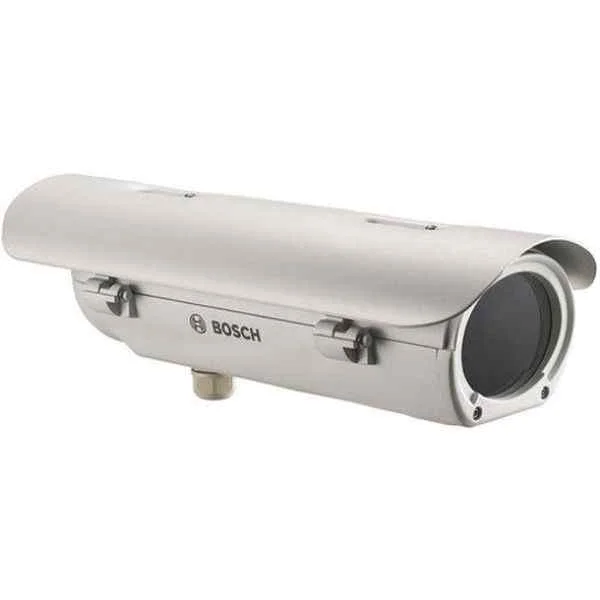
NHT-8001-F35VS (Bosch NHT-8001-F35VS DINION THERMAL, VGA 9fps Thermal Bullet IP Security Camera with 35mm Fixed Lens)
4.8 (8)- Security Camera
- Bosch
- Bullet
- IP Camera
- 4K
- Fixed
- Motion Detection
Est Value In stockFirst-Time Buyer Discount – Get up to 2% additional off on your first order
ORM Rewards Earn $50 in Rewards + Free Expedited Delivery – Join Now!
Use eCoupon ORMSAVE10
eCoupon limited to 5 units
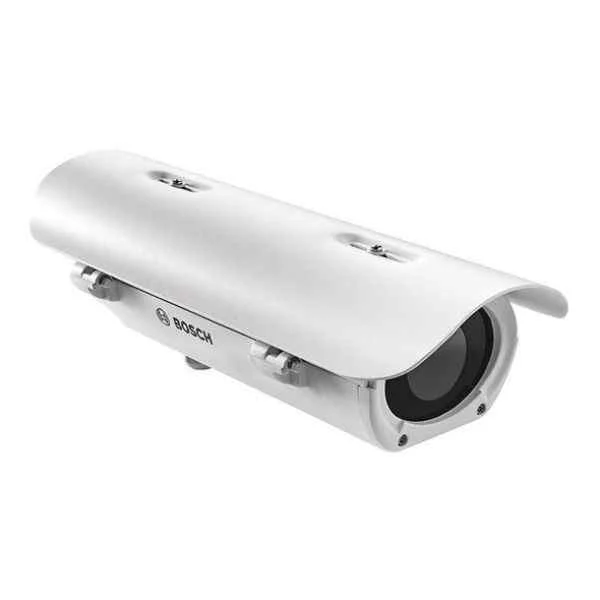
NHT-8000-F07QF (Bosch NHT-8000-F07QF QVGA 60fps Thermal Bullet IP Security Camera with 7.5mm Fixed Lens)
4.8 (8)- Security Camera
- Bosch
- Dome
- IP Camera
- 1080p
- Fixed
- Motion Detection
Est Value In stockFirst-Time Buyer Discount – Get up to 2% additional off on your first order
ORM Rewards Earn $50 in Rewards + Free Expedited Delivery – Join Now!
Use eCoupon ORMSAVE10
eCoupon limited to 5 units
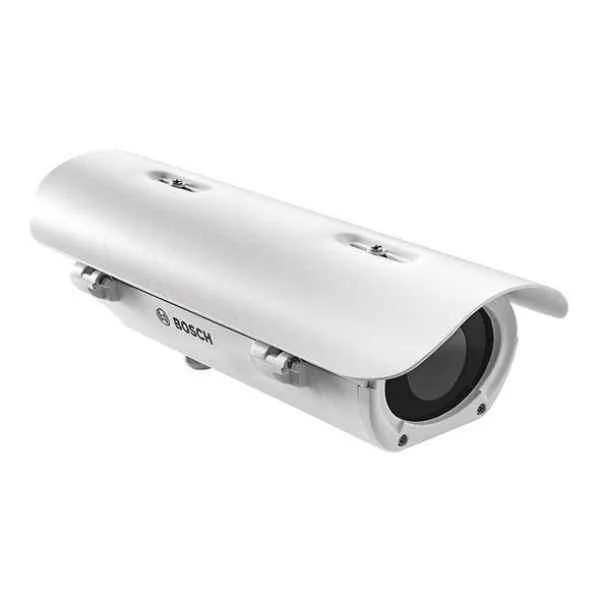
NHT-8000-F07QS (Bosch NHT-8000-F07QS QVGA 9fps Thermal Bullet IP Security Camera with 7.5mm Fixed Lens)
4.8 (8)- Security Camera
- Bosch
- Bullet
- IP Camera
- 4K
- Fixed
- Motion Detection
Est Value In stockFirst-Time Buyer Discount – Get up to 2% additional off on your first order
ORM Rewards Earn $50 in Rewards + Free Expedited Delivery – Join Now!
Use eCoupon ORMSAVE10
eCoupon limited to 5 units
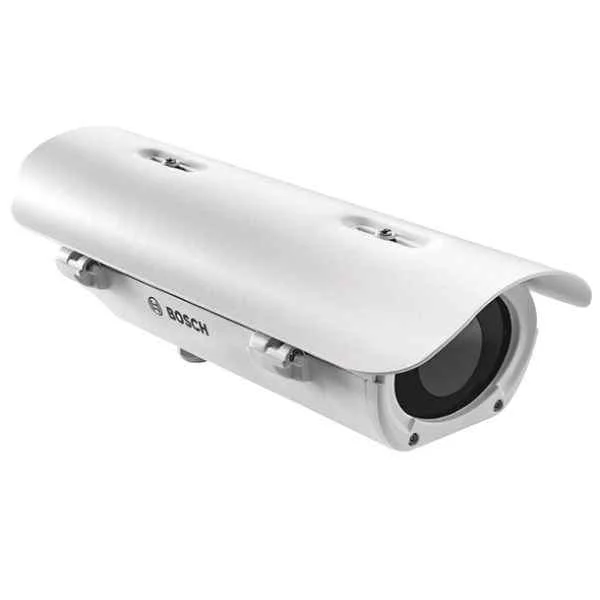
NHT-8001-F17VS (Bosch NHT-8001-F17VS VGA 9fps Thermal IP Security Camera with 16.7mm Lens)
4.8 (8)- Security Camera
- Bosch
- Dome
- IP Camera
- 4K
- Motorized
- Motion Detection
Est Value In stockFirst-Time Buyer Discount – Get up to 2% additional off on your first order
ORM Rewards Earn $50 in Rewards + Free Expedited Delivery – Join Now!
Use eCoupon ORMSAVE10
eCoupon limited to 5 units
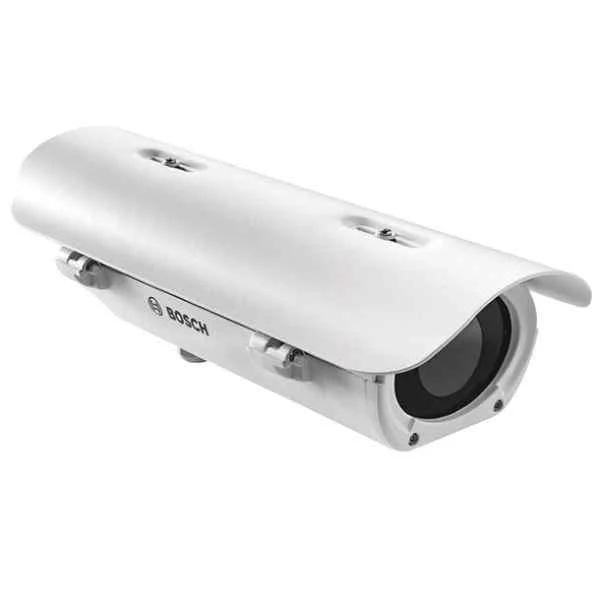
NHT-8001-F17VF (Bosch NHT-8001-F17VF VGA Thermal IP Security Camera with 16.7mm Fixed Lens, 30fps)
4.8 (8)- Security Camera
- Bosch
- Bullet
- IP Camera
- 4K
- Fixed
- Motion Detection / Intrusion Detection / Line Crossing
Est Value In stockFirst-Time Buyer Discount – Get up to 2% additional off on your first order
ORM Rewards Earn $50 in Rewards + Free Expedited Delivery – Join Now!
Use eCoupon ORMSAVE10
eCoupon limited to 5 units
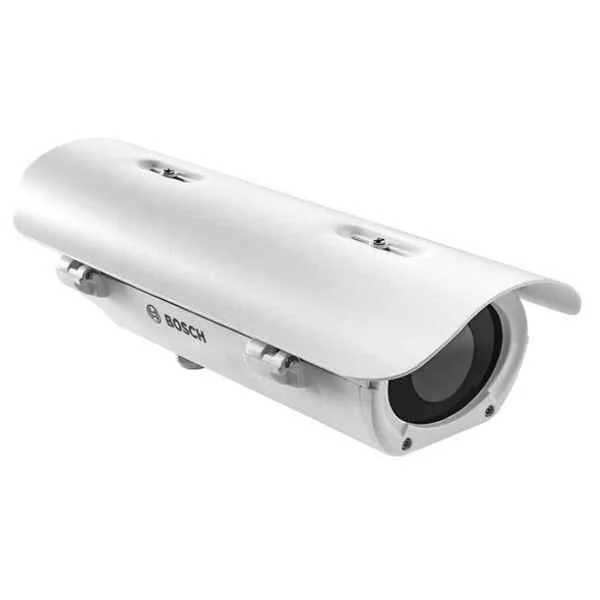
NHT-8001-F09VS (Bosch NHT-8001-F09VS 640x480 Thermal Bullet IP Security Camera - 9mm Lens)
4.5 (8)- Security Camera
- Bosch
- Dome
- IP Camera
- 4MP
- Fixed
- Motion Detection / Intrusion Detection
Est Value In stockFirst-Time Buyer Discount – Get up to 2% additional off on your first order
ORM Rewards Earn $50 in Rewards + Free Expedited Delivery – Join Now!
Use eCoupon ORMSAVE10
eCoupon limited to 5 units
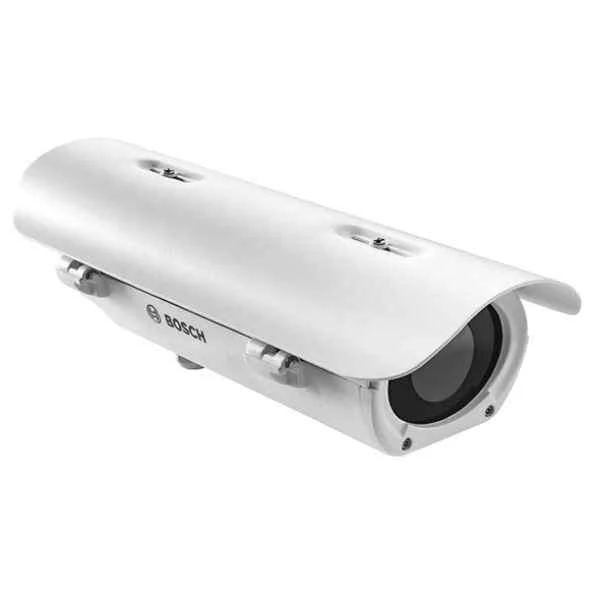
NHT-8000-F19QS (Bosch NHT-8000-F19QS 320x240 9fps Thermal Bullet IP Security Camera with 19mm Lens)
4.9 (8)- Security Camera
- Bosch
- Turret
- IP Camera
- 4K
- Motorized
- ANPR
Est Value In stockFirst-Time Buyer Discount – Get up to 2% additional off on your first order
ORM Rewards Earn $50 in Rewards + Free Expedited Delivery – Join Now!
Use eCoupon ORMSAVE10
eCoupon limited to 5 units
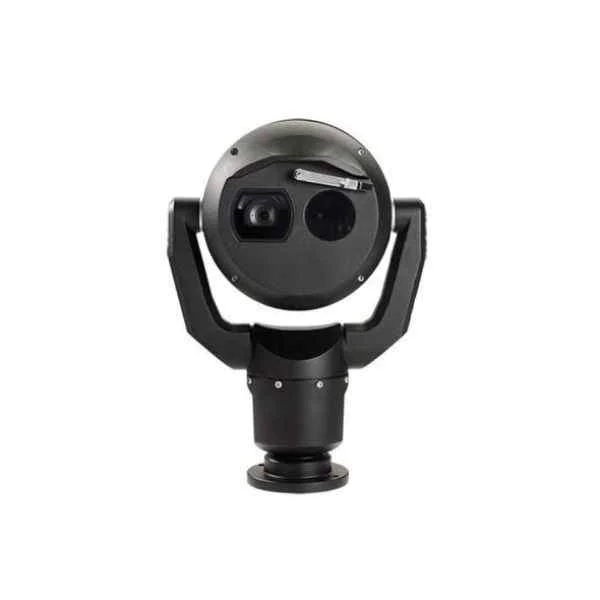
MIC-9502-Z30BQS (Bosch MIC-9502-Z30BQS QVGA/2MP Thermal/Visual Outdoor PTZ IP Security Camera - 19mm 2MP, 30x, 9Hz, Black)
4.9 (8)- Security Camera
- Bosch
- Bullet
- IP Camera
- 4K
- Varifocal
- Motion Detection
Est Value In stockFirst-Time Buyer Discount – Get up to 2% additional off on your first order
ORM Rewards Earn $50 in Rewards + Free Expedited Delivery – Join Now!
Use eCoupon ORMSAVE10
eCoupon limited to 5 units
NHT-8001-F35VF (Bosch NHT-8001-F35VF DINION THERMAL, VGA, 30fps Thermal Bullet IP Security Camera with 35mm Fixed Lens)
4.9 (8)- Security Camera
- Bosch
- Bullet
- IP Camera
- 4K
- Motorized
- ANPR
Est Value In stockFirst-Time Buyer Discount – Get up to 2% additional off on your first order
ORM Rewards Earn $50 in Rewards + Free Expedited Delivery – Join Now!
Use eCoupon ORMSAVE10
eCoupon limited to 5 units
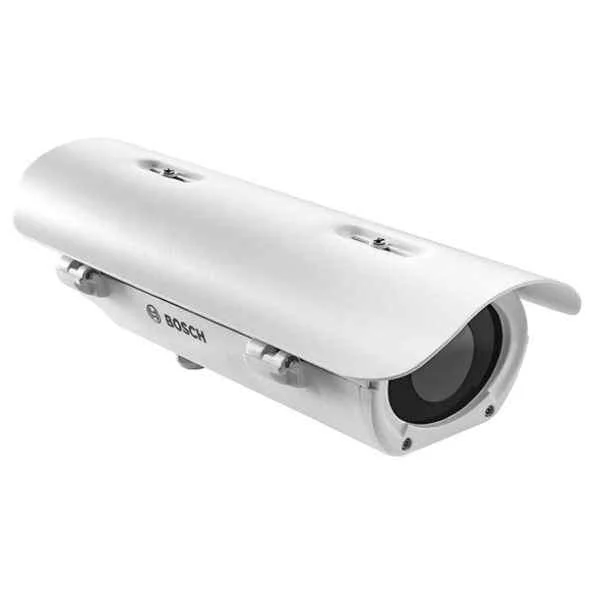
NHT-8000-F19QF (Bosch NHT-8000-F19QF 320x240 60fps Thermal Bullet IP Security Camera with 19mm Lens)
4.8 (8)- Security Camera
- Bosch
- Dome
- IP Camera
- 1080p
- Fixed
Est Value In stockFirst-Time Buyer Discount – Get up to 2% additional off on your first order
ORM Rewards Earn $50 in Rewards + Free Expedited Delivery – Join Now!
Use eCoupon ORMSAVE10
eCoupon limited to 5 units
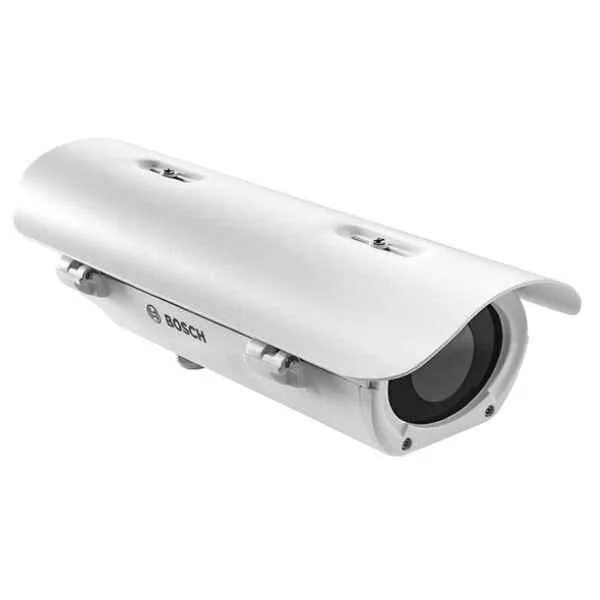
NHT-8001-F09VF (Bosch NHT-8001-F09VF VGA 30fps Thermal Bullet IP Security Camera with 9mm Fixed Lens)
4.9 (8)- Security Camera
- Bosch
- Bullet
- IP Camera
- 4MP
- Varifocal
- Motion Detection
Est Value In stockFirst-Time Buyer Discount – Get up to 2% additional off on your first order
ORM Rewards Earn $50 in Rewards + Free Expedited Delivery – Join Now!
Use eCoupon ORMSAVE10
eCoupon limited to 5 units
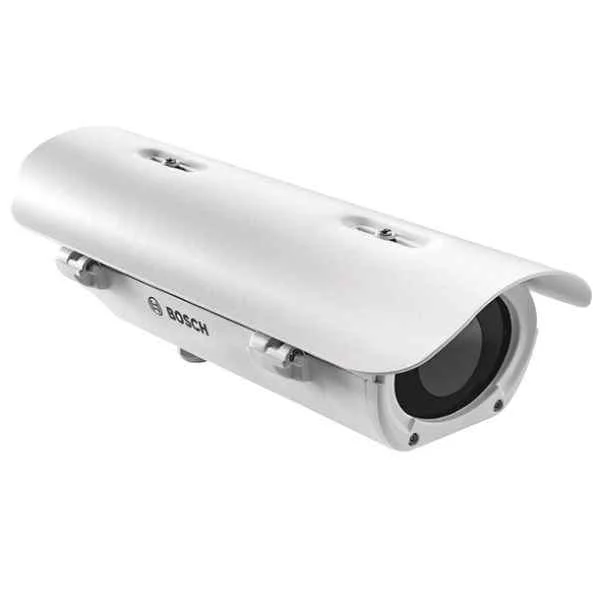
NHT-8001-F65VF (Bosch NHT-8001-F65VF VGA Thermal IP Security Camera with 65mm Fixed Lens, 30fps)
4.8 (8)- Security Camera
- Bosch
- Bullet
- IP Camera
- 1080p
- Varifocal
- ANPR
Est Value In stockFirst-Time Buyer Discount – Get up to 2% additional off on your first order
ORM Rewards Earn $50 in Rewards + Free Expedited Delivery – Join Now!
Use eCoupon ORMSAVE10
eCoupon limited to 5 units

ORM Sales Advisors
Buying for your business? Get a personalised quote in under 2 hours. Talk to an expert
LEARNFilters (18) 
Questions & Answers
What are thermal security cameras?
Thermal security cameras use infrared sensors to detect heat signatures and create images based on temperature differences, offering reliable surveillance in complete darkness, smoke, fog or challenging weather.
How do thermal security cameras work?
They capture emitted infrared radiation from objects, convert heat data into electronic signals and render grayscale or colorized images that reveal temperature variations in real time.
What are the advantages of thermal security cameras?
They deliver 24/7 detection through total darkness, smoke and adverse weather, reduce false alarms by distinguishing humans and vehicles from background heat and extend perimeter coverage.
How do thermal security cameras differ from night vision cameras?
Night vision amplifies ambient light, while thermal cameras sense heat; thermal delivers reliable detection in zero-light conditions and penetrates smoke, fog and light foliage.
What detection range can I expect from a thermal security camera?
Detection ranges vary by lens and sensor resolution but typically span 300 meters for human detection on a 640×480 (0.3 MP) sensor and extend beyond 1,000 meters with higher-resolution optics.
What resolution is recommended for thermal security cameras?
A 640×480 (0.3 MP) sensor offers a strong balance of detail and cost, while 1024×768 (0.8 MP) or higher ensures clearer recognition and identification at longer distances.
What does thermal sensitivity (NETD) mean?
NETD (Noise Equivalent Temperature Difference) measures a camera’s ability to distinguish small temperature variations; lower NETD (< 50 mK) yields sharper thermal contrast and better target detection.
Which applications suit thermal security cameras best?
They excel in perimeter monitoring, critical infrastructure protection, search and rescue, maritime surveillance and firefighting support, where low-light or obscured-vision conditions prevail.
Can thermal security cameras integrate with existing systems?
Yes. Most models support ONVIF, RTSP and standard video management system (VMS) protocols, enabling seamless integration with IP networks, access control and alarm platforms.
What are the installation requirements for thermal security cameras?
Mount them on stable poles or walls, provide power via PoE or 12–24 VDC, ensure proper lens clearance from obstructions and configure camera settings through the supplied software or web interface.
How should I maintain thermal security cameras?
Regularly clean the lens with approved wipes, inspect housing seals for moisture ingress, update firmware for security patches and verify calibration annually for optimal accuracy.
What factors affect the cost of thermal security cameras?
Key factors include sensor resolution, lens focal length, thermal sensitivity (NETD), onboard analytics, integration features and ruggedized housing for outdoor or industrial environments.
Are there legal or privacy considerations for using thermal security cameras?
Compliance with local privacy laws is mandatory; thermal cameras mitigate personal identification but still require notice and justification for surveillance in public or mixed-use areas.
Can thermal security cameras detect intruders in total darkness?
Yes. They operate independently of visible light by detecting heat emissions, enabling reliable intruder detection in complete darkness and adverse weather conditions.
How do I calculate ROI for thermal security cameras?
Estimate cost savings from reduced false alarms, lower manpower requirements, insurance discounts and prevented losses, then compare to initial investment and ongoing operational expenses.
What should I consider when choosing a thermal security camera?
Assess detection range, resolution, NETD sensitivity, lens options, analytics capabilities, integration protocols and environmental ratings to match your specific security objectives.