 United States
Server Systems Inspur Rack Scale
Engineered for performance and efficiency, Inspur Rack Scale Server Systems deliver enterprise-grade processing, seamless integration, advanced security, and scalability that empower data centers to exceed evolving IT demands.
Talk to an expert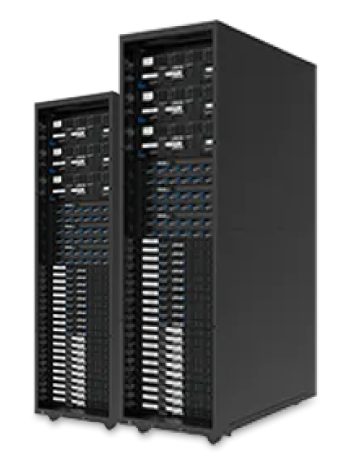
7 Matching results
- BEST SELLING
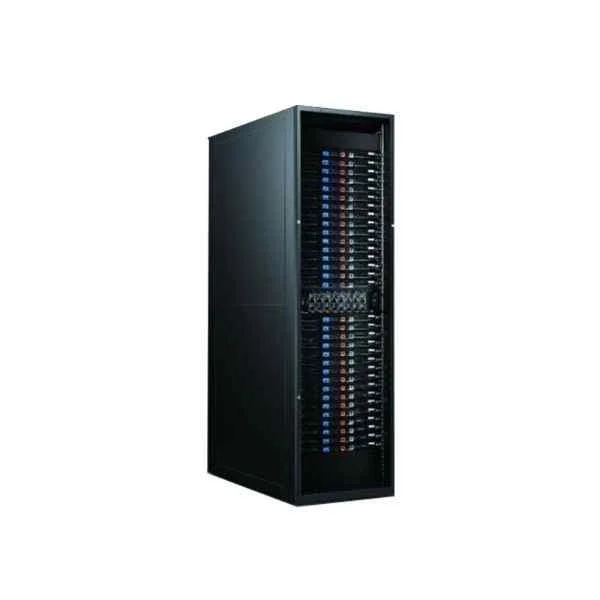
SR4200-Rack (Inspur SR4200 Rack, support 32 or any blade less than 32)
4.6 (5)- Server
- Inspur
- Rackmount
- 2U
- Intel
- Intel Xeon Scalable
- Xeon 4th Gen
Est Value In stock
First-Time Buyer Discount – Get up to 2% additional off on your first order
ORM Rewards Earn $50 in Rewards + Free Expedited Delivery – Join Now!
Use eCoupon ORMSAVE10
eCoupon limited to 5 units
- BEST SELLING
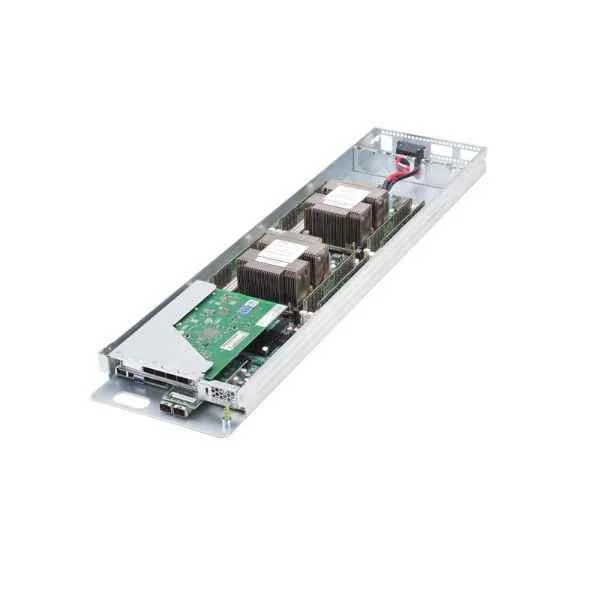
ON5488M5 (Inspur Rack Scale Server OR ON5488M5 CPU: ATOM C3000 64bit CPU (2 cores) Memory: Single channel, 1* DDR3 or DDR3L SODIMM Storage: 1* SATA DOM, 1* SATA port PCIe: 16 standard PCIe x16 slot to support 16 GPU card I/O: 2* USB2.0 + 1* VGA + 1* COM)
4.6 (5)- Server
- Inspur
- Rackmount
- 2U
- Intel
- Intel Xeon Scalable
- Xeon 3rd Gen
Est Value In stockFirst-Time Buyer Discount – Get up to 2% additional off on your first order
ORM Rewards Earn $50 in Rewards + Free Expedited Delivery – Join Now!
Use eCoupon ORMSAVE10
eCoupon limited to 5 units
- BEST SELLING
ON5266M5 (Inspur Rack Scale Server OR ON5266M5 Form Factor: 2OU, Dual Separate Storage tray, 17* 3.5€ HDD per tray Expander IC: PM 8054 Storage: 34* 3.5" HDD (Hot plug) I/O: 4* 4 Mini-SAS HD, 1* RJ45 management port)
4.4 (5)- Server
- Inspur
- Rackmount
- 2U
- Intel
- Intel Xeon Scalable
- Xeon 4th Gen
Est Value In stockFirst-Time Buyer Discount – Get up to 2% additional off on your first order
ORM Rewards Earn $50 in Rewards + Free Expedited Delivery – Join Now!
Use eCoupon ORMSAVE10
eCoupon limited to 5 units
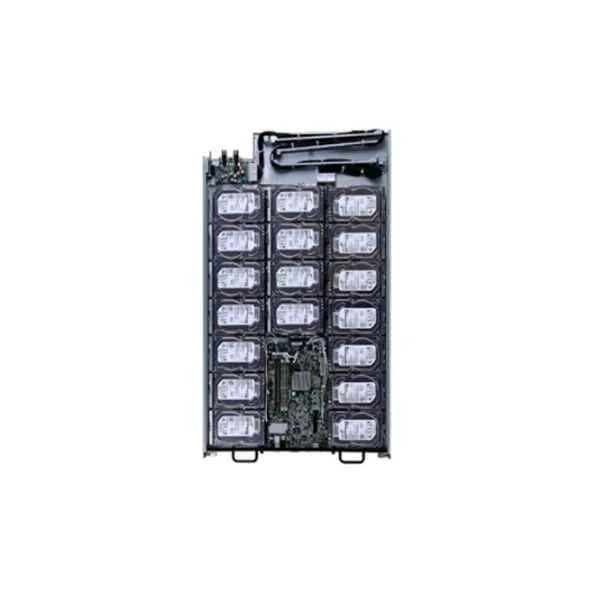
SN3116M4 (Inspur, SR SN3116M4 Storage Node, 1U1node,maximum 32 nodes in single rack, 1 Intel Avoton C2750 CPU, 4U DIMM DDR3 maximum capacity 32G)
4.8 (5)- Server
- Inspur
- Rackmount
- 2U
- Intel
- Intel Xeon Scalable
- Xeon 3rd Gen
Est Value In stockFirst-Time Buyer Discount – Get up to 2% additional off on your first order
ORM Rewards Earn $50 in Rewards + Free Expedited Delivery – Join Now!
Use eCoupon ORMSAVE10
eCoupon limited to 5 units
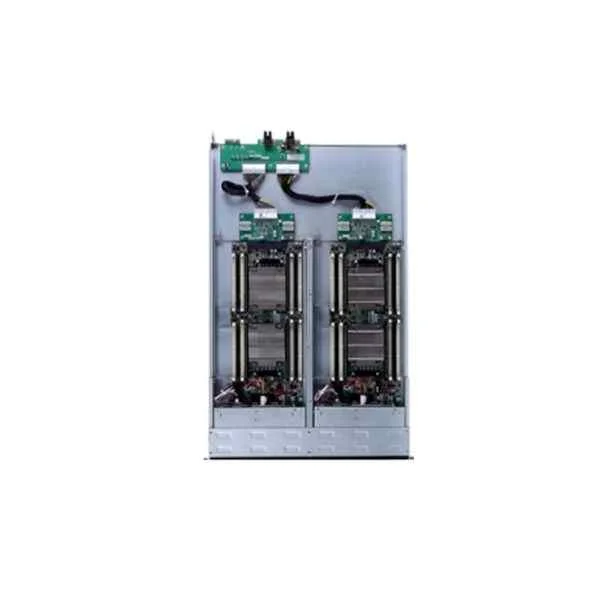
SN5150M4 (Inspur SR SN5150M4 Compute Node, 1U 2nodes, Configure default 2* E5-2600V3 CPU, 16* DIMM, Single memory 8GB/16GB/32GB,maximally support 512GB)
4.4 (5)- Server
- Inspur
- Rackmount
- 2U
- Intel
- Intel Xeon Scalable
- Xeon 3rd Gen
Est Value In stockFirst-Time Buyer Discount – Get up to 2% additional off on your first order
ORM Rewards Earn $50 in Rewards + Free Expedited Delivery – Join Now!
Use eCoupon ORMSAVE10
eCoupon limited to 5 units
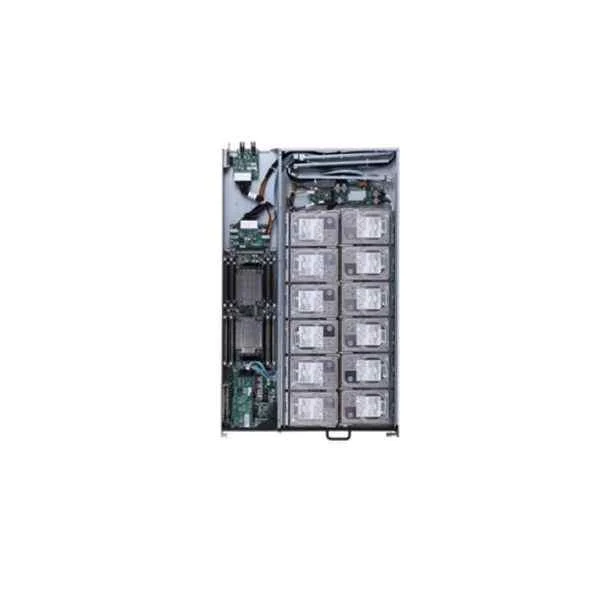
SN5160M4 (Inspur SR SN5160M4 Storage Node, 1U1 blade, one rack can be provided with at most 32 blades, 2 Intel E5-2600v3 series CPUs, The maximum capacity of 16Dimm DDR4 can be extended to 512G)
4.4 (5)- Server
- Inspur
- Rackmount
- 2U
- Intel
- Intel Xeon Scalable
- Xeon 4th Gen
Est Value In stockFirst-Time Buyer Discount – Get up to 2% additional off on your first order
ORM Rewards Earn $50 in Rewards + Free Expedited Delivery – Join Now!
Use eCoupon ORMSAVE10
eCoupon limited to 5 units
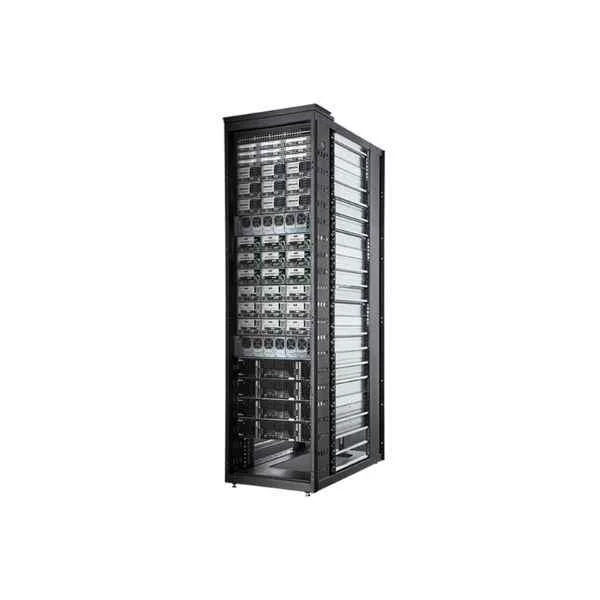
OR (Inspur OR - OCP Rack System CPU: Support 2 Intel ® Xeon ® scalable processors DIMM: 16 memory slots, DDR4 memory supported (RDIMM, LRDIMM and NVDIMM). Storage: 2* M.2 (2280) PCIe: 2* FHHL PCIe x16 card Network: single-port and dual-port OCP card)
4.6 (5)- Server
- Inspur
- Rackmount
- 2U
- Intel
- Intel Xeon Scalable
- Xeon 4th Gen
Est Value In stockFirst-Time Buyer Discount – Get up to 2% additional off on your first order
ORM Rewards Earn $50 in Rewards + Free Expedited Delivery – Join Now!
Use eCoupon ORMSAVE10
eCoupon limited to 5 units

ORM Sales Advisors
Buying for your business? Get a personalised quote in under 2 hours. Talk to an expert
LEARNFilters (7) 
Questions & Answers
What is an Inspur Rack Scale Server System?
An Inspur Rack Scale Server System is a modular, disaggregated compute infrastructure that separates CPU, memory, storage, and networking resources into scalable sleds within a unified rack chassis.
How does rack-scale architecture differ from traditional server designs?
Rack-scale architecture disaggregates compute, memory, storage, and network resources into shared pools, enabling independent scaling, resource pooling, and higher utilization versus monolithic, siloed servers.
What are the key benefits of using Inspur Rack Scale Server Systems?
Inspur Rack Scale Server Systems deliver improved resource utilization, rapid scalability, simplified management, lower total cost of ownership, and accelerated time to service across diverse workloads.
Which management software is used with Inspur Rack Scale Servers?
Inspur XScale management software provides centralized resource orchestration, real-time monitoring, policy-based provisioning, firmware upgrades, and automated alerting for end-to-end visibility.
How scalable are Inspur Rack Scale Server Systems?
Inspur Rack Scale Servers support modular expansion of compute, memory, and storage sleds, allowing linear scaling of resources within a rack and seamless multi-rack federation for large-scale deployments.
What performance can I expect from Inspur Rack Scale Systems?
These systems deliver industry-leading performance with latest-generation Intel Xeon or AMD EPYC processors, low-latency RDMA networking, NVMe storage, and GPU acceleration support.
Are Inspur Rack Scale Servers energy efficient?
Yes. They reduce power consumption through dynamic power management, high-efficiency power supplies, shared cooling infrastructure, and intelligent workload placement.
Which workloads are best suited for Inspur Rack Scale Systems?
They are optimized for cloud computing, big data analytics, AI/ML training, high-performance computing (HPC), virtualization, and containerized microservices.
How do Inspur Rack Scale Servers integrate with public and private clouds?
Inspur supports hybrid cloud integration via standard APIs like Redfish, OpenStack drivers, Kubernetes CRI, and VMware vSphere plugins for seamless workload portability and unified management.
What security features are built into Inspur Rack Scale Server Systems?
They include secure boot, TPM 2.0 for firmware attestation, AES-256 encrypted storage, role-based access control, hardware-based isolation, and audit-ready logging.
How does Inspur manage storage in rack-scale architecture?
Inspur separates storage into shared NVMe or SAS shelves with independent scaling, delivering high IOPS, flexible data protection, hot-swappable drives, and tiered storage policies.
What monitoring and diagnostic tools are available?
Inspur XScale and integrated BMC consoles provide real-time hardware health monitoring, predictive failure analysis, automatic alerting, remote diagnostics, and detailed log reporting.
How easy is the deployment and maintenance of Inspur Rack Scale Servers?
Inspur offers tool-free module installation, one-click firmware and driver updates, automated provisioning workflows, and intuitive web interfaces for rapid deployment and minimal operational overhead.
What support and warranty options does Inspur provide?
Inspur offers 24/7 global technical support, customizable service-level agreements, on-site hardware maintenance, software updates, and up to 5-year warranties backed by expert professional services.
What return on investment can I expect with Inspur Rack Scale Server Systems?
Customers typically achieve 30–50% lower total cost of ownership through improved resource utilization, reduced energy costs, simplified operations, and accelerated deployment cycles for a faster ROI.
Can I customize the configuration of Inspur Rack Scale Servers for specific use cases?
Yes. Inspur provides flexible configuration options for compute, memory, storage, networking, and GPU accelerators to tailor performance and capacity to your unique workload requirements.