 United States
Cisco Catalyst 9300 Switches for Enterprise Performance
Upgrade your network with Cisco Catalyst 9300 Series Switches — delivering speed, security, and scalability. Explore c9300 models and pricing today with ORM Systems’ trusted expertise.
Talk to an expert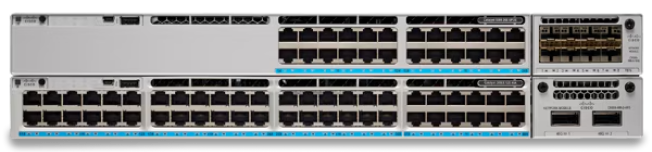
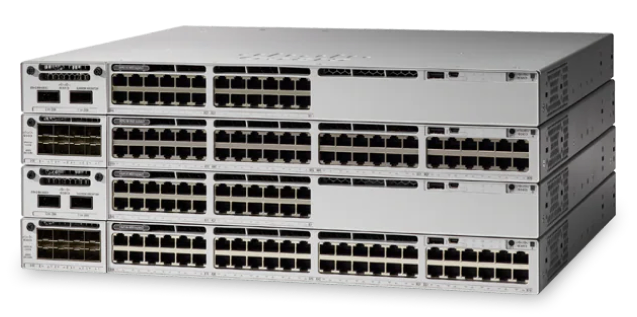
Cisco 9300X Catalyst Switches
(7)Catalyst 9300X switches drive high-density access, with multigigabit ports, 100G uplinks, 90W UPOE+, and line-rate IPsec
88 Matching results
- BEST SELLING
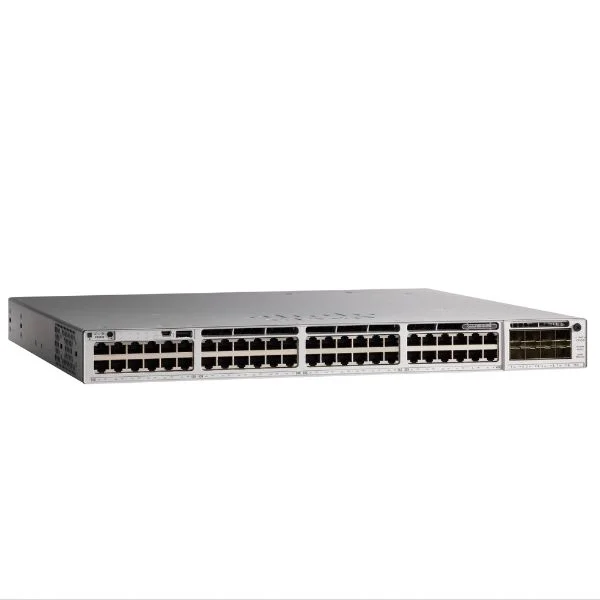
C9300-48T-E (Cisco C9300-48T-E Catalyst 9300 48-Port Gigabit Switch, Modular Uplinks, Network Essentials)
4.6 (5)- C9300-48T-E
- Cisco
- Catalyst 9300
- Enterprise Access
- Managed
- Network Essentials
- Layer 3
Est Value $4,549.00
$682.50
85% offIn stockNewRefurbishedFirst-Time Buyer Discount – Get up to 2% additional off on your first order
ORM Rewards Earn $50 in Rewards + Free Expedited Delivery – Join Now!
Use eCoupon ORMSAVE10
eCoupon limited to 5 units
- BEST SELLING
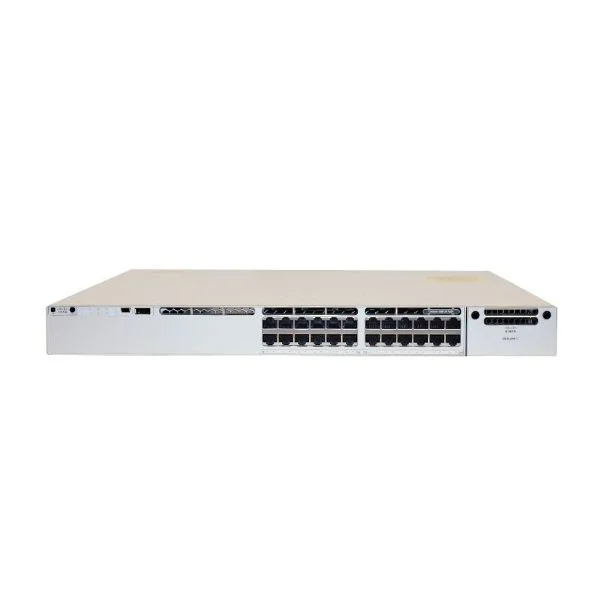
C9300-24P-A (Cisco C9300-24P-A Catalyst 9300 24-Port PoE+ Switch, Modular Uplinks, Network Advantage)
4.6 (5)- C9300-24P-A
- Cisco
- Catalyst 9300
- Enterprise Access
- Managed
- Network Advantage
- Layer 3
Est Value $6,567.00$1,180.03
82% offIn stockNewRefurbishedFirst-Time Buyer Discount – Get up to 2% additional off on your first order
ORM Rewards Earn $50 in Rewards + Free Expedited Delivery – Join Now!
Use eCoupon ORMSAVE10
eCoupon limited to 5 units
- BEST SELLING
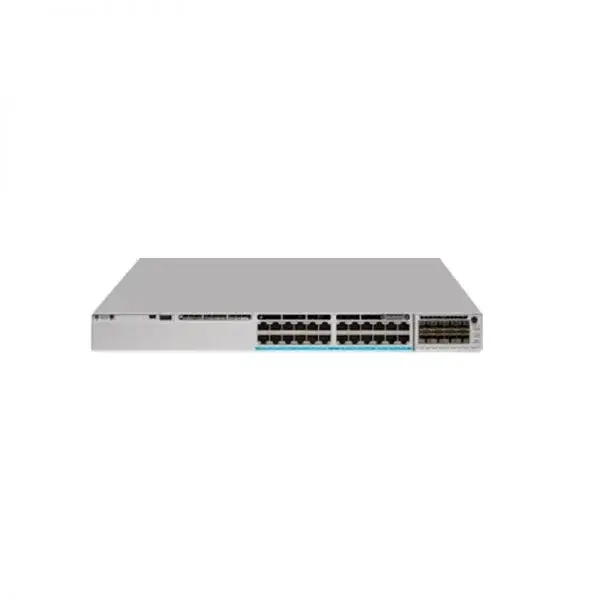
C9300-24P-E (Cisco C9300-24P-E Catalyst 9300 24-Port Gigabit PoE+ Switch, Modular Uplinks, Network Essentials)
4.2 (5)- C9300-24P-E
- Cisco
- Catalyst 9300
- Enterprise Access
- Managed
- Network Essentials
- Layer 3
Est Value $6,567.00$1,847.76
71.9% offIn stockNewRefurbishedFirst-Time Buyer Discount – Get up to 2% additional off on your first order
ORM Rewards Earn $50 in Rewards + Free Expedited Delivery – Join Now!
Use eCoupon ORMSAVE10
eCoupon limited to 5 units
- BEST SELLING
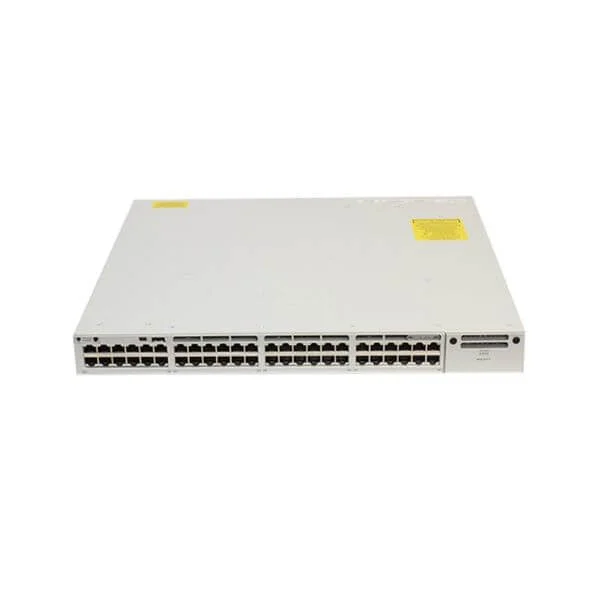
C9300-48P-E (Cisco C9300-48P-E Catalyst 9300 48-Port Gigabit PoE+ Switch, Modular Uplinks, Network Essentials)
4.8 (6)- C9300-48P-E
- Cisco
- Catalyst 9300
- Enterprise Access
- Managed
- Network Essentials
- Layer 3
Est Value $8,938.00$1,340.85
85% offIn stockNewRefurbishedFirst-Time Buyer Discount – Get up to 2% additional off on your first order
ORM Rewards Earn $50 in Rewards + Free Expedited Delivery – Join Now!
Use eCoupon ORMSAVE10
eCoupon limited to 5 units
- BEST SELLING
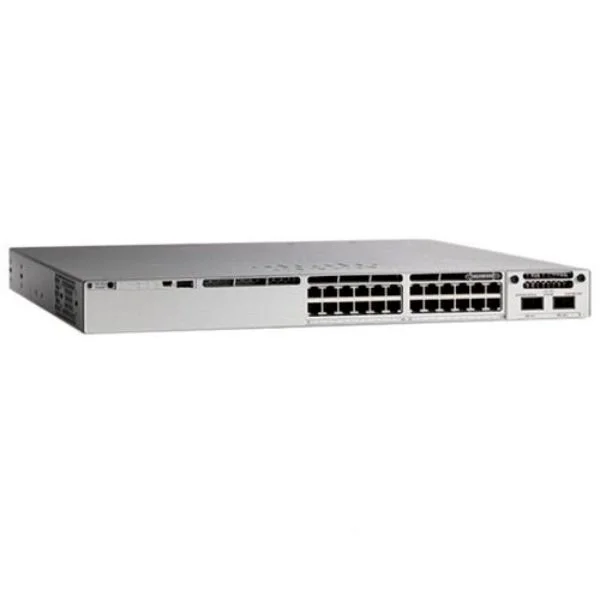
C9300-24T-E (Cisco C9300-24T-E Catalyst 9300 24-Port Gigabit Switch, Modular Uplinks, Network Essentials)
4.8 (6)- C9300-24T-E
- Cisco
- Catalyst 9300
- Enterprise Access
- Managed
- Network Essentials
- Layer 3
Est Value $5,592.00$854.09
84.7% offIn stockNewRefurbishedFirst-Time Buyer Discount – Get up to 2% additional off on your first order
ORM Rewards Earn $50 in Rewards + Free Expedited Delivery – Join Now!
Use eCoupon ORMSAVE10
eCoupon limited to 5 units
- FEARURED
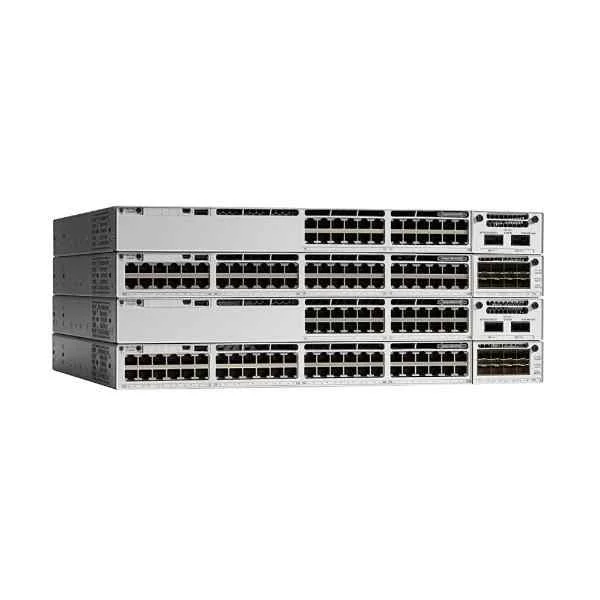
C9300-48U-A (Cisco C9300-48U-A Catalyst 9300 48-Port Gigabit UPOE Switch, Modular Uplinks, Network Advantage)
4.8 (5)- C9300-48U-A
- Cisco
- Catalyst 9300
- Enterprise Access
- Managed
- Network Advantage
- Layer 3
Est Value $8,662.00$1,299.38
85% offIn stockNewRefurbishedFirst-Time Buyer Discount – Get up to 2% additional off on your first order
ORM Rewards Earn $50 in Rewards + Free Expedited Delivery – Join Now!
Use eCoupon ORMSAVE10
eCoupon limited to 5 units
- FEARURED
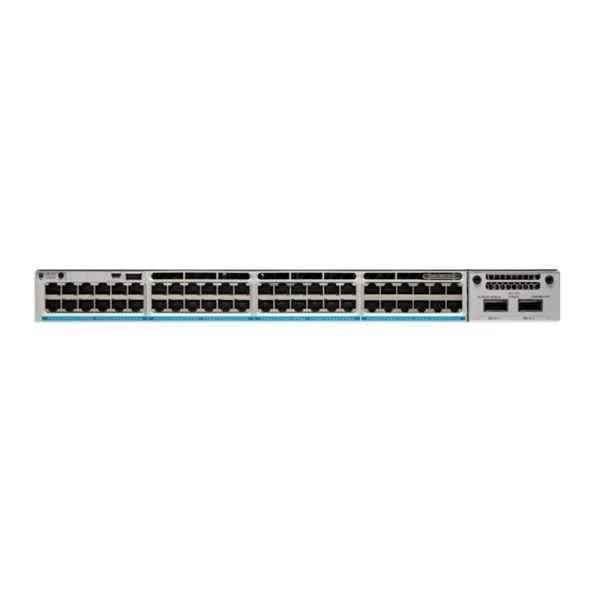
C9300-48U-E (Cisco C9300-48U-E Catalyst 9300 48-Port Gigabit UPOE Switch, Modular Uplinks, Network Essentials)
4.8 (5)- C9300-48U-E
- Cisco
- Catalyst 9300
- Enterprise Access
- Managed
- Network Essentials
- Layer 3
Est Value $7,519.00$1,127.86
85% offIn stockNewRefurbishedFirst-Time Buyer Discount – Get up to 2% additional off on your first order
ORM Rewards Earn $50 in Rewards + Free Expedited Delivery – Join Now!
Use eCoupon ORMSAVE10
eCoupon limited to 5 units
- FEARURED
C9300-24U-A (Cisco C9300-24U-A Catalyst 9300 24-Port Gigabit UPOE Switch, Modular Uplinks, Network Advantage)
4.6 (5)- C9300-24U-A
- Cisco
- Catalyst 9300
- Enterprise Access
- Managed
- Network Advantage
- Layer 3
Est Value $6,229.00$934.50
85% offIn stockNewRefurbishedFirst-Time Buyer Discount – Get up to 2% additional off on your first order
ORM Rewards Earn $50 in Rewards + Free Expedited Delivery – Join Now!
Use eCoupon ORMSAVE10
eCoupon limited to 5 units
- FEARURED
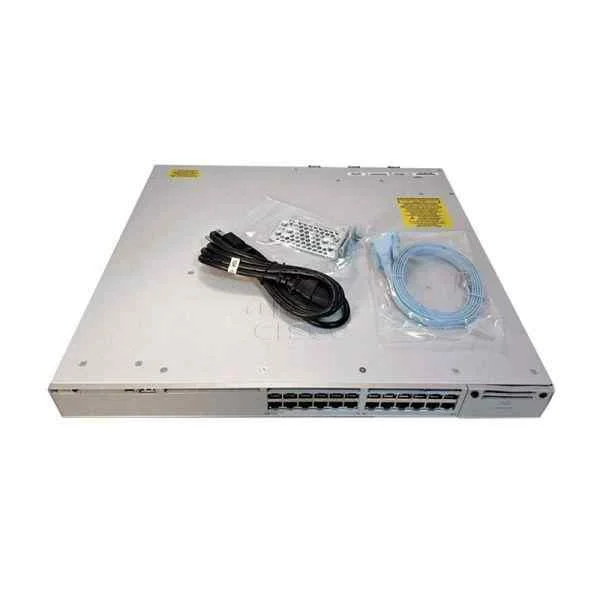
C9300-48P-A (Cisco C9300-48P-A Catalyst 9300 48-Port Gigabit PoE+ Switch, Modular Uplinks, Network Advantage)
4.8 (6)- C9300-48P-A
- Cisco
- Catalyst 9300
- Enterprise Access
- Managed
- Network Advantage
- Layer 3
Est Value $6,649.00$997.50
85% offIn stockNewRefurbishedFirst-Time Buyer Discount – Get up to 2% additional off on your first order
ORM Rewards Earn $50 in Rewards + Free Expedited Delivery – Join Now!
Use eCoupon ORMSAVE10
eCoupon limited to 5 units
- FEARURED
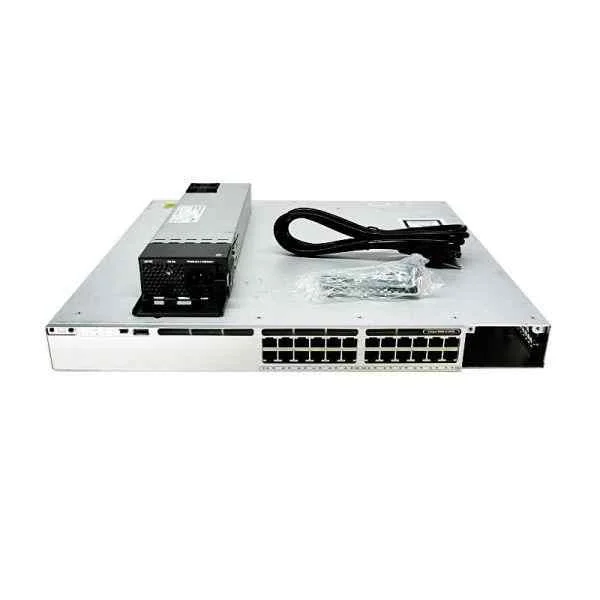
C9300-24U-E (Cisco C9300-24U-E Catalyst 9300 24-Port Gigabit PoE++ Switch, Modular Uplinks, Network Essentials)
4.4 (5)- C9300-24U-E
- Cisco
- Catalyst 9300
- Enterprise Access
- Managed
- Network Essentials
- Layer 3
Est Value $7,175.00$1,228.50
82.9% offIn stockNewRefurbishedFirst-Time Buyer Discount – Get up to 2% additional off on your first order
ORM Rewards Earn $50 in Rewards + Free Expedited Delivery – Join Now!
Use eCoupon ORMSAVE10
eCoupon limited to 5 units
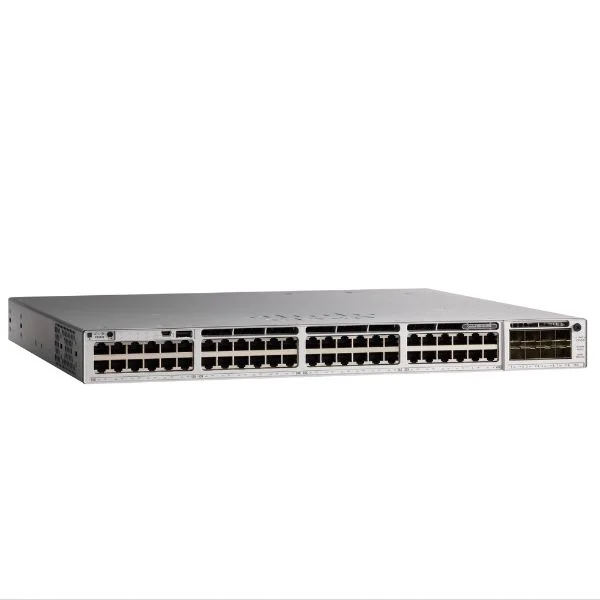
C9300L-DNA-E24-10Y (C9300 Cisco DNA Essentials, 24-Port, 10 Year Term License)
4.2 (5)- Switch
- Cisco
- AC Power Supply
- Layer 2 / Layer 3
- Rack-mount
- 24–48 Ports
Est Value $3,171.16$1,531.68
51.7% offIn stockNewFirst-Time Buyer Discount – Get up to 2% additional off on your first order
ORM Rewards Earn $50 in Rewards + Free Expedited Delivery – Join Now!
Use eCoupon ORMSAVE10
eCoupon limited to 5 units
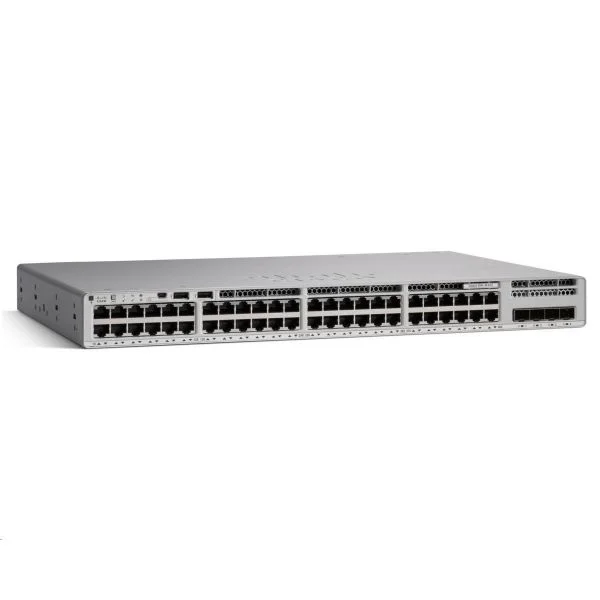
C9300L-48P-4G-E (Cisco C9300L-48P-4G-E Catalyst 9300L 48-Port Gigabit PoE+ Switch, 4x1G Uplinks, Network Essentials)
4.8 (5)- C9300L-48P-4G-E
- Cisco
- Catalyst 9300L
- Enterprise Access
- Managed
- Network Essentials
- Layer 3
Est Value $9,143.00$2,042.25
77.7% offIn stockNewRefurbishedFirst-Time Buyer Discount – Get up to 2% additional off on your first order
ORM Rewards Earn $50 in Rewards + Free Expedited Delivery – Join Now!
Use eCoupon ORMSAVE10
eCoupon limited to 5 units
C9300L-24P-4X-E (Cisco C9300L-24P-4X-E Catalyst 9300L 24-Port Gigabit PoE+ Switch, 4x10G Uplinks, Network Essentials)
4.6 (5)- C9300L-24P-4X-E
- Cisco
- Catalyst 9300L
- Enterprise Access
- Managed
- Network Essentials
- Layer 3
Est Value $7,483.00$1,221.41
83.7% offIn stockNewRefurbishedFirst-Time Buyer Discount – Get up to 2% additional off on your first order
ORM Rewards Earn $50 in Rewards + Free Expedited Delivery – Join Now!
Use eCoupon ORMSAVE10
eCoupon limited to 5 units
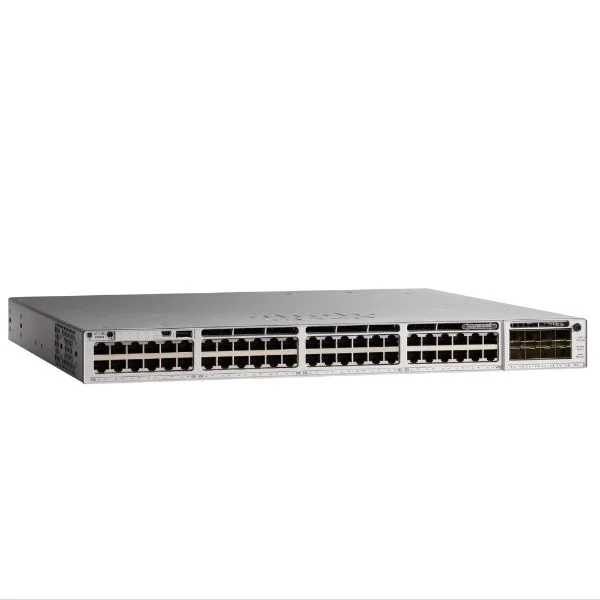
C9300-48UN-E (Cisco C9300-48UN-E Catalyst 9300 48-Port Multigigabit PoE++ Switch, Modular Uplinks, Network Essentials)
4.2 (5)- C9300-48UN-E
- Cisco
- Catalyst 9300
- Enterprise Access
- Managed
- Network Essentials
- Layer 3
Est Value $11,434.00$1,715.18
85% offIn stockNewRefurbishedFirst-Time Buyer Discount – Get up to 2% additional off on your first order
ORM Rewards Earn $50 in Rewards + Free Expedited Delivery – Join Now!
Use eCoupon ORMSAVE10
eCoupon limited to 5 units
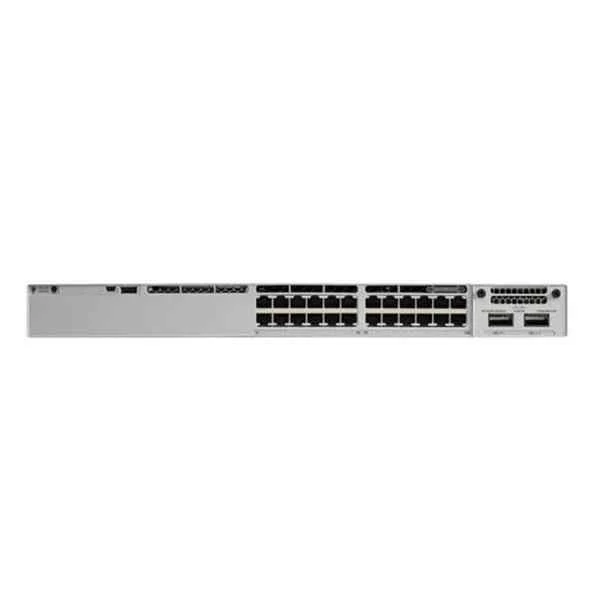
C9300L-24P-4G-E (Cisco C9300L-24P-4G-E Catalyst 9300L 24-Port Gigabit PoE+ Switch, 4x1G Uplinks, Network Essentials)
4.4 (5)- C9300L-24P-4G-E
- Cisco
- Catalyst 9300L
- Enterprise Access
- Managed
- Network Essentials
- Layer 3
Est Value $5,624.00$2,383.50
57.6% offIn stockNewRefurbishedFirst-Time Buyer Discount – Get up to 2% additional off on your first order
ORM Rewards Earn $50 in Rewards + Free Expedited Delivery – Join Now!
Use eCoupon ORMSAVE10
eCoupon limited to 5 units
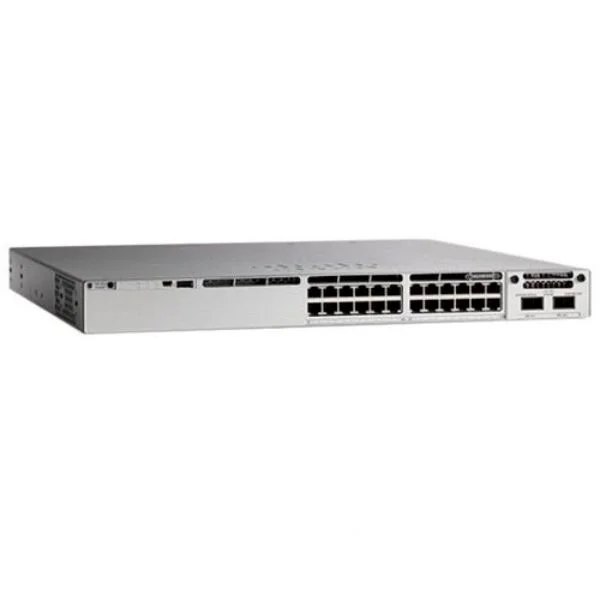
C9300L-24P-4G-A (Cisco C9300L-24P-4G-A Catalyst 9300L 24-Port Gigabit PoE+ Switch, 4x1G Uplinks, Network Advantage)
4.4 (5)- C9300L-24P-4G-A
- Cisco
- Catalyst 9300L
- Enterprise Access
- Managed
- Network Advantage
- Layer 3
Est Value $5,624.00$2,208.94
60.7% offIn stockNewRefurbishedFirst-Time Buyer Discount – Get up to 2% additional off on your first order
ORM Rewards Earn $50 in Rewards + Free Expedited Delivery – Join Now!
Use eCoupon ORMSAVE10
eCoupon limited to 5 units
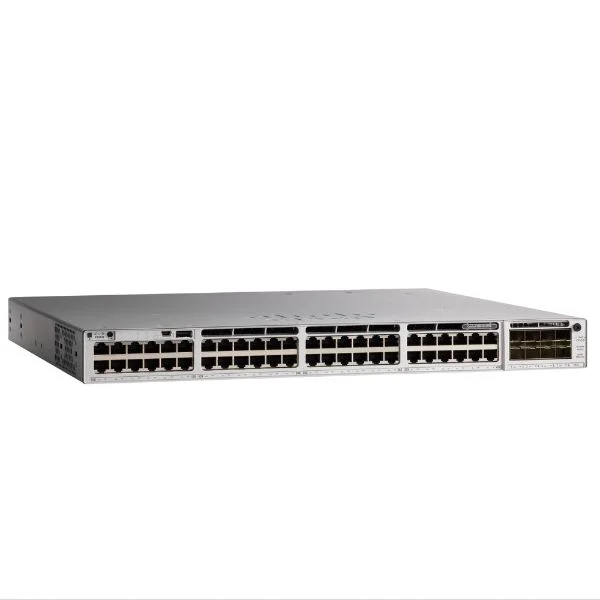
C9300L-48T-4G-E (Cisco C9300L-48T-4G-E Catalyst 9300L 48-Port Gigabit Switch, 4x1G Uplinks, Network Essentials)
4.6 (5)- C9300L-48T-4G-E
- Cisco
- Catalyst 9300L
- Enterprise Access
- Managed
- Network Essentials
- Layer 3
Est Value $7,408.00$1,244.25
83.2% offIn stockNewRefurbishedFirst-Time Buyer Discount – Get up to 2% additional off on your first order
ORM Rewards Earn $50 in Rewards + Free Expedited Delivery – Join Now!
Use eCoupon ORMSAVE10
eCoupon limited to 5 units
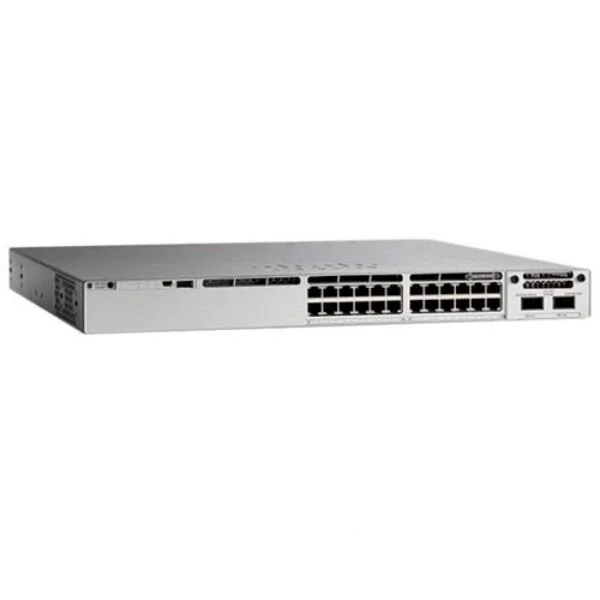
C9300-24T-A (Cisco C9300-24T-A Catalyst 9300 24-Port Gigabit Switch, Modular Uplinks, Network Advantage)
4.8 (6)- C9300-24T-A
- Cisco
- Catalyst 9300
- Enterprise Access
- Managed
- Network Advantage
- Layer 3
Est Value $5,592.00$951.14
83% offIn stockNewRefurbishedFirst-Time Buyer Discount – Get up to 2% additional off on your first order
ORM Rewards Earn $50 in Rewards + Free Expedited Delivery – Join Now!
Use eCoupon ORMSAVE10
eCoupon limited to 5 units
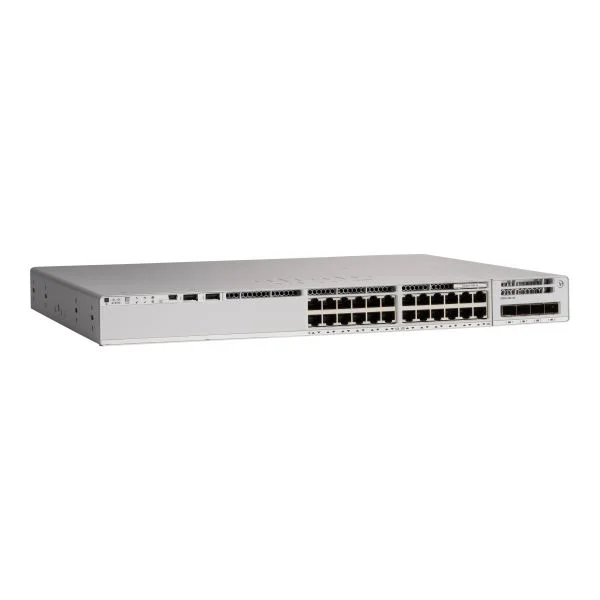
C9300L-24T-4G-E (Cisco C9300L-24T-4G-E Catalyst 9300L 24-Port Gigabit Switch, 4x1G Uplinks, Network Essentials)
4.4 (5)- C9300L-24T-4G-E
- Cisco
- Catalyst 9300L
- Enterprise Access
- Managed
- Network Essentials
- Layer 3
Est Value $5,005.00$2,685.73
46.3% offIn stockNewRefurbishedFirst-Time Buyer Discount – Get up to 2% additional off on your first order
ORM Rewards Earn $50 in Rewards + Free Expedited Delivery – Join Now!
Use eCoupon ORMSAVE10
eCoupon limited to 5 units
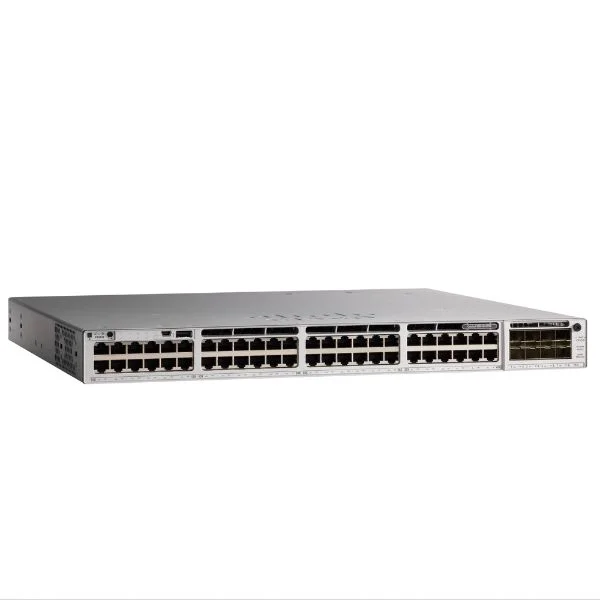
C9300-48UN-A (CATALYST 9300 48PORT OF 5GBPS NTWK ADVANTAGE)
4.4 (5)- Switch
- Cisco
- AC Power Supply
- Layer 2 / Layer 3
- Rack-mount
- 24–48 Ports
Est Value $7,349.00$1,102.50
85% offIn stockNewRefurbishedFirst-Time Buyer Discount – Get up to 2% additional off on your first order
ORM Rewards Earn $50 in Rewards + Free Expedited Delivery – Join Now!
Use eCoupon ORMSAVE10
eCoupon limited to 5 units

ORM Sales Advisors
Buying for your business? Get a personalised quote in under 2 hours. Talk to an expert
LEARNFilters (88) 
Questions & Answers
What is the Cisco Catalyst 9300 Series switch?
The Cisco Catalyst 9300 Series is a cloud-ready, stackable enterprise switch platform delivering high-performance Layer 2/3 connectivity with built-in advanced security and programmability powered by Cisco IOS XE.
What are the key performance and capacity features of the Catalyst 9300?
Catalyst 9300 switches offer up to 160 Gbps of stacking bandwidth, 176 Gbps of switching capacity per slot, wire-rate 10/25/40/100 Gbps uplinks, and support for wire-speed IPv4/IPv6 forwarding.
How does StackWise-480 technology work on Cisco Catalyst 9300?
StackWise-480 links up to eight Catalyst 9300 switches into a single logical unit with 480 Gbps bidirectional stack bandwidth, enabling unified management, redundant backplane, and hitless software upgrades.
What Power over Ethernet (PoE) options are available?
Catalyst 9300 switches support PoE, PoE+ (802.3at), and UPOE (60 W per port) across 24- and 48-port models, delivering power prioritization, scheduling, and budget management for VoIP, cameras, and wireless APs.
Which Cisco software and licensing models apply to the 9300 Series?
Cisco IOS XE runs the Catalyst 9300, with licensing tiers of Network Essentials and Network Advantage, plus optional DNA subscriptions for automation, analytics, security, and SD-Access capabilities.
What advanced security features does the Catalyst 9300 provide?
Catalyst 9300 includes Cisco TrustSec, MACsec encryption, Control Plane Protection, secure boot, and runtime monitoring to deliver hardware-accelerated authentication, segmentation, and threat mitigation.
How is the Cisco Catalyst 9300 managed and automated?
You can manage Catalyst 9300 switches via Cisco DNA Center, Cisco Prime Infrastructure, CLI/REST API, or Web UI, enabling policy-based provisioning, software image management, and intent-based networking.
What uplink modules and transceiver options are supported?
Catalyst 9300 supports modular uplink slots with 1x1G, 1x10G, 4x10G, 2x40G, and 2x100G options, plus SFP/SFP+, SFP28, QSFP+, QSFP28, and Cisco compatible optics for flexible connectivity.
How does Catalyst 9300 ensure high availability?
High availability is achieved through dual redundant power supplies, StackWise-480 redundancy, Graceful Insertion and Removal (GIR), nonstop forwarding, and in-service software upgrades (ISSU).
What is the maximum stacking capability of Catalyst 9300 switches?
You can stack up to eight Catalyst 9300 switches with StackWise-480, creating a unified switching fabric up to 384 ports and delivering up to 480 Gbps of stack throughput.
Which use cases are ideal for Catalyst 9300 deployment?
Catalyst 9300 is ideal for campus access, branch edge, IoT convergence, wireless backhaul, and secure digital workplaces requiring scalable, secure, and programmable LAN infrastructure.
How energy efficient are the Cisco Catalyst 9300 switches?
Catalyst 9300 switches comply with Energy Efficient Ethernet (IEEE 802.3az), feature variable-speed fans, internal power redundancy, and advanced PoE power management to minimize operational costs.
What warranty and support options are available?
Cisco offers a limited lifetime warranty for Catalyst 9300 hardware with next-business-day replacement, plus optional Cisco Smart Net Total Care for 24/7 technical support and software upgrades.
Can I upgrade from Catalyst 3850 to 9300, and what is the process?
Yes, Cisco offers a Smart Net Total Care trade-in program for Catalyst 3850 to 9300 migration; upgrade involves exchanging chassis and migrating configurations via CLI or DNA Center automation.
How do I configure VLANs and QoS on a Catalyst 9300 switch?
Use Cisco IOS XE CLI or DNA Center to define VLANs with ‘vlan’ commands, assign ports, and apply QoS policies with class-maps, policy-maps, and service-policies for traffic prioritization.
What differences exist between Catalyst 9300 and Catalyst 9400 Series?
Catalyst 9300 is a fixed, stackable access switch series, while Catalyst 9400 is a modular chassis platform for higher-density deployments; both run IOS XE but target different scalability needs.
Cisco 9300 Switches
Power your business with the Cisco Catalyst 9300 series, engineered to deliver fast, secure, and dependable networking from day one. Whether you’re running a growing office or a large enterprise, these switches provide the backbone for smooth operations. They combine performance with security, so your team stays connected without interruption.
What makes the Cisco 9300 switch stand out is its flexibility. It’s built to handle today’s demands while being ready for tomorrow’s growth. From advanced automation to energy-efficient design, every detail is meticulously engineered to simplify network management. If you’re looking for reliability, scalability, and long-term value, the Cisco Catalyst 9300 switches deliver all three.
Cisco 9300 Switches Model Comparison
| Model Family | Ports/Configuration | Description | Ideal For | Performance Highlights |
|---|---|---|---|---|
| Catalyst 9300LM | 48-port 1G copper, data only | C9300LM-48T-4Y. Shallow depth chassis. Four 25G fixed fiber uplinks. Based on Cisco UADP 2.0 ASIC. | Compact offices, space-limited racks | Energy efficient, stackable, future-ready with 25G uplinks |
| Catalyst 9300LM | 24/48-port 1G copper, 60W PoE | C9300LM-24U-4Y, C9300LM-48U-4Y. Shallow depth chassis. 24-/48-port 1G/100M copper, 60W PoE. Four 25G fixed fiber uplinks. | Businesses with moderate PoE needs | Balanced design, stackable, secure wired access |
| Catalyst 9300LM | 48-port 1G copper, 60W PoE, 8-port 10G, multigigabit | C9300LM-48UX-4Y. Shallow depth chassis. 48-port 60W PoE, 8-port 10GBASE-T, 10G/5G/2.5G/1G/100M multigigabit. Four 25G fixed fiber uplinks. | High-density deployments, Wi-Fi 6 rollouts | Multigigabit support, strong PoE budget, future-proof for IoT |
| Catalyst 9300L | 24/48-port 1G copper, data only | C9300L-24T-xx, C9300L-48T-xx. Four 10G (-4X) or 1G (-4G) fixed fiber uplinks. | Budget-conscious deployments | Affordable, reliable, modular uplinks for flexibility |
| Catalyst 9300L | 24/48-port 1G copper, 30W PoE | C9300L-24P-xx, C9300L-48P-xx. Four 10G (-4X) or 1G (-4G) uplinks. | Small businesses with PoE needs | Cost-effective PoE, scalable for growth |
| Catalyst 9300L | 48-port 1G copper, 30W PoE | C9300L-48PF-4X, C9300L-48PF-4G. Full 30W PoE. Four 10G (-4X) or 1G (-4G) uplinks. | Midsize enterprises with standard devices | High PoE density, secure and resilient |
| Catalyst 9300L | 24-port 1G copper, 60W PoE, 8-port multigigabit | C9300L-24UXG-4X, C9300L-24UXG-2Q. 24-port 60W PoE, 8-port 10GBASE-T, multigigabit uplinks. | IoT-heavy environments | Multigigabit-ready, high-power PoE, robust flexibility |
| Catalyst 9300L | 24/48-port 1G SFP | C9300L-24S, C9300L-48S. Modular uplinks 40G, 25G, 10G, 1G fiber. | Fiber-first environments | Excellent uplink versatility, modular options |
| Catalyst 9300 1G | 24/48-port 1G copper, data only | C9300-24T, C9300-48T. Modular uplinks 40G, 25G, 10G, 1G fiber. | General enterprises | Stable core access, modular uplink choices |
| Catalyst 9300 1G | 24/48-port 1G copper, 30W PoE | C9300-24P, C9300-48P. Modular uplinks 40G, 25G, 10G, 1G fiber. | Growing offices with PoE requirements | Reliable PoE, future-proof modular uplinks |
| Catalyst 9300 1G | 24/48-port 1G SFP | C9300-24S, C9300-48S. Modular uplinks 40G, 25G, 10G, 1G fiber. | Enterprises with fiber infrastructure | Flexible uplink bandwidth, strong backbone connectivity |
| Catalyst 9300 60W PoE | 24/48-port 1G, 60W PoE | C9300-24U, C9300-48U. Modular uplinks 40G, 25G, 10G, 1G fiber. | PoE-heavy workspaces | Supports higher-power devices, robust uplinks |
| Catalyst 9300 60W PoE | 36-port 2.5G, 12-port 10G, multigigabit, 60W PoE | C9300-48UXM. Modular uplinks 40G, 25G, 10G, 1G fiber. | Wi-Fi 6/IoT deployments | Multigigabit-ready, high port diversity |
| Catalyst 9300 60W PoE | 24-port 10G, multigigabit, 60W PoE | C9300-24UX. Multigigabit 10G/5G/2.5G/1G/100M, 60W PoE. | High-demand networks | Future-proof bandwidth, strong PoE support |
| Catalyst 9300 60W PoE | 48-port 5G multigigabit | C9300-48UN. 48-port 5G/2.5G/1G multigigabit, modular uplinks. | Enterprises with Wi-Fi 6 adoption | Multigigabit backbone, Wi-Fi 6/6E support |
| Catalyst 9300 90W PoE | 24-port 1G, 90W PoE | C9300-24H. Optimized for wired/wireless converged access. Modular uplinks. | IoT and high-power devices | 90W PoE for demanding endpoints |
| Catalyst 9300 90W PoE | 48-port 1G, 90W PoE | C9300-48H. Optimized for wired/wireless converged access. Modular uplinks. | Large campuses | Scalable high PoE, flexible uplinks |
| Catalyst 9300 High-Performance | 48-port 1G, 60W PoE, high performance | C9300-48UB. With double buffers, MAC/IP scale, higher ACL scale. | High-scale enterprises | Superior buffer capacity, advanced ACL |
| Catalyst 9300 High-Performance | 24-port 1G, 60W PoE, high performance | C9300-24UB. With double buffers, MAC/IP scale, higher ACL scale. | Medium-sized core switches | Advanced performance at compact scale |
| Catalyst 9300 High-Performance | 24-port 5G multigigabit, 60W PoE, high performance | C9300-24UXB. With double buffers, MAC/IP scale, higher ACL scale. | Next-gen enterprises | Multigigabit future-proofing, robust PoE |
| Catalyst 9300X Copper | 48-port 10G, multigigabit, 90W PoE | C9300X-48HX. Secure Wi-Fi 6/6E, 90W PoE, modular uplinks. | High-performance enterprises | Wi-Fi 6/6E optimized, robust multigigabit |
| Catalyst 9300X Copper | 48-port 10G, multigigabit, data only | C9300X-48TX. Secure Wi-Fi 6/6E, modular uplinks. | Data-focused enterprises | 10G multigigabit performance |
| Catalyst 9300X Copper | 40-port 5G, 8-port 10G, multigigabit, 90W PoE | C9300X-48HXN. 40-port 5G, 8-port 10G multigigabit, modular uplinks. | Large-scale Wi-Fi 6 environments | 5G/10G mix, high PoE budget |
| Catalyst 9300X Copper | 24-port 10G, multigigabit, 90W PoE | C9300X-24HX. 24-port 10GBASE-T, multigigabit, 90W PoE. | Enterprise cores | Compact 10G performance, heavy PoE support |
Cisco Catalyst 9300 Price & Buying Guide
When choosing the right switch, it’s important to balance performance, scalability, and budget. The Cisco Catalyst 9300 price reflects its enterprise-grade reliability and advanced features, making it a long-term investment for secure and high-performance networks. Smaller offices often prefer the compact 9300LM or 9300L models, while enterprises deploying Wi-Fi 6 and heavy PoE workloads lean toward the 9300X or high-performance editions.
The Cisco Catalyst 9300 price range is $1,044 to $9,648 depending on the model and configuration.
For businesses, this means there’s a Catalyst 9300 option for every scenario — from cost-effective entry solutions to multigigabit, high-PoE, and Wi-Fi 6-ready models. By aligning your network needs with the right model family, you maximize both value and performance.
Looking to upgrade your network? Buy the Cisco Catalyst 9300 from ORM Systems today and get enterprise-grade performance backed by trusted expertise.