 United States
Thermal Cameras Intelligent Imaging Solutions
Discover precision thermal imaging engineered for high-performance in security inspections and industrial applications. Our advanced thermal cameras deliver unmatched reliability, exceptional detail, and superior operational efficiency for professionals worldwide.
Talk to an expert
Hikvision Thermal Cameras
(22)Hikvision thermal cameras support perimeter protection and fire detection for industrial yards, using ONVIF video integration over PoE Ethernet
22 Matching results
- BEST SELLING
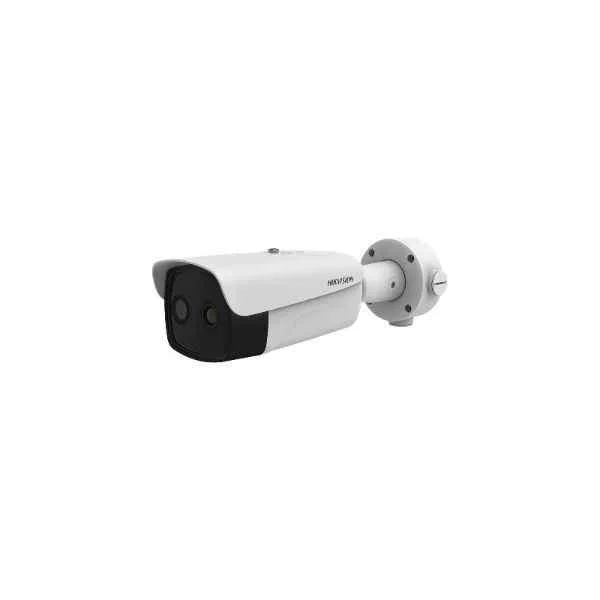
DS-2TD2637B-10/P (DS-2TD2637B-10/P, Temperature Screening Thermographic Bullet Camera )
4.4 (5)- Security Camera
- Hikvision
- Bullet
- IP Camera
- 2MP
- Fixed
- Motion Detection
Est Value In stock
First-Time Buyer Discount – Get up to 2% additional off on your first order
ORM Rewards Earn $50 in Rewards + Free Expedited Delivery – Join Now!
Use eCoupon ORMSAVE10
eCoupon limited to 5 units
- BEST SELLING
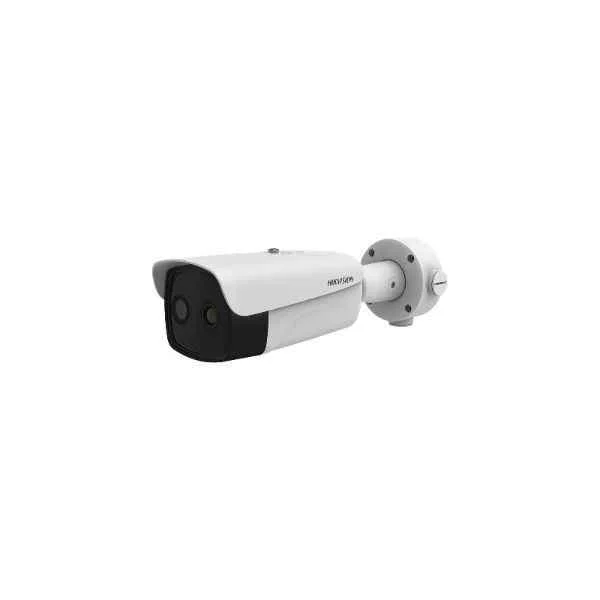
DS-2TD2636B-13/P (Temperature Screening Thermographic Camera)
4.2 (5)- Security Camera
- Hikvision
- Thermal
- IP Camera
- Fixed
- Motion Detection
Est Value In stockFirst-Time Buyer Discount – Get up to 2% additional off on your first order
ORM Rewards Earn $50 in Rewards + Free Expedited Delivery – Join Now!
Use eCoupon ORMSAVE10
eCoupon limited to 5 units
- BEST SELLING
DS-2TP21B-6AVF/W (Temperature Screening Thermographic Handheld Camera)
4.6 (5)- Security Camera
- Hikvision
- Bullet
- IP Camera
- 2MP
- Fixed
Est Value In stockFirst-Time Buyer Discount – Get up to 2% additional off on your first order
ORM Rewards Earn $50 in Rewards + Free Expedited Delivery – Join Now!
Use eCoupon ORMSAVE10
eCoupon limited to 5 units
- BEST SELLING
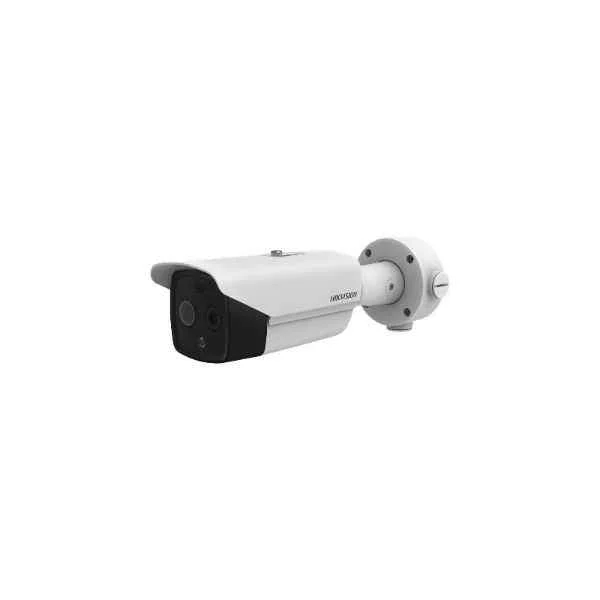
DS-2TD2617B-6/PA (Temperature Screening Thermographic Bullet Camera)
4.6 (5)- Security Camera
- Hikvision
- Thermal
- IP Camera
- Fixed
- Motion Detection
Est Value In stockFirst-Time Buyer Discount – Get up to 2% additional off on your first order
ORM Rewards Earn $50 in Rewards + Free Expedited Delivery – Join Now!
Use eCoupon ORMSAVE10
eCoupon limited to 5 units
- BEST SELLING
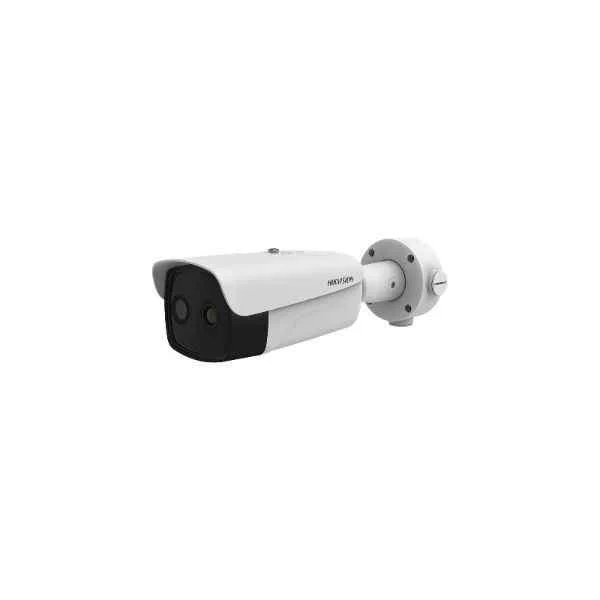
DS-2TD2636B-15/P (DS-2TD2636B-15/P, Temperature Screening Thermographic Bullet Camera)
4.6 (5)- Security Camera
- Hikvision
- Bullet
- IP Camera
- 2MP
- Fixed
- ANPR
Est Value In stockFirst-Time Buyer Discount – Get up to 2% additional off on your first order
ORM Rewards Earn $50 in Rewards + Free Expedited Delivery – Join Now!
Use eCoupon ORMSAVE10
eCoupon limited to 5 units
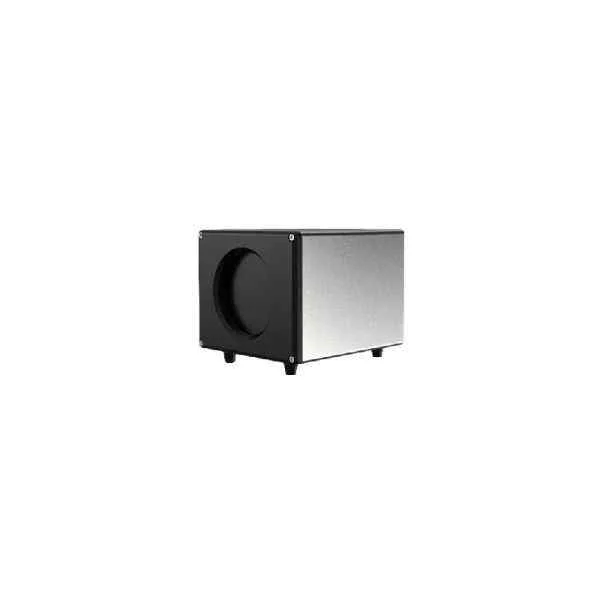
DS-2TE127-G4A (Black Body Calibrator)
4.6 (5)- Security Camera
- Hikvision
- Bullet
- IP Camera
- 4MP
- Fixed
Est Value In stockFirst-Time Buyer Discount – Get up to 2% additional off on your first order
ORM Rewards Earn $50 in Rewards + Free Expedited Delivery – Join Now!
Use eCoupon ORMSAVE10
eCoupon limited to 5 units
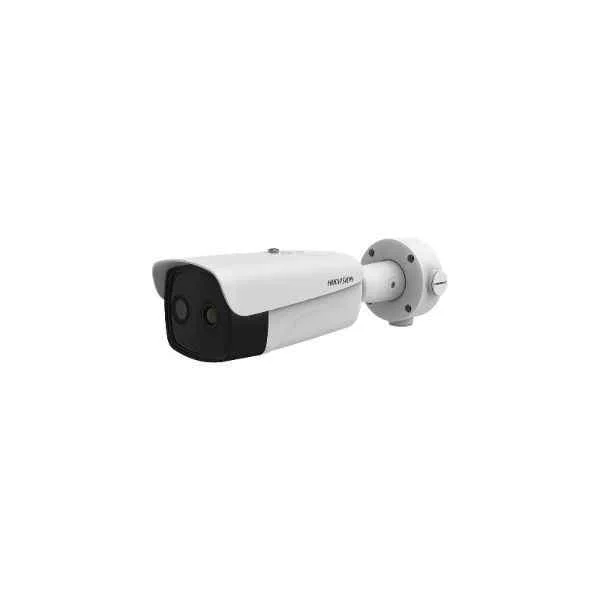
DS-2TD2636B-10/P (Temperature Screening Thermographic Thermal & Optical Bi-spectrum Network Bullet Camera)
4.4 (5)- Security Camera
- Hikvision
- Bullet
- IP Camera
- 2MP
- Varifocal
- Motion Detection
Est Value In stockFirst-Time Buyer Discount – Get up to 2% additional off on your first order
ORM Rewards Earn $50 in Rewards + Free Expedited Delivery – Join Now!
Use eCoupon ORMSAVE10
eCoupon limited to 5 units
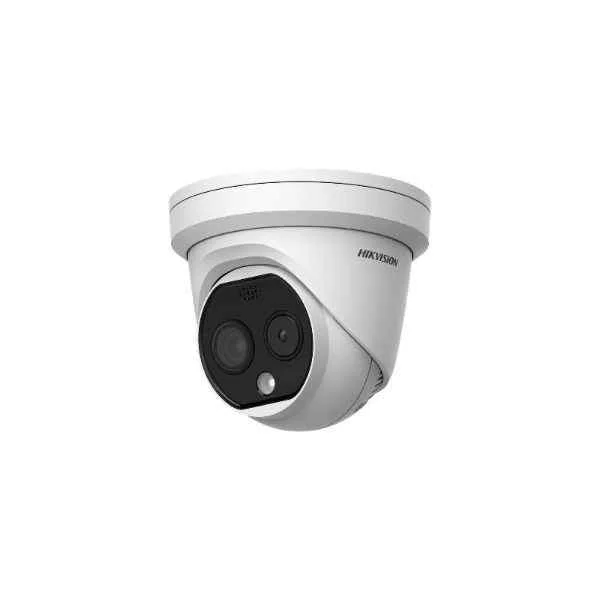
DS-2TD1217B-6/PA (Temperature Screening Thermographic Turret Camera)
4.2 (5)- Security Camera
- Hikvision
- Turret
- IP Camera
- 2MP
- Fixed
Est Value In stockFirst-Time Buyer Discount – Get up to 2% additional off on your first order
ORM Rewards Earn $50 in Rewards + Free Expedited Delivery – Join Now!
Use eCoupon ORMSAVE10
eCoupon limited to 5 units
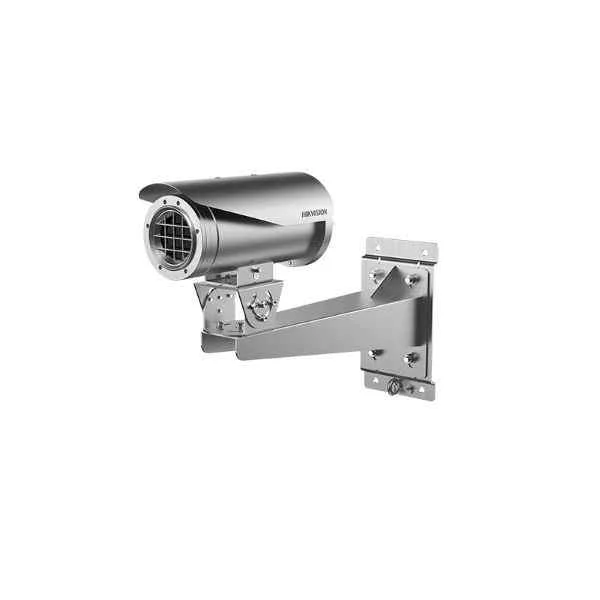
DS-2TD2466T-25X (Explosion-Proof Thermographic Network Bullet Camera)
5 (5)- Security Camera
- Hikvision
- Bullet
- IP Camera
- 4MP
- Fixed
- Motion Detection
Est Value In stockFirst-Time Buyer Discount – Get up to 2% additional off on your first order
ORM Rewards Earn $50 in Rewards + Free Expedited Delivery – Join Now!
Use eCoupon ORMSAVE10
eCoupon limited to 5 units
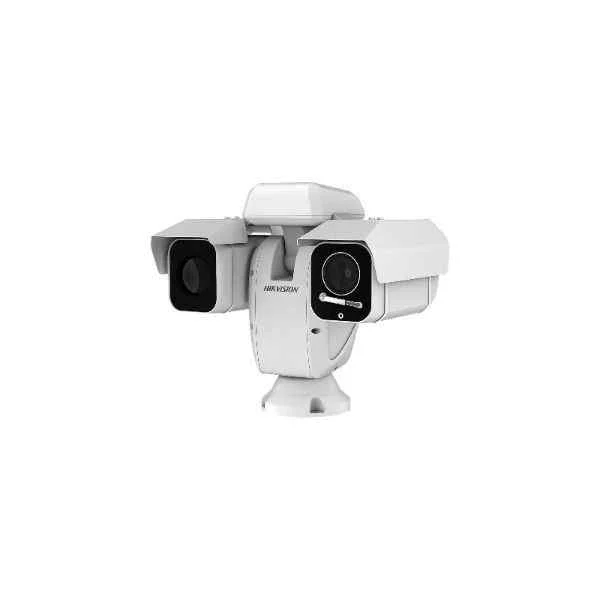
DS-2TD6236T-50H2L (Thermographic Thermal & Optical Bi-spectrum Network Positioning System)
4.8 (5)- Security Camera
- Hikvision
- Bullet
- IP Camera
- 2MP
- Fixed
- Motion Detection
Est Value In stockFirst-Time Buyer Discount – Get up to 2% additional off on your first order
ORM Rewards Earn $50 in Rewards + Free Expedited Delivery – Join Now!
Use eCoupon ORMSAVE10
eCoupon limited to 5 units
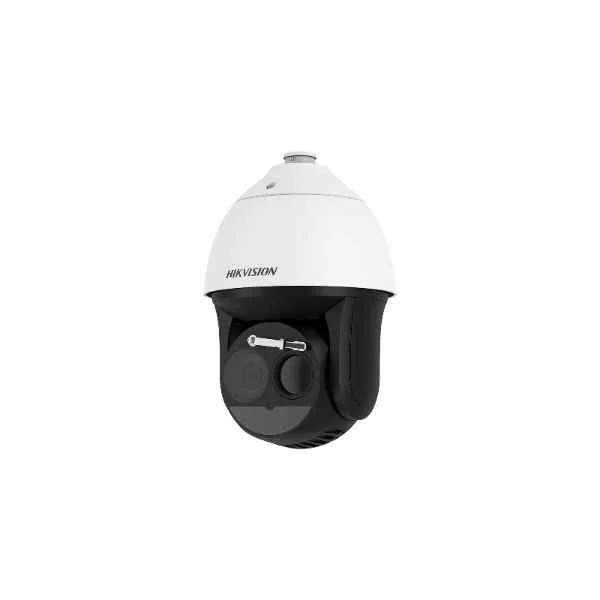
DS-2TD4166T-25 (Thermographic Thermal & Optical Bi-spectrum Network Speed Dome)
4.6 (5)- Security Camera
- Hikvision
- Bullet
- IP Camera
- 2MP
- Fixed
Est Value In stockFirst-Time Buyer Discount – Get up to 2% additional off on your first order
ORM Rewards Earn $50 in Rewards + Free Expedited Delivery – Join Now!
Use eCoupon ORMSAVE10
eCoupon limited to 5 units
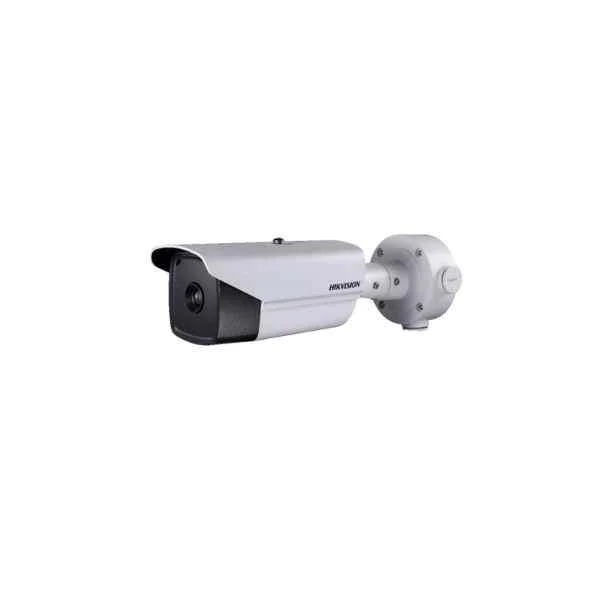
DS-2TD2166T-15 (Thermographic Network Bullet Camera)
4.6 (5)- Security Camera
- Hikvision
- Bullet
- IP Camera
- 2MP
- Fixed
- Motion Detection
Est Value In stockFirst-Time Buyer Discount – Get up to 2% additional off on your first order
ORM Rewards Earn $50 in Rewards + Free Expedited Delivery – Join Now!
Use eCoupon ORMSAVE10
eCoupon limited to 5 units
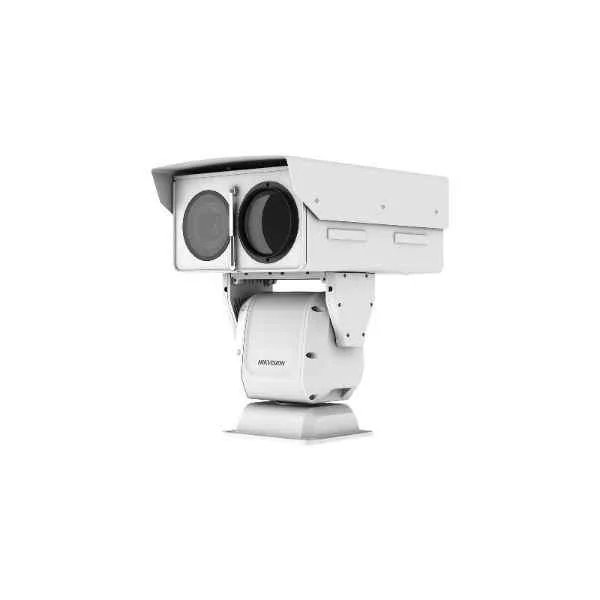
DS-2TD4136-25/V2 (Thermal & Optical Bi-spectrum Network Speed Dome)
4.8 (5)- Security Camera
- Hikvision
- Bullet
- IP Camera
- 4MP
- Fixed
- Motion Detection
Est Value In stockFirst-Time Buyer Discount – Get up to 2% additional off on your first order
ORM Rewards Earn $50 in Rewards + Free Expedited Delivery – Join Now!
Use eCoupon ORMSAVE10
eCoupon limited to 5 units
DS-2TD8166-180ZE2F/V2 (Thermal & Optical Bi-spectrum Network Stable PTZ Camera)
4.8 (5)- Security Camera
- Hikvision
- Bullet
- IP Camera
- 2MP
- Fixed
- Motion Detection
Est Value In stockFirst-Time Buyer Discount – Get up to 2% additional off on your first order
ORM Rewards Earn $50 in Rewards + Free Expedited Delivery – Join Now!
Use eCoupon ORMSAVE10
eCoupon limited to 5 units
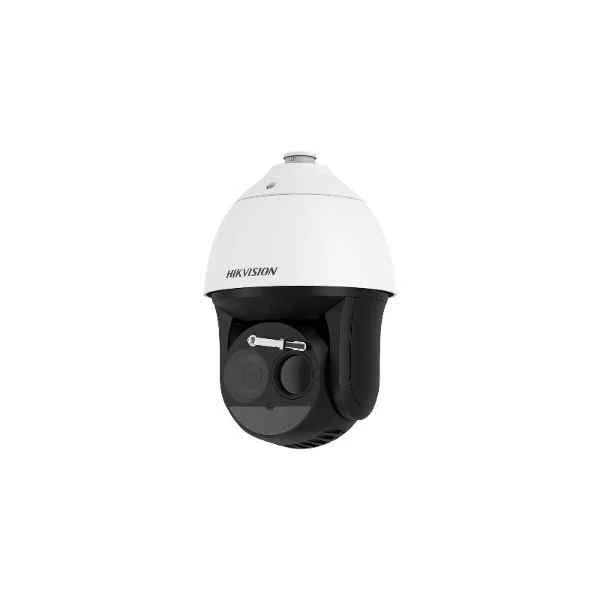
DS-2TD6236-75C2L/V2 (Thermal & Optical Bi-spectrum Network Positioning System)
4.8 (5)- Security Camera
- Hikvision
- Bullet
- IP Camera
- 2MP
- Fixed
Est Value In stockFirst-Time Buyer Discount – Get up to 2% additional off on your first order
ORM Rewards Earn $50 in Rewards + Free Expedited Delivery – Join Now!
Use eCoupon ORMSAVE10
eCoupon limited to 5 units
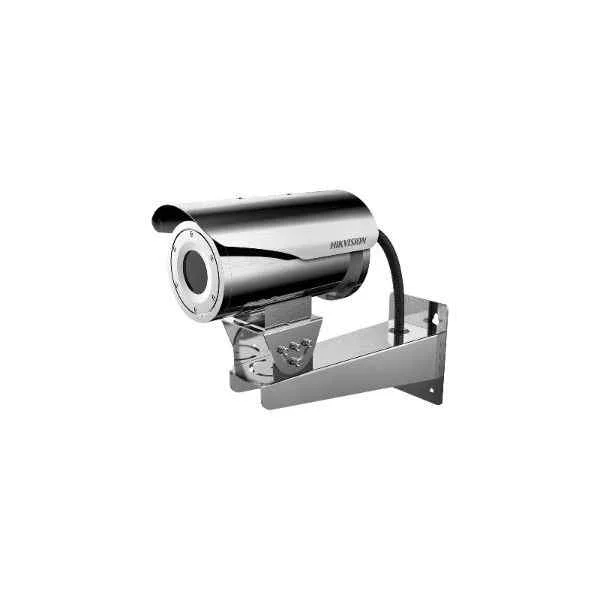
DS-2TD2466-50Y (Anti-corrosion Thermal Network Bullet Camera)
4.6 (5)- Security Camera
- Hikvision
- Turret
- IP Camera
- 1080p
- Fixed
- ANPR
Est Value In stockFirst-Time Buyer Discount – Get up to 2% additional off on your first order
ORM Rewards Earn $50 in Rewards + Free Expedited Delivery – Join Now!
Use eCoupon ORMSAVE10
eCoupon limited to 5 units
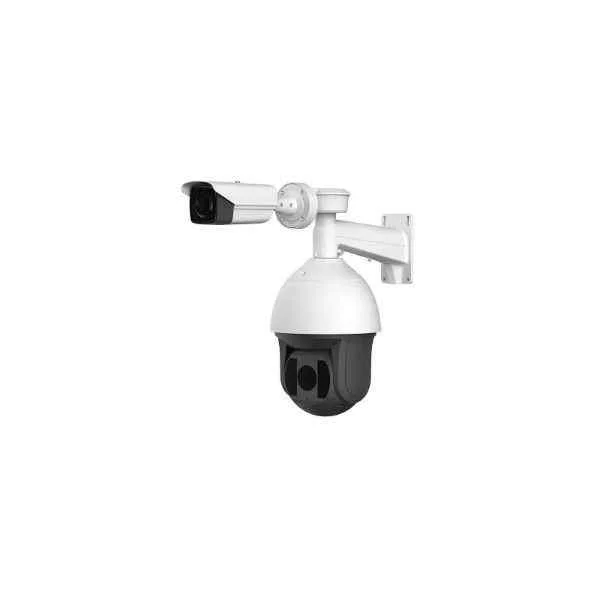
DS-2TX3636-35P (Thermal Smart Linkage Tracking System)
4.8 (5)- Security Camera
- Hikvision
- Bullet
- IP Camera
- 4MP
- Varifocal
- Motion Detection
Est Value In stockFirst-Time Buyer Discount – Get up to 2% additional off on your first order
ORM Rewards Earn $50 in Rewards + Free Expedited Delivery – Join Now!
Use eCoupon ORMSAVE10
eCoupon limited to 5 units
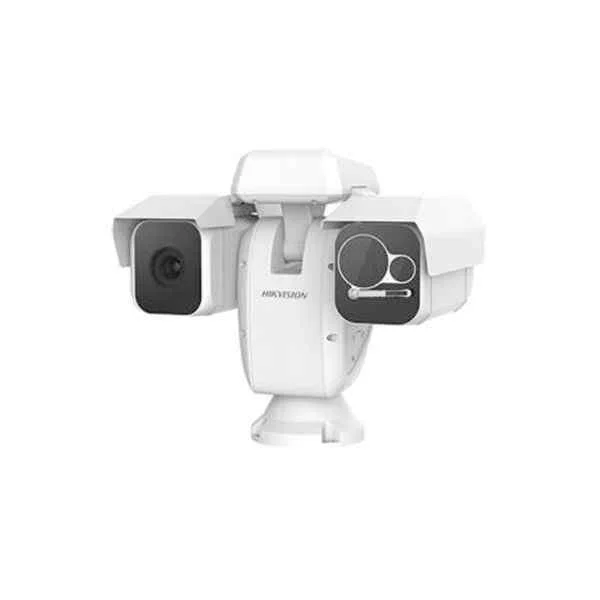
DS-2TD6236T-2550H2L (Thermometric Thermal & Optical Bi-spectrum Network)
4.8 (5)- Security Camera
- Hikvision
- Thermal
- IP Camera
- 2MP
- Fixed
- Motion Detection
Est Value In stockFirst-Time Buyer Discount – Get up to 2% additional off on your first order
ORM Rewards Earn $50 in Rewards + Free Expedited Delivery – Join Now!
Use eCoupon ORMSAVE10
eCoupon limited to 5 units
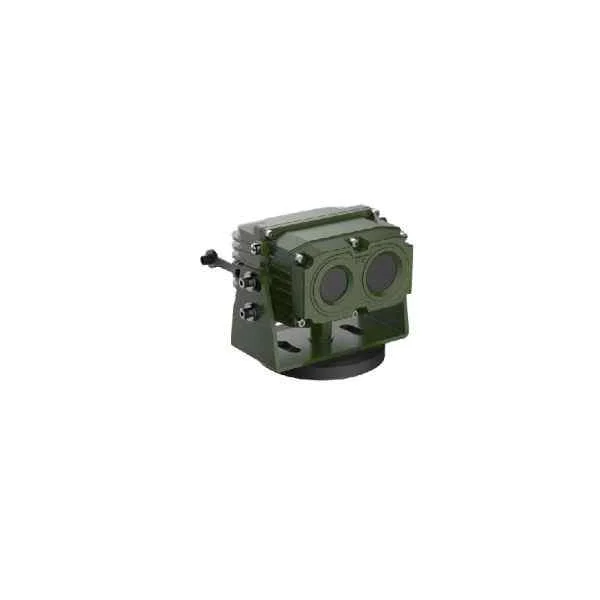
DS-2TV13-10I (Thermal & Optical Bi-spectrum Driving Assistance System)
4.6 (5)- Security Camera
- Hikvision
- Bullet
- IP Camera
- 1080p
- Fixed
- Motion Detection
Est Value In stockFirst-Time Buyer Discount – Get up to 2% additional off on your first order
ORM Rewards Earn $50 in Rewards + Free Expedited Delivery – Join Now!
Use eCoupon ORMSAVE10
eCoupon limited to 5 units
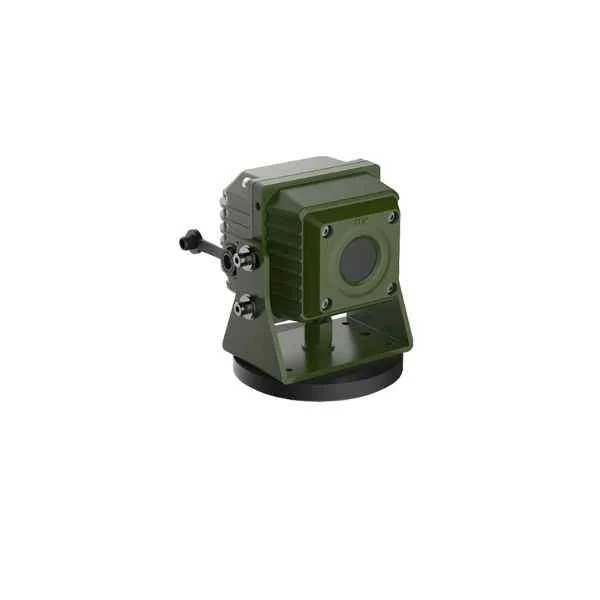
DS-2TV03-10ZI (Thermal Driving Assistance System)
4.2 (5)- Security Camera
- Hikvision
- Turret
- IP Camera
- 2MP
- Motorized
- Motion Detection
Est Value In stockFirst-Time Buyer Discount – Get up to 2% additional off on your first order
ORM Rewards Earn $50 in Rewards + Free Expedited Delivery – Join Now!
Use eCoupon ORMSAVE10
eCoupon limited to 5 units

ORM Sales Advisors
Buying for your business? Get a personalised quote in under 2 hours. Talk to an expert
LEARNFilters (22) 
Questions & Answers
What is a thermal camera and how does it work?
A thermal camera captures infrared radiation emitted by objects and converts it into a visible image called a thermogram. It uses a microbolometer or cooled detector to measure temperature differences and display them as color-coded heat patterns.
What are the main applications of thermal cameras?
Thermal cameras are used in building inspection, electrical and mechanical maintenance, security and surveillance, fire detection, medical diagnostics, and research. They help identify heat leaks, equipment faults, intruders, and safety hazards without physical contact.
What is the difference between thermal imaging and infrared photography?
Thermal imaging measures emitted infrared radiation to map temperature, while infrared photography captures reflected near-infrared light similar to conventional photography. Thermal imaging reveals heat signatures, whereas infrared photography emphasizes surface reflectance.
How do I choose the right thermal camera resolution?
Select a resolution based on target size and inspection distance: 160×120 pixels for basic use, 320×240 for detailed diagnostics, and 640×480 or higher for precision work. Higher resolution yields clearer images and more accurate temperature readings.
What temperature range can thermal cameras measure?
Most commercial thermal cameras measure from –20 °C to 550 °C, while specialized models extend below –40 °C or above 2,000 °C. Check the camera’s specified range to ensure it covers your application’s temperature extremes.
How accurate are thermal camera temperature readings?
Typical accuracy is ±2 °C or ±2 % of the reading, whichever is greater. Calibration, emissivity settings, and environmental factors can affect precision, so regular validation and proper configuration are essential.
What factors affect thermal camera image quality?
Image quality depends on detector resolution, lens quality, NETD (noise equivalent temperature difference), focus, and environmental conditions such as humidity and atmospheric absorption. Lower NETD values yield higher sensitivity to small temperature differences.
Do thermal cameras require calibration?
Yes. Annual factory calibration or on-site checks with a blackbody reference maintain measurement accuracy. Some advanced models offer user-adjustable calibration routines for critical applications.
Can thermal cameras be used in security and surveillance?
Absolutely. Thermal cameras detect intruders in total darkness, through smoke or foliage, and over long distances. They enhance perimeter security by providing real-time alerting based on heat signatures.
Are thermal cameras safe for industrial inspections?
Yes. Thermal cameras perform non-contact inspections, eliminating the need for scaffolding or shutdowns and reducing risk exposure. They safely detect hotspots in electrical, mechanical, and structural systems.
What is the typical battery life of a handheld thermal camera?
Handheld models usually run 4–8 hours on a single charge, depending on display brightness and wireless connectivity. Swappable batteries or external power options extend continuous operation for long inspections.
Can thermal cameras detect gas leaks?
Yes. Some thermal cameras with specialized infrared filters visualize gas plumes by the temperature contrast between the leak and background. They’re commonly used for methane, refrigerant, and volatile organic compound detection.
What color palettes do thermal cameras offer?
Thermal cameras provide palettes such as Ironbow, Rainbow, Grayscale, and Arctic for different contrast needs. Choosing the right palette enhances target visibility and improves interpretation in diverse environments.
How do I maintain and clean a thermal camera?
Keep the lens clean with a soft, lint-free cloth and approved cleaning solution. Store the camera in a protective case, avoid exposure to extreme humidity or dust, and follow manufacturer maintenance schedules.
What connectivity options do modern thermal cameras provide?
Contemporary models offer Wi-Fi, Bluetooth, USB-C, HDMI, and Ethernet for live streaming, file transfer, and remote control. Integration with mobile apps and PC software simplifies data analysis and reporting.
Is a thermal camera worth the investment?
For professionals in maintenance, construction, security, and research, a thermal camera delivers rapid diagnostics, preventive insights, and safety improvements. The ROI often outweighs the initial cost through reduced downtime and enhanced asset protection.