 United States
Wireless Lan Cables & Adapters Hub
Experience unparalleled connectivity and reliable performance with our certified wireless LAN cables and adapters, designed to optimize network stability and deliver superior speed for demanding environments.
Talk to an expert
19 Matching results
- BEST SELLING
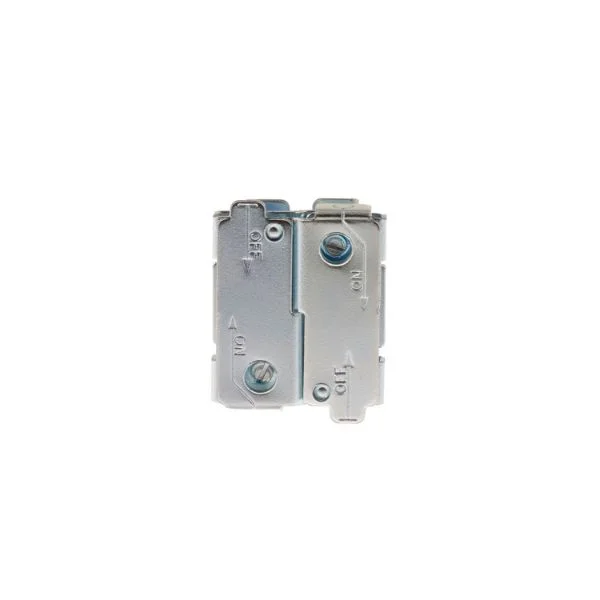
AIR-CHNL-ADAPTER (T-Rail Channel Adapter for Cisco Aironet Access Points)
4.6 (5)Est Value $243.74
$121.87
50% offIn stockNewRefurbishedFirst-Time Buyer Discount – Get up to 2% additional off on your first order
ORM Rewards Earn $50 in Rewards + Free Expedited Delivery – Join Now!
Use eCoupon ORMSAVE10
eCoupon limited to 5 units
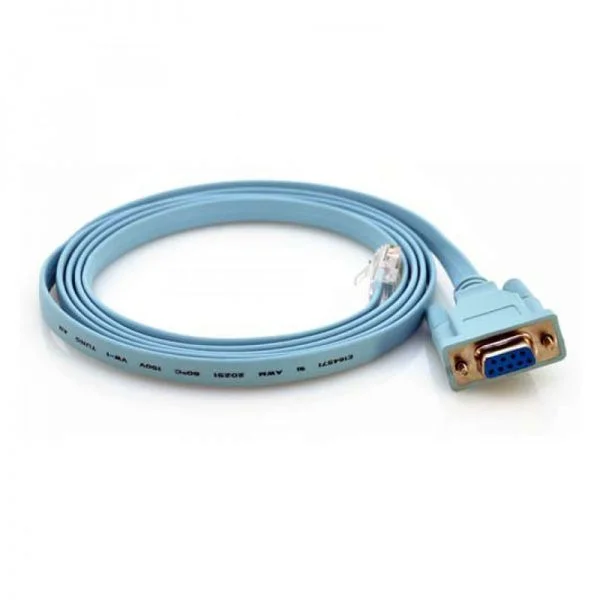
AIR-CONCAB1200 (Console Cable for 1130AG, 1200, 1230AG, 1240 Platform)
4.8 (5)Est Value $82.41$70.35
14.6% offIn stockNewRefurbishedFirst-Time Buyer Discount – Get up to 2% additional off on your first order
ORM Rewards Earn $50 in Rewards + Free Expedited Delivery – Join Now!
Use eCoupon ORMSAVE10
eCoupon limited to 5 units
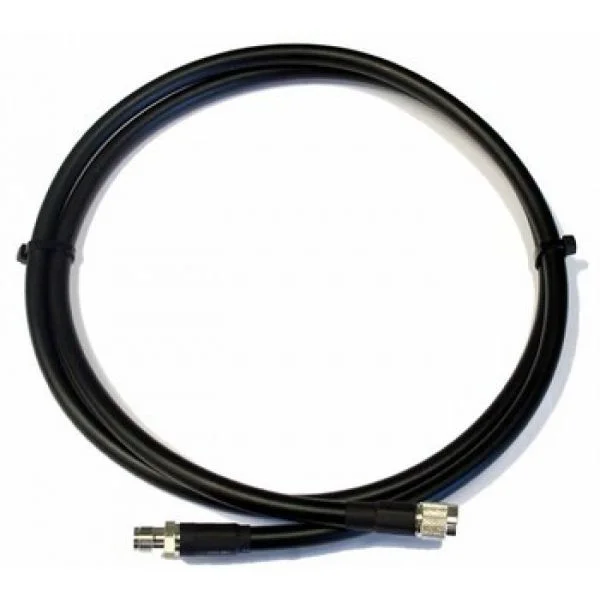
AIR-ACC2537-060 (60IN (1.5M) BULKHEAD EXTENDER (+FOC SING))
4.6 (5)Est Value $68.14$58.17
14.6% offIn stockRefurbishedFirst-Time Buyer Discount – Get up to 2% additional off on your first order
ORM Rewards Earn $50 in Rewards + Free Expedited Delivery – Join Now!
Use eCoupon ORMSAVE10
eCoupon limited to 5 units
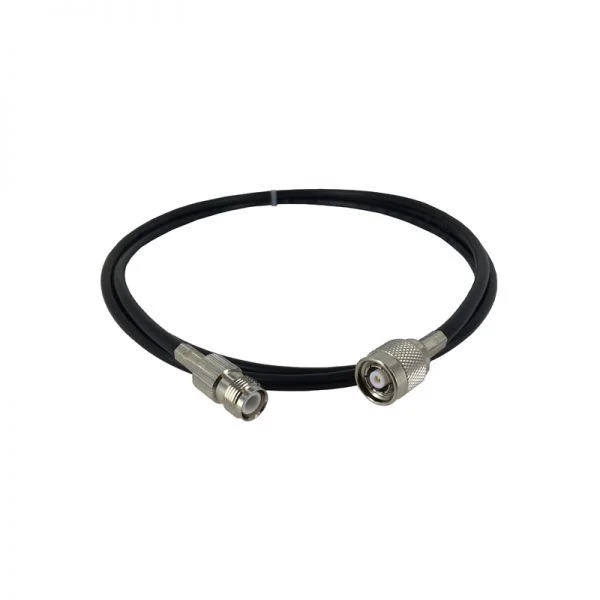
AIR-CAB005LL-R-N (5 ft Low Loss RF cable w/RP-TNC and N-type connectors )
4.6 (5)Est Value $139.80$119.34
14.6% offIn stockNewRefurbishedFirst-Time Buyer Discount – Get up to 2% additional off on your first order
ORM Rewards Earn $50 in Rewards + Free Expedited Delivery – Join Now!
Use eCoupon ORMSAVE10
eCoupon limited to 5 units
AIR-CAB005PL-R (5FT LOW LOSS PLENUM CABLE RP-TNC CONNECTORS)
4.6 (5)Est Value $136.33$74.45
45.4% offIn stockNewFirst-Time Buyer Discount – Get up to 2% additional off on your first order
ORM Rewards Earn $50 in Rewards + Free Expedited Delivery – Join Now!
Use eCoupon ORMSAVE10
eCoupon limited to 5 units
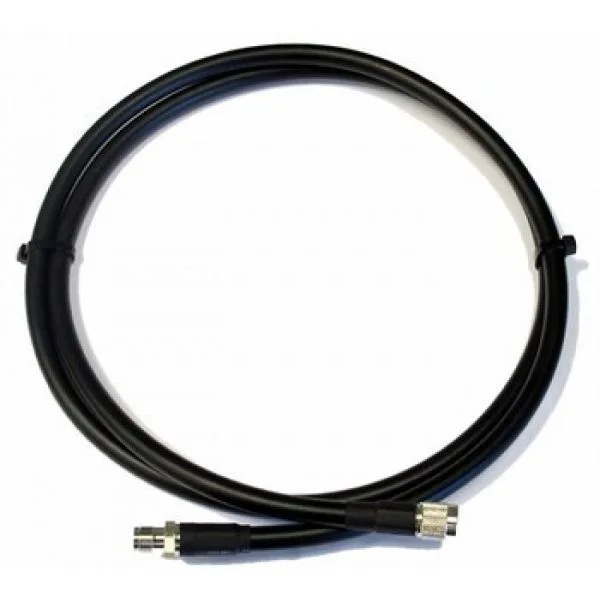
AIR-CAB020LL-R (20 ft LOW LOSS CABLE ASSEMBLY W/RP-TNC CONNECTORS)
4.4 (5)Est Value $164.00$63.00
61.6% offIn stockNewRefurbishedFirst-Time Buyer Discount – Get up to 2% additional off on your first order
ORM Rewards Earn $50 in Rewards + Free Expedited Delivery – Join Now!
Use eCoupon ORMSAVE10
eCoupon limited to 5 units
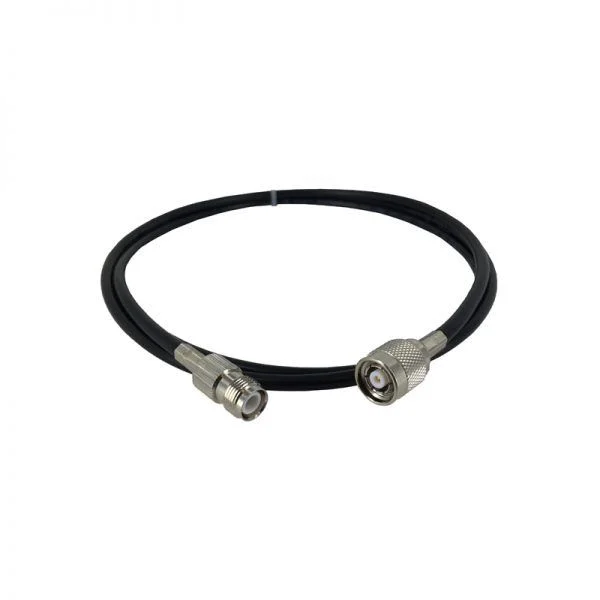
AIR-CAB010LL-N (10FT LOW LOSS CABLE ASSEMBLY W/N CONNECTORS)
4.8 (5)Est Value $276.50$236.04
14.6% offIn stockNewRefurbishedFirst-Time Buyer Discount – Get up to 2% additional off on your first order
ORM Rewards Earn $50 in Rewards + Free Expedited Delivery – Join Now!
Use eCoupon ORMSAVE10
eCoupon limited to 5 units
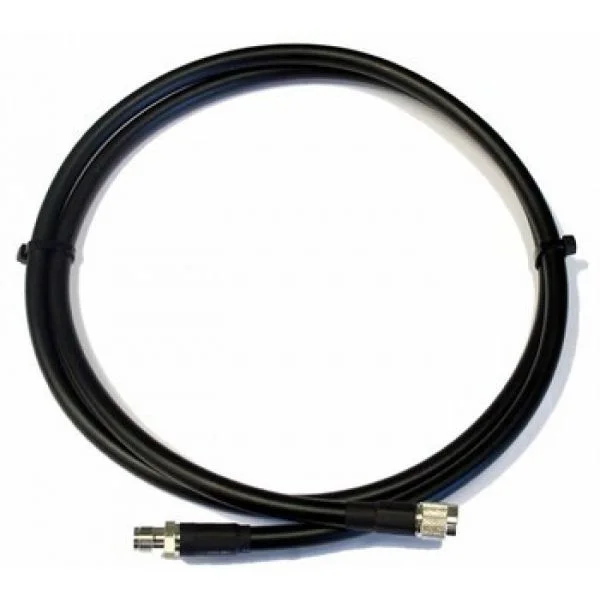
AIR-CAB005LL-R (5 ft Low Loss RF cable w/RP-TNC connectors)
4.2 (5)Est Value $194.87$166.35
14.6% offIn stockNewRefurbishedFirst-Time Buyer Discount – Get up to 2% additional off on your first order
ORM Rewards Earn $50 in Rewards + Free Expedited Delivery – Join Now!
Use eCoupon ORMSAVE10
eCoupon limited to 5 units
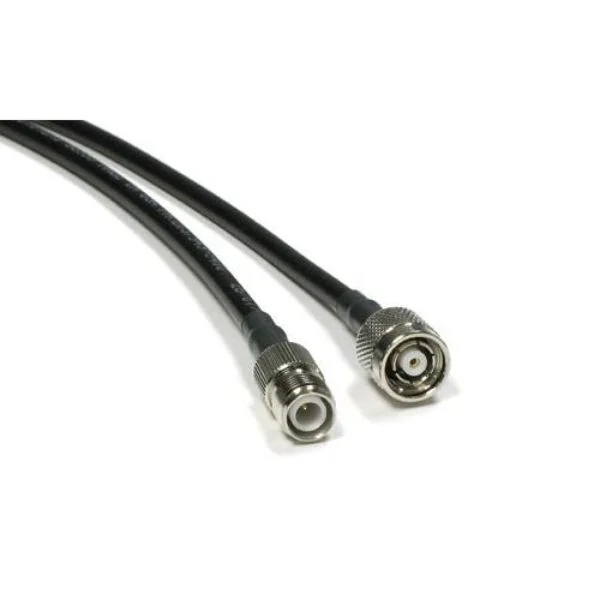
AIR-CAB050LL-R (50 ft. LOW LOSS CABLE ASSEMBLY W/RP-TNC CONNECTORS)
4.4 (5)Est Value $258.00$157.50
39% offIn stockNewRefurbishedFirst-Time Buyer Discount – Get up to 2% additional off on your first order
ORM Rewards Earn $50 in Rewards + Free Expedited Delivery – Join Now!
Use eCoupon ORMSAVE10
eCoupon limited to 5 units
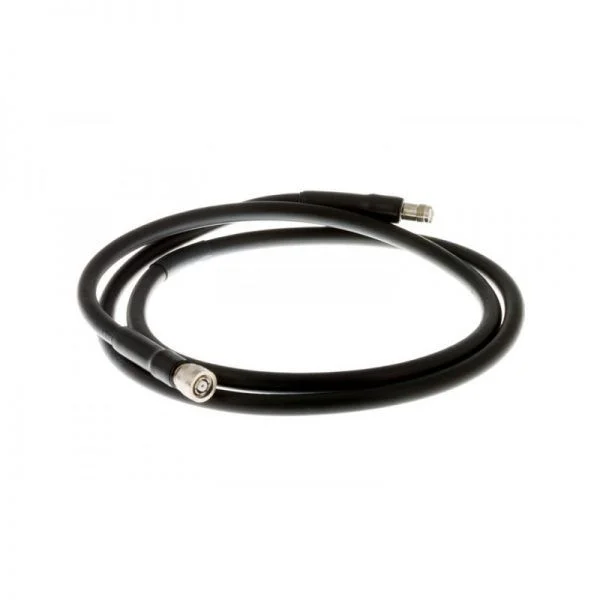
AIR-CAB005LL-N (5FT LOW LOSS CABLE ASSEMBLY W/N CONNECTORS)
4.4 (5)Est Value $397.08$198.54
50% offIn stockRefurbishedFirst-Time Buyer Discount – Get up to 2% additional off on your first order
ORM Rewards Earn $50 in Rewards + Free Expedited Delivery – Join Now!
Use eCoupon ORMSAVE10
eCoupon limited to 5 units
AIR-CAB002-DART-R (2FT SMART ANTENNA CONNECTOR TO RP-TNC CONNECTORS)
4.6 (5)Est Value $452.86$226.43
50% offIn stockRefurbishedFirst-Time Buyer Discount – Get up to 2% additional off on your first order
ORM Rewards Earn $50 in Rewards + Free Expedited Delivery – Join Now!
Use eCoupon ORMSAVE10
eCoupon limited to 5 units
AIR-CAB100ULL-R (100 ft. ULTRA LOW LOSS CABLE ASSEMBLY W/RP-TNC CONNECTORS )
4.4 (5)Est Value $518.00$209.79
59.5% offIn stockNewRefurbishedFirst-Time Buyer Discount – Get up to 2% additional off on your first order
ORM Rewards Earn $50 in Rewards + Free Expedited Delivery – Join Now!
Use eCoupon ORMSAVE10
eCoupon limited to 5 units
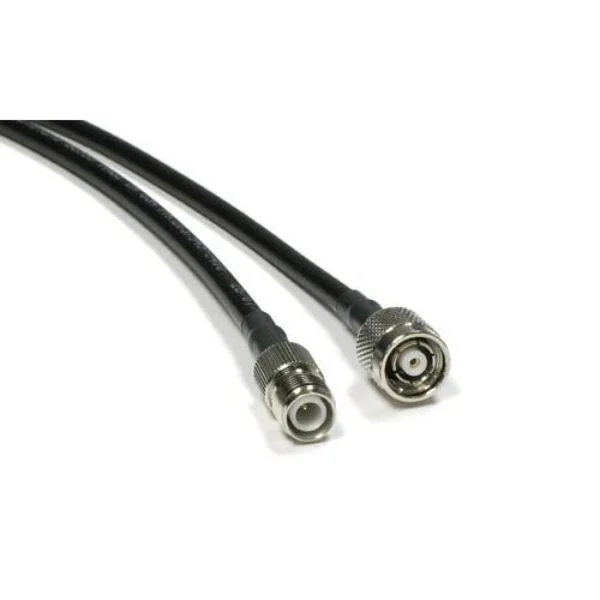
AIR-CAB150ULL-R (150 ft. ULTRA LOW LOSS CABLE ASSEMBLY W/RP-TNC CONNECTORS)
4.2 (5)Est Value $648.00$334.95
48.3% offIn stockNewRefurbishedFirst-Time Buyer Discount – Get up to 2% additional off on your first order
ORM Rewards Earn $50 in Rewards + Free Expedited Delivery – Join Now!
Use eCoupon ORMSAVE10
eCoupon limited to 5 units
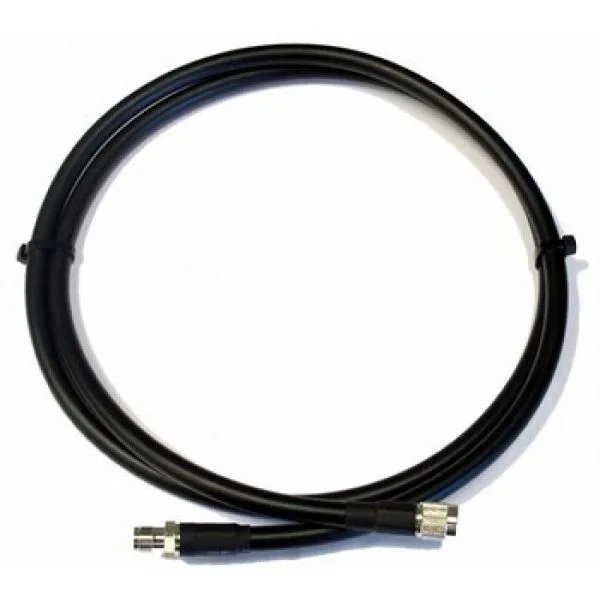
AIR-CAB025HZ-N (25FT LOW LOSS CABLE ASSEMBLY W/ N CONNECTORS HAZ LOC)
4.4 (5)Est Value $614.26$307.13
50% offIn stockRefurbishedFirst-Time Buyer Discount – Get up to 2% additional off on your first order
ORM Rewards Earn $50 in Rewards + Free Expedited Delivery – Join Now!
Use eCoupon ORMSAVE10
eCoupon limited to 5 units
CAB-MPO24-2XMPO12 (2X40GE BREAKOUT CABLE FOR EPA-CPAK-2X40GE)
4.7 (7)Est Value $4,070.00$2,253.30
44.6% offIn stockNewFirst-Time Buyer Discount – Get up to 2% additional off on your first order
ORM Rewards Earn $50 in Rewards + Free Expedited Delivery – Join Now!
Use eCoupon ORMSAVE10
eCoupon limited to 5 units
AIR-CORD-R3P-40UE (40FT AC PWR CORD EU UNTERMINATED END 1520/1550/1570)
4.6 (5)Est Value In stockFirst-Time Buyer Discount – Get up to 2% additional off on your first order
ORM Rewards Earn $50 in Rewards + Free Expedited Delivery – Join Now!
Use eCoupon ORMSAVE10
eCoupon limited to 5 units
AIR-CONSADPT (SERIAL RJ45 TO 4PIN TTL CONSOLE ADAPTER)
4.6 (5)Est Value In stockFirst-Time Buyer Discount – Get up to 2% additional off on your first order
ORM Rewards Earn $50 in Rewards + Free Expedited Delivery – Join Now!
Use eCoupon ORMSAVE10
eCoupon limited to 5 units
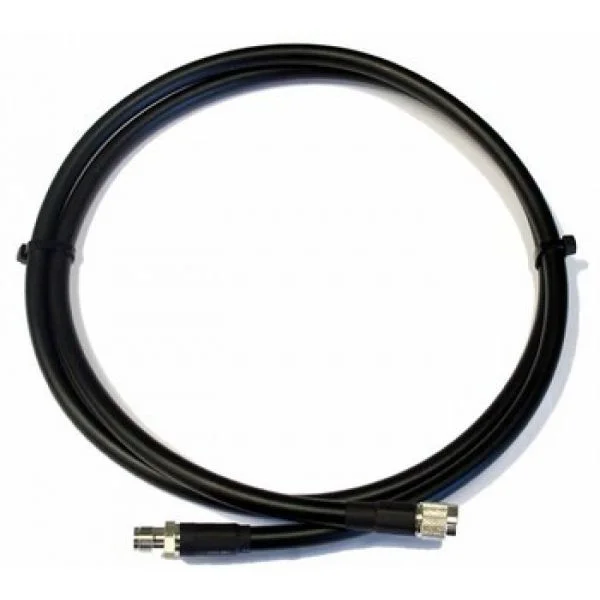
AIR-CAB002L240-N (2FT LMR 240 CABL ASSEMBLY W/ N CONN)
5 (5)Est Value In stockFirst-Time Buyer Discount – Get up to 2% additional off on your first order
ORM Rewards Earn $50 in Rewards + Free Expedited Delivery – Join Now!
Use eCoupon ORMSAVE10
eCoupon limited to 5 units
AIR-ACC15-GLANDS (OUTDOOR-AP METAL CABLE GLANDS BAG OF 10 UNITS)
4.2 (5)Est Value In stockFirst-Time Buyer Discount – Get up to 2% additional off on your first order
ORM Rewards Earn $50 in Rewards + Free Expedited Delivery – Join Now!
Use eCoupon ORMSAVE10
eCoupon limited to 5 units

ORM Sales Advisors
Buying for your business? Get a personalised quote in under 2 hours. Talk to an expert
LEARNFilters (19) 
Questions & Answers
What is the difference between Ethernet LAN cables and wireless LAN adapters?
An Ethernet LAN cable delivers a wired network connection via copper or fiber for stable, high-speed data transfer. A wireless LAN adapter connects your device to Wi-Fi by converting radio signals to digital data. Cables offer consistent throughput and low latency; adapters provide flexibility and mobility.
When should I use a wired LAN cable instead of a wireless adapter?
Use a wired LAN cable when you need maximum network stability, minimal latency for gaming or streaming, and guaranteed bandwidth. Wired connections are ideal for fixed setups—desktop PCs, servers and smart TVs—where mobility is not required.
What are the common categories of Ethernet LAN cables and their speeds?
Cat5e supports up to 1 Gbps, Cat6 up to 10 Gbps at short distances, Cat6a up to 10 Gbps at 100 m, and Cat7 up to 10 Gbps with improved shielding. Choose based on your network switch/router capability and distance requirements.
How do I choose the right category of LAN cable (Cat5e vs Cat6 vs Cat7)?
Select Cat5e for basic Gigabit Ethernet needs, Cat6 for higher noise immunity and up to 10 Gbps at short runs, and Cat7 for shielded performance in high-interference environments. Match the cable category to your network hardware and future bandwidth plans.
What is a wireless LAN adapter and when do I need one?
A wireless LAN adapter is a USB, PCIe or M.2 device that adds Wi-Fi connectivity to desktops, laptops or IoT devices lacking built-in wireless. You need one when your device cannot access a wireless network natively or you want to upgrade to a faster Wi-Fi standard.
How do I install a USB wireless LAN adapter on Windows?
Plug the adapter into a USB port. Windows will attempt to install drivers automatically; if that fails, insert the manufacturer’s driver CD or download the latest drivers from the vendor’s website. Restart the PC, then connect to your SSID via the network icon.
Can I use a wireless LAN adapter on a laptop without built-in Wi-Fi?
Yes. Connect a USB or M.2 wireless LAN adapter to a compatible port or slot. Install the required drivers and configure your SSID and password. The adapter will provide full Wi-Fi functionality as if it were integrated.
What speeds can I expect from Cat6 Ethernet cable versus a Wi-Fi adapter?
A Cat6 cable can deliver up to 10 Gbps at distances under 55 m. A modern Wi-Fi 6 (802.11ax) adapter typically achieves 1–3 Gbps under ideal conditions. Wired Cat6 generally offers lower latency and more consistent throughput than wireless.
How do I ensure optimal signal quality for LAN cables?
Use the correct cable category, avoid sharp bends or kinks, maintain separation from power lines, and employ shielded cables in high-interference areas. Terminate connectors properly and test continuity with a network cable tester.
How do I update drivers for my wireless LAN adapter?
Visit the adapter manufacturer’s support page, download the latest driver package for your operating system, then run the installer. Alternatively, use Windows Update or macOS Software Update to fetch certified drivers automatically.
How can I extend my wireless network range with adapters and extenders?
Use a USB or wall-plug Wi-Fi repeater/extender that rebroadcasts your router’s signal. For greater distances, deploy powerline adapters or mesh Wi-Fi nodes. Position devices midway between your router and coverage gaps for best performance.
Are there outdoor-rated Ethernet LAN cables available?
Yes. Outdoor-rated cables feature UV-resistant jackets, gel-filled cores for moisture protection, and direct burial variants. Choose shielded Cat6a or Cat7 with proper weatherproofing for long-term outdoor installations.
What security protocols do wireless LAN adapters support?
Most adapters support WPA2-PSK and WPA3-PSK encryption for secure authentication. Higher-end models may also support 802.1X/EAP for enterprise networks and WEP for legacy compatibility, though WEP is not recommended.
Can Power over Ethernet (PoE) be used with LAN adapters?
Yes, if the adapter or device supports PoE. A PoE switch or injector supplies power and data over a single cable, eliminating the need for separate power supplies. Verify PoE class requirements before deployment.
How do I troubleshoot ‘No Internet’ issues with LAN cables or wireless adapters?
Check physical connections and port LEDs, replace the cable or adapter, ensure the correct network drivers are installed, run the OS network troubleshooter, and verify IP settings (DHCP/static). Test with another device to isolate the fault.
Are USB-C to Ethernet adapters available for laptops without LAN ports?
Yes. USB-C to RJ45 adapters provide Gigabit Ethernet connectivity via a single USB-C port. They require no external power and work on Windows, macOS and Linux once the appropriate drivers are installed or natively supported.