 United States
Processor 16 Core Powerhouse
Experience cutting-edge performance and ultra-efficiency with our 16 Core solution, engineered for advanced processing tasks, seamless multitasking, and robust reliability to accelerate your operations.
Talk to an expert
13 Matching results
- BEST SELLING
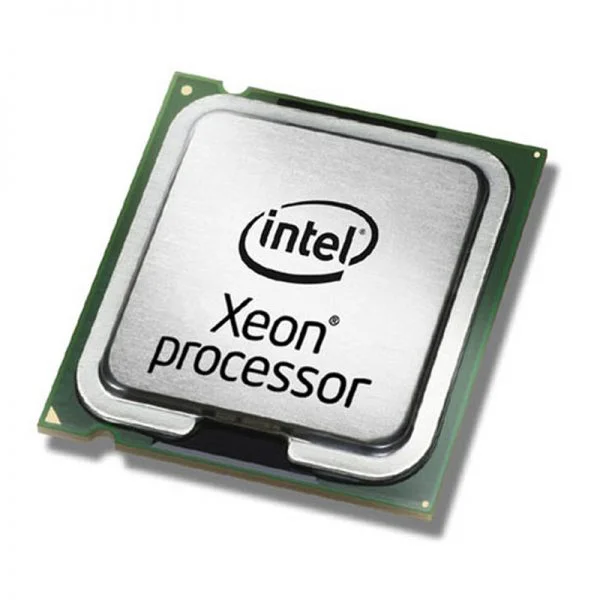
00MW024 (XEON E5-2698 V3 16C 2.3G 40MB CACHE 2133MHZ 135W)
4.8 (5)- No
- Gaming
- LGA 1700
Est Value $2,322.18
$1,161.09
50% offIn stockRefurbishedFirst-Time Buyer Discount – Get up to 2% additional off on your first order
ORM Rewards Earn $50 in Rewards + Free Expedited Delivery – Join Now!
Use eCoupon ORMSAVE10
eCoupon limited to 5 units
- FEARURED
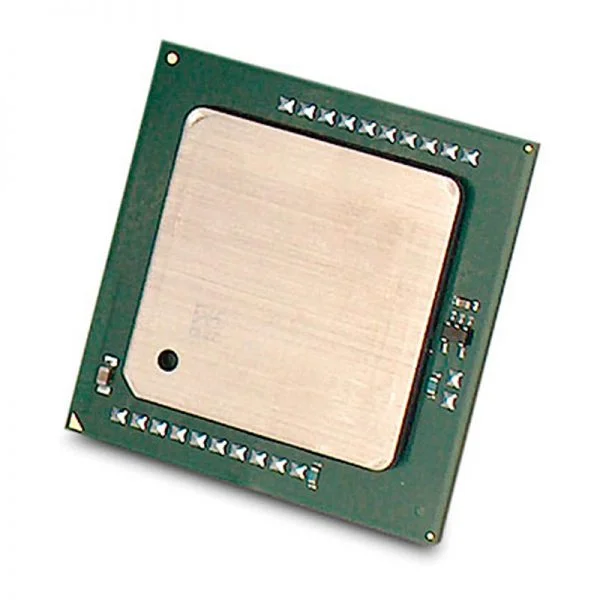
01GT188 (Intel Xeon Processor E5-2697A v4 16C 2.6GHz 40MB Cache 2400MHz 145W)
4.2 (5)- 0.5 lbs
- 1.5 inches
- 1.0 inches
- 1.5 inches
- No
- Gaming
- LGA 1700
Est Value $261.04$222.84
14.6% offIn stockRefurbishedFirst-Time Buyer Discount – Get up to 2% additional off on your first order
ORM Rewards Earn $50 in Rewards + Free Expedited Delivery – Join Now!
Use eCoupon ORMSAVE10
eCoupon limited to 5 units
- FEARURED
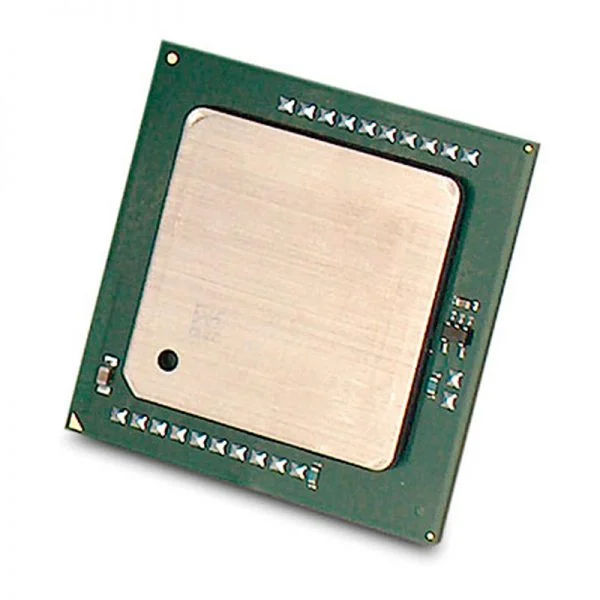
00KJ045 (Intel Xeon Proc E5-2698 v3 16C 2.3GHz 40MB Cache 2133MHz 135W)
4.2 (5)- No
- Gaming / Workstation
- LGA 1700
Est Value $1,226.40$613.20
50% offIn stockRefurbishedFirst-Time Buyer Discount – Get up to 2% additional off on your first order
ORM Rewards Earn $50 in Rewards + Free Expedited Delivery – Join Now!
Use eCoupon ORMSAVE10
eCoupon limited to 5 units
- FEARURED
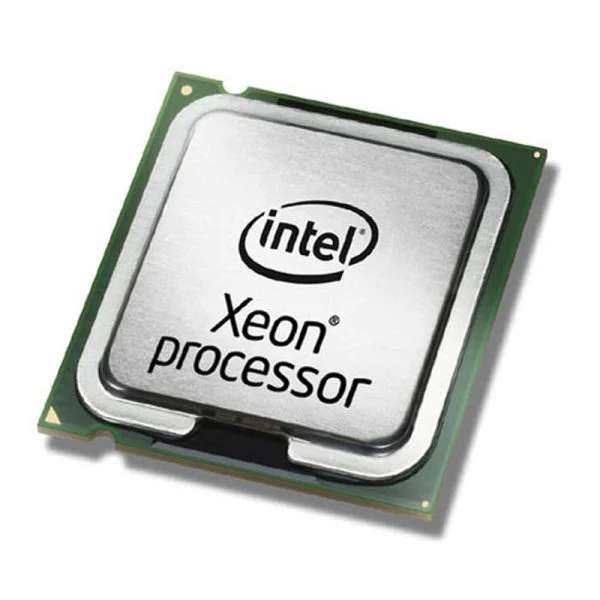
4XG0F28775 (Intel Xeon Processor E5-2698 v3 16C 2.30GHz 40MB Cache 2133MHz 135W)
4.2 (5)- No
- Gaming
- LGA 1700
Est Value $1,775.23$1,515.44
14.6% offIn stockRefurbishedFirst-Time Buyer Discount – Get up to 2% additional off on your first order
ORM Rewards Earn $50 in Rewards + Free Expedited Delivery – Join Now!
Use eCoupon ORMSAVE10
eCoupon limited to 5 units
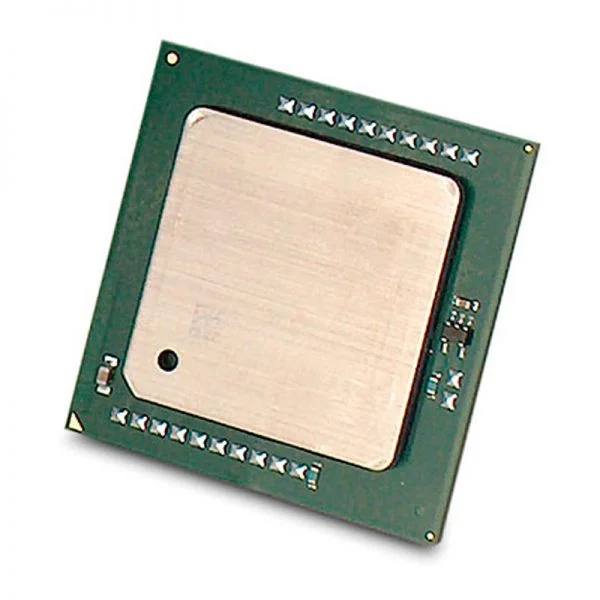
4XG0G89052 (Intel Xeon Processor E5-2683 v4 16C 2.1GHz 40MB Cache 2400MHz 120W)
4.6 (5)- 1.5 inches
- 0.08 lbs
- 0.2 inches
- 1.5 inches
- No
- Gaming
- LGA 1700
Est Value $5,986.78$2,993.39
50% offIn stockNewFirst-Time Buyer Discount – Get up to 2% additional off on your first order
ORM Rewards Earn $50 in Rewards + Free Expedited Delivery – Join Now!
Use eCoupon ORMSAVE10
eCoupon limited to 5 units
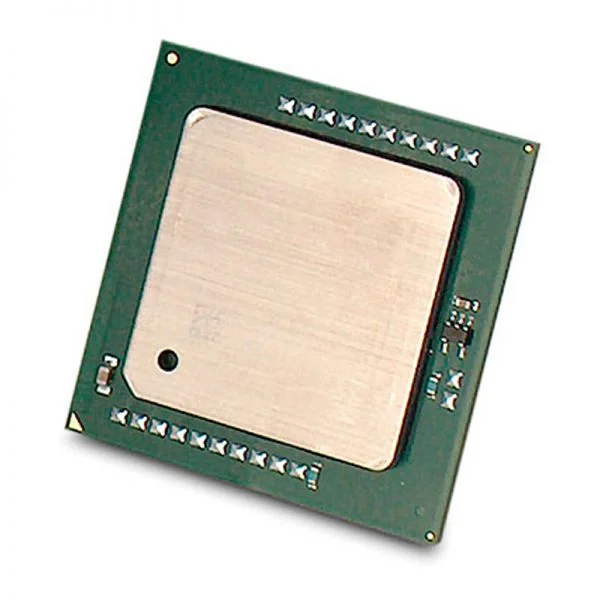
00YJ216 (XEON E5-2683 V4 16C 2.1G 40MB CACHE 2400MHZ 120W)
4.2 (5)- 1.2 inches
- 0.75 lbs
- 1.2 inches
- 1.2 inches
- No
- Gaming / Workstation / Server
- LGA 1700
Est Value $6,258.00$3,129.00
50% offIn stockRefurbishedFirst-Time Buyer Discount – Get up to 2% additional off on your first order
ORM Rewards Earn $50 in Rewards + Free Expedited Delivery – Join Now!
Use eCoupon ORMSAVE10
eCoupon limited to 5 units
- BEST SELLING
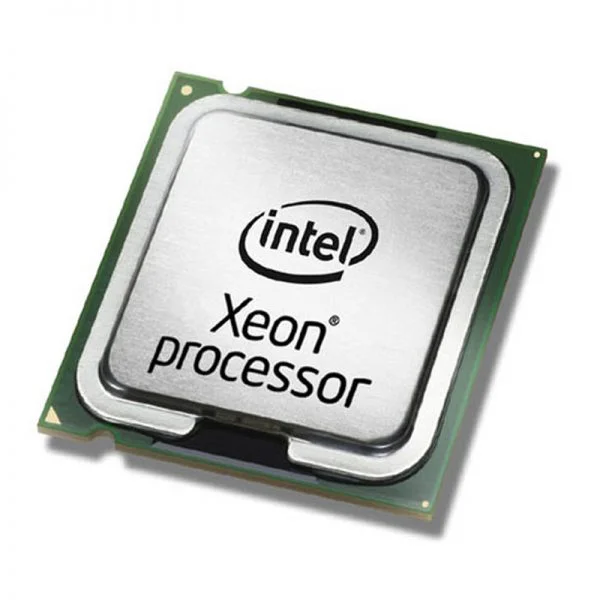
00ML970 (X6 DDR4 Compute Book Intel Xeon Processor E7-8860 v3 16C 2.2GHz 140W)
4.4 (5)- 0.5 inches
- 1.4 inches
- 0.25 lbs
- 1.4 inches
- No
- Gaming
- Dual
Est Value $49.32$24.66
50% offIn stockRefurbishedFirst-Time Buyer Discount – Get up to 2% additional off on your first order
ORM Rewards Earn $50 in Rewards + Free Expedited Delivery – Join Now!
Use eCoupon ORMSAVE10
eCoupon limited to 5 units
- BEST SELLING
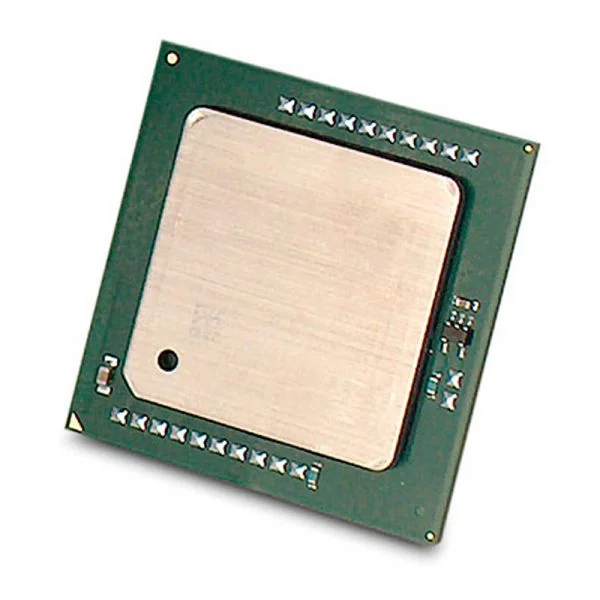
00WH314 (X6 Compute Book Intel Xeon Processor E7-4850 v4 16C 2.1GHz 40M 115W)
4.6 (5)- 0.5 lbs
- 1.5 inches
- 1.5 inches
- No
- Gaming / Workstation
- 0.125 inches
- LGA 1700
Est Value $82.22$41.11
50% offIn stockRefurbishedFirst-Time Buyer Discount – Get up to 2% additional off on your first order
ORM Rewards Earn $50 in Rewards + Free Expedited Delivery – Join Now!
Use eCoupon ORMSAVE10
eCoupon limited to 5 units
- BEST SELLING
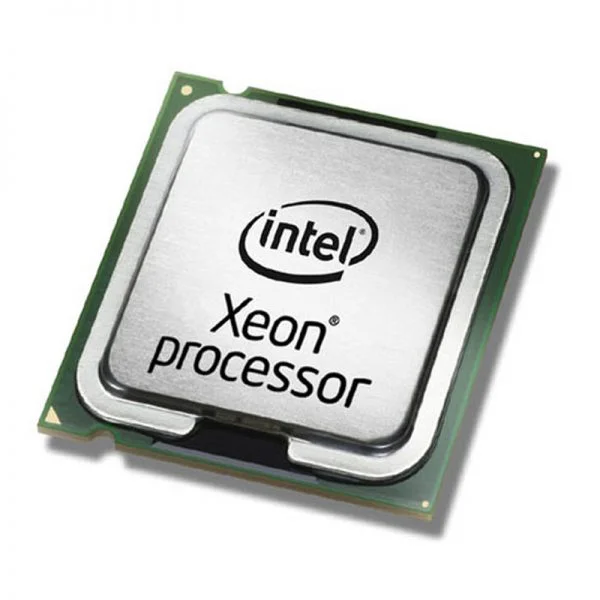
00FP692 (X6 DDR3 Compute Book Intel Xeon Processor E7-8867 v3 16C 2.5GHz 165W)
4.6 (5)- No
- Gaming
- LGA 1700
Est Value In stockFirst-Time Buyer Discount – Get up to 2% additional off on your first order
ORM Rewards Earn $50 in Rewards + Free Expedited Delivery – Join Now!
Use eCoupon ORMSAVE10
eCoupon limited to 5 units
- BEST SELLING
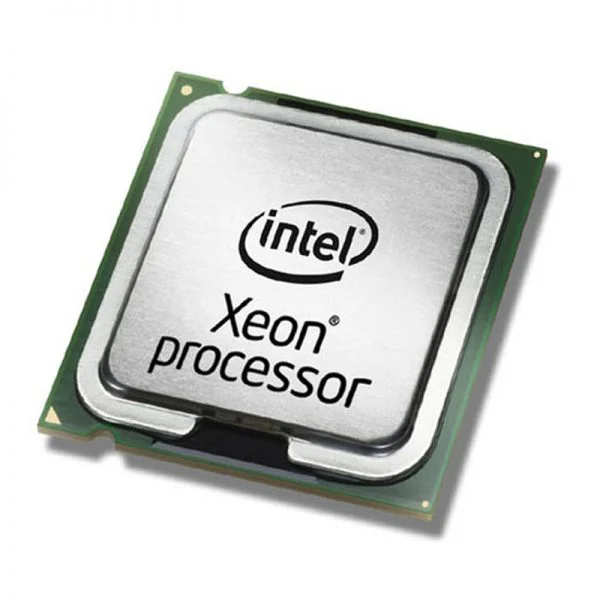
00MU405 (Intel Xeon Processor E5-2698 v3 16C 2.3GHz 40MB 2133MHz 135W)
4.2 (5)- 1.5 inches
- 0.3 lbs
- 0.5 inches
- 1.5 inches
- No
- Gaming
- LGA 1700
Est Value In stockFirst-Time Buyer Discount – Get up to 2% additional off on your first order
ORM Rewards Earn $50 in Rewards + Free Expedited Delivery – Join Now!
Use eCoupon ORMSAVE10
eCoupon limited to 5 units
- FEARURED
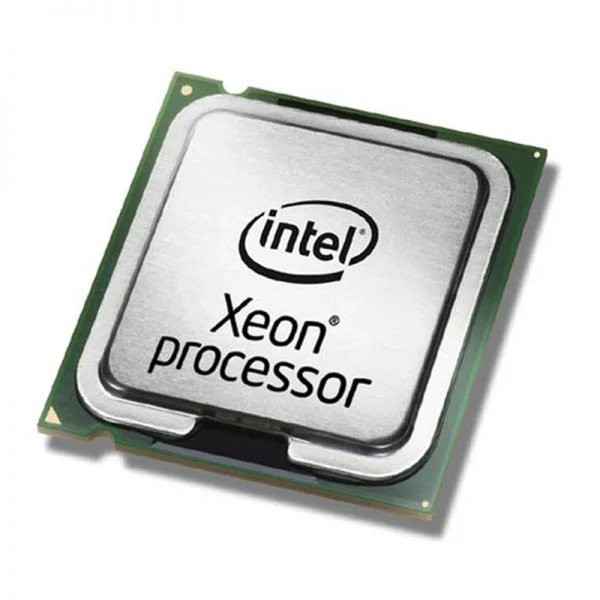
00ML922 (X6 DDR3 Compute Book Intel Xeon Processor E7-8860 v3 16C 2.2GHz 140W)
4.6 (5)- 0.5 inches
- 0.25 lbs
- No
- Gaming / Workstation
- LGA 1700
- Dual
- PCIe 5.0
Est Value $49.32$24.66
50% offIn stockRefurbishedFirst-Time Buyer Discount – Get up to 2% additional off on your first order
ORM Rewards Earn $50 in Rewards + Free Expedited Delivery – Join Now!
Use eCoupon ORMSAVE10
eCoupon limited to 5 units
- FEARURED
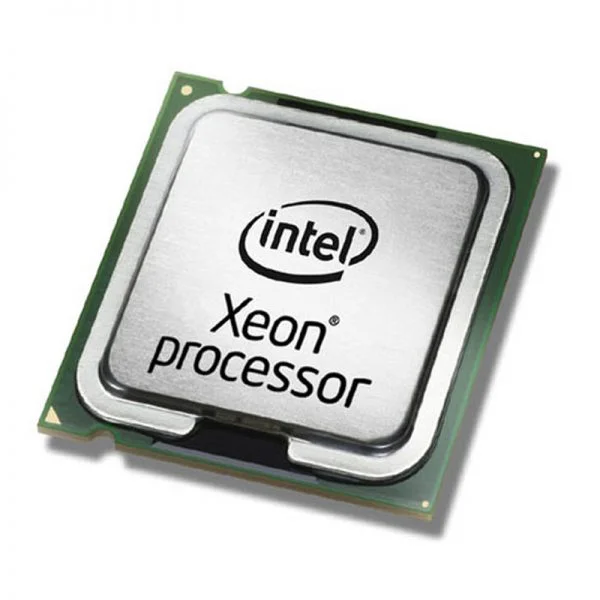
00FP696 (X6 DDR4 Compute Book Intel Xeon Processor E7-8867 v3 16C 2.5GHz 165W)
4.6 (5)- No
- Gaming
- LGA 1700
Est Value $82.22$41.11
50% offIn stockRefurbishedFirst-Time Buyer Discount – Get up to 2% additional off on your first order
ORM Rewards Earn $50 in Rewards + Free Expedited Delivery – Join Now!
Use eCoupon ORMSAVE10
eCoupon limited to 5 units
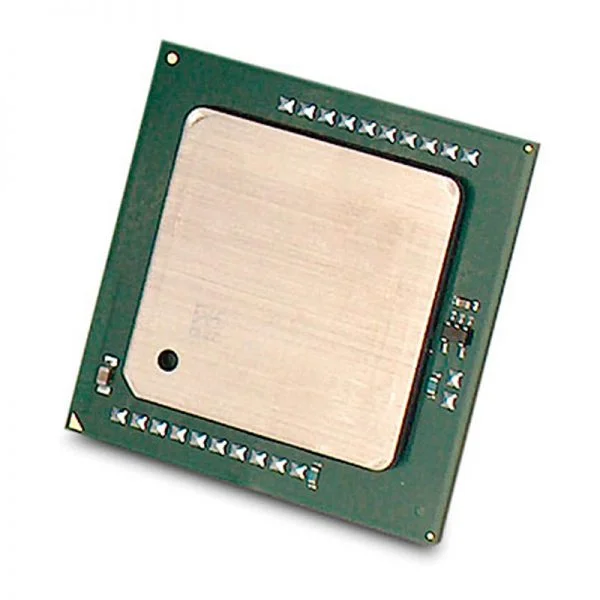
00YJ689 (Intel Xeon Processor E5-2683 v4 16C 2.1GHz 40MB 2400MHz 120W)
4.8 (5)- 1.5
- 1.5
- 0.8
- No
- Gaming
- LGA 1700
- Dual
Est Value $65.78$32.89
50% offIn stockRefurbishedFirst-Time Buyer Discount – Get up to 2% additional off on your first order
ORM Rewards Earn $50 in Rewards + Free Expedited Delivery – Join Now!
Use eCoupon ORMSAVE10
eCoupon limited to 5 units

ORM Sales Advisors
Buying for your business? Get a personalised quote in under 2 hours. Talk to an expert
LEARNFilters (13) 
Questions & Answers
What is a 16 Core processor?
A 16 Core processor houses 16 independent CPU cores on a single chip, enabling enhanced parallel processing for demanding applications such as rendering, data analysis, and server workloads.
What are the benefits of a 16 Core CPU?
A 16 Core CPU delivers superior multitasking, faster compute times on parallel workloads, improved virtualization performance, and smoother high-resolution video editing compared to lower-core alternatives.
How does a 16 Core CPU compare to an 8 Core CPU?
A 16 Core CPU doubles core count, offering up to 2× higher parallel throughput, reduced task completion times for multithreaded applications, and better scalability in server and creative workloads.
Is a 16 Core processor good for gaming?
Yes—while most games leverage fewer cores, a 16 Core CPU future-proofs your system by handling background tasks, streaming, and AI-driven features without compromising frame rates.
Is a 16 Core CPU necessary for video editing?
A 16 Core CPU significantly accelerates rendering and encoding in professional video editors, reducing export times and enabling real-time previews on high-resolution projects.
Can I overclock a 16 Core processor?
Many 16 Core CPUs support unlocked multipliers for safe overclocking via your motherboard’s BIOS or vendor software, but you must ensure adequate cooling and voltage stability.
Which workloads benefit most from a 16 Core CPU?
Workloads such as 3D rendering, scientific simulations, virtual machine hosting, large-scale data analysis, and advanced multimedia production gain the greatest performance boost from 16 Core CPUs.
Does a 16 Core CPU improve multitasking performance?
Yes—16 cores allow simultaneous execution of multiple demanding applications, preventing resource contention and ensuring responsive performance under heavy multitasking.
How many threads does a typical 16 Core CPU support?
With simultaneous multithreading (SMT), a 16 Core CPU often supports 32 threads, doubling the number of concurrent processing streams for optimized parallel execution.
What is the power consumption of a 16 Core CPU?
Power draw varies by model, but most 16 Core desktop processors range between 105 W and 125 W TDP; server-grade variants may consume up to 165 W under full load.
Which motherboard socket is compatible with a 16 Core processor?
Compatibility depends on the CPU family: Intel 16 Core models typically use LGA 1700 or LGA 1200, while AMD Threadripper 16 Core chips require TRX4 or sTRX4 sockets—always verify the exact model and chipset.
Does hyperthreading apply to 16 Core CPUs?
Yes—Intel’s hyperthreading and AMD’s SMT technologies let each physical core handle two threads, effectively doubling the core count for software that supports multithreading.
Can I upgrade my PC to a 16 Core processor?
Upgrade feasibility depends on your motherboard’s socket, chipset, BIOS support, and power delivery; consult your board’s compatibility list before installing a 16 Core CPU.
Is a 16 Core server suitable for virtualization?
Absolutely—a 16 Core server provides ample cores and threads for multiple virtual machines, ensuring high performance and isolation across enterprise workloads.
What is the price range for a 16 Core processor?
Prices vary by architecture and brand: consumer 16 Core desktop CPUs generally range from $400 to $800, while high-end desktop and server variants can exceed $1,000.
How can I monitor the temperature of my 16 Core CPU?
Use motherboard utilities (e.g., ASUS AI Suite, MSI Command Center) or third-party tools (HWMonitor, Core Temp) to track per-core temperatures and adjust cooling profiles as needed.
What warranty coverage is typical for a 16 Core processor?
Most major CPU manufacturers offer a standard three-year limited warranty on 16 Core processors, covering defects in materials and workmanship under normal operation.