 United States
CPUs And Processors Optimized Performance
Discover an extensive selection of high-performance CPUs and processors engineered to deliver reliable, efficient computing power. Optimize your digital infrastructure with advanced processing solutions designed for peak performance.
Talk to an expert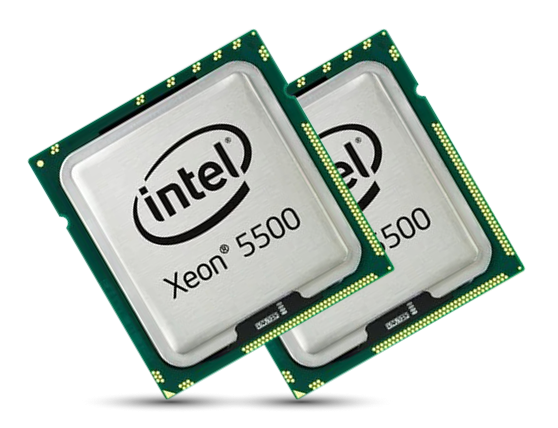
Lenovo Cpus And Processors
(225)Lenovo CPUs and processors fit ThinkSystem node upgrades for two-socket virtualization hosts, using Xeon or EPYC socket compatibility
Intel Cpus And Processors
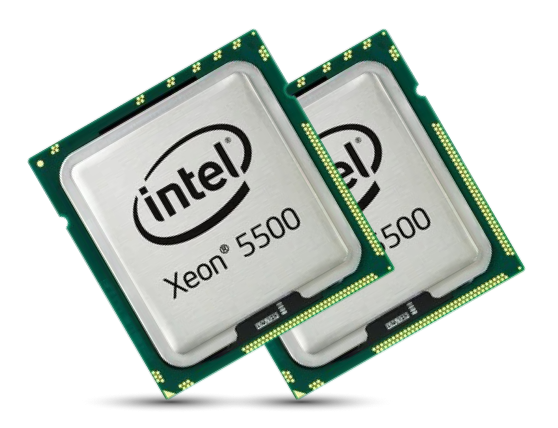
(563)Intel CPUs and processors support Xeon server refreshes for VMware clusters, using x86-64 instructions, UPI interconnects, and DDR5 options
Hpe Cpus And Processors
(1377)HPE CPUs and processors fit ProLiant fleet maintenance for rack and blade hosts, matching sockets, firmware baselines, and TDP limits
Hpe Processors
(2)HPE processors support ProLiant lifecycle replacements for production server rooms, matching part numbers, socket revisions, and firmware compatibility
Dell Cpus And Processors
(6)Dell CPUs and processors fit PowerEdge refresh projects for rack virtualization hosts, aligning Intel or AMD sockets and memory channels
Amd Cpus And Processors
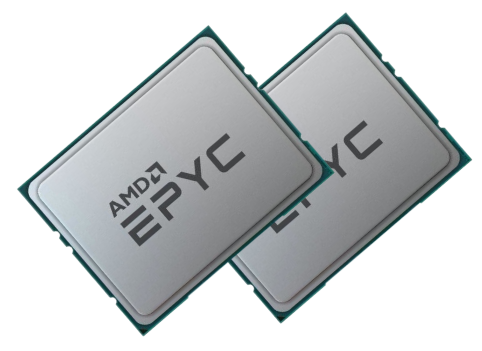
(98)AMD CPUs and processors support EPYC-based server builds for compute-dense clusters, using Infinity Fabric, PCIe lanes, and DDR5 channels
2271 Matching results
- BEST SELLING
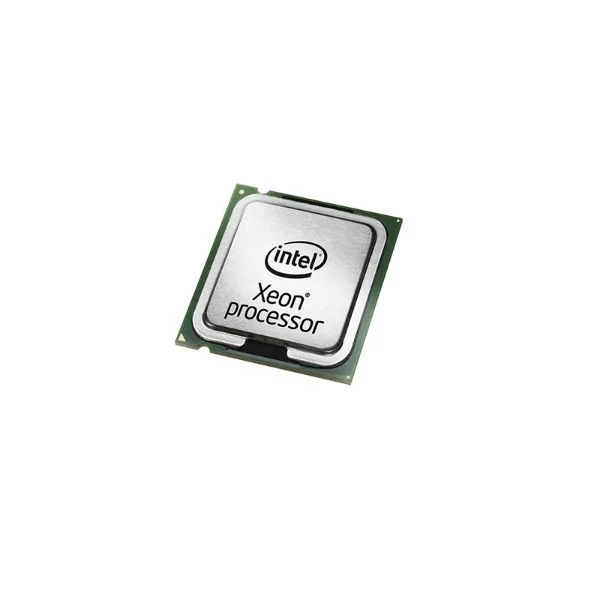
875952-B21 (HPE BL460c Gen10 Xeon-G 6140M Kit)
4.8 (5)- 0.02 lbs
- 1.48 inches
- 1.48 inches
- 0.18 inches
- No
- Gaming
- LGA 1700
Est Value $591.91
$105.84
82.1% offIn stockRefurbishedFirst-Time Buyer Discount – Get up to 2% additional off on your first order
ORM Rewards Earn $50 in Rewards + Free Expedited Delivery – Join Now!
Use eCoupon ORMSAVE10
eCoupon limited to 5 units
- BEST SELLING
826856-B21 (HPE DL380 Gen10 Xeon-Gold 5120 (2.2GHz/14-core/105W) Processor Kit)
4.4 (5)- 1.5 inches
- 0.3 lbs
- 0.6 inches
- 1.5 inches
- No
- Gaming / Workstation
- LGA 1700
Est Value $2,892.20$152.25
94.7% offIn stockNewRefurbishedFirst-Time Buyer Discount – Get up to 2% additional off on your first order
ORM Rewards Earn $50 in Rewards + Free Expedited Delivery – Join Now!
Use eCoupon ORMSAVE10
eCoupon limited to 5 units
- BEST SELLING
866546-B21 (HPE ML350 Gen10 6130 Xeon-G Kit)
5 (5)- No
- Gaming
- LGA 1700
Est Value $566.00$483.17
14.6% offIn stockNewRefurbishedFirst-Time Buyer Discount – Get up to 2% additional off on your first order
ORM Rewards Earn $50 in Rewards + Free Expedited Delivery – Join Now!
Use eCoupon ORMSAVE10
eCoupon limited to 5 units
- BEST SELLING
875951-B21 (BL460C GEN10 XEON-G 6152 KIT PL=MV)
4.6 (5)- 0.5
- 1.5
- 1.5
- No
- Gaming
- LGA 1700
- Dual
Est Value $4,979.24$4,250.57
14.6% offIn stockNewRefurbishedFirst-Time Buyer Discount – Get up to 2% additional off on your first order
ORM Rewards Earn $50 in Rewards + Free Expedited Delivery – Join Now!
Use eCoupon ORMSAVE10
eCoupon limited to 5 units
- BEST SELLING
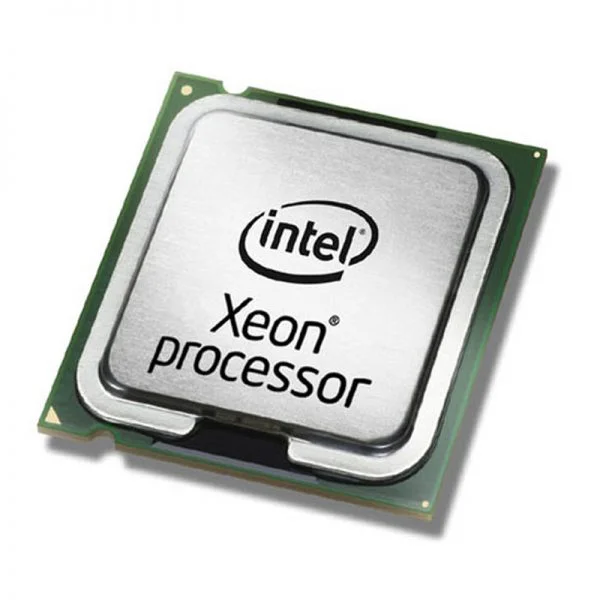
00J6387 (Intel Xeon 10C Processor Model E5-2470Lv2 95W 2.4GHz/1600MHz/25MB)
4.8 (6)- No
- Gaming
- 1.4
- LGA 1700
- Dual
- PCIe 5.0
- 1.4
Est Value $380.74$190.37
50% offIn stockRefurbishedFirst-Time Buyer Discount – Get up to 2% additional off on your first order
ORM Rewards Earn $50 in Rewards + Free Expedited Delivery – Join Now!
Use eCoupon ORMSAVE10
eCoupon limited to 5 units
- BEST SELLING
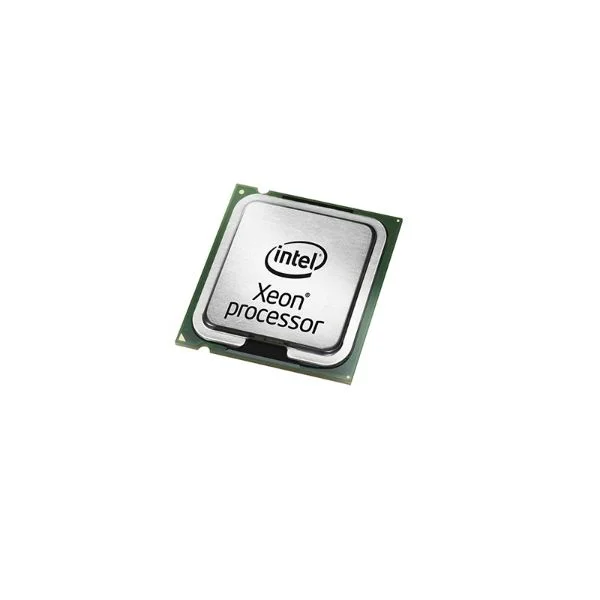
866544-B21 (HPE ML350 Gen10 6128 Xeon-G Kit)
5 (5)- No
- Gaming
- LGA 1700
Est Value $552.11$193.52
64.9% offIn stockRefurbishedFirst-Time Buyer Discount – Get up to 2% additional off on your first order
ORM Rewards Earn $50 in Rewards + Free Expedited Delivery – Join Now!
Use eCoupon ORMSAVE10
eCoupon limited to 5 units
- BEST SELLING
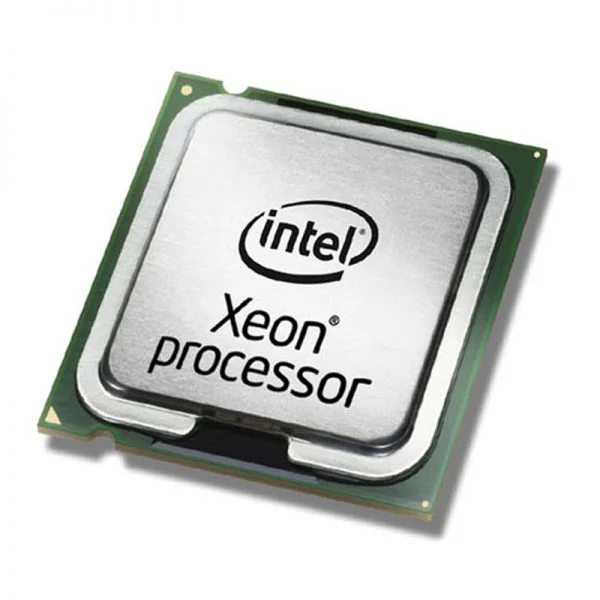
00D1953 (Intel Xeon Processor E5-4607v2 6C 2.6GHz 15MB Cache 1333MHz 95W)
4.6 (5)- 1.3 inches
- 0.5 lbs
- 1.3 inches
- 1.3 inches
- No
- Gaming
- LGA 1700
Est Value $403.26$201.63
50% offIn stockRefurbishedFirst-Time Buyer Discount – Get up to 2% additional off on your first order
ORM Rewards Earn $50 in Rewards + Free Expedited Delivery – Join Now!
Use eCoupon ORMSAVE10
eCoupon limited to 5 units
- BEST SELLING
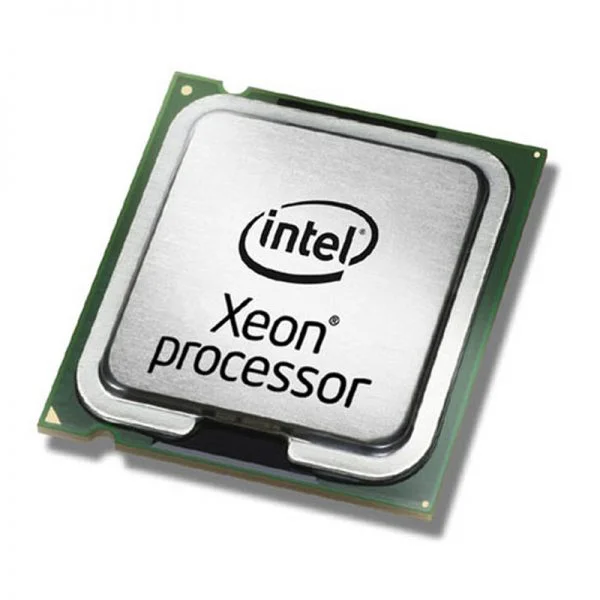
44X3996 (X6 Compute Book Intel Xeon 15C Processor Model E7-4890v2 155W 2.8GHz/1600MHz/37.5MB)
4.6 (5)- No
- Gaming
- Dual
Est Value $286.98$244.99
14.6% offIn stockNewRefurbishedFirst-Time Buyer Discount – Get up to 2% additional off on your first order
ORM Rewards Earn $50 in Rewards + Free Expedited Delivery – Join Now!
Use eCoupon ORMSAVE10
eCoupon limited to 5 units
- BEST SELLING
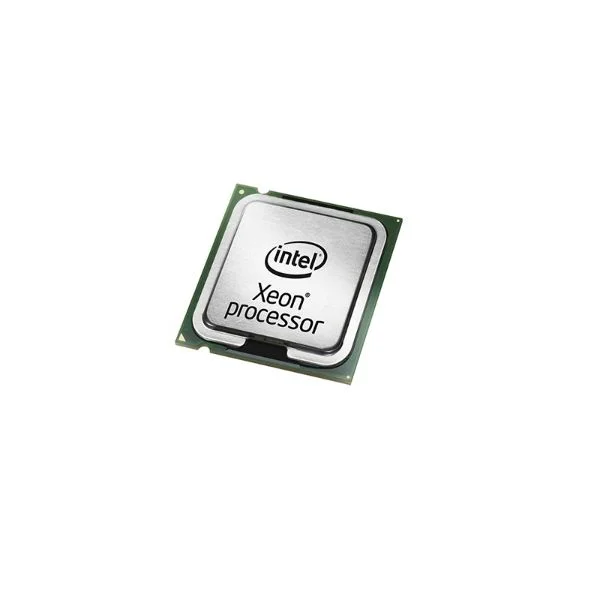
P03024-B21 (HPE DL560 Gen10 Intel Xeon-Gold 5215 (2.5GHz/10-core/85W) Processor Kit)
4.4 (5)- No
- Gaming
- Dual
Est Value $2,455.27$2,004.05
18.4% offIn stockNewRefurbishedFirst-Time Buyer Discount – Get up to 2% additional off on your first order
ORM Rewards Earn $50 in Rewards + Free Expedited Delivery – Join Now!
Use eCoupon ORMSAVE10
eCoupon limited to 5 units
- BEST SELLING
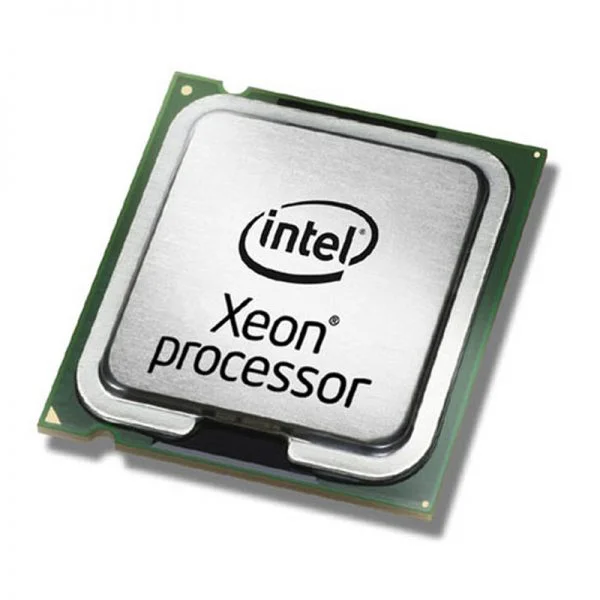
00D1968 (Intel Xeon Processor E5-4640 v2 10C 2.2GHz 20MB 1866MHz 95W)
4.7 (6)- 1.5
- 0.7
- 0.5
- No
- Gaming
- LGA 1700
- Dual
Est Value $502.42$251.21
50% offIn stockRefurbishedFirst-Time Buyer Discount – Get up to 2% additional off on your first order
ORM Rewards Earn $50 in Rewards + Free Expedited Delivery – Join Now!
Use eCoupon ORMSAVE10
eCoupon limited to 5 units
- BEST SELLING
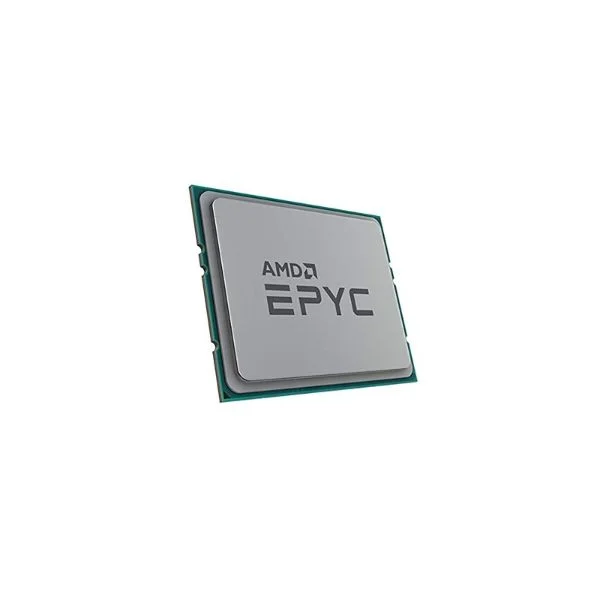
881163-B21 (HPE DL385 Gen10 7551 AMD Kit)
4.4 (5)- No
- Gaming
- LGA 1700
Est Value $4,561.52$3,893.98
14.6% offIn stockNewRefurbishedFirst-Time Buyer Discount – Get up to 2% additional off on your first order
ORM Rewards Earn $50 in Rewards + Free Expedited Delivery – Join Now!
Use eCoupon ORMSAVE10
eCoupon limited to 5 units
- BEST SELLING
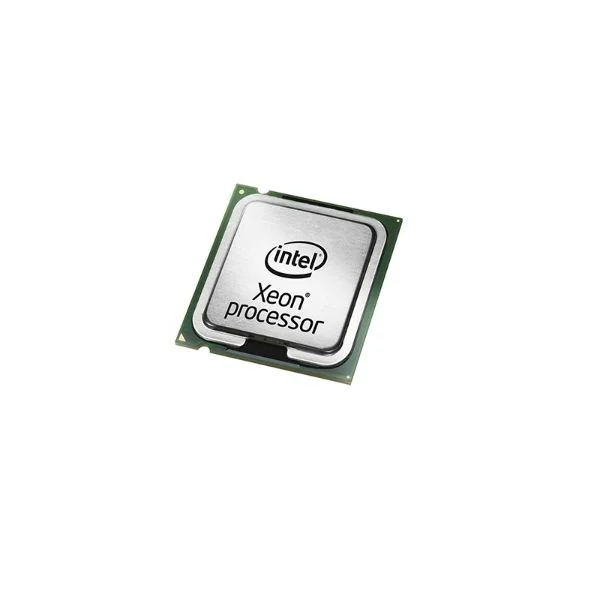
P02676-B21 (HPE DL360 Gen10 Intel Xeon-Platinum 8276 (2.2GHz/28-core/165W) Processor Kit)
4.6 (5)- 1.5
- 1.5
- No
- Gaming / Workstation
- LGA 1700
- Dual
- PCIe 5.0
Est Value $17,993.19$346.50
98.1% offIn stockNewRefurbishedFirst-Time Buyer Discount – Get up to 2% additional off on your first order
ORM Rewards Earn $50 in Rewards + Free Expedited Delivery – Join Now!
Use eCoupon ORMSAVE10
eCoupon limited to 5 units
- BEST SELLING
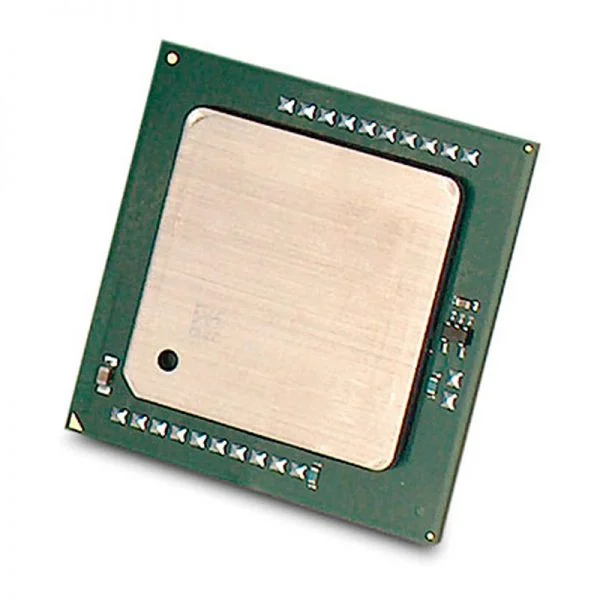
00D1988 (Intel Xeon 12C Processor Model E5-4657Lv2 115W 2.4GHz/1866MHz/30MB)
4.4 (5)- 1.5
- No
- Gaming
- LGA 1700
- Dual
- PCIe 5.0
- 1.5
Est Value $635.62$317.81
50% offIn stockRefurbishedFirst-Time Buyer Discount – Get up to 2% additional off on your first order
ORM Rewards Earn $50 in Rewards + Free Expedited Delivery – Join Now!
Use eCoupon ORMSAVE10
eCoupon limited to 5 units
- BEST SELLING
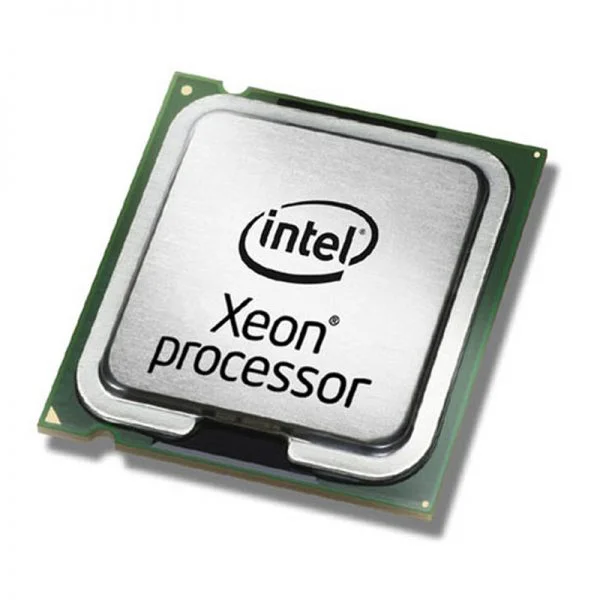
00KG039 (XEON E5-2697 V3 14C 2.6G 35MB 2133MHZ 145W)
4.6 (5)- No
- Gaming
- LGA 1700
Est Value $388.10$331.31
14.6% offIn stockRefurbishedFirst-Time Buyer Discount – Get up to 2% additional off on your first order
ORM Rewards Earn $50 in Rewards + Free Expedited Delivery – Join Now!
Use eCoupon ORMSAVE10
eCoupon limited to 5 units
- BEST SELLING
826107-L21 (HPE ML110 Gen9 E5-1620v4 FIO Kit)
4.6 (5)- 1.57 inches
- 0.25 lbs
- No
- Gaming / Workstation
- 0.14 inches
- Dual
- AM4
Est Value $462.92$395.18
14.6% offIn stockRefurbishedFirst-Time Buyer Discount – Get up to 2% additional off on your first order
ORM Rewards Earn $50 in Rewards + Free Expedited Delivery – Join Now!
Use eCoupon ORMSAVE10
eCoupon limited to 5 units
- BEST SELLING
P06648-L21 (HPE DL20 Gen10 Intel Xeon E-2126G (3.3GHz/6-core/80W) FIO Processor Kit)
4.6 (5)- 0.5
- 1.5
- No
- Gaming
- Dual
- PCIe 4.0
- Processors
Est Value $477.68$407.78
14.6% offIn stockRefurbishedFirst-Time Buyer Discount – Get up to 2% additional off on your first order
ORM Rewards Earn $50 in Rewards + Free Expedited Delivery – Join Now!
Use eCoupon ORMSAVE10
eCoupon limited to 5 units
- BEST SELLING
866552-B21 (HPE ML350 Gen10 6138 Xeon-G Kit)
4.6 (5)- No
- Gaming / Workstation
- LGA 1700
Est Value $801.90$475.85
40.7% offIn stockRefurbishedFirst-Time Buyer Discount – Get up to 2% additional off on your first order
ORM Rewards Earn $50 in Rewards + Free Expedited Delivery – Join Now!
Use eCoupon ORMSAVE10
eCoupon limited to 5 units
- BEST SELLING
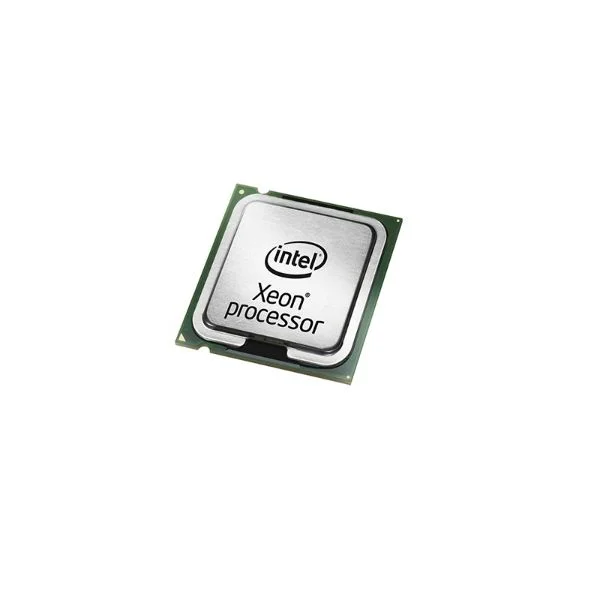
875950-B21 (HPE BL460c Gen10 Xeon-G 6148 Kit)
4.6 (5)- No
- Gaming
- LGA 1700
Est Value $566.00$483.17
14.6% offIn stockRefurbishedFirst-Time Buyer Discount – Get up to 2% additional off on your first order
ORM Rewards Earn $50 in Rewards + Free Expedited Delivery – Join Now!
Use eCoupon ORMSAVE10
eCoupon limited to 5 units
- BEST SELLING
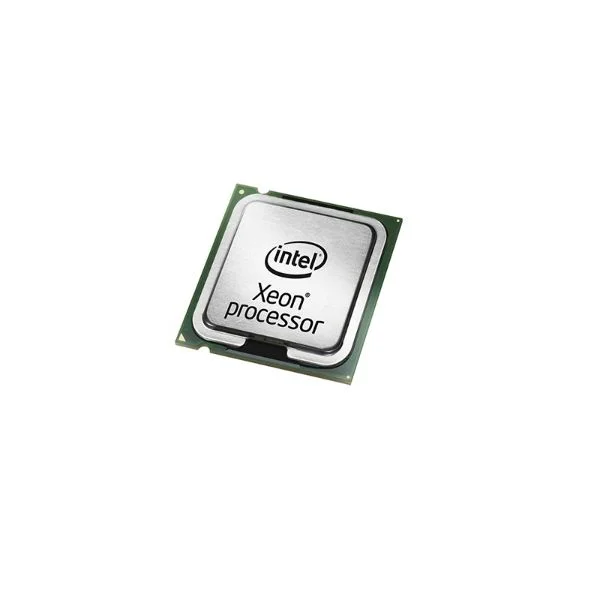
P02715-B21 (HPE DL360 Gen10 Intel Xeon-Platinum 8276L (2.2GHz/28-core/165W) Processor Kit)
5 (5)- 1.5 inches
- 0.3 lbs
- 0.6 inches
- 1.5 inches
- No
- Gaming
- LGA 1700
Est Value $23,950.78$571.73
97.6% offIn stockNewRefurbishedFirst-Time Buyer Discount – Get up to 2% additional off on your first order
ORM Rewards Earn $50 in Rewards + Free Expedited Delivery – Join Now!
Use eCoupon ORMSAVE10
eCoupon limited to 5 units
- BEST SELLING
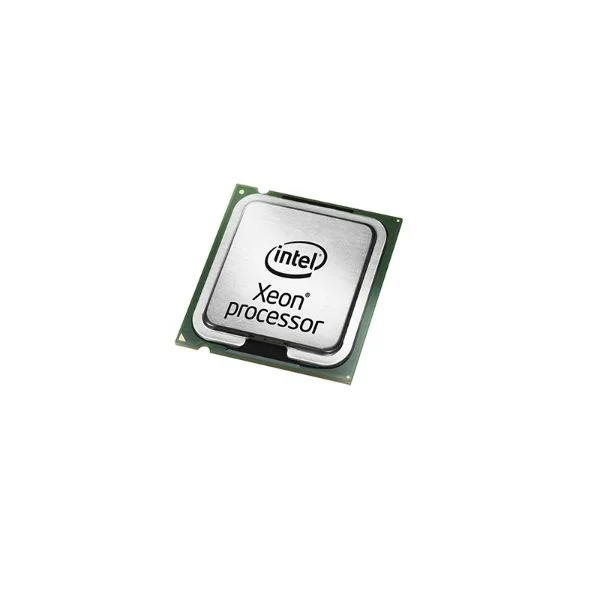
803120-L21 (HPE DL120 Gen9 Intel Xeon E5-2650Lv4 (1.7 GHz/14-core/35MB/65 W) FIO Processor Kit)
4.4 (5)- 1.5
- No
- Gaming / Workstation / Server
- LGA 1700
- Dual
- PCIe 5.0
- 1.5
Est Value $592.34$505.65
14.6% offIn stockRefurbishedFirst-Time Buyer Discount – Get up to 2% additional off on your first order
ORM Rewards Earn $50 in Rewards + Free Expedited Delivery – Join Now!
Use eCoupon ORMSAVE10
eCoupon limited to 5 units

ORM Sales Advisors
Buying for your business? Get a personalised quote in under 2 hours. Talk to an expert
LEARNFilters (2271) 
Questions & Answers
What is the difference between a CPU and a processor?
CPU (Central Processing Unit) and processor are interchangeable terms referring to the chip that executes computer instructions, processes data, and manages system tasks.
How do CPU cores affect performance?
CPU cores determine parallel processing capacity. More cores enable simultaneous task execution, improving multitasking, video rendering, and complex application performance.
What is clock speed and why is it important?
Clock speed, measured in GHz, indicates how many cycles a CPU can perform per second. Higher clock speeds deliver faster instruction execution and better single-threaded performance.
What is CPU cache and how does it impact speed?
CPU cache is high-speed memory on the processor that stores frequently accessed data. Larger cache reduces latency, accelerates data retrieval, and improves overall processing efficiency.
What is hyper-threading or simultaneous multithreading?
Hyper-threading (Intel) or SMT (AMD) allows each physical core to handle multiple threads, improving parallelism, enhancing multitasking, and boosting performance in threaded applications.
How do I choose a CPU socket for my motherboard?
Match the CPU’s socket type (e.g., LGA 1200, AM4) to your motherboard’s socket, ensuring chipset compatibility and full utilization of processor features.
What is TDP and why does it matter?
Thermal Design Power (TDP) indicates the maximum heat output under typical workloads. Matching cooling solutions to TDP ensures stable temperatures and prevents thermal throttling.
Should I prioritize core count or clock speed?
Choose core count for multitasking and parallel workloads; prioritize clock speed for single-threaded applications like gaming and basic productivity tasks.
What is CPU bottlenecking and how can I avoid it?
A CPU bottleneck occurs when the processor limits performance relative to other components. Avoid by balancing CPU power with GPU and RAM speeds in system builds.
Can I upgrade my CPU without changing the motherboard?
You can upgrade if the new CPU shares the same socket and chipset compatibility. Verify BIOS support and power delivery requirements before purchasing.
Do all CPUs have integrated graphics?
No. Some CPUs include integrated graphics (e.g., Intel F-series lack iGPU, AMD APUs include Radeon GPU). Check model specifications for built-in graphics support.
What is overclocking and is it safe?
Overclocking increases CPU clock speed beyond factory settings for extra performance. When properly cooled and voltage-controlled, it is safe, but it may reduce component lifespan.
How does CPU generation affect performance?
Newer CPU generations feature architectural improvements, higher IPC (instructions per cycle), power efficiency, and updated instruction sets, delivering measurable performance gains over older models.
What role does virtualization support play in a CPU?
Virtualization extensions (Intel VT-x, AMD-V) enable efficient creation and management of virtual machines, essential for development, testing, and server consolidation.
How do I apply thermal paste correctly?
Apply a pea-sized drop of thermal paste at the CPU center, mount the cooler evenly, and secure tension. Proper application ensures optimal heat transfer and stable temperatures.