 United States
HPE CPUs & Processors
Discover HPE CPUs and Processors engineered for unmatched performance, reliability, and efficiency in mission-critical applications. Optimize your IT infrastructure and accelerate digital transformation with cutting-edge technology.
Talk to an expert
Hpe Bl660C Blade Server Processors
(9)HPE BL660c blade server processors support four-socket blade virtualization chassis, aligning Intel Xeon sockets, memory channels, and thermal envelopes
Hpe Apollo Servers Processors
(370)HPE Apollo server processors serve high-density compute trays for HPC scheduling, emphasizing core count, AVX instructions, and memory bandwidth
Hpe Ml350 Server Processors
(105)HPE ML350 server processors fit tower-to-rack departmental application hosts, matching Xeon sockets, PCIe expansion needs, and dual-socket configurations
Hpe Bl460C Blade Server Processors
(79)HPE BL460c blade server processors support two-socket blade clusters for VDI sessions, balancing vCPU density and DDR4 channel bandwidth
Hpe Ml110 Server Processors
(21)HPE ML110 server processors fit single-socket retail branch workloads, supporting entry Xeon socket compatibility, ECC memory channels, and constrained power budgets
Hpe Ml150 Server Processors
(12)HPE ML150 server processors serve remote office application stacks, pairing two-socket capacity with ECC memory and PCIe expansion lanes
Hpe Ml30 Server Processors
(9)HPE ML30 server processors support microtower file services at sub-50-user sites, using single-socket Xeon compatibility and ECC memory support
Hpe Dl385 Server Processors
(18)HPE DL385 server processors fit AMD EPYC rack virtualization nodes, leveraging high core counts, PCIe lanes, and memory channel bandwidth
Hpe Dl560 Server Processors
(145)HPE DL560 server processors support four-socket SAP HANA application tiers, aligning Xeon scalable sockets with large memory footprints
Hpe Dl360 Server Processors
(188)HPE DL360 server processors fit 1U virtualization hosts in dense racks, matching Xeon sockets, DDR4 channels, and power envelopes
Hpe Dl160 Server Processors
(13)HPE DL160 server processors serve cost-sensitive web tiers in 1U racks, balancing core count, TDP, and DDR4 memory
Hpe Dl180 Server Processors
(13)HPE DL180 server processors support storage-adjacent compute nodes, coordinating CPU lanes for RAID adapters, NICs, and memory channels
Hpe Dl20 Server Processors
(22)HPE DL20 server processors fit compact 1U edge appliances, using single-socket Xeon compatibility, ECC memory, and lower wattage profiles
Hpe Dl120 Server Processors
(17)HPE DL120 server processors serve dedicated infrastructure services in 1U racks, aligning socket generation with modest core counts
Hpe Dl580 Server Processors
(173)HPE DL580 server processors support mission-critical database partitions, matching four-socket Xeon platforms, NUMA topology, and large memory capacity
Hpe Dl380 Server Processors
(182)HPE DL380 server processors fit two-socket general virtualization pools, aligning Xeon sockets, vCPU ratios, and DDR4 memory channels
1376 Matching results
- BEST SELLING
875952-B21 (HPE BL460c Gen10 Xeon-G 6140M Kit)
4.8 (5)- 0.02 lbs
- 1.48 inches
- 1.48 inches
- 0.18 inches
- No
- Gaming
- LGA 1700
Est Value $591.91
$105.84
82.1% offIn stockRefurbishedFirst-Time Buyer Discount – Get up to 2% additional off on your first order
ORM Rewards Earn $50 in Rewards + Free Expedited Delivery – Join Now!
Use eCoupon ORMSAVE10
eCoupon limited to 5 units
- BEST SELLING
826856-B21 (HPE DL380 Gen10 Xeon-Gold 5120 (2.2GHz/14-core/105W) Processor Kit)
4.4 (5)- 1.5 inches
- 0.3 lbs
- 0.6 inches
- 1.5 inches
- No
- Gaming / Workstation
- LGA 1700
Est Value $2,892.20$152.25
94.7% offIn stockNewRefurbishedFirst-Time Buyer Discount – Get up to 2% additional off on your first order
ORM Rewards Earn $50 in Rewards + Free Expedited Delivery – Join Now!
Use eCoupon ORMSAVE10
eCoupon limited to 5 units
- BEST SELLING
866546-B21 (HPE ML350 Gen10 6130 Xeon-G Kit)
5 (5)- No
- Gaming
- LGA 1700
Est Value $566.00$483.17
14.6% offIn stockNewRefurbishedFirst-Time Buyer Discount – Get up to 2% additional off on your first order
ORM Rewards Earn $50 in Rewards + Free Expedited Delivery – Join Now!
Use eCoupon ORMSAVE10
eCoupon limited to 5 units
- BEST SELLING
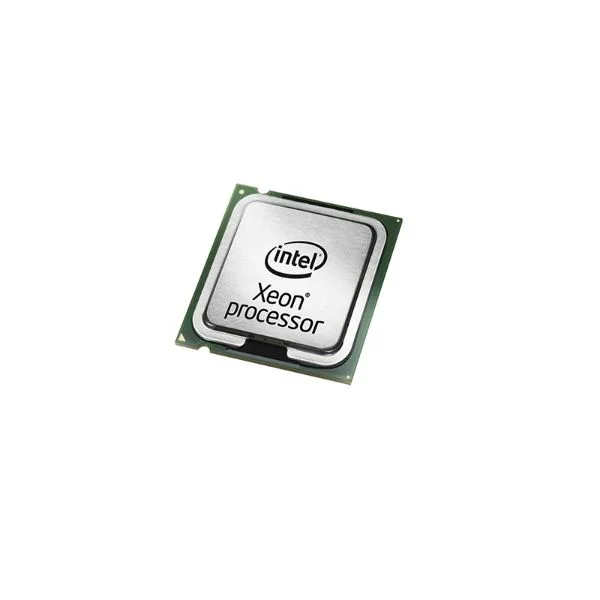
875951-B21 (BL460C GEN10 XEON-G 6152 KIT PL=MV)
4.6 (5)- 0.5
- 1.5
- 1.5
- No
- Gaming
- LGA 1700
- Dual
Est Value $4,979.24$4,250.57
14.6% offIn stockNewRefurbishedFirst-Time Buyer Discount – Get up to 2% additional off on your first order
ORM Rewards Earn $50 in Rewards + Free Expedited Delivery – Join Now!
Use eCoupon ORMSAVE10
eCoupon limited to 5 units
- BEST SELLING
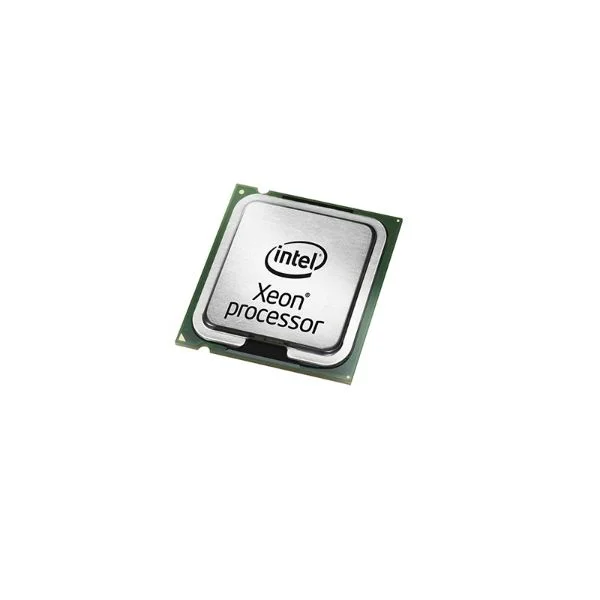
866544-B21 (HPE ML350 Gen10 6128 Xeon-G Kit)
5 (5)- No
- Gaming
- LGA 1700
Est Value $552.11$193.52
64.9% offIn stockRefurbishedFirst-Time Buyer Discount – Get up to 2% additional off on your first order
ORM Rewards Earn $50 in Rewards + Free Expedited Delivery – Join Now!
Use eCoupon ORMSAVE10
eCoupon limited to 5 units
- BEST SELLING
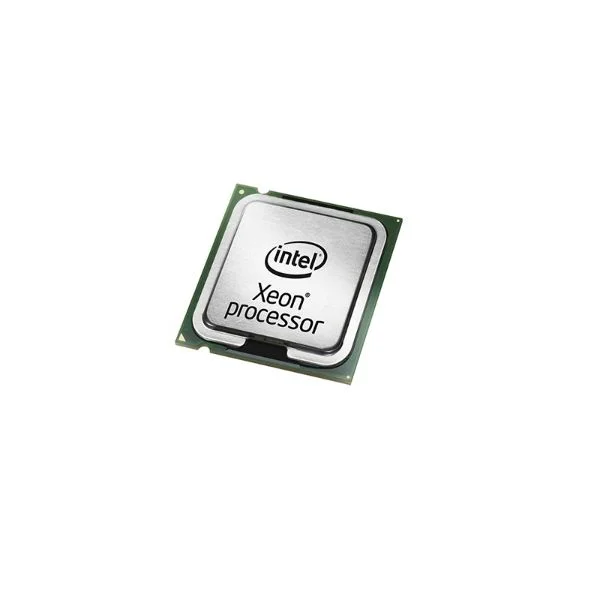
P03024-B21 (HPE DL560 Gen10 Intel Xeon-Gold 5215 (2.5GHz/10-core/85W) Processor Kit)
4.4 (5)- No
- Gaming
- Dual
Est Value $2,455.27$2,004.05
18.4% offIn stockNewRefurbishedFirst-Time Buyer Discount – Get up to 2% additional off on your first order
ORM Rewards Earn $50 in Rewards + Free Expedited Delivery – Join Now!
Use eCoupon ORMSAVE10
eCoupon limited to 5 units
- BEST SELLING
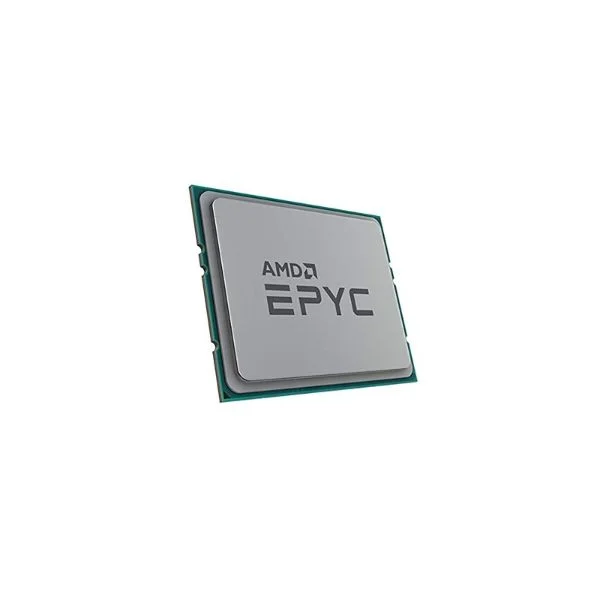
881163-B21 (HPE DL385 Gen10 7551 AMD Kit)
4.4 (5)- No
- Gaming
- LGA 1700
Est Value $4,561.52$3,893.98
14.6% offIn stockNewRefurbishedFirst-Time Buyer Discount – Get up to 2% additional off on your first order
ORM Rewards Earn $50 in Rewards + Free Expedited Delivery – Join Now!
Use eCoupon ORMSAVE10
eCoupon limited to 5 units
- BEST SELLING
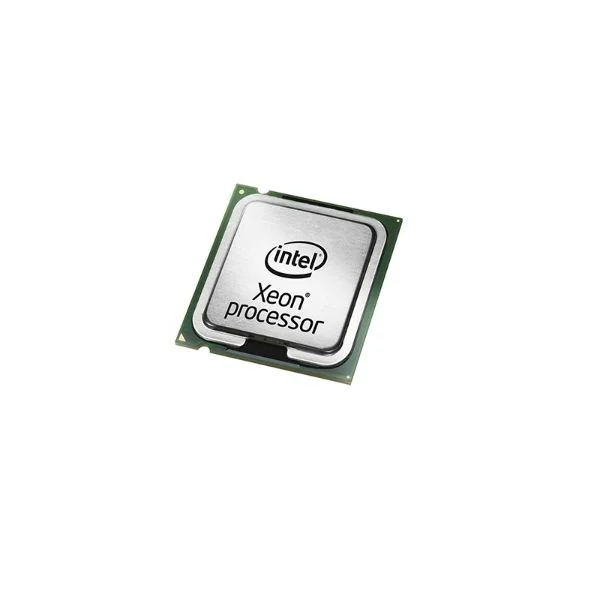
P02676-B21 (HPE DL360 Gen10 Intel Xeon-Platinum 8276 (2.2GHz/28-core/165W) Processor Kit)
4.6 (5)- 1.5
- 1.5
- No
- Gaming / Workstation
- LGA 1700
- Dual
- PCIe 5.0
Est Value $17,993.19$346.50
98.1% offIn stockNewRefurbishedFirst-Time Buyer Discount – Get up to 2% additional off on your first order
ORM Rewards Earn $50 in Rewards + Free Expedited Delivery – Join Now!
Use eCoupon ORMSAVE10
eCoupon limited to 5 units
- BEST SELLING
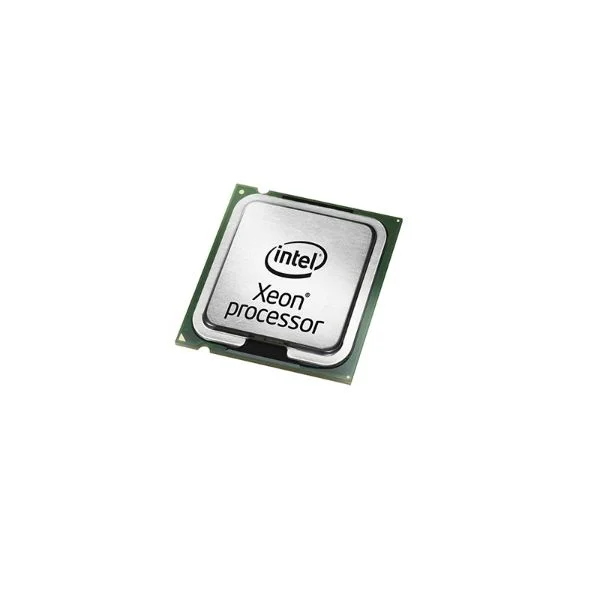
826107-L21 (HPE ML110 Gen9 E5-1620v4 FIO Kit)
4.6 (5)- 1.57 inches
- 0.25 lbs
- No
- Gaming / Workstation
- 0.14 inches
- Dual
- AM4
Est Value $462.92$395.18
14.6% offIn stockRefurbishedFirst-Time Buyer Discount – Get up to 2% additional off on your first order
ORM Rewards Earn $50 in Rewards + Free Expedited Delivery – Join Now!
Use eCoupon ORMSAVE10
eCoupon limited to 5 units
- BEST SELLING
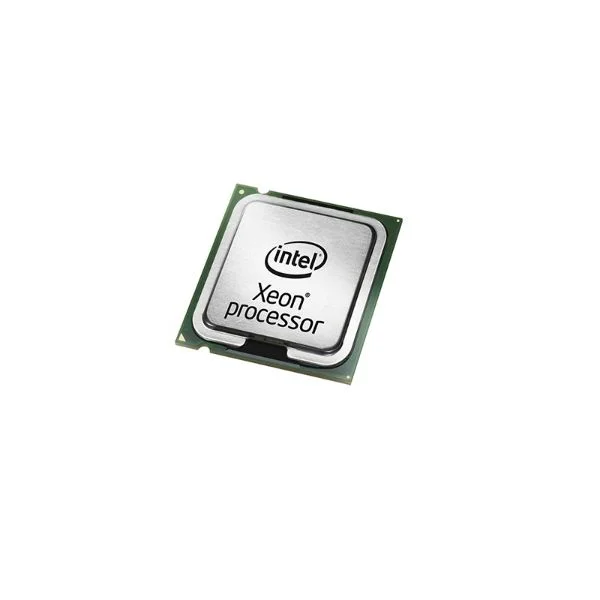
P06648-L21 (HPE DL20 Gen10 Intel Xeon E-2126G (3.3GHz/6-core/80W) FIO Processor Kit)
4.6 (5)- 0.5
- 1.5
- No
- Gaming
- Dual
- PCIe 4.0
- Processors
Est Value $477.68$407.78
14.6% offIn stockRefurbishedFirst-Time Buyer Discount – Get up to 2% additional off on your first order
ORM Rewards Earn $50 in Rewards + Free Expedited Delivery – Join Now!
Use eCoupon ORMSAVE10
eCoupon limited to 5 units
- BEST SELLING
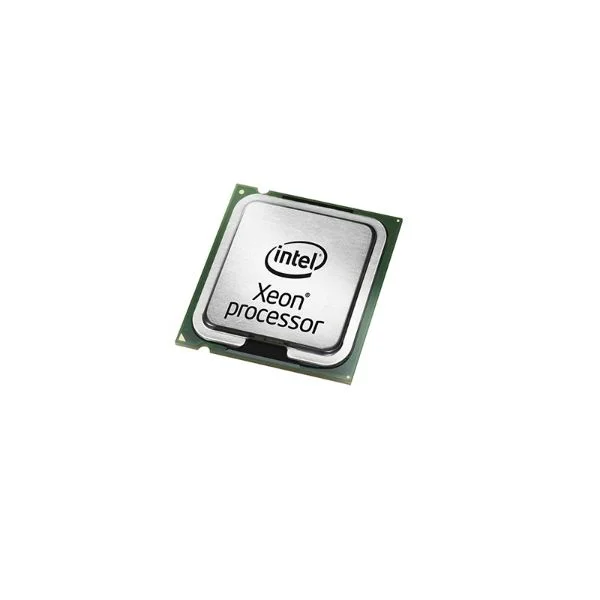
866552-B21 (HPE ML350 Gen10 6138 Xeon-G Kit)
4.6 (5)- No
- Gaming / Workstation
- LGA 1700
Est Value $801.90$475.85
40.7% offIn stockRefurbishedFirst-Time Buyer Discount – Get up to 2% additional off on your first order
ORM Rewards Earn $50 in Rewards + Free Expedited Delivery – Join Now!
Use eCoupon ORMSAVE10
eCoupon limited to 5 units
- BEST SELLING
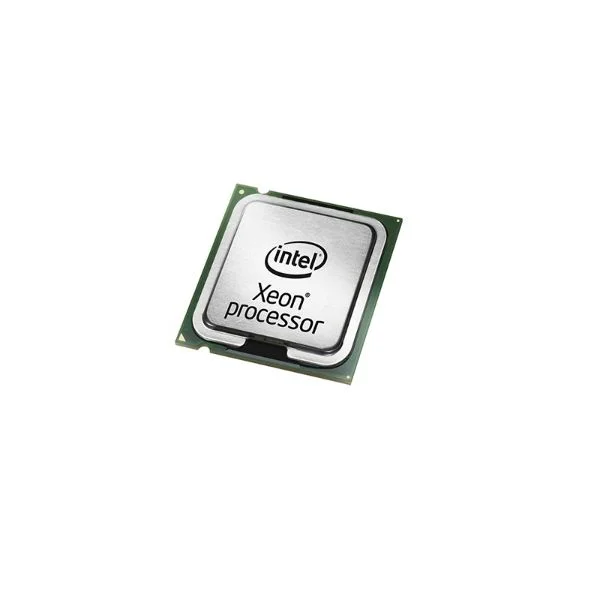
875950-B21 (HPE BL460c Gen10 Xeon-G 6148 Kit)
4.6 (5)- No
- Gaming
- LGA 1700
Est Value $566.00$483.17
14.6% offIn stockRefurbishedFirst-Time Buyer Discount – Get up to 2% additional off on your first order
ORM Rewards Earn $50 in Rewards + Free Expedited Delivery – Join Now!
Use eCoupon ORMSAVE10
eCoupon limited to 5 units
- BEST SELLING
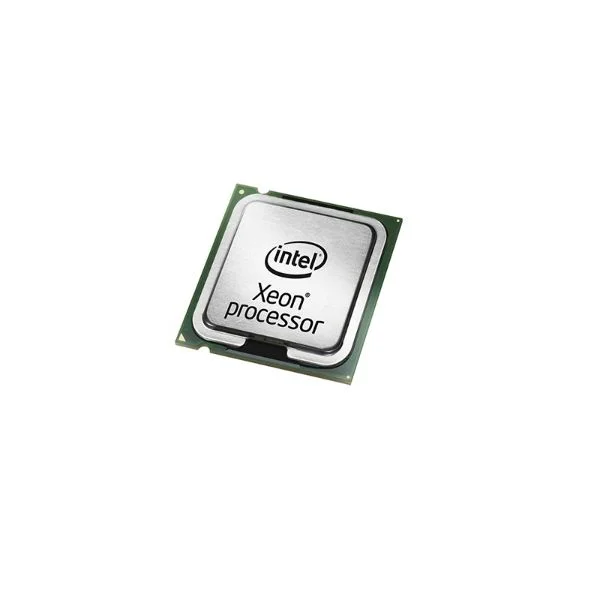
P02715-B21 (HPE DL360 Gen10 Intel Xeon-Platinum 8276L (2.2GHz/28-core/165W) Processor Kit)
5 (5)- 1.5 inches
- 0.3 lbs
- 0.6 inches
- 1.5 inches
- No
- Gaming
- LGA 1700
Est Value $23,950.78$571.73
97.6% offIn stockNewRefurbishedFirst-Time Buyer Discount – Get up to 2% additional off on your first order
ORM Rewards Earn $50 in Rewards + Free Expedited Delivery – Join Now!
Use eCoupon ORMSAVE10
eCoupon limited to 5 units
- BEST SELLING
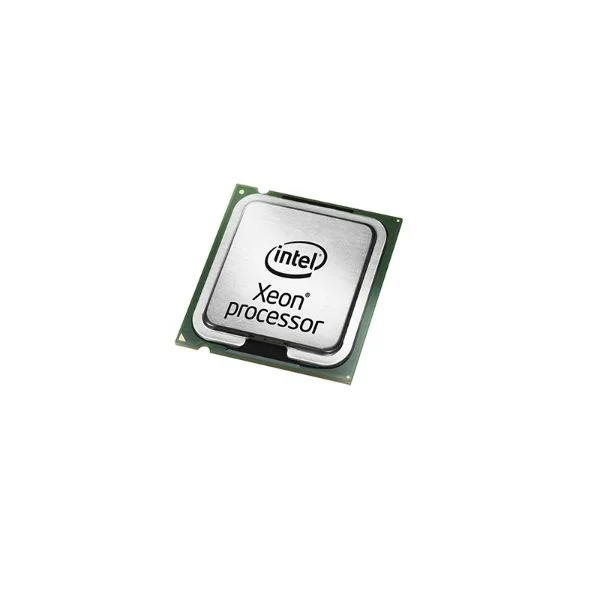
803120-L21 (HPE DL120 Gen9 Intel Xeon E5-2650Lv4 (1.7 GHz/14-core/35MB/65 W) FIO Processor Kit)
4.4 (5)- 1.5
- No
- Gaming / Workstation / Server
- LGA 1700
- Dual
- PCIe 5.0
- 1.5
Est Value $592.34$505.65
14.6% offIn stockRefurbishedFirst-Time Buyer Discount – Get up to 2% additional off on your first order
ORM Rewards Earn $50 in Rewards + Free Expedited Delivery – Join Now!
Use eCoupon ORMSAVE10
eCoupon limited to 5 units
- BEST SELLING
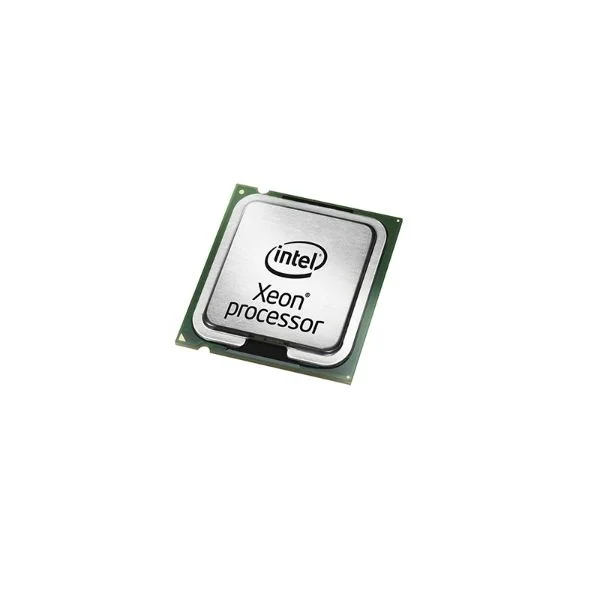
828358-L21 (HPE ML150 GEN9 E5-2650LV4 FIO KIT)
4.4 (5)- 1.5 inches
- 0.5 inches
- 0.25 lbs
- 1.5 inches
- No
- Gaming / Workstation
- LGA 1700
Est Value $601.48$513.45
14.6% offIn stockRefurbishedFirst-Time Buyer Discount – Get up to 2% additional off on your first order
ORM Rewards Earn $50 in Rewards + Free Expedited Delivery – Join Now!
Use eCoupon ORMSAVE10
eCoupon limited to 5 units
- BEST SELLING
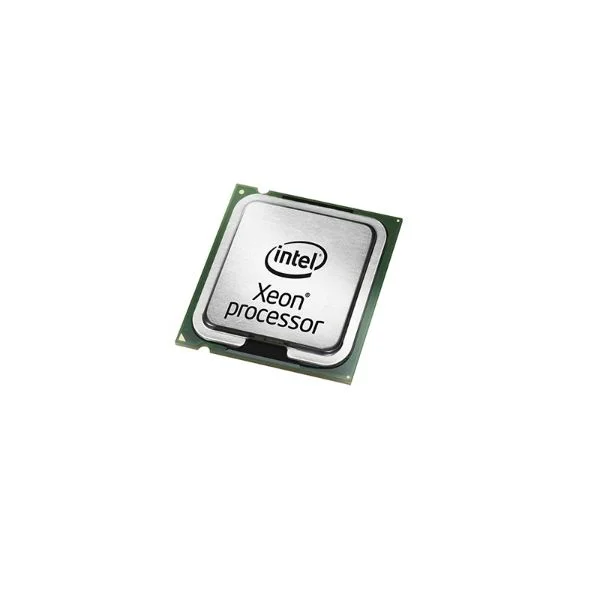
826108-L21 (HPE ML110 Gen9 E5-1607v4 FIO Kit)
4.6 (5)- 1.5 inches
- 0.3 lbs
- 0.5 inches
- 1.5 inches
- No
- Gaming
- LGA 1700
Est Value $628.23$536.30
14.6% offIn stockRefurbishedFirst-Time Buyer Discount – Get up to 2% additional off on your first order
ORM Rewards Earn $50 in Rewards + Free Expedited Delivery – Join Now!
Use eCoupon ORMSAVE10
eCoupon limited to 5 units
- BEST SELLING
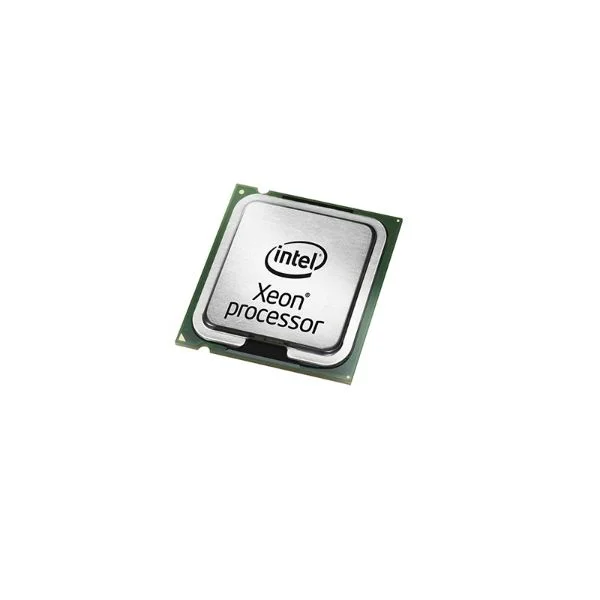
866548-B21 (HPE ML350 Gen10 6132 Xeon-G Kit)
4.6 (5)- No
- Gaming / Workstation / Server
- LGA 1700
Est Value $639.02$545.51
14.6% offIn stockRefurbishedFirst-Time Buyer Discount – Get up to 2% additional off on your first order
ORM Rewards Earn $50 in Rewards + Free Expedited Delivery – Join Now!
Use eCoupon ORMSAVE10
eCoupon limited to 5 units
- BEST SELLING
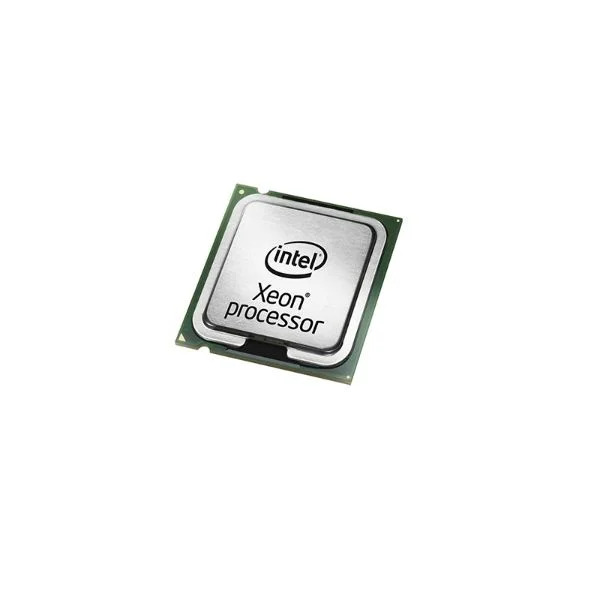
P06656-L21 (HPE DL20 Gen10 Intel Xeon E-2174G (3.8GHz/4-core/71W) FIO Processor Kit)
4.2 (5)- No
- General Use
- LGA 1700
Est Value $681.06$581.40
14.6% offIn stockRefurbishedFirst-Time Buyer Discount – Get up to 2% additional off on your first order
ORM Rewards Earn $50 in Rewards + Free Expedited Delivery – Join Now!
Use eCoupon ORMSAVE10
eCoupon limited to 5 units
- BEST SELLING
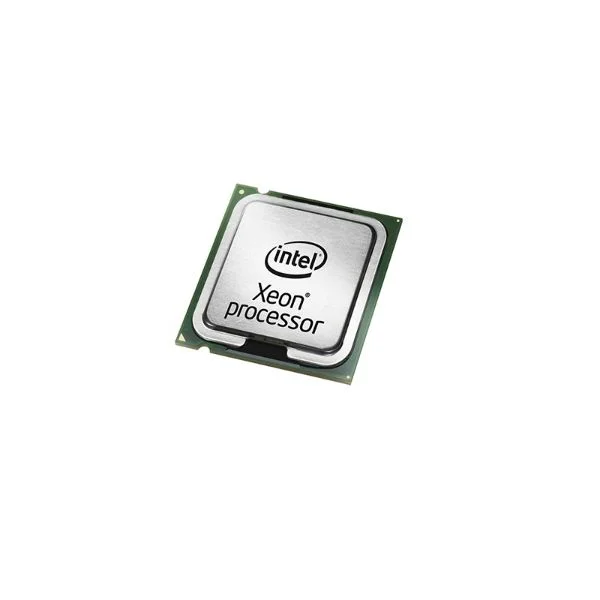
P06646-L21 (HPE DL20 Gen10 Intel Xeon E-2134 (3.5GHz/4-core/71W) FIO Processor Kit)
4.6 (5)- No
- Gaming
- LGA 1700
Est Value $688.62$587.84
14.6% offIn stockRefurbishedFirst-Time Buyer Discount – Get up to 2% additional off on your first order
ORM Rewards Earn $50 in Rewards + Free Expedited Delivery – Join Now!
Use eCoupon ORMSAVE10
eCoupon limited to 5 units
- BEST SELLING
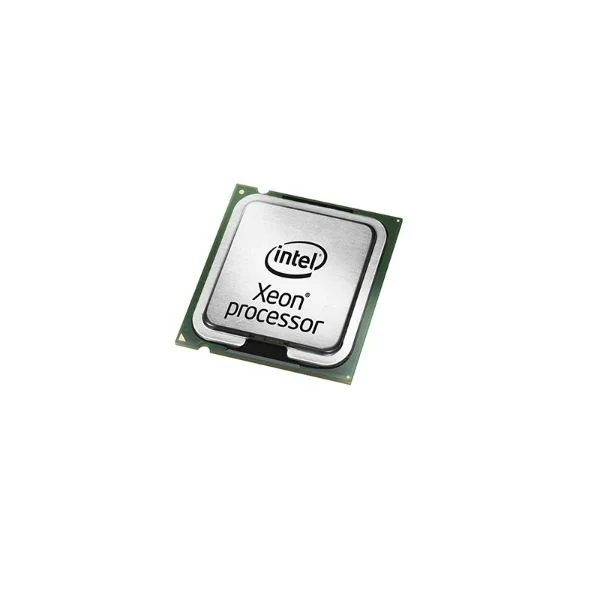
871842-L21 (HPE ML30 Gen9 E3-1240v6 FIO Kit)
4.6 (5)- 1.5
- 0.5
- No
- Gaming
- LGA 1700
- Dual
- PCIe 5.0
Est Value $733.82$626.43
14.6% offIn stockRefurbishedFirst-Time Buyer Discount – Get up to 2% additional off on your first order
ORM Rewards Earn $50 in Rewards + Free Expedited Delivery – Join Now!
Use eCoupon ORMSAVE10
eCoupon limited to 5 units

ORM Sales Advisors
Buying for your business? Get a personalised quote in under 2 hours. Talk to an expert
LEARNFilters (1376) 
Questions & Answers
What are HPE CPUs and processors?
HPE CPUs and processors are high-performance, enterprise-grade computing units engineered by Hewlett Packard Enterprise for servers, workstations, and data centers, delivering optimized compute power, reliability, and manageability for mission-critical workloads.
Which processor architectures does HPE offer?
HPE provides Intel® Xeon® Scalable and AMD EPYC™ architectures, each optimized for different performance, core count, and energy-efficiency requirements to match diverse enterprise workloads.
How do I choose the right HPE processor for my workload?
Select based on key metrics—core count, clock speed, cache size, memory channels and TDP—aligned with your application’s demands (e.g., virtualization, AI inference or database transactions) to ensure optimal performance per dollar.
Are HPE processors compatible with all HPE server models?
Each HPE processor is optimized for specific server families; always verify compatibility using HPE’s QuickSpecs or the Server Compatibility Matrix to ensure proper socket, firmware and thermal requirements.
Can I upgrade HPE CPUs without replacing the entire server?
In many HPE ProLiant and HPE Apollo systems, you can upgrade to a higher-performance compatible CPU within the same socket generation, provided firmware is up to date and thermal/power limits are observed.
How do HPE processors optimize power consumption?
HPE CPUs leverage advanced power-management features like dynamic voltage/frequency scaling, C-states and Intel® Speed Select Technology or AMD Eco Mode to balance performance with energy efficiency.
Do HPE processors support hardware-based security features?
Yes. HPE CPUs integrate secure boot, Intel® SGX or AMD SEV for data encryption in use, and Intel® TDT for runtime attack detection to protect workloads from firmware to OS level.
What memory configurations do HPE processors support?
HPE processors support multi-channel DDR4 or DDR5 memory with error-correcting code (ECC), persistent memory (PMem), and HPE Smart DDR Technology for increased bandwidth, resilience and lower latency.
Are HPE processors optimized for virtualization?
Yes. HPE CPUs include hardware virtualization support—Intel® VT-x/VT-d or AMD-V/SVM—maximizing VM density, reducing hypervisor overhead and improving resource isolation for cloud and virtualized environments.
How do HPE processors accelerate AI and machine learning workloads?
HPE CPUs offer specialized instructions (Intel® AVX-512 or AMD 3D V-Cache) and high memory bandwidth to speed up parallel processing for AI inference, training and data analytics tasks.
What management tools are available for HPE CPUs?
HPE OneView and iLO (Integrated Lights-Out) provide agentless monitoring, out-of-band management, firmware automation and security compliance to streamline CPU deployment and lifecycle management.
How does HPE warranty cover CPU failures?
HPE’s standard server warranty includes CPU coverage for hardware defects, typically 3 years, with options to extend to 5 years and add enhanced support levels like 24x7 response and on-site service.
How does the cost of HPE processors compare to competitors?
While HPE CPUs may command a premium, total cost of ownership (TCO) is reduced through integrated management, higher utilization rates, energy efficiency and bundled support services.
What is the ROI of deploying HPE processors?
ROI is realized through faster time to market, reduced power and cooling costs, simplified operations via automation, and increased application throughput, delivering measurable savings within months.
How do I procure genuine HPE processors?
Purchase through HPE authorized channels—HPE Direct, certified partners or distributors—to ensure authenticity, warranty validity and access to HPE support and firmware updates.
Where can I find HPE processor technical documentation?
Access detailed QuickSpecs, user guides and white papers on HPE’s official website under the Support section to review specifications, compatibility matrices and best practices for deployment.