 United States
HPE Apollo Servers Processors Maximum Efficiency
Engineered to deliver advanced processing capabilities, HPE Apollo Servers Processors power mission-critical applications, optimize data management, and ensure robust performance and future-proof scalability for demanding enterprise workloads.
Talk to an expert
370 Matching results
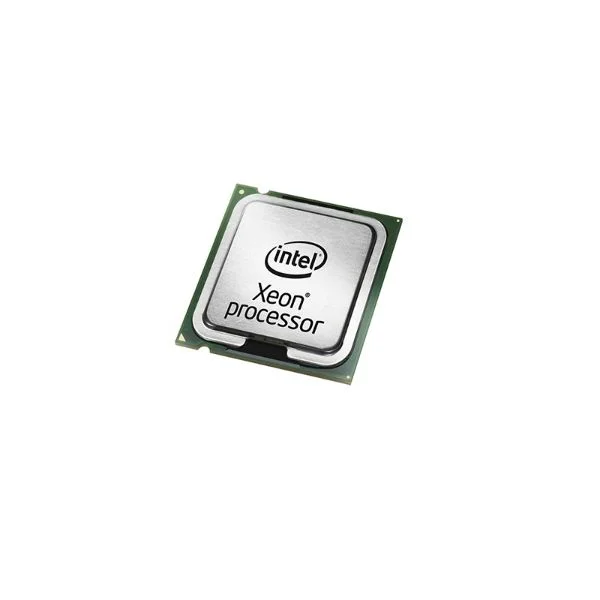
872557-B21 (HPE XL450 Gen10 Xeon-G 6130 Kit)
4.6 (5)- No
- Gaming
- LGA 1700
Est Value $566.00
$483.17
14.6% offIn stockNewRefurbishedFirst-Time Buyer Discount – Get up to 2% additional off on your first order
ORM Rewards Earn $50 in Rewards + Free Expedited Delivery – Join Now!
Use eCoupon ORMSAVE10
eCoupon limited to 5 units
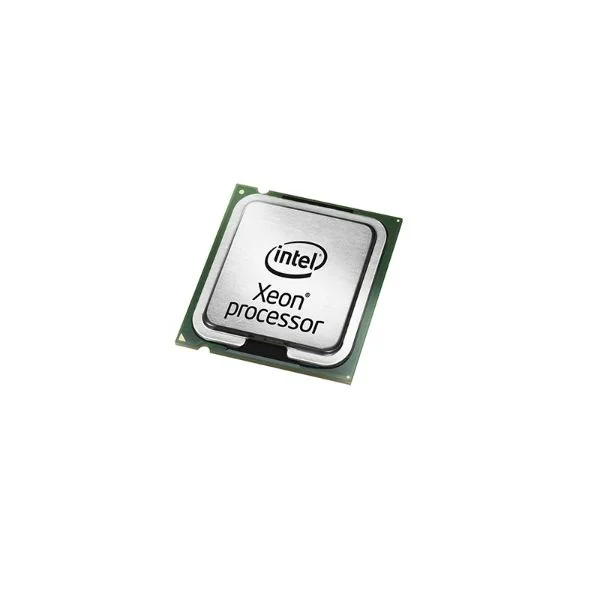
872551-B21 (HPE XL450 Gen10 Xeon-G 5115 Kit)
4.6 (5)- 1.5 inches
- 0.5 inches
- 0.25 lbs
- 1.5 inches
- No
- Gaming
- LGA 1700
Est Value $521.79$445.43
14.6% offIn stockNewRefurbishedFirst-Time Buyer Discount – Get up to 2% additional off on your first order
ORM Rewards Earn $50 in Rewards + Free Expedited Delivery – Join Now!
Use eCoupon ORMSAVE10
eCoupon limited to 5 units
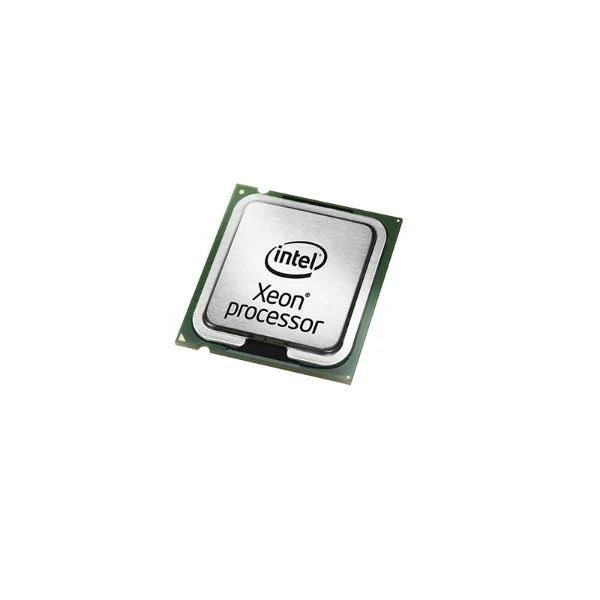
872551-L21 (HPE XL450 Gen10 Xeon-G 5115 FIO Kit)
4.8 (5)- No
- Gaming
- LGA 1700
Est Value $521.79$445.43
14.6% offIn stockNewRefurbishedFirst-Time Buyer Discount – Get up to 2% additional off on your first order
ORM Rewards Earn $50 in Rewards + Free Expedited Delivery – Join Now!
Use eCoupon ORMSAVE10
eCoupon limited to 5 units
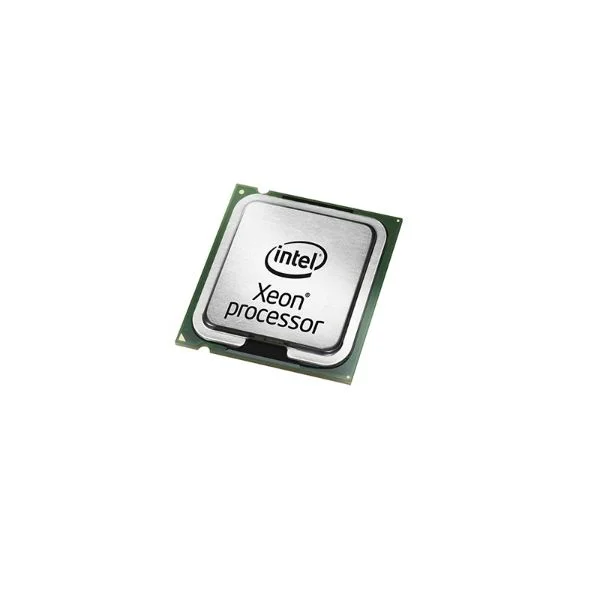
879579-L21 (HPE XL1x0r Gen10 Xeon-G 5115 FIO Kit)
4.6 (5)- No
- Gaming
- LGA 1700
Est Value $521.79$445.43
14.6% offIn stockNewRefurbishedFirst-Time Buyer Discount – Get up to 2% additional off on your first order
ORM Rewards Earn $50 in Rewards + Free Expedited Delivery – Join Now!
Use eCoupon ORMSAVE10
eCoupon limited to 5 units
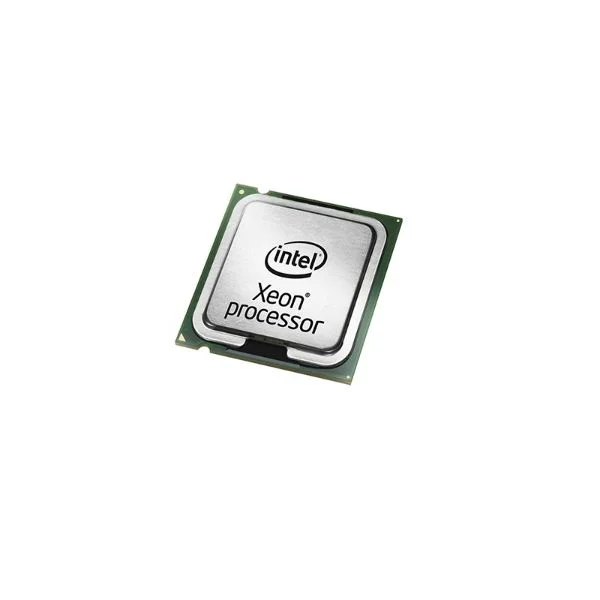
879579-B21 (HPE XL1x0r Gen10 Xeon-G 5115 Kit)
4.4 (5)- No
- Gaming / Workstation / Overclocking
- Dual
Est Value $521.79$445.43
14.6% offIn stockNewRefurbishedFirst-Time Buyer Discount – Get up to 2% additional off on your first order
ORM Rewards Earn $50 in Rewards + Free Expedited Delivery – Join Now!
Use eCoupon ORMSAVE10
eCoupon limited to 5 units
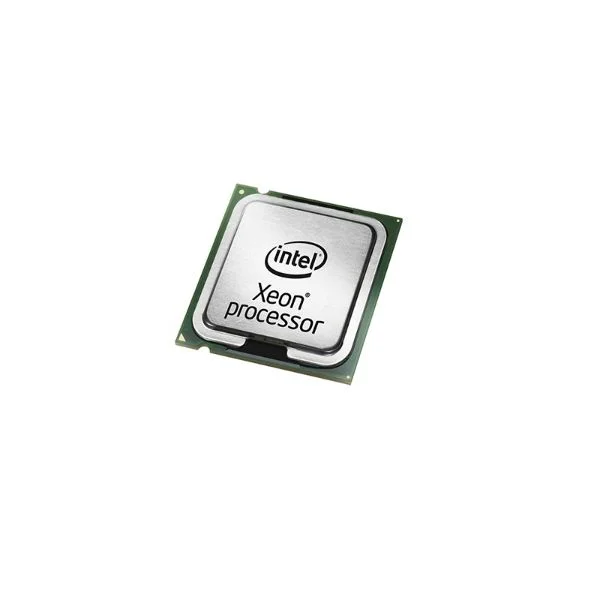
874282-B21 (HPE XL1x0r Gen10 Xeon-G 5122 Kit)
4.4 (5)- 0.5 lbs
- 1.5 inches
- 1.2 inches
- 1.5 inches
- No
- Gaming / Workstation
- LGA 1700
Est Value $2,199.00$433.34
80.3% offIn stockNewRefurbishedFirst-Time Buyer Discount – Get up to 2% additional off on your first order
ORM Rewards Earn $50 in Rewards + Free Expedited Delivery – Join Now!
Use eCoupon ORMSAVE10
eCoupon limited to 5 units
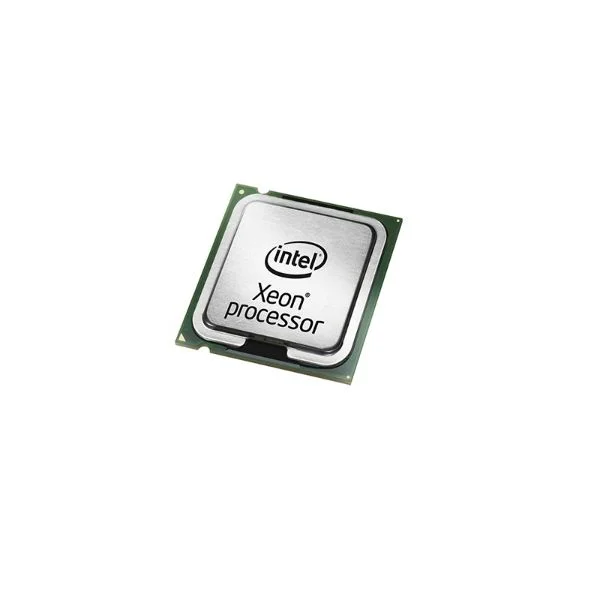
872557-L21 (HPE XL450 Gen10 Xeon-G 6130 FIO Kit)
4.6 (5)- No
- Gaming
- LGA 1700
Est Value $2,337.76$1,995.65
14.6% offIn stockNewRefurbishedFirst-Time Buyer Discount – Get up to 2% additional off on your first order
ORM Rewards Earn $50 in Rewards + Free Expedited Delivery – Join Now!
Use eCoupon ORMSAVE10
eCoupon limited to 5 units
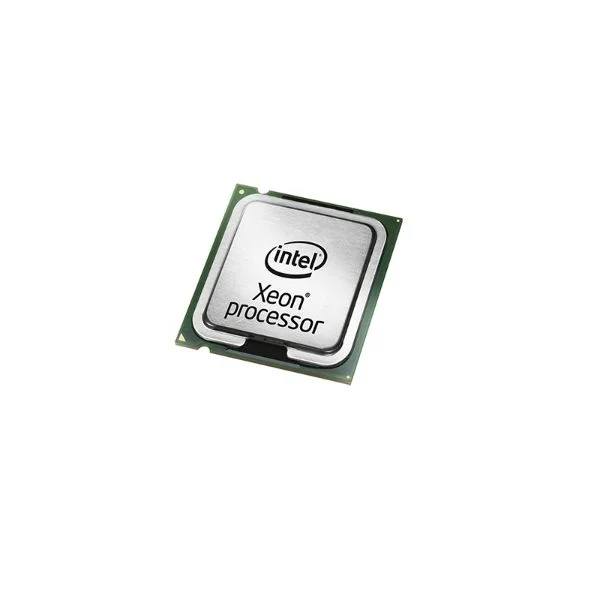
870571-B21 (HPE XL230k Gen10 Xeon-G 6130 Rear Kit)
4.8 (5)- 0.5 lbs
- 1.2 inches
- 1.2 inches
- 1.2 inches
- No
- Gaming
- LGA 1700
Est Value $244.12$122.06
50% offIn stockNewFirst-Time Buyer Discount – Get up to 2% additional off on your first order
ORM Rewards Earn $50 in Rewards + Free Expedited Delivery – Join Now!
Use eCoupon ORMSAVE10
eCoupon limited to 5 units
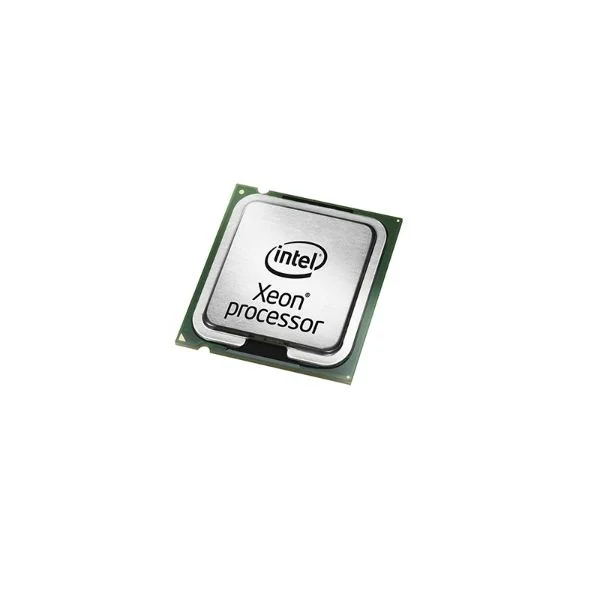
874286-L21 (HPE XL1x0r Gen10 Xeon-G 6130 FIO Kit)
4.6 (5)- No
- Gaming
- LGA 1700
Est Value $566.00$483.17
14.6% offIn stockNewRefurbishedFirst-Time Buyer Discount – Get up to 2% additional off on your first order
ORM Rewards Earn $50 in Rewards + Free Expedited Delivery – Join Now!
Use eCoupon ORMSAVE10
eCoupon limited to 5 units
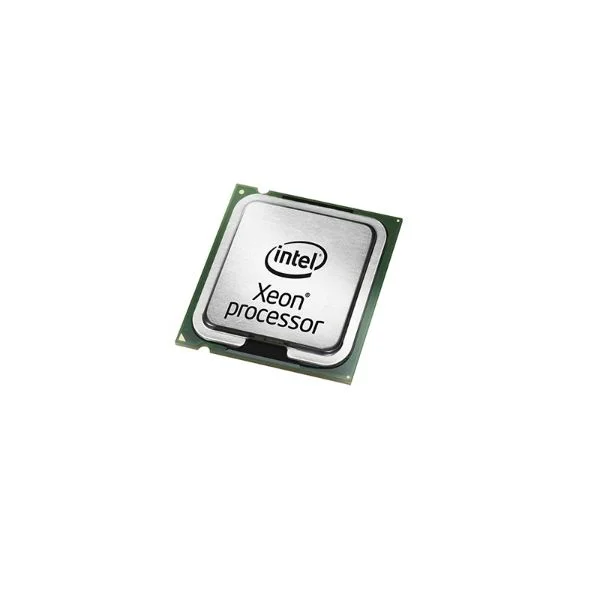
874286-B21 (HPE XL1x0r Gen10 Xeon-G 6130 Kit)
4.8 (5)- No
- Gaming
- LGA 1700
Est Value $566.00$483.17
14.6% offIn stockNewRefurbishedFirst-Time Buyer Discount – Get up to 2% additional off on your first order
ORM Rewards Earn $50 in Rewards + Free Expedited Delivery – Join Now!
Use eCoupon ORMSAVE10
eCoupon limited to 5 units
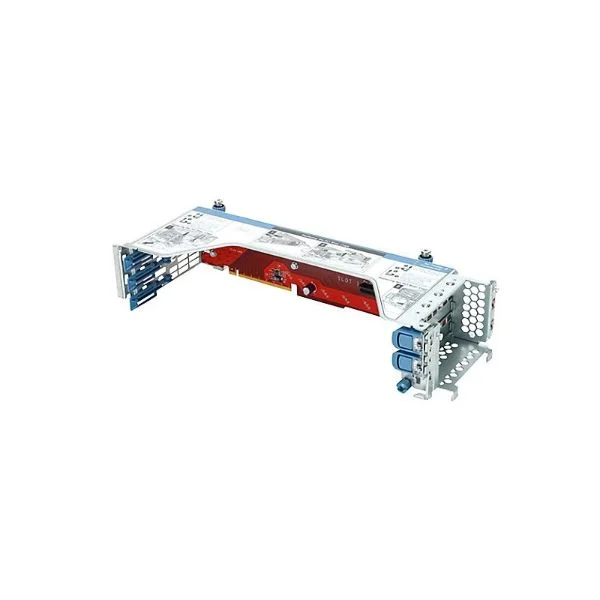
827353-B21 (HPE XL190r Gen9 GD-RT R Riser Kit)
4.8 (5)- 0.55 inches
- 1.4 inches
- 1.4 inches
- 0.32 lbs
- No
- LGA 1700
- Dual
Est Value $186.43$159.15
14.6% offIn stockNewRefurbishedFirst-Time Buyer Discount – Get up to 2% additional off on your first order
ORM Rewards Earn $50 in Rewards + Free Expedited Delivery – Join Now!
Use eCoupon ORMSAVE10
eCoupon limited to 5 units
874283-B21 (HPE XL1x0r Gen10 Xeon-G 6126 Kit)
5 (5)- 1.5
- 0.1
- 0.5
- No
- Gaming
- LGA 1700
- Dual
Est Value $260.40$130.20
50% offIn stockNewFirst-Time Buyer Discount – Get up to 2% additional off on your first order
ORM Rewards Earn $50 in Rewards + Free Expedited Delivery – Join Now!
Use eCoupon ORMSAVE10
eCoupon limited to 5 units
874283-L21 (HPE XL1x0r Gen10 Xeon-G 6126 FIO Kit)
4.6 (5)- 0.5
- 1.5
- 1.5
- No
- Gaming
- LGA 1700
- Dual
Est Value $525.83$448.88
14.6% offIn stockNewRefurbishedFirst-Time Buyer Discount – Get up to 2% additional off on your first order
ORM Rewards Earn $50 in Rewards + Free Expedited Delivery – Join Now!
Use eCoupon ORMSAVE10
eCoupon limited to 5 units
872547-B21 (HPE XL450 Gen10 Xeon-S 4110 Kit)
4.6 (5)- No
- Gaming
- LGA 1700
Est Value $260.40$130.20
50% offIn stockRefurbishedFirst-Time Buyer Discount – Get up to 2% additional off on your first order
ORM Rewards Earn $50 in Rewards + Free Expedited Delivery – Join Now!
Use eCoupon ORMSAVE10
eCoupon limited to 5 units
872555-L21 (HPE XL450 Gen10 Xeon-G 6126 FIO Kit)
5 (5)- 1.5 inches
- 0.3 lbs
- 0.5 inches
- 1.5 inches
- No
- Gaming
- LGA 1700
Est Value $525.83$448.88
14.6% offIn stockNewRefurbishedFirst-Time Buyer Discount – Get up to 2% additional off on your first order
ORM Rewards Earn $50 in Rewards + Free Expedited Delivery – Join Now!
Use eCoupon ORMSAVE10
eCoupon limited to 5 units
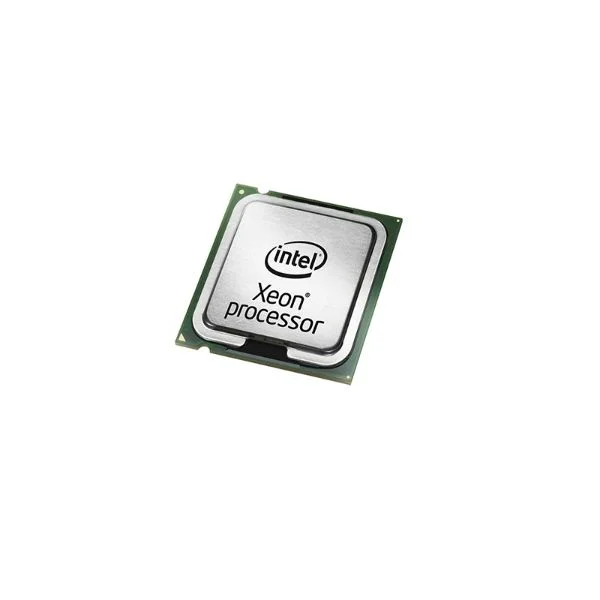
P09134-B21 (HPE XL270d Gen10 Intel Xeon-Gold 6146 (3.2GHz/12-core/165W) Processor Kit)
4.6 (5)- 0.2 lbs
- 0.5 inches
- 0.5 inches
- 0.1 inches
- No
- Gaming
- LGA 1700
Est Value $874.00$131.25
85% offIn stockRefurbishedFirst-Time Buyer Discount – Get up to 2% additional off on your first order
ORM Rewards Earn $50 in Rewards + Free Expedited Delivery – Join Now!
Use eCoupon ORMSAVE10
eCoupon limited to 5 units
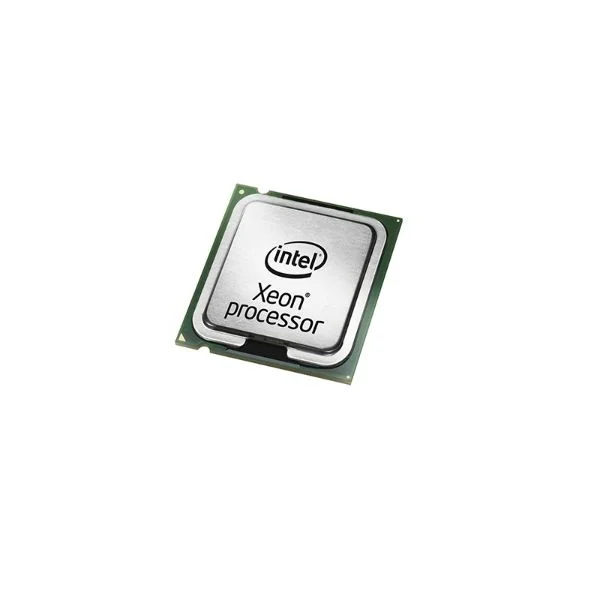
880669-B21 (HPE XL1x0r Gen10 Xeon-G 6132 Kit)
4.2 (5)- 0.3 lbs
- 0.16 inches
- 1.48 inches
- 1.48 inches
- No
- Gaming
- LGA 1700
Est Value $639.02$131.25
79.5% offIn stockRefurbishedFirst-Time Buyer Discount – Get up to 2% additional off on your first order
ORM Rewards Earn $50 in Rewards + Free Expedited Delivery – Join Now!
Use eCoupon ORMSAVE10
eCoupon limited to 5 units
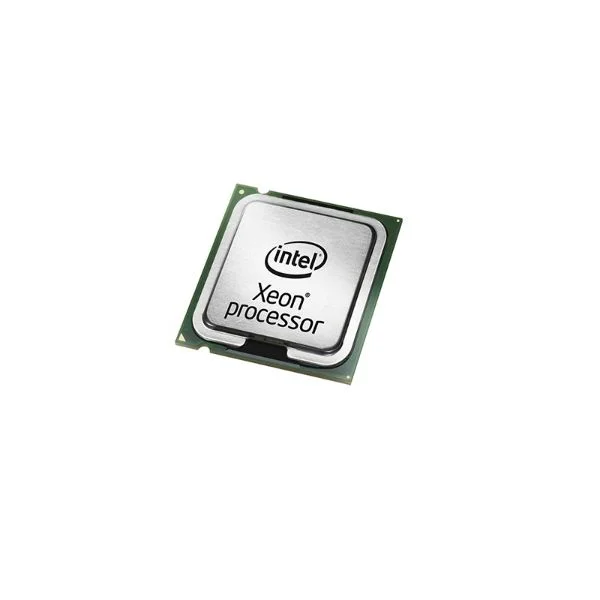
872555-B21 (HPE XL450 Gen10 Xeon-G 6126 Kit)
4.8 (5)- 1.5
- 0.7
- 0.5
- No
- Gaming
- LGA 1700
- Dual
Est Value $525.83$448.88
14.6% offIn stockNewRefurbishedFirst-Time Buyer Discount – Get up to 2% additional off on your first order
ORM Rewards Earn $50 in Rewards + Free Expedited Delivery – Join Now!
Use eCoupon ORMSAVE10
eCoupon limited to 5 units
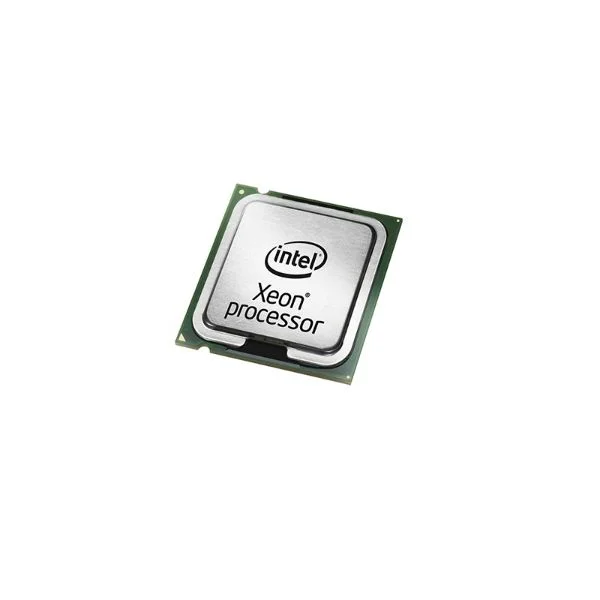
879581-L21 (HPE XL1x0r Gen10 Xeon-G 5118 FIO Kit)
4.4 (5)- No
- Gaming
- LGA 1700
Est Value $2,221.00$676.47
69.5% offIn stockNewRefurbishedFirst-Time Buyer Discount – Get up to 2% additional off on your first order
ORM Rewards Earn $50 in Rewards + Free Expedited Delivery – Join Now!
Use eCoupon ORMSAVE10
eCoupon limited to 5 units
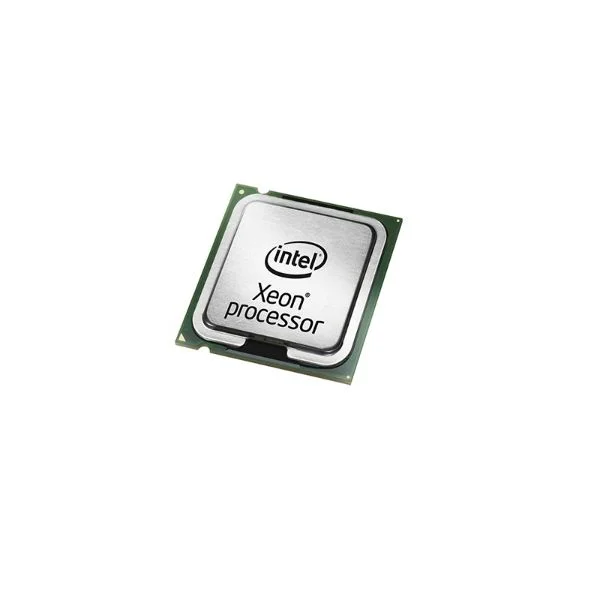
830728-L21 (HPE Apollo 4200 Gen9 E5-2640v4 FIO Kit)
5 (5)- 0.5 lbs
- 1.5 inches
- 0.5 inches
- 1.5 inches
- No
- Gaming / Workstation / Server
- LGA 1700
Est Value $276.68$138.34
50% offIn stockRefurbishedFirst-Time Buyer Discount – Get up to 2% additional off on your first order
ORM Rewards Earn $50 in Rewards + Free Expedited Delivery – Join Now!
Use eCoupon ORMSAVE10
eCoupon limited to 5 units

ORM Sales Advisors
Buying for your business? Get a personalised quote in under 2 hours. Talk to an expert
LEARNFilters (370) 
Questions & Answers
What processors are supported by HPE Apollo servers?
HPE Apollo servers support Intel Xeon Scalable and AMD EPYC processors with up to 64 cores per socket, delivering optimized performance for HPC, AI, and data analytics workloads.
How do Intel Xeon Scalable processors enhance HPE Apollo performance?
Intel Xeon Scalable CPUs deliver high core counts, large cache sizes, and Intel AVX-512 acceleration, boosting compute density, reducing latency, and enabling faster time-to-insight in HPE Apollo environments.
Can HPE Apollo servers be configured with AMD EPYC processors?
Yes. Select HPE Apollo Gen10 Plus models support AMD EPYC 7002/7003 series CPUs, offering up to 128 PCIe lanes, industry-leading memory bandwidth, and competitive TCO for data-intensive workloads.
How many processor sockets do HPE Apollo servers support?
Most HPE Apollo rack systems support dual-socket configurations, while ultra-dense and GPU-optimized variants may use single or four sockets to match specific workload requirements.
What is the maximum core count per processor in HPE Apollo servers?
HPE Apollo servers accommodate processors with up to 64 cores (Intel Xeon Scalable) or 64 cores (AMD EPYC), delivering exceptional parallelism for simulation, rendering, and scientific computing.
How do HPE Apollo processors accelerate high-performance computing?
By combining multi-core CPUs, NVIDIA GPU accelerators, and high-speed interconnects, HPE Apollo processors streamline parallel processing, reduce job runtimes, and maximize cluster efficiency.
Which HPE Apollo series is ideal for AI and deep learning?
HPE Apollo 6500 Gen10 Plus, with up to eight NVIDIA GPU accelerators and dual Intel Xeon Scalable or AMD EPYC processors, is optimized for AI training and inference at scale.
Can I upgrade processors in HPE Apollo servers after deployment?
Yes. HPE Apollo chassis support field-replaceable processors; you can upgrade to next-generation Intel or AMD CPUs without redesigning the server architecture.
How does HPE Apollo ensure energy efficiency at the processor level?
HPE Apollo leverages processor power capping, advanced cooling, and dynamic frequency scaling to optimize performance per watt and reduce data center power and cooling costs.
Do HPE Apollo servers support virtualization workloads?
HPE Apollo servers with Intel VT-x/VT-d and AMD-V extensions deliver robust virtualization, enabling high VM density, secure isolation, and efficient resource allocation for cloud environments.
What security features do HPE Apollo processors include?
HPE Apollo processors integrate Intel SGX, AMD SEV, secure boot, and silicon root of trust to protect data in use, defend against firmware attacks, and ensure hardware-based security.
How do I choose the right processor for my HPE Apollo deployment?
Assess workload requirements—core count, memory bandwidth, accelerator support—and match them to Intel Xeon Scalable or AMD EPYC CPU characteristics for optimal cost and performance.
What management tools support HPE Apollo processor configurations?
HPE OneView and Integrated Lights-Out (iLO) deliver comprehensive lifecycle management, health monitoring, firmware updates, and remote configuration for all HPE Apollo processor settings.
How do HPE Apollo processors handle data-intensive analytics?
With high-speed memory channels, large L3 caches, and optimized NUMA architectures, HPE Apollo processors accelerate in-memory databases, real-time analytics, and AI inferencing workflows.
What differentiates HPE Apollo 2000 and 4000 series processors?
The Apollo 2000 series focuses on density and efficiency with 1U nodes, while the 4000 series delivers GPU-optimized performance and higher memory capacity for advanced HPC and AI tasks.
How quickly can I deploy or replace processors in HPE Apollo servers?
HPE Apollo supports hot-swap and field-serviceable processor modules, enabling hardware upgrades or replacements in under 30 minutes with minimal downtime.