 United States
Servers HPE DL385 Processors
Experience unmatched performance and reliability with HPE DL385 server processors. Engineered for demanding workloads, they deliver scalable power and efficiency, ensuring robust solutions for modern data centers.
Talk to an expert
18 Matching results
- BEST SELLING
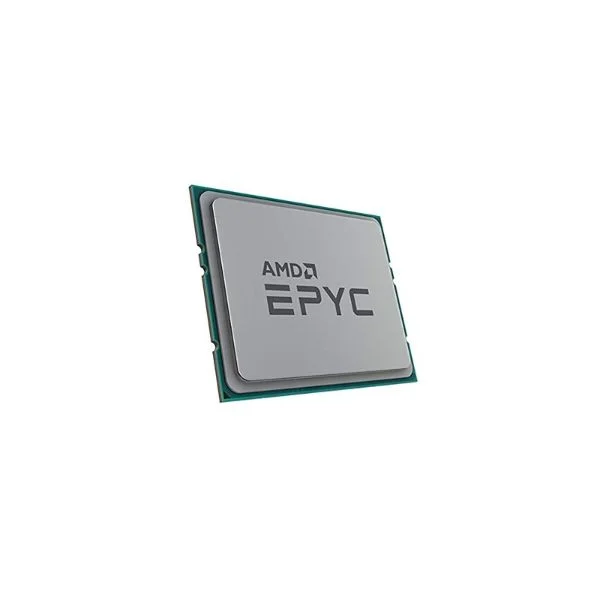
881163-B21 (HPE DL385 Gen10 7551 AMD Kit)
4.4 (5)- No
- Gaming
- LGA 1700
Est Value $4,561.52
$3,893.98
14.6% offIn stockNewRefurbishedFirst-Time Buyer Discount – Get up to 2% additional off on your first order
ORM Rewards Earn $50 in Rewards + Free Expedited Delivery – Join Now!
Use eCoupon ORMSAVE10
eCoupon limited to 5 units
- BEST SELLING
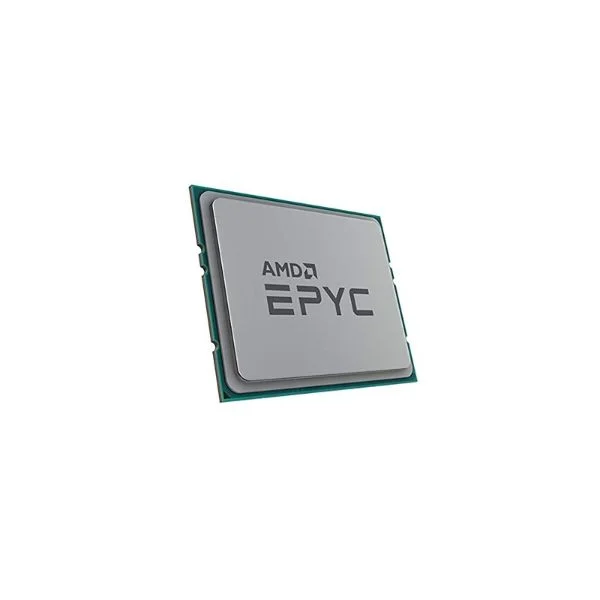
881166-B21 (HPE DL385 Gen10 7401 AMD Kit)
4.4 (5)- No
- Gaming / Workstation / Overclocking
- LGA 1700
Est Value $2,415.00$1,207.50
50% offIn stockRefurbishedFirst-Time Buyer Discount – Get up to 2% additional off on your first order
ORM Rewards Earn $50 in Rewards + Free Expedited Delivery – Join Now!
Use eCoupon ORMSAVE10
eCoupon limited to 5 units
- BEST SELLING
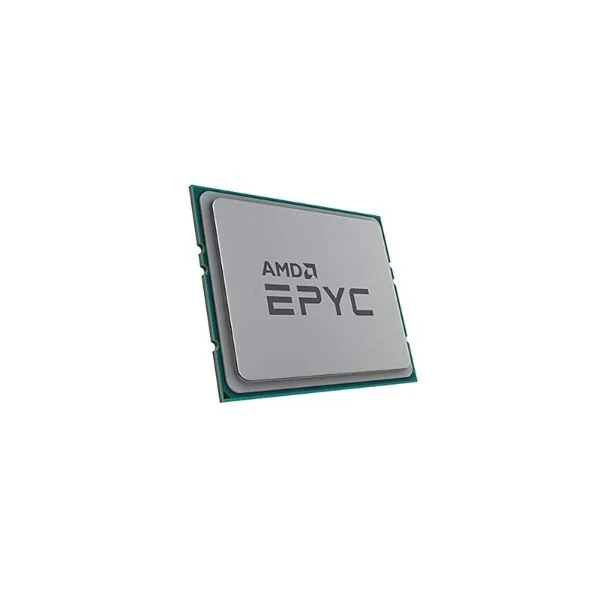
881165-B21 (HPE DL385 Gen10 7451 AMD Kit)
4.6 (5)- 1.48 inches
- No
- Gaming
- 0.14 inches
- LGA 1700
- Dual
Est Value $4,203.75$3,588.56
14.6% offIn stockRefurbishedFirst-Time Buyer Discount – Get up to 2% additional off on your first order
ORM Rewards Earn $50 in Rewards + Free Expedited Delivery – Join Now!
Use eCoupon ORMSAVE10
eCoupon limited to 5 units
- BEST SELLING
881164-B21 (HPE DL385 Gen10 7501 AMD Kit)
4.4 (5)- 1.5 inches
- 0.5 inches
- 0.25 lbs
- 1.5 inches
- No
- Gaming
- LGA 1700
Est Value $6,380.01$5,446.35
14.6% offIn stockRefurbishedFirst-Time Buyer Discount – Get up to 2% additional off on your first order
ORM Rewards Earn $50 in Rewards + Free Expedited Delivery – Join Now!
Use eCoupon ORMSAVE10
eCoupon limited to 5 units
881163-L21 (HPE DL385 Gen10 7551 AMD FIO Kit)
4.2 (5)- 1.5
- 1.2
- 1.5
- No
- Gaming
- LGA 1700
- Dual
Est Value $546.00$273.00
50% offIn stockNewFirst-Time Buyer Discount – Get up to 2% additional off on your first order
ORM Rewards Earn $50 in Rewards + Free Expedited Delivery – Join Now!
Use eCoupon ORMSAVE10
eCoupon limited to 5 units
881171-B21 (HPE DL385 Gen10 7251 AMD Kit)
4.6 (5)- No
- LGA 1700
- Dual
Est Value $576.45$448.35
22.2% offIn stockRefurbishedFirst-Time Buyer Discount – Get up to 2% additional off on your first order
ORM Rewards Earn $50 in Rewards + Free Expedited Delivery – Join Now!
Use eCoupon ORMSAVE10
eCoupon limited to 5 units
881169-B21 (HPE DL385 Gen10 7351 AMD Kit)
5 (5)- 0.2 inches
- 1.6 inches
- 0.25 lbs
- 1.6 inches
- No
- Gaming
- LGA 1700
Est Value $929.83$793.76
14.6% offIn stockRefurbishedFirst-Time Buyer Discount – Get up to 2% additional off on your first order
ORM Rewards Earn $50 in Rewards + Free Expedited Delivery – Join Now!
Use eCoupon ORMSAVE10
eCoupon limited to 5 units
881166-L21 (HPE DL385 Gen10 7401 AMD FIO Kit)
5 (5)- No
- Gaming
- LGA 1700
- Dual
- PCIe 5.0
- Processors
- Intel
Est Value $1,263.53$1,078.62
14.6% offIn stockRefurbishedFirst-Time Buyer Discount – Get up to 2% additional off on your first order
ORM Rewards Earn $50 in Rewards + Free Expedited Delivery – Join Now!
Use eCoupon ORMSAVE10
eCoupon limited to 5 units
881170-B21 (HPE DL385 Gen10 7301 AMD Kit)
4.6 (5)- No
- Gaming / Workstation
- LGA 1700
Est Value $1,372.05$1,205.82
12.1% offIn stockRefurbishedFirst-Time Buyer Discount – Get up to 2% additional off on your first order
ORM Rewards Earn $50 in Rewards + Free Expedited Delivery – Join Now!
Use eCoupon ORMSAVE10
eCoupon limited to 5 units
881171-L21 (HPE DL385 Gen10 7251 AMD FIO Kit)
4.8 (5)- 1.5
- 0.5
- No
- Gaming
- LGA 1700
- Dual
- PCIe 5.0
Est Value $1,730.93$1,477.62
14.6% offIn stockRefurbishedFirst-Time Buyer Discount – Get up to 2% additional off on your first order
ORM Rewards Earn $50 in Rewards + Free Expedited Delivery – Join Now!
Use eCoupon ORMSAVE10
eCoupon limited to 5 units
881170-L21 (HPE DL385 Gen10 7301 AMD FIO Kit)
4.6 (5)- 1.5
- No
- Gaming
- LGA 1700
- Dual
- PCIe 5.0
Est Value $3,071.64$1,535.82
50% offIn stockRefurbishedFirst-Time Buyer Discount – Get up to 2% additional off on your first order
ORM Rewards Earn $50 in Rewards + Free Expedited Delivery – Join Now!
Use eCoupon ORMSAVE10
eCoupon limited to 5 units
881169-L21 (HPE DL385 Gen10 7351 AMD FIO Kit)
4.4 (5)- 0.5 lbs
- 1.5 inches
- 1.2 inches
- 0.9 inches
- No
- Gaming
- LGA 1700
Est Value $2,540.68$2,168.87
14.6% offIn stockRefurbishedFirst-Time Buyer Discount – Get up to 2% additional off on your first order
ORM Rewards Earn $50 in Rewards + Free Expedited Delivery – Join Now!
Use eCoupon ORMSAVE10
eCoupon limited to 5 units
P00645-B21 (HPE DL385 Gen10 7281 AMD EPYC Kit)
4.6 (5)- 1.48 inches
- 1.48 inches
- 0.18 inches
- No
- Gaming
- LGA 1700
Est Value $2,910.73$2,484.77
14.6% offIn stockRefurbishedFirst-Time Buyer Discount – Get up to 2% additional off on your first order
ORM Rewards Earn $50 in Rewards + Free Expedited Delivery – Join Now!
Use eCoupon ORMSAVE10
eCoupon limited to 5 units
P00645-L21 (HPE DL385 Gen10 7281 AMD EPYC FIO Kit)
4.8 (5)- 0.3 lbs
- 1.4 inches
- 0.6 inches
- 1.4 inches
- No
- Gaming
- LGA 1700
Est Value $2,910.73$2,484.77
14.6% offIn stockRefurbishedFirst-Time Buyer Discount – Get up to 2% additional off on your first order
ORM Rewards Earn $50 in Rewards + Free Expedited Delivery – Join Now!
Use eCoupon ORMSAVE10
eCoupon limited to 5 units
881165-L21 (HPE DL385 Gen10 7451 AMD FIO Kit)
4.6 (5)- 1.5 inches
- 0.35 lbs
- 1.2 inches
- 1.5 inches
- No
- Gaming
- LGA 1700
Est Value $4,203.75$3,588.56
14.6% offIn stockRefurbishedFirst-Time Buyer Discount – Get up to 2% additional off on your first order
ORM Rewards Earn $50 in Rewards + Free Expedited Delivery – Join Now!
Use eCoupon ORMSAVE10
eCoupon limited to 5 units
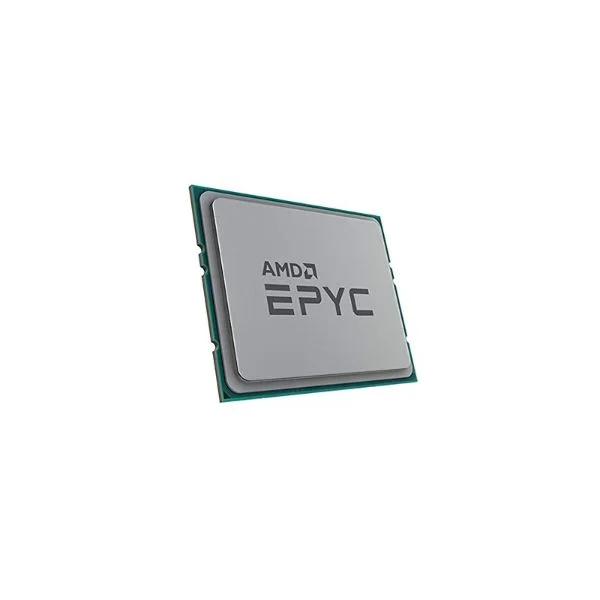
881164-L21 (HPE DL385 Gen10 7501 AMD FIO Kit)
4.4 (5)- No
- Gaming
- LGA 1700
Est Value $5,568.09$4,951.30
11.1% offIn stockRefurbishedFirst-Time Buyer Discount – Get up to 2% additional off on your first order
ORM Rewards Earn $50 in Rewards + Free Expedited Delivery – Join Now!
Use eCoupon ORMSAVE10
eCoupon limited to 5 units
- BEST SELLING
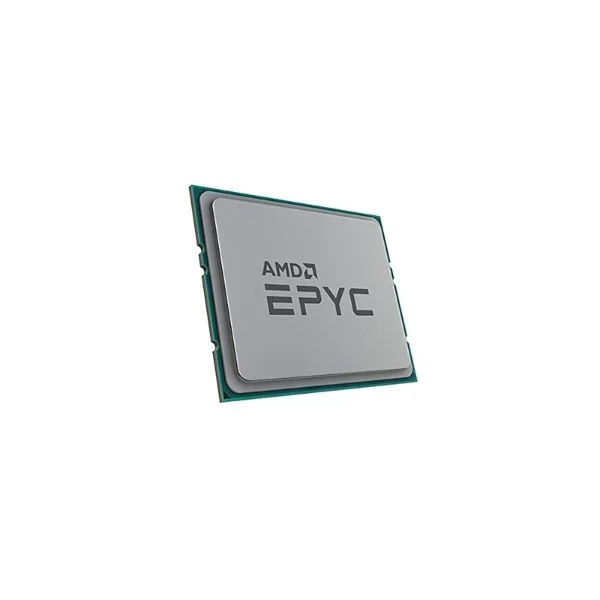
881162-B21 (HPE DL385 Gen10 7601 AMD Kit)
4.8 (5)- No
- Gaming
- LGA 1700
Est Value In stockFirst-Time Buyer Discount – Get up to 2% additional off on your first order
ORM Rewards Earn $50 in Rewards + Free Expedited Delivery – Join Now!
Use eCoupon ORMSAVE10
eCoupon limited to 5 units
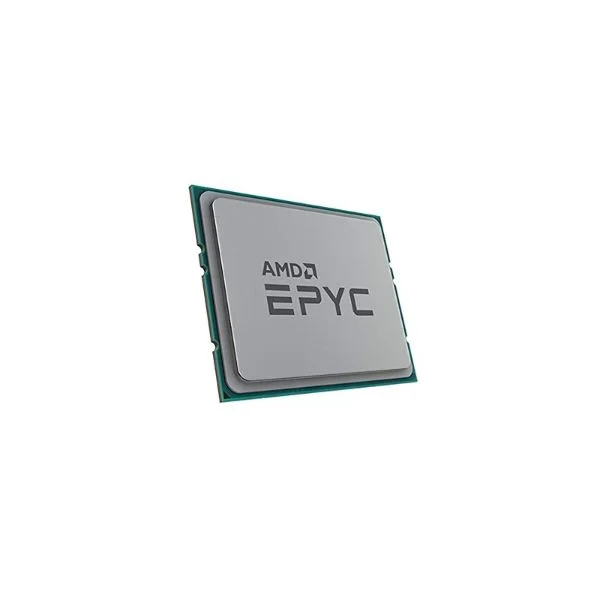
881162-L21 (HPE DL385 Gen10 7601 AMD FIO Kit)
4.2 (5)- 0.75 lbs
- 1.57 inches
- 0.2 inches
- No
- Gaming
- LGA 1700
- Dual
Est Value In stockFirst-Time Buyer Discount – Get up to 2% additional off on your first order
ORM Rewards Earn $50 in Rewards + Free Expedited Delivery – Join Now!
Use eCoupon ORMSAVE10
eCoupon limited to 5 units

ORM Sales Advisors
Buying for your business? Get a personalised quote in under 2 hours. Talk to an expert
LEARNFilters (18) 
Questions & Answers
Which processors are compatible with the HPE ProLiant DL385 Gen10 server?
The HPE ProLiant DL385 Gen10 supports AMD EPYC™ 7001 and 7002 Series processors, offering up to 64 cores, eight memory channels, and TDP up to 200W per socket for balanced performance and efficiency.
How many CPU sockets does the HPE DL385 Gen10 server support?
The HPE DL385 Gen10 features two CPU sockets, allowing dual AMD EPYC processors for up to 128 total cores and enhanced multi-threaded workload performance.
What is the maximum core count per processor on the DL385 Gen10?
Each AMD EPYC™ 7002 Series processor in the DL385 Gen10 can support up to 64 physical cores and 128 threads, maximizing parallel processing for virtualization and database applications.
Can I mix different EPYC processor models in a single DL385 server?
No. HPE requires both CPU sockets to be populated with identical AMD EPYC models with matching core counts, frequency, and firmware versions to maintain system stability and warranty compliance.
How do I upgrade the CPU in an HPE ProLiant DL385 Gen10?
Power down the server, remove power and data cables, open the chassis, unlock the socket levers, replace the existing AMD EPYC CPU with a supported model, reapply thermal interface material, and reseat the heatsink.
What is the maximum memory capacity supported when using DL385 server processors?
When fully populated with dual AMD EPYC™ processors, the DL385 Gen10 supports up to 4TB of DDR4 memory across 32 DIMM slots, leveraging eight channels per CPU for optimal throughput.
What is the TDP range for processors in the HPE DL385 Gen10?
Supported AMD EPYC™ 7001 and 7002 Series processors in the DL385 Gen10 have TDP ratings ranging from 155W up to 200W, balancing power consumption with high core counts.
Does the DL385 Gen10 support simultaneous multi-threading (SMT)?
Yes. AMD EPYC processors in the DL385 Gen10 enable SMT for two threads per core, improving utilization and performance in multi-threaded and virtualization workloads.
Which processors are recommended for virtualization on the HPE DL385?
For virtualization, HPE recommends AMD EPYC™ 7F72 or 7F32 CPUs due to their higher per-core frequency, large LLC, and increased memory bandwidth, ensuring dense VM consolidation.
How does the DL385 Gen10+ differ in processor support compared to Gen10?
The DL385 Gen10+ adds support for AMD EPYC™ 7003 Series Milan processors, delivering up to 64 cores, greater IPC gains, and enhanced memory encryption compared to earlier Naples and Rome CPUs.
What firmware versions are required to validate new CPUs on the DL385 Gen10?
Ensure the system BIOS is updated to at least version U38 or later, and the integrated firmware and silicon root of trust drivers match HPE’s published compatibility guide before installing new AMD EPYC CPUs.
Can the HPE DL385 server processors accelerate database workloads?
Yes. AMD EPYC™ high-core-count processors in the DL385 leverage large L3 cache and eight-channel memory architecture to significantly reduce query latency and improve transaction throughput in database environments.
Does the DL385 Gen10 support Secure Boot and AMD Secure Processor?
The DL385 Gen10 offers Secure Boot, UEFI Self-Encrypting Drive support, and AMD Secure Processor technology, ensuring hardware‐rooted encryption, firmware integrity checks, and runtime protection against firmware attacks.
What warranty and support options cover HPE DL385 processors?
HPE ProLiant DL385 Gen10 servers and their AMD EPYC processors include a standard three-year parts, labor, and onsite support warranty, with optional HPE Foundation Care or Proactive Care upgrades available.
How can I monitor CPU performance and temperature on the DL385?
Use HPE Integrated Lights Out (iLO) 5 or the HPE OneView management console to monitor CPU utilization, clock frequency, and temperature in real time, as well as receive alerts for thermal thresholds.