 United States
Power Adapters for Reliable Performance
Engineered for seamless connectivity and efficient power delivery, our premium power adapters guarantee reliable operation across devices. Optimize your energy solutions with unmatched performance and safety today.
Talk to an expert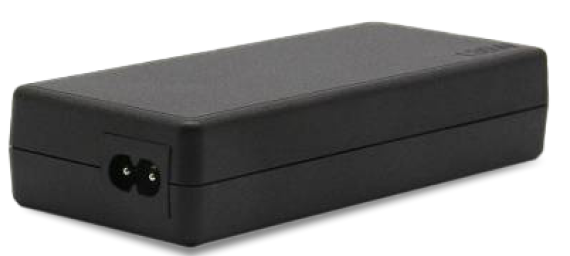
36 Matching results
IR829-PWR125W-AC (PWRSPLY AC/DC for IR829)
4.6 (8)- Power Supply
- Cisco
- 125W
- Workstation / Gaming / Server
- ATX
- Non-Modular
- 80 PLUS
Est Value $366.20
$312.61
14.6% offIn stockNewRefurbishedFirst-Time Buyer Discount – Get up to 2% additional off on your first order
ORM Rewards Earn $50 in Rewards + Free Expedited Delivery – Join Now!
Use eCoupon ORMSAVE10
eCoupon limited to 5 units
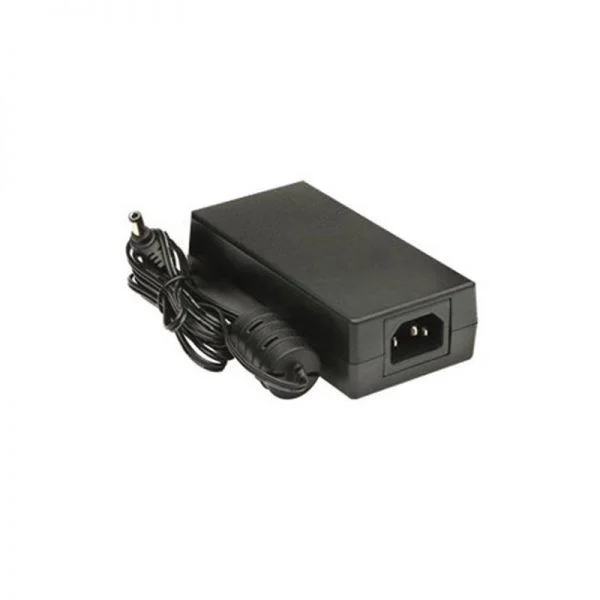
ASA5506-PWR-AC (ASA 5506 Power Adaptor)
4.6 (5)- Power Supply
- Cisco
- 550W
- Gaming / Workstation
- ATX
- Non-Modular
- Gold
Est Value $393.12$120.75
69.3% offIn stockNewRefurbishedFirst-Time Buyer Discount – Get up to 2% additional off on your first order
ORM Rewards Earn $50 in Rewards + Free Expedited Delivery – Join Now!
Use eCoupon ORMSAVE10
eCoupon limited to 5 units
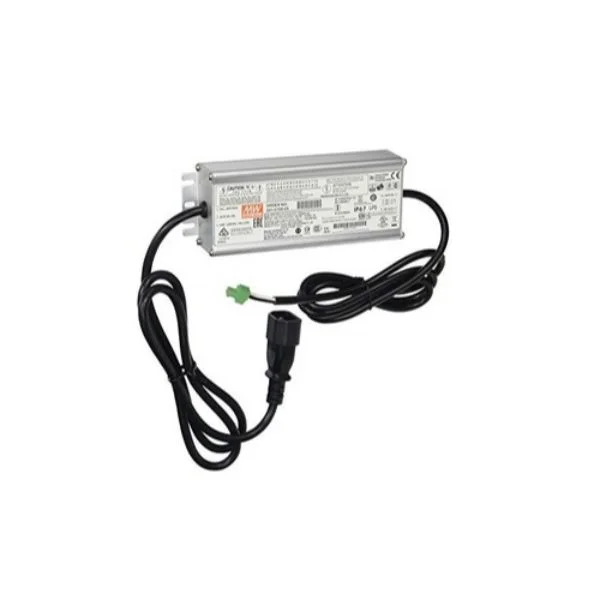
AIR-PWRADPT-1530 (POWER ADAPTER FOR 1531)
4.2 (5)- Power Supply
- Cisco
- 1500W
- Gaming / Workstation / Enterprise Server
- ATX
- Modular
- Gold
Est Value $344.25$215.46
37.4% offIn stockRefurbishedFirst-Time Buyer Discount – Get up to 2% additional off on your first order
ORM Rewards Earn $50 in Rewards + Free Expedited Delivery – Join Now!
Use eCoupon ORMSAVE10
eCoupon limited to 5 units
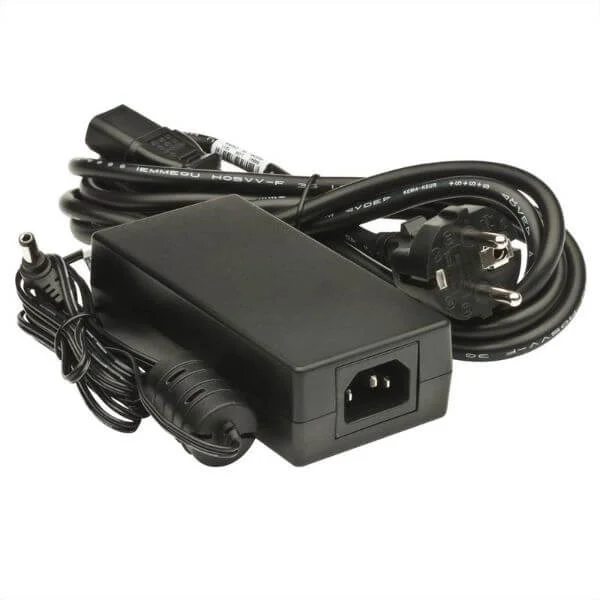
AIR-PWR-ST-LT-R3P (1520 Series Street Light Power Tap, 4 ft.)
4.7 (6)- Power Supply
- Cisco
- 600W
- Gaming / Workstation / Enterprise Server
- ATX
- Modular
- Gold
Est Value $480.00$211.63
55.9% offIn stockNewRefurbishedFirst-Time Buyer Discount – Get up to 2% additional off on your first order
ORM Rewards Earn $50 in Rewards + Free Expedited Delivery – Join Now!
Use eCoupon ORMSAVE10
eCoupon limited to 5 units
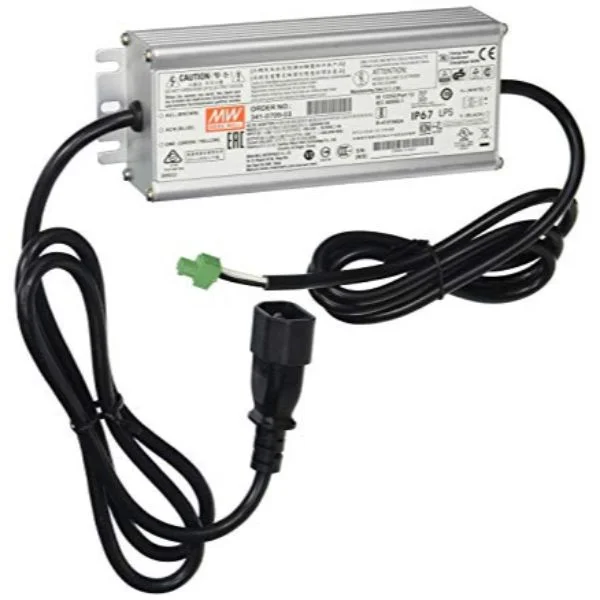
AIR-PWRADPT-RGD1 (Power Adapter for AP1530/1560 Series, no AC connector )
4.6 (5)- Power Supply
- Cisco
- 850W
- Gaming / Workstation
- ATX
- Modular
- Gold
Est Value $546.00$273.00
50% offIn stockNewFirst-Time Buyer Discount – Get up to 2% additional off on your first order
ORM Rewards Earn $50 in Rewards + Free Expedited Delivery – Join Now!
Use eCoupon ORMSAVE10
eCoupon limited to 5 units
- BEST SELLING
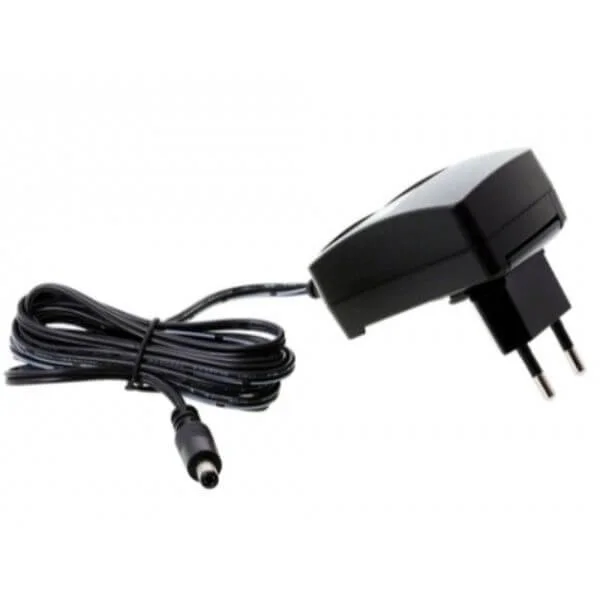
CP-6800-PWR-CE (Cisco IP Phone 6800 power adapter for Europe)
4.7 (6)- Power Supply
- Cisco
- 700W
- Gaming / Workstation / Server
- ATX
- Modular
- Gold
Est Value $45.00$23.10
48.7% offIn stockNewFirst-Time Buyer Discount – Get up to 2% additional off on your first order
ORM Rewards Earn $50 in Rewards + Free Expedited Delivery – Join Now!
Use eCoupon ORMSAVE10
eCoupon limited to 5 units
- BEST SELLING
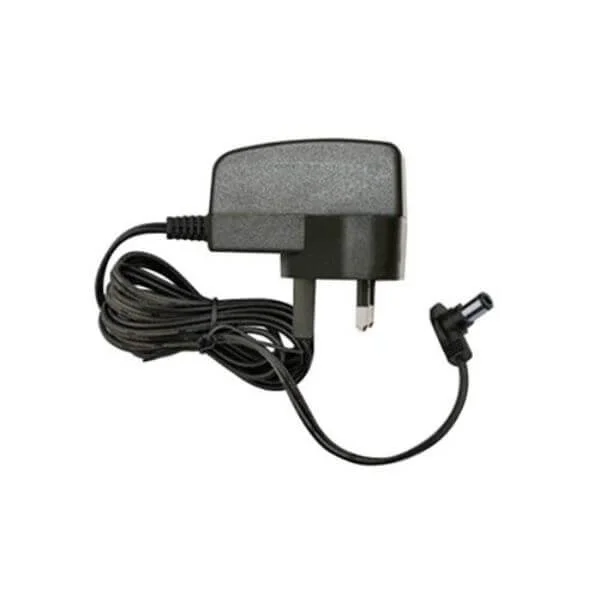
CP-6800-PWR-UK (CISCO 6800 UK POWER ADAPTER)
4.7 (6)- Power Supply
- Cisco
- 700W
- Gaming
- ATX
- Modular
- Platinum
Est Value $45.00$23.10
48.7% offIn stockNewFirst-Time Buyer Discount – Get up to 2% additional off on your first order
ORM Rewards Earn $50 in Rewards + Free Expedited Delivery – Join Now!
Use eCoupon ORMSAVE10
eCoupon limited to 5 units
- BEST SELLING
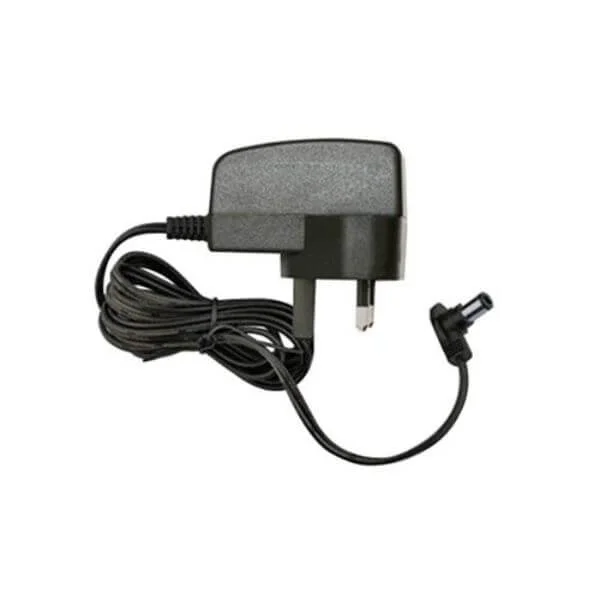
CP-6800-PWR-AU (Cisco IP Phone 6800 power adapter for Australia and New Zealand)
4.8 (6)- Power Supply
- Cisco
- 700W
- Gaming
- ATX
- Modular
- Gold
Est Value $45.00$23.10
48.7% offIn stockNewFirst-Time Buyer Discount – Get up to 2% additional off on your first order
ORM Rewards Earn $50 in Rewards + Free Expedited Delivery – Join Now!
Use eCoupon ORMSAVE10
eCoupon limited to 5 units
- BEST SELLING
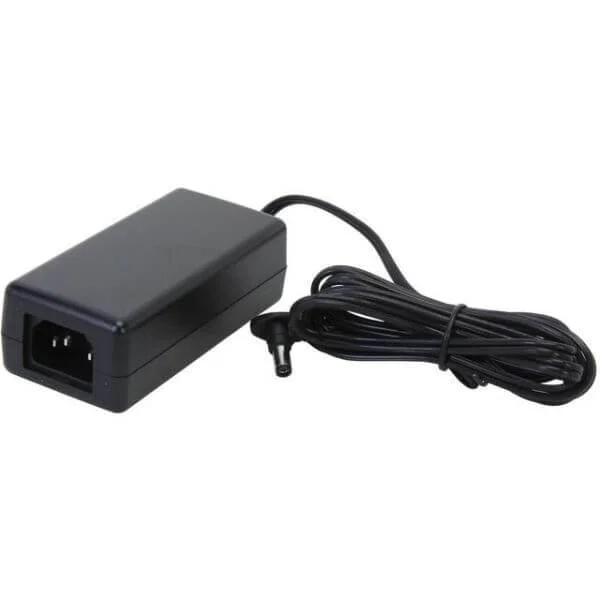
CP-PWR-CUBE-3 (IP PH 1POWER TRANSFORMER FOR 7900 PH1 SERIES)
4.7 (6)- Power Supply
- Cisco
- 750W
- Gaming / Workstation / Enterprise Server
- ATX
- Modular
- Gold
Est Value $125.00$55.38
55.7% offIn stockNewRefurbishedFirst-Time Buyer Discount – Get up to 2% additional off on your first order
ORM Rewards Earn $50 in Rewards + Free Expedited Delivery – Join Now!
Use eCoupon ORMSAVE10
eCoupon limited to 5 units
- BEST SELLING
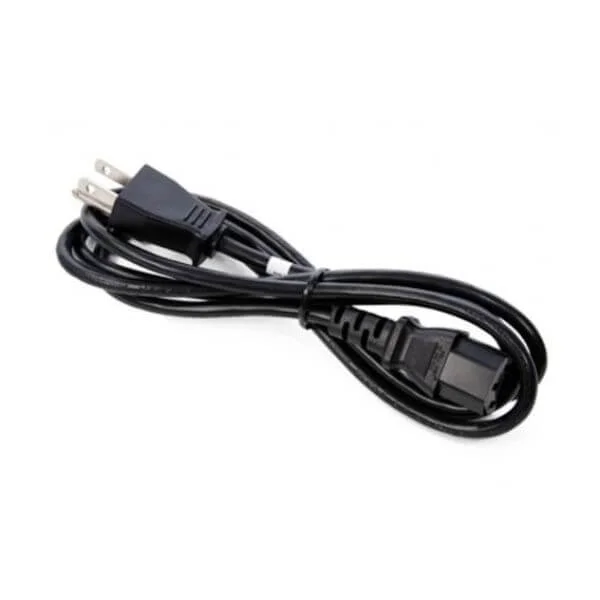
CP-6800-PWR-NA (6800 NA PWR ADAPTER)
4.8 (6)- Power Supply
- Cisco
- 680W
- Workstation / Gaming / Server
- ATX
- Modular
- Gold
Est Value $114.24$57.12
50% offIn stockNewFirst-Time Buyer Discount – Get up to 2% additional off on your first order
ORM Rewards Earn $50 in Rewards + Free Expedited Delivery – Join Now!
Use eCoupon ORMSAVE10
eCoupon limited to 5 units
- FEARURED
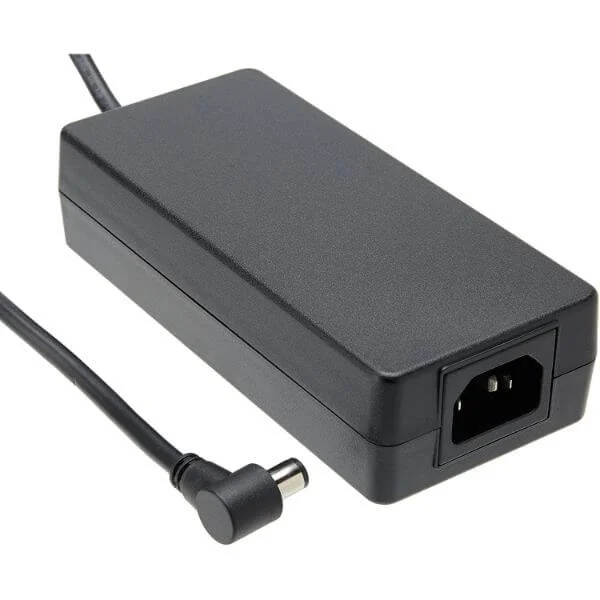
CP-PWR-CUBE-4 (IP Phone power transformer for the 89/9900 phone series)
4.8 (6)- Power Supply
- Cisco
- 600W
- Gaming
- ATX
- Modular
- Gold
Est Value $89.00$47.99
46.1% offIn stockNewRefurbishedFirst-Time Buyer Discount – Get up to 2% additional off on your first order
ORM Rewards Earn $50 in Rewards + Free Expedited Delivery – Join Now!
Use eCoupon ORMSAVE10
eCoupon limited to 5 units
CP-682X-PWR-NA (IP DECT PWR CONNECTOR NA)
4.5 (6)- Power Supply
- Cisco
- 850W
- Gaming
- ATX
- Semi-Modular
- Gold
Est Value $35.00$17.85
49% offIn stockNewFirst-Time Buyer Discount – Get up to 2% additional off on your first order
ORM Rewards Earn $50 in Rewards + Free Expedited Delivery – Join Now!
Use eCoupon ORMSAVE10
eCoupon limited to 5 units
CP-682X-PWR-CE (IP DECT POWER CONNECTOR EU)
4.8 (6)- Power Supply
- Cisco
- 850W
- Gaming / Workstation / Server
- ATX
- Modular
- Gold
Est Value $35.00$17.85
49% offIn stockNewFirst-Time Buyer Discount – Get up to 2% additional off on your first order
ORM Rewards Earn $50 in Rewards + Free Expedited Delivery – Join Now!
Use eCoupon ORMSAVE10
eCoupon limited to 5 units
CP-682X-PWR-AU (Cisco IP DECT Power Connector, Australia and New Zealand)
4.7 (6)- Power Supply
- Cisco
- 750W
- Gaming / Workstation / Server
- ATX
- Semi-Modular
- Gold
Est Value $35.00$17.85
49% offIn stockNewFirst-Time Buyer Discount – Get up to 2% additional off on your first order
ORM Rewards Earn $50 in Rewards + Free Expedited Delivery – Join Now!
Use eCoupon ORMSAVE10
eCoupon limited to 5 units
CP-682X-PWR-UK (CISCO IP DECT POWER CONNECTOR UK)
4.7 (6)- Power Supply
- Cisco
- 850W
- Gaming
- ATX
- Modular
- Gold
Est Value $35.00$17.85
49% offIn stockNewFirst-Time Buyer Discount – Get up to 2% additional off on your first order
ORM Rewards Earn $50 in Rewards + Free Expedited Delivery – Join Now!
Use eCoupon ORMSAVE10
eCoupon limited to 5 units
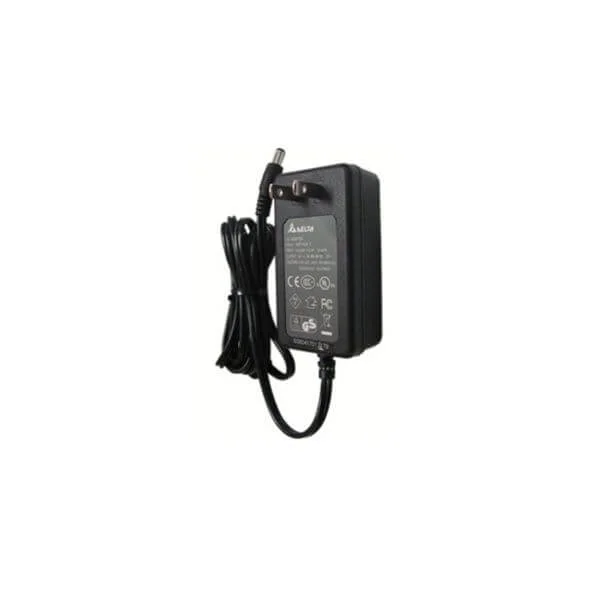
CP-PWR-DC8821-IND (Cisco 8821 Desk Top Charger Power Supply For India)
4.5 (6)- Power Supply
- Cisco
- 850W
- Enterprise Server / Data Center / Rack Server / Workstation / HPC / Gaming / Mining / General Use
- ATX
- Modular
- Gold
Est Value $60.00$28.35
52.8% offIn stockNewFirst-Time Buyer Discount – Get up to 2% additional off on your first order
ORM Rewards Earn $50 in Rewards + Free Expedited Delivery – Join Now!
Use eCoupon ORMSAVE10
eCoupon limited to 5 units
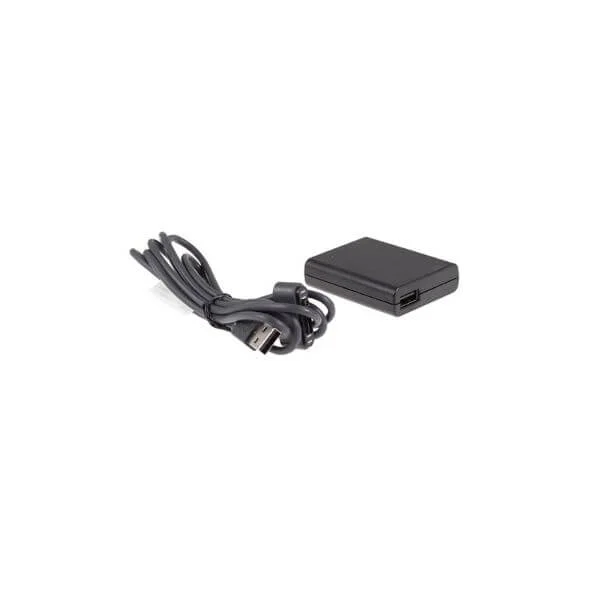
CP-PWR-8821-BZ (Cisco Wireless IP Phone 8821 Power Supply for Brazil, includes power cord, power adapter, and country clip)
4.7 (6)- Power Supply
- Cisco
- 850W
- Gaming / Workstation
- ATX
- Modular
- Gold
Est Value $60.00$31.50
47.5% offIn stockNewFirst-Time Buyer Discount – Get up to 2% additional off on your first order
ORM Rewards Earn $50 in Rewards + Free Expedited Delivery – Join Now!
Use eCoupon ORMSAVE10
eCoupon limited to 5 units
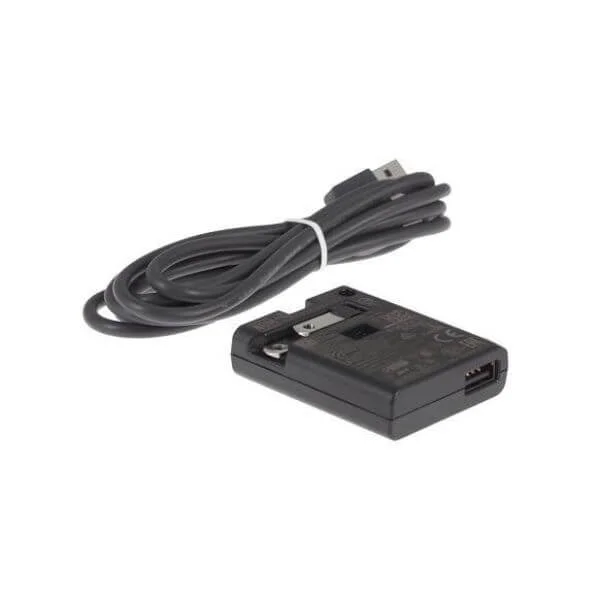
CP-PWR-8821-KR (Cisco Wireless IP Phone 8821 Power Supply for Korea, includes power cord, power adapter, and country clip)
4.5 (6)- Power Supply
- Cisco
- 850W
- Gaming / Workstation / Server
- ATX
- Modular
- Gold
Est Value $60.00$31.50
47.5% offIn stockNewFirst-Time Buyer Discount – Get up to 2% additional off on your first order
ORM Rewards Earn $50 in Rewards + Free Expedited Delivery – Join Now!
Use eCoupon ORMSAVE10
eCoupon limited to 5 units
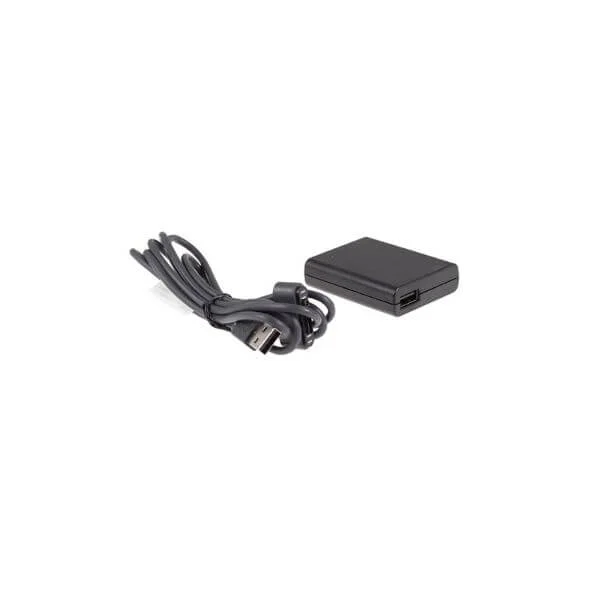
CP-PWR-8821-SW (Cisco Wireless IP Phone 8821 Power Supply for Switzerland, includes power cord, power adapter, and country clip)
4.8 (6)- Power Supply
- Cisco
- 1000W
- Gaming / Workstation / Server
- ATX
- Modular
- Gold
Est Value $60.00$31.50
47.5% offIn stockNewFirst-Time Buyer Discount – Get up to 2% additional off on your first order
ORM Rewards Earn $50 in Rewards + Free Expedited Delivery – Join Now!
Use eCoupon ORMSAVE10
eCoupon limited to 5 units
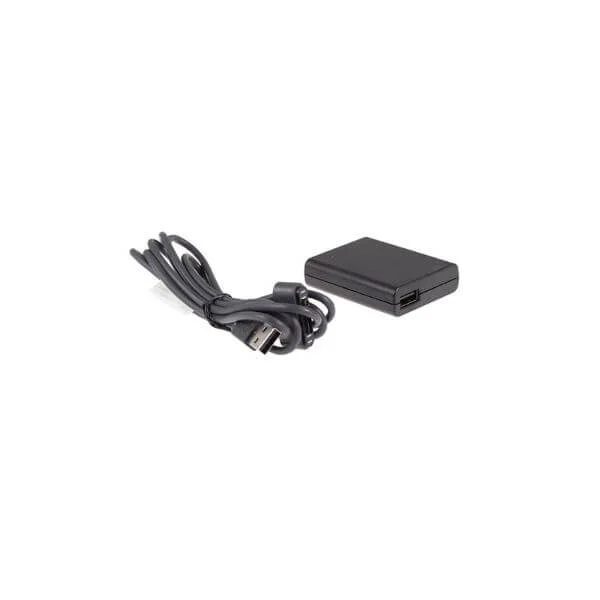
CP-PWR-8821-AR (Cisco 8821 Power Supply for Argentina)
4.8 (6)- Power Supply
- Cisco
- 1200W
- Gaming
- ATX
- Modular
- Gold
Est Value $75.00$38.85
48.2% offIn stockNewFirst-Time Buyer Discount – Get up to 2% additional off on your first order
ORM Rewards Earn $50 in Rewards + Free Expedited Delivery – Join Now!
Use eCoupon ORMSAVE10
eCoupon limited to 5 units

ORM Sales Advisors
Buying for your business? Get a personalised quote in under 2 hours. Talk to an expert
LEARNFilters (36) 
Questions & Answers
What is a power adapter?
A power adapter, also known as an AC/DC adapter, converts mains electricity into the specific voltage and current required by electronic devices. It ensures safe power delivery and protects devices from voltage fluctuations.
How does a power adapter differ from a charger?
A power adapter regulates voltage and current for continuous device operation, while a charger typically stores energy in a battery. Adapters can power devices directly, whereas chargers focus on battery replenishment.
How do I choose the right voltage and current rating for my power adapter?
Match your device’s required voltage (V) exactly and choose an adapter with equal or greater current (A) capacity. Exceeding the current rating is safe; under-rating can cause overheating or device failure.
What is wattage, and why does it matter for power adapters?
Wattage (W) equals voltage (V) multiplied by current (A) and indicates total power output. Selecting an adapter with sufficient wattage ensures stable operation and prevents overload.
Can I use a third-party power adapter with my device?
Yes, if the adapter matches your device’s voltage, meets or exceeds its current requirement, and carries equivalent safety certifications. Always verify connector compatibility and manufacturer guidelines.
What is a universal power adapter, and how does it work?
A universal power adapter includes selectable voltage settings and interchangeable tips to fit multiple devices. It automatically regulates output to the chosen voltage and protects against overcurrent.
How do I identify the correct connector tip size for my power adapter?
Refer to your device manual or adapter label for tip diameter and pin configuration. Measure inner and outer diameters precisely or use a tip identification chart to ensure a secure connection.
What are the benefits of USB-C Power Delivery adapters?
USB-C Power Delivery adapters support higher power transfer (up to 100W), dynamic voltage negotiation, and faster charging. They are compatible with a wide range of laptops, tablets, smartphones, and peripherals.
Are power adapters safe for international travel?
Many adapters support 100–240V AC input, making them compatible with global voltage standards. Use a certified travel plug converter for socket shape variations and verify local certification requirements.
How do I properly maintain and store my power adapter?
Keep the adapter and cables dry, clean, and dust-free. Coil cables loosely, avoid sharp bends, and store in a cool, ventilated area to prevent heat buildup and insulation damage.
What safety certifications should I look for on a power adapter?
Common safety certifications include UL (North America), CE (Europe), FCC (electromagnetic compliance), and RoHS (hazardous substances). Certified adapters meet strict testing standards for fire, shock, and EMI.
Why is my power adapter overheating, and how can I fix it?
Overheating may result from overloading, poor ventilation, or a failing internal component. Ensure the adapter meets the device’s power requirements, allow airflow around the unit, and replace it if heating persists.
How can I tell if my power adapter is malfunctioning?
Signs include irregular billing voltage, device power cycling, unusual noise, burning smell, or visible damage. Test with a multimeter to verify output and replace the adapter if specifications deviate from the label.
Can I use my laptop power adapter to charge other devices?
Only if the adapter’s voltage, current capacity, and connector type match the other device’s requirements. Using incompatible adapters can damage both the adapter and the device.
How do I calculate the right power adapter wattage for my device?
Multiply the device’s voltage requirement (V) by its current draw (A) to get wattage (W). Select an adapter with equal or higher wattage to ensure stable operation.
What is the difference between AC and DC power adapters?
AC adapters convert alternating current (AC) from the wall into direct current (DC) for the device. DC adapters provide direct current output but do not perform voltage conversion.