 United States
Networking Platforms Juniper Mx2020 5G
Experience unprecedented performance and agility with the Juniper Mx2020 5G Universal Routing Platforms. Engineered for scalability and advanced security, these platforms deliver superior connectivity and streamlined network management.
Talk to an expert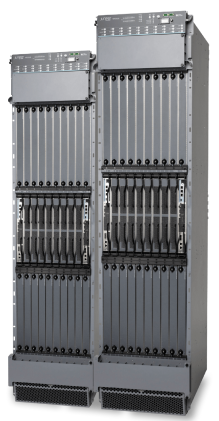
7 Matching results
- BEST SELLING
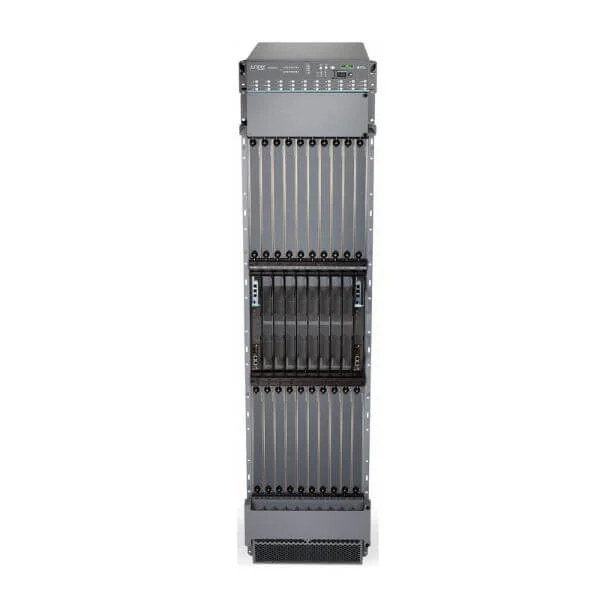
MX2020-BASE-AC (20 SLOT MX2000 CHASSIS BASE W/ 1 RE SFBS FAN TRAYS AC POWER)
4.6 (5)- Enterprise Router
- Juniper
- IPSec / SSL VPN
- AC Power Supply
- OSPF / BGP / Static Routing
- Fixed
Est Value $290,820.00
$188,006.70
35.4% offIn stockNewFirst-Time Buyer Discount – Get up to 2% additional off on your first order
ORM Rewards Earn $50 in Rewards + Free Expedited Delivery – Join Now!
Use eCoupon ORMSAVE10
eCoupon limited to 5 units
- BEST SELLING
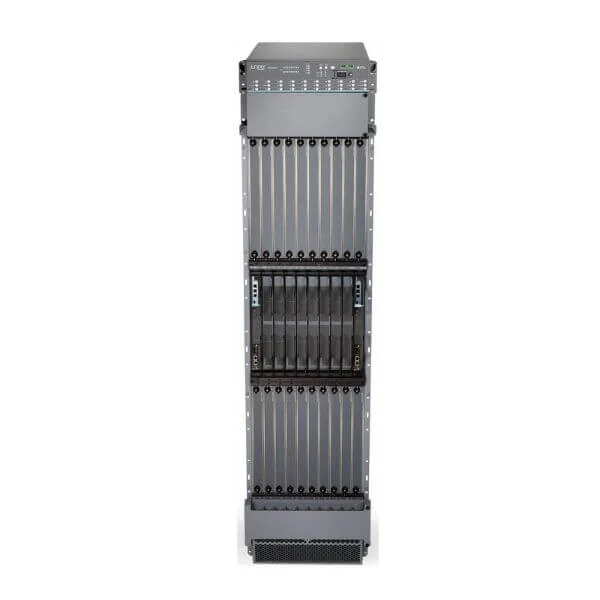
MX2020-BASE-DC (20 SLOT MX2000 CHASSIS BASE W/ 1 RE SFBS FAN TRAYS DC POWER)
4.6 (5)- Enterprise Router
- Juniper
- IPSec / SSL VPN / GRE / DMVPN / FlexVPN
- DC Power Supply / Redundant
- OSPF / BGP / EIGRP / MPLS / Static Routing
- Modular
Est Value $290,820.00$188,006.70
35.4% offIn stockNewFirst-Time Buyer Discount – Get up to 2% additional off on your first order
ORM Rewards Earn $50 in Rewards + Free Expedited Delivery – Join Now!
Use eCoupon ORMSAVE10
eCoupon limited to 5 units
- BEST SELLING
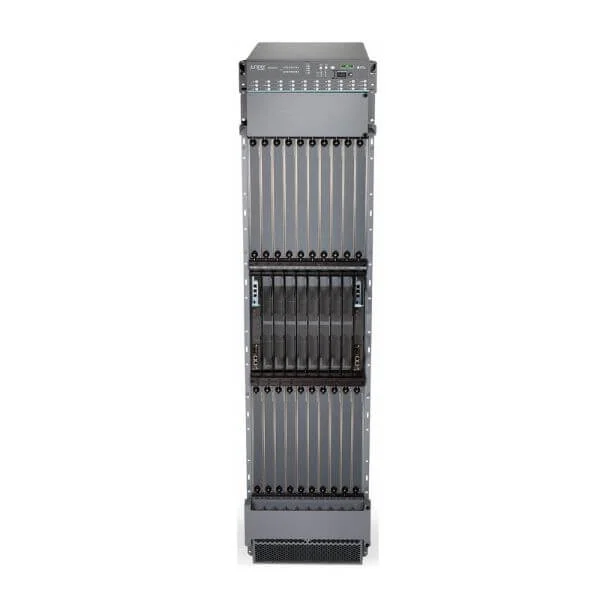
MX2020-PREMIUM-AC (20 SLOT MX2000 CHASSIS PREMIUM W/ REDUNDANT RE SFBS FAN TRAYS)
4.6 (5)- Enterprise Router
- Juniper
- IPSec / SSL VPN
- AC Power Supply / Redundant
- OSPF / BGP / Static Routing
- Modular
Est Value $371,210.00$239,975.40
35.4% offIn stockNewFirst-Time Buyer Discount – Get up to 2% additional off on your first order
ORM Rewards Earn $50 in Rewards + Free Expedited Delivery – Join Now!
Use eCoupon ORMSAVE10
eCoupon limited to 5 units
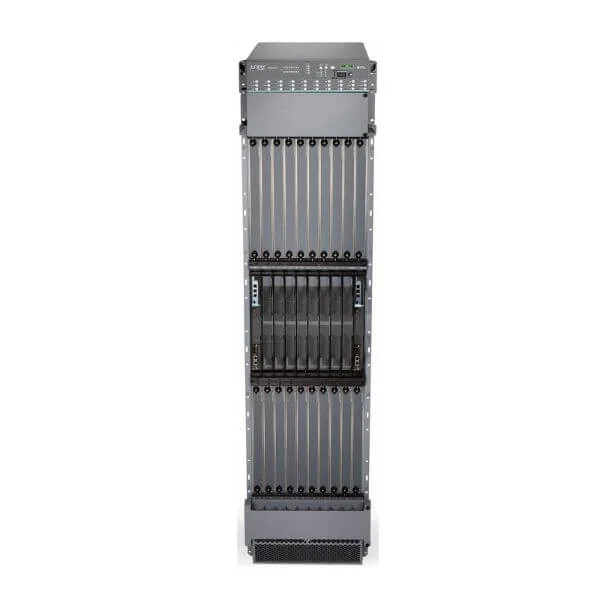
CHAS-BP-MX2020-S (20 Slot MX2000 Chassis with Backplane installed, Spare)
4.8 (5)- Enterprise Router
- Juniper
- IPSec / SSL VPN
- Redundant AC/DC
- OSPF / BGP / EIGRP / Static Routing
- Fiber Optic
- Modular
Est Value $294,365.00$186,783.45
36.5% offIn stockNewFirst-Time Buyer Discount – Get up to 2% additional off on your first order
ORM Rewards Earn $50 in Rewards + Free Expedited Delivery – Join Now!
Use eCoupon ORMSAVE10
eCoupon limited to 5 units
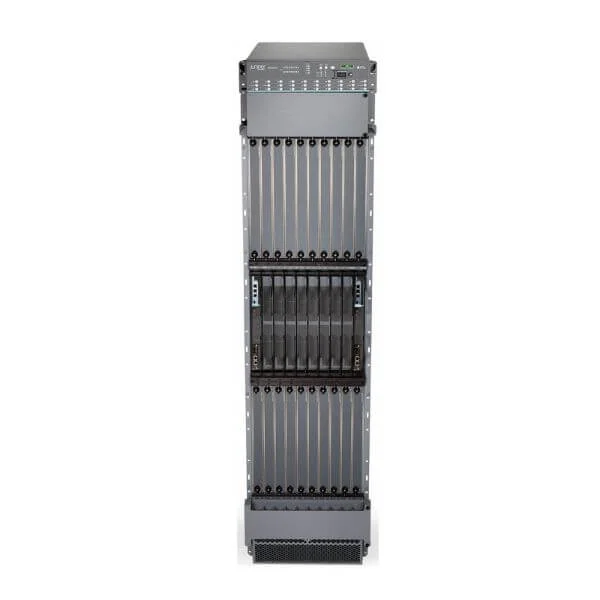
MX2020-PREMIUM2-AC (20 Slot MX2000 Chassis, Base with 2 RE, Fan Trays, Optimized AC Power, Discounted Switch Fabric (8 nos))
4.8 (5)- Enterprise Router
- Juniper
- IPSec / SSL VPN
- AC Power Supply, Redundant
- OSPF / BGP / Static Routing
- Fiber Optic
- Fixed
Est Value $371,210.00$239,975.40
35.4% offIn stockNewFirst-Time Buyer Discount – Get up to 2% additional off on your first order
ORM Rewards Earn $50 in Rewards + Free Expedited Delivery – Join Now!
Use eCoupon ORMSAVE10
eCoupon limited to 5 units
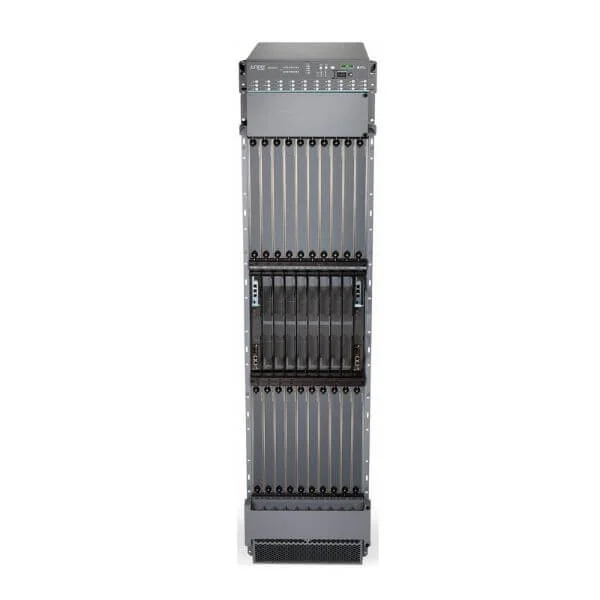
MX2020-PREMIUM2-DC (MX2020 PREMIUM2 DC CHASSIS)
4.6 (5)- Enterprise Router
- Juniper
- IPSec / SSL VPN
- DC Power Supply / Redundant
- OSPF / BGP / Static Routing
- Modular
Est Value $371,210.00$239,975.40
35.4% offIn stockNewFirst-Time Buyer Discount – Get up to 2% additional off on your first order
ORM Rewards Earn $50 in Rewards + Free Expedited Delivery – Join Now!
Use eCoupon ORMSAVE10
eCoupon limited to 5 units
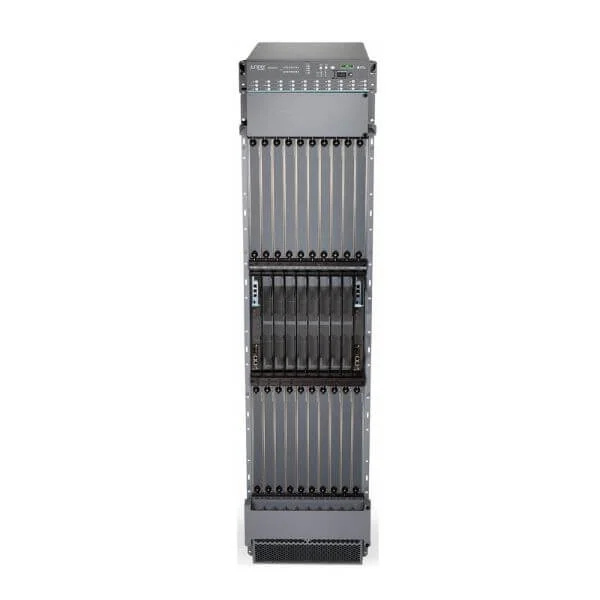
CHAS-BP-MX2020-BB (20 SLOT MX2000 CHASSIS BASE BNDL)
4.6 (5)- Enterprise Router
- Juniper
- IPSec / SSL VPN
- AC Power Supply, Redundant
- OSPF / BGP / Static Routing
- Fiber Optic / DSL
- Modular
Est Value In stockFirst-Time Buyer Discount – Get up to 2% additional off on your first order
ORM Rewards Earn $50 in Rewards + Free Expedited Delivery – Join Now!
Use eCoupon ORMSAVE10
eCoupon limited to 5 units

ORM Sales Advisors
Buying for your business? Get a personalised quote in under 2 hours. Talk to an expert
LEARNFilters (7) 
Questions & Answers
What is the Juniper MX2020 5G Universal Routing Platform?
The Juniper MX2020 is a high-capacity, carrier-grade router designed for 5G transport, aggregation, and core networks, delivering up to 64 Tbps of scalable throughput in a single chassis.
What key features and benefits does the MX2020 offer?
Key features include 64 Tbps switching capacity, line-rate 400GbE/100GbE interfaces, integrated SDN support, and rich security, providing low latency, flexible scaling, and simplified network operations.
How does the MX2020 support 5G core and transport networks?
The MX2020 supports 5G core with full IPv4/IPv6 routing, segment routing (SRv6), and high-performance packet processing, while its flexible interface modules enable seamless transport for fronthaul, midhaul, and backhaul.
What throughput and scalability can customers expect?
Customers can achieve up to 64 Tbps of switching capacity and scale incrementally through modular interface line cards, supporting hundreds of 400GbE ports and millions of subscribers.
Which interface types and port densities are available?
The MX2020 supports modular line cards offering 100GbE, 400GbE, 10GbE, and subscriber access ports, enabling high-density connectivity from edge aggregation to core networks.
How does the platform enable network slicing for 5G?
Using segment routing (SRv6) and hierarchical quality of service (HQoS), the MX2020 creates isolated traffic slices with guaranteed SLAs, bandwidth reservation, and optimal path steering.
What high-availability and redundancy features are built in?
The MX2020 offers redundant route engines, power supplies, and fabric planes, with nonstop active routing (NSR) and nonstop bridging (NSB) to maintain zero-packet loss during upgrades or failures.
Which software platform powers the MX2020?
It runs Juniper’s Junos OS, a unified network operating system providing transaction-based upgrades, programmability via APIs, and integrated security and analytics.
How does the MX2020 support network automation and programmability?
With native support for Juniper Extension Toolkit (JET), gRPC, NETCONF/YANG, Python scripting, and Ansible modules, the MX2020 simplifies automated provisioning, monitoring, and orchestration.
What security capabilities are included in the MX2020?
Security features include built-in DDoS protection, MACsec encryption, secure boot, control-plane protection, and advanced policy enforcement to safeguard 5G services.
What are the power and cooling requirements?
The MX2020 chassis requires up to 23 kW of power under full load and supports front-to-back airflow with redundant fans, optimized for temperatures from 0°C to 40°C.
How can the MX2020 integrate with existing network infrastructures?
The MX2020 supports multi-chassis link aggregation (MC-LAG), EVPN-VXLAN, MPLS, and SR-TE, enabling seamless integration into greenfield or legacy environments without service disruption.
Which management and analytics tools are compatible?
It is fully compatible with Juniper Mist AI, Junos Telemetry Interface (JTI), and Juniper HealthBot for proactive monitoring, analytics, and AI-driven anomaly detection.
What latency performance does the platform deliver?
The MX2020 provides sub-25 microsecond Layer 2 forwarding latency and sub-60 microsecond Layer 3 forwarding, ensuring ultra-low latency for time-sensitive 5G applications.
Is the MX2020 suitable for edge, aggregation, and core use cases?
Yes, its modular design, high port density, and flexible performance make it ideal for edge peering, aggregation sites, and core routing in large-scale 5G networks.
What are common use cases for the MX2020?
Common use cases include 5G mobile backhaul, Internet peering, large-scale data center interconnect, multi-site enterprise WAN, and scalable network slicing deployments.
How does the MX2020 impact total cost of ownership (TCO)?
By consolidating multiple network functions into a single platform, leveraging pay-as-you-grow scalability and reducing power and space requirements, the MX2020 lowers capital and operational expenses.