 United States
Routers Advanced Network Connectivity
Discover our high-performance routers delivering exceptional speed, security, and reliability. Designed with advanced technology to optimize network connectivity, these devices empower your digital infrastructure seamlessly.
Talk to an expert
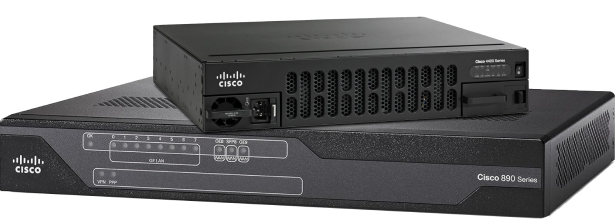
Cisco Routers
(906)Cisco routers cover branch WAN edge, campus internet edge, and service-provider routing with BGP, OSPF, Ethernet, and fiber uplinks
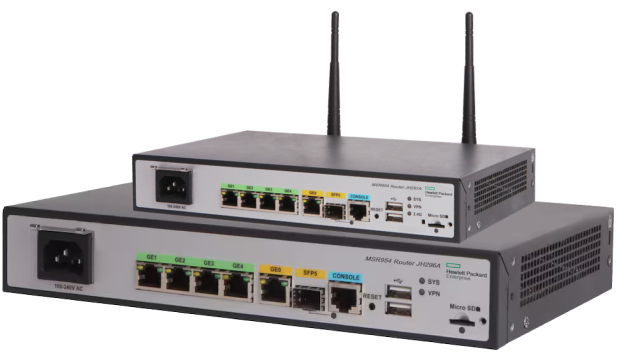
Hpe Routers
(79)HPE routers cover distributed campus WAN edges, retail branches, and service-provider access networks with OSPF, MPLS, Ethernet, and VPN
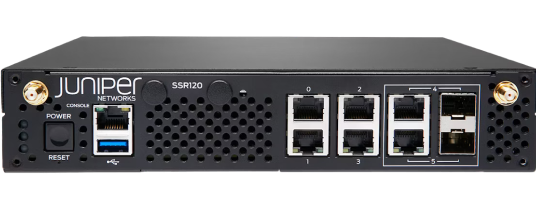
Juniper Routers
(137)Juniper routers cover carrier edge, data center interconnect, and timing networks with Junos, BGP, MPLS, EVPN, and 100G
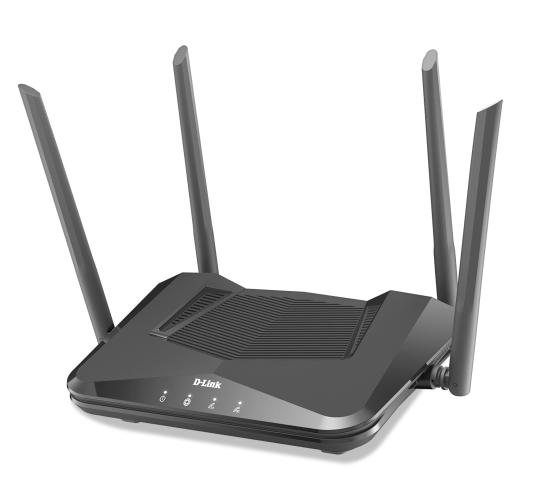
D-Link Routers
(2)D-Link routers serve distributed retail internet edges, managed apartments, and SMB broadband networks with NAT, VPN, Gigabit Ethernet, and Wi-Fi
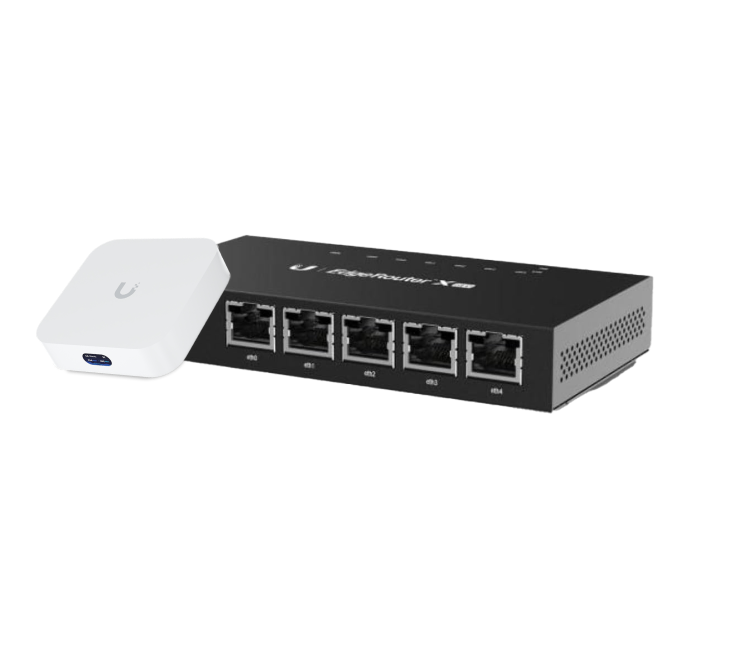
Ubiquiti Routers
(12)Ubiquiti routers cover UniFi site gateways, WISP edges, and prosumer networks with VLANs, WireGuard, IDS/IPS, and multi-gigabit Ethernet
Huawei Routers
(323)Huawei routers cover campus WAN edge, carrier aggregation, and industrial access networks with VRP, BGP, MPLS, Ethernet, and LTE
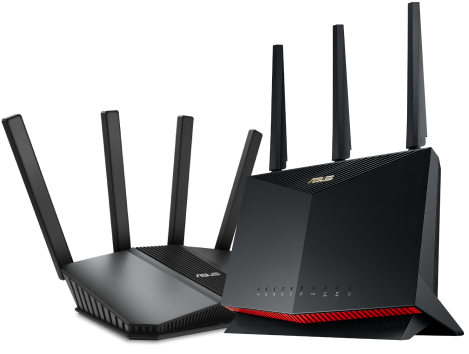
Asus Routers
(14)ASUS routers serve home-office broadband edges, with Wi-Fi 6, Gigabit LAN, OpenVPN, IPv6, and NAT acceleration for workers
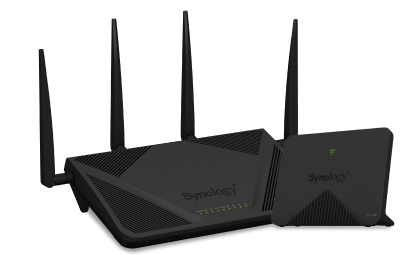
Synology Routers
(2)Synology routers fit prosumer NAS-adjacent networks, with SRM, 2.5GbE WAN, VLANs, VPN Plus, and Wi-Fi 6 coverage control
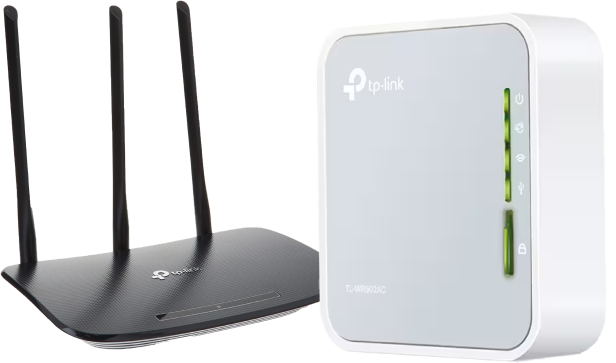
Tp-Link Routers
(27)TP-Link routers serve small office broadband edges, with Wi-Fi 6, Gigabit Ethernet, OneMesh, OpenVPN, and IPv6 routing support
1502 Matching results
- BEST SELLING
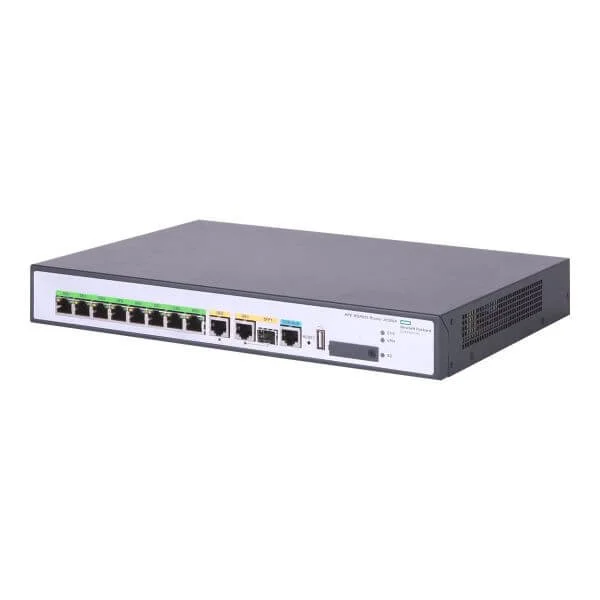
JH300A (HPE FlexNetwork MSR958 1GbE and Combo 2GbE WAN 8GbE LAN Router)
4.6 (5)- Enterprise Router
- Hpe
- IPSec / SSL VPN
- AC Power Supply / DC Power Supply / Redundant
- OSPF / BGP / Static Routing
- Fiber Optic
- Modular
Est Value $688.00
$103.31
85% offIn stockRefurbishedFirst-Time Buyer Discount – Get up to 2% additional off on your first order
ORM Rewards Earn $50 in Rewards + Free Expedited Delivery – Join Now!
Use eCoupon ORMSAVE10
eCoupon limited to 5 units
- BEST SELLING
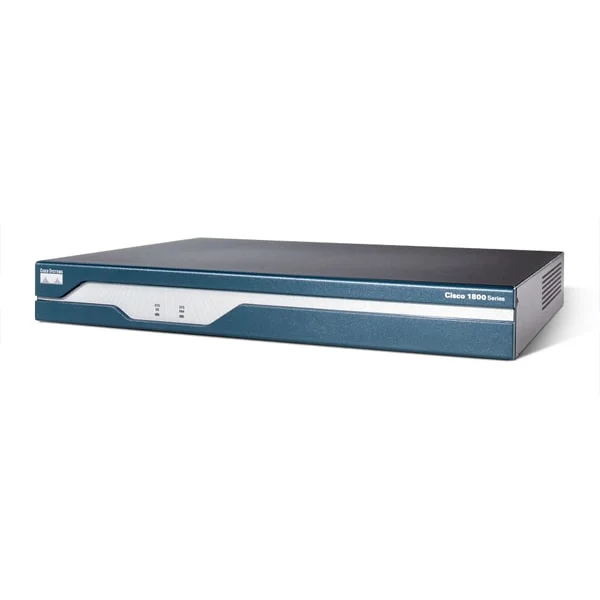
CISCO1841 (Cisco 1800 Series Router: Cisco 1841 Modular Router w/2xFE, 2 WAN slots, 64 FL/256 DR)
4.6 (5)- Enterprise Router
- Cisco
- IPSec / GRE / N/A
- AC Power Supply
- OSPF / BGP / EIGRP / RIP / Static Routing
- Modular
Est Value $1,395.00$120.44
91.4% offIn stockNewRefurbishedFirst-Time Buyer Discount – Get up to 2% additional off on your first order
ORM Rewards Earn $50 in Rewards + Free Expedited Delivery – Join Now!
Use eCoupon ORMSAVE10
eCoupon limited to 5 units
- BEST SELLING
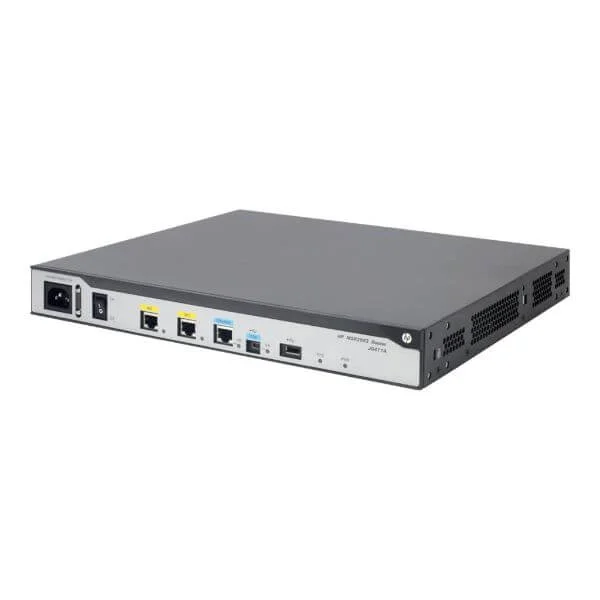
JG411A (HP MSR2003 AC Router)
4.6 (5)- Enterprise Router
- Hpe
- IPSec / SSL VPN
- AC Power Supply / Redundant
- OSPF / BGP / Static Routing
- Fiber Optic
- Modular
Est Value $174.00$131.04
24.7% offIn stockRefurbishedFirst-Time Buyer Discount – Get up to 2% additional off on your first order
ORM Rewards Earn $50 in Rewards + Free Expedited Delivery – Join Now!
Use eCoupon ORMSAVE10
eCoupon limited to 5 units
- BEST SELLING
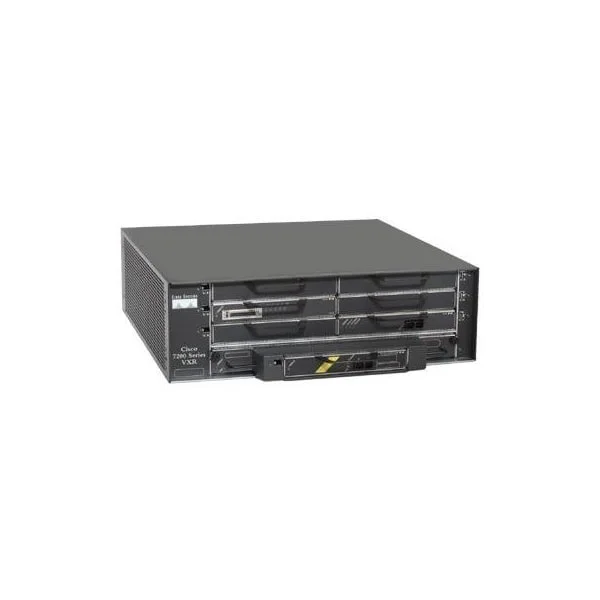
CISCO7206VXR (Cisco 7206VXR, 6-slot chassis, 1 AC Supply w/IP Software)
4.6 (5)- Modular Chassis Router
- Cisco
- IPSec / GRE
- Redundant AC Power Supply
- OSPF / BGP / EIGRP / MPLS / IS-IS / RIP / Static Routing
- Modular
Est Value $902.00$135.45
85% offIn stockRefurbishedFirst-Time Buyer Discount – Get up to 2% additional off on your first order
ORM Rewards Earn $50 in Rewards + Free Expedited Delivery – Join Now!
Use eCoupon ORMSAVE10
eCoupon limited to 5 units
- BEST SELLING
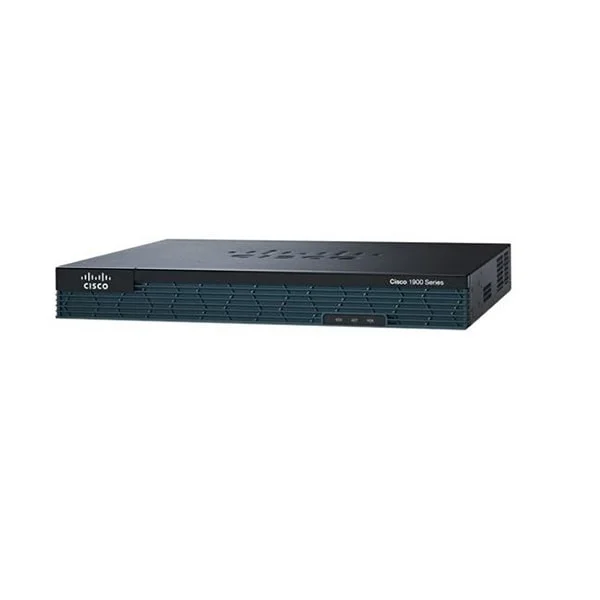
CISCO1921-SEC/K9 (Cisco 1921 Security Bundle w/SEC license PAK)
4.2 (5)- Enterprise Router
- Cisco
- IPSec / SSL VPN
- AC Power Supply
- OSPF / BGP / EIGRP / RIP / Static Routing
- Fixed
Est Value $1,695.00$107.10
93.7% offIn stockNewRefurbishedFirst-Time Buyer Discount – Get up to 2% additional off on your first order
ORM Rewards Earn $50 in Rewards + Free Expedited Delivery – Join Now!
Use eCoupon ORMSAVE10
eCoupon limited to 5 units
- BEST SELLING
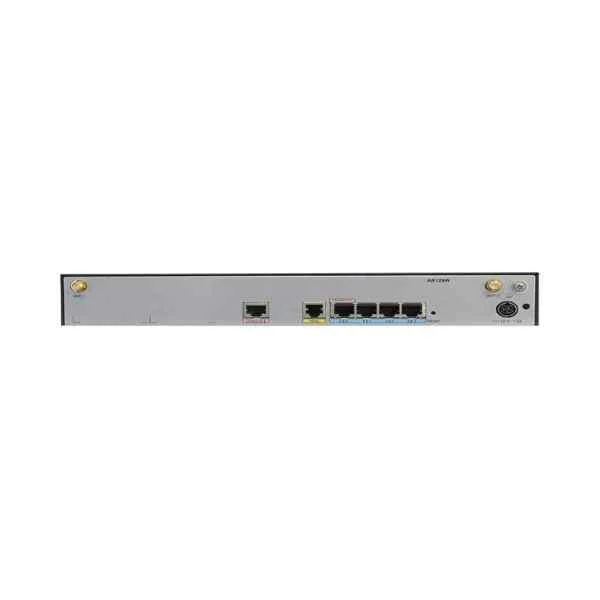
AR129W (Huawei AR129W,1VDSL WAN,4FE LAN,WIFI 2.4G)
4.8 (6)- Enterprise Router
- Huawei
- IPSec / SSL VPN / GRE / DMVPN / FlexVPN
- AC Power Supply / Redundant
- OSPF / BGP / EIGRP / Static Routing
- Fiber Optic / DSL / LTE
- Modular
Est Value $737.00$148.24
79.9% offIn stockRefurbishedFirst-Time Buyer Discount – Get up to 2% additional off on your first order
ORM Rewards Earn $50 in Rewards + Free Expedited Delivery – Join Now!
Use eCoupon ORMSAVE10
eCoupon limited to 5 units
- BEST SELLING
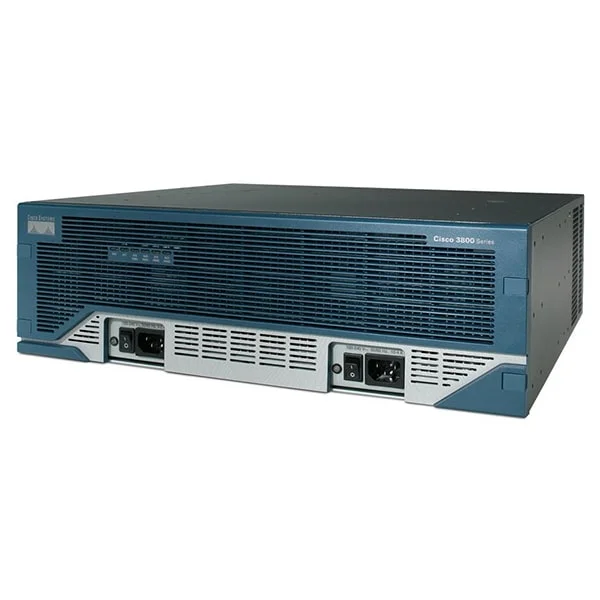
CISCO3845 (3845 w/AC PWR,2GE,1SFP,4NME,4HWIC, IP Base, 128F/512D)
4.6 (5)- Enterprise Router
- Cisco
- IPSec
- AC Power Supply / Redundant
- OSPF / BGP / EIGRP / RIP / Static Routing
- Modular
Est Value $236.25$168.97
28.5% offIn stockRefurbishedFirst-Time Buyer Discount – Get up to 2% additional off on your first order
ORM Rewards Earn $50 in Rewards + Free Expedited Delivery – Join Now!
Use eCoupon ORMSAVE10
eCoupon limited to 5 units
- BEST SELLING
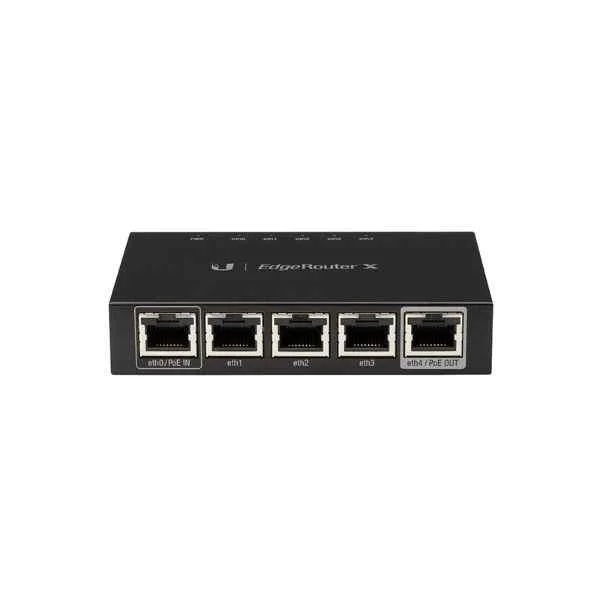
ER-X (UBNT 5-Port Advanced Gigabit Ethernet Router, POE )
4.4 (5)- Enterprise Router
- Ubiquiti
- IPSec / PPTP / OpenVPN / N/A
- Passive PoE / AC Power Supply
- OSPF / BGP / RIP / Static Routing / N/A
- Fixed
Est Value $215.75$174.04
19.3% offIn stockRefurbishedFirst-Time Buyer Discount – Get up to 2% additional off on your first order
ORM Rewards Earn $50 in Rewards + Free Expedited Delivery – Join Now!
Use eCoupon ORMSAVE10
eCoupon limited to 5 units
- BEST SELLING
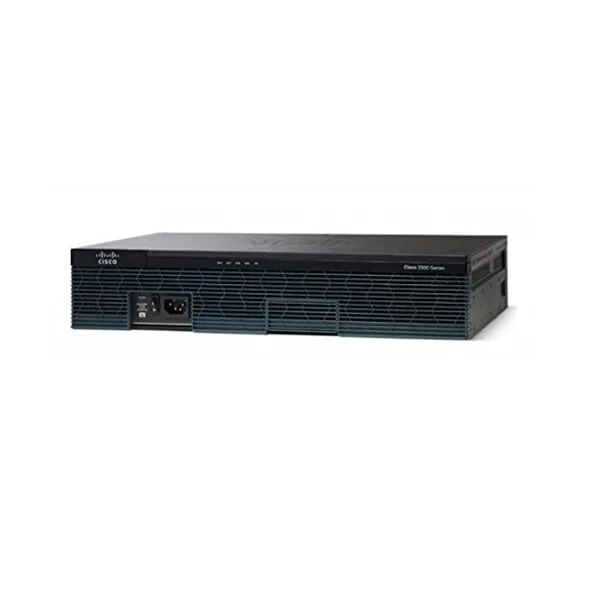
CISCO2911/K9 (Cisco 2911 router w/3 GE,4 EHWIC,2 DSP,1 SM,256MB CF,512MB DRAM,IPB)
4.6 (5)- Enterprise Router
- Cisco
- IPSec
- AC Power Supply / Redundant
- OSPF / BGP / EIGRP / RIP / Static Routing
- Modular
Est Value $3,550.00$131.25
96.3% offIn stockNewRefurbishedFirst-Time Buyer Discount – Get up to 2% additional off on your first order
ORM Rewards Earn $50 in Rewards + Free Expedited Delivery – Join Now!
Use eCoupon ORMSAVE10
eCoupon limited to 5 units
- BEST SELLING
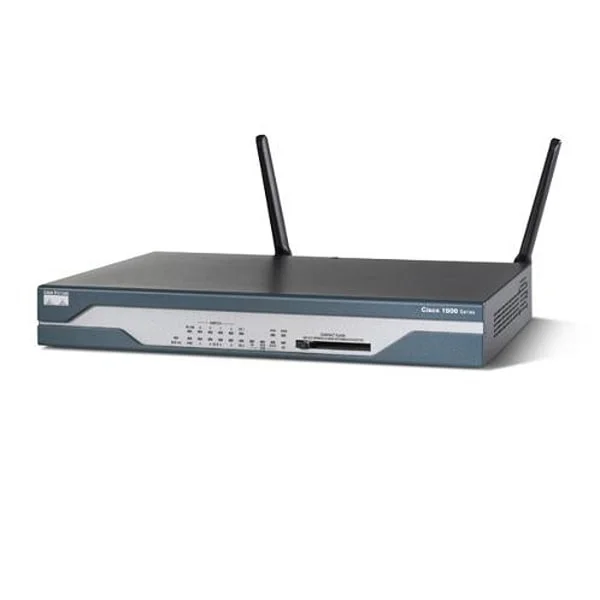
CISCO1803/K9 (G.SHDSL Router with Firewall/IDS and IPSEC)
4.2 (5)- Enterprise Router
- Cisco
- IPSec / GRE / DMVPN
- AC Power Supply
- OSPF / BGP / EIGRP / RIP / Static Routing
- Fixed
Est Value $365.40$182.70
50% offIn stockRefurbishedFirst-Time Buyer Discount – Get up to 2% additional off on your first order
ORM Rewards Earn $50 in Rewards + Free Expedited Delivery – Join Now!
Use eCoupon ORMSAVE10
eCoupon limited to 5 units
- BEST SELLING
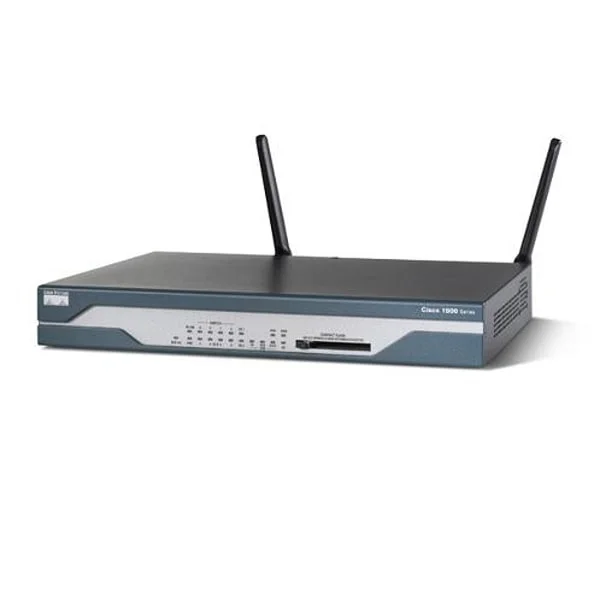
CISCO1801/K9 (ADSL/POTS Router with Firewall/IDS and IPSEC 3DES)
4.4 (5)- Enterprise Router
- Cisco
- IPSec / SSL VPN
- AC Power Supply
- OSPF / BGP / EIGRP / RIP / Static Routing
- Fixed
Est Value $1,495.00$146.35
90.2% offIn stockNewRefurbishedFirst-Time Buyer Discount – Get up to 2% additional off on your first order
ORM Rewards Earn $50 in Rewards + Free Expedited Delivery – Join Now!
Use eCoupon ORMSAVE10
eCoupon limited to 5 units
- BEST SELLING
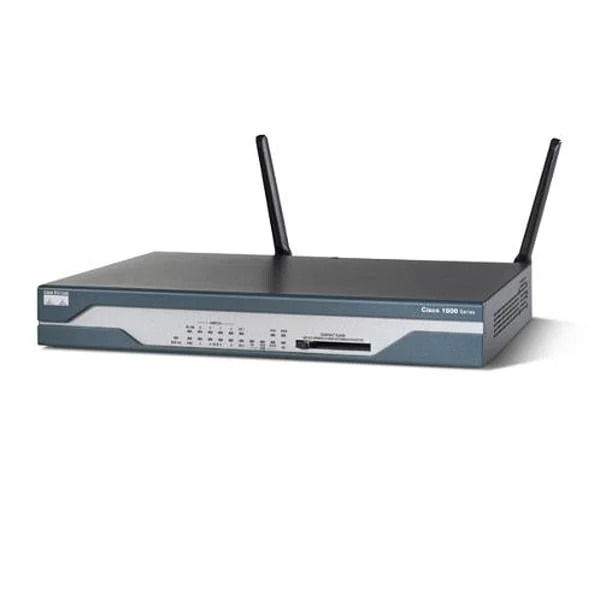
CISCO1812/K9 (Dual Ethernet Security Router with ISDN S/T Backup)
4.4 (5)- Integrated Services Router
- Cisco
- IPSec / SSL VPN / DMVPN
- AC Power Supply / Redundant
- OSPF / BGP / EIGRP / RIP / Static Routing
- DSL
- Fixed
Est Value $1,295.00$120.31
90.7% offIn stockNewRefurbishedFirst-Time Buyer Discount – Get up to 2% additional off on your first order
ORM Rewards Earn $50 in Rewards + Free Expedited Delivery – Join Now!
Use eCoupon ORMSAVE10
eCoupon limited to 5 units
- BEST SELLING
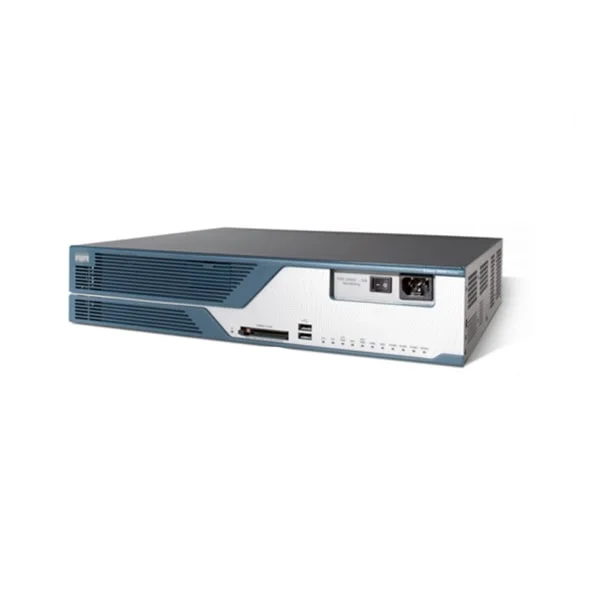
CISCO3825 (3825 w/AC PWR, 2GE,1SFP, 2NME, 4HWIC, IP Base, 128F/512D)
4.6 (5)- Enterprise Router
- Cisco
- IPSec / DMVPN / SSL VPN
- AC Power Supply with Redundant Options
- OSPF / BGP / EIGRP / RIP / Static Routing
- Modular
Est Value $1,364.00$204.75
85% offIn stockRefurbishedFirst-Time Buyer Discount – Get up to 2% additional off on your first order
ORM Rewards Earn $50 in Rewards + Free Expedited Delivery – Join Now!
Use eCoupon ORMSAVE10
eCoupon limited to 5 units
- BEST SELLING
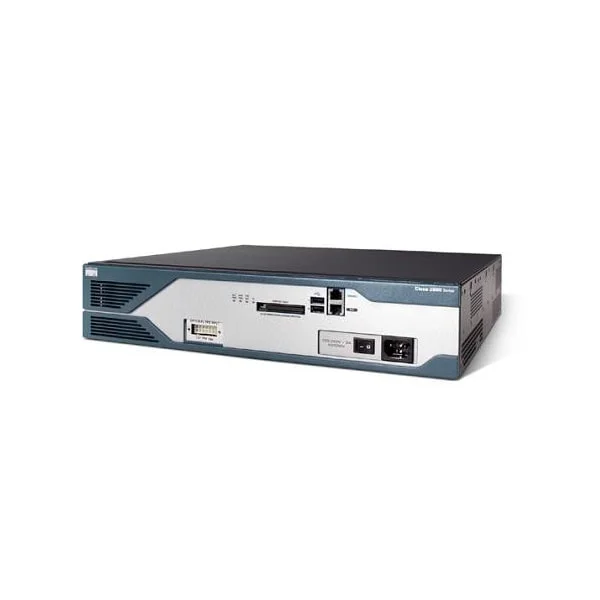
CISCO2821 (Cisco 2821 router 2821 w/ AC PWR, 2GE, 4HWICs, 3PVDM, 1NME-X, 2AIM, IP BASE, 128F/512D)
4.6 (5)- Enterprise Router
- Cisco
- IPSec
- AC Power Supply
- OSPF / EIGRP / BGP / RIP / Static Routing
- Modular
Est Value $300.00$143.85
52.1% offIn stockNewRefurbishedFirst-Time Buyer Discount – Get up to 2% additional off on your first order
ORM Rewards Earn $50 in Rewards + Free Expedited Delivery – Join Now!
Use eCoupon ORMSAVE10
eCoupon limited to 5 units
- BEST SELLING
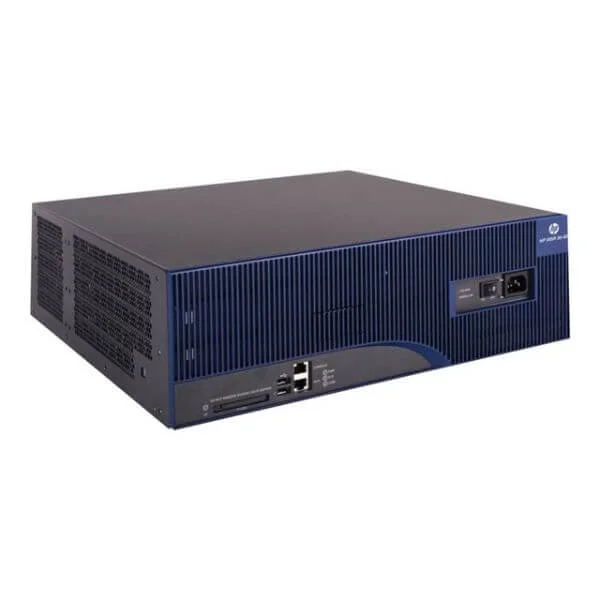
JF230A (HP MSR30-60 Router)
4.4 (5)- Enterprise Router
- Hpe
- IPSec / SSL VPN
- Redundant
- OSPF / BGP / Static Routing
- Fiber Optic
- Modular
Est Value $267.12$219.12
18% offIn stockRefurbishedFirst-Time Buyer Discount – Get up to 2% additional off on your first order
ORM Rewards Earn $50 in Rewards + Free Expedited Delivery – Join Now!
Use eCoupon ORMSAVE10
eCoupon limited to 5 units
- BEST SELLING
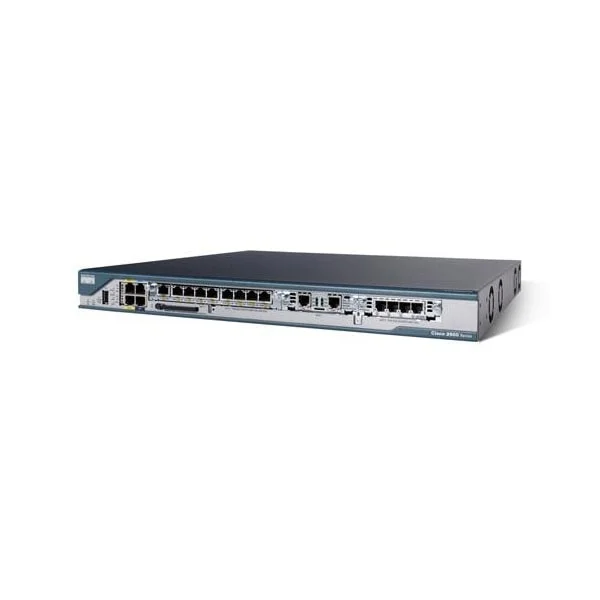
CISCO2801 (Cisco 2801 router 2801 w/AC PWR, 2FE,4slots(2HWIC), 2PVDM, 2AIM, IP BASE, 128F/384D)
4.4 (5)- Enterprise Router
- Cisco
- IPSec / DMVPN
- AC Power Supply
- OSPF / BGP / EIGRP / RIP / Static Routing
- Fixed
Est Value $1,995.00$94.50
95.3% offIn stockNewRefurbishedFirst-Time Buyer Discount – Get up to 2% additional off on your first order
ORM Rewards Earn $50 in Rewards + Free Expedited Delivery – Join Now!
Use eCoupon ORMSAVE10
eCoupon limited to 5 units
- BEST SELLING
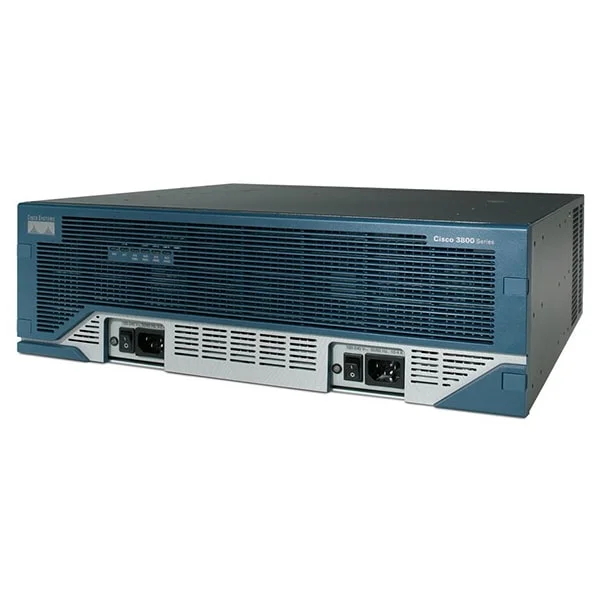
CISCO3845-V/K9 (3845 Voice Bundle,PVDM2-64,SP Serv,128F/512D)
4.4 (5)- Enterprise Router
- Cisco
- IPSec / SSL VPN
- AC Power Supply / Redundant
- OSPF / BGP / EIGRP / RIP / Static Routing
- Modular
Est Value $1,637.00$245.70
85% offIn stockRefurbishedFirst-Time Buyer Discount – Get up to 2% additional off on your first order
ORM Rewards Earn $50 in Rewards + Free Expedited Delivery – Join Now!
Use eCoupon ORMSAVE10
eCoupon limited to 5 units
- BEST SELLING
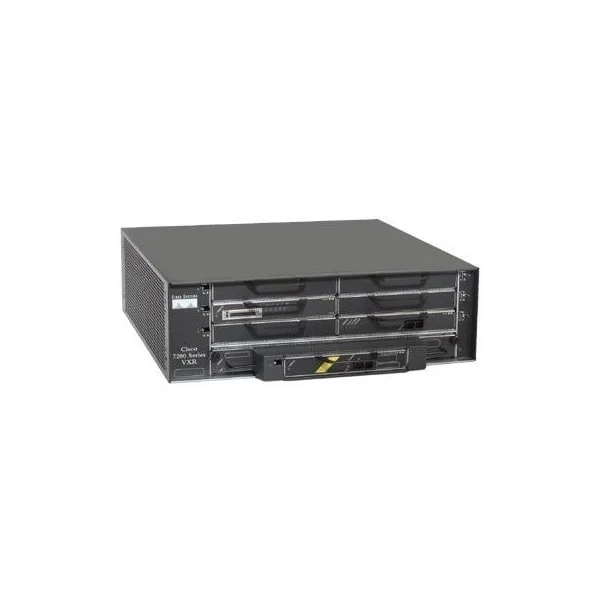
CISCO7204VXR (Cisco 7204VXR, 4-slot chassis, 1 AC Supply w/IP Software)
5 (5)- Enterprise Router
- Cisco
- IPSec
- AC Power Supply / Redundant
- OSPF / BGP / EIGRP / RIP / Static Routing
- Modular
Est Value $1,644.00$246.75
85% offIn stockRefurbishedFirst-Time Buyer Discount – Get up to 2% additional off on your first order
ORM Rewards Earn $50 in Rewards + Free Expedited Delivery – Join Now!
Use eCoupon ORMSAVE10
eCoupon limited to 5 units
- BEST SELLING
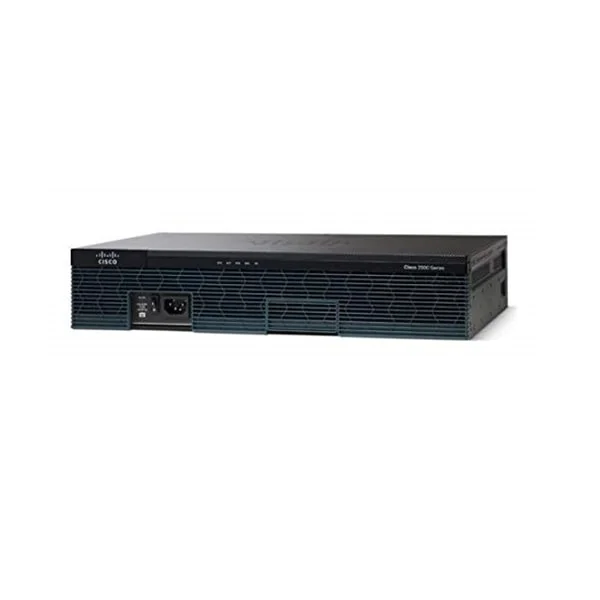
CISCO2951/K9 (Cisco 2951 Router w/3 GE,4 EHWIC,3 DSP,2 SM,256MB CF,512MB DRAM,IPB)
4.2 (5)- Enterprise Router
- Cisco
- IPSec / DMVPN
- AC Power Supply
- OSPF / BGP / EIGRP / RIP / Static Routing
- Modular
Est Value $9,900.00$204.75
97.9% offIn stockNewRefurbishedFirst-Time Buyer Discount – Get up to 2% additional off on your first order
ORM Rewards Earn $50 in Rewards + Free Expedited Delivery – Join Now!
Use eCoupon ORMSAVE10
eCoupon limited to 5 units
- BEST SELLING
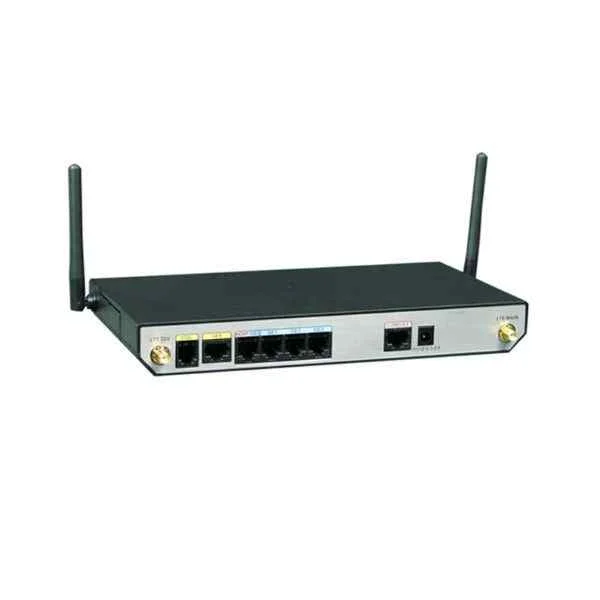
AR109W (AR109W,1 GE WAN,1 VDSL WAN,4 GE LAN,WIFI 2.4G,1 USB2.0)
4.8 (6)- Enterprise Router
- Huawei
- IPSec / SSL VPN / DMVPN
- AC Power Supply / DC Power Supply / Redundant
- OSPF / BGP / Static Routing
- DSL / Fiber Optic
- Modular
Est Value $379.00$266.70
29.6% offIn stockNewFirst-Time Buyer Discount – Get up to 2% additional off on your first order
ORM Rewards Earn $50 in Rewards + Free Expedited Delivery – Join Now!
Use eCoupon ORMSAVE10
eCoupon limited to 5 units

ORM Sales Advisors
Buying for your business? Get a personalised quote in under 2 hours. Talk to an expert
LEARNFilters (1502) 
Questions & Answers
What is a router and how does it manage network traffic?
A router is a network device that directs data packets between devices and the internet by analyzing IP addresses and forwarding traffic through optimal paths.
What is the difference between a router and a modem?
A modem translates digital signals from your ISP into network data, while a router distributes that data to multiple devices and manages internal traffic.
How do I choose the best router for my home?
Evaluate coverage area, supported Wi-Fi standards (e.g., WiFi 6), number of devices, security features, and budget to select a router that meets your performance and network demands.
What is the difference between dual-band and tri-band routers?
Dual-band routers offer two frequency bands (2.4 GHz and 5 GHz) for separating traffic, while tri-band models add an extra 5 GHz band to reduce congestion and improve performance in busy networks.
How do I set up my router step by step?
Connect the router to power and your modem via Ethernet, access the web interface using its default IP, configure SSID, password, and security settings, then apply changes and reboot.
How can I secure my wireless router?
Enable WPA3 or WPA2 encryption, change default admin credentials, disable WPS, update firmware regularly, and implement a strong, unique Wi-Fi password to protect your network.
How often should I update my router firmware?
Check for firmware updates at least quarterly or whenever your router manufacturer releases security patches to ensure optimal performance and protection.
What is QoS and how does it improve my network?
Quality of Service (QoS) prioritizes critical network traffic, such as video calls or gaming, to reduce latency and ensure smooth performance for high-priority applications.
What is MU-MIMO technology?
Multi-User Multiple Input Multiple Output (MU-MIMO) allows a router to communicate with multiple devices simultaneously, improving overall network efficiency and speed.
How can I extend my Wi-Fi range?
Position your router centrally, reduce obstructions, upgrade to a mesh system or add Wi-Fi extenders, and use high-gain antennas to boost coverage in weak signal areas.
Why is my router slowing down my internet?
Slow performance can result from outdated firmware, signal interference, excessive connected devices, or bandwidth-heavy applications; troubleshooting these issues can restore speeds.
How do I reset my router to factory settings?
Press and hold the router’s reset button for 10–15 seconds until the lights blink, then reconfigure settings via the default IP and credentials provided in the user manual.
What are gigabit Ethernet ports used for?
Gigabit Ethernet ports enable wired connections at speeds up to 1 Gbps for high-bandwidth tasks like streaming, gaming, and large file transfers with minimal latency.
Can I connect multiple devices to one router?
Yes, routers are designed to handle multiple wired and wireless devices simultaneously, distributing bandwidth based on network capacity and device demands.
What is a VPN router and when do I need one?
A VPN router integrates virtual private network functionality at the network level, securing all connected devices by encrypting traffic—ideal for remote work, streaming restricted content, and privacy protection.