 United States
Network Cards High Performance Solutions
Enhance network efficiency and data security with our advanced network cards engineered for optimal performance in diverse IT infrastructures. Achieve superior connectivity, reliability, and speed for mission-critical operations.
Talk to an expert
22 Matching results
- BEST SELLING
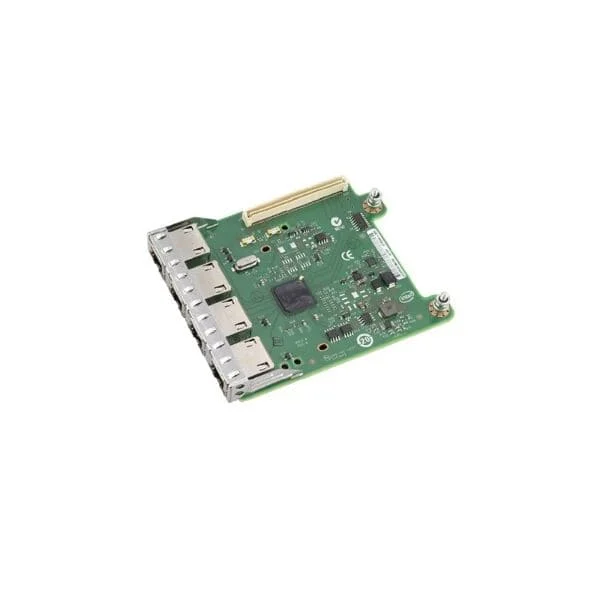
540-BBCB (Intel i350 Four Ports 1GbE BASE-T, rNDC)
4.6 (5)- Expansion Card
- Dell
- Network Interface Card
- PCIe x4
- PCIe 3.0
- Intel I350
- RJ-45
Est Value $334.96
$167.48
50% offIn stockRefurbishedFirst-Time Buyer Discount – Get up to 2% additional off on your first order
ORM Rewards Earn $50 in Rewards + Free Expedited Delivery – Join Now!
Use eCoupon ORMSAVE10
eCoupon limited to 5 units

540-BBEB (Dell Recommended Emulex LPE 12000 Single Port 8Gb Fibre Channel HBA, PCIe Half-height)
4.6 (5)- Expansion Card
- Dell
- Storage Controller
- PCIe x8
- PCIe 3.0
- Emulex LPE 12000
Est Value $205.34$102.67
50% offIn stockRefurbishedFirst-Time Buyer Discount – Get up to 2% additional off on your first order
ORM Rewards Earn $50 in Rewards + Free Expedited Delivery – Join Now!
Use eCoupon ORMSAVE10
eCoupon limited to 5 units
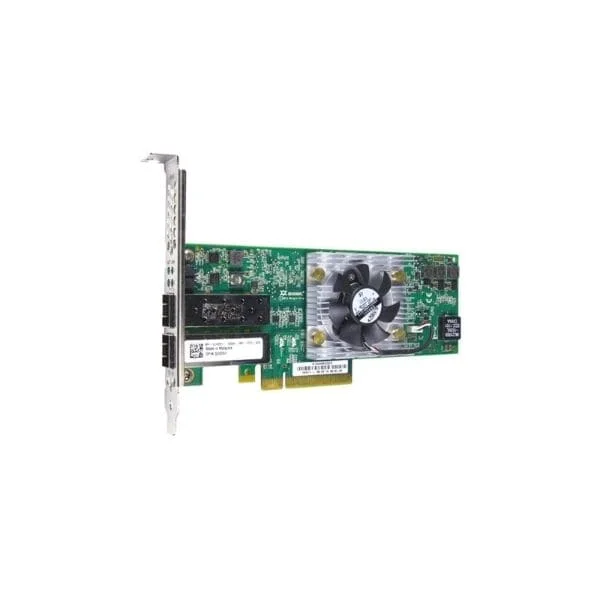
540-BBIX (Intel X710 Dual Ports 10GbE SFP+, rNDC)
4.4 (5)- Expansion Card
- Dell
- Network Interface Card
- PCIe x8
- PCIe 3.0
- Intel X710
- SFP+
Est Value $378.00$189.00
50% offIn stockNewRefurbishedFirst-Time Buyer Discount – Get up to 2% additional off on your first order
ORM Rewards Earn $50 in Rewards + Free Expedited Delivery – Join Now!
Use eCoupon ORMSAVE10
eCoupon limited to 5 units

406-BBJZ (Dell Recommended Emulex LPE 12002 Dual Ports 8Gb Fibre Channel HBA, PCIe Half-height)
5 (5)- Expansion Card
- Dell
- Storage Controller
- PCIe x8
- PCIe 3.0
- Emulex LPE 12002
Est Value $234.00$117.00
50% offIn stockRefurbishedFirst-Time Buyer Discount – Get up to 2% additional off on your first order
ORM Rewards Earn $50 in Rewards + Free Expedited Delivery – Join Now!
Use eCoupon ORMSAVE10
eCoupon limited to 5 units

403-BBMB (Dell EmulexLPE 31002 Dual Ports 16Gb Fibre Channel HBA, PCIe Half-height)
4.6 (5)- Expansion Card
- Dell
- Other
- PCIe x8
- PCIe 3.0
- Emulex LPE31002
Est Value $148.50$136.08
8.4% offIn stockRefurbishedFirst-Time Buyer Discount – Get up to 2% additional off on your first order
ORM Rewards Earn $50 in Rewards + Free Expedited Delivery – Join Now!
Use eCoupon ORMSAVE10
eCoupon limited to 5 units
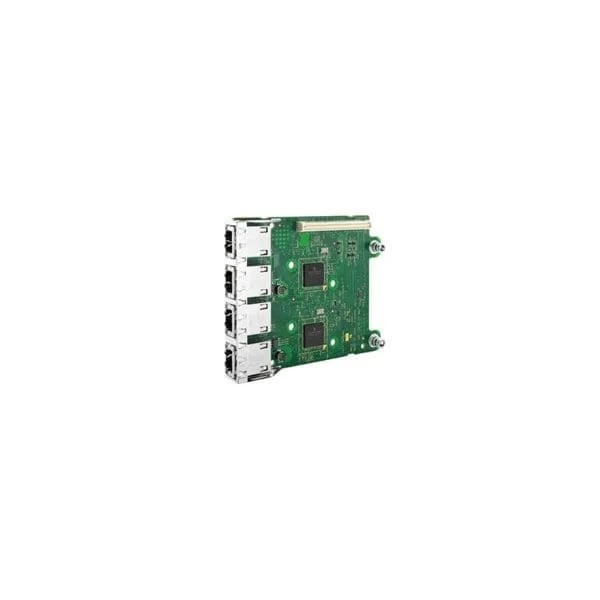
540-BBBW (Broadcom 5720 Four Ports 1GbE BASE-T, rNDC)
4.6 (5)- Expansion Card
- Dell
- Network Interface Card
- PCIe x4
- PCIe 3.0
- Broadcom 5720
- RJ-45
Est Value $273.36$136.68
50% offIn stockRefurbishedFirst-Time Buyer Discount – Get up to 2% additional off on your first order
ORM Rewards Earn $50 in Rewards + Free Expedited Delivery – Join Now!
Use eCoupon ORMSAVE10
eCoupon limited to 5 units
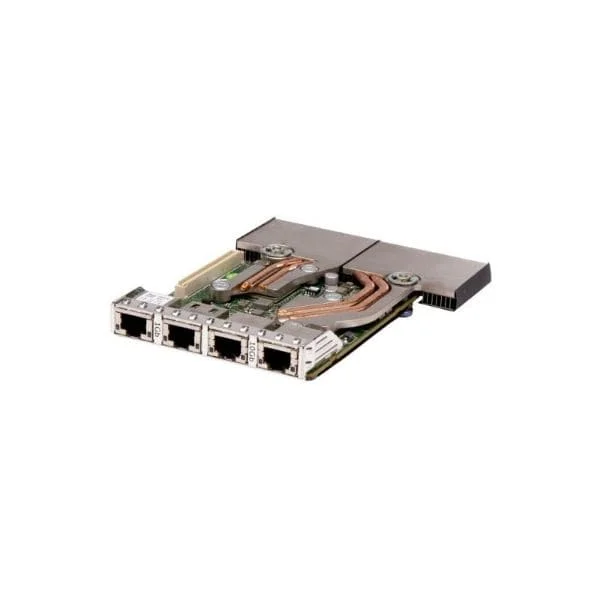
540-BBBZ (QLogic 57800 2x10Gb BT + 2x1Gb BT Network daughter card)
4.6 (5)- Expansion Card
- Dell
- Network Interface Card
- PCIe x4
- PCIe 3.0
- QLogic 57800
- RJ-45
Est Value $289.02$144.51
50% offIn stockRefurbishedFirst-Time Buyer Discount – Get up to 2% additional off on your first order
ORM Rewards Earn $50 in Rewards + Free Expedited Delivery – Join Now!
Use eCoupon ORMSAVE10
eCoupon limited to 5 units

403-BBLU (Dell Recommended Emulex LPE 31002 Dual Ports 16Gb Fibre Channel HBA, PCIe Full-height)
4.4 (5)- Expansion Card
- Dell
- Storage Controller
- PCIe x8
- PCIe 3.0
- Emulex LPE 31002
Est Value $232.20$193.52
16.7% offIn stockRefurbishedFirst-Time Buyer Discount – Get up to 2% additional off on your first order
ORM Rewards Earn $50 in Rewards + Free Expedited Delivery – Join Now!
Use eCoupon ORMSAVE10
eCoupon limited to 5 units
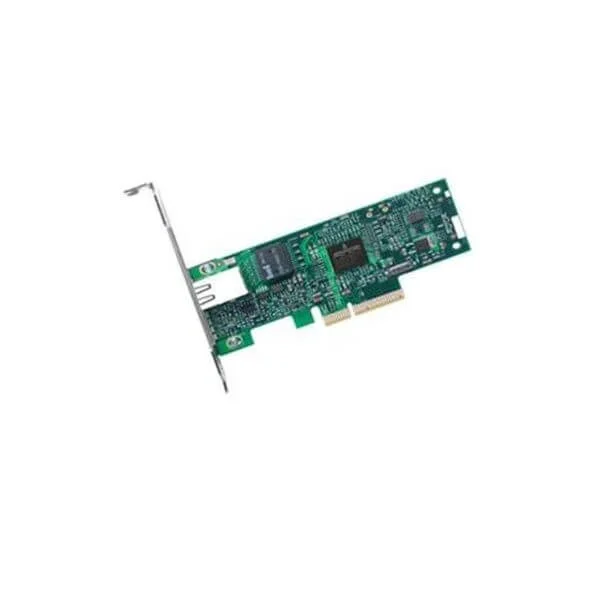
403-BBMP (QLogic 2690 Single Port 16Gb Fibre Channel HBA, PCIe Full-height)
4.4 (5)- Expansion Card
- Dell
- Other
- PCIe x8
- PCIe 3.0
- QLogic 2690
- SFP+
Est Value $247.53$196.40
20.7% offIn stockRefurbishedFirst-Time Buyer Discount – Get up to 2% additional off on your first order
ORM Rewards Earn $50 in Rewards + Free Expedited Delivery – Join Now!
Use eCoupon ORMSAVE10
eCoupon limited to 5 units
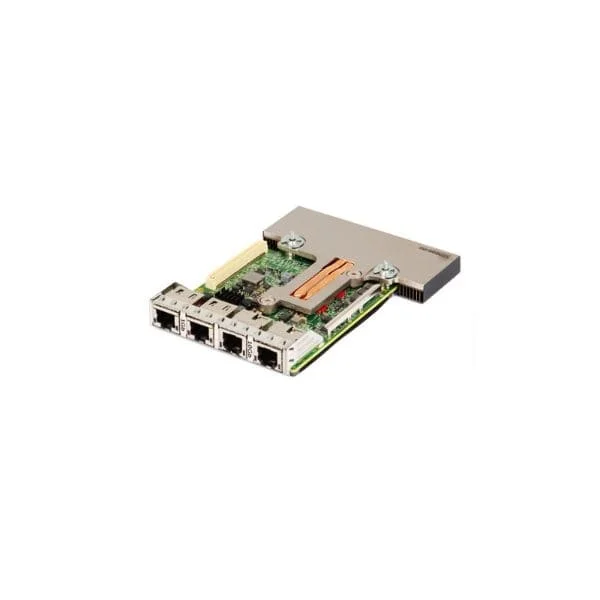
540-BBUL (Broadcom 57412 Dual Ports 10GbE SFP+ & 5720 Dual Ports 1GbE BASE-T rNDC)
4.6 (5)- Expansion Card
- Dell
- Network Interface Card
- PCIe x8
- PCIe 3.0
- Broadcom 57412, Broadcom 5720
- SFP+ / RJ-45
Est Value $259.26$221.32
14.6% offIn stockRefurbishedFirst-Time Buyer Discount – Get up to 2% additional off on your first order
ORM Rewards Earn $50 in Rewards + Free Expedited Delivery – Join Now!
Use eCoupon ORMSAVE10
eCoupon limited to 5 units
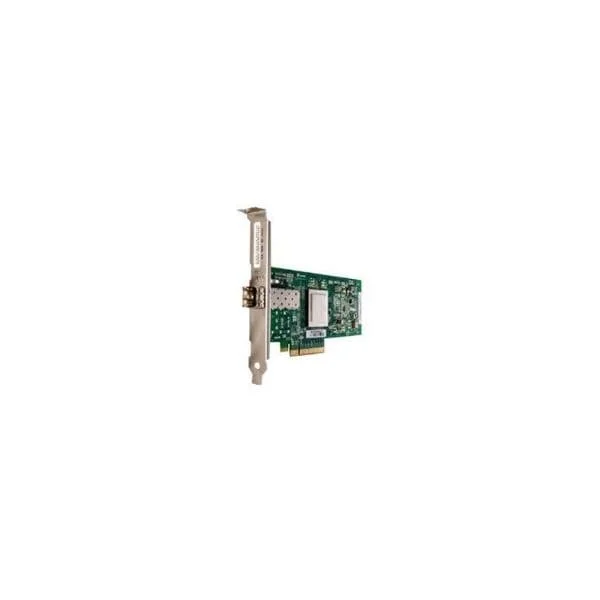
406-BBDS (Dell Recommended Emulex LPE 12000 Single Port 8Gb Fibre Channel HBA, PCIe Full-height )
4.6 (5)- Expansion Card
- Dell
- Other
- PCIe x8
- PCIe 3.0
- Emulex LPE 12000
- SFP
Est Value $283.95$242.39
14.6% offIn stockRefurbishedFirst-Time Buyer Discount – Get up to 2% additional off on your first order
ORM Rewards Earn $50 in Rewards + Free Expedited Delivery – Join Now!
Use eCoupon ORMSAVE10
eCoupon limited to 5 units
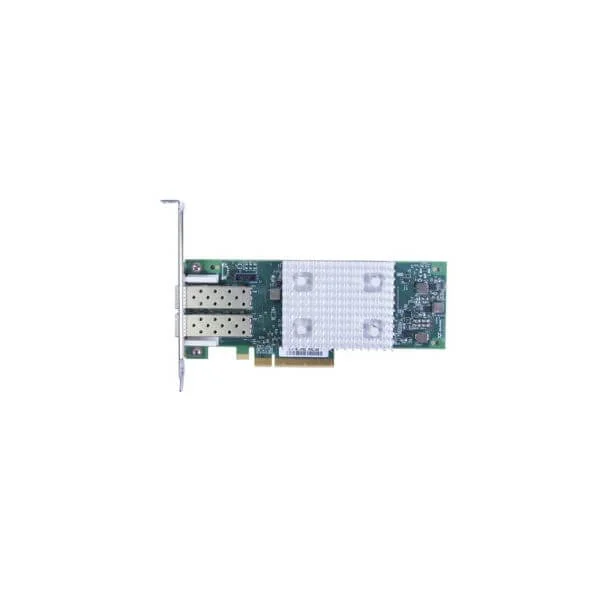
403-BBMS (QLogic 2692 Dual Ports 16Gb Fibre Channel HBA, PCIe Half-height)
4.4 (5)- Expansion Card
- Dell
- Storage Controller
- PCIe x8
- PCIe 3.0
- QLogic 2692
- SFP+
Est Value $736.15$178.24
75.8% offIn stockNewRefurbishedFirst-Time Buyer Discount – Get up to 2% additional off on your first order
ORM Rewards Earn $50 in Rewards + Free Expedited Delivery – Join Now!
Use eCoupon ORMSAVE10
eCoupon limited to 5 units
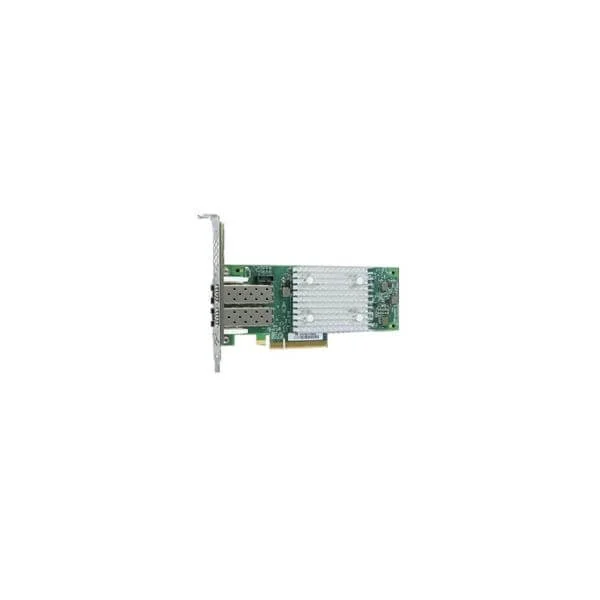
403-BBMQ (QLogic 2692 Dual Ports 16Gb Fibre Channel HBA, PCIe Full-height)
5 (5)- Expansion Card
- Dell
- Storage Controller
- PCIe x8
- PCIe 3.0
- QLogic 2692
- SFP+
Est Value $983.84$204.75
79.2% offIn stockNewRefurbishedFirst-Time Buyer Discount – Get up to 2% additional off on your first order
ORM Rewards Earn $50 in Rewards + Free Expedited Delivery – Join Now!
Use eCoupon ORMSAVE10
eCoupon limited to 5 units
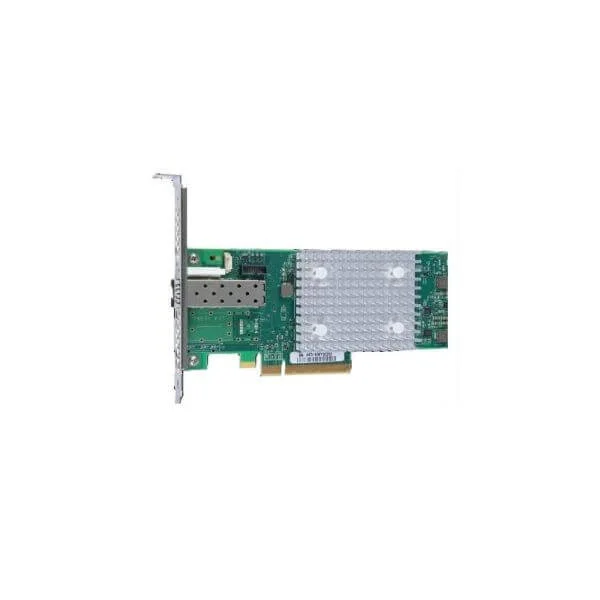
403-BBMW (QLogic 2690 Single Port 16Gb Fibre Channel HBA, PCIe Half-height)
5 (5)- Expansion Card
- Dell
- Storage Controller
- PCIe x8
- PCIe 3.0
- QLogic 2690
- SFP+
Est Value $247.53$57.75
76.7% offIn stockRefurbishedFirst-Time Buyer Discount – Get up to 2% additional off on your first order
ORM Rewards Earn $50 in Rewards + Free Expedited Delivery – Join Now!
Use eCoupon ORMSAVE10
eCoupon limited to 5 units

406-BBDY (Dell Recommended Emulex LPE 12002 Dual Ports 8Gb Fibre Channel HBA, PCIe Full-height)
4.8 (5)- Expansion Card
- Dell
- Storage Controller
- PCIe x8
- Emulex LPE 12002
Est Value $73.80$63.00
14.6% offIn stockRefurbishedFirst-Time Buyer Discount – Get up to 2% additional off on your first order
ORM Rewards Earn $50 in Rewards + Free Expedited Delivery – Join Now!
Use eCoupon ORMSAVE10
eCoupon limited to 5 units
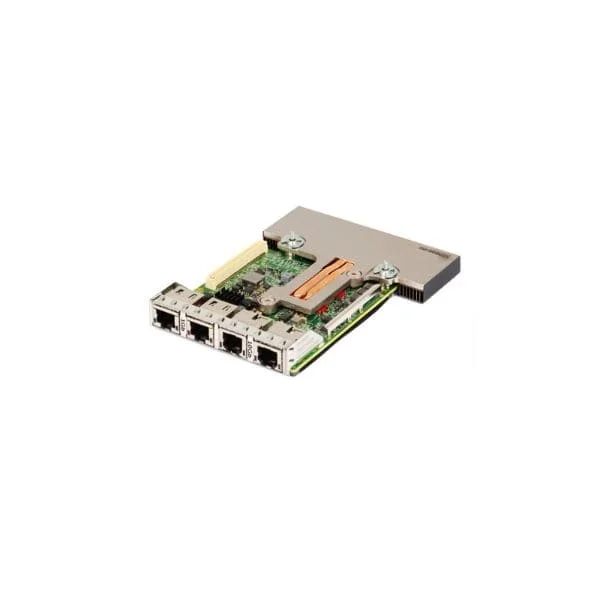
540-BBUK (Broadcom 57416 Dual Ports 10GbE BASE-T & 5720 Dual Ports 1GbE BASE-T, rNDC)
4.2 (5)- Expansion Card
- Dell
- Network Interface Card
- PCIe x4
- PCIe 3.0
- Broadcom 57416 / 5720
- RJ-45
Est Value $432.00$64.84
85% offIn stockRefurbishedFirst-Time Buyer Discount – Get up to 2% additional off on your first order
ORM Rewards Earn $50 in Rewards + Free Expedited Delivery – Join Now!
Use eCoupon ORMSAVE10
eCoupon limited to 5 units
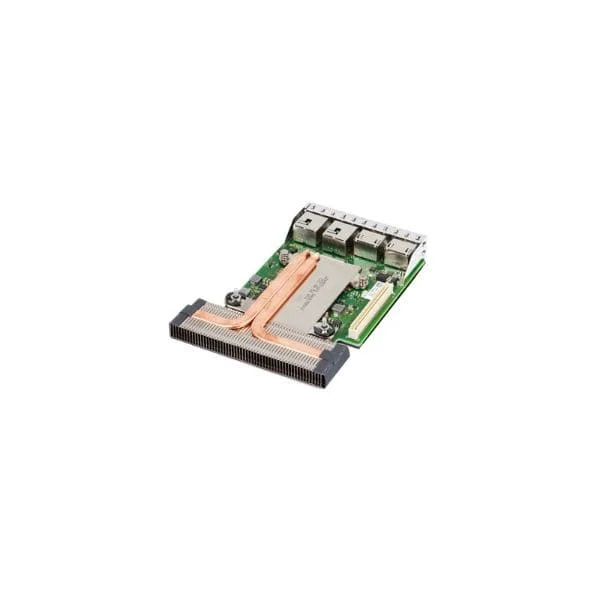
540-BBUZ (Intel X550 Dual Ports 10GbE BASE-T & i350 Dual Ports 1GbE BASE-T, rNDC)
4.4 (5)- Expansion Card
- Dell
- Network Interface Card
- PCIe x4
- PCIe 3.0
- Intel X550 & Intel i350
- RJ-45
Est Value $207.73$65.10
68.7% offIn stockRefurbishedFirst-Time Buyer Discount – Get up to 2% additional off on your first order
ORM Rewards Earn $50 in Rewards + Free Expedited Delivery – Join Now!
Use eCoupon ORMSAVE10
eCoupon limited to 5 units
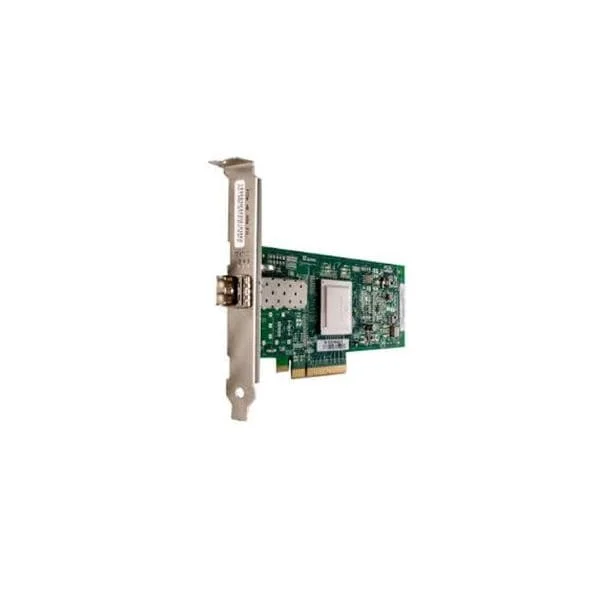
406-BBEB (QLogic 2560 Single Port 8Gb Fibre Channel HBA, PCIe Full-height )
4.8 (5)- Expansion Card
- Dell
- Storage Controller
- PCIe x8
- PCIe 3.0
- QLogic 2560
- SFP
Est Value $118.13$80.33
32% offIn stockRefurbishedFirst-Time Buyer Discount – Get up to 2% additional off on your first order
ORM Rewards Earn $50 in Rewards + Free Expedited Delivery – Join Now!
Use eCoupon ORMSAVE10
eCoupon limited to 5 units
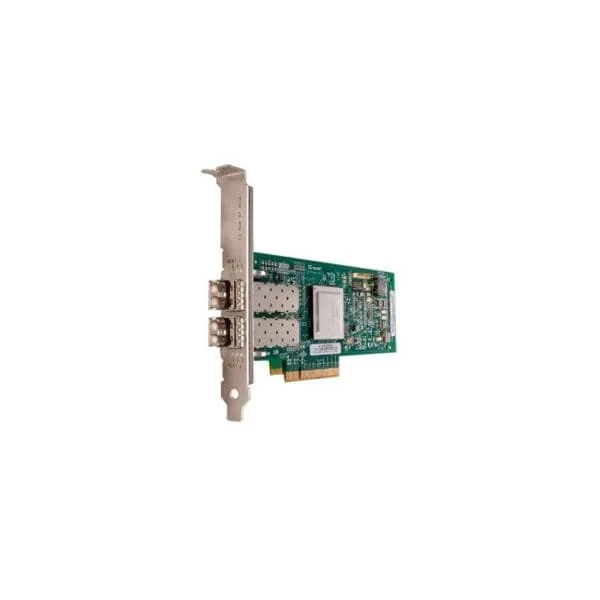
406-BBDZ (QLogic 2562 Dual Ports 8Gb Fibre Channel HBA, PCIe Full-height)
4.6 (5)- Expansion Card
- Dell
- Storage Controller
- PCIe x8
- PCIe 3.0
- QLogic 2562
Est Value $98.40$84.00
14.6% offIn stockRefurbishedFirst-Time Buyer Discount – Get up to 2% additional off on your first order
ORM Rewards Earn $50 in Rewards + Free Expedited Delivery – Join Now!
Use eCoupon ORMSAVE10
eCoupon limited to 5 units
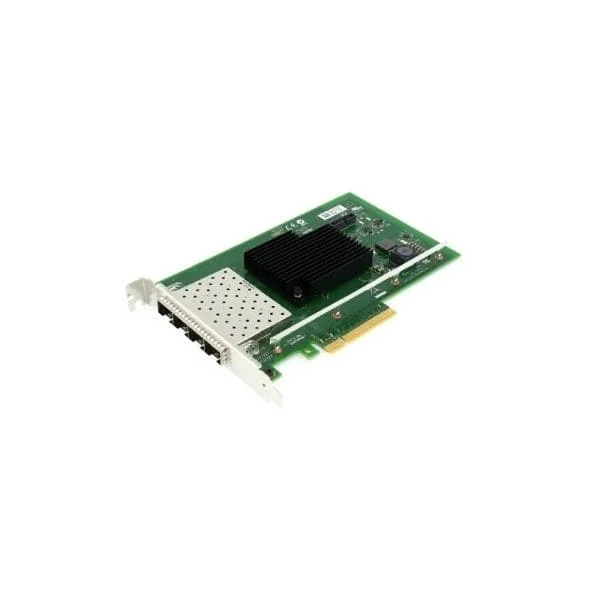
555-BCKP (Intel X710 Four Ports 10GbE SFP+, rNDC)
4.4 (5)- Expansion Card
- Dell
- Network Interface Card
- PCIe x8
- PCIe 3.0
- Intel X710
- SFP+
Est Value $300.40$85.68
71.5% offIn stockRefurbishedFirst-Time Buyer Discount – Get up to 2% additional off on your first order
ORM Rewards Earn $50 in Rewards + Free Expedited Delivery – Join Now!
Use eCoupon ORMSAVE10
eCoupon limited to 5 units

ORM Sales Advisors
Buying for your business? Get a personalised quote in under 2 hours. Talk to an expert
LEARNFilters (22) 
Questions & Answers
What is a network card?
A network card, or network interface card (NIC), is a hardware component that enables a computer to send and receive data over wired or wireless networks.
How do I choose the right network card for my computer?
Select a network card based on your required interface (PCIe, USB, M.2), desired speed (1 GbE, 2.5 GbE, 10 GbE), form factor and compatibility with your motherboard and operating system.
What is the difference between wired and wireless network cards?
A wired network card uses an Ethernet cable to connect to a LAN for stable, high-speed data transfer, while a wireless card uses Wi-Fi signals for cable-free connectivity at potentially lower speeds.
What does PCIe mean in a network card?
PCIe (Peripheral Component Interconnect Express) refers to the high-speed slot standard on motherboards that network cards use for fast, low-latency data transmission.
How do I install a network card in my desktop PC?
Power down your PC, open the case, insert the network card into an available PCIe slot, secure it with a screw, close the case and boot up to install drivers.
How do I install network card drivers?
Download the latest drivers from the manufacturer’s website, run the installer, follow on-screen prompts and restart your system to complete the driver installation.
What is PoE support on a network card?
PoE (Power over Ethernet) support allows a network card to receive electrical power and transmit data over a single Ethernet cable, ideal for devices in remote or power-restricted locations.
How can I check my network card’s link speed?
On Windows, open the Network and Sharing Center, click your connection, and view Connection Speed; on macOS, open System Report > Network and review link speed.
What is full-duplex versus half-duplex mode?
Full-duplex mode allows simultaneous two-way data transmission, doubling throughput, while half-duplex transmits in only one direction at a time.
How do I troubleshoot network card connectivity issues?
Check cable connections, update drivers, verify link lights, run network diagnostics tools and test the card in a different slot or machine.
Can I use multiple network cards in one system?
Yes, modern systems support multiple NICs for load balancing, redundancy or network segmentation, provided you have available expansion slots.
What is a MAC address on a network card?
A MAC (Media Access Control) address is a unique 48-bit hardware identifier assigned to a network card for device-level communication on a local network.
What are jumbo frames and why use them?
Jumbo frames are oversized Ethernet packets (typically up to 9 KB) that reduce CPU overhead and improve throughput on high-speed networks when all devices support them.
How do I update the firmware on my network card?
Download the firmware update tool from the manufacturer, run it with administrative privileges and follow the prompts to flash the new firmware.
What is virtualization offloading on a network card?
Virtualization offloading (e.g., SR-IOV) allows a network card to allocate virtual functions directly to virtual machines, reducing CPU load and improving I/O performance.
Are network cards compatible with all operating systems?
Most network cards support Windows and Linux; always verify driver availability and vendor certification for your specific OS before purchasing.