 United States
Enterprise Servers Apollo 4200
Optimize your data center with Hpe Apollo 4200 Servers engineered for superior performance and scalability. Delivering unmatched compute density, these servers empower efficient mission-critical workloads.
Talk to an expert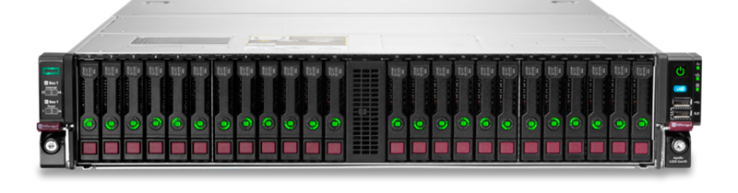
5 Matching results
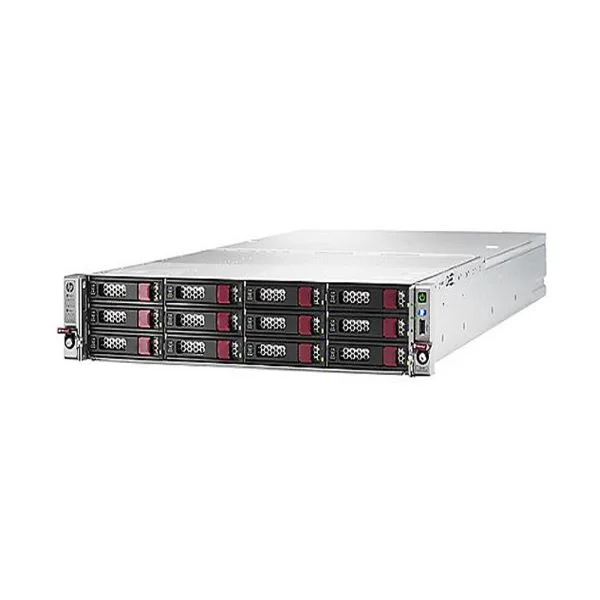
808027-B21 (HPE Apollo 4200 Servers)
4.6 (5)- Yes
- Hpe
- Yes
- Yes
- 808027-B21 High Performance Server
- 3.5 inches
- 17.5 inches
Est Value $663.95
$566.79
14.6% offIn stockRefurbishedFirst-Time Buyer Discount – Get up to 2% additional off on your first order
ORM Rewards Earn $50 in Rewards + Free Expedited Delivery – Join Now!
Use eCoupon ORMSAVE10
eCoupon limited to 5 units
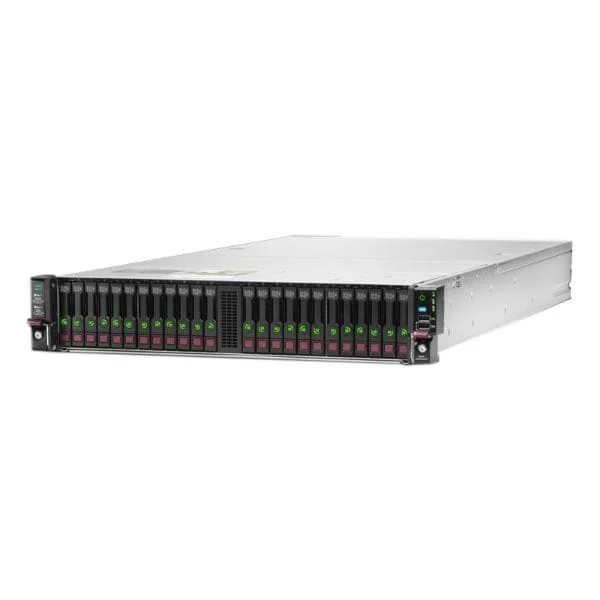
P07244-B21 (HPE Apollo 4200 Gen10 24LFF Configure-to-order Server)
4.6 (5)- Server
- Hpe
- Rackmount
- 2U
- Intel
- Intel Xeon Scalable
- Xeon 3rd Gen
Est Value $1,973.20$986.60
50% offIn stockRefurbishedFirst-Time Buyer Discount – Get up to 2% additional off on your first order
ORM Rewards Earn $50 in Rewards + Free Expedited Delivery – Join Now!
Use eCoupon ORMSAVE10
eCoupon limited to 5 units
P00392-B21 (HPE ProLiant XL270d Gen10 Configure-to-order Server)
4.4 (5)- Server
- Hpe
- Rackmount
- 2U
- Intel
- Intel Xeon Scalable
- Xeon 3rd Gen
Est Value $2,628.00$2,299.50
12.5% offIn stockRefurbishedFirst-Time Buyer Discount – Get up to 2% additional off on your first order
ORM Rewards Earn $50 in Rewards + Free Expedited Delivery – Join Now!
Use eCoupon ORMSAVE10
eCoupon limited to 5 units
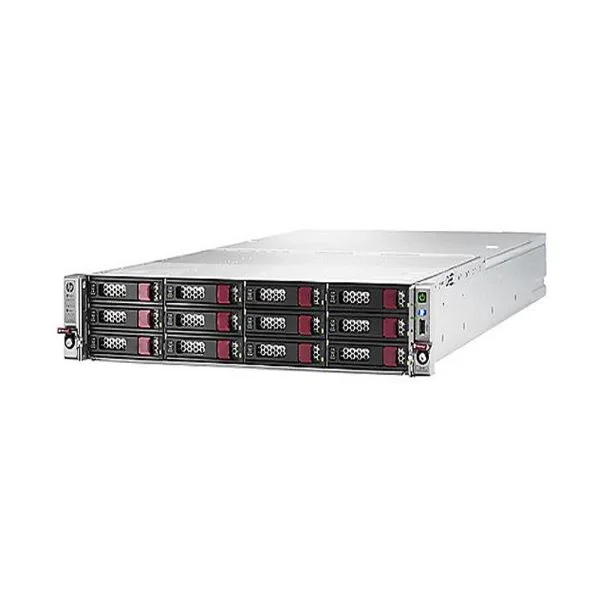
849878-B21 (APOLLO 4200 GEN9 E5-2620V4 LFF SVR PL=S4)
4.8 (5)- Server
- Hpe
- Rackmount
- 2U
- Intel
- Intel Xeon Scalable
- Xeon 4th Gen
Est Value $73.80$63.00
14.6% offIn stockRefurbishedFirst-Time Buyer Discount – Get up to 2% additional off on your first order
ORM Rewards Earn $50 in Rewards + Free Expedited Delivery – Join Now!
Use eCoupon ORMSAVE10
eCoupon limited to 5 units
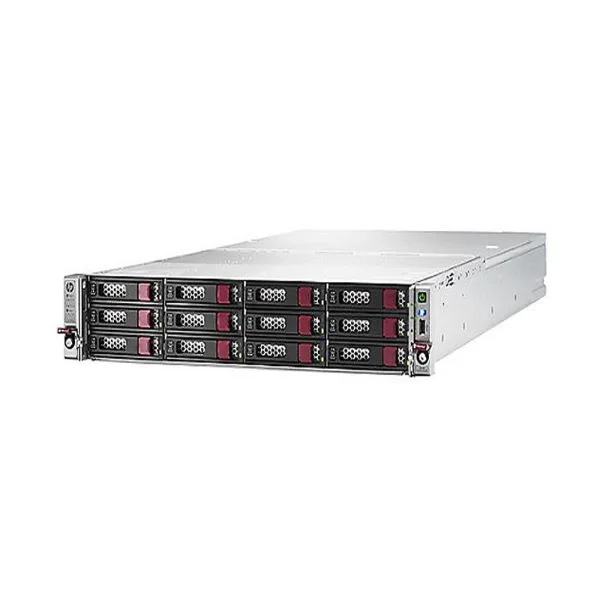
849879-B21 (APOLLO 4200 GEN9 E5-2620V4 SFF SVR PL=S4)
5 (5)- Server
- Hpe
- Rackmount
- 2U
- Intel
- Intel Xeon Scalable
- Xeon 3rd Gen
Est Value In stockFirst-Time Buyer Discount – Get up to 2% additional off on your first order
ORM Rewards Earn $50 in Rewards + Free Expedited Delivery – Join Now!
Use eCoupon ORMSAVE10
eCoupon limited to 5 units

ORM Sales Advisors
Buying for your business? Get a personalised quote in under 2 hours. Talk to an expert
LEARNFilters (5) 
Questions & Answers
What is the HPE Apollo 4200 Server?
The HPE Apollo 4200 Server is a high-density, 2U rack-optimized platform designed for storage-intensive workloads, delivering scalable capacity, energy efficiency, and streamlined management for data-driven enterprises.
Which workloads are best suited for HPE Apollo 4200?
Ideal workloads include data analytics, object storage, backup and archive, content delivery, and distributed file systems, thanks to the Apollo 4200’s large capacity, high throughput, and low latency design.
What storage capacity does the Apollo 4200 support?
Each Apollo 4200 chassis accommodates up to 28 LFF or 54 SFF drives, supporting up to 630 TB raw capacity with 4 TB LFF drives or 270 TB with 4 TB SFF SSDs.
How scalable is the HPE Apollo 4200 architecture?
The modular design allows seamless expansion by adding additional chassis, scaling I/O, compute, and storage independently to meet growing data volume and throughput demands.
What networking options are available on Apollo 4200?
Built-in flexible LOM and optional PCIe adapters support up to 100 Gb Ethernet, Fibre Channel, and InfiniBand, enabling high-bandwidth connectivity for distributed storage and compute clusters.
How does Apollo 4200 optimize power efficiency?
Advanced power supplies, dynamic power capping, and high-efficiency cooling fans reduce energy consumption by up to 30% per TB compared to traditional rack servers.
Which management tools are supported on Apollo 4200?
HPE OneView provides unified server, storage, and network management with automated provisioning, firmware lifecycle, and monitoring to simplify large-scale deployments.
Can I deploy containers on HPE Apollo 4200?
Yes. The server supports container platforms like Docker and Kubernetes, leveraging its high I/O throughput and capacity for stateful microservices and big data workloads.
What operating systems are certified for Apollo 4200?
Certified OS options include Red Hat Enterprise Linux, SUSE Linux Enterprise Server, VMware vSphere, Microsoft Windows Server, and CentOS, ensuring broad compatibility.
How does the Apollo 4200 ensure data security?
It features instant secure erase, TPM 2.0, firmware root of trust, drive-level encryption, and integration with HPE Secure Encryption to safeguard sensitive data.
What expansion options does the Apollo 4200 offer?
Up to six PCIe Gen4 slots support additional networking, GPU accelerators, or NVMe storage cards for enhanced compute and I/O acceleration.
How does cooling work in the Apollo 4200?
Front-to-back airflow, hot-swappable fans, and liquid-cooling ready design maintain optimal temperatures under heavy workloads, improving reliability and reducing thermal risk.
What support and warranty cover the Apollo 4200?
Standard coverage includes a three-year, next-business-day onsite warranty. Optional HPE Foundation Care and Proactive Care services provide 24x7 support and rapid hardware replacement.
How does Apollo 4200 compare to HPE Apollo 4510?
The 4200 focuses on higher density in 2U, offering more drives per chassis, whereas the 4510 targets cost-optimized capacity in 4U with fewer but larger drives.
What performance can I expect from the Apollo 4200?
With dual Intel Scalable processors, up to 3 TB DDR4 memory, and NVMe options, you achieve over 200 GB/s throughput and sub-200 µs latency for data-intensive tasks.
How easy is it to deploy the Apollo 4200?
Tool-less rail installation, HPE Quick Setup, and OneView integration enable rack-mount, configuration, and provisioning in under one hour.
What is the entry-level pricing model for Apollo 4200?
Pricing starts with a base configuration including chassis, CPUs, memory, and minimal drives. Total cost varies by capacity, network, and support options. Contact HPE for customized quotes.