 United States
Servers HPE Apollo High Performance
Engineered for enterprise-level workloads, HPE Apollo servers deliver exceptional scalability and efficiency. Rigorously optimized performance, reliability, and energy management empower data-intensive operations and next-generation computing.
Talk to an expert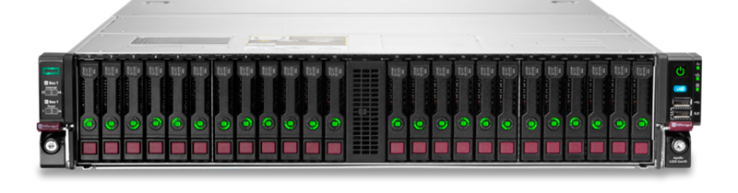
Hpe Apollo 4200 Servers
(5)HPE Apollo 4200 servers fit archival storage nodes needing 2U dense-drive layouts, SAS connectivity, and media repository capacity for backup vaults
Hpe Apollo 4510 Servers
(1)HPE Apollo 4510 servers serve object storage pools with 4U high-capacity bays, SATA drives, and petabyte-class content repositories
Hpe Apollo 4520 Servers
(1)HPE Apollo 4520 servers suit cold-data vaults requiring 4U density, SAS expanders, and balanced compute for storage indexing
Hpe Apollo 4530 Servers
(1)HPE Apollo 4530 servers support scale-out file storage clusters with 4U shared chassis density, 10GbE fabrics, and multi-node compute
Hpe Apollo 6000 Servers
(1)HPE Apollo 6000 servers fit HPC compute rows using modular trays, InfiniBand or Ethernet fabrics, and shared power shelves
Hpe Apollo D6500 Servers
(1)HPE Apollo D6500 servers address deep-learning training pods with GPU trays, PCIe acceleration, and high-airflow rack deployments for model pipelines
Hpe Apollo K6000 Servers
(1)HPE Apollo K6000 servers serve analytics compute grids needing accelerator-ready PCIe slots, dense node packaging, and 10GbE east-west traffic
Hpe Apollo R2200 Servers
(1)HPE Apollo R2200 servers fit service-provider edge racks with four-node density, 1U sled access, and 10GbE uplinks for appliances
Hpe Apollo R2600 Servers
(1)HPE Apollo R2600 servers suit research batch clusters using shared chassis power, x86 compute sleds, and InfiniBand fabrics
Hpe Apollo R2800 Servers
(1)HPE Apollo R2800 servers serve simulation compute blocks with dense rack trays, 10GbE networking, and parallel workload scheduling
14 Matching results
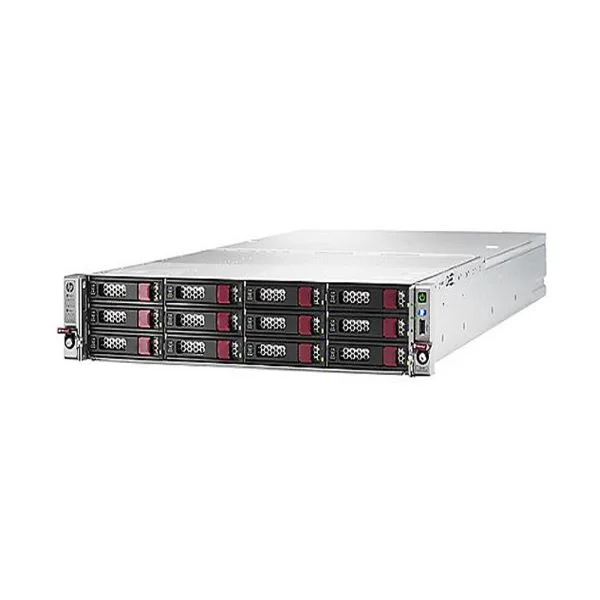
808027-B21 (HPE Apollo 4200 Servers)
4.6 (5)- Yes
- Hpe
- Yes
- Yes
- 808027-B21 High Performance Server
- 3.5 inches
- 17.5 inches
Est Value $663.95
$566.79
14.6% offIn stockRefurbishedFirst-Time Buyer Discount – Get up to 2% additional off on your first order
ORM Rewards Earn $50 in Rewards + Free Expedited Delivery – Join Now!
Use eCoupon ORMSAVE10
eCoupon limited to 5 units
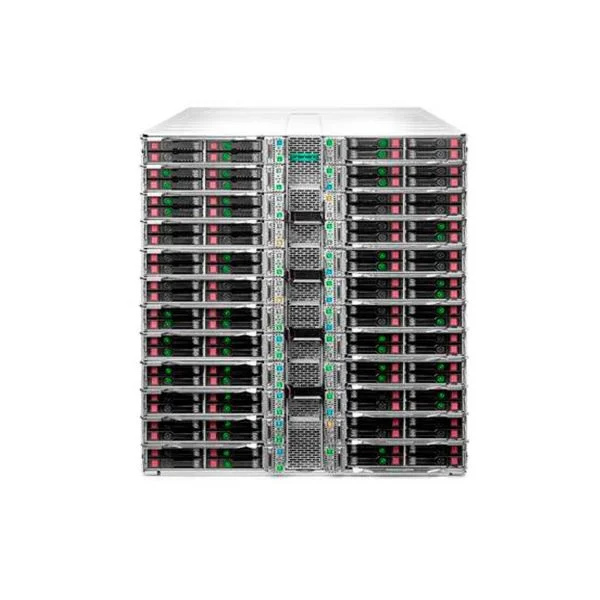
847077-B21 (HPE Apollo k6000 Servers)
5 (5)- Server
- Hpe
- Rackmount
- 2U
- Intel
- Intel Xeon Scalable
- Xeon 3rd Gen
Est Value $1,378.12$689.06
50% offIn stockRefurbishedFirst-Time Buyer Discount – Get up to 2% additional off on your first order
ORM Rewards Earn $50 in Rewards + Free Expedited Delivery – Join Now!
Use eCoupon ORMSAVE10
eCoupon limited to 5 units
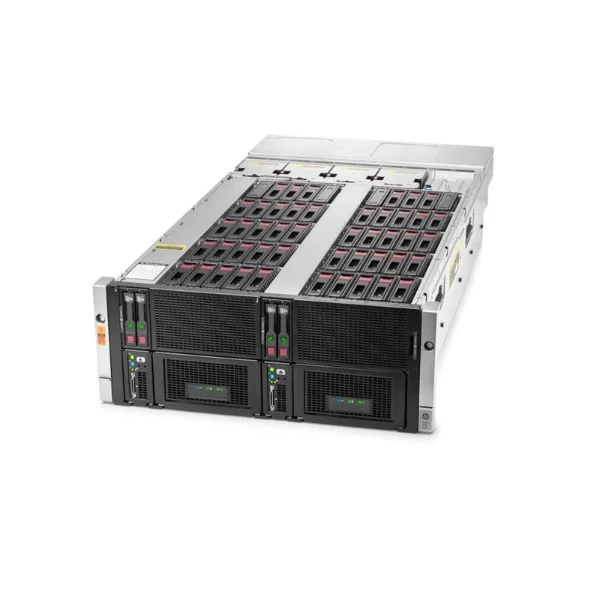
799581-B22 (HPE Apollo 4520 Servers)
4.8 (5)- Server
- Hpe
- Rackmount
- 2U
- Intel
- Intel Xeon Scalable
- Xeon 4th Gen
Est Value $1,644.34$822.17
50% offIn stockRefurbishedFirst-Time Buyer Discount – Get up to 2% additional off on your first order
ORM Rewards Earn $50 in Rewards + Free Expedited Delivery – Join Now!
Use eCoupon ORMSAVE10
eCoupon limited to 5 units
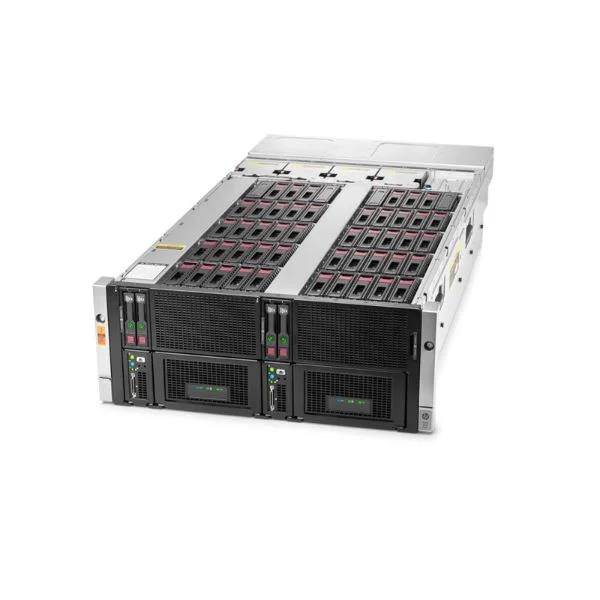
799581-B23 (HPE Apollo 4530 Servers)
4.6 (5)- Server
- Hpe
- Rackmount
- 2U
- Intel
- Intel Xeon Scalable
- Xeon 3rd Gen
Est Value $1,146.69$978.88
14.6% offIn stockRefurbishedFirst-Time Buyer Discount – Get up to 2% additional off on your first order
ORM Rewards Earn $50 in Rewards + Free Expedited Delivery – Join Now!
Use eCoupon ORMSAVE10
eCoupon limited to 5 units
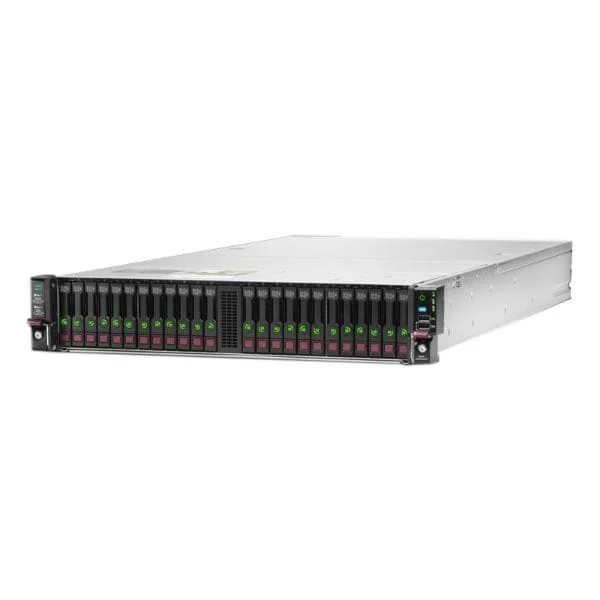
P07244-B21 (HPE Apollo 4200 Gen10 24LFF Configure-to-order Server)
4.6 (5)- Server
- Hpe
- Rackmount
- 2U
- Intel
- Intel Xeon Scalable
- Xeon 3rd Gen
Est Value $1,973.20$986.60
50% offIn stockRefurbishedFirst-Time Buyer Discount – Get up to 2% additional off on your first order
ORM Rewards Earn $50 in Rewards + Free Expedited Delivery – Join Now!
Use eCoupon ORMSAVE10
eCoupon limited to 5 units
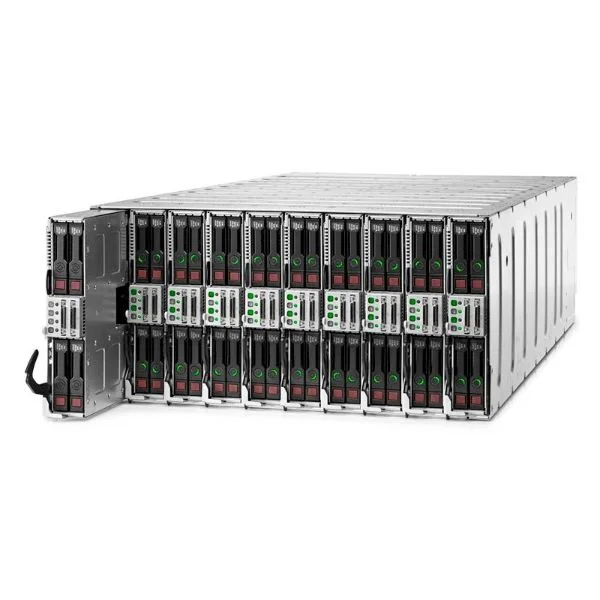
859362-B21 (HPE Apollo 6000 Servers)
4.6 (5)- Server
- Hpe
- Rackmount
- 2U
- Intel
- Intel Xeon Scalable
- Xeon 3rd Gen
Est Value $1,418.64$1,211.03
14.6% offIn stockRefurbishedFirst-Time Buyer Discount – Get up to 2% additional off on your first order
ORM Rewards Earn $50 in Rewards + Free Expedited Delivery – Join Now!
Use eCoupon ORMSAVE10
eCoupon limited to 5 units
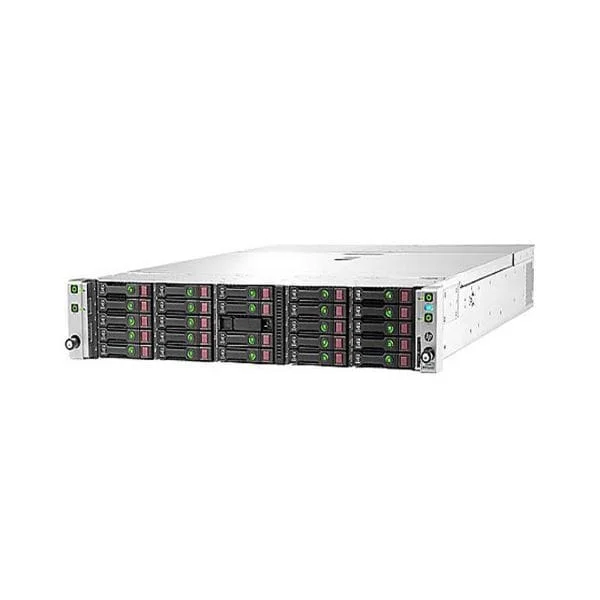
867158-B21 (HPE Apollo r2600 Servers)
4.4 (5)- Server
- Hpe
- Rackmount
- 2U
- Intel
- Intel Xeon Scalable
- Xeon 3rd Gen
Est Value $2,189.33$1,868.94
14.6% offIn stockRefurbishedFirst-Time Buyer Discount – Get up to 2% additional off on your first order
ORM Rewards Earn $50 in Rewards + Free Expedited Delivery – Join Now!
Use eCoupon ORMSAVE10
eCoupon limited to 5 units
P00392-B21 (HPE ProLiant XL270d Gen10 Configure-to-order Server)
4.4 (5)- Server
- Hpe
- Rackmount
- 2U
- Intel
- Intel Xeon Scalable
- Xeon 3rd Gen
Est Value $2,628.00$2,299.50
12.5% offIn stockRefurbishedFirst-Time Buyer Discount – Get up to 2% additional off on your first order
ORM Rewards Earn $50 in Rewards + Free Expedited Delivery – Join Now!
Use eCoupon ORMSAVE10
eCoupon limited to 5 units
867159-B21 (HPE Apollo r2800 Servers)
5 (5)- Server
- Hpe
- Rackmount
- 2U
- Intel
- Intel Xeon Scalable
- Xeon 4th Gen
Est Value $3,055.23$2,608.13
14.6% offIn stockRefurbishedFirst-Time Buyer Discount – Get up to 2% additional off on your first order
ORM Rewards Earn $50 in Rewards + Free Expedited Delivery – Join Now!
Use eCoupon ORMSAVE10
eCoupon limited to 5 units
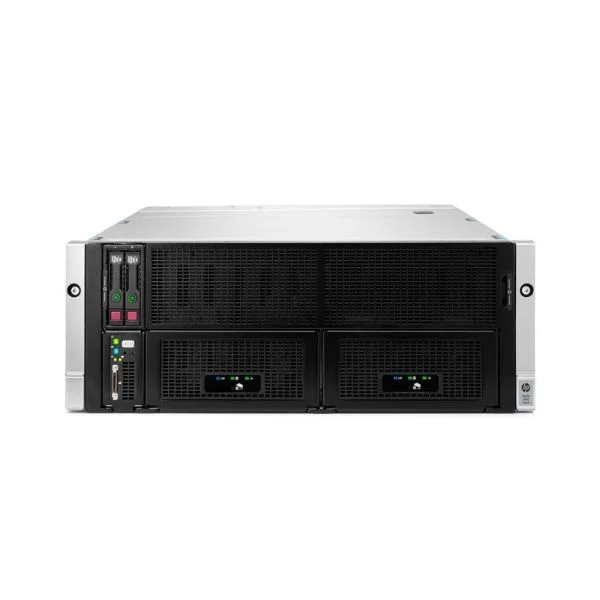
864668-B21 (HPE Apollo 4510 Servers)
4.4 (5)- Server
- Hpe
- Rackmount
- 2U
- Intel
- Intel Xeon Scalable
- Xeon 3rd Gen
Est Value $3,932.51$3,357.02
14.6% offIn stockRefurbishedFirst-Time Buyer Discount – Get up to 2% additional off on your first order
ORM Rewards Earn $50 in Rewards + Free Expedited Delivery – Join Now!
Use eCoupon ORMSAVE10
eCoupon limited to 5 units
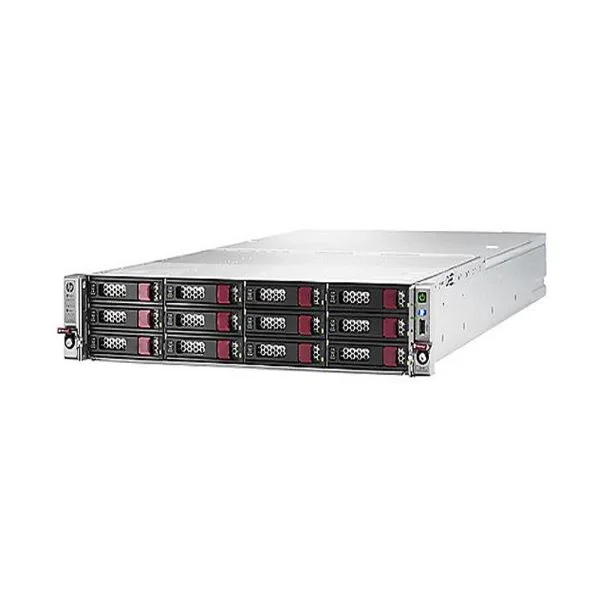
849878-B21 (APOLLO 4200 GEN9 E5-2620V4 LFF SVR PL=S4)
4.8 (5)- Server
- Hpe
- Rackmount
- 2U
- Intel
- Intel Xeon Scalable
- Xeon 4th Gen
Est Value $73.80$63.00
14.6% offIn stockRefurbishedFirst-Time Buyer Discount – Get up to 2% additional off on your first order
ORM Rewards Earn $50 in Rewards + Free Expedited Delivery – Join Now!
Use eCoupon ORMSAVE10
eCoupon limited to 5 units
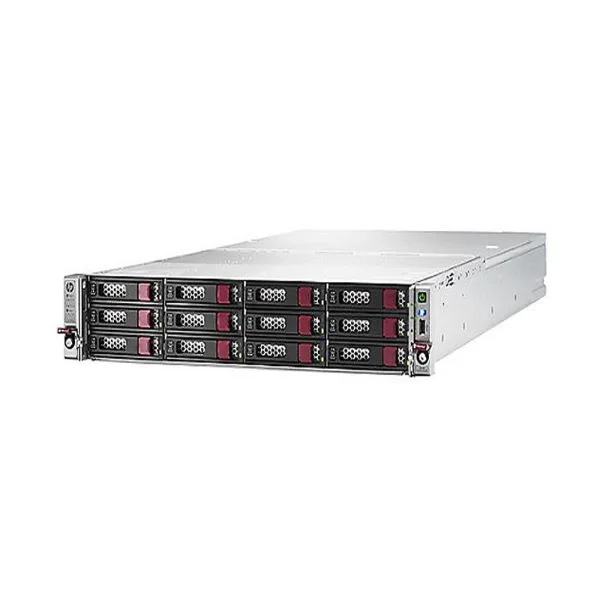
849879-B21 (APOLLO 4200 GEN9 E5-2620V4 SFF SVR PL=S4)
5 (5)- Server
- Hpe
- Rackmount
- 2U
- Intel
- Intel Xeon Scalable
- Xeon 3rd Gen
Est Value In stockFirst-Time Buyer Discount – Get up to 2% additional off on your first order
ORM Rewards Earn $50 in Rewards + Free Expedited Delivery – Join Now!
Use eCoupon ORMSAVE10
eCoupon limited to 5 units
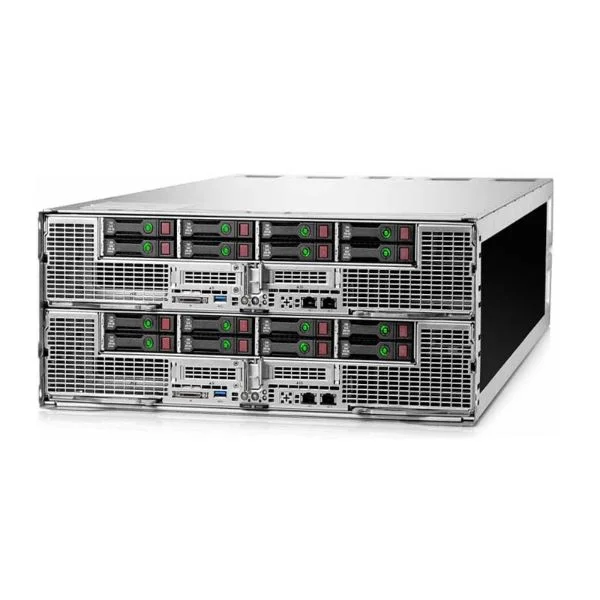
845627-B21 (HPE Apollo d6500 Servers)
4.4 (5)- Server
- Hpe
- Rackmount
- 2U
- Intel
- Intel Xeon Scalable
- Xeon 3rd Gen
Est Value In stockFirst-Time Buyer Discount – Get up to 2% additional off on your first order
ORM Rewards Earn $50 in Rewards + Free Expedited Delivery – Join Now!
Use eCoupon ORMSAVE10
eCoupon limited to 5 units
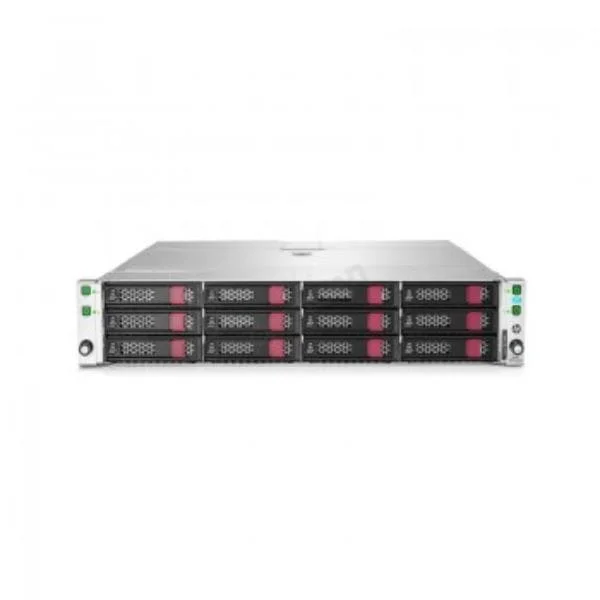
798152-B21 (HPE Apollo r2200 Servers)
4.4 (5)- Server
- Hpe
- Rackmount
- 3U
- Intel
- Intel Xeon Scalable
- Xeon 3rd Gen
Est Value In stockFirst-Time Buyer Discount – Get up to 2% additional off on your first order
ORM Rewards Earn $50 in Rewards + Free Expedited Delivery – Join Now!
Use eCoupon ORMSAVE10
eCoupon limited to 5 units

ORM Sales Advisors
Buying for your business? Get a personalised quote in under 2 hours. Talk to an expert
LEARNFilters (14) 
Questions & Answers
What are HPE Apollo Servers?
HPE Apollo Servers are high-density, rack-optimized compute platforms designed for high-performance computing (HPC), big data analytics, and scale-out workloads. They deliver exceptional compute density, flexible storage options, and advanced cooling to accelerate data-intensive applications and improve total cost of ownership (TCO).
Which workloads are ideal for HPE Apollo Servers?
HPE Apollo Servers excel at HPC simulations, big data analytics, machine learning, genomics, oil and gas exploration, and financial risk modeling. Their scale-out architecture, GPU acceleration support, and high-throughput networking make them optimal for data-heavy, compute-intensive workloads.
How do HPE Apollo Servers improve computing performance?
By combining the latest Intel or AMD processors, optional NVIDIA GPU accelerators, and high-bandwidth memory channels, HPE Apollo Servers deliver industry-leading FLOPS per rack. Their innovative chassis design reduces latency and maximizes airflow, ensuring sustained performance under peak loads.
What storage configurations are available on HPE Apollo Servers?
HPE Apollo Servers offer flexible storage with up to 24 NVMe SSD or SAS/SATA drive bays per chassis, support for HPE Scalable Object Storage (Scality), and modular drive sleds. These options enable tiered storage, parallel file systems, and low-latency data access for demanding applications.
How do HPE Apollo Servers manage power and cooling?
HPE Apollo Servers feature high-efficiency power supplies, hot-swap fans, and front-to-back airflow design. Integrated thermal sensors and HPE’s Advanced Power Manager dynamically adjust cooling and power distribution, reducing energy consumption and improving data center sustainability.
What management tools support HPE Apollo Servers?
HPE Apollo Servers integrate with HPE OneView, iLO 5, and HPE InfoSight for comprehensive deployment, monitoring, and predictive maintenance. These tools streamline firmware updates, asset tracking, and automated remediation, reducing administrative overhead and unplanned downtime.
Can HPE Apollo Servers be configured with GPU acceleration?
Yes, select HPE Apollo Server models support up to eight NVIDIA GPU accelerators per chassis. This GPU-dense configuration accelerates AI training, deep learning, and simulation workloads by offloading parallel computations to high-performance GPUs.
What networking options are available for HPE Apollo Servers?
HPE Apollo Servers support 10/25/40/100 GbE and InfiniBand HDR interconnects via modular FlexibleLOM and PCIe adapters. These high-bandwidth, low-latency options ensure seamless cluster scaling and efficient data transfer for HPC and analytics environments.
How scalable are HPE Apollo Server clusters?
HPE Apollo Servers scale from a single 1U node to multi-rack clusters with thousands of nodes. Their modular architecture and fabric-ready design simplify expansion, enabling you to start small and grow compute, storage, and networking capacity as your requirements evolve.
How do HPE Apollo Servers differ from HPE ProLiant Servers?
HPE Apollo Servers are optimized for scale-out, dense compute environments with enhanced cooling, power efficiency, and rack integration. HPE ProLiant Servers target general-purpose and virtualization workloads with broader configurability and enterprise features but lower node density.
Which operating systems are certified on HPE Apollo Servers?
HPE Apollo Servers support major OS platforms including Red Hat Enterprise Linux, SUSE Linux Enterprise Server, CentOS, Ubuntu Server, and VMware ESXi. HPE provides validated firmware and driver bundles to ensure compatibility and performance optimization.
What warranty and support options are offered for HPE Apollo Servers?
HPE Apollo Servers include a standard 3-year parts, labor, and on-site warranty. Optional HPE Pointnext Services extend coverage with accelerated response times, proactive firmware updates, and predictive analytics via HPE InfoSight for end-to-end infrastructure support.
How do I optimize HPE Apollo Servers for big data analytics?
To optimize for big data, configure NVMe storage for low latency, enable high-speed networking (25–100 GbE), and deploy HPE Scalable Object Storage for parallel file access. Pair with HPE OneView and InfoSight for performance tuning and real-time monitoring.
Which virtualization platforms work best with HPE Apollo Servers?
HPE Apollo Servers are certified for VMware vSphere, Microsoft Hyper-V, and Red Hat Virtualization. Their high core counts, large memory footprints, and SR-IOV-capable NICs deliver robust performance and dense VM consolidation for cloud and private data centers.
How can I purchase and deploy HPE Apollo Servers?
You can purchase HPE Apollo Servers through HPE authorized partners or the HPE Direct Sales channel. Deployment is streamlined with HPE’s Rapid Setup Kit and automated provisioning via HPE OneView, enabling faster time-to-value in your data center.