 United States
Blade Servers Huawei E-Series
Huawei E-Series Blade Servers deliver unparalleled performance, scalability, and energy efficiency for mission-critical applications. Engineered for advanced virtualization and dynamic workloads, these servers ensure reliability and seamless integration.
Talk to an expert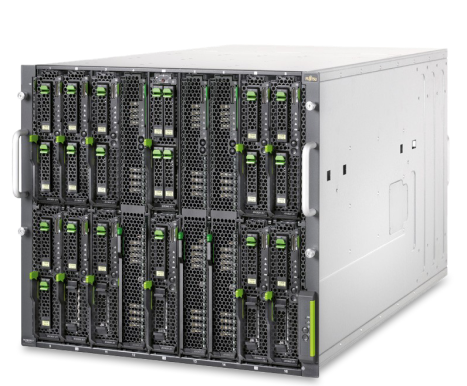
14 Matching results
- BEST SELLING
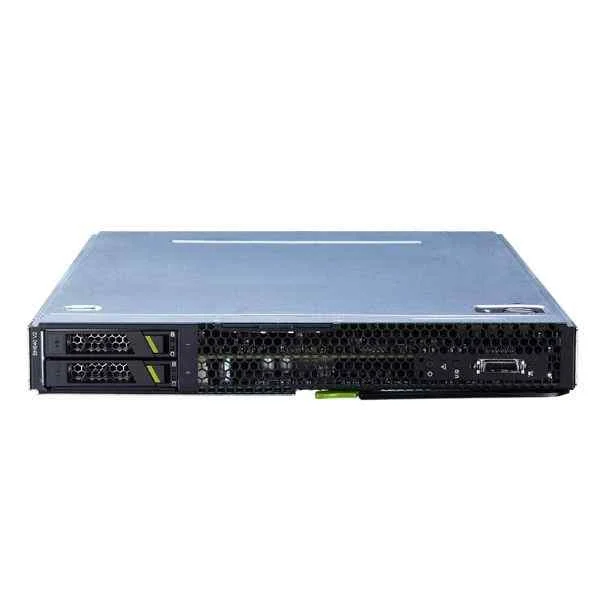
Huawei BH640 V2 Blade Server (Huawei BH640 V2 Blade Server for BE6000H, Intel Xeon E5-4600 or E5-4600 v2 series, 24 DDR3 DIMMs)
4.8 (6)- Server
- Huawei
- Blade
- Intel
- Intel Xeon Scalable
- Xeon 3rd Gen
Est Value In stock
First-Time Buyer Discount – Get up to 2% additional off on your first order
ORM Rewards Earn $50 in Rewards + Free Expedited Delivery – Join Now!
Use eCoupon ORMSAVE10
eCoupon limited to 5 units
- BEST SELLING
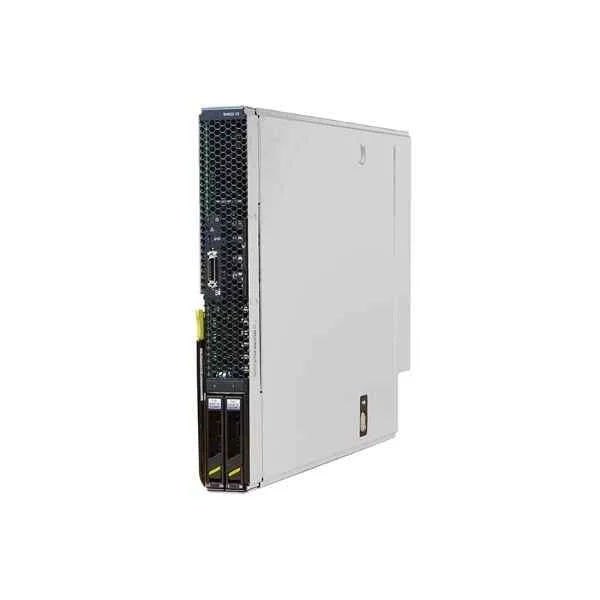
Huawei BH622 V2 Blade server (Huawei BH622 V2 Blade server for E6000, Intel Xeon E5-2600 and E5-2600 v2 series, 24 DIMMs)
4.5 (6)- Server
- Huawei
- Blade
- Intel
- Intel Xeon Scalable
- Xeon 3rd Gen
Est Value In stockFirst-Time Buyer Discount – Get up to 2% additional off on your first order
ORM Rewards Earn $50 in Rewards + Free Expedited Delivery – Join Now!
Use eCoupon ORMSAVE10
eCoupon limited to 5 units
- BEST SELLING
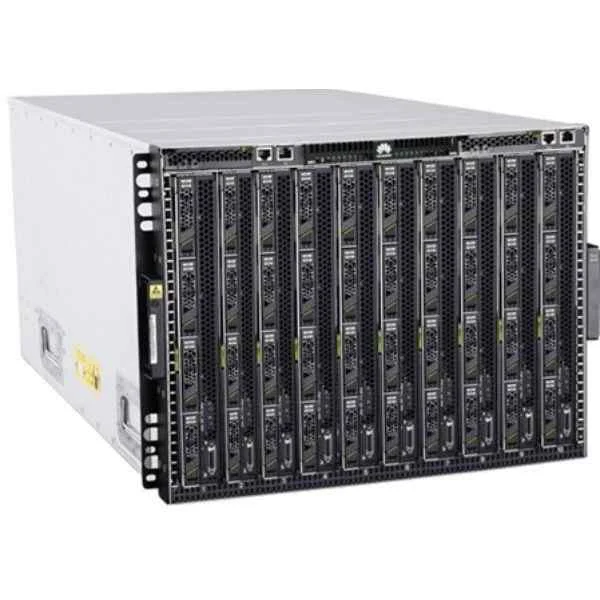
Huawei E6000H Blade Server Chassis (Huawei E6000H Blade Server Chassis, 10 slots, computing, switching, storage, I/O, and management, energy-efficient)
4.7 (6)- Server
- Huawei
- Blade
- Intel
- Intel Xeon Scalable
- Xeon 3rd Gen
Est Value In stockFirst-Time Buyer Discount – Get up to 2% additional off on your first order
ORM Rewards Earn $50 in Rewards + Free Expedited Delivery – Join Now!
Use eCoupon ORMSAVE10
eCoupon limited to 5 units
- BEST SELLING
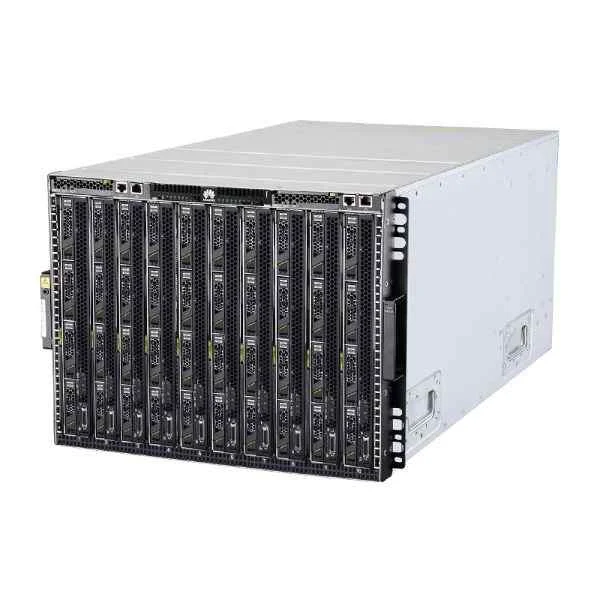
Huawei E6000 Blade Server Chassis (Huawei E6000 Blade Server Chassis, computing, switching, storage, I/O, and management, energy-efficient)
4.8 (6)- Server
- Huawei
- Blade
- Intel
- Intel Xeon Scalable
- Xeon 3rd Gen
Est Value In stockFirst-Time Buyer Discount – Get up to 2% additional off on your first order
ORM Rewards Earn $50 in Rewards + Free Expedited Delivery – Join Now!
Use eCoupon ORMSAVE10
eCoupon limited to 5 units
- BEST SELLING
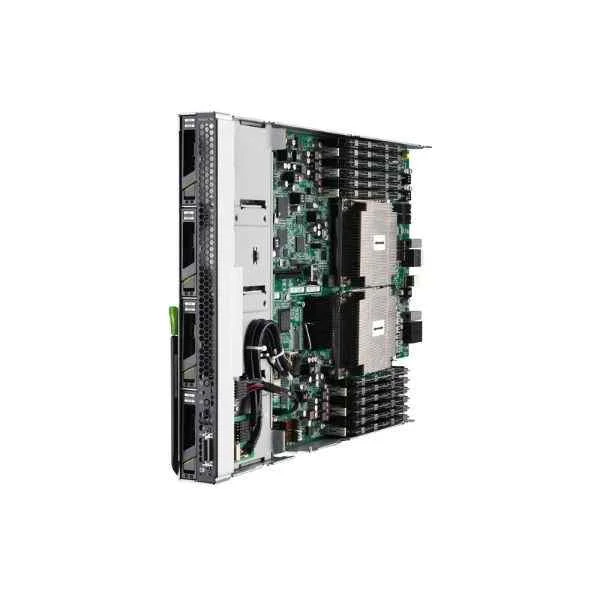
Huawei BH620 V2 Blade Server (Huawei BH620 V2 Blade Server for E6000, Intel Xeon E5-2400 and E5-2400 v2 series, 12 DIMMs, 4 HDDs or SSDs)
4.7 (6)- Server
- Huawei
- Blade
- Intel
- Intel Xeon Scalable
- Xeon 3rd Gen
Est Value In stockFirst-Time Buyer Discount – Get up to 2% additional off on your first order
ORM Rewards Earn $50 in Rewards + Free Expedited Delivery – Join Now!
Use eCoupon ORMSAVE10
eCoupon limited to 5 units
- FEARURED
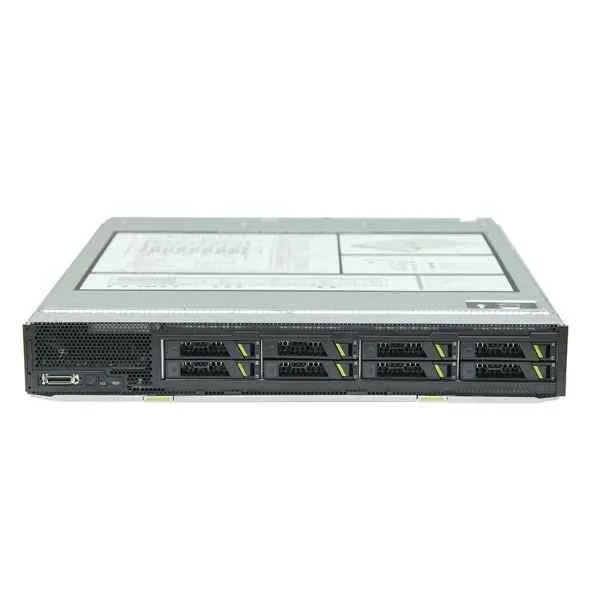
Huawei CH242 V3 Compute Node (Huawei FusionServer CH242 V3 Compute Node foe E9000, Intel Xeon E7-4800/8800 V2/V3 series CPU, RAID, 32 DDR4 DIMMs)
4.8 (6)- Server
- Huawei
- Rackmount / Tower / Blade / Microserver
- 2U
- Intel
- Intel Xeon Scalable
- Xeon 3rd Gen
Est Value In stockFirst-Time Buyer Discount – Get up to 2% additional off on your first order
ORM Rewards Earn $50 in Rewards + Free Expedited Delivery – Join Now!
Use eCoupon ORMSAVE10
eCoupon limited to 5 units
- FEARURED
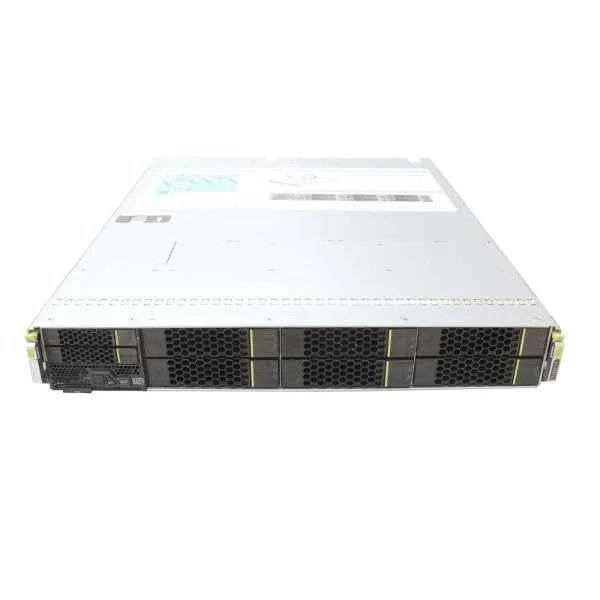
Huawei CH226 V3 Storage Expansion Compute Node (Huawei FusionServer CH226 V3 Storage Expansion Compute Node, Intel Xeon E5-2600 V3 Series, RAID, 24 DDR4 DIMMs)
4.7 (6)- Server
- Huawei
- Rackmount
- 2U
- Intel
- Intel Xeon Scalable
- Xeon 3rd Gen
Est Value In stockFirst-Time Buyer Discount – Get up to 2% additional off on your first order
ORM Rewards Earn $50 in Rewards + Free Expedited Delivery – Join Now!
Use eCoupon ORMSAVE10
eCoupon limited to 5 units
- FEARURED
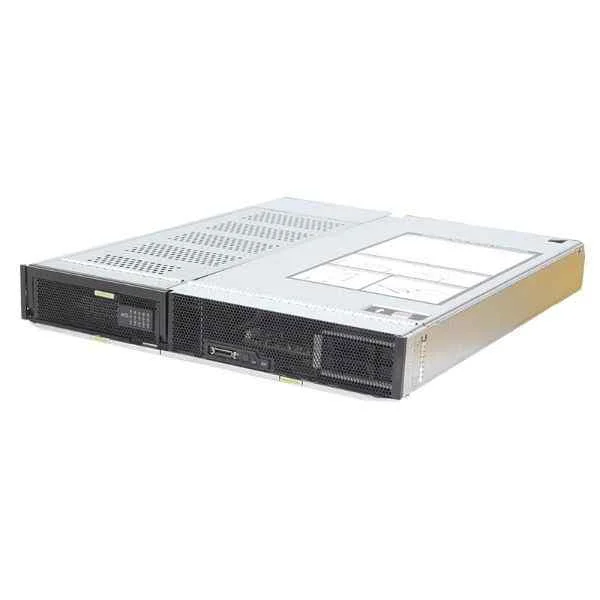
Huawei CH222 V3 Storage Compute Node (Huawei FusionServer CH222 V3 Storage Compute Node, Intel Xeon E5-2600 V3 Series, RAID, 24 DDR4 DIMMs)
4.8 (6)- Server
- Huawei
- Rackmount
- 2U
- Intel
- Intel Xeon Scalable
- Xeon 3rd Gen
Est Value In stockFirst-Time Buyer Discount – Get up to 2% additional off on your first order
ORM Rewards Earn $50 in Rewards + Free Expedited Delivery – Join Now!
Use eCoupon ORMSAVE10
eCoupon limited to 5 units
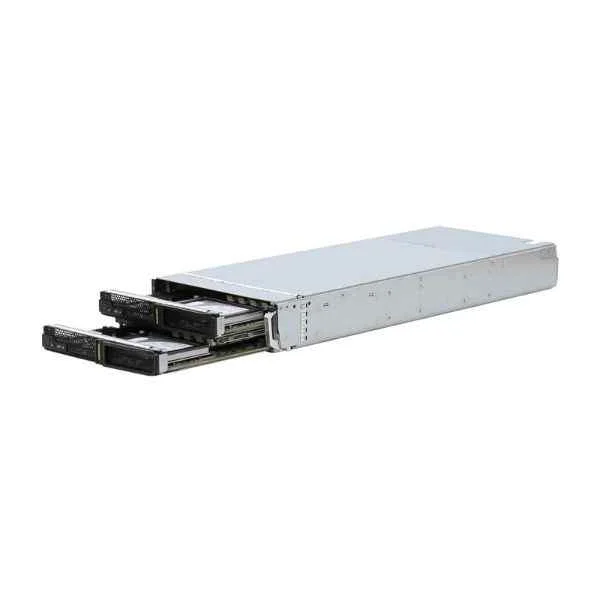
Huawei CH140 V3 Compute Node for E9000 (Huawei FusionServer CH140 V3 Compute Node for E9000, Intel Xeon E5-2600 V3 Series, twin compute nodes in a half-width slot, 8 DDR4 DIMMs)
4.8 (6)- Server
- Huawei
- Rackmount
- 2U
- Intel
- Intel Xeon Scalable
- Xeon 3rd Gen
Est Value In stockFirst-Time Buyer Discount – Get up to 2% additional off on your first order
ORM Rewards Earn $50 in Rewards + Free Expedited Delivery – Join Now!
Use eCoupon ORMSAVE10
eCoupon limited to 5 units
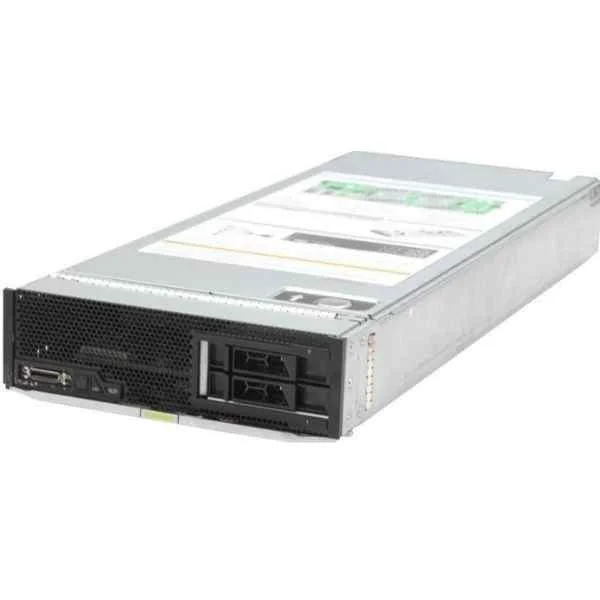
Huawei CH121 V3 Compute Node (Huawei FusionServer CH121 V3 Compute Node for E9000, Intel Xeon E5-2600 V3 Series, 24 DDR4 DIMMs, RAID 0 and 1)
4.7 (6)- Server
- Huawei
- Rackmount
- 2U
- Intel
- Intel Xeon Scalable
- Xeon 3rd Gen
Est Value In stockFirst-Time Buyer Discount – Get up to 2% additional off on your first order
ORM Rewards Earn $50 in Rewards + Free Expedited Delivery – Join Now!
Use eCoupon ORMSAVE10
eCoupon limited to 5 units
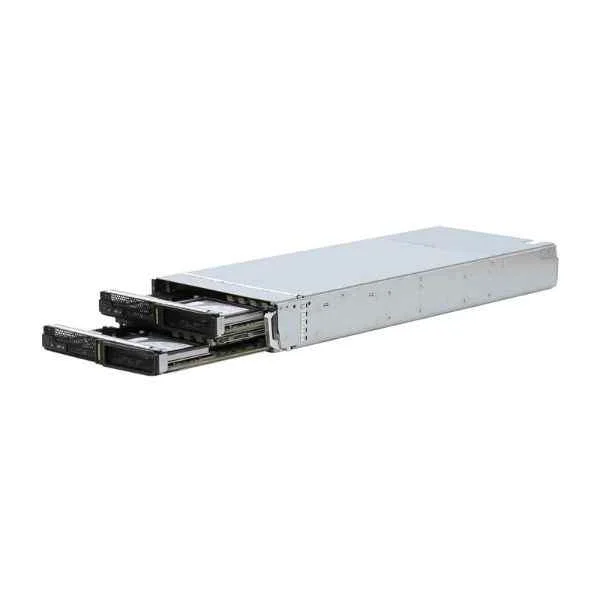
Huawei CH140 Compute Node for E9000 (Huawei CH140 Compute Node for E9000, Intel Xeon E5-2600 and E5-2600 v2 series, 8 DDR3 DIMMs for each 2-socket compute node)
4.5 (6)- Server
- Huawei
- Rackmount
- 2U
- Intel
- Intel Xeon Scalable
- Xeon 3rd Gen
Est Value In stockFirst-Time Buyer Discount – Get up to 2% additional off on your first order
ORM Rewards Earn $50 in Rewards + Free Expedited Delivery – Join Now!
Use eCoupon ORMSAVE10
eCoupon limited to 5 units
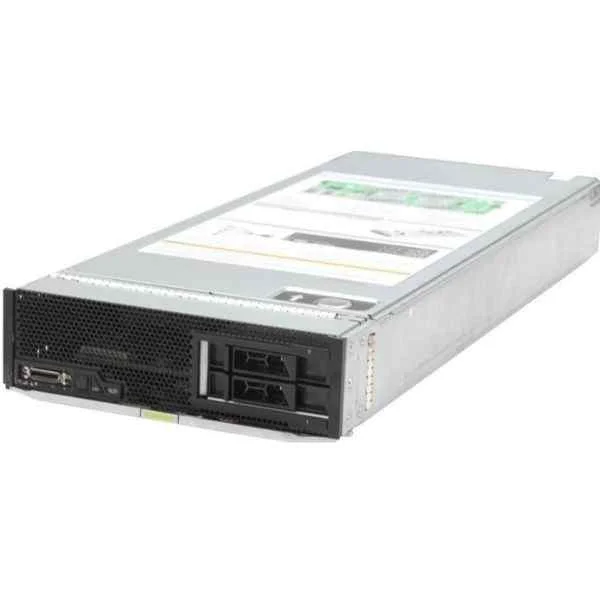
Huawei CH121 Compute Node for E9000 (Huawei CH121 Compute Node for E9000, Intel Xeon E5-2600 and E5-2600 v2 series, 24 DDR3 DIMMs, Virtualization, Cloud computing and HPC)
4.8 (6)- Server
- Huawei
- Rackmount
- 1U
- Intel
- Intel Xeon Scalable
- Xeon 3rd Gen
Est Value In stockFirst-Time Buyer Discount – Get up to 2% additional off on your first order
ORM Rewards Earn $50 in Rewards + Free Expedited Delivery – Join Now!
Use eCoupon ORMSAVE10
eCoupon limited to 5 units
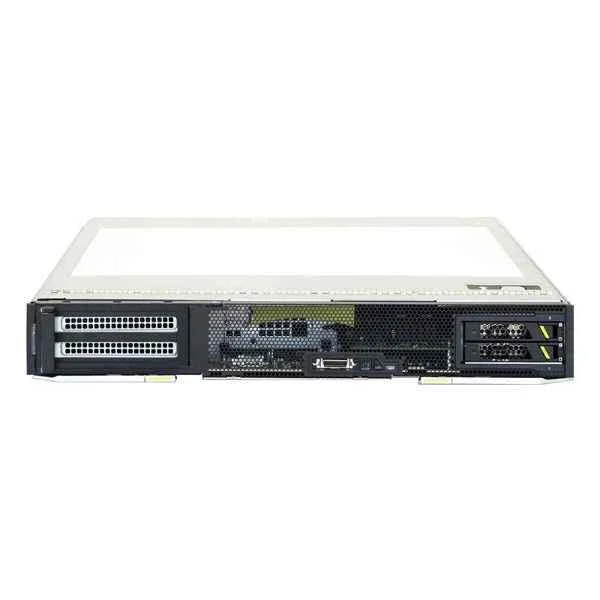
Huawei CH220 V3 I/O Expansion Compute Node (Huawei FusionServer CH220 V3 I/O Expansion Compute Node, Intel Xeon E5-2600 V3 Series, 16 DDR4 DIMMs)
4.7 (6)- Server
- Huawei
- Rackmount
- 2U
- Intel
- Intel Xeon Scalable
- Xeon 3rd Gen
Est Value In stockFirst-Time Buyer Discount – Get up to 2% additional off on your first order
ORM Rewards Earn $50 in Rewards + Free Expedited Delivery – Join Now!
Use eCoupon ORMSAVE10
eCoupon limited to 5 units
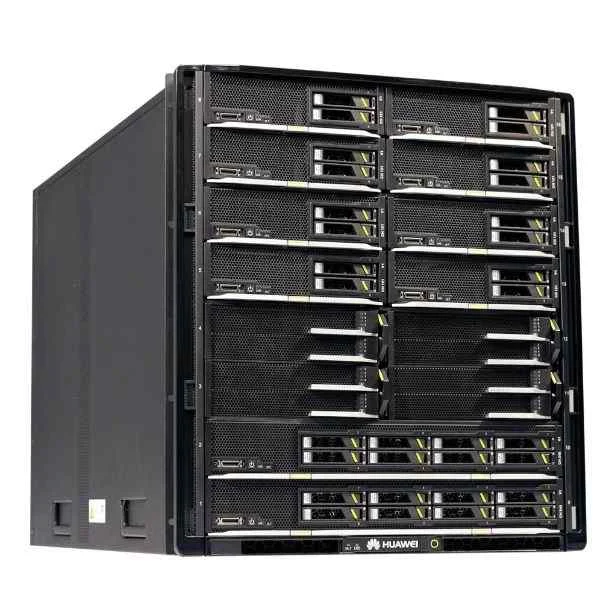
Huawei E9000 Blade Server Chassis (Huawei E9000 Blade Server Chassis, 16 slots, 12U, Redundant Power Supply, Redundant function modules , energy efficiency, GE, 10 GE, 40 GE, FC, FCoE, InfiniBand FDR switch module)
4.3 (6)- Server
- Huawei
- Blade
- Intel
- Intel Xeon Scalable
- Xeon 3rd Gen
Est Value In stockFirst-Time Buyer Discount – Get up to 2% additional off on your first order
ORM Rewards Earn $50 in Rewards + Free Expedited Delivery – Join Now!
Use eCoupon ORMSAVE10
eCoupon limited to 5 units

ORM Sales Advisors
Buying for your business? Get a personalised quote in under 2 hours. Talk to an expert
LEARNFilters (14) 
Questions & Answers
What is the Huawei E-Series Blade Server?
The Huawei E-Series Blade Server is a high-density, modular compute platform designed for enterprise data centers, integrating compute, storage, networking, and management in a compact chassis.
What are the key features of the Huawei E-Series Blade Server?
Key features include hot-swappable blades, integrated Fabric Interconnect, advanced cooling, high-speed Ethernet/InfiniBand, and support for the latest Intel Xeon Scalable processors.
How does the Huawei E-Series Blade Server improve data center density?
By housing up to 16 half-height or eight full-height blade servers in a 10U chassis and consolidating power, cooling, and I/O, it maximizes rack density and reduces footprint.
Which processors and memory configurations are supported?
The E-Series supports up to dual Intel Xeon Scalable CPUs per blade and up to 24 DDR4 DIMMs, delivering up to 6 TB of memory per chassis for demanding workloads.
How scalable is the Huawei E-Series Blade Server?
You can scale from a single chassis to multiple linked enclosures with unified management, enabling seamless expansion to hundreds of blades without disrupting operations.
What virtualization platforms does the Huawei E-Series support?
It is certified for mainstream hypervisors including VMware ESXi, Microsoft Hyper-V, and KVM, ensuring optimized performance and broad ecosystem compatibility.
How energy-efficient is the Huawei E-Series Blade Server?
With front-to-back airflow, high-efficiency power supplies, and Intelligent Power Management, the E-Series reduces PUE, lowers OPEX, and meets ENERGY STAR standards.
How is the Huawei E-Series Blade Server managed?
Management is unified through Huawei eSight or iBMC, offering real-time monitoring, firmware updates, and automated alerts across chassis, blades, and network modules.
What network connectivity options are available?
It offers integrated 10/25/40/100 GbE and InfiniBand fabrics, flexible mezzanine slots, and support for SR-IOV, ensuring low-latency, high-throughput networking.
How does the Huawei E-Series ensure data security?
Security features include Secure Boot, TPM 2.0, BIOS whitelisting, role-based access control, and encrypted management channels to protect data integrity and privacy.
What are the typical use cases for the Huawei E-Series Blade Server?
Ideal for private cloud, HPC clusters, virtualization, big data analytics, and enterprise applications that demand high performance, scalability, and reliability.
How easy is deployment and integration with existing infrastructure?
Pre-validated designs, modular architecture, and automated provisioning tools enable rapid deployment and seamless integration with VMware, OpenStack, and Microsoft ecosystems.
What is the maintenance and support model?
Huawei offers 24/7 global technical support, customizable service level agreements, on-site hardware replacement, and proactive health checks to ensure continuous availability.
How does the Huawei E-Series Blade Server compare to competitors?
It delivers superior compute density, lower TCO, and integrated end-to-end management compared to traditional rack servers and rival blade architectures.
What warranty and service agreements are offered?
Standard offerings include a three-year hardware warranty, with options for extended warranties, advanced replacement parts, and tailored support packages.
How can I get pricing and purchase the Huawei E-Series Blade Server?
Contact Huawei authorized resellers or visit the Huawei Enterprise website for configuration guidance, quotes, and information on financing and leasing options.