 United States
Storage Systems Huawei NAS
Experience unparalleled performance and security with Huawei NAS Storage System, engineered for seamless scalability and robust data protection. Elevate enterprise storage efficiency and reliability with advanced, integrated technology.
Talk to an expert
3 Matching results
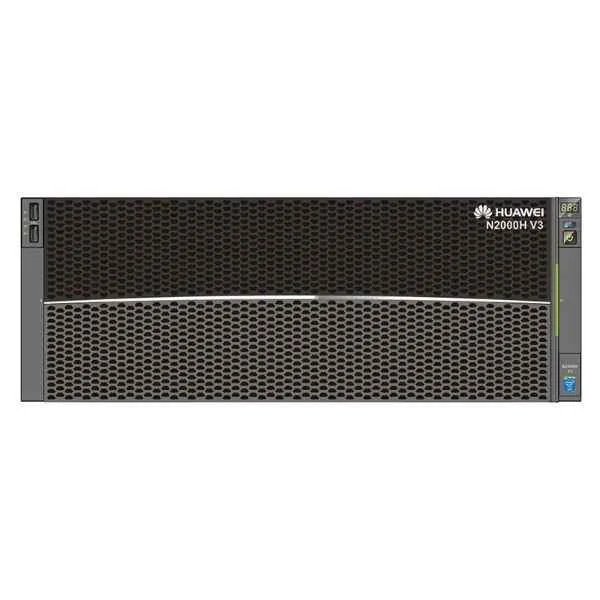
Huawei N2000H V3 NAS storage System (Huawei N2000 V3 NAS storage System, Intel Xeon E5-2600 v3 series CPU, 16 DDR4 DIMMs, 240TB, cost-effective, energy efficiency, Windows Storage Server 2012 R2 Standard Edition)
4.5 (6)- NAS Storage System
- Huawei
- Rackmount
- 2U
- Intel
- Intel Xeon Scalable
- Xeon 3rd Gen
Est Value In stock
First-Time Buyer Discount – Get up to 2% additional off on your first order
ORM Rewards Earn $50 in Rewards + Free Expedited Delivery – Join Now!
Use eCoupon ORMSAVE10
eCoupon limited to 5 units
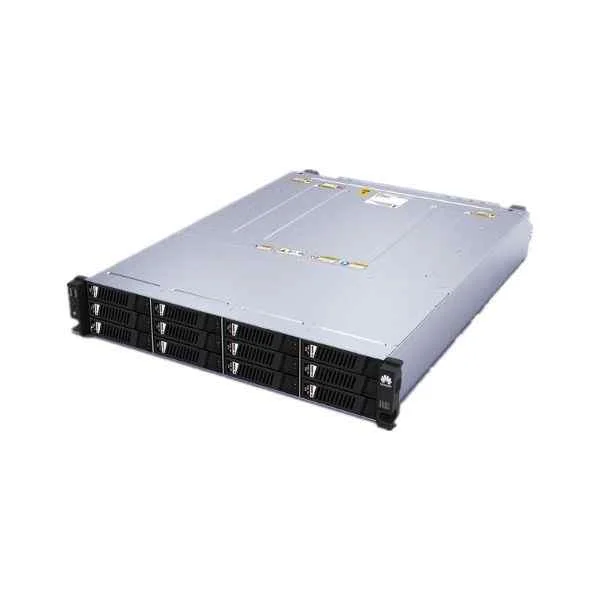
Huawei N2000 V3 NAS storage System (Huawei N2000 V3 NAS storage System, Intel Xeon E5-2600 v3 series CPU, 16 DDR4 DIMMs, 96TB, cost-effective, energy efficiency, Windows Storage Server 2012 R2 Standard Edition)
4.7 (6)- Server
- Huawei
- Rackmount
Est Value In stockFirst-Time Buyer Discount – Get up to 2% additional off on your first order
ORM Rewards Earn $50 in Rewards + Free Expedited Delivery – Join Now!
Use eCoupon ORMSAVE10
eCoupon limited to 5 units
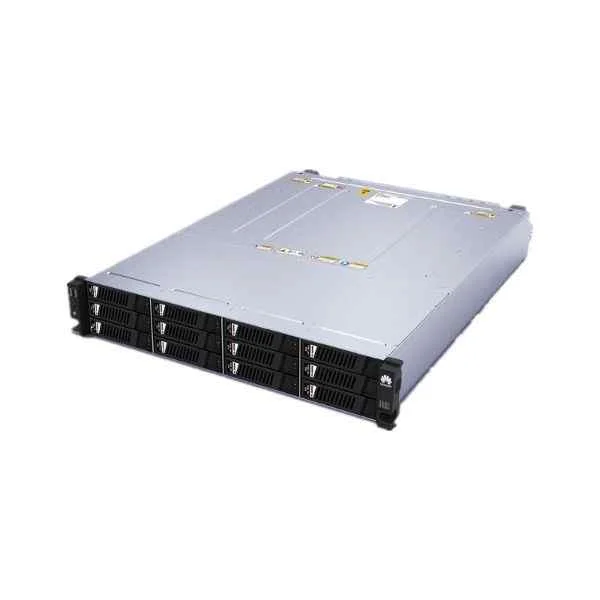
Huawei N2000 NAS storage System (Huawei N2000 NAS storage System, Intel Xeon E5-2403 quad-core CPU, cost-effective, energy efficiency, Windows Storage Server 2012 system)
4.8 (6)- Server
- Huawei
- Rackmount
- 2U
- Intel
- Intel Xeon Scalable
- Xeon 4th Gen
Est Value In stockFirst-Time Buyer Discount – Get up to 2% additional off on your first order
ORM Rewards Earn $50 in Rewards + Free Expedited Delivery – Join Now!
Use eCoupon ORMSAVE10
eCoupon limited to 5 units

ORM Sales Advisors
Buying for your business? Get a personalised quote in under 2 hours. Talk to an expert
LEARNFilters (3) 
Questions & Answers
What is the Huawei NAS Storage System?
The Huawei NAS Storage System is a scalable network-attached storage solution that delivers high-performance file services, unified file and object access, and advanced data protection for enterprise applications.
Which key features does Huawei NAS offer?
Huawei NAS provides high throughput, massive scalability, unified file and object protocols, inline deduplication and compression, snapshots, replication, and integrated backup for comprehensive data management.
How does Huawei NAS ensure high availability?
Huawei NAS uses dual-controller architecture with active-active failover, multi-path I/O, and non-disruptive upgrades to guarantee continuous file services and minimize downtime.
What performance can I expect from Huawei NAS?
Huawei NAS delivers up to millions of IOPS and tens of gigabytes per second throughput, leveraging SSD caching, dynamic tiering, and load-balanced controllers for consistent high performance.
How does Huawei NAS scale storage capacity?
Huawei NAS scales horizontally by adding hybrid or all-flash expansion shelves, supporting up to petabytes of raw capacity and thousands of concurrent clients without service interruption.
Which protocols are supported by Huawei NAS?
Huawei NAS supports NFS, SMB/CIFS, FTP, HTTP, and object-based access via S3, enabling seamless integration with UNIX, Windows, and web-scale applications.
What data protection features are included in Huawei NAS?
Huawei NAS offers snapshots, asynchronous and synchronous replication, file-level replication, RAID-6, inline data verification, and quick restore to protect data against corruption and loss.
Can Huawei NAS integrate with public cloud services?
Yes, Huawei NAS integrates with major public clouds via cloud tiering, cloud replication, and hybrid cloud gateway, enabling seamless data mobility and cost-effective archiving.
How is data security implemented on Huawei NAS?
Huawei NAS enforces data security with AES-256 encryption, role-based access control, LDAP/AD integration, antivirus scanning, and secure multi-tenant isolation.
What management tools are available for Huawei NAS?
Huawei NAS includes the OceanStor File Insight portal for unified monitoring, Huawei DeviceManager for configuration, RESTful APIs for automation, and integration with third-party management platforms.
How do I perform backup and restore on Huawei NAS?
Huawei NAS supports built-in file-level backup, snapshot-based backup, NDMP, and integration with popular backup software to enable fast, granular restores.
How does Huawei NAS reduce storage costs?
Huawei NAS reduces costs through inline deduplication and compression, tiered storage policies, thin provisioning, and the ability to extend on commodity expansion shelves.
What deployment options are available for Huawei NAS?
Huawei NAS can be deployed on-premises, in co-locations, or as a hybrid cloud service, with options for rack-mount and blade-based configurations to fit any data center footprint.
How easy is it to migrate to Huawei NAS from existing storage?
Huawei NAS simplifies migration with protocol-level migration tools, bulk data copy services, and partner-certified migration services to minimize downtime and risk.
What support and warranty does Huawei NAS include?
Huawei NAS comes with a standard one-year warranty, optional multi-year maintenance contracts, 24/7 technical support, and rapid spare parts delivery to ensure maximum uptime.
Which use cases are ideal for Huawei NAS?
Huawei NAS is ideal for file-sharing, big data analytics, media and entertainment workflows, virtualization, backup repositories, and cloud-native application storage.