Worldwide


Overview of Campus Network Design Principles
Campus network design involves planning and building a unified network infrastructure across multiple buildings within a large physical area.

Campus network design involves planning and building a unified network infrastructure across multiple buildings within a large physical area.

The core layer serves as the backbone, delivering high-speed connectivity between buildings and...
The distribution layer aggregates access point data, enforces policies, routes VLANs, and ensur...
It connects end-user devices like PCs and IP phones to the network and handles authentication,...
Wireless access points provide coverage across campus, supporting Bring Your Own Device (BYOD),...
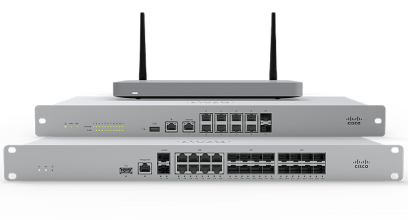
High-performance routers built for secure, scalable, enterprise network connectivity
Shop Routers
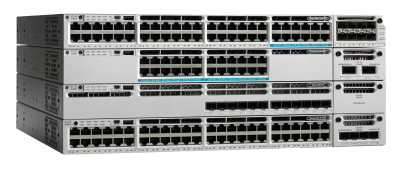
Advanced network switches enabling ultra-fast, reliable, high-capacity data transfer
Shop Switches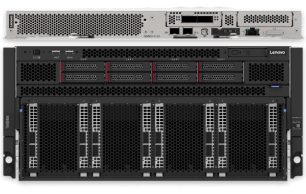
Enterprise servers designed for performance, virtualization, scalability, and demanding workloads
Shop ServersThe Importance of a Well-Designed Campus Network
A well-designed campus network forms the digital backbone of large, distributed environments—connecting buildings, departments, and users with seamless efficiency. It enables fast, uninterrupted access to applications, data, and collaboration tools, keeping teams productive and aligned no matter where they are on-site.
Beyond connectivity, campus networks provide enhanced security through centralized controls and segmentation. They’re built for reliability, with redundancy and failover features to prevent downtime. Smart management tools allow IT teams to monitor, troubleshoot, and scale effortlessly—making the network a strategic asset, not just infrastructure.

Core Components of a Campus Network
Campus networks are built on a layered architecture that includes core switches, distribution switches, and access switches—each serving a critical role in data flow. This hierarchical setup ensures high-speed connectivity, efficient traffic routing, and optimal performance across departments and devices.
Complementing the switching layers are routers, firewalls, wireless access points, and structured cabling systems. These components work together to secure the network, enable seamless wireless access, and support reliable communication between wired and wireless devices, in turn making the campus network robust and scalable.

Scalability in Campus Network Design
Scalability is essential for modern campus networks, allowing easy expansion as users, devices, and applications grow. A scalable design ensures the network handles increased traffic smoothly, avoiding disruption, maintaining performance, and eliminating the need for costly upgrades as demands continue to evolve.
By planning for growth from the start, organizations can maintain high performance, avoid bottlenecks, and adapt quickly to evolving needs. Scalable networks support digital transformation by providing the flexibility to integrate emerging technologies and scale operations—ensuring long-term efficiency, and investment protection in dynamic, fast-paced environments.


Complex Traffic Management

Ensuring Network Security

Physical Layout Limitations

Wireless Coverage Consistency
Maintaining Security in Campus Network Infrastructure Design
Campus network security goes beyond firewalls—it starts with VLAN segmentation, isolating traffic to limit the spread of threats and improve control. This smart zoning helps contain potential breaches and streamlines network performance, making it easier to manage large, distributed environments efficiently and securely.
Layered on top are access controls, real-time monitoring tools, and regular system updates. These elements work together to detect anomalies, block unauthorized users, and patch vulnerabilities before they're exploited. The result is a dynamic, responsive security posture that protects data, and infrastructure from evolving cyber threats.