Worldwide


Understanding Device as a Service (DaaS)
DaaS is an IT model where businesses lease devices with management services, simplifying procurement, security, and lifecycle management.

DaaS is an IT model where businesses lease devices with management services, simplifying procurement, security, and lifecycle management.

Businesses can lease laptops, desktops, smartphones, and tablets, with the option to scale up o...
DaaS providers manage device setup, updates, security patches, and maintenance, reducing the bu...
DaaS eliminates large upfront costs by offering predictable monthly payments, making budgeting...
DaaS includes built-in security features, remote management, and dedicated support, ensuring de...
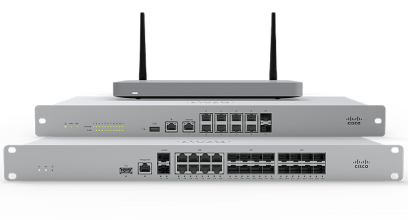
High-performance routers built for secure, scalable, enterprise network connectivity
Shop Routers
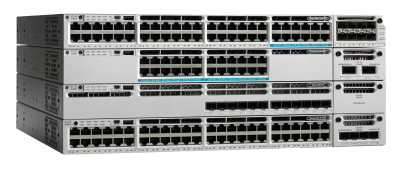
Advanced network switches enabling ultra-fast, reliable, high-capacity data transfer
Shop Switches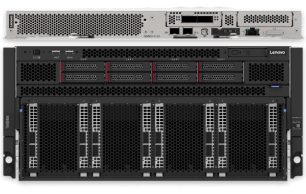
Enterprise servers designed for performance, virtualization, scalability, and demanding workloads
Shop ServersHow It Improves IT Management
Device as a Service (DaaS) simplifies the entire device lifecycle by managing procurement, deployment, maintenance, and upgrades under a single subscription model. This not only reduces upfront costs but also ensures employees have access to the latest technology, boosting productivity and user satisfaction across the organization.
With DaaS, security and compliance are handled centrally, minimizing risks while automating patches and updates. IT teams are freed from routine hardware tasks and can redirect their focus toward strategic initiatives, innovation, and improving digital experiences—making DaaS a smart choice for agile, growth-driven businesses.

Scalability of Device as a Service
DaaS offers unmatched scalability, allowing businesses to quickly adjust their device inventory in response to changing demands. Whether scaling up for new hires or scaling down during transitions, DaaS ensures operational agility without the burden of hardware management or capital expenditure.
This flexibility makes it ideal for growing companies or those with fluctuating workforce needs. Devices can be deployed, upgraded, or retired seamlessly, all within a managed service framework. With DaaS, organizations gain the freedom to scale confidently while keeping costs predictable and IT operations streamlined.

Financial Benefits of Device as a Service (DaaS)
DaaS reduces upfront capital costs by converting hardware expenses into fixed monthly payments. This predictable model improves cash flow, supports financial planning, and grants access to the latest devices—enabling businesses to stay current without large initial investments or unexpected upgrade expenditures.
Beyond cost savings, DaaS streamlines the entire device lifecycle—from procurement to retirement—under one managed service. This reduces administrative burden and ensures timely upgrades and maintenance. The result is long-term savings, enhanced user experience, and IT teams that are free to focus on innovation.


Data Encryption

Remote Wipe Capability

Secure Access Control

Regular Security Patches
Typical Contract Duration for Device as a Service (DaaS)
DaaS contracts typically range from 1 to 4 years, offering flexible terms that adapt to business goals. This allows companies to scale device usage, upgrade hardware easily, and manage budgets efficiently—ensuring technology stays aligned with evolving needs and operational demands over time.
Whether supporting short-term projects or long-term growth, these tailored agreements ensure businesses get exactly what they need—when they need it. With predictable costs, and simplified upgrades, DaaS contracts deliver both operational conveniences making them ideal for evolving IT environments and dynamic workforce demands.