Worldwide


Technologies Behind Modern Application Development
Modern applications utilize containers, microservices, APIs, DevOps tools, and cloud platforms to enable agility scalability and optimal performance.

Modern applications utilize containers, microservices, APIs, DevOps tools, and cloud platforms to enable agility scalability and optimal performance.

Containers package apps for portability, while Kubernetes automates deployment, scaling, and ma...
Microservices break applications into modular services, allowing for the independent developmen...
DevOps integrates development and operations with CI/CD pipelines, enabling continuous testing,...
Public, private, and hybrid clouds offer infrastructure, scalability, and integration capabilit...
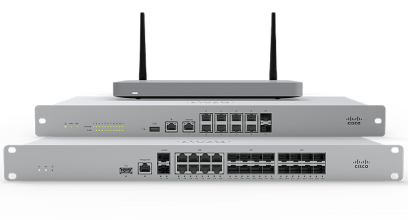
High-performance routers built for secure, scalable, enterprise network connectivity
Shop Routers

Advanced network switches enabling ultra-fast, reliable, high-capacity data transfer
Shop Switches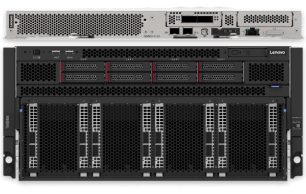
Enterprise servers designed for performance, virtualization, scalability, and demanding workloads
Shop ServersModern Apps vs. Traditional Apps
Modern applications are built with a modular, cloud-native architecture that promotes scalability, flexibility, and rapid development. By using microservices, these applications support continuous updates, seamless integration, and faster deployment—making them ideal for digital-first businesses seeking agility, innovation, and responsiveness in a fast-evolving technological landscape.
In contrast, traditional applications follow a monolithic structure, where components are tightly coupled and harder to scale. This lack of agility can slow innovation and make maintenance more complex. As businesses move toward digital transformation, modern apps offer a clear advantage by enabling faster deployment.

The Role of Microservices in Modern Apps
Microservices break applications into small, independent components that can be developed and deployed separately. This modular approach allows teams to work on different services simultaneously, accelerating development cycles and reducing bottlenecks—leading to quicker releases and greater adaptability in meeting business and user demands.
By isolating functions, microservices make it easier to scale specific services based on demand without affecting the entire application. This architecture enhances fault tolerance, simplifies updates, and promotes innovation—making it a powerful choice for businesses aiming to deliver reliable, flexible, and high-performing applications.

Security in Modern Applications
Modern applications are built with security at their core, incorporating encryption, secure APIs, and role-based access controls. These integrated safeguards protect sensitive data, reduce vulnerabilities, and mitigate cyber threats throughout the application lifecycle—ensuring a secure, and resilient digital experience for users and businesses alike.
Automated security scanning and continuous monitoring further strengthen defense by identifying vulnerabilities early. By embedding security into development from the start, modern apps ensure compliance, and build user trust—making them better equipped to withstand today’s evolving cyber landscape while delivering reliable, secure experiences.


Cloud Portability

Containerization Support

Multi-Cloud Flexibility

Centralized Management Tools
DevOps in Modern Application Development
DevOps brings together development and operations teams to streamline the software delivery lifecycle. By fostering collaboration, automation, and shared responsibility, it enables faster coding, real-time testing, and continuous integration—eliminating silos and accelerating the development of modern, high-performing applications that meet evolving user demands.
Through continuous deployment and monitoring, DevOps ensures rapid delivery without sacrificing quality. It allows for quick iterations, faster issue resolution, and a more responsive development process. This approach empowers businesses to innovate quickly, adapt to market changes, and maintain an edge in the digital environment.