 United States
Aggregation Switches D-Link Excellence
Discover state-of-the-art D-Link aggregation switches engineered for robust network performance. Optimize enterprise connectivity with scalable, secure, and reliable solutions designed to meet dynamic networking demands.
Talk to an expert
11 Matching results
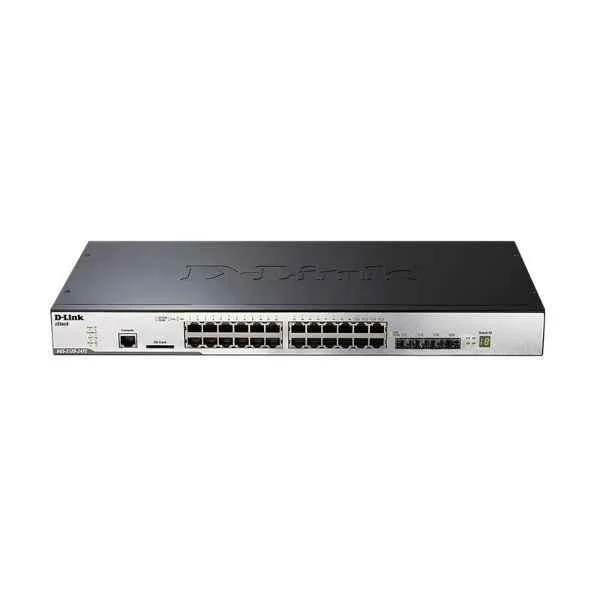
DGS-3120-24TC (D-Link 20 Gigabit electrical ports + 4 Gigabit optical multiplexing ports, switching capacity: 336G/3.36T, packet forwarding rate: 96Mpps/126Mpps, pure three-layer network management switch, support DHCP server, rack type )
5 (5)- Switch
- D-Link
- AC Power Supply
- Layer 2
- Desktop / Rack-mount
- 28 W
- 12–24 Ports
Est Value $1,008.00
$504.00
50% offIn stockRefurbishedFirst-Time Buyer Discount – Get up to 2% additional off on your first order
ORM Rewards Earn $50 in Rewards + Free Expedited Delivery – Join Now!
Use eCoupon ORMSAVE10
eCoupon limited to 5 units
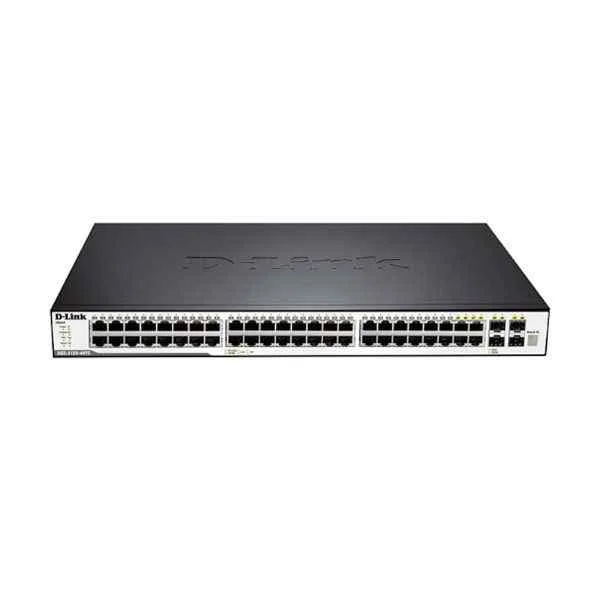
DGS-3120-48TC (D-Link 44 Gigabit electrical ports + 4 Gigabit optical multiplexing ports, switching capacity: 336G/3.36T, packet forwarding rate: 132Mpps/166Mpps, pure three-layer network management switch, support DHCP server, rack type )
4.8 (5)- Switch
- D-Link
- AC Power Supply
- Layer 2
- Rack-mount
- 40W
- 24–48 Ports
Est Value $1,597.10$798.55
50% offIn stockRefurbishedFirst-Time Buyer Discount – Get up to 2% additional off on your first order
ORM Rewards Earn $50 in Rewards + Free Expedited Delivery – Join Now!
Use eCoupon ORMSAVE10
eCoupon limited to 5 units
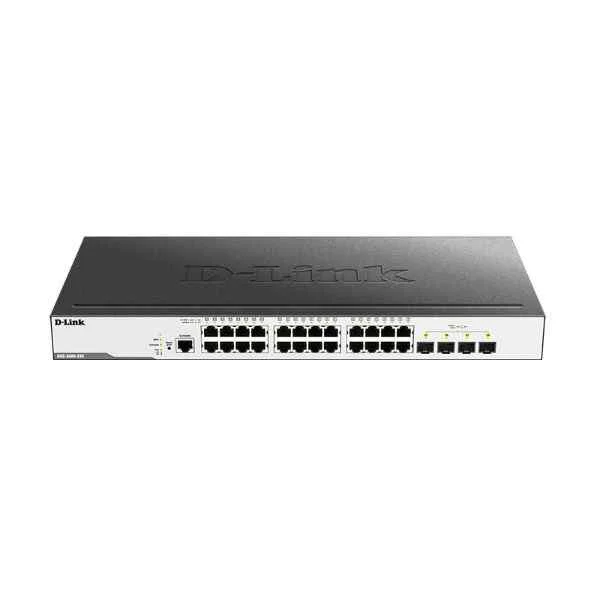
DGS-3000-28X (D-Link 24 Gigabit electrical ports + 4 10 Gigabit optical ports, switching capacity: 336G/3.36T, packet forwarding rate: 108Mpps/126Mpps, managed switch, support DHCP server, rack type)
4.4 (5)- Switch
- D-Link
- AC Power Supply
- Layer 2
- Rack-mount
- 27W
- 24–48 Ports
Est Value $2,382.56$1,191.28
50% offIn stockRefurbishedFirst-Time Buyer Discount – Get up to 2% additional off on your first order
ORM Rewards Earn $50 in Rewards + Free Expedited Delivery – Join Now!
Use eCoupon ORMSAVE10
eCoupon limited to 5 units
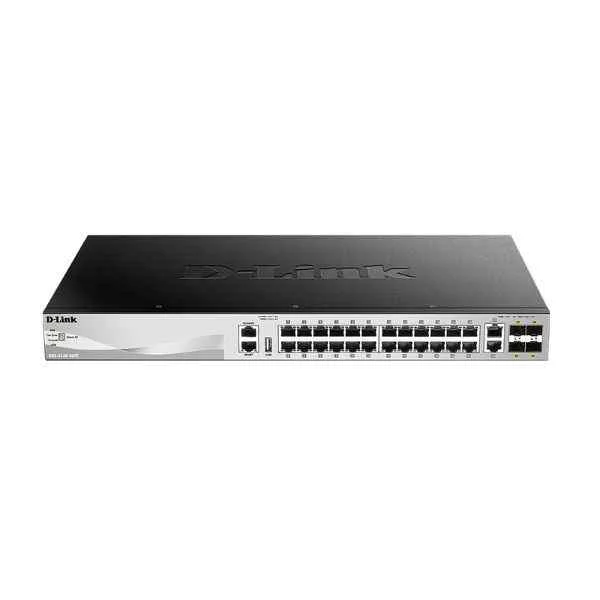
DGS-3130-30TS (DGS-3130 SERIES 30PORT L2+ FULLY MANAGED GIGABIT SWITCH)
4.6 (5)- Switch
- D-Link
- AC Power Supply
- Layer 2
- Rack-mount
- 24–48 Ports
Est Value $3,429.82$1,714.91
50% offIn stockRefurbishedFirst-Time Buyer Discount – Get up to 2% additional off on your first order
ORM Rewards Earn $50 in Rewards + Free Expedited Delivery – Join Now!
Use eCoupon ORMSAVE10
eCoupon limited to 5 units
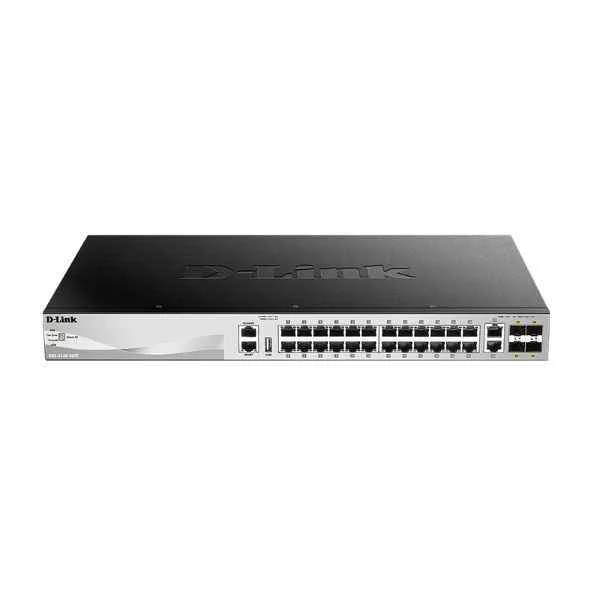
DGS-3130-30S (DGS-3130 SERIES 30-PORT L2+ FULLY)
4.6 (5)- Switch
- D-Link
- AC Power Supply
- Layer 2
- Rack-mount
- 25 W
- 24–48 Ports
Est Value $4,215.26$2,107.63
50% offIn stockRefurbishedFirst-Time Buyer Discount – Get up to 2% additional off on your first order
ORM Rewards Earn $50 in Rewards + Free Expedited Delivery – Join Now!
Use eCoupon ORMSAVE10
eCoupon limited to 5 units
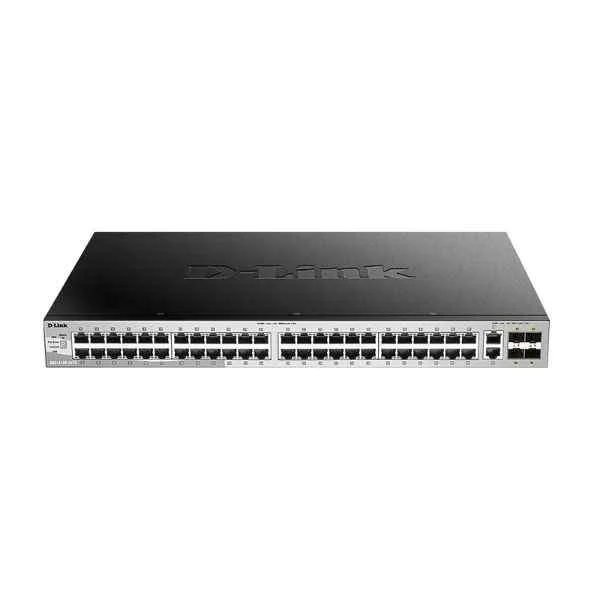
DGS-3130-54TS (DGS-3130 SERIES 54PORT L2+ FULLY MANAGED GIGABIT SWITCH)
4.8 (5)- Switch
- D-Link
- AC Power Supply
- Layer 2
- Rack-mount
- 59.3W
- Over 48 Ports
Est Value $5,786.18$2,893.09
50% offIn stockRefurbishedFirst-Time Buyer Discount – Get up to 2% additional off on your first order
ORM Rewards Earn $50 in Rewards + Free Expedited Delivery – Join Now!
Use eCoupon ORMSAVE10
eCoupon limited to 5 units
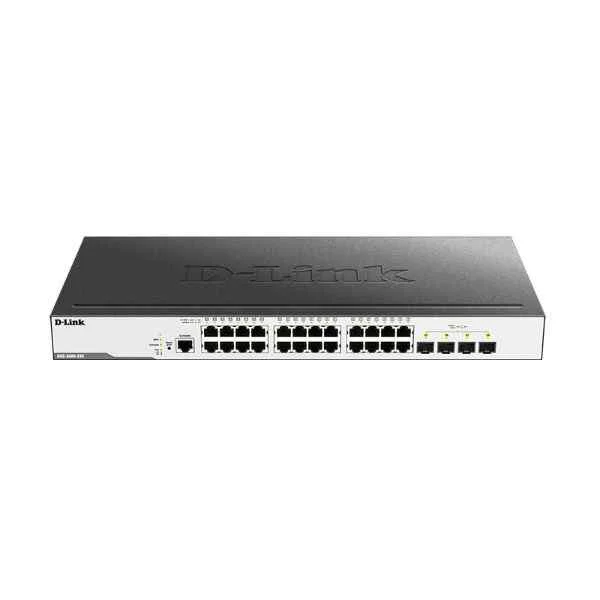
DGS-3000-28XS (D-Link 24 Gigabit optical ports + 4 10 Gigabit optical ports, switching capacity: 336G/3.36T, packet forwarding rate: 108Mpps/126Mpps, managed switch, support DHCP server, rack type)
4.4 (5)- Switch
- D-Link
- AC Power Supply
- Layer 2
- Rack-mount
- 24–48 Ports
Est Value In stockFirst-Time Buyer Discount – Get up to 2% additional off on your first order
ORM Rewards Earn $50 in Rewards + Free Expedited Delivery – Join Now!
Use eCoupon ORMSAVE10
eCoupon limited to 5 units
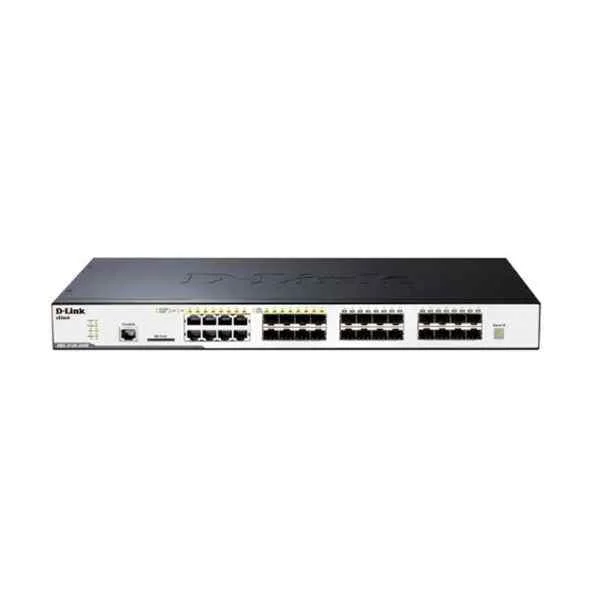
DGS-3120-24SC (D-Link 16 Gigabit SFP optical ports + 8 Gigabit optical multiplexing ports, switching capacity: 336G/3.36T, packet forwarding rate: 96Mpps/126Mpps, pure three-layer network management switch, support DHCP server, rack type)
4.8 (5)- Switch
- D-Link
- AC Power Supply
- Layer 2
- Rack-mount
- 26W
- 12–24 Ports
Est Value In stockFirst-Time Buyer Discount – Get up to 2% additional off on your first order
ORM Rewards Earn $50 in Rewards + Free Expedited Delivery – Join Now!
Use eCoupon ORMSAVE10
eCoupon limited to 5 units
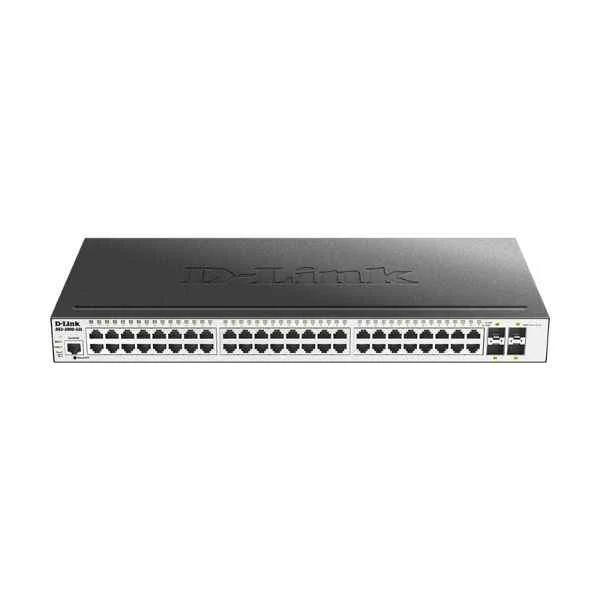
DGS-3000-52L (D-Link 48 Gigabit electrical ports + 4 Gigabit optical ports, managed switch, support DHCP server, rack mount)
4.4 (5)- Switch
- D-Link
- AC Power Supply
- Layer 2
- Rack-mount
- 24–48 Ports
Est Value In stockFirst-Time Buyer Discount – Get up to 2% additional off on your first order
ORM Rewards Earn $50 in Rewards + Free Expedited Delivery – Join Now!
Use eCoupon ORMSAVE10
eCoupon limited to 5 units
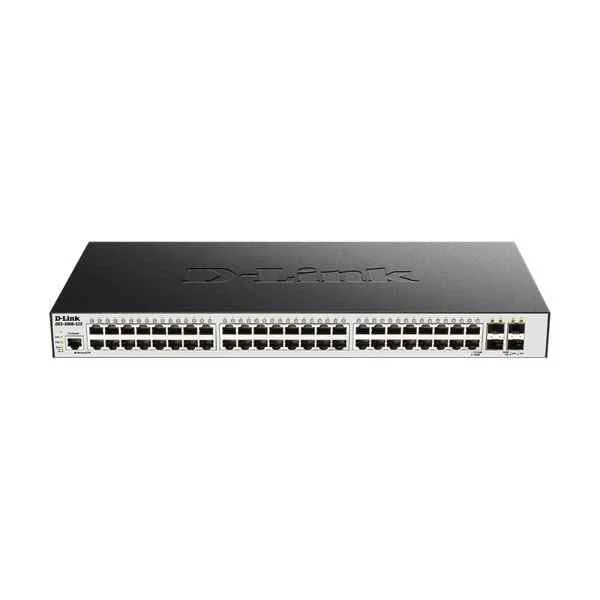
DGS-3000-52X (D-Link 48 Gigabit electrical ports + 4 10 Gigabit optical ports, switching capacity: 336G/3.36T, packet forwarding rate: 144Mpps/162Mpps, managed switch, support DHCP server, rack type)
4.4 (5)- Switch
- D-Link
- AC Power Supply
- Layer 2
- Rack-mount
- 150 W
- Over 48 Ports
Est Value In stockFirst-Time Buyer Discount – Get up to 2% additional off on your first order
ORM Rewards Earn $50 in Rewards + Free Expedited Delivery – Join Now!
Use eCoupon ORMSAVE10
eCoupon limited to 5 units
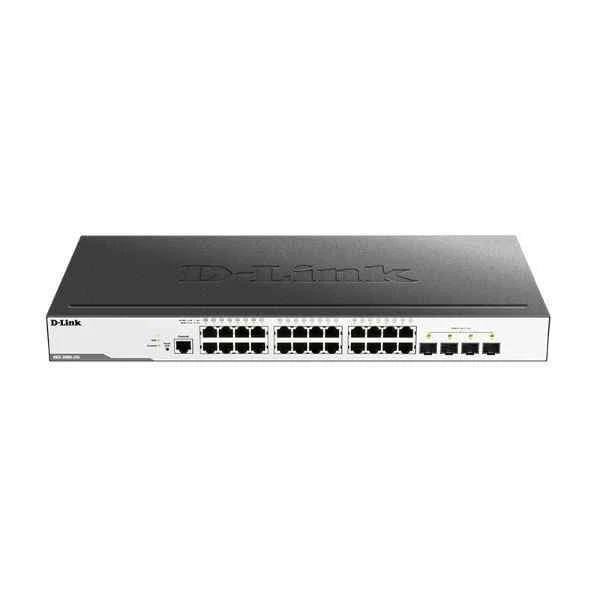
DGS-3000-28L (D-Link 24 Gigabit electrical ports + 4 Gigabit optical ports, switching capacity: 336G/3.36T, packet forwarding rate: 51Mpps/126Mpps, managed switch, support DHCP server, rack mount)
5 (5)- Switch
- D-Link
- AC Power Supply
- Layer 2
- Desktop / Rack-mount
- 24–48 Ports
Est Value In stockFirst-Time Buyer Discount – Get up to 2% additional off on your first order
ORM Rewards Earn $50 in Rewards + Free Expedited Delivery – Join Now!
Use eCoupon ORMSAVE10
eCoupon limited to 5 units

ORM Sales Advisors
Buying for your business? Get a personalised quote in under 2 hours. Talk to an expert
LEARNFilters (11) 
Questions & Answers
What is a D-Link Aggregation Switch?
A D-Link Aggregation Switch is a network device that consolidates multiple physical Ethernet ports into logical links to increase bandwidth, provide redundancy, and optimize traffic distribution.
What are the main benefits of using D-Link Aggregation Switches?
D-Link Aggregation Switches deliver higher throughput, improved fault tolerance, simplified management, and scalable performance by combining multiple ports into a single aggregated link.
How does link aggregation improve network performance?
Link aggregation enhances network performance by distributing traffic across multiple physical ports, increasing total bandwidth and preventing single-link congestion or failure.
Which D-Link switch models support link aggregation?
Most D-Link Smart and Managed Switch series, including DGS-1210, DGS-1510, and DXS-5000, support IEEE 802.3ad static and LACP link aggregation for enhanced throughput and reliability.
What link aggregation protocols are supported by D-Link Aggregation Switches?
D-Link Aggregation Switches support IEEE 802.3ad Link Aggregation Control Protocol (LACP) and static link aggregation to automatically negotiate or manually configure port bundling.
How do I configure link aggregation on a D-Link switch?
To configure link aggregation, log in to the D-Link switch web GUI, navigate to Port Management, select Link Aggregation, choose member ports, define LACP or static mode, and apply the settings.
Can I manage D-Link Aggregation Switches through a web interface?
Yes, D-Link Aggregation Switches provide an intuitive web-based GUI for monitoring, configuring link aggregation, QoS, VLANs, and other advanced network features.
Are D-Link Aggregation Switches compatible with third-party devices?
Yes, D-Link Aggregation Switches comply with IEEE 802.3ad standards, ensuring full compatibility with third-party routers, servers, and network switches that support LACP or static aggregation.
How do D-Link Aggregation Switches enhance network redundancy?
By bundling multiple ports into an aggregated link, D-Link switches automatically reroute traffic if a physical link fails, maintaining uninterrupted connectivity and service availability.
What is the maximum throughput achievable with D-Link Aggregation Switches?
Throughput varies by model and port configuration; for example, a 10GbE DXS-5000 series switch can deliver up to 80 Gbps aggregated bandwidth using eight 10 GbE ports.
How do I update firmware on a D-Link Aggregation Switch?
Download the latest firmware from the D-Link support site, access the switch’s web GUI, go to Maintenance > Firmware Upgrade, upload the file, and follow the on-screen instructions.
What security features are available on D-Link Aggregation Switches?
D-Link Aggregation Switches offer port security, 802.1X authentication, Access Control Lists (ACLs), DHCP snooping, and IP-MAC binding to protect against unauthorized access and attacks.
Can I monitor aggregated links on D-Link Switches?
Yes, the web GUI and SNMP interface provide real-time statistics on aggregated link status, bandwidth utilization, error rates, and member port activity for proactive network monitoring.
What is the warranty period for D-Link Aggregation Switches?
D-Link Aggregation Switches typically include a limited lifetime warranty or up to five years of hardware coverage, depending on the model and region. Please verify with your local D-Link representative.
How energy efficient are D-Link Aggregation Switches?
D-Link Aggregation Switches incorporate Energy-Efficient Ethernet (EEE), dynamic power management, and fanless designs on selected models to reduce power consumption and operating costs.
Where can I find support and documentation for D-Link Aggregation Switches?
You can access product manuals, configuration guides, firmware updates, and technical support resources on the official D-Link website under the Support & Downloads section.