 United States
Switches HPE FlexFabric 5800 Series
Experience unparalleled network performance with HPE FlexFabric 5800 switches engineered for data center environments, delivering exceptional scalability, robust connectivity, and advanced security for mission-critical operations.
Talk to an expert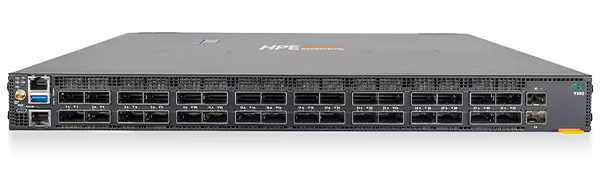
11 Matching results
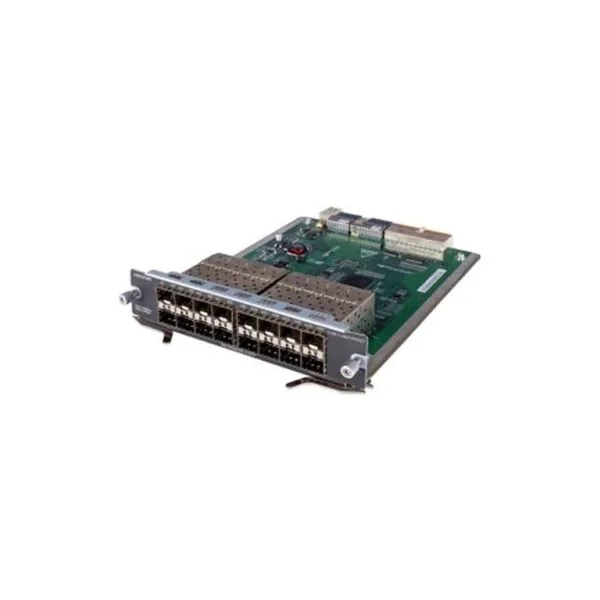
JC095A (HPE 5800 16-port SFP Module)
4.6 (5)- Switch
- Hpe
- AC Power Supply
- Layer 2 / Layer 3
- Rack-mount
- 150 W
- 24–48 Ports
Est Value $247.78
$211.52
14.6% offIn stockRefurbishedFirst-Time Buyer Discount – Get up to 2% additional off on your first order
ORM Rewards Earn $50 in Rewards + Free Expedited Delivery – Join Now!
Use eCoupon ORMSAVE10
eCoupon limited to 5 units
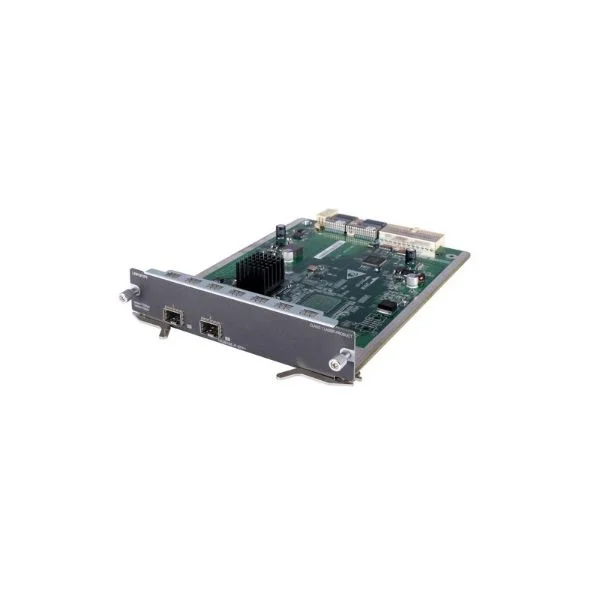
JC092B (HPE 5800 2-port 10GbE SFP+ Module)
4.8 (5)- Switch
- Hpe
- Redundant Power Supply / AC Power Supply / N/A
- Layer 2 / Layer 3
- Rack-mount
- 75 W
- 24–48 Ports
Est Value $449.96$434.01
3.5% offIn stockNewRefurbishedFirst-Time Buyer Discount – Get up to 2% additional off on your first order
ORM Rewards Earn $50 in Rewards + Free Expedited Delivery – Join Now!
Use eCoupon ORMSAVE10
eCoupon limited to 5 units
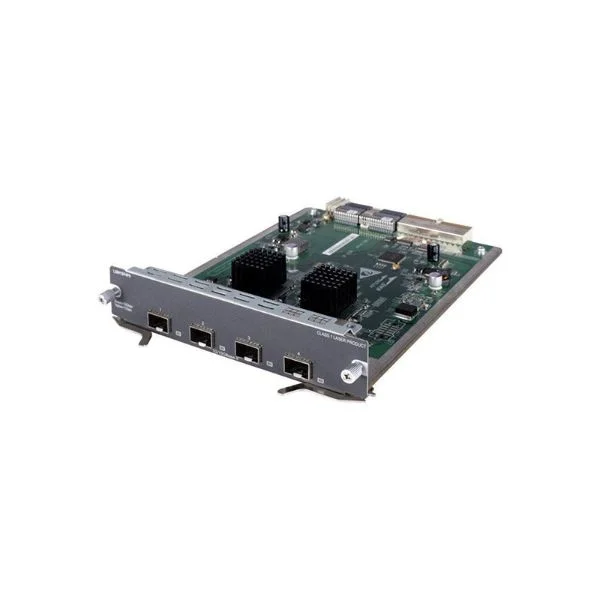
JC091A (HPE 5800 4-port 10GbE SFP+ Module)
5 (5)- Switch
- Hpe
- AC Power Supply
- Layer 2 / Layer 3
- Rack-mount
- 60 W
- 24–48 Ports
Est Value $398.25$308.70
22.5% offIn stockRefurbishedFirst-Time Buyer Discount – Get up to 2% additional off on your first order
ORM Rewards Earn $50 in Rewards + Free Expedited Delivery – Join Now!
Use eCoupon ORMSAVE10
eCoupon limited to 5 units
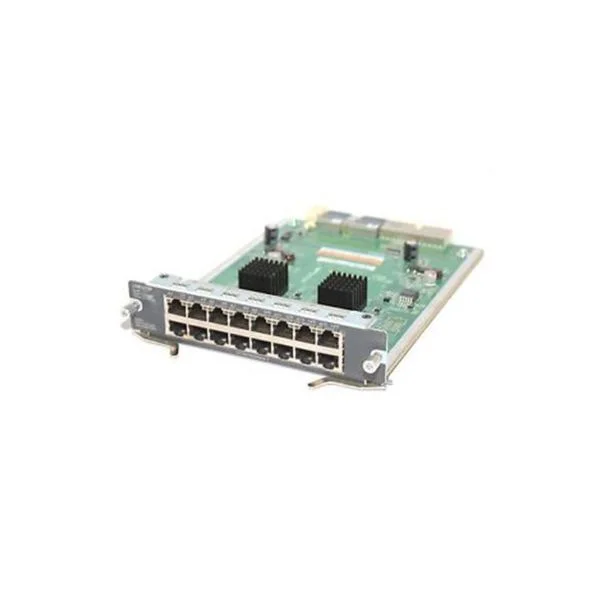
JC094A (HPE 5800 16-port Gig-T Module)
4.2 (5)- Switch
- Hpe
- AC Power Supply
- Layer 2
- Rack-mount
- 75 W
- 24–48 Ports
Est Value $750.76$375.38
50% offIn stockRefurbishedFirst-Time Buyer Discount – Get up to 2% additional off on your first order
ORM Rewards Earn $50 in Rewards + Free Expedited Delivery – Join Now!
Use eCoupon ORMSAVE10
eCoupon limited to 5 units
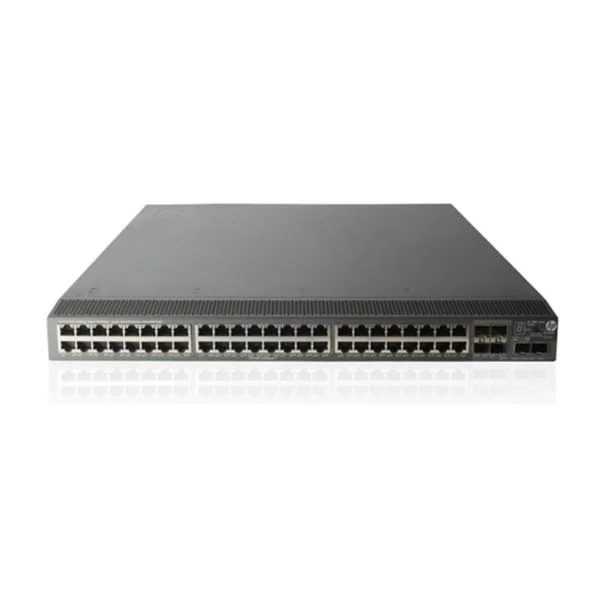
JG225B (HPE FlexFabric 5800AF 48G Switch)
4.8 (5)- Switch
- Hpe
- Redundant Power Supply, AC Power Supply
- Layer 2 / Layer 3
- Rack-mount
- 120 W
- 24–48 Ports
Est Value $662.05$558.48
15.6% offIn stockRefurbishedFirst-Time Buyer Discount – Get up to 2% additional off on your first order
ORM Rewards Earn $50 in Rewards + Free Expedited Delivery – Join Now!
Use eCoupon ORMSAVE10
eCoupon limited to 5 units
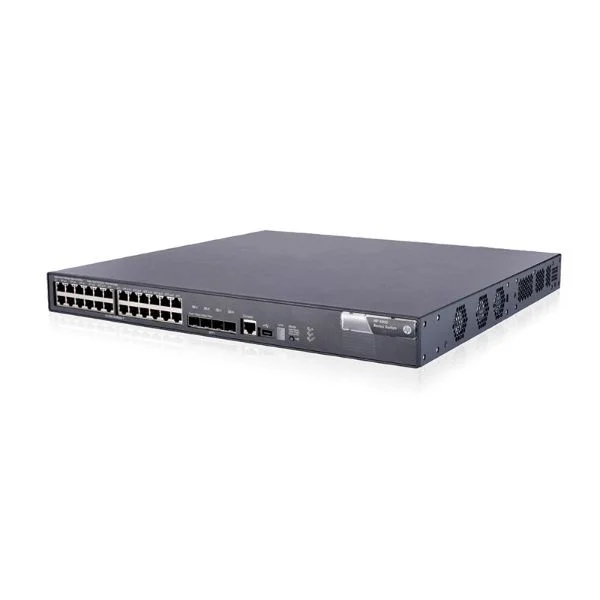
JC100B (HPE FlexFabric 5800 24G Switch)
4.6 (5)- Switch
- Hpe
- Redundant Power Supply / AC Power Supply
- Layer 2 / Layer 3
- Rack-mount
- 60W
- 24–48 Ports
Est Value $688.52$587.77
14.6% offIn stockRefurbishedFirst-Time Buyer Discount – Get up to 2% additional off on your first order
ORM Rewards Earn $50 in Rewards + Free Expedited Delivery – Join Now!
Use eCoupon ORMSAVE10
eCoupon limited to 5 units
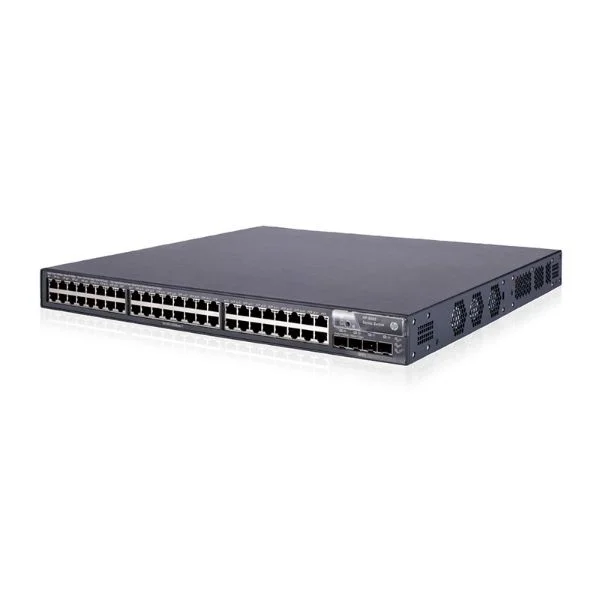
JC101B (HPE FlexFabric 5800 48G POE+ 2-slot Switch)
4.6 (5)- Switch
- Hpe
- Redundant Power Supply / AC Power Supply / N/A
- Layer 2 / Layer 3
- Rack-mount / N/A
- 100 W / N/A
- 24–48 Ports
Est Value $1,204.36$602.18
50% offIn stockRefurbishedFirst-Time Buyer Discount – Get up to 2% additional off on your first order
ORM Rewards Earn $50 in Rewards + Free Expedited Delivery – Join Now!
Use eCoupon ORMSAVE10
eCoupon limited to 5 units
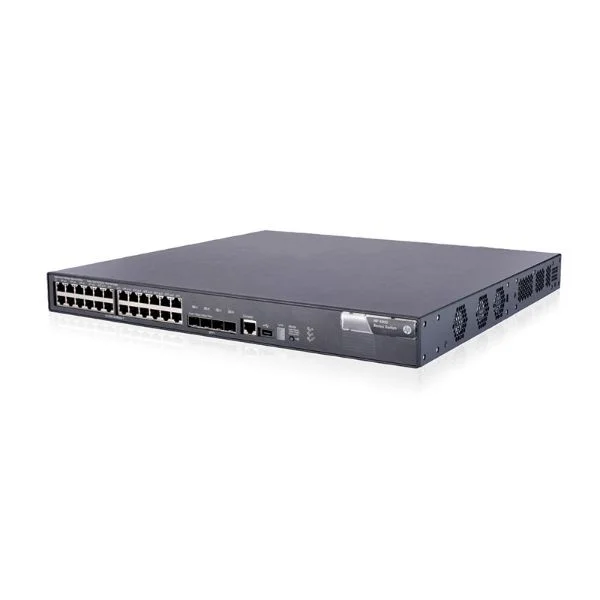
JC099B (HPE FlexFabric 5800 24G PoE+ Switch)
4.2 (5)- Switch
- Hpe
- AC Power Supply / Redundant Power Supply
- Layer 2 / Layer 3
- Rack-mount
- 75 W
- 24–48 Ports
Est Value $1,105.31$918.75
16.9% offIn stockRefurbishedFirst-Time Buyer Discount – Get up to 2% additional off on your first order
ORM Rewards Earn $50 in Rewards + Free Expedited Delivery – Join Now!
Use eCoupon ORMSAVE10
eCoupon limited to 5 units
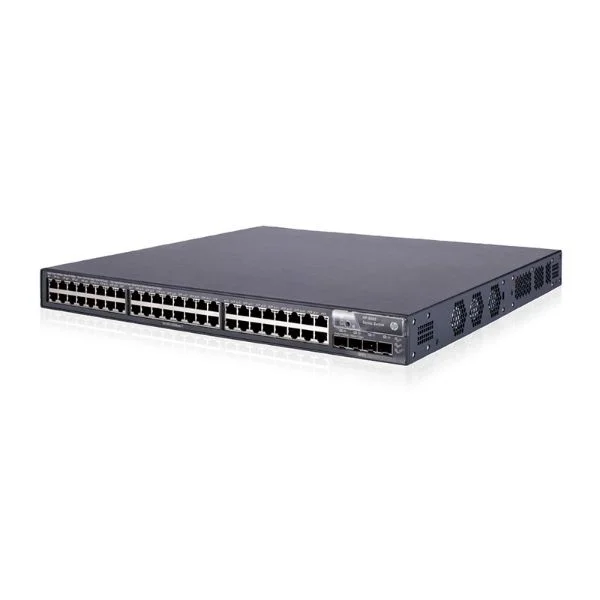
JC105B (HPE FlexFabric 5800 48G 1-slot Switch)
4.6 (5)- Switch
- Hpe
- AC Power Supply
- Layer 2 / Layer 3
- Rack-mount
- 45 W
- 24–48 Ports
Est Value $2,382.56$1,191.28
50% offIn stockRefurbishedFirst-Time Buyer Discount – Get up to 2% additional off on your first order
ORM Rewards Earn $50 in Rewards + Free Expedited Delivery – Join Now!
Use eCoupon ORMSAVE10
eCoupon limited to 5 units
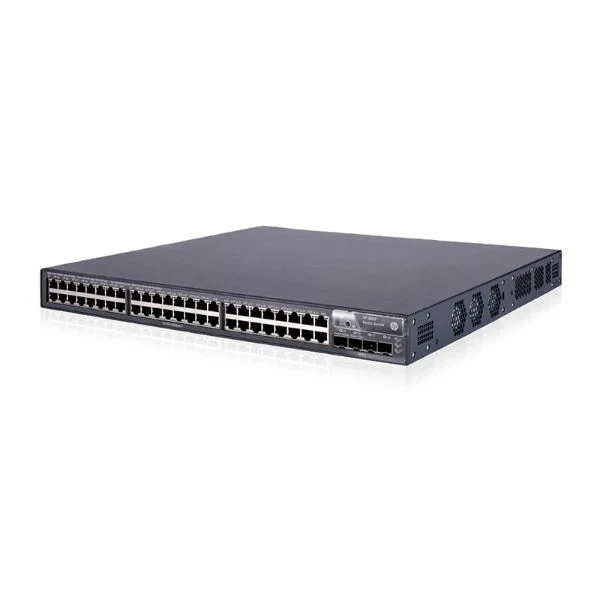
JC104B (HPE FlexFabric 5800 48G PoE+ 1-slot Switch)
4.6 (5)- Switch
- Hpe
- Redundant Power Supply
- Layer 3
- Rack-mount
- 250 W
- 24–48 Ports
Est Value $4,607.98$2,303.99
50% offIn stockRefurbishedFirst-Time Buyer Discount – Get up to 2% additional off on your first order
ORM Rewards Earn $50 in Rewards + Free Expedited Delivery – Join Now!
Use eCoupon ORMSAVE10
eCoupon limited to 5 units
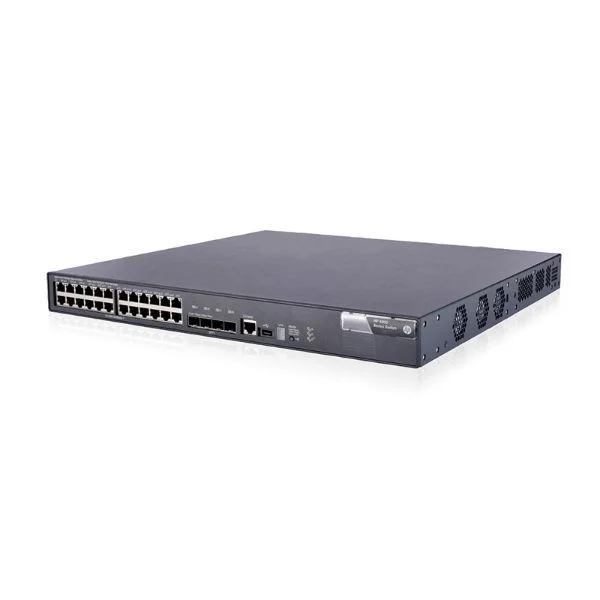
JC103B (HPE FlexFabric 5820X 24XG SFP+ Switch)
4.4 (5)- Switch
- Hpe
- AC Power Supply
- Layer 2
- Rack-mount
- 65 W
- 24–48 Ports
Est Value $7,618.90$3,809.45
50% offIn stockRefurbishedFirst-Time Buyer Discount – Get up to 2% additional off on your first order
ORM Rewards Earn $50 in Rewards + Free Expedited Delivery – Join Now!
Use eCoupon ORMSAVE10
eCoupon limited to 5 units

ORM Sales Advisors
Buying for your business? Get a personalised quote in under 2 hours. Talk to an expert
LEARNFilters (11) 
Questions & Answers
What is the HPE FlexFabric 5800 Switch and its primary use cases?
The HPE FlexFabric 5800 Switch is a fixed-port, L2/L3 data center and campus switch offering high throughput, low latency, and flexible uplink options; it is ideal for leaf-spine fabrics, aggregation, and top-of-rack deployments.
What port densities and speeds are available on the 5800 Switch?
The 5800 Series provides up to 48 SFP+/RJ-45 10 GbE ports and four QSFP28 100 GbE uplinks per chassis, delivering up to 1.92 Tbps of switching capacity to accommodate high-density server and storage connectivity.
How does the HPE FlexFabric 5800 support network virtualization?
The 5800 Switch supports VXLAN with EVPN control plane, enabling scalable multi-tenant overlays, automated segmentation, and seamless workload mobility across the data center network.
What management and automation tools are supported?
The switch integrates with HPE OneView, Aruba NetEdit, and cloud-native tools via RESTful APIs, Python, and Ansible modules, enabling centralized configuration, real-time monitoring, and automated provisioning.
Can the 5800 Switch be stacked for high availability?
Yes. Up to eight 5800 Switches can be stacked using Virtual Connect Stacking, providing single-pane management, active/active resiliency, and 1.6 Tbps interconnect bandwidth for high availability.
What is the power consumption and cooling specification?
The switch supports dual hot-swappable 250W AC or 560W DC power supplies and front-to-back airflow, optimizing energy efficiency and cooling in rack environments.
What security features are built into the 5800 Switch?
Built-in security includes MACsec encryption, 802.1X port authentication, dynamic ARP inspection, DHCP snooping, and role-based access control to protect data integrity and prevent unauthorized access.
How do I upgrade the firmware on an HPE FlexFabric 5800 Switch?
Use the HPE Intelligent Provisioning or CLI with the ‘copy ftp://’, ‘copy tftp://’, or ‘boot system flash’ commands to upload and activate firmware images during maintenance windows.
What licensing options are available for advanced features?
The 5800 Switch includes a base license for L2/L3 functionality; optional licenses unlock advanced features such as VXLAN, EVPN, MACsec, and FabricPath for scalable data center fabrics.
How does the switch handle QoS and traffic prioritization?
The 5800 offers eight hardware queues per port, DiffServ/802.1p classification, ACL-based forwarding, and per-flow rate limiting to ensure predictable performance and service-level adherence.
What is the switching capacity and packet throughput?
Each 5800 Series switch delivers up to 1.92 Tbps of bandwidth and 1.43 Bpps (billion packets per second) forwarding rate for consistent line-rate performance across all ports.
Which operating system does the HPE FlexFabric 5800 run?
The switch runs Comware 7, offering a unified CLI, advanced automation, network programmability, and full compatibility with HPE IMC and automation frameworks.
How is redundancy achieved on this switch?
Redundancy is provided through dual power supplies, dual fans, and stacking with active/active failover, ensuring uninterrupted operation during component failures.
What warranty and support options are available?
HPE offers a standard lifetime warranty with next-business-day advance replacement, plus optional HPE Foundation Care and Proactive Care service packages for 24×7 support and proactive monitoring.
Can I integrate the 5800 Switch with existing HPE network infrastructure?
Yes. The 5800 is fully interoperable with HPE Aruba and ProCurve switches, supporting open standards (BGP, OSPF, STP) to seamlessly integrate into heterogeneous networks.
How do I monitor performance and health of the 5800 Switch?
Use SNMP, sFlow, RMON, and telemetry streaming to collect real-time metrics; integrate with HPE IMC or third-party NMS for dashboards, alerts, and historical trending.