 United States
Networking Huawei S9700 Switches
Experience unrivaled performance and advanced security with our Huawei S9700 Series Switches designed for high-density networks. These switches deliver optimal reliability, seamless scalability, and comprehensive management capabilities.
Talk to an expert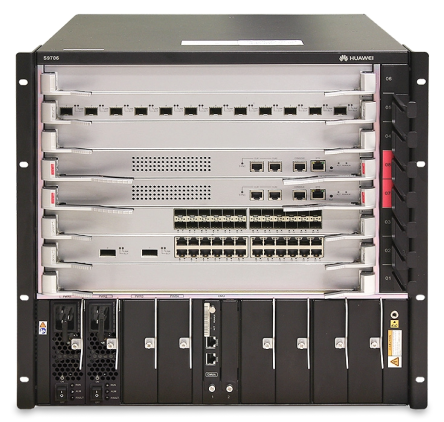
16 Matching results
- BEST SELLING
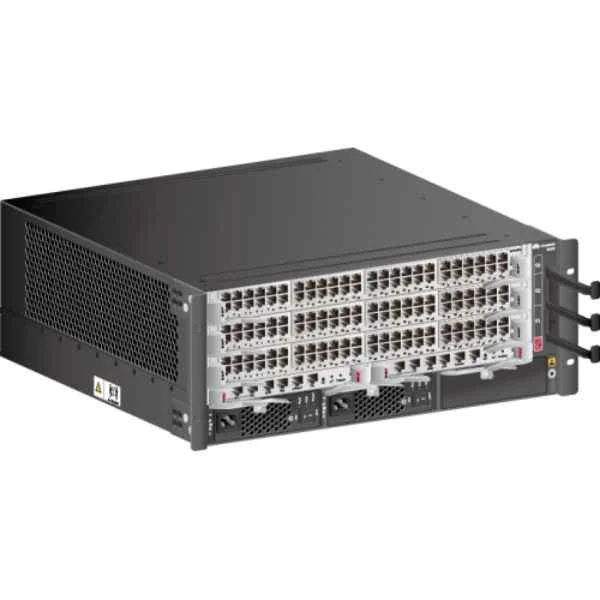
EH1BS9703E00 (S9703 Assembly Chassis, 3 Slots)
4.7 (6)- Switch
- Huawei
- AC Power Supply
- Layer 2 / Layer 3
- Rack-mount
- 50W
- 24–48 Ports
Est Value $3,860.45
$2,107.81
45.4% offIn stockNewFirst-Time Buyer Discount – Get up to 2% additional off on your first order
ORM Rewards Earn $50 in Rewards + Free Expedited Delivery – Join Now!
Use eCoupon ORMSAVE10
eCoupon limited to 5 units
- BEST SELLING
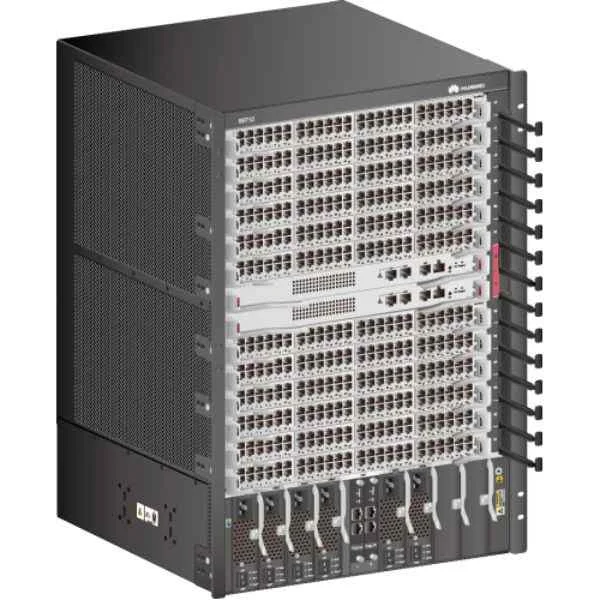
EH1BS9712E00 (S9712 Assembly Chassis, 12 Slots)
4.7 (6)- Switch
- Huawei
- AC Power Supply
- Layer 2
- Rack-mount
- 50 W
- 24–48 Ports
Est Value $13,726.05$2,738.35
80% offIn stockNewFirst-Time Buyer Discount – Get up to 2% additional off on your first order
ORM Rewards Earn $50 in Rewards + Free Expedited Delivery – Join Now!
Use eCoupon ORMSAVE10
eCoupon limited to 5 units
- BEST SELLING
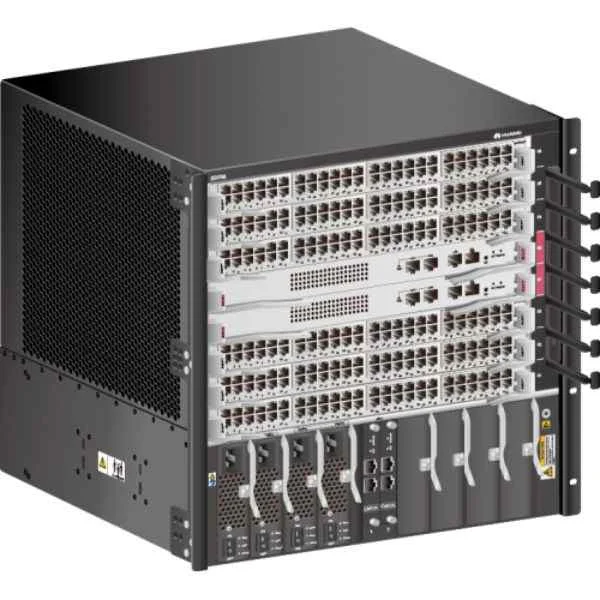
EH1BS9706E00 (S9706 Assembly Chassis, 6 Slots)
4.5 (6)- Switch
- Huawei
- AC Power Supply
- Layer 2 / Layer 3
- Rack-mount
- 24–48 Ports
Est Value $8,149.85$3,850.80
52.8% offIn stockNewFirst-Time Buyer Discount – Get up to 2% additional off on your first order
ORM Rewards Earn $50 in Rewards + Free Expedited Delivery – Join Now!
Use eCoupon ORMSAVE10
eCoupon limited to 5 units
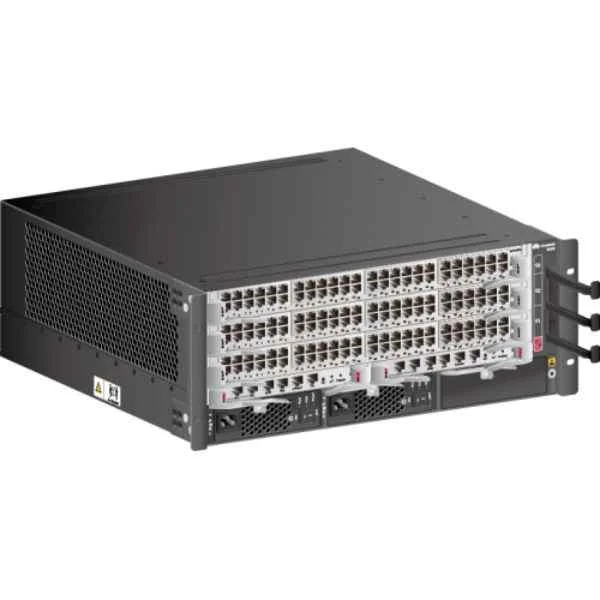
EH1BS9703E01 (S9703 Assembly Chassis-sustain FCC, 3 Slots)
4.8 (6)- Switch
- Huawei
- AC Power Supply
- Layer 3
- Rack-mount
- 24–48 Ports
Est Value $4,855.91$1,223.68
74.8% offIn stockNewFirst-Time Buyer Discount – Get up to 2% additional off on your first order
ORM Rewards Earn $50 in Rewards + Free Expedited Delivery – Join Now!
Use eCoupon ORMSAVE10
eCoupon limited to 5 units
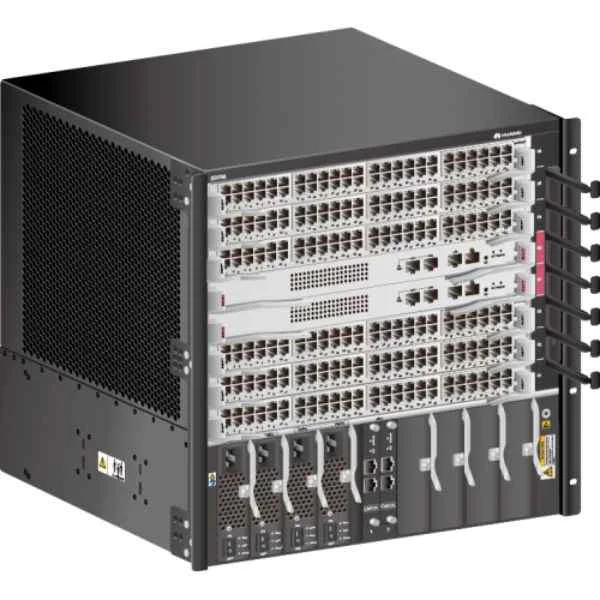
EH1BS9706E01 (S9706 Assembly Chassis-sustain FCC, 6 Slots)
4.5 (6)- Switch
- Huawei
- Redundant Power Supply / AC Power Supply
- Layer 2 / Layer 3
- Rack-mount
- 50 W
- 24–48 Ports
Est Value $9,914.16$1,977.87
80.1% offIn stockNewFirst-Time Buyer Discount – Get up to 2% additional off on your first order
ORM Rewards Earn $50 in Rewards + Free Expedited Delivery – Join Now!
Use eCoupon ORMSAVE10
eCoupon limited to 5 units
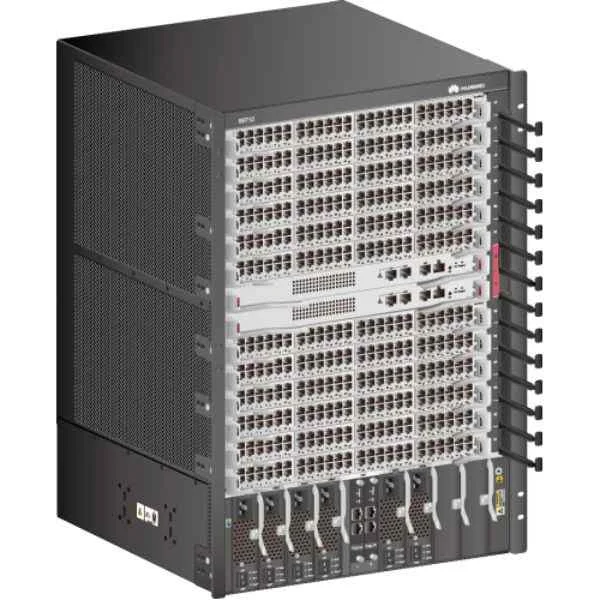
EH1BS9712E01 (S9712 Assembly Chassis-sustain FCC, 12 Slots)
4.8 (6)- Switch
- Huawei
- Redundant Power Supply / AC Power Supply
- Layer 2 / Layer 3
- Rack-mount
- 60 W
- 24–48 Ports
Est Value $16,995.70$3,390.64
80.1% offIn stockNewFirst-Time Buyer Discount – Get up to 2% additional off on your first order
ORM Rewards Earn $50 in Rewards + Free Expedited Delivery – Join Now!
Use eCoupon ORMSAVE10
eCoupon limited to 5 units
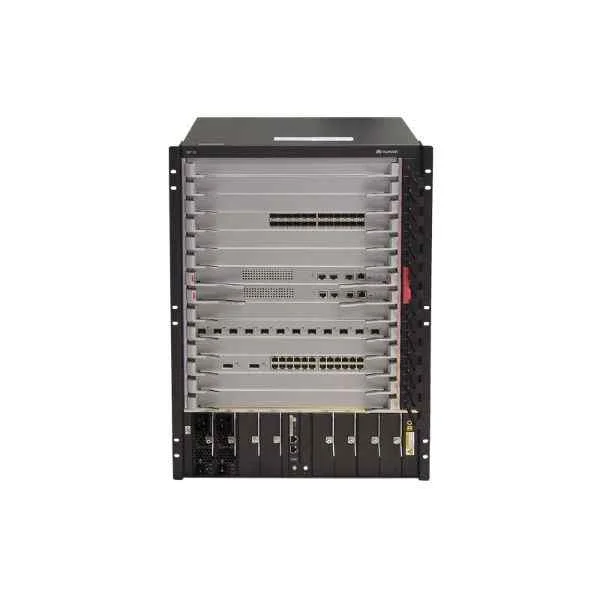
Huawei S9712 Chassis with 2*SRUC, 2*AC Power (EH1Z12EACC01) (Huawei S9712 Basic Engine AC Bundle(Including Assembly Chassis*1,SRUC Main Board*2,2200W AC Power*2,48-Port 100/1000BASE-X Interface Card(X1E,SFP)*1,Basic Software*1) )
0 (0)- Chassis
- Huawei
- Redundant AC Power Supply
- Layer 2 / Layer 3
- Chassis
- Over 48 Ports
Est Value In stockFirst-Time Buyer Discount – Get up to 2% additional off on your first order
ORM Rewards Earn $50 in Rewards + Free Expedited Delivery – Join Now!
Use eCoupon ORMSAVE10
eCoupon limited to 5 units
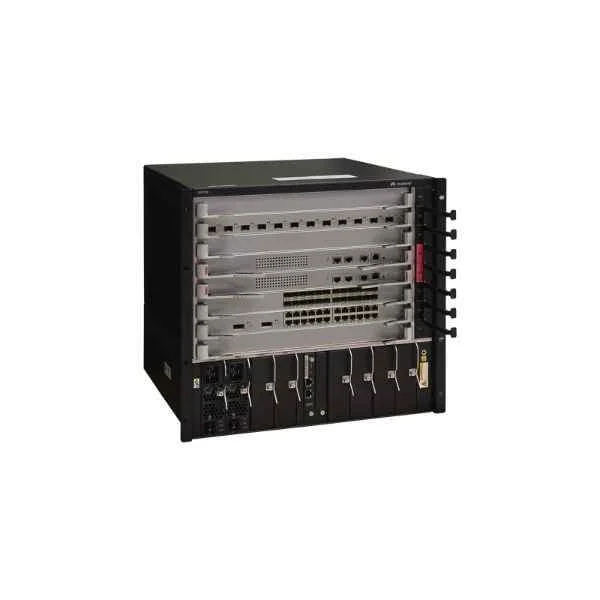
Huawei S9706 Chassis with 2*SRUC, 2*AC Power (EH1Z06EACC00) (Huawei S9706 Basic Engine AC Bundle(Including Assembly Chassis*1,SRUC Main Board*2,2200W AC Power*2,48-Port 10/100/1000BASE-T Interface Card(X1E,RJ45)*1,Basic Software*1) )
0 (0)- Chassis
- Huawei
- Redundant AC Power Supply
- Layer 2 / Layer 3
- Chassis
- Over 48 Ports
Est Value In stockFirst-Time Buyer Discount – Get up to 2% additional off on your first order
ORM Rewards Earn $50 in Rewards + Free Expedited Delivery – Join Now!
Use eCoupon ORMSAVE10
eCoupon limited to 5 units
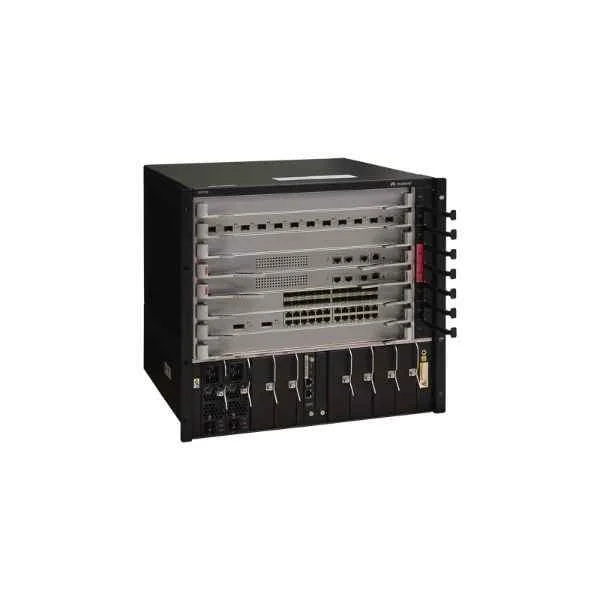
Huawei S9706 Chassis with SRUD, 2*AC Power (EH1B06EACD00) (Huawei S9706 Basic Engine AC Bundle(Including Assembly Chassis,SRUD Main Board*1,12-Port 10GBASE-X Interface Card(SA,SFP+) *1,2200W AC Power*2,Basic Software*1) )
0 (0)- Chassis
- Huawei
- AC Power Supply (2 units)
- Layer 2 / Layer 3
- Chassis
- Over 48 Ports
Est Value In stockFirst-Time Buyer Discount – Get up to 2% additional off on your first order
ORM Rewards Earn $50 in Rewards + Free Expedited Delivery – Join Now!
Use eCoupon ORMSAVE10
eCoupon limited to 5 units
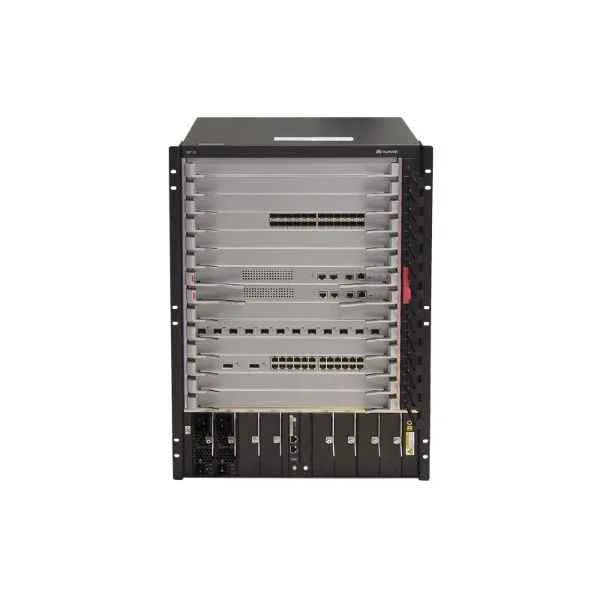
Huawei S9712 Chassis with 2*SRUD, 2*AC Power (EH1B12EACD01) (Huawei S9712 Basic Engine AC Bundle(Including Assembly Chassis,SRUD Main Board*2,2200W AC Power*2,Basic Software*1) )
0 (0)- Chassis Switch
- Huawei
- Redundant AC Power Supply
- Layer 2 / Layer 3
- Chassis
Est Value In stockFirst-Time Buyer Discount – Get up to 2% additional off on your first order
ORM Rewards Earn $50 in Rewards + Free Expedited Delivery – Join Now!
Use eCoupon ORMSAVE10
eCoupon limited to 5 units
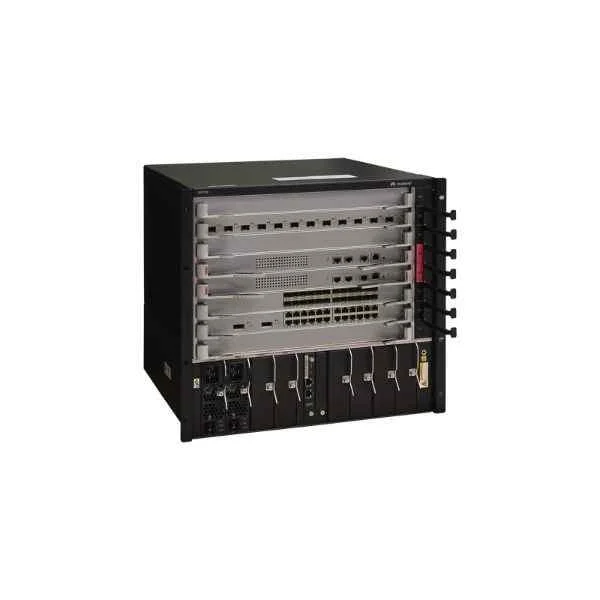
Huawei S9706 Chassis with 2*SRUD, 2*AC Power (EH1B06EACD01) (Huawei S9706 Basic Engine AC Bundle(Including Assembly Chassis,SRUD Main Board*2,2200W AC Power*2,Basic Software*1) )
0 (0)- Chassis
- Huawei
- AC Power
- Layer 2 / Layer 3
- Chassis
Est Value In stockFirst-Time Buyer Discount – Get up to 2% additional off on your first order
ORM Rewards Earn $50 in Rewards + Free Expedited Delivery – Join Now!
Use eCoupon ORMSAVE10
eCoupon limited to 5 units
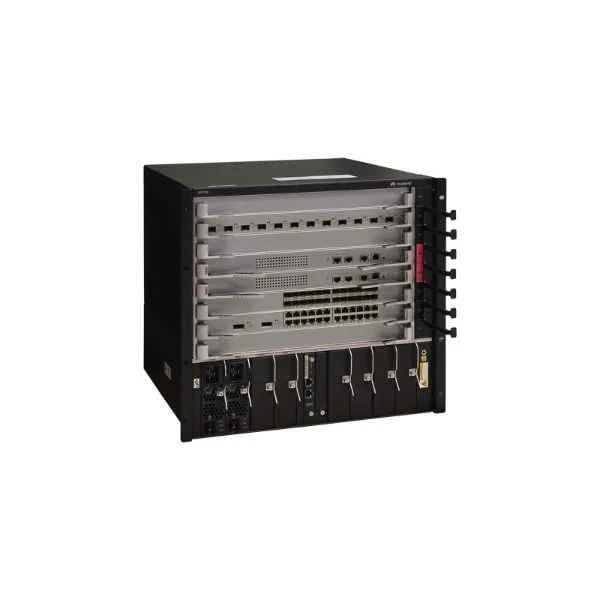
Huawei S9712 Chassis with SRUD, 2*AC Power (EH1B12EACD00) (Huawei S9712 Basic Engine AC Bundle(Including Assembly Chassis,SRUD Main Board*1,12-Port 10GBASE-X Interface Card(SA,SFP+) *1,2200W AC Power*2,Basic Software*1) )
0 (0)- Chassis
- Huawei
- 2*AC Power
- Layer 2 / Layer 3
- Chassis
- Over 48 Ports
Est Value In stockFirst-Time Buyer Discount – Get up to 2% additional off on your first order
ORM Rewards Earn $50 in Rewards + Free Expedited Delivery – Join Now!
Use eCoupon ORMSAVE10
eCoupon limited to 5 units
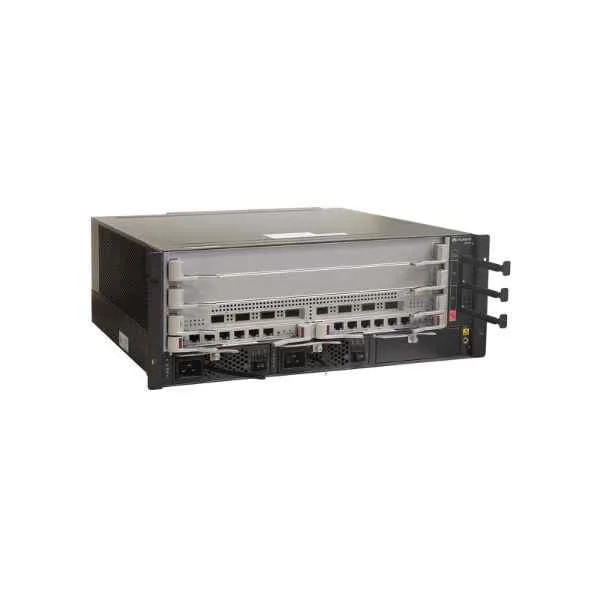
Huawei S9703 Chassis with 2*MCUA, 2*AC Power (EH1Z03EACM01) (Huawei S9703 Basic Engine AC Bundle(Including Assembly Chassis*1,MCUA Main Board*2,800W AC Power*2,48-Port 100/1000BASE-X Interface Card(X1E,SFP)*1,Basic Software*1) )
0 (0)- Chassis
- Huawei
- AC Power Supply
- Layer 2 / Layer 3
- Chassis
Est Value In stockFirst-Time Buyer Discount – Get up to 2% additional off on your first order
ORM Rewards Earn $50 in Rewards + Free Expedited Delivery – Join Now!
Use eCoupon ORMSAVE10
eCoupon limited to 5 units
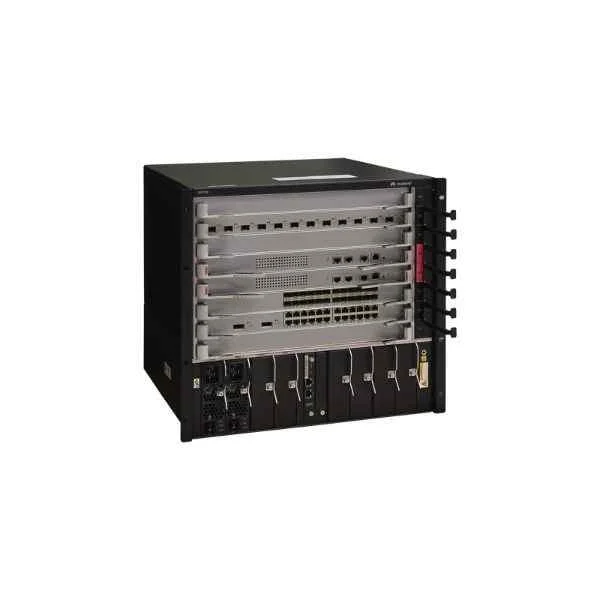
Huawei S9706 Chassis with 2*SRUC, 2*AC Power (EH1Z06EACC01) (Huawei S9706 Basic Engine AC Bundle(Including Assembly Chassis*1,SRUC Main Board*2,2200W AC Power*2,48-Port 100/1000BASE-X Interface Card(X1E,SFP)*1,Basic Software*1) )
0 (0)- Chassis Switch
- Huawei
- AC Power Supply
- Layer 2 / Layer 3
- Chassis
Est Value In stockFirst-Time Buyer Discount – Get up to 2% additional off on your first order
ORM Rewards Earn $50 in Rewards + Free Expedited Delivery – Join Now!
Use eCoupon ORMSAVE10
eCoupon limited to 5 units
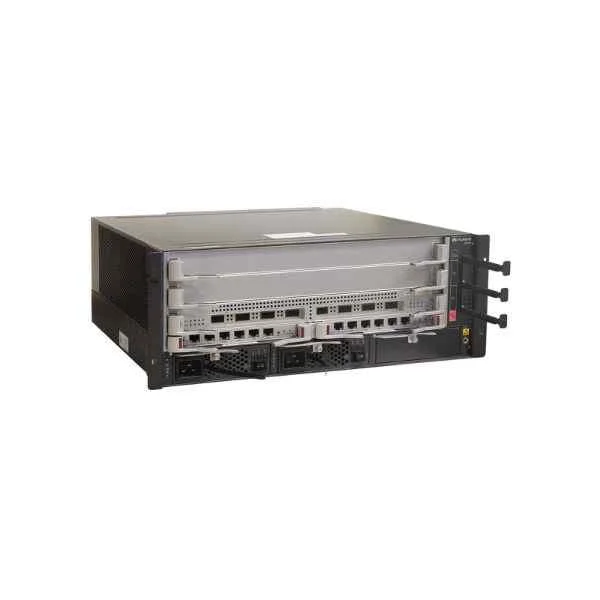
Huawei S9703 Chassis with 2*MCUA, 2*AC Power (EH1Z03EACM00) (Huawei S9703 Basic Engine AC Bundle(Including Assembly Chassis*1,MCUA Main Board*2,800W AC Power*2,48-Port 10/100/1000BASE-T Interface Card(X1E,RJ45)*1,Basic Software*1) )
0 (0)- Chassis
- Huawei
- Redundant Power Supply / AC Power Supply
- Layer 2 / Layer 3
- Chassis
Est Value In stockFirst-Time Buyer Discount – Get up to 2% additional off on your first order
ORM Rewards Earn $50 in Rewards + Free Expedited Delivery – Join Now!
Use eCoupon ORMSAVE10
eCoupon limited to 5 units
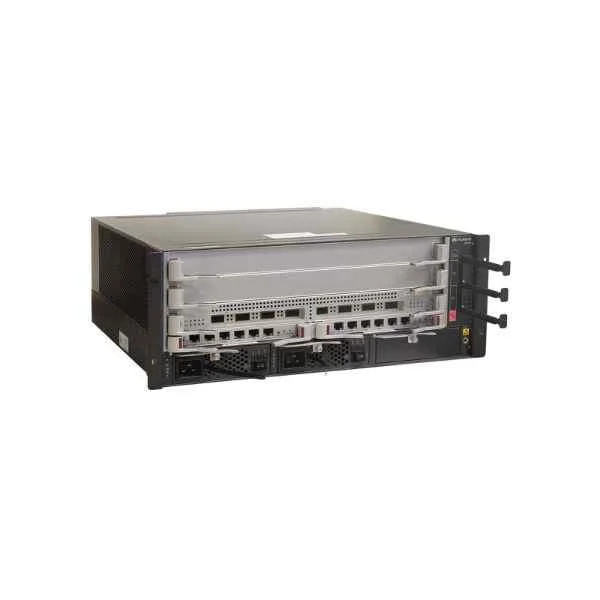
Huawei S9703 Chassis with 2*MCUA, 2*AC Power (EH1B03EACM00) (Huawei S9703 Basic Engine AC Bundle(Including Assembly Chassis,MCUA Main Board*2,800W AC Power*2,Basic Software*1) )
0 (0)- Chassis Switch
- Huawei
- Redundant AC Power Supply
- Layer 2 / Layer 3
- Chassis
Est Value In stockFirst-Time Buyer Discount – Get up to 2% additional off on your first order
ORM Rewards Earn $50 in Rewards + Free Expedited Delivery – Join Now!
Use eCoupon ORMSAVE10
eCoupon limited to 5 units

ORM Sales Advisors
Buying for your business? Get a personalised quote in under 2 hours. Talk to an expert
LEARNFilters (16) 
Questions & Answers
What is the Huawei S9700 Series Switch and what are its primary use cases?
The Huawei S9700 Series Switch is a next-generation, high-performance core and aggregation switch. It delivers up to 3.2 Tbps per slot, modular redundancy, and advanced virtualization, making it ideal for data center cores, campus aggregation, and large-scale provider networks.
What are the key performance specifications of the Huawei S9700 Series?
Each S9700 chassis supports up to 16 line-card slots, 51.2 Tbps switching capacity, 240 Mpps forwarding performance, and up to 256 M MAC addresses. Its Neptune ASIC delivers low latency and wire-speed processing for ultra-high-density 10/25/40/100 GE deployments.
How does the S9700 Series ensure high availability and resiliency?
The S9700 Series features dual supervisors, redundant power supplies and fans, non-stop forwarding (NSF), multichassis link aggregation (MC-LAG), and hot-swappable modules. These technologies guarantee sub-second failover and uninterrupted traffic.
Which line cards and port types are supported by the S9700?
The S9700 platform supports a full range of line cards: 10 GE SFP+, 25 GE SFP28, 40 GE QSFP+, 100 GE QSFP28, and high-density fabric modules. Optional OTN, MACsec, and timing cards enable service convergence.
How does the S9700 Series support network virtualization and multi-tenant isolation?
Huawei S9700 supports EVPN-VXLAN, VRF-Lite, and Virtual Switch System (VSS), enabling seamless Layer 2/3 virtualization, tenant isolation, and flexible network slicing for multi-tenant data centers and cloud services.
What energy-saving features are available on the S9700?
The S9700 employs adaptive port rate, low-power ASICs, intelligent fan speed control, and dynamic voltage scaling. These features cut power consumption by up to 30%, reducing OPEX and carbon footprint.
How is the Huawei S9700 managed and automated?
The S9700 integrates with Huawei iMaster NCE and eSight for centralized fault tolerance, configuration, and performance optimization. Its open RESTful APIs enable plug-and-play automation and DevOps workflows.
What security features are built into the S9700 Series?
Built-in features include MACsec encryption, IPv6 ACL, Control Plane Protection (CoPP), TrustSec segmentation, and advanced threat defense through integrated Huawei CloudCampus Security Center.
Can the S9700 Series be deployed in enterprise campus networks?
Yes. With high-density 10/25 GE aggregation, rich PoE/PoE+ support via line cards, advanced QoS, and campus-optimized security, the S9700 is suited for large enterprise aggregation and core layers.
How does the S9700 integrate with cloud and SDN solutions?
The S9700 supports OpenFlow, BGP-EVPN, and Huawei’s SDN controller. It seamlessly integrates with CloudFabric for end-to-end automated provisioning, service chaining, and on-demand bandwidth orchestration.
What redundancy and failover mechanisms are available on the S9700?
Redundancy features include dual-active supervisors, fabric redundancy, NSF/SGR, MC-LAG, and hot-swap fans/power. These ensure sub-50 ms failover and continuous forwarding under any single-point failure.
How scalable is the Huawei S9700 platform?
Modular chassis with up to 16 slots, distributed fabric, and logical device virtualization scale to millions of end-hosts. You can stack up to 8 chassis via VSS for seamless expansion.
Which industry standards and protocols does the S9700 support?
The S9700 Series is IEEE-compliant (802.1Q, 802.3ad, 802.1s, 802.1ae), supports MPLS, BGP, OSPF, IS-IS, EVPN, VXLAN, PIM, and PCEP, ensuring interoperability in multi-vendor networks.
How does Huawei guarantee reliability and service continuity on the S9700?
Huawei provides rigorous hardware burn-in testing, software Quality of Service monitoring, redundant components, and feature-level functional checks. Combined with global NOC support, this delivers 99.999% availability.
What warranty and technical support options are available for the S9700?
Standard offerings include lifetime limited hardware warranty, 24×7 software updates, and 4-hour on-site replacement. Optional premium care provides white-glove provisioning, dedicated support teams, and advanced replacement.
How does the S9700 Series facilitate network migration and upgrades?
Support for in-service software upgrades (ISSU), backward-compatible line-cards, and flexible module mapping lets you migrate legacy interfaces to 25/100 GE without service interruption or forklift replacements.