 United States
Web Managed Switches Optimal Network Control
Engineered for demanding enterprise environments, our Web Managed Switches deliver exceptional network performance, advanced security features, and centralized management solutions, ensuring dependable high-speed connectivity and scalable IT infrastructure.
Talk to an expert
11 Matching results
- FEARURED
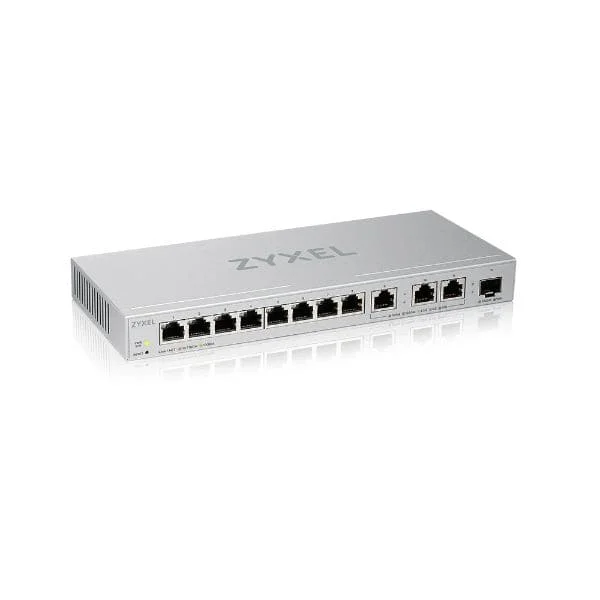
XGS1250-12-ZZ0101F (12-Port Web-Managed Multi-Gigabit Switch includes 3-Port 10G and 1-Port 10G SFP+)
4.6 (5)- Switch
- Zyxel Networks
- AC Power Supply
- Layer 2 / Layer 3
- Rack-mount
- 12–24 Ports
Est Value $434.37
$370.81
14.6% offIn stockRefurbishedFirst-Time Buyer Discount – Get up to 2% additional off on your first order
ORM Rewards Earn $50 in Rewards + Free Expedited Delivery – Join Now!
Use eCoupon ORMSAVE10
eCoupon limited to 5 units
- BEST SELLING
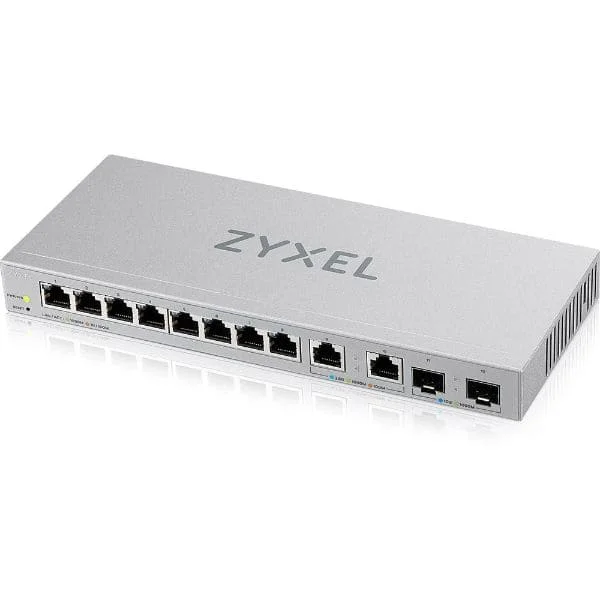
XGS1210-12-ZZ0101F (Multi-Gigabit Web-Managed Switch 12 Ports)
4.2 (5)- Switch
- Zyxel Networks
- AC Power Supply
- Layer 2
- Rack-mount
- 50 W
- Under 12 Ports
Est Value In stockFirst-Time Buyer Discount – Get up to 2% additional off on your first order
ORM Rewards Earn $50 in Rewards + Free Expedited Delivery – Join Now!
Use eCoupon ORMSAVE10
eCoupon limited to 5 units
- BEST SELLING

GS1915-8EP-GB0101F (Zyxel GS1915-8EP, 8-port GbE PoE Smart hybrid mode Switch, standalone or NebulaFlex Cloud, 60 Watt 802.3at, desktop, fanless)
4.8 (6)- Switch
- Zyxel Networks
- AC Power Supply
- Layer 2
- Rack-mount
- Under 12 Ports
Est Value In stockFirst-Time Buyer Discount – Get up to 2% additional off on your first order
ORM Rewards Earn $50 in Rewards + Free Expedited Delivery – Join Now!
Use eCoupon ORMSAVE10
eCoupon limited to 5 units
- BEST SELLING

GS1915-24E-GB0101F (Zyxel GS1915-24E, 24-port GbE Smart hybrid mode Switch, standalone or NebulaFlex Cloud, rackmount, fanless)
4.7 (6)- Switch
- Zyxel Networks
- AC Power Supply
- Layer 2
- Rack-mount
- 34W
- 12–24 Ports
Est Value In stockFirst-Time Buyer Discount – Get up to 2% additional off on your first order
ORM Rewards Earn $50 in Rewards + Free Expedited Delivery – Join Now!
Use eCoupon ORMSAVE10
eCoupon limited to 5 units
- BEST SELLING
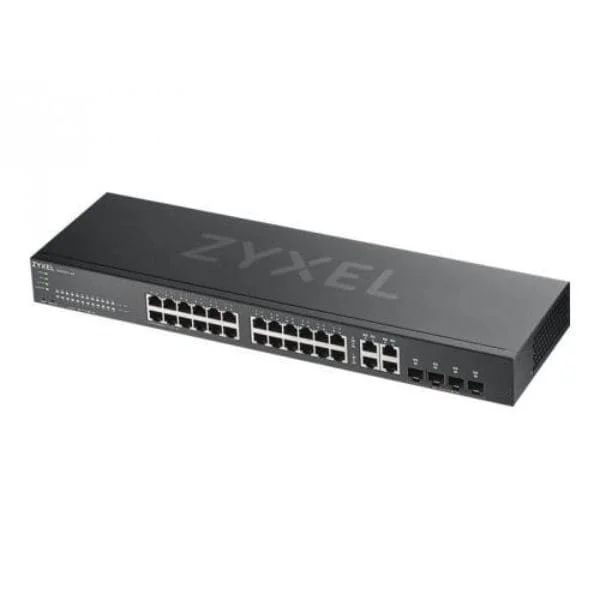
GS1920-24V2-GB0101F (GS1920-24v2, 28 Port Smart Managed Switch 24x Gigabit Copper and 4x Gigabit dual pers., hybrid mode, standalone or NebulaFlex Cloud)
4.8 (6)- Switch
- Zyxel Networks
- AC Power Supply
- Layer 2
- Rack-mount
- 28 W
- 12–24 Ports
Est Value In stockFirst-Time Buyer Discount – Get up to 2% additional off on your first order
ORM Rewards Earn $50 in Rewards + Free Expedited Delivery – Join Now!
Use eCoupon ORMSAVE10
eCoupon limited to 5 units
- BEST SELLING
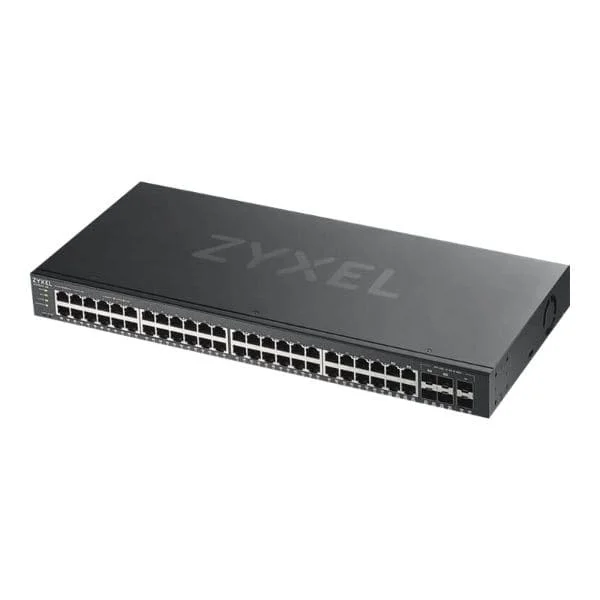
GS1920-48V2-GB0101F (GS1920-48v2, 50 Port Smart Managed Switch 44x Gigabit Copper and 4x Gigabit dual pers., hybrid mode, standalone or NebulaFlex Cloud)
4.7 (6)- Switch
- Zyxel Networks
- AC Power Supply
- Layer 2
- Rack-mount
- 24–48 Ports
Est Value In stockFirst-Time Buyer Discount – Get up to 2% additional off on your first order
ORM Rewards Earn $50 in Rewards + Free Expedited Delivery – Join Now!
Use eCoupon ORMSAVE10
eCoupon limited to 5 units
- FEARURED
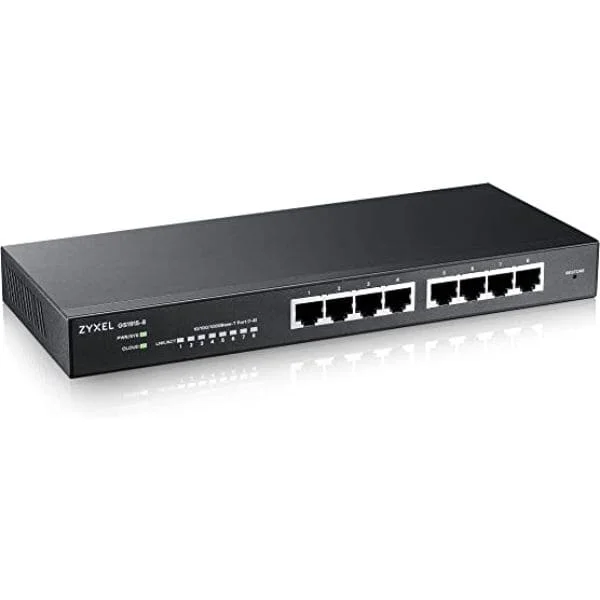
GS1915-8-GB0101F (Zyxel GS1915-8EP, 8-port GbE Smart hybrid mode Switch, standalone or NebulaFlex Cloud, desktop, fanless)
4.4 (5)- Switch
- Zyxel Networks
- AC Power Supply
- Layer 2
- Rack-mount
- 11W
- Under 12 Ports
Est Value In stockFirst-Time Buyer Discount – Get up to 2% additional off on your first order
ORM Rewards Earn $50 in Rewards + Free Expedited Delivery – Join Now!
Use eCoupon ORMSAVE10
eCoupon limited to 5 units
- FEARURED

GS1915-24EP-GB0101F (Zyxel GS1915-24EP, 24-port GbE, 12 port PoE, 130 Watt 802.3at, rackmount, fanless, Smart hybrid mode Switch, standalone or NebulaFlex Cloud)
4.7 (6)- Switch
- Zyxel Networks
- AC Power Supply
- Layer 2
- Rack-mount
- 138W
- 12–24 Ports
Est Value In stockFirst-Time Buyer Discount – Get up to 2% additional off on your first order
ORM Rewards Earn $50 in Rewards + Free Expedited Delivery – Join Now!
Use eCoupon ORMSAVE10
eCoupon limited to 5 units
- FEARURED
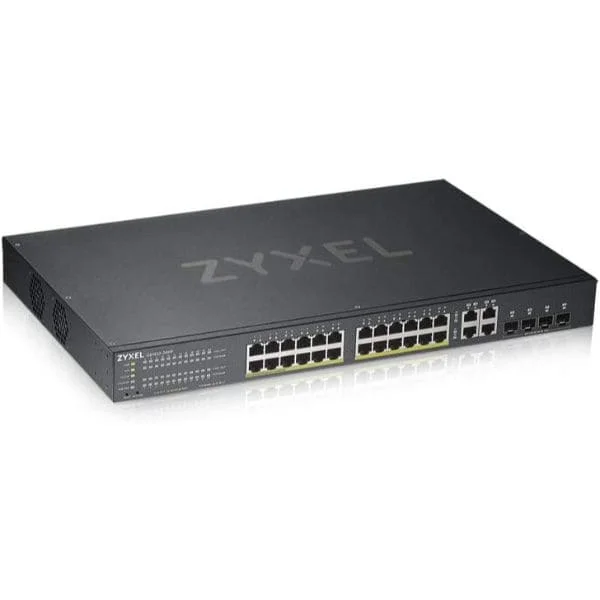
GS192024HPV2-GB0101F (GS1920-24HPv2, 28 Port Smart Managed PoE Switch 24x Gigabit Copper PoE and 4x Gigabit dual pers., hybrid mode, standalone or NebulaFlex Cloud, 375 Watt PoE)
4.5 (6)- Switch
- Zyxel Networks
- Redundant Power Supply / AC Power Supply
- Layer 2 / Layer 3
- Rack-mount
- 150W
- 12–24 Ports
Est Value In stockFirst-Time Buyer Discount – Get up to 2% additional off on your first order
ORM Rewards Earn $50 in Rewards + Free Expedited Delivery – Join Now!
Use eCoupon ORMSAVE10
eCoupon limited to 5 units
- FEARURED
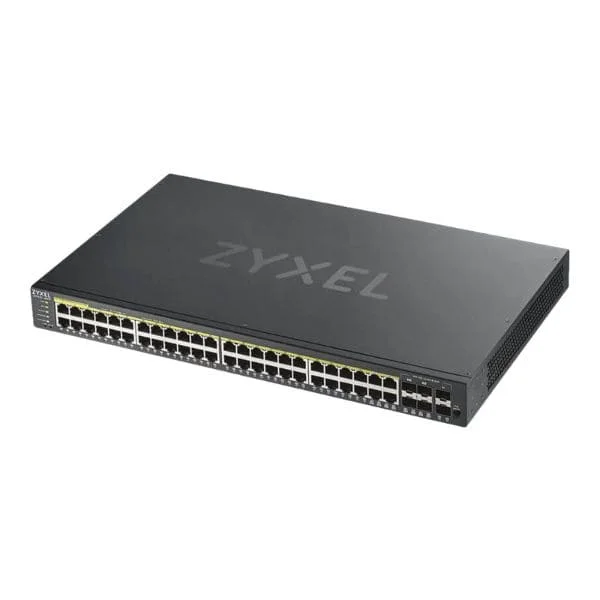
GS192048HPV2-GB0101F (GS1920-48HPv2, 50 Port Smart Managed PoE Switch 44x Gigabit Copper PoE and 4x Gigabit dual pers., hybrid mode, standalone or NebulaFlex Cloud, 375 Watt PoE)
4.3 (6)- Switch
- Zyxel Networks
- AC Power Supply
- Layer 2
- Rack-mount
- 24–48 Ports
Est Value In stockFirst-Time Buyer Discount – Get up to 2% additional off on your first order
ORM Rewards Earn $50 in Rewards + Free Expedited Delivery – Join Now!
Use eCoupon ORMSAVE10
eCoupon limited to 5 units

GS1920-8HPV2-GB0101F (GS1920-8HPv2, 10 Port Smart Managed Switch 8x Gigabit Copper and 2x Gigabit dual pers., hybrid mode, standalone or NebulaFlex Cloud, 130 Watt PoE, fanless)
4.8 (6)- Switch
- Zyxel Networks
- AC Power Supply
- Layer 2
- Desktop / Rack-mount
- 120W
- Under 12 Ports
Est Value In stockFirst-Time Buyer Discount – Get up to 2% additional off on your first order
ORM Rewards Earn $50 in Rewards + Free Expedited Delivery – Join Now!
Use eCoupon ORMSAVE10
eCoupon limited to 5 units

ORM Sales Advisors
Buying for your business? Get a personalised quote in under 2 hours. Talk to an expert
LEARNFilters (11) 
Questions & Answers
What is a Web Managed Switch?
A Web Managed Switch is a network switch with a browser-based GUI for centralized configuration, monitoring, and control of LAN traffic.
How does a Web Managed Switch differ from unmanaged and fully managed switches?
Unlike unmanaged switches that offer plug-and-play operation without configuration and fully managed switches that require CLI expertise, a Web Managed Switch provides essential management features—VLANs, QoS, security controls—via an intuitive web interface.
What are the key benefits of using a Web Managed Switch?
Key benefits include simplified network segmentation, centralized monitoring, traffic prioritization via QoS, enhanced security through access controls, and cost-effective scalability for SMBs.
Can I configure VLANs on a Web Managed Switch?
Yes, a Web Managed Switch supports VLAN configuration through its web GUI, allowing you to segment network traffic by creating, editing, and assigning VLAN IDs to specific ports.
How do I access the web interface of a Web Managed Switch?
To access the web interface, connect your PC to the switch, enter the default IP address in a browser, and log in with the supplied credentials to launch the management dashboard.
Does a Web Managed Switch support Quality of Service (QoS)?
Web Managed Switches support Quality of Service, enabling you to prioritize critical applications by classifying and queuing traffic based on port, VLAN, or DSCP values.
Is remote management available on Web Managed Switches?
Most Web Managed Switches offer remote management by enabling HTTPS access and SNMP over the Internet, allowing secure monitoring and configuration from any location.
How does firmware update work on a Web Managed Switch?
Firmware updates on a Web Managed Switch are performed via the web interface’s update section, where you upload the new firmware file and reboot the switch to apply enhancements and security patches.
What security features are available on Web Managed Switches?
Security features include port-based access control, 802.1X authentication, ACLs, DHCP snooping, and MAC address filtering, all configurable through the switch’s web console.
How scalable are Web Managed Switches for growing networks?
Web Managed Switches scale easily by stacking multiple units or linking switches through trunk ports, supporting up to 48+ ports per stack for expanding networks.
Do Web Managed Switches support PoE for IP devices?
Many Web Managed Switches support Power over Ethernet (PoE), delivering up to 30W per port to power IP cameras, VoIP phones, and wireless access points without separate power supplies.
What performance metrics should I monitor on a Web Managed Switch?
Monitor key performance metrics such as port utilization, error rates, packet loss, and bandwidth throughput via built-in dashboards or SNMP integration.
How do I troubleshoot connectivity issues on a Web Managed Switch?
For troubleshooting, use the web interface’s diagnostic tools like port mirroring, cable test, and log analysis to identify and resolve connectivity issues efficiently.
What deployment scenarios are ideal for Web Managed Switches?
Ideal deployment scenarios include SMB offices, retail outlets, branch locations, and edge networks that require manageable, cost-effective switching with basic advanced features.
Are Web Managed Switches cost-effective for small businesses?
Web Managed Switches offer a balance of affordability and functionality, making them cost-effective for small businesses seeking essential network management without the complexity of fully managed switches.
How energy-efficient are Web Managed Switches?
Energy-efficient models comply with IEEE 802.3az (Energy Efficient Ethernet), automatically reducing power consumption during low traffic periods and lowering operational costs.
Can I integrate a Web Managed Switch with cloud network management?
You can integrate a Web Managed Switch with cloud network management platforms via SNMP, RESTful APIs, or vendor-specific cloud connectors for centralized monitoring and policy enforcement.