 United States
Cisco ONS Transceivers High Performance
Leverage industry-leading Cisco ONS transceivers engineered for optimal high-speed data transmission, advanced network reliability, and seamless integration to significantly elevate your communications infrastructure across global networks.
Talk to an expert
20 Matching results
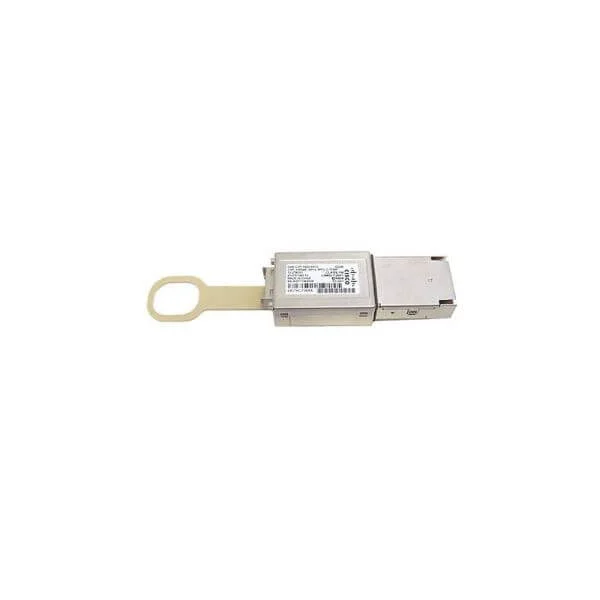
ONS-CXP-100G-SR10 (CXP - 100GBASE-SR COMMERCIAL TEMP)
4.9 (7)- Transceiver
- Cisco
- QSFP
- 100G
- LC
- 850nm
- Short-Range
Est Value $14,212.00
$136.50
99% offIn stockNewRefurbishedFirst-Time Buyer Discount – Get up to 2% additional off on your first order
ORM Rewards Earn $50 in Rewards + Free Expedited Delivery – Join Now!
Use eCoupon ORMSAVE10
eCoupon limited to 5 units
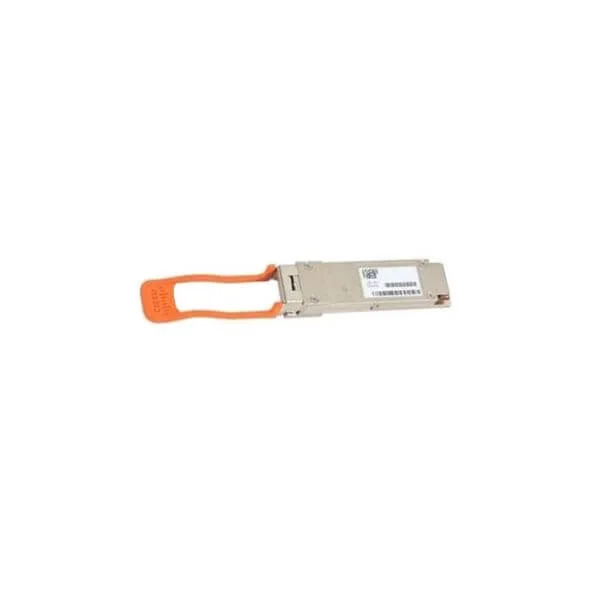
ONS-QSFP-4X10-MLR (4x10Gbps Multi-rate QSFP+, LR)
4.9 (7)- Transceiver
- Cisco
- QSFP
- 4x10G
- LC
- 1310nm
- Long-Range
Est Value $8,141.00$924.00
88.7% offIn stockNewRefurbishedFirst-Time Buyer Discount – Get up to 2% additional off on your first order
ORM Rewards Earn $50 in Rewards + Free Expedited Delivery – Join Now!
Use eCoupon ORMSAVE10
eCoupon limited to 5 units
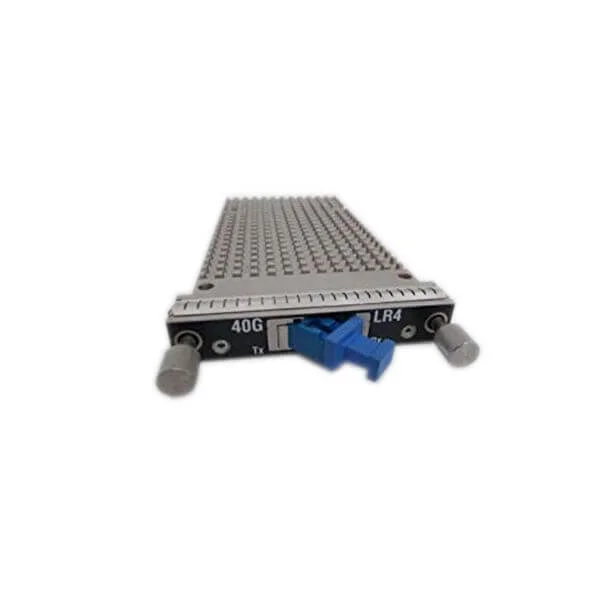
ONS-CC-40G-LR4 (40G Multirate CFP- LR4 - Commercial Temp)
4.7 (7)- Transceiver
- Cisco
- QSFP+
- 40G
- LC
- 1310 nm
- Long-Range
Est Value $1,072.52$536.26
50% offIn stockRefurbishedFirst-Time Buyer Discount – Get up to 2% additional off on your first order
ORM Rewards Earn $50 in Rewards + Free Expedited Delivery – Join Now!
Use eCoupon ORMSAVE10
eCoupon limited to 5 units
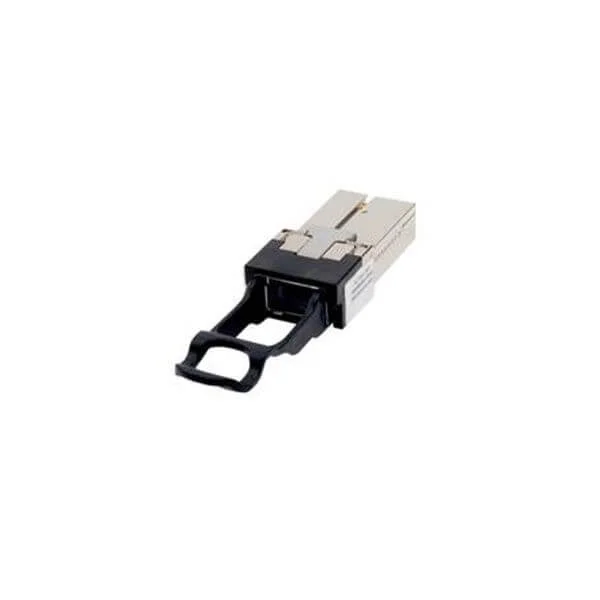
ONS-CXP2-MPO-70 (Multi-mode patchcord - MPO to MPO - For CXP2 - 70m)
4.6 (7)- Transceiver
- Cisco
- QSFP
- 100G
- MPO
- 850nm
- Short-Range
Est Value $1,062.00$585.90
44.8% offIn stockNewFirst-Time Buyer Discount – Get up to 2% additional off on your first order
ORM Rewards Earn $50 in Rewards + Free Expedited Delivery – Join Now!
Use eCoupon ORMSAVE10
eCoupon limited to 5 units
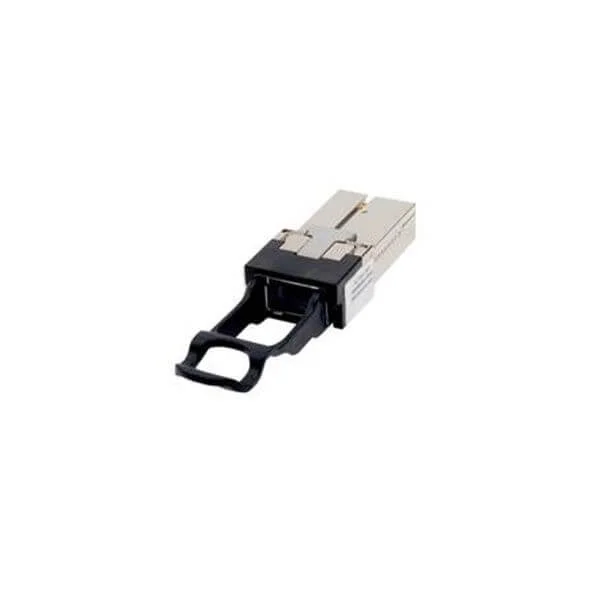
ONS-CXP2-MPO-50 (Multi-mode patchcord - MPO to MPO - For CXP2 - 50m)
4.9 (7)- Transceiver
- Cisco
- QSFP
- 50G
- MPO
- 850 nm
- Short-Range
Est Value $1,113.00$613.20
44.9% offIn stockNewFirst-Time Buyer Discount – Get up to 2% additional off on your first order
ORM Rewards Earn $50 in Rewards + Free Expedited Delivery – Join Now!
Use eCoupon ORMSAVE10
eCoupon limited to 5 units
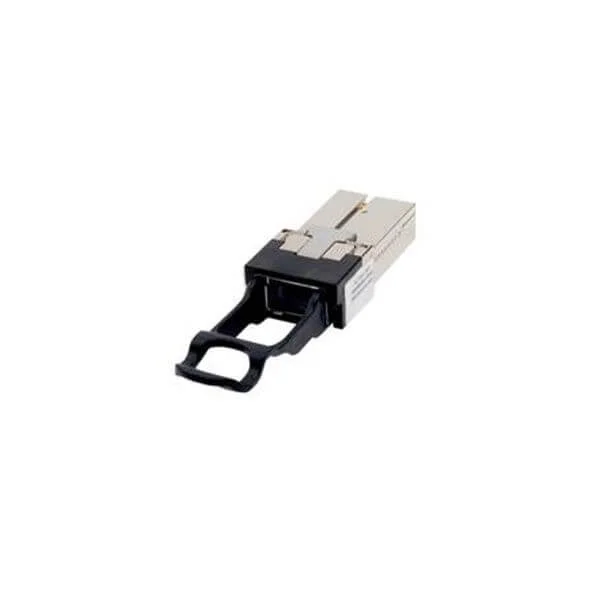
ONS-CXP2-MPO-10 (10M MULTIMODE PATCHCORD MPO/MPO FOR CXP2)
4.7 (7)- Transceiver
- Cisco
- 10G
- MPO
- 850 nm
- Short-Range
Est Value $1,113.00$506.69
54.5% offIn stockNewRefurbishedFirst-Time Buyer Discount – Get up to 2% additional off on your first order
ORM Rewards Earn $50 in Rewards + Free Expedited Delivery – Join Now!
Use eCoupon ORMSAVE10
eCoupon limited to 5 units
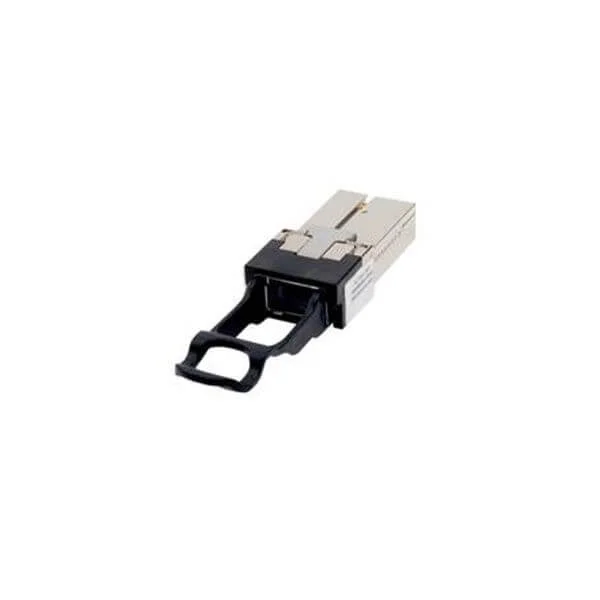
ONS-CXP2-MPO-100 (Multi-mode patchcord - MPO to MPO - For CXP2 - 100m)
4.9 (7)- Transceiver
- Cisco
- QSFP
- 100G
- MPO
- 850 nm
- Short-Range
Est Value $1,113.00$613.20
44.9% offIn stockNewFirst-Time Buyer Discount – Get up to 2% additional off on your first order
ORM Rewards Earn $50 in Rewards + Free Expedited Delivery – Join Now!
Use eCoupon ORMSAVE10
eCoupon limited to 5 units
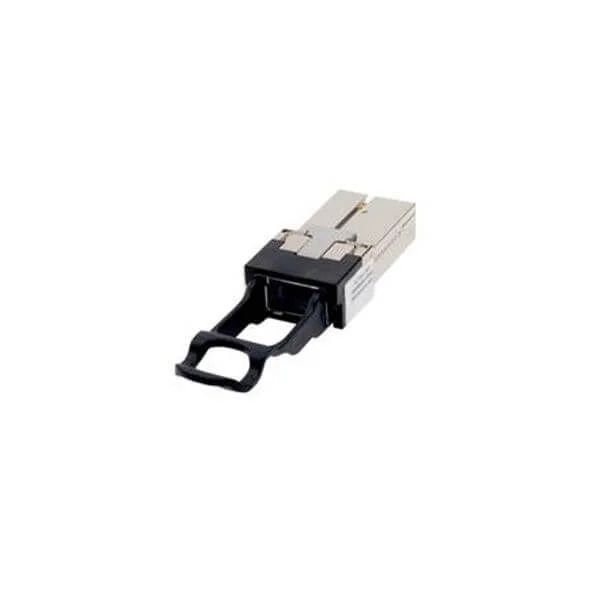
ONS-CXP2-MPO-20 (Multi-mode patchcord - MPO to MPO - For CXP2 - 20m)
4.9 (7)- Transceiver
- Cisco
- CFP
- 100G
- MPO
- 1270nm
- Short-Range
Est Value $1,113.00$613.20
44.9% offIn stockNewFirst-Time Buyer Discount – Get up to 2% additional off on your first order
ORM Rewards Earn $50 in Rewards + Free Expedited Delivery – Join Now!
Use eCoupon ORMSAVE10
eCoupon limited to 5 units
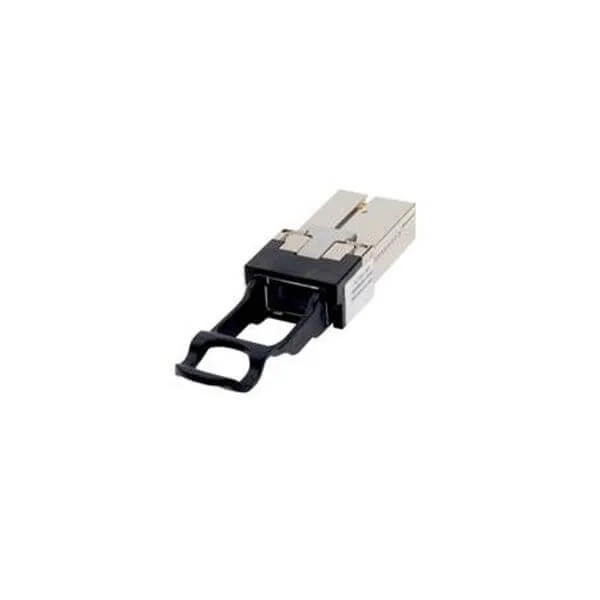
ONS-CXP2-MPO-30 (Multi-mode patchcord - MPO to MPO - For CXP2 - 30m)
4.7 (7)- Transceiver
- Cisco
- QSFP
- 100G
- MPO
- 1310 nm
- Extended-Range
Est Value $1,113.00$613.20
44.9% offIn stockNewFirst-Time Buyer Discount – Get up to 2% additional off on your first order
ORM Rewards Earn $50 in Rewards + Free Expedited Delivery – Join Now!
Use eCoupon ORMSAVE10
eCoupon limited to 5 units
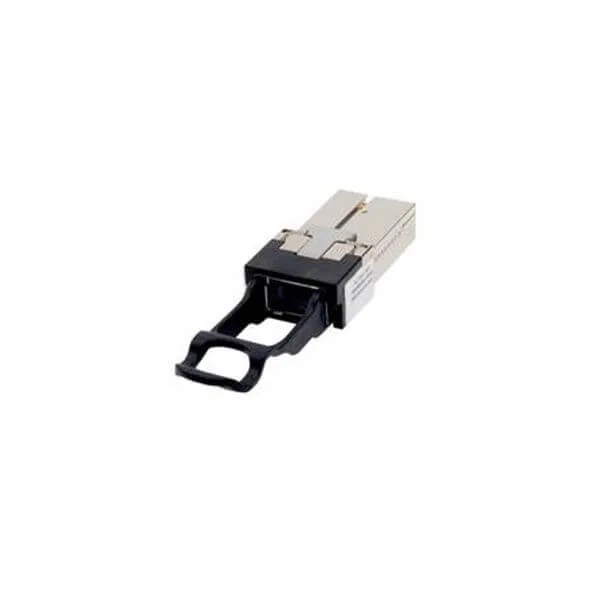
ONS-CXP2-MPO-40 (Multi-mode patchcord - MPO to MPO - For CXP2 - 40m)
4.7 (7)- Transceiver
- Cisco
- CXP2
- 40G
- MPO
- 850nm
- Short-Range
Est Value $1,113.00$613.20
44.9% offIn stockNewFirst-Time Buyer Discount – Get up to 2% additional off on your first order
ORM Rewards Earn $50 in Rewards + Free Expedited Delivery – Join Now!
Use eCoupon ORMSAVE10
eCoupon limited to 5 units
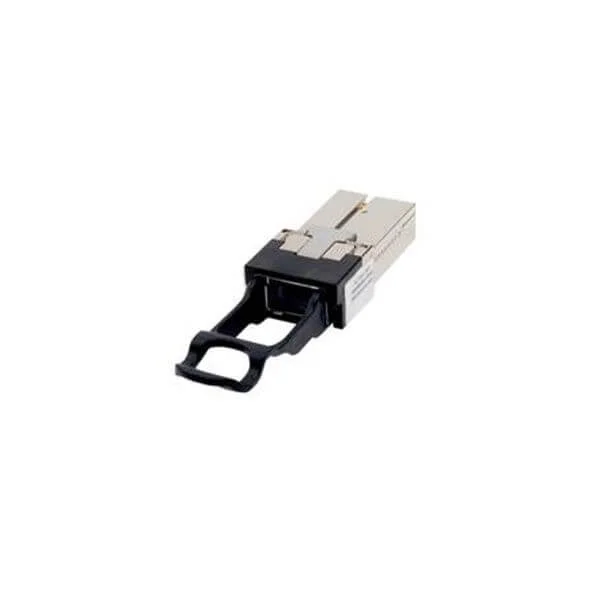
ONS-CXP2-MPO-5 (Multi-mode patchcord - MPO to MPO - For CXP2 - 5m)
4.9 (7)- Transceiver
- Cisco
- QSFP28
- 100G
- MPO
- 850nm
- Short-Range
Est Value $1,390.00$765.45
44.9% offIn stockNewFirst-Time Buyer Discount – Get up to 2% additional off on your first order
ORM Rewards Earn $50 in Rewards + Free Expedited Delivery – Join Now!
Use eCoupon ORMSAVE10
eCoupon limited to 5 units
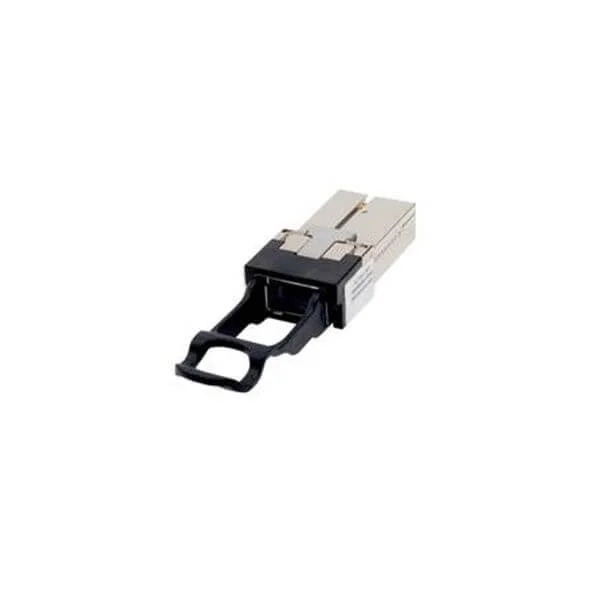
ONS-CXP2-MPO-60 (Multi-mode patchcord - MPO to MPO - For CXP2 - 60m)
4.4 (7)- Transceiver
- Cisco
- QSFP28
- 100G
- MPO
- 850 nm
- Short-Range
Est Value $1,390.00$765.45
44.9% offIn stockNewFirst-Time Buyer Discount – Get up to 2% additional off on your first order
ORM Rewards Earn $50 in Rewards + Free Expedited Delivery – Join Now!
Use eCoupon ORMSAVE10
eCoupon limited to 5 units
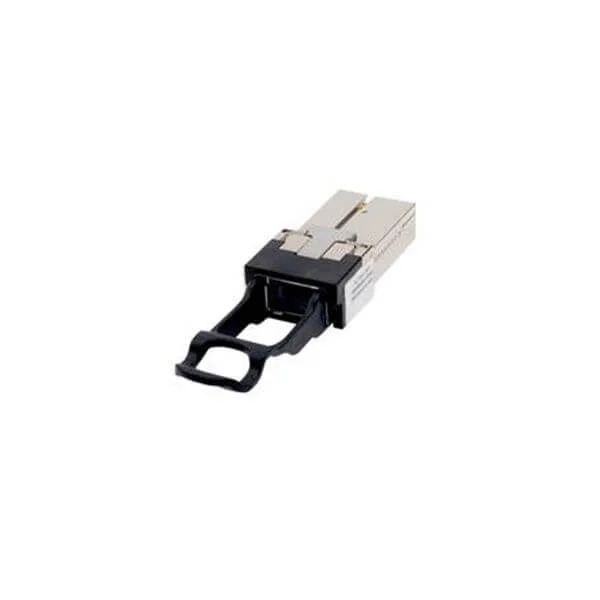
ONS-CXP2-MPO-80 (Multi-mode patchcord - MPO to MPO - For CXP2 - 80m)
4.7 (7)- Transceiver
- Cisco
- QSFP28
- 100G
- MPO
- 1310nm
- Long-Range
Est Value $1,390.00$765.45
44.9% offIn stockNewFirst-Time Buyer Discount – Get up to 2% additional off on your first order
ORM Rewards Earn $50 in Rewards + Free Expedited Delivery – Join Now!
Use eCoupon ORMSAVE10
eCoupon limited to 5 units
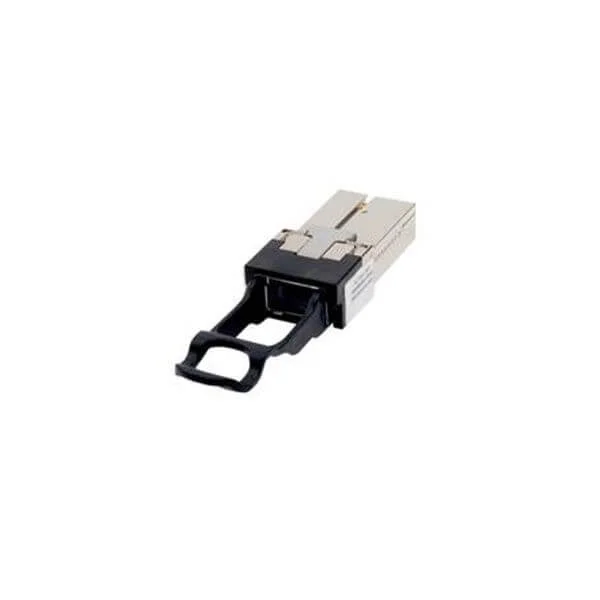
ONS-CXP2-MPO-90 (Multi-mode patchcord - MPO to MPO - For CXP2 - 90m)
4.9 (7)- Transceiver
- Cisco
- CFP
- 100G
- MPO
- 1310 nm
- Short-Range
Est Value $1,390.00$765.45
44.9% offIn stockNewFirst-Time Buyer Discount – Get up to 2% additional off on your first order
ORM Rewards Earn $50 in Rewards + Free Expedited Delivery – Join Now!
Use eCoupon ORMSAVE10
eCoupon limited to 5 units
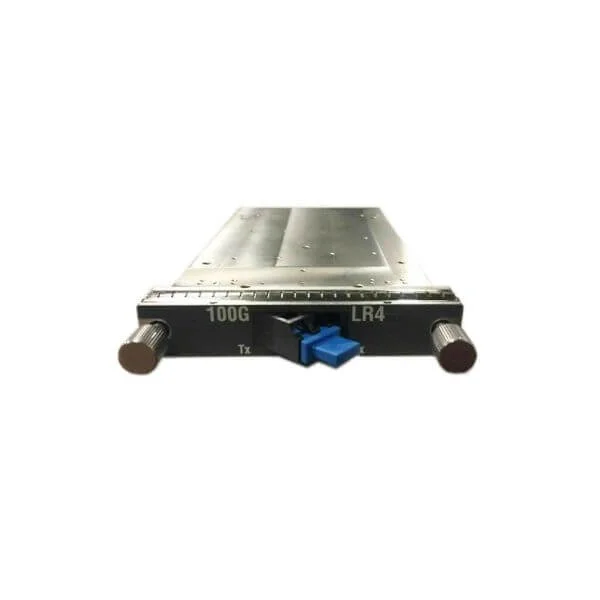
ONS-CC-100GE-LR4 (100GE Single Rate CFP - LR4 - Commercial temp)
4.9 (7)- Transceiver
- Cisco
- CFP
- 100G
- LC
- 1310 nm
- Long-Range
Est Value $2,089.50$1,044.75
50% offIn stockRefurbishedFirst-Time Buyer Discount – Get up to 2% additional off on your first order
ORM Rewards Earn $50 in Rewards + Free Expedited Delivery – Join Now!
Use eCoupon ORMSAVE10
eCoupon limited to 5 units

ONS-MPO24-2MPO12 (TWO 40G SR4 TO 100G SR10 2X12MPO 24MPO 20M CPAK CABLE)
4.9 (7)- Transceiver
- Cisco
- QSFP+
- 100G
- MPO
- 850nm
- Short-Range
Est Value $2,467.00$1,508.85
38.8% offIn stockNewFirst-Time Buyer Discount – Get up to 2% additional off on your first order
ORM Rewards Earn $50 in Rewards + Free Expedited Delivery – Join Now!
Use eCoupon ORMSAVE10
eCoupon limited to 5 units
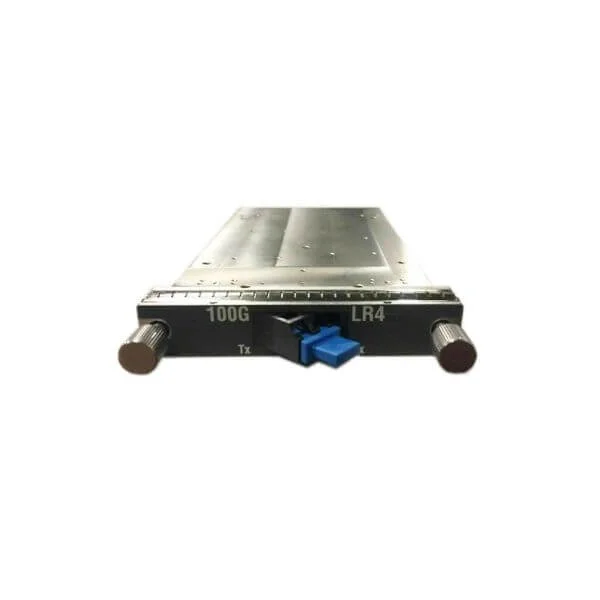
ONS-CC-100G-LR4 (100GBE SINGLE RATE CFP LR4 COMMERCIAL TEMP)
4.9 (7)- Transceiver
- Cisco
- QSFP28
- 100G
- LC
- 1310 nm
- Long-Range
Est Value $3,397.95$2,509.50
26.1% offIn stockNewRefurbishedFirst-Time Buyer Discount – Get up to 2% additional off on your first order
ORM Rewards Earn $50 in Rewards + Free Expedited Delivery – Join Now!
Use eCoupon ORMSAVE10
eCoupon limited to 5 units
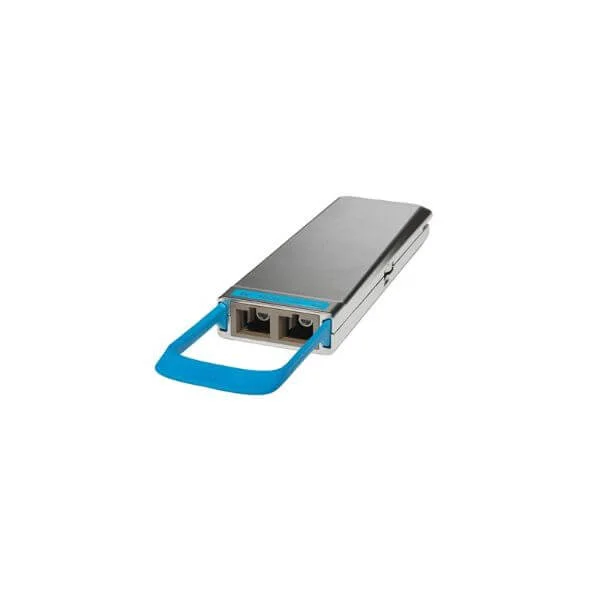
ONS-CFP2-WDM-1KL (100G QPSK / 200G 16-QAM - WDM CFP2 Pluggable, C temp)
4.4 (7)- Transceiver
- Cisco
- CFP2
- 100G
- LC
- Short-Range
Est Value $23,064.00$3,459.75
85% offIn stockNewFirst-Time Buyer Discount – Get up to 2% additional off on your first order
ORM Rewards Earn $50 in Rewards + Free Expedited Delivery – Join Now!
Use eCoupon ORMSAVE10
eCoupon limited to 5 units
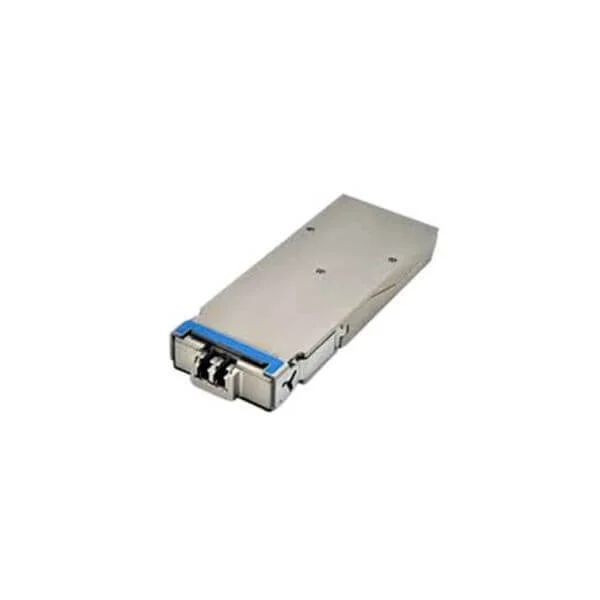
ONS-CFP2-WDM (100G QPSK / 200G 16-QAM - WDM CFP2 Pluggable)
4.4 (7)- Transceiver
- Cisco
- CFP2
- 100G
- LC
- 1550nm
- Long-Range
Est Value $4,252.50
In stockNewRefurbishedFirst-Time Buyer Discount – Get up to 2% additional off on your first order
ORM Rewards Earn $50 in Rewards + Free Expedited Delivery – Join Now!
Use eCoupon ORMSAVE10
eCoupon limited to 5 units
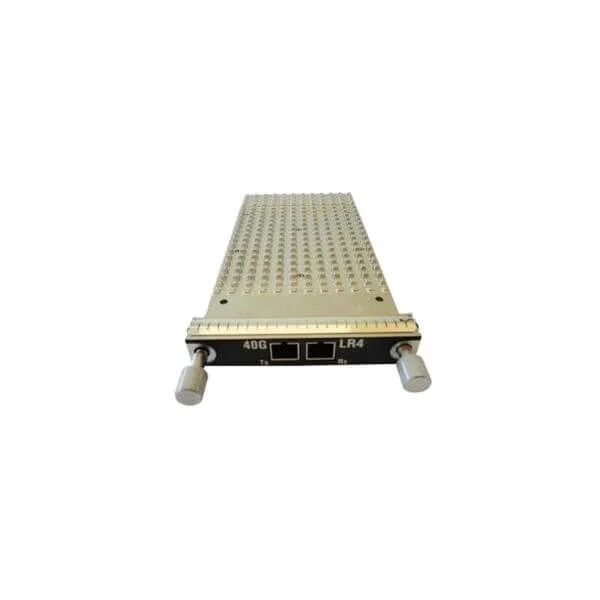
ONS-CC-40G-FR (40G Multirate CFP- FR - Commercial Temp)
4.3 (7)- Transceiver
- Cisco
- QSFP+
- 40G
- LC
- 1310 nm
- Long-Range
Est Value In stockFirst-Time Buyer Discount – Get up to 2% additional off on your first order
ORM Rewards Earn $50 in Rewards + Free Expedited Delivery – Join Now!
Use eCoupon ORMSAVE10
eCoupon limited to 5 units

ORM Sales Advisors
Buying for your business? Get a personalised quote in under 2 hours. Talk to an expert
LEARNFilters (20) 
Questions & Answers
What are Cisco ONS Transceivers?
Cisco ONS Transceivers are hot-swappable optical modules designed for Cisco Optical Networking System platforms, enabling high-speed, long-distance fiber connectivity.
Which Cisco ONS Transceiver form factors are available?
Cisco ONS Transceivers come in multiple form factors—SFP, SFP+, XFP, XENPAK, and CFP—to support data rates from 1 Gbps up to 100 Gbps and diverse network applications.
How do I choose the right Cisco ONS Transceiver for my network?
Select by data rate, fiber type (single-mode or multi-mode), wavelength, reach, and platform compatibility—always consult Cisco compatibility matrices before purchase.
What data rates and reach do Cisco ONS Transceivers support?
They support data rates from 1 Gbps to 100 Gbps, with reaches spanning from 300 meters on multi-mode fiber to over 80 kilometers on single-mode DWDM links.
Are Cisco ONS Transceivers interoperable with third-party equipment?
Yes, Cisco ONS Transceivers meet industry MSA standards (IEEE, SFF, ITU-T) and interoperate with third-party optical equipment when correctly configured.
How do I install a Cisco ONS Transceiver?
Ensure the system is powered, align the module with the port guide rails, slide it in until it clicks, and confirm link lights and system messages for proper recognition.
How can I verify a Cisco ONS Transceiver is working correctly?
Check interface counters, link-up status, receive/transmit optical power levels, and system logs via the Cisco management CLI or GUI to confirm proper operation.
What temperature range can Cisco ONS Transceivers operate in?
Standard Cisco ONS Transceivers operate from 0°C to 70°C (32°F to 158°F), while industrial-grade versions cover –40°C to 85°C (–40°F to 185°F).
Do Cisco ONS Transceivers require special software or firmware?
No special firmware is required; transceivers use standard Cisco IOS or IOS-XR drivers included in Optical Networking System releases.
How do I troubleshoot link loss with a Cisco ONS Transceiver?
Verify fiber cleanliness, check optical power budgets, inspect connector integrity, review platform logs for errors, and replace the transceiver if fault persists.
What is the warranty on Cisco ONS Transceivers?
Cisco ONS Transceivers carry a limited lifetime warranty against defects in materials and workmanship when purchased through authorized channels.
What key specifications should I review for Cisco ONS Transceivers?
Focus on data rate, wavelength, reach, fiber type, form factor, optical power budget, temperature range, and compatibility with your Cisco ONS platform.
Can Cisco ONS Transceivers be used in DWDM networks?
Yes, Cisco offers DWDM-tuned SFP and XFP modules with ITU-T grid-aligned wavelengths for scalable dense wavelength-division multiplexing deployments.
How do I clean and maintain Cisco ONS Transceivers?
Use fiber-cleaning tools or wipes with isopropyl alcohol on connector end-faces, inspect with a fiber microscope, and store modules in dust caps when unused.
Where can I purchase genuine Cisco ONS Transceivers?
Acquire them through Cisco’s authorized resellers, partners, or the Cisco Commerce Workspace to ensure authenticity, warranty coverage, and technical support.