 United States
D-Link Transceivers High-Speed Performance
Experience unmatched reliability and superior throughput with D-Link transceivers engineered for optimum performance and seamless connectivity in demanding enterprise environments, delivering robust security and maximizing data transfer rates.
Talk to an expert
21 Matching results
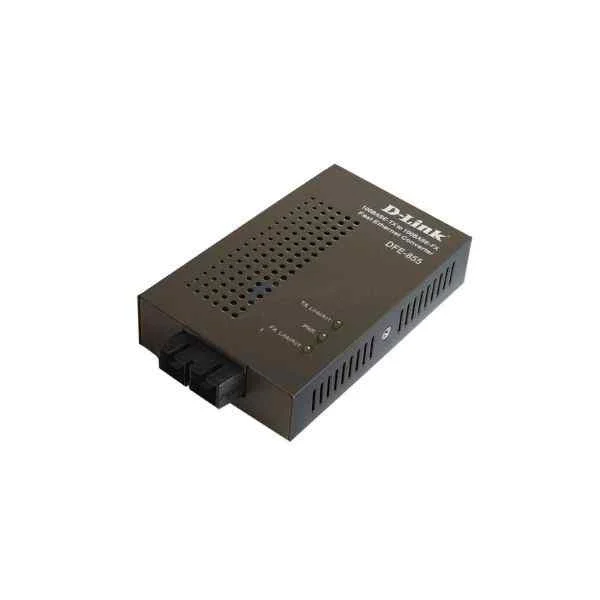
DFE-855 (D-Link 1 port 100Base-TX to 100Base-FX 100M Ethernet photoelectric converter, multi-mode, SC interface, maximum transmission 2Km, wavelength 1310nm)
4.6 (5)- Transceiver
- D-Link
- SFP+
- 10G
- LC
- 1310 nm
- Long-Range
Est Value $224.00
$112.00
50% offIn stockRefurbishedFirst-Time Buyer Discount – Get up to 2% additional off on your first order
ORM Rewards Earn $50 in Rewards + Free Expedited Delivery – Join Now!
Use eCoupon ORMSAVE10
eCoupon limited to 5 units
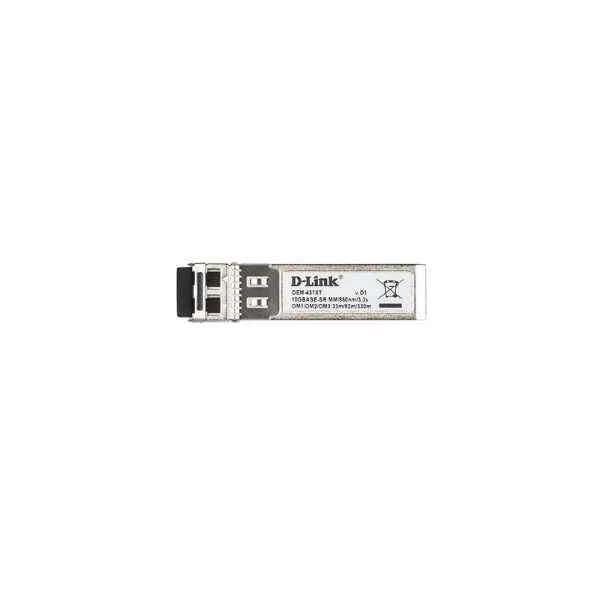
DEM-431XT (D-Link 10G SFP+ optical module, multi-mode, 300 meters, wavelength 850nm, LC connector)
4.6 (5)- Transceiver
- D-Link
- XFP
- 10G
- LC
- 1310 nm
- Long-Range
Est Value $143.09$117.00
18.2% offIn stockRefurbishedFirst-Time Buyer Discount – Get up to 2% additional off on your first order
ORM Rewards Earn $50 in Rewards + Free Expedited Delivery – Join Now!
Use eCoupon ORMSAVE10
eCoupon limited to 5 units
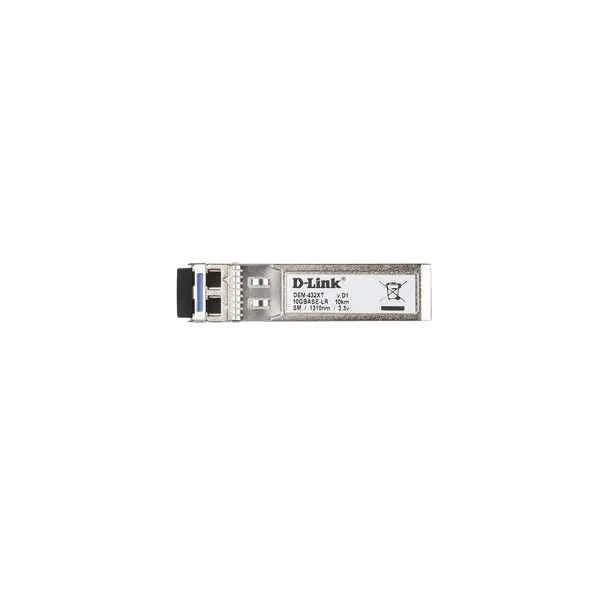
DEM-432XT (D-Link 10 Gigabit SFP+ optical module, single mode, 10 km, wavelength 1310nm, LC connector)
4.4 (5)- Transceiver
- D-Link
- QSFP+
- 100G
- LC
- 1310nm
- Long-Range
Est Value $221.30$181.13
18.2% offIn stockRefurbishedFirst-Time Buyer Discount – Get up to 2% additional off on your first order
ORM Rewards Earn $50 in Rewards + Free Expedited Delivery – Join Now!
Use eCoupon ORMSAVE10
eCoupon limited to 5 units
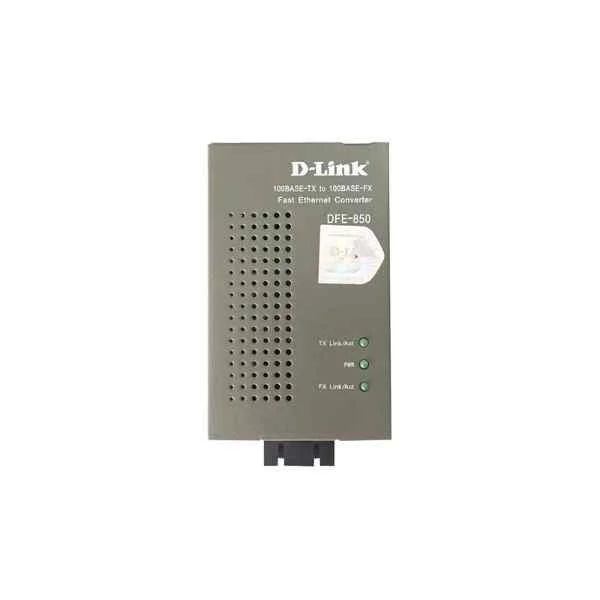
DFE-850 (D-Link 1 port 100Base-TX to 100Base-FX 100M Ethernet photoelectric converter, simple version, multi-mode, SC interface, maximum transmission 2km, wavelength 850nm)
4.2 (5)- Transceiver
- D-Link
- SFP
- 10G
- LC
- 1310 nm
- Long-Range
Est Value $633.62$316.81
50% offIn stockRefurbishedFirst-Time Buyer Discount – Get up to 2% additional off on your first order
ORM Rewards Earn $50 in Rewards + Free Expedited Delivery – Join Now!
Use eCoupon ORMSAVE10
eCoupon limited to 5 units
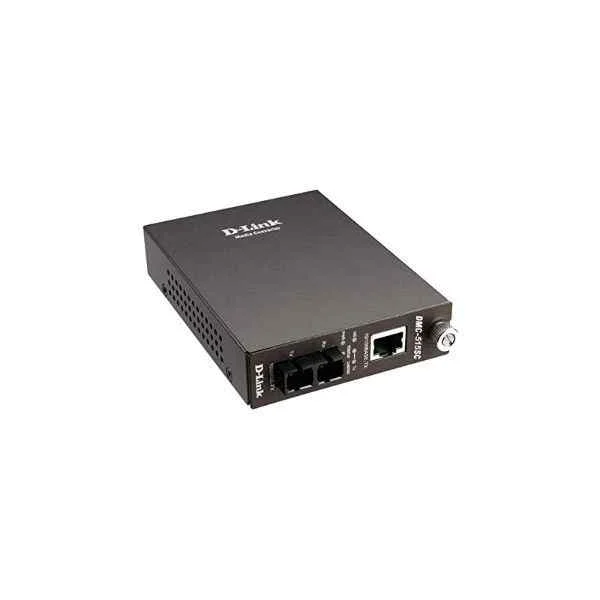
DMC-515SC (D-Link 1 port 10/100M to 100 BASE-FX 100M Ethernet photoelectric converter, single-mode dual-fiber, SC interface, maximum transmission 15Km, can be used alone or with DMC-1100, wavelength 1310nm version E1 cannot be managed)
4.2 (5)- Transceiver
- D-Link
- SFP+
- 10G
- LC
- 850 nm
- Short-Range
Est Value $924.00$462.00
50% offIn stockRefurbishedFirst-Time Buyer Discount – Get up to 2% additional off on your first order
ORM Rewards Earn $50 in Rewards + Free Expedited Delivery – Join Now!
Use eCoupon ORMSAVE10
eCoupon limited to 5 units
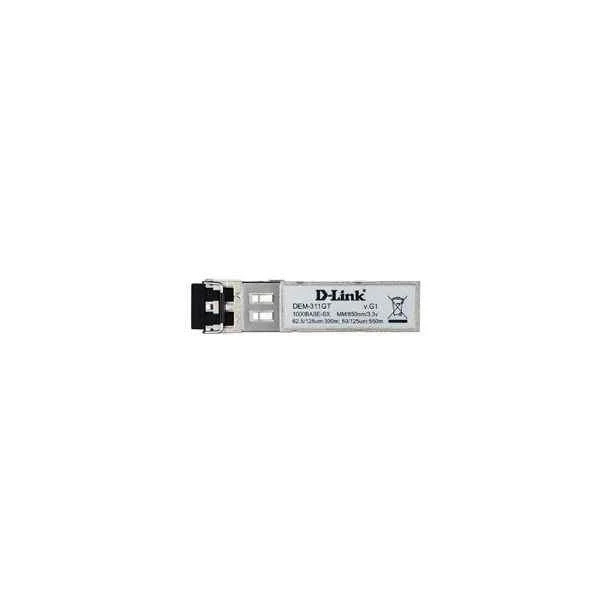
DEM-311GT (D-Link Gigabit SFP optical module, multi-mode, 550 meters, wavelength 850nm, LC connector)
4.6 (5)- Transceiver
- D-Link
- SFP+
- 10G
- LC
- 1310nm
- Long-Range
Est Value $90.88$77.58
14.6% offIn stockNewRefurbishedFirst-Time Buyer Discount – Get up to 2% additional off on your first order
ORM Rewards Earn $50 in Rewards + Free Expedited Delivery – Join Now!
Use eCoupon ORMSAVE10
eCoupon limited to 5 units
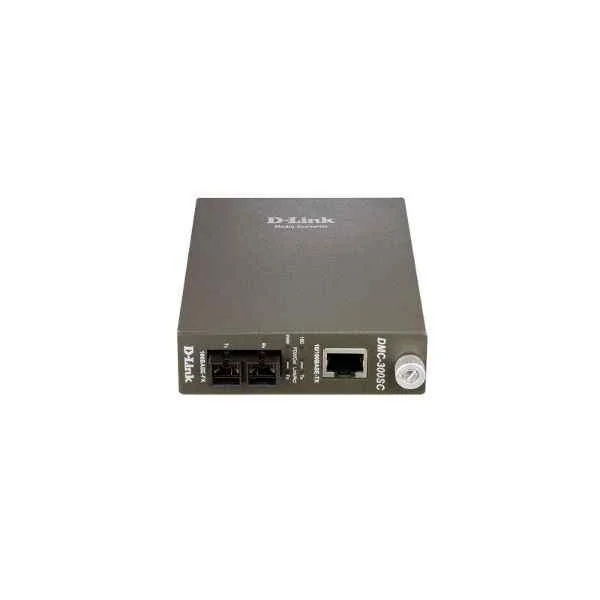
DMC-300SC (D-Link 1 port 10/100M to 100 BASE-FX 100M Ethernet photoelectric converter, multi-mode, SC interface, maximum transmission 2Km, can be used alone or with DMC-1100, wavelength 1310nm version A1)
4.6 (5)- Transceiver
- D-Link
- SFP
- 1G
- SC
- 850nm
- Short-Range
Est Value $167.76$83.88
50% offIn stockRefurbishedFirst-Time Buyer Discount – Get up to 2% additional off on your first order
ORM Rewards Earn $50 in Rewards + Free Expedited Delivery – Join Now!
Use eCoupon ORMSAVE10
eCoupon limited to 5 units
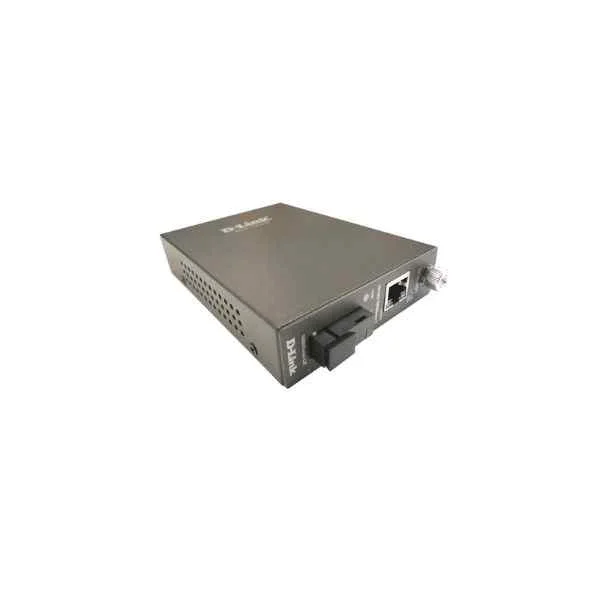
DGE-891/A (D-Link 1 port 10/100/1000Base-T to 1000Base-LX Gigabit Ethernet photoelectric converter, single-mode single fiber, TX:1310/RX:1550nm, maximum transmission 20km, SC interface, need to be used in pairs, can be used alone Or with DMC-1100)
4.6 (5)- Transceiver
- D-Link
- SFP+
- 10G
- LC
- 1310 nm
- Long-Range
Est Value In stockFirst-Time Buyer Discount – Get up to 2% additional off on your first order
ORM Rewards Earn $50 in Rewards + Free Expedited Delivery – Join Now!
Use eCoupon ORMSAVE10
eCoupon limited to 5 units
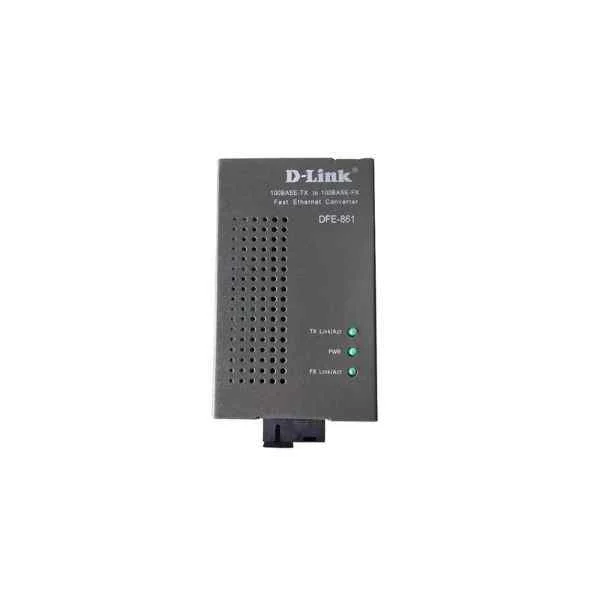
DFE-861/B (D-Link 1 port 10/100Base-TX to 100Base-FX 100M Ethernet photoelectric converter, single-mode single-fiber, SC interface, TX:1550/RX:1310nm, maximum transmission 20km, need to be used in pairs)
4.4 (5)- Transceiver
- D-Link
- SFP
- 10G
- LC
- 1310 nm
- Long-Range
Est Value In stockFirst-Time Buyer Discount – Get up to 2% additional off on your first order
ORM Rewards Earn $50 in Rewards + Free Expedited Delivery – Join Now!
Use eCoupon ORMSAVE10
eCoupon limited to 5 units
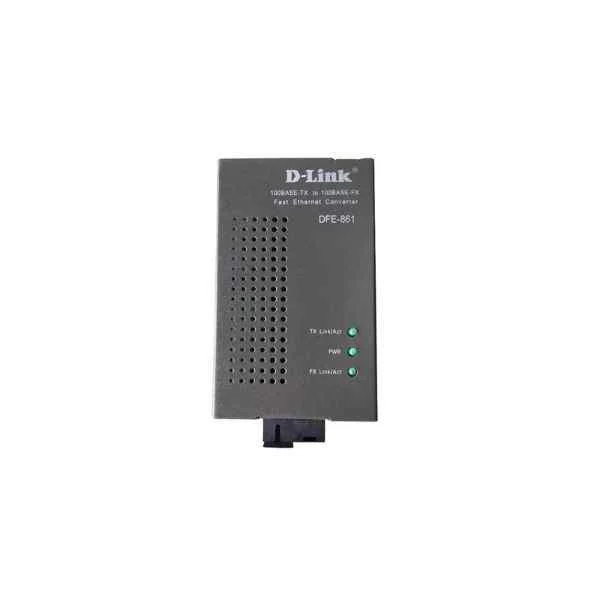
DFE-861/A (D-Link 1 port 10/100Base-TX to 100Base-FX 100M Ethernet photoelectric converter, single-mode single-fiber, SC interface, TX: 1310/RX: 1550nm, maximum transmission 20km, need to be used in pairs)
4.4 (5)- Transceiver
- D-Link
- QSFP+
- 40G
- MPO
- 850nm
- Short-Range
Est Value In stockFirst-Time Buyer Discount – Get up to 2% additional off on your first order
ORM Rewards Earn $50 in Rewards + Free Expedited Delivery – Join Now!
Use eCoupon ORMSAVE10
eCoupon limited to 5 units
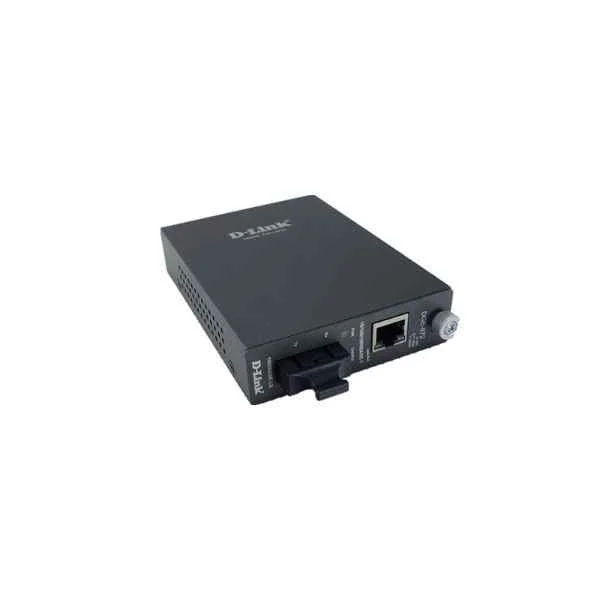
DGE-872 (D-Link 1 port 10/100/1000BASE-T to 1000BASE-LX Gigabit Ethernet photoelectric converter, single-mode dual-fiber, SC interface, maximum transmission 20Km, wavelength 1310nm, can be used alone or with DMC-1100)
4.6 (5)- Transceiver
- D-Link
- SFP
- 10G
- LC
- 1310nm
- Short-Range
Est Value In stockFirst-Time Buyer Discount – Get up to 2% additional off on your first order
ORM Rewards Earn $50 in Rewards + Free Expedited Delivery – Join Now!
Use eCoupon ORMSAVE10
eCoupon limited to 5 units
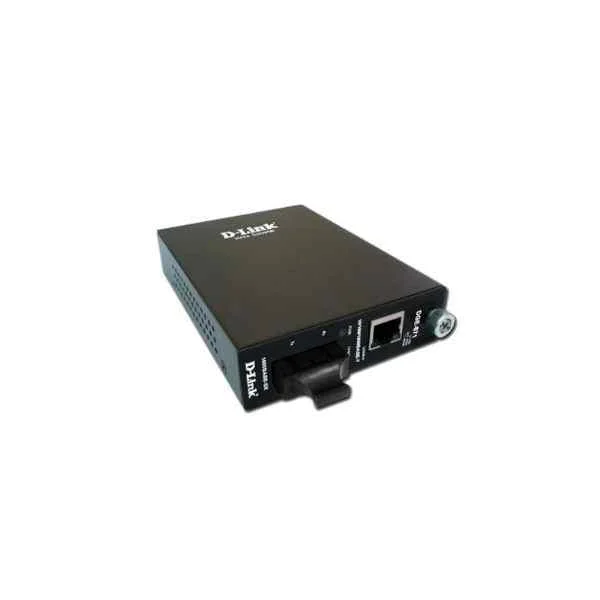
DGE-871 (D-Link 1 port 10/100/1000Base-T to 1000Base-SX Gigabit Ethernet photoelectric converter, multi-mode, SC interface, maximum transmission 550m, wavelength 850nm, can be used alone or with DMC-1100)
4.8 (5)- Transceiver
- D-Link
- SFP+
- 10G
- LC
- 850 nm
- Short-Range
Est Value In stockFirst-Time Buyer Discount – Get up to 2% additional off on your first order
ORM Rewards Earn $50 in Rewards + Free Expedited Delivery – Join Now!
Use eCoupon ORMSAVE10
eCoupon limited to 5 units
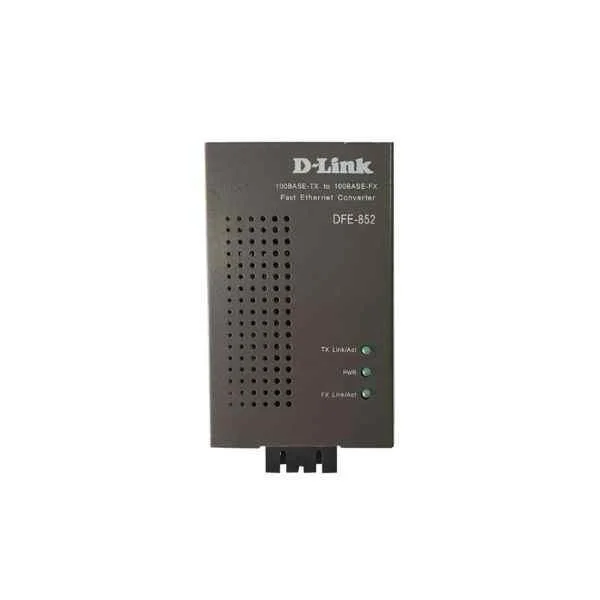
DFE-852 (D-Link 1 port 100Base-TX to 100Base-FX 100M Ethernet photoelectric converter, single-mode dual-fiber, SC interface, maximum transmission 15Km, wavelength 1310nm)
4.8 (5)- Transceiver
- D-Link
- QSFP
- 100G
- LC
- 850nm
- Short-Range
Est Value In stockFirst-Time Buyer Discount – Get up to 2% additional off on your first order
ORM Rewards Earn $50 in Rewards + Free Expedited Delivery – Join Now!
Use eCoupon ORMSAVE10
eCoupon limited to 5 units
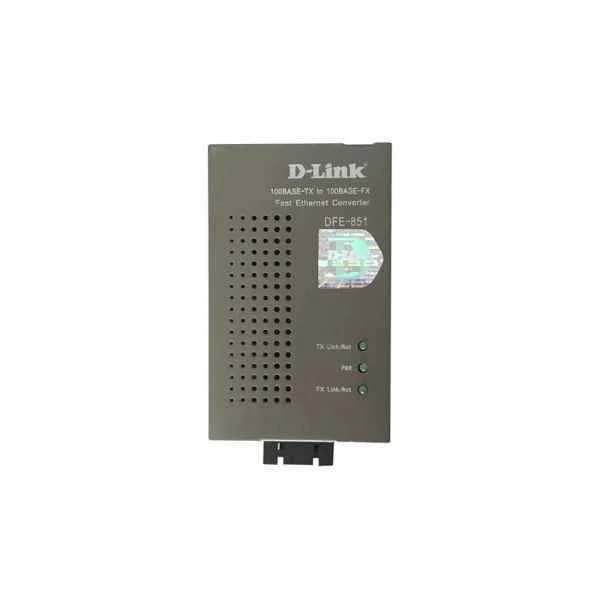
DFE-851 (D-Link 1 port 100Base-TX to 100Base-FX 100M Ethernet photoelectric converter, simple version, single-mode dual-fiber, SC interface, maximum transmission 15Km, wavelength 1310nm)
4.2 (5)- Transceiver
- D-Link
- SFP
- 10G
- LC
- 1310 nm
- Short-Range
Est Value In stockFirst-Time Buyer Discount – Get up to 2% additional off on your first order
ORM Rewards Earn $50 in Rewards + Free Expedited Delivery – Join Now!
Use eCoupon ORMSAVE10
eCoupon limited to 5 units
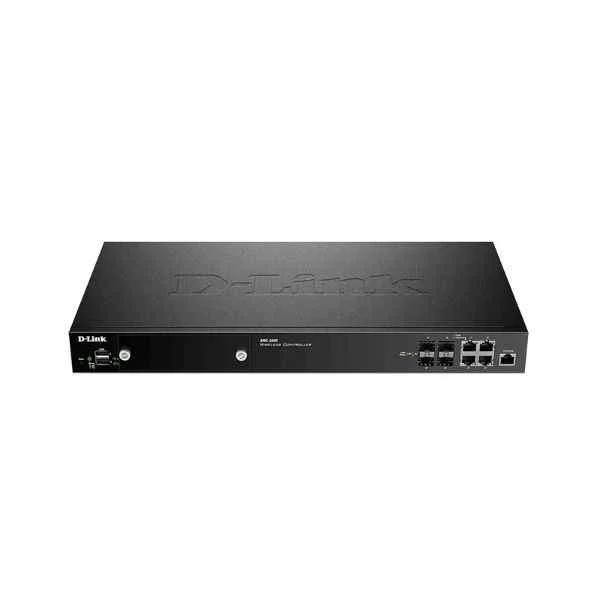
DMC-2000-PW-AC (D-Link DMC-1100 redundant power supply module, used in DMC-1100 chassis, input 100-260V AC power, support hot swap)
4.8 (5)- Transceiver
- D-Link
- SFP+
- 10G
- LC
- 1310 nm
- Long-Range
Est Value In stockFirst-Time Buyer Discount – Get up to 2% additional off on your first order
ORM Rewards Earn $50 in Rewards + Free Expedited Delivery – Join Now!
Use eCoupon ORMSAVE10
eCoupon limited to 5 units
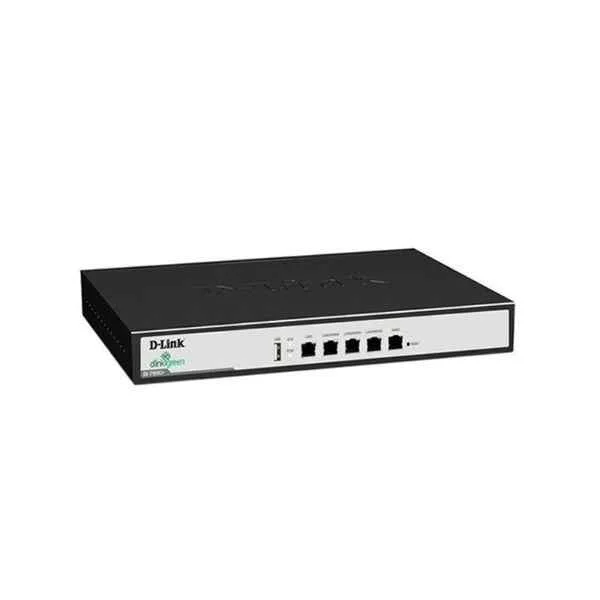
DMC-1200D (D-Link 2U rack-mounted photoelectric converter case (14 slots), standard dual power supply, does not support network management function, 220V AC power supply)
4.6 (5)- Transceiver
- D-Link
- SFP
- 10G
- LC
- 850 nm
- Short-Range
Est Value In stockFirst-Time Buyer Discount – Get up to 2% additional off on your first order
ORM Rewards Earn $50 in Rewards + Free Expedited Delivery – Join Now!
Use eCoupon ORMSAVE10
eCoupon limited to 5 units
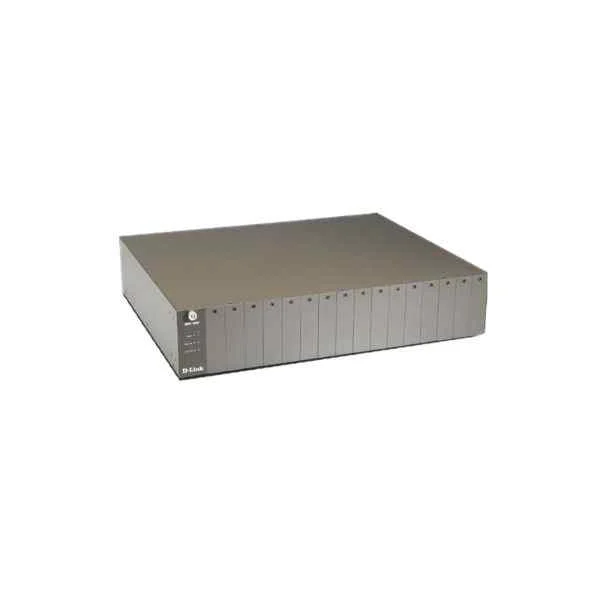
DMC-1100 (D-Link 2U rack-mounted optical fiber transceiver chassis (16 slots), single power supply, redundant power supply, no network management function, output power 7.5V, 1.5A)
4.6 (5)- Transceiver
- D-Link
- SFP
- 10G
- LC
- 1310 nm
- Long-Range
Est Value In stockFirst-Time Buyer Discount – Get up to 2% additional off on your first order
ORM Rewards Earn $50 in Rewards + Free Expedited Delivery – Join Now!
Use eCoupon ORMSAVE10
eCoupon limited to 5 units
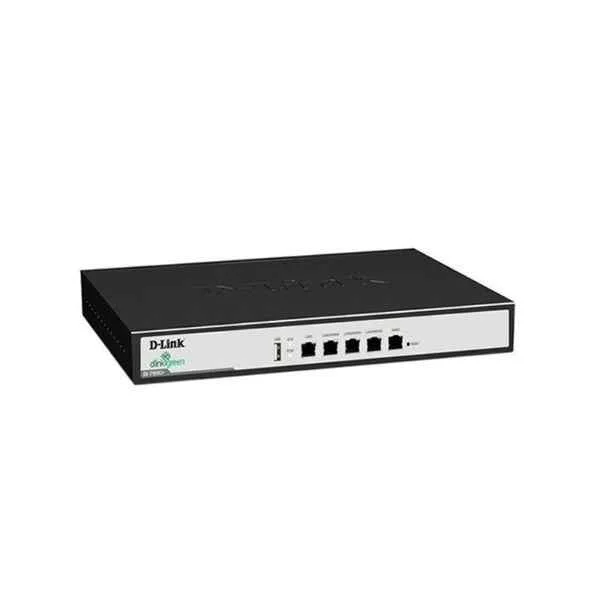
DMC-1200 (D-Link 2U rack-mounted photoelectric converter chassis (14 slots), single power supply, does not support network management function, 220V AC power supply)
4.4 (5)- Transceiver
- D-Link
- SFP
- 10G
- LC
- 1310 nm
- Long-Range
Est Value In stockFirst-Time Buyer Discount – Get up to 2% additional off on your first order
ORM Rewards Earn $50 in Rewards + Free Expedited Delivery – Join Now!
Use eCoupon ORMSAVE10
eCoupon limited to 5 units
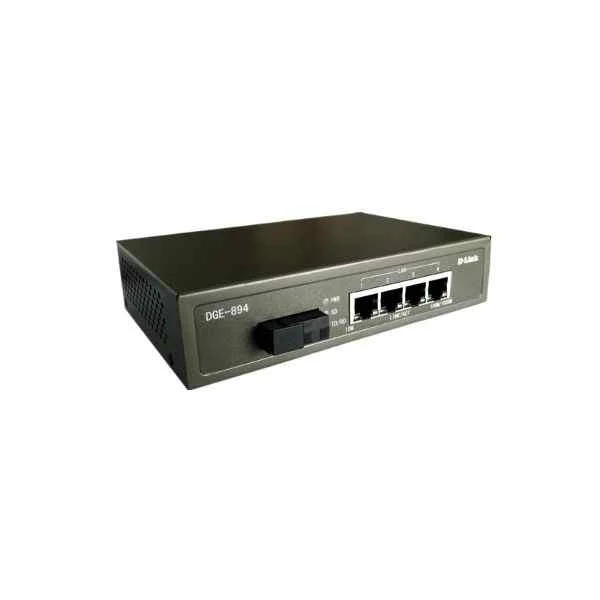
DGE-894/B (D-Link 4-port 10/100/1000Base-T to 1-port 1000Base-LX Gigabit Ethernet photoelectric converter, single-mode single fiber, TX:1550/RX:1310nm, maximum transmission 20km, SC interface, need to be used in pairs, also Can be used in pairs with DGE-891/A)
4.4 (5)- Transceiver
- D-Link
- QSFP
- 100G
- LC
- 1310 nm
- Short-Range
Est Value In stockFirst-Time Buyer Discount – Get up to 2% additional off on your first order
ORM Rewards Earn $50 in Rewards + Free Expedited Delivery – Join Now!
Use eCoupon ORMSAVE10
eCoupon limited to 5 units
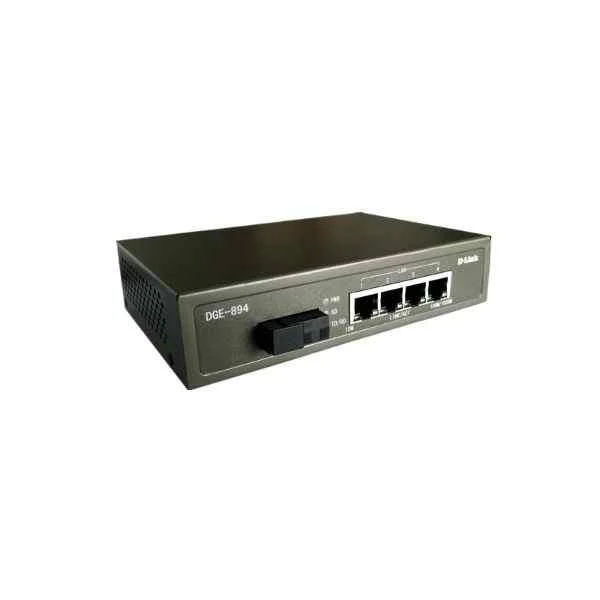
DGE-894/A (D-Link 4-port 10/100/1000Base-T to 1-port 1000Base-LX Gigabit Ethernet photoelectric converter, single-mode single fiber, TX: 1310/RX: 1550nm, maximum transmission 20km, SC interface, need to be used in pairs, also Can be used in pairs with DGE-891/B)
4.6 (5)- Transceiver
- D-Link
- QSFP
- 100G
- LC
- 1310 nm
- Long-Range
Est Value In stockFirst-Time Buyer Discount – Get up to 2% additional off on your first order
ORM Rewards Earn $50 in Rewards + Free Expedited Delivery – Join Now!
Use eCoupon ORMSAVE10
eCoupon limited to 5 units

ORM Sales Advisors
Buying for your business? Get a personalised quote in under 2 hours. Talk to an expert
LEARNFilters (21) 
Questions & Answers
What are D-Link Transceivers and how do they work?
D-Link Transceivers are pluggable modules that convert electrical signals to optical or copper signals, enabling high-speed data transmission over fiber or copper cabling in network switches and routers.
Which types of transceivers does D-Link offer?
D-Link offers SFP (1 Gbps), SFP+ (10 Gbps), SFP28 (25 Gbps), QSFP+ (40 Gbps) and QSFP28 (100 Gbps) transceivers to support a range of network speeds and topologies.
How do I choose the right D-Link Transceiver for my network?
Select a transceiver based on required link speed, distance, cable type (single-mode or multimode fiber, or copper), and wavelength specifications to ensure compatibility with your switch or router.
Are D-Link Transceivers MSA-compliant?
Yes, all D-Link Transceivers adhere to Multi-Source Agreement (MSA) standards for form factor, electrical interface and digital diagnostics, ensuring interoperability with third-party networking equipment.
What transmission distances do D-Link fiber transceivers support?
D-Link fiber transceivers support distances from 100 m (multimode) up to 80 km (single-mode), depending on module type and wavelength.
Which wavelengths are available for D-Link fiber transceivers?
D-Link offers multimode modules at 850 nm and single-mode modules at 1310 nm, 1490 nm, 1550 nm and DWDM wavelengths for long-haul applications.
Can I hot-swap D-Link Transceivers?
Yes, D-Link Transceivers support hot-swapping, allowing insertion or removal without shutting down the host device for uninterrupted network operation.
How do I install a D-Link Transceiver?
Align the transceiver with the switch’s SFP/QSFP slot, gently slide it in until it clicks, then connect the appropriate fiber or copper cable and verify link activity via LEDs.
Which D-Link switches and routers are compatible with these transceivers?
D-Link Transceivers are compatible with its DGS, DXS, DES, and DXS-X series switches as well as DGS-X series routers featuring corresponding SFP/SFP+/QSFP ports.
Do D-Link Transceivers support CWDM and DWDM applications?
Yes, D-Link’s CWDM and DWDM SFP/SFP+ modules enable dense wavelength multiplexing for scalable Metro and long-haul networks.
What is the operating temperature range for D-Link Transceivers?
Standard D-Link Transceivers operate from 0 °C to 70 °C, while industrial-grade models extend from –40 °C to 85 °C for harsh environments.
Do D-Link Transceivers include digital diagnostics (DDM/DOM)?
Yes, D-Link Transceivers support Digital Diagnostic Monitoring (DDM/DOM) to report real-time temperature, voltage, optical power and transceiver status.
What warranty coverage is provided with D-Link Transceivers?
All D-Link Transceivers come with a limited lifetime warranty covering manufacturing defects and guaranteed compatibility with D-Link networking products.
What’s the difference between copper and fiber D-Link Transceivers?
Copper transceivers use RJ-45 ports for short-range 1 Gbps to 10 Gbps links over Cat 5e/6 cable, while fiber transceivers use LC/SC connectors for extended distances and higher immunity to EMI.
Can I use D-Link Transceivers in non-D-Link switches?
Yes, because D-Link Transceivers are MSA-compliant, they are interoperable with any switch or router that supports the same form factor and specifications.