 United States
Industrial Access Points Unrivaled Connectivity
Engineered for demanding environments, our industrial access points deliver robust, secure, and scalable wireless connections while ensuring optimal network performance and adherence to stringent industrial compliance standards.
Talk to an expert
2 Matching results
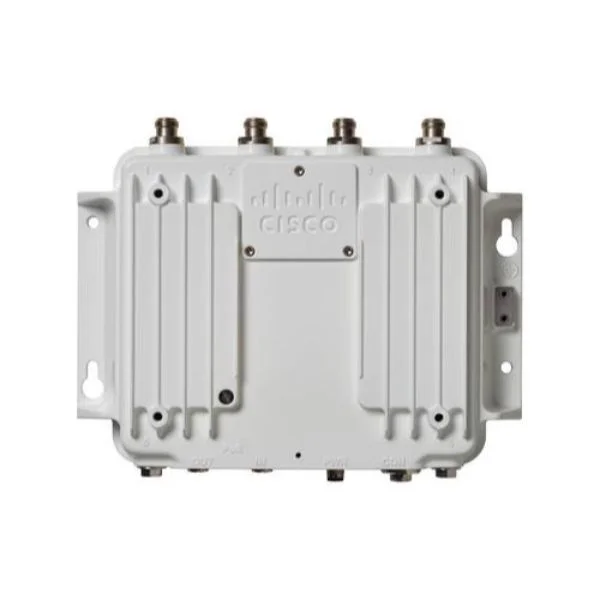
IW3702-4E-E-K9 (Industrial Wireless AP 3702, 4 RF ports on top, E reg domain )
5 (5)- Wireless Access Point
- Cisco
- Access Point
- Wi-Fi 5
- 2.4GHz / 5GHz
- 1.3Gbps
Est Value $6,417.66
$3,208.83
50% offIn stockRefurbishedFirst-Time Buyer Discount – Get up to 2% additional off on your first order
ORM Rewards Earn $50 in Rewards + Free Expedited Delivery – Join Now!
Use eCoupon ORMSAVE10
eCoupon limited to 5 units
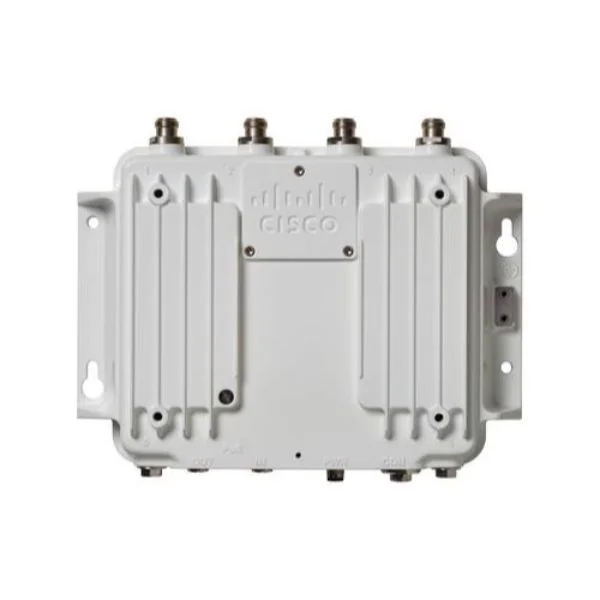
IW3702-2E-E-K9 (INDUSTRIAL WIRELESS AP 3702 4RF PORTS ON TOP/BTM E DOM)
4.6 (5)- Wireless Access Point
- Cisco
- Access Point
- Wi-Fi 5
- Dual-Band (2.4GHz & 5GHz)
- 1Gbps
Est Value In stockFirst-Time Buyer Discount – Get up to 2% additional off on your first order
ORM Rewards Earn $50 in Rewards + Free Expedited Delivery – Join Now!
Use eCoupon ORMSAVE10
eCoupon limited to 5 units

ORM Sales Advisors
Buying for your business? Get a personalised quote in under 2 hours. Talk to an expert
LEARNFilters (2) 
Questions & Answers
What is an Industrial Access Point?
An Industrial Access Point is a ruggedized wireless device engineered to deliver reliable Wi-Fi connectivity in harsh environments, with extended temperature ranges, robust housing, and industrial-grade certifications.
How do Industrial Access Points differ from commercial Wi-Fi access points?
Industrial Access Points offer reinforced enclosures, enhanced ingress protection (IP ratings), wide operating temperatures, vibration resistance, and industrial certifications (e.g., ATEX, IECEx) that commercial APs lack.
What key features should I look for in an Industrial Access Point?
Prioritize devices with high IP ratings (IP65+), extended temperature operation (–40 °C to 75 °C), dual-band 802.11ac/ax support, PoE/PoE+ compatibility, robust security (WPA3, 802.1X), and remote management tools.
Which wireless standards do Industrial Access Points support?
Most Industrial Access Points support IEEE 802.11a/b/g/n/ac/ax standards, offering dual-band operation, MIMO technologies, beamforming, and optimized performance for dense industrial environments.
What environmental conditions can Industrial Access Points withstand?
Industrial Access Points withstand extreme temperatures (–40 °C to 75 °C), high humidity, dust, water jets (IP65+), vibration, shock, and electromagnetic interference common in industrial settings.
Are Industrial Access Points compatible with Power over Ethernet (PoE)?
Yes. Most Industrial Access Points support 802.3af/at PoE or proprietary PoE++ to simplify installation, reduce cabling, and enable centralized power management in industrial networks.
What security protocols are available on Industrial Access Points?
Industrial Access Points typically support WPA2/WPA3 encryption, 802.1X/EAP authentication, VPN tunneling, MAC filtering, rogue device detection, and secure management interfaces (SSH, HTTPS).
How do I choose the right Industrial Access Point for my facility?
Evaluate coverage requirements, device density, environmental hazards, power options, network protocols, and compliance standards. Match AP specifications—range, throughput, ruggedness—to your operational needs.
Can Industrial Access Points integrate with existing network controllers?
Yes. Most Industrial Access Points support centralized management via SNMP, SSH, RESTful APIs or integrate seamlessly with enterprise controllers from vendors like Cisco, HPE Aruba, or Ubiquiti.
What maintenance is required for Industrial Access Points?
Regularly inspect housing seals, clean vents, apply firmware updates, verify PoE power levels, and monitor performance logs to ensure continuous operation and security compliance.
How scalable are Industrial Access Point deployments?
Industrial Access Points scale linearly; you can add units to expand coverage, segment networks by VLAN, and leverage mesh or controller-based architectures for seamless roaming and capacity growth.
What are typical applications of Industrial Access Points?
Common uses include factory automation, warehousing, transportation hubs, oil & gas facilities, outdoor mining sites, and ports, where reliable, secure wireless connectivity is critical.
What certifications should Industrial Access Points have?
Look for CE/FCC compliance, IEC 60068 environmental testing, UL listings, ATEX/IECEx explosion protection, and industry-specific approvals (e.g., DNV-GL for marine).
How does Industrial Access Point pricing compare to commercial APs?
Industrial Access Points command a premium—typically 20–50% higher—due to rugged enclosures, extended specs, specialized certifications, and enhanced reliability in demanding environments.
What is the typical lifespan and warranty for an Industrial Access Point?
Industrial Access Points offer a 5–10-year operational life and usually include 3–5-year manufacturer warranties, often with extended support options and advance-replacement services.
How is firmware managed and updated on Industrial Access Points?
Firmware updates are managed via web GUI, SNMP, SSH or centralized controllers. Automated batch updates, version rollback, and secure signature verification ensure reliable, secure upgrades.