 United States
Networking Cisco Wireless Excellence
Elevate business connectivity with Cisco Wireless, delivering reliable, secure, cutting-edge network solutions that ensure optimal performance, scalability, and seamless integration for modern enterprise environments.
Talk to an expert
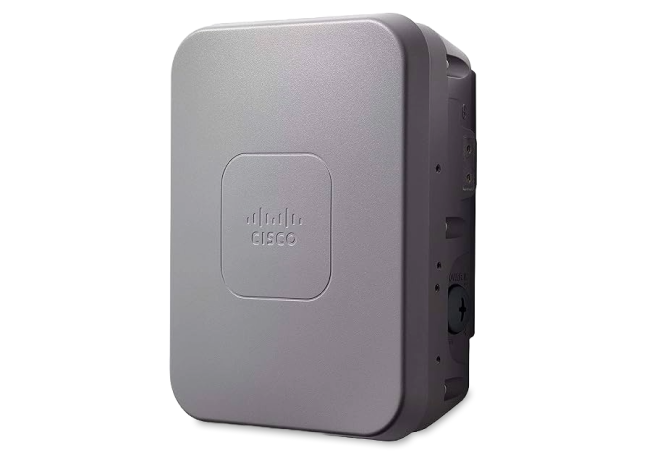
1540 Series Outdoor Access Points
(2)1540 Series outdoor access points suit warehouse-yard coverage with dual-band 802.11ac, integrated antennas, PoE input, and mesh-ready mounting
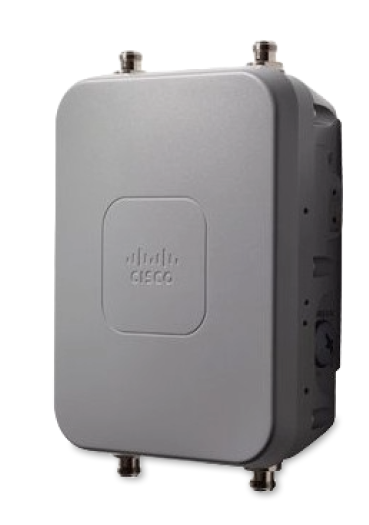
1560 Series Outdoor Access Points
(3)1560 Series outdoor access points serve transit-stop Wi-Fi zones with 802.11ac Wave 2 radios, rugged enclosures, and 1GbE uplinks
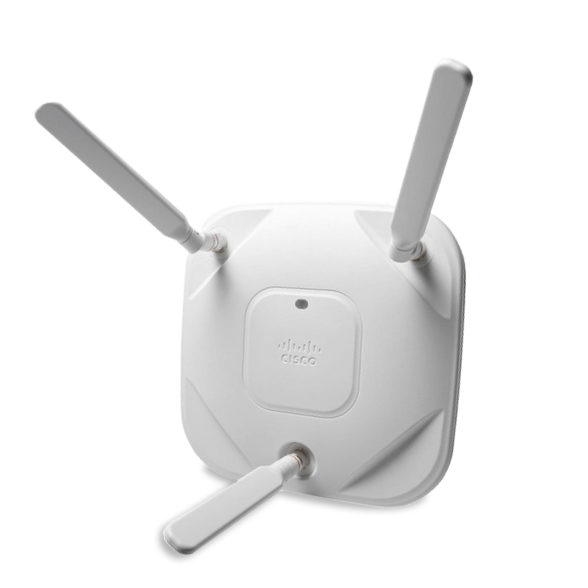
1600 Series Access Points
(85)1600 Series access points fit classroom wireless upgrades with 802.11n MIMO, Gigabit Ethernet, and controller-based RF policy support
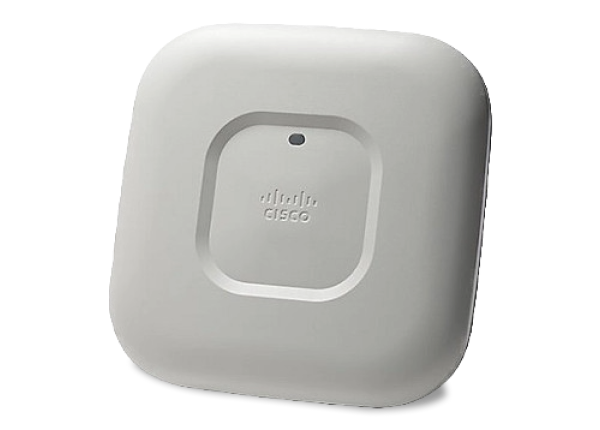
1700 Series Access Points
(4)1700 Series access points cover branch office floors with 802.11ac Wave 1, PoE, and dual-radio 2.4 GHz and 5 GHz service
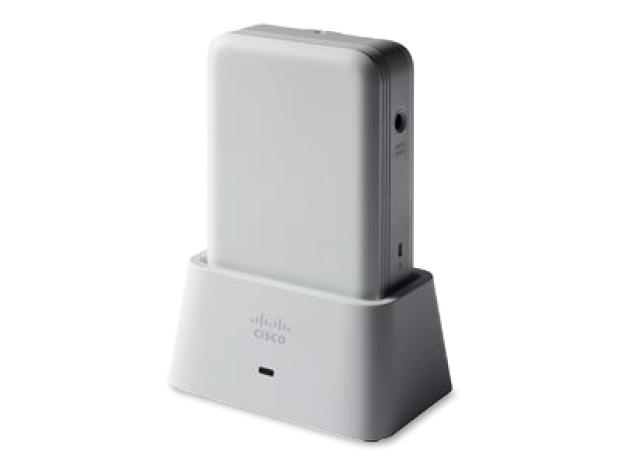
1810 Series Access Points
(2)1810 Series access points target in-room hospitality Wi-Fi with 802.11ac, wall-plate mounting, switched Ethernet ports, and PoE passthrough
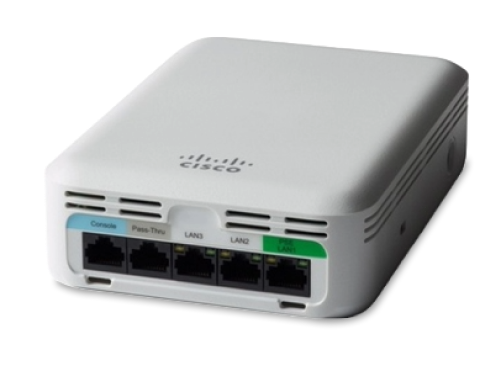
Cisco 1810W Access Point
(15)Cisco 1810W access points support hotel guest rooms with wall-jack Ethernet, 802.11ac radios, PoE-powered local switching, and guest VLANs
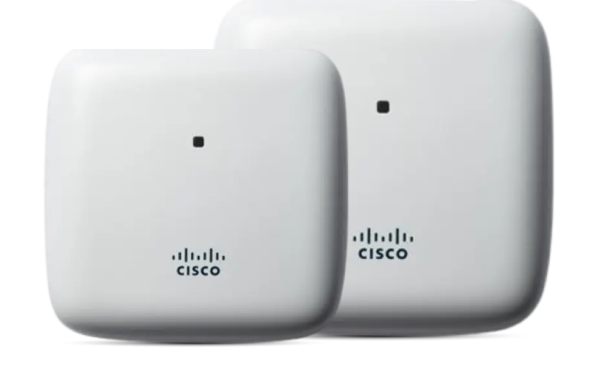
1815 Series Access Points
(6)1815 Series access points fit teleworker and microbranch spaces with 802.11ac Wave 2, MU-MIMO, and flexible desk mounting
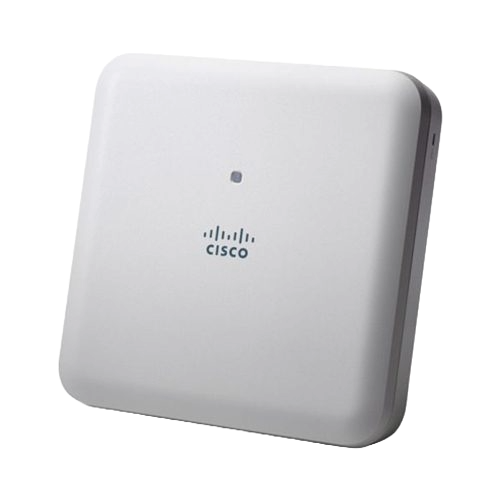
1830 Series Access Points
(3)1830 Series access points serve retail shop floors with 802.11ac Wave 2, 3x3 MIMO, controller-managed roaming, and secure guest access
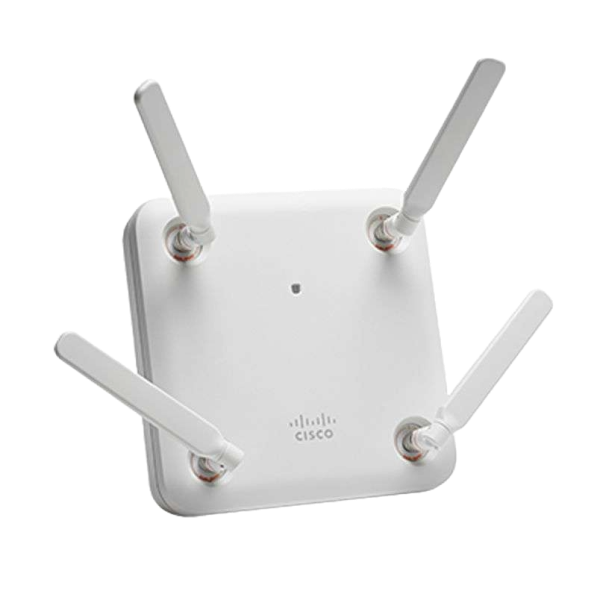
1850 Series Access Points
(7)1850 Series access points handle high-density meeting rooms with 802.11ac Wave 2, 4x4 MIMO, and 1GbE access switching
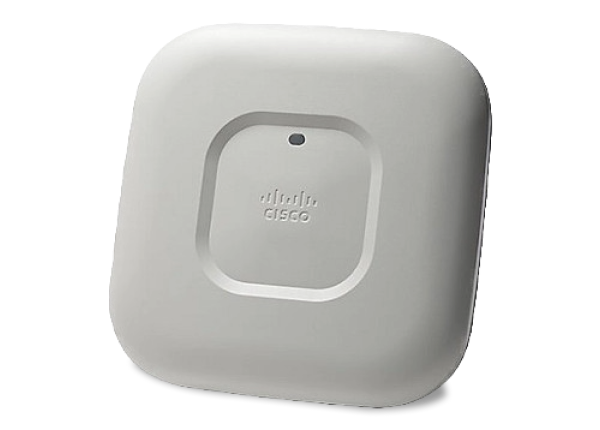
2600 Series Access Points
(85)2600 Series access points refresh office wireless LAN cells with 802.11n CleanAir, dual radios, and Gigabit Ethernet backhaul
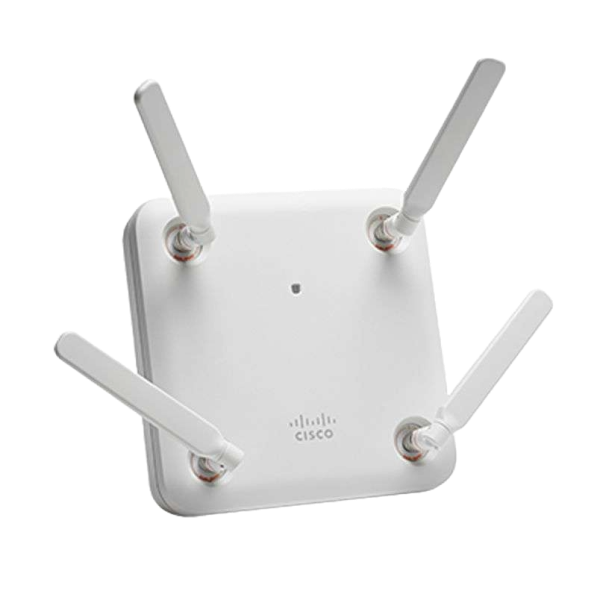
2700 Series Access Points
(8)2700 Series access points cover lecture halls with 802.11ac, ClientLink beamforming, and PoE from access-layer switches for student roaming
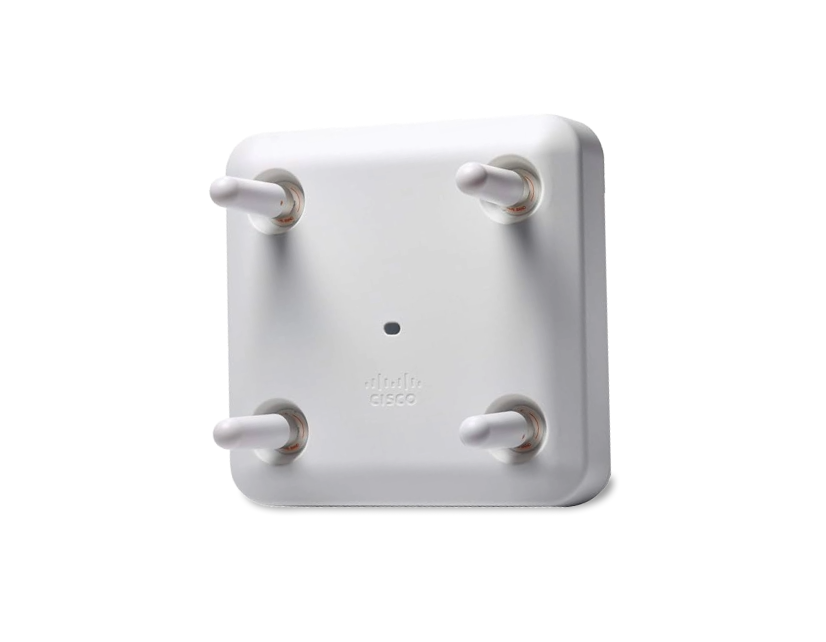
2800 Series Access Points
(8)2800 Series access points suit healthcare wards with 802.11ac Wave 2, flexible radio assignment, and 2.5GbE uplink options
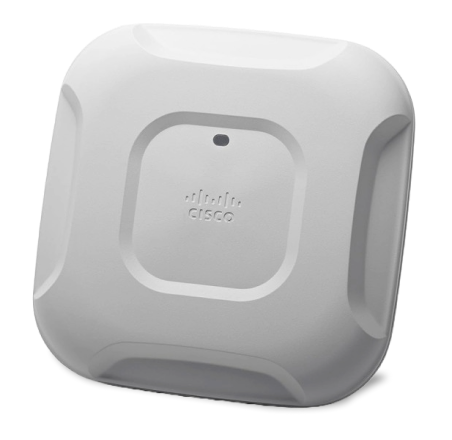
3700 Series Access Points
(15)3700 Series access points serve campus distribution areas with 802.11ac, modular expansion slots, dual-band radio coverage, and high-ceiling installs
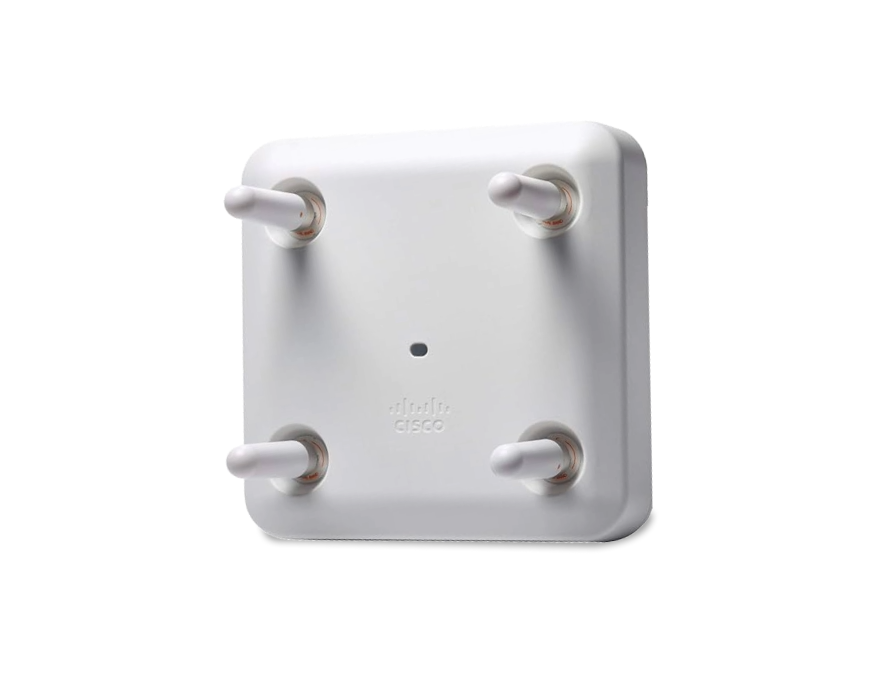
3800 Series Access Points
(11)3800 Series access points handle dense auditoriums with 802.11ac Wave 2, multigigabit Ethernet, and flexible radio assignment for conference roaming
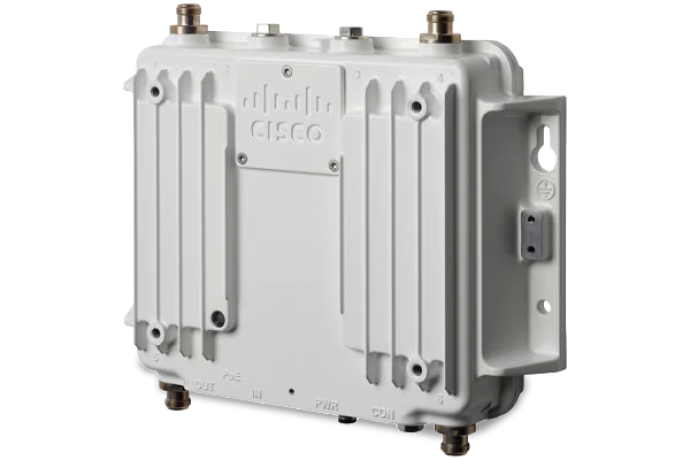
Industrial Access Points
(2)Industrial access points support manufacturing-floor wireless with IP-rated enclosures, 802.11ac radios, and vibration-tolerant mounting hardware for production lines
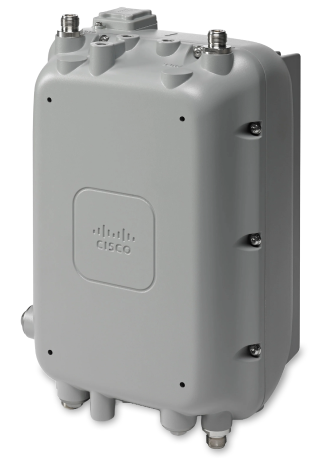
1570 Series Outdoor Access Points
(3)1570 Series outdoor access points suit municipal outdoor Wi-Fi with 802.11ac radios, fiber backhaul options, and weatherized housings
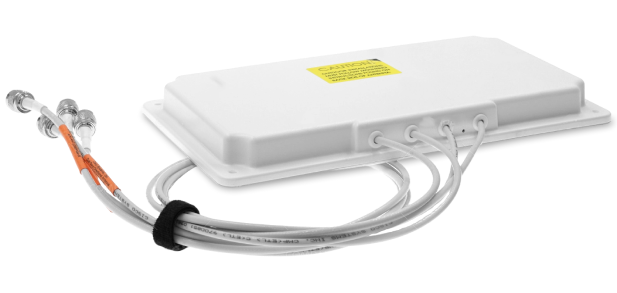
Cisco Antenna 2.4 Ghz & 5 Ghz
(49)Cisco 2.4 GHz and 5 GHz antennas shape warehouse aisle coverage with directional gain, N-type connectors, and dual-band compatibility
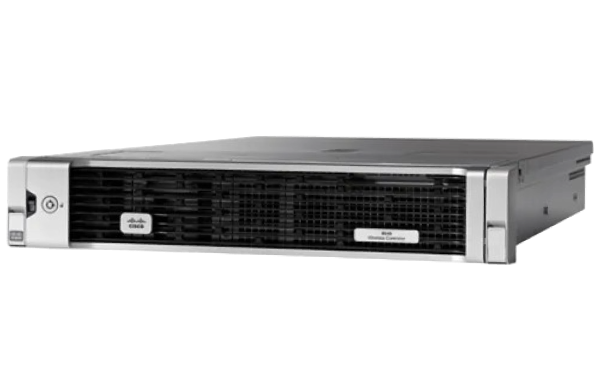
Cisco Wlan Controller
(54)Cisco wireless LAN controllers centralize campus access point control with CAPWAP tunneling, 802.1X policy, and redundant uplink options
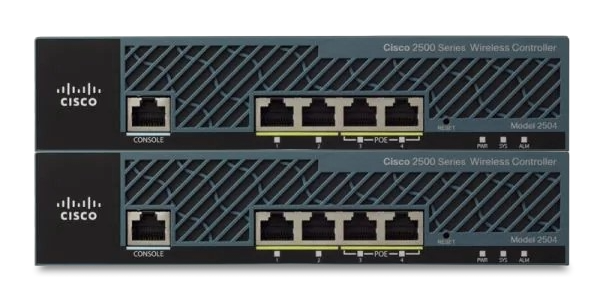
Wlan Controller: 2500 Series
(4)2500 Series wireless LAN controllers fit branch wireless aggregation with CAPWAP, up to 75 access points, and 1GbE interfaces
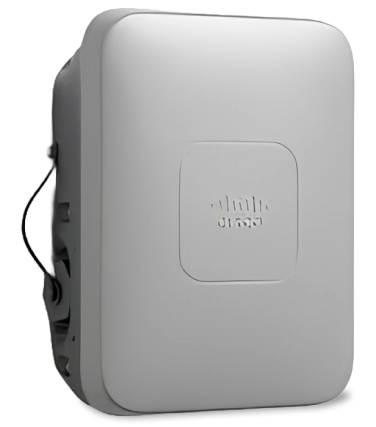
1530 Series Outdoor Access Points
(4)1530 Series outdoor access points cover pedestrian plazas with 802.11n mesh, dual-band radios, rugged pole-mount enclosures, and public access
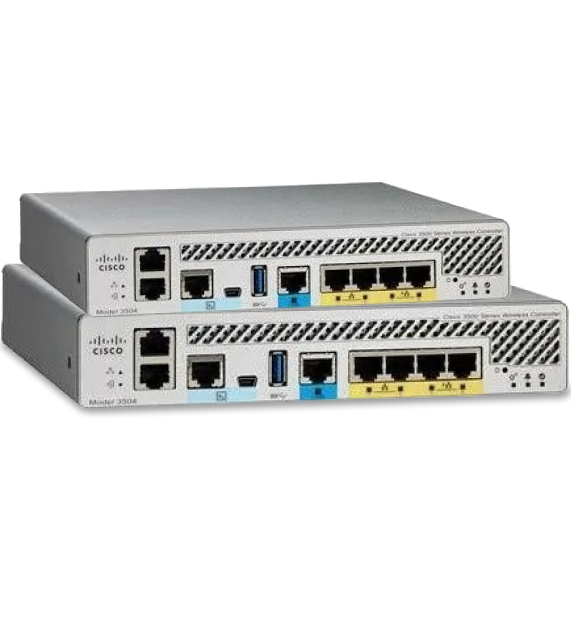
Wlan Controller: 3500 Series
(1)3500 Series wireless LAN controllers serve regional campus cores with CAPWAP control, 802.11n-era access points, and Gigabit Ethernet uplinks
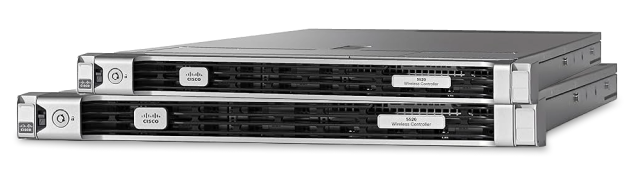
Wlan Controller: 5500 Series
(5)5500 Series wireless LAN controllers support large campus wireless domains with CAPWAP, thousands of clients, and 10GbE-ready aggregation
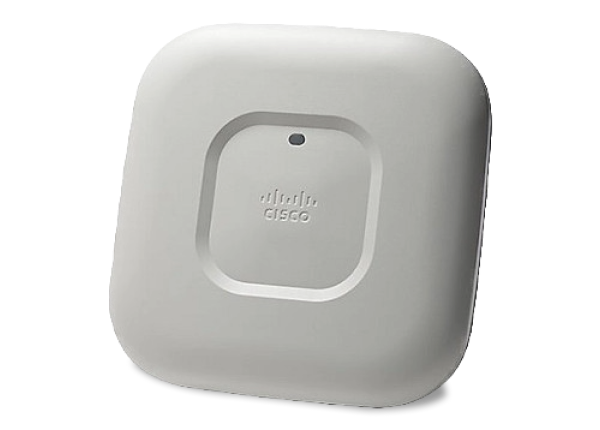
Cisco 1310 Access Point Bridge
(13)Cisco 1310 access point bridges link building-to-building wireless paths with 802.11g radios, directional antennas, outdoor mounting, and campus extensions
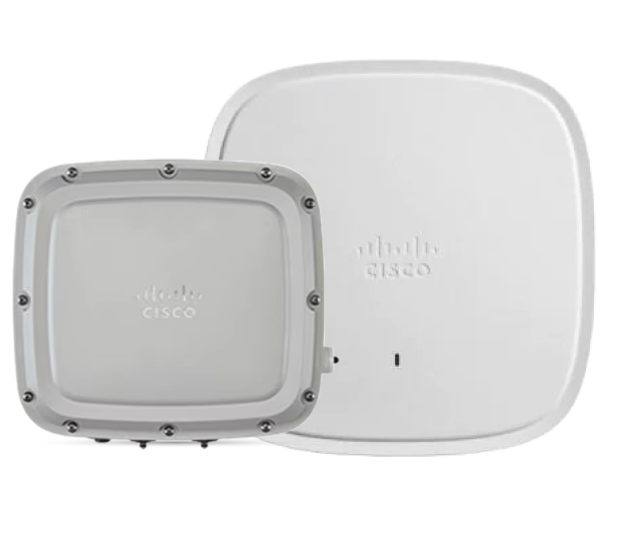
Cisco Catalyst 9100 Wifi 6 Access Point
(92)Cisco Catalyst 9100 Wi-Fi 6 access points modernize campus cells with 802.11ax, OFDMA, WPA3, and multigigabit Ethernet for offices
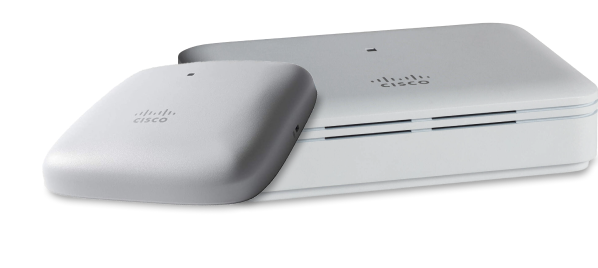
Cisco Smb Wireless
(10)Cisco small business wireless supports sub-100 user offices with cloud-managed access points, 802.11ac or Wi-Fi 6, and PoE switching
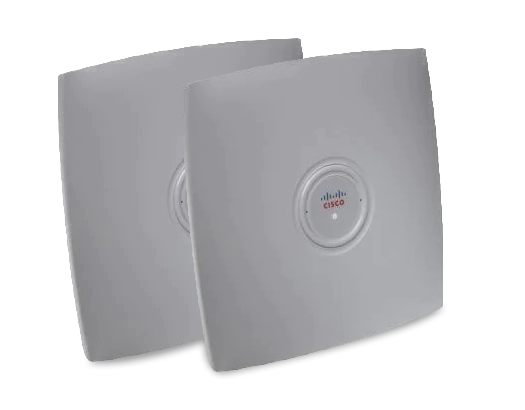
Cisco 521 Access Point
(6)Cisco 521 access points support legacy branch WLAN refreshes with 802.11g radios, controller pairing, and Fast Ethernet connectivity
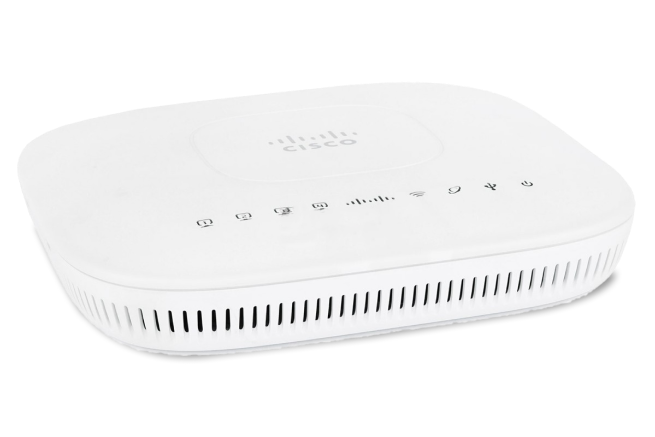
Cisco 600 Access Point
(17)Cisco 600 access points fit teleworker desk deployments with 802.11n, integrated Ethernet ports, secure controller tunneling, and home-office access
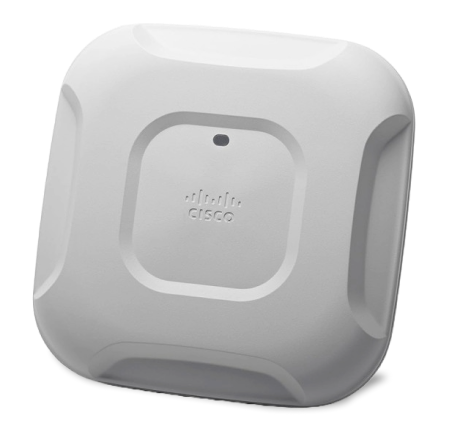
Cisco 1040 Access Point
(46)Cisco 1040 access points cover low-density office wings with 802.11n, 2x2 MIMO, Gigabit Ethernet backhaul, and controller roaming
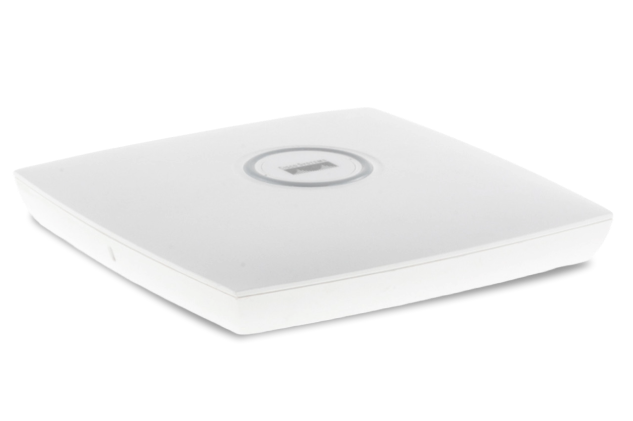
Cisco 1130 Access Point
(31)Cisco 1130 access points serve carpeted office areas with 802.11a/g radios, controller-based roaming, ceiling-mount hardware, and legacy clients
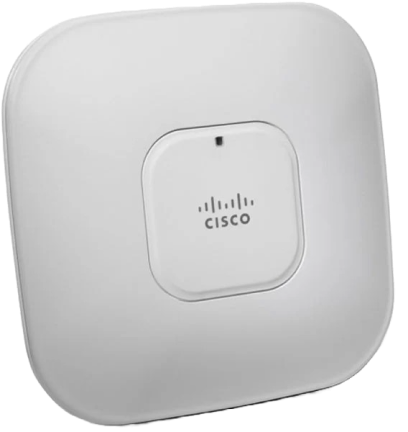
Cisco 1140 Access Point
(51)Cisco 1140 access points fit mixed-client branch floors with 802.11n, dual-band MIMO, Gigabit Ethernet uplinks, and corporate laptops
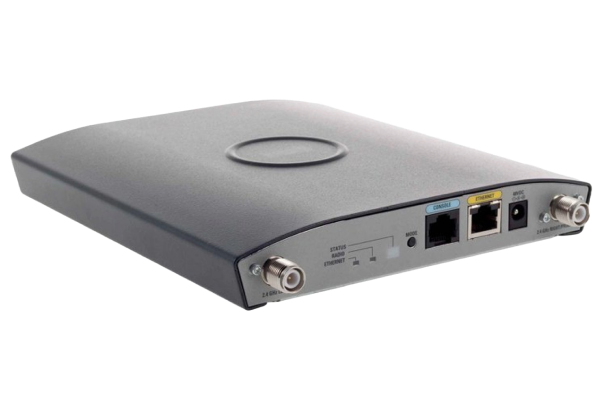
Cisco 1240 Access Point
(31)Cisco 1240 access points cover industrial indoor zones with modular antennas, 802.11g radios, rugged mounting options, and factory clients
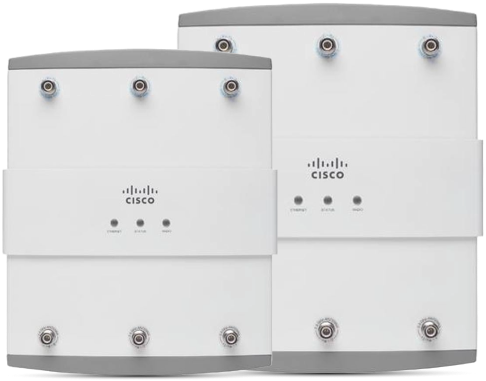
Cisco 1250 Access Point
(42)Cisco 1250 access points serve early 802.11n campus upgrades with modular radios, external antennas, and Gigabit Ethernet backhaul
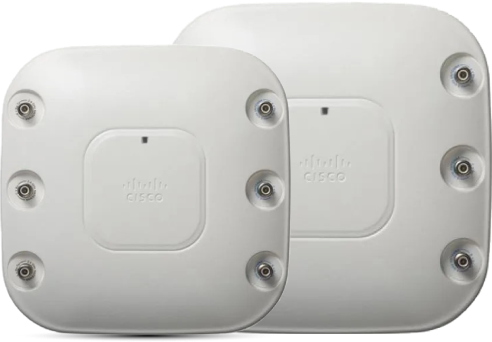
Cisco 1260 Access Point
(21)Cisco 1260 access points fit RF-challenging interiors with external antennas, 802.11n MIMO, PoE operation, and wide warehouse aisles
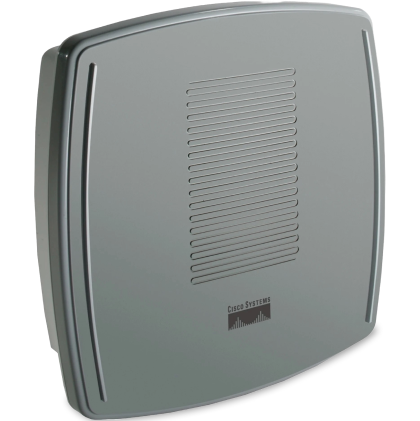
Cisco 1410 Series Bridge
(5)Cisco 1410 Series bridges connect campus outbuildings with 802.11a point-to-point links, directional antennas, outdoor housings, and facility extensions
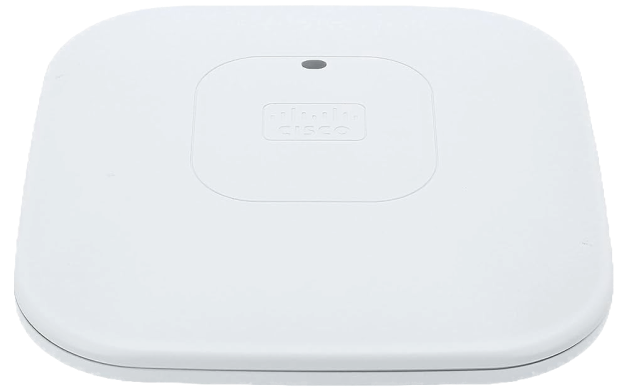
Cisco 1520 Mesh Access Point
(22)Cisco 1520 mesh access points support city-street Wi-Fi with 802.11n mesh backhaul, dual radios, pole mounting, and outdoor clients
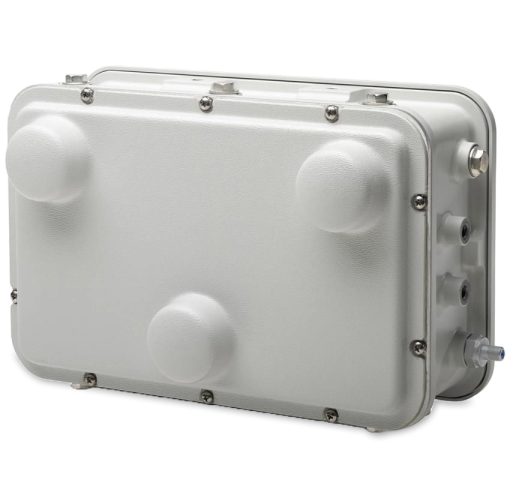
Cisco 1550 Access Point
(39)Cisco 1550 access points cover outdoor industrial yards with 802.11n, mesh backhaul, weather-resistant enclosure choices, and plant operations
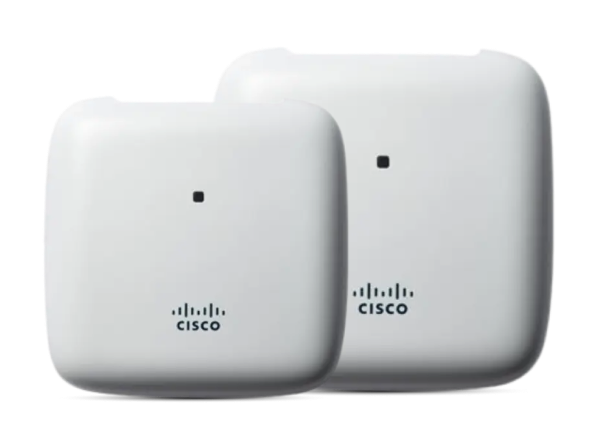
Cisco 1840 Access Points
(22)Cisco 1840 access points serve branch office wireless refreshes with 802.11ac Wave 2, MU-MIMO, 1GbE uplinks, and employee devices
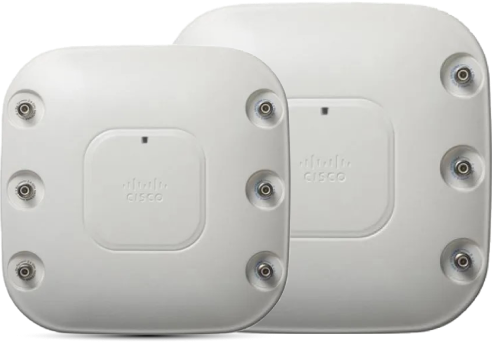
Cisco 3500 Access Point
(57)Cisco 3500 access points fit interference-sensitive classrooms with CleanAir spectrum analysis, 802.11n radios, Gigabit Ethernet, and controller roaming
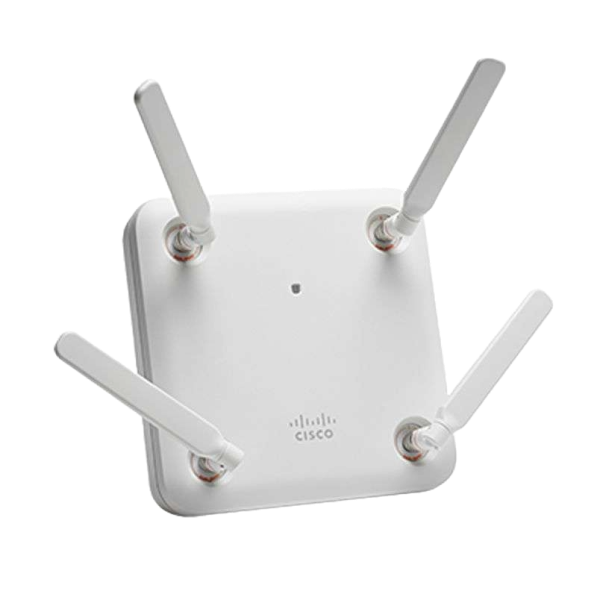
Cisco 3600 Access Point
(39)Cisco 3600 access points support modular campus cells with 802.11n, service-module expansion, dual-band MIMO coverage, and office wings
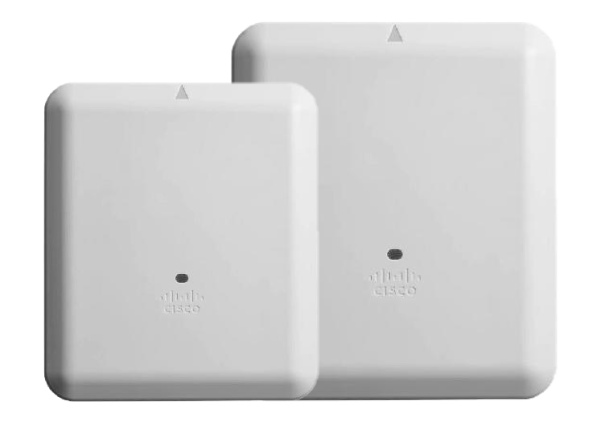
Cisco 4800 Access Point
(28)Cisco 4800 access points serve analytics-focused office zones with 802.11ac Wave 2, built-in sensors, multigigabit Ethernet, and location telemetry
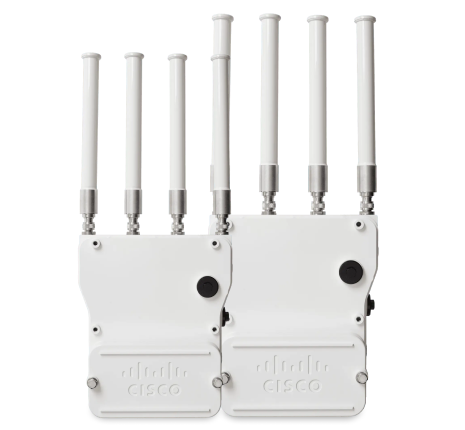
Cisco Catalyst Iw6300 Series Heavy Duty Access Points
(34)Cisco Catalyst IW6300 heavy-duty access points cover rail, mining, and utility sites with Wi-Fi 6 and IP67 outdoor protection
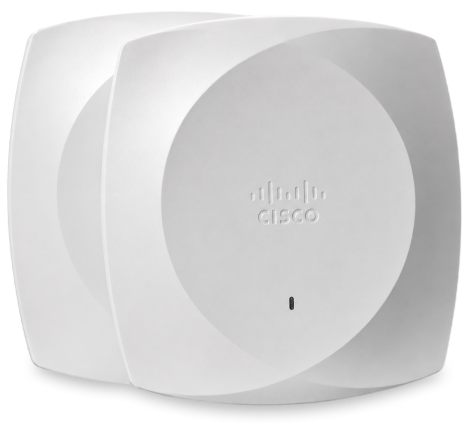
Cisco Meraki Access Points
(7)Meraki access points deliver cloud-managed enterprise Wi-Fi, with Wi-Fi 6 and 6E radios, zero-touch setup, and analytics
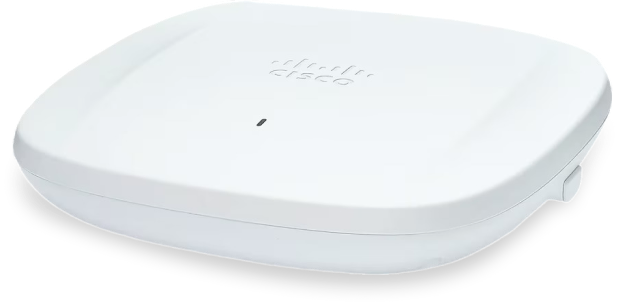
Cisco Catalyst Wifi 6E Access Points
(3)Catalyst Wi-Fi 6E access points unlock 6 GHz capacity, with tri-band radios, WPA3 security, mGig uplinks, and 9800 control
992 Matching results
- BEST SELLING
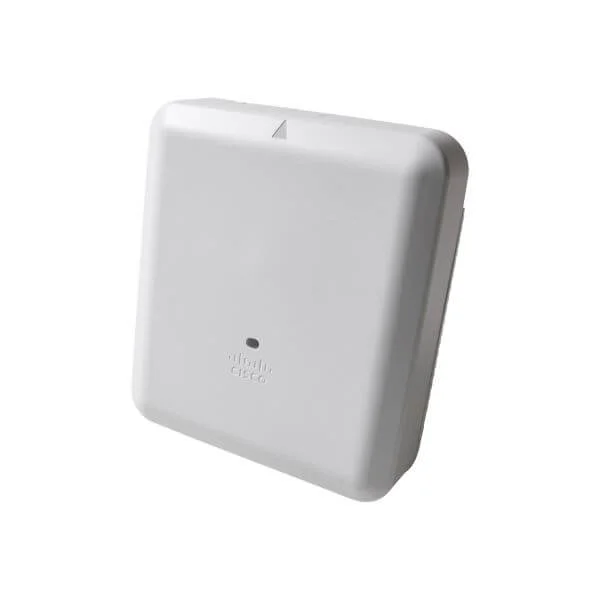
AIR-AP4800-B-K9 (0.11AC W2 ANALYTICS AP W/CA 4X4:3 LOCATION MGIG -B DOMAIN)
4.7 (7)- Wireless Product
- Cisco
- Access Point
- Wi-Fi 5 (802.11ac Wave 2)
- 2.4GHz / 5GHz
- Up to 2.5Gbps
Est Value $2,911.00
$85.68
97.1% offIn stockNewRefurbishedFirst-Time Buyer Discount – Get up to 2% additional off on your first order
ORM Rewards Earn $50 in Rewards + Free Expedited Delivery – Join Now!
Use eCoupon ORMSAVE10
eCoupon limited to 5 units
- BEST SELLING
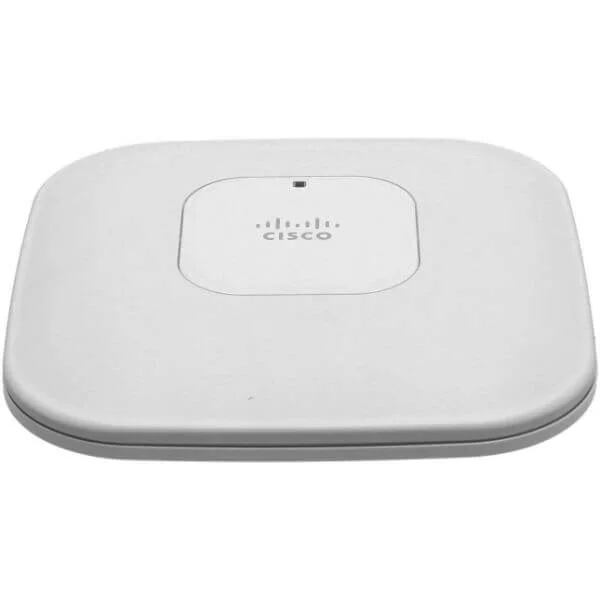
AIR-AP1141N-E-K9 (802.11g/n Fixed Auto AP; Int Ant; E Reg Domain 1140 Series Access Points: Single Band)
4.7 (7)- Wireless Product
- Cisco
- Access Point
- 802.11n
- 2.4GHz
- 300Mbps (per radio)
Est Value $795.00$115.75
85.4% offIn stockRefurbishedFirst-Time Buyer Discount – Get up to 2% additional off on your first order
ORM Rewards Earn $50 in Rewards + Free Expedited Delivery – Join Now!
Use eCoupon ORMSAVE10
eCoupon limited to 5 units
- BEST SELLING
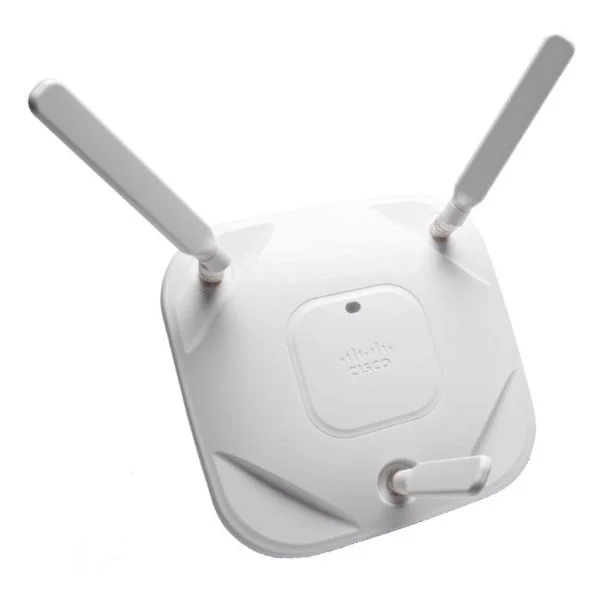
AIR-SAP1602E-A-K9 (802.11a/g/n Standalone AP, Ext Ant, A Reg Domain )
4.4 (5)- Wireless Access Point
- Cisco
- Access Point
- Wi-Fi 6
- 2.4GHz / 5GHz
- 2.5Gbps
- 200 feet
Est Value $795.00$122.85
84.5% offIn stockRefurbishedFirst-Time Buyer Discount – Get up to 2% additional off on your first order
ORM Rewards Earn $50 in Rewards + Free Expedited Delivery – Join Now!
Use eCoupon ORMSAVE10
eCoupon limited to 5 units
- BEST SELLING
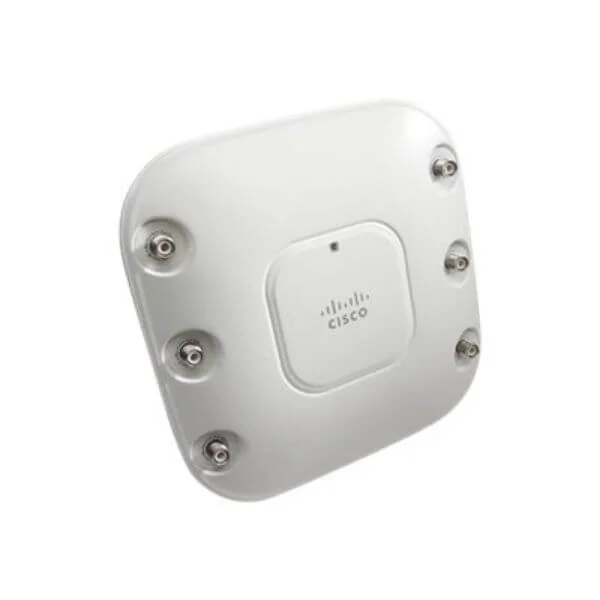
AIR-CAP3502E-A-K9 (TAA AIRONET 3502 11AGN CTLR-BASED AP W/CLEANAIR EXT ANT)
4.6 (7)- Access Point
- Cisco
- Access Point
- Wi-Fi 5 (802.11ac)
- 2.4GHz / 5GHz
- 1.3Gbps
Est Value $252.00$53.55
78.8% offIn stockNewRefurbishedFirst-Time Buyer Discount – Get up to 2% additional off on your first order
ORM Rewards Earn $50 in Rewards + Free Expedited Delivery – Join Now!
Use eCoupon ORMSAVE10
eCoupon limited to 5 units
- BEST SELLING
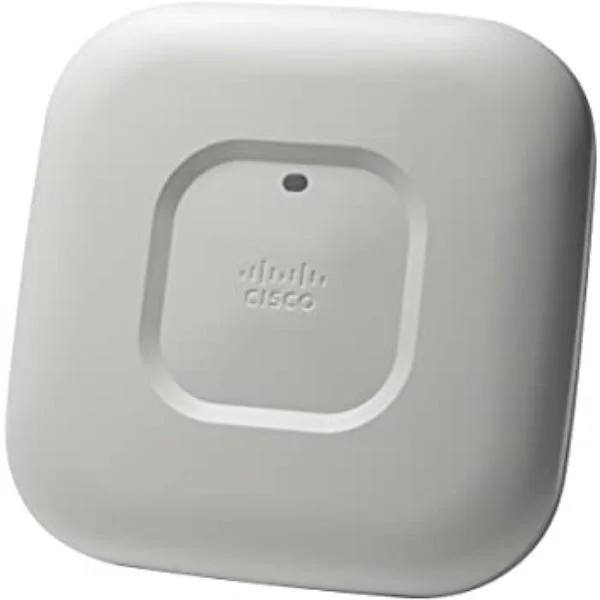
AIR-CAP1702I-E-K9 (802.11AC CAP 3X3:2SS INT ANT E REG DOMAIN)
4.8 (5)- Wireless Product
- Cisco
- Access Point
- 802.11a/b/g/n/ac
- 2.4GHz / 5GHz
- 1.7Gbps
Est Value $147.85$126.21
14.6% offIn stockRefurbishedFirst-Time Buyer Discount – Get up to 2% additional off on your first order
ORM Rewards Earn $50 in Rewards + Free Expedited Delivery – Join Now!
Use eCoupon ORMSAVE10
eCoupon limited to 5 units
- BEST SELLING
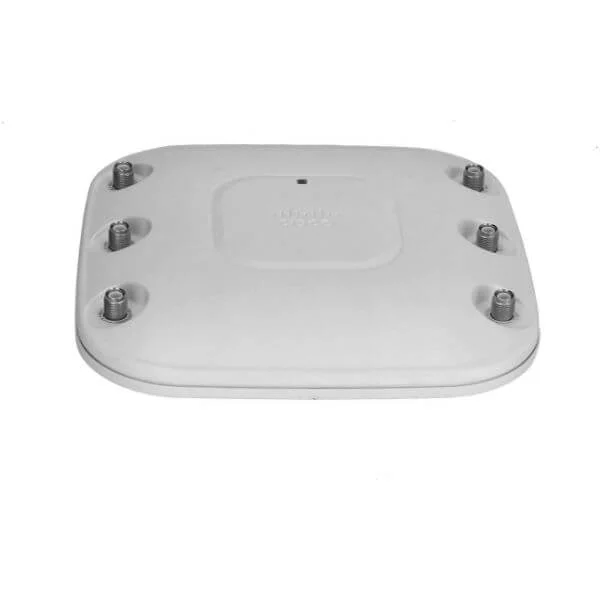
AIR-LAP1262N-N-K9 (1260 Series Access Points LAP1261 Dual Band 802.11a/g/n Ctrlr-based AP; Ext Ant; N Reg Domain)
4.7 (7)- Wireless Product
- Cisco
- Access Point
- 802.11n
- 2.4GHz / 5GHz
- 600Mbps Aggregate
Est Value $252.44$126.22
50% offIn stockRefurbishedFirst-Time Buyer Discount – Get up to 2% additional off on your first order
ORM Rewards Earn $50 in Rewards + Free Expedited Delivery – Join Now!
Use eCoupon ORMSAVE10
eCoupon limited to 5 units
- BEST SELLING
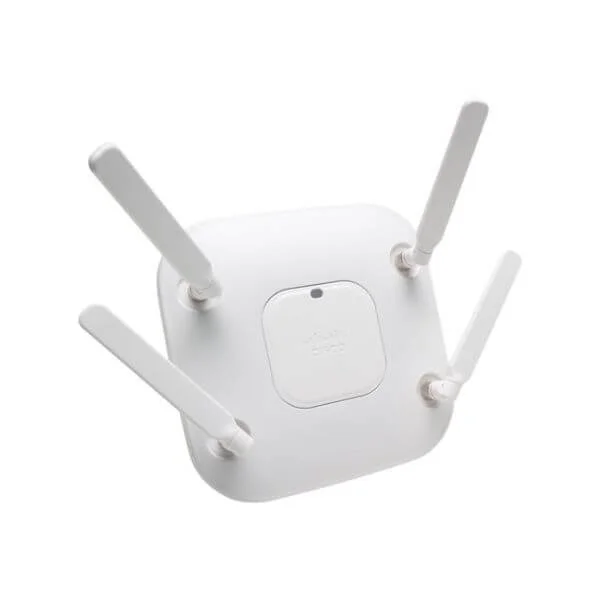
AIR-CAP3602E-A-K9 (802.11n CAP w/CleanAir; 4x4:3SS; Mod; Ext Ant; A Reg Domain)
4.6 (7)- Wireless Product
- Cisco
- Access Point
- 802.11ac
- 2.4GHz, 5GHz
- Up to 1.3Gbps
Est Value $1,745.00$63.00
96.4% offIn stockNewRefurbishedFirst-Time Buyer Discount – Get up to 2% additional off on your first order
ORM Rewards Earn $50 in Rewards + Free Expedited Delivery – Join Now!
Use eCoupon ORMSAVE10
eCoupon limited to 5 units
- BEST SELLING
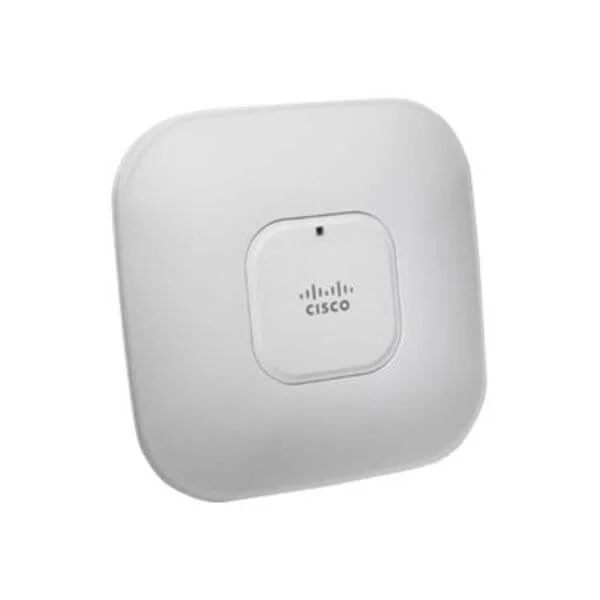
AIR-CAP3502I-A-K9 (TAA AIRONET 3502I 11AGN CTLR-BASED AP W/ CLEANAIR INT ANT A)
4.6 (7)- Wireless Product
- Cisco
- Access Point
- 802.11ac (Wi-Fi 5)
- Dual-Band (2.4GHz and 5GHz)
- Up to 1.3Gbps (5GHz) / 450Mbps (2.4GHz)
Est Value $1,295.00$50.40
96.1% offIn stockNewRefurbishedFirst-Time Buyer Discount – Get up to 2% additional off on your first order
ORM Rewards Earn $50 in Rewards + Free Expedited Delivery – Join Now!
Use eCoupon ORMSAVE10
eCoupon limited to 5 units
- BEST SELLING
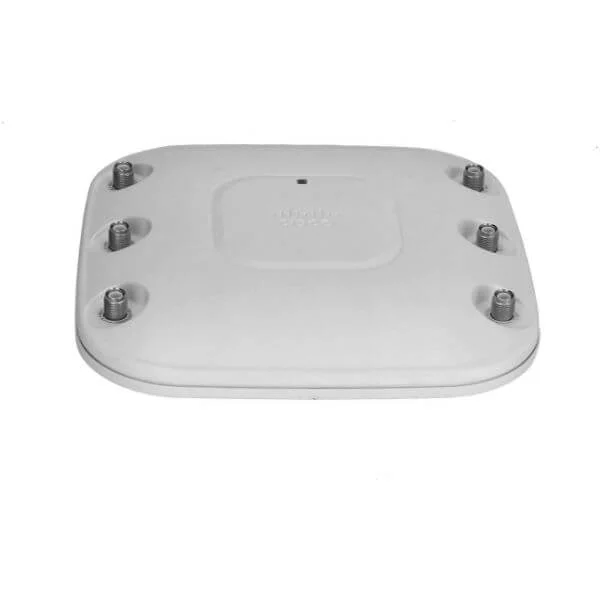
AIR-AP1261N-E-K9 (1260 Series Access Points AP1261: Single Band 802.11g/n Standalone AP; Ext Ant; E Reg Domain)
4.6 (7)- Wireless Product
- Cisco
- Access Point
- Wi-Fi 4 (802.11n)
- 2.4GHz
- 300Mbps
Est Value $995.00$142.64
85.7% offIn stockRefurbishedFirst-Time Buyer Discount – Get up to 2% additional off on your first order
ORM Rewards Earn $50 in Rewards + Free Expedited Delivery – Join Now!
Use eCoupon ORMSAVE10
eCoupon limited to 5 units
- BEST SELLING
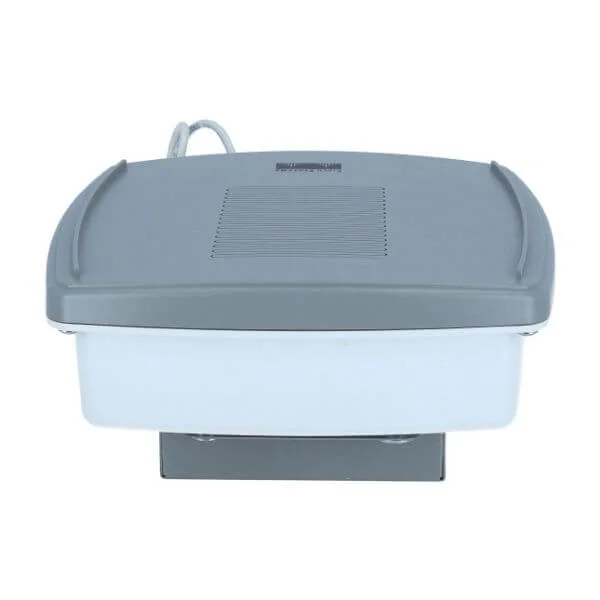
AIR-BR1310G-A-K9-R (Aironet 1310 Outdoor AP/BR w/RP-TNC Connectors, FCC Config 1310 Series Access Points and Bridges)
4.8 (6)- Wireless Bridge
- Cisco
- Bridge
- 802.11n
- 2.4GHz
- 300Mbps
Est Value $315.00$71.40
77.3% offIn stockNewRefurbishedFirst-Time Buyer Discount – Get up to 2% additional off on your first order
ORM Rewards Earn $50 in Rewards + Free Expedited Delivery – Join Now!
Use eCoupon ORMSAVE10
eCoupon limited to 5 units
- BEST SELLING
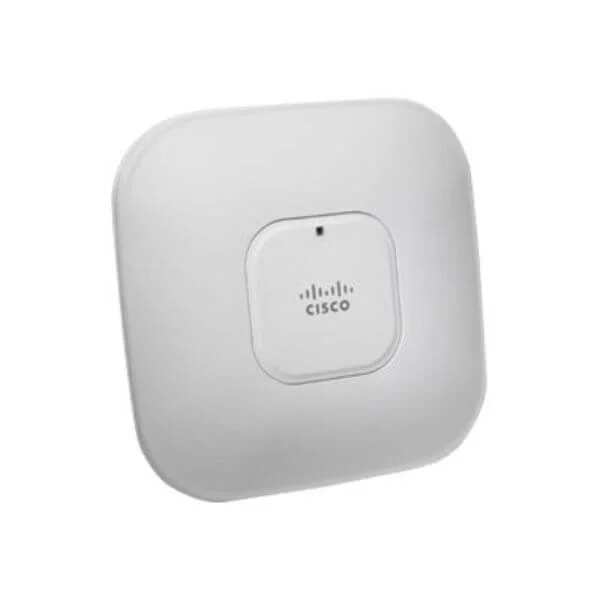
AIR-CAP3602I-A-K9 (802.11n CAP w/CleanAir; 4x4:3SS; Mod; Int Ant; A Reg Domain)
4.6 (7)- Wireless Access Point
- Cisco
- Access Point
- 802.11ac (Wi‑Fi 5)
- 2.4GHz / 5GHz
- 1.3Gbps
Est Value $1,645.00$50.40
96.9% offIn stockNewRefurbishedFirst-Time Buyer Discount – Get up to 2% additional off on your first order
ORM Rewards Earn $50 in Rewards + Free Expedited Delivery – Join Now!
Use eCoupon ORMSAVE10
eCoupon limited to 5 units
- BEST SELLING
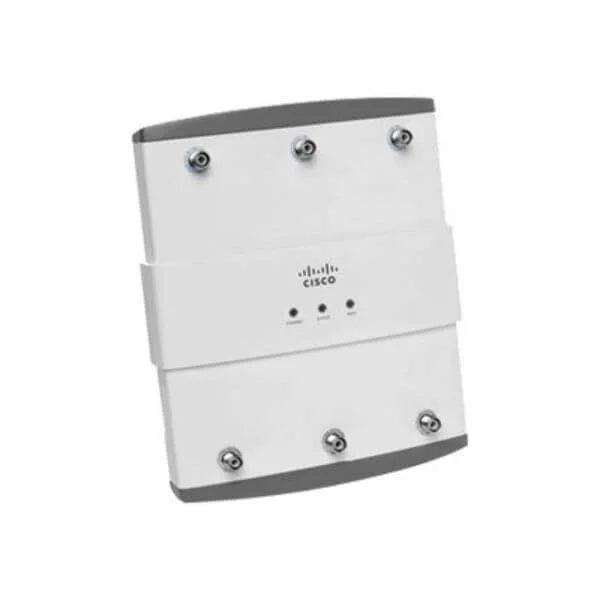
AIR-AP1252AG-A-K9 (802.11a/g/n-d2.0 2.4/5-GHz Mod Auto AP; 6 RP-TNC; FCC 1250 Series Access Points- 2.4 GHz/5 GHz)
4.7 (7)- Wireless Product
- Cisco
- Access Point
- Wi-Fi 5
- 2.4GHz, 5GHz
- 1.3Gbps
Est Value $1,299.00$158.34
87.8% offIn stockRefurbishedFirst-Time Buyer Discount – Get up to 2% additional off on your first order
ORM Rewards Earn $50 in Rewards + Free Expedited Delivery – Join Now!
Use eCoupon ORMSAVE10
eCoupon limited to 5 units
- BEST SELLING
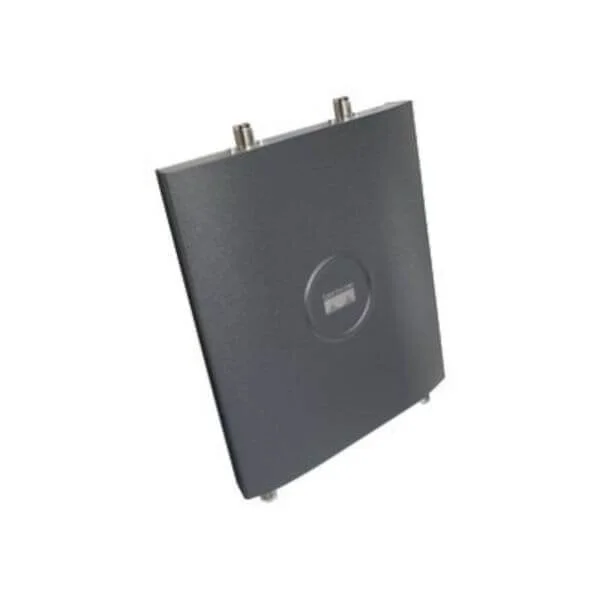
AIR-AP1242AG-N-K9 (802.11a/g Non-modular IOS AP; RP-TNC; Non-FCC Cnfg 1240AG Series Access Points)
4.7 (7)- Wireless Product
- Cisco
- Access Point
- 802.11a/b/g/n
- 2.4GHz / 5GHz
- Up to 300Mbps
Est Value $339.16$169.58
50% offIn stockRefurbishedFirst-Time Buyer Discount – Get up to 2% additional off on your first order
ORM Rewards Earn $50 in Rewards + Free Expedited Delivery – Join Now!
Use eCoupon ORMSAVE10
eCoupon limited to 5 units
- BEST SELLING
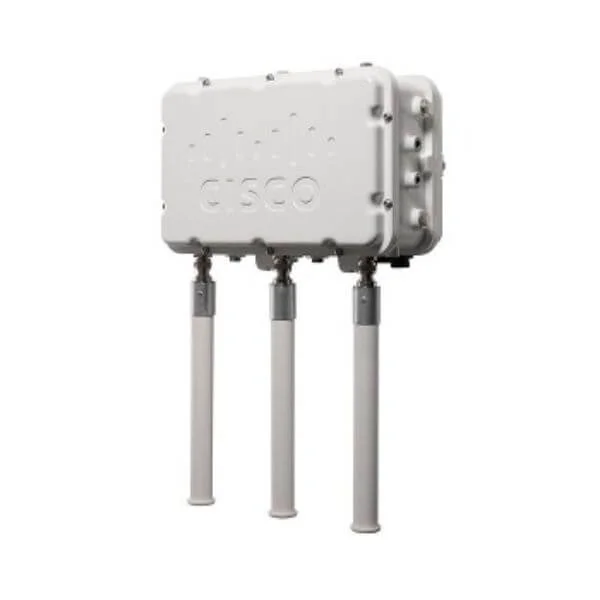
AIR-CAP1552EU-A-K9 (802.11N Outdoor Access Point, External Antenna, Uniband, A Regulatory Domain)
4.9 (7)- Wireless Access Point
- Cisco
- Access Point
- Wi-Fi 5
- 2.4GHz / 5GHz
- 1.3Gbps
Est Value $4,495.00$3,811.20
15.2% offIn stockNewRefurbishedFirst-Time Buyer Discount – Get up to 2% additional off on your first order
ORM Rewards Earn $50 in Rewards + Free Expedited Delivery – Join Now!
Use eCoupon ORMSAVE10
eCoupon limited to 5 units
- BEST SELLING
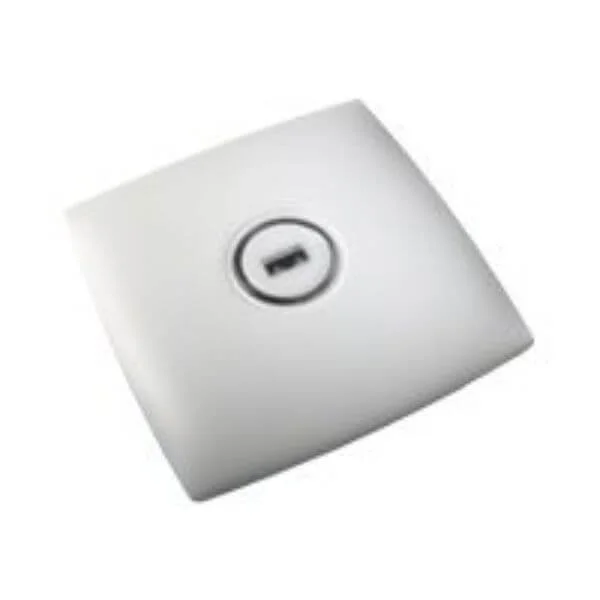
AIR-LAP1131AG-A-K9 (802.11ag LWAPP AP Integrated Antennas FCC Cnfg 1130AG Series Access Points)
4.6 (7)- Wireless Access Point
- Cisco
- Access Point
- Wi-Fi 6
- 2.4GHz / 5GHz
- 1Gbps
- 120 meters
Est Value $699.00$53.55
92.3% offIn stockNewRefurbishedFirst-Time Buyer Discount – Get up to 2% additional off on your first order
ORM Rewards Earn $50 in Rewards + Free Expedited Delivery – Join Now!
Use eCoupon ORMSAVE10
eCoupon limited to 5 units
- BEST SELLING
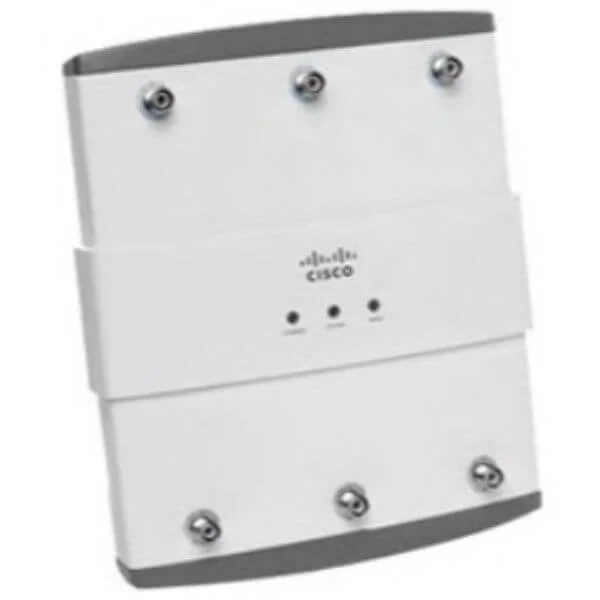
AIR-AP1252G-A-K9 (802.11g/n-d2.0 2.4-GHz Mod Auto AP; 3 RP-TNC; FCC 1250 Series Access Points- 2.4 GHz/5 GHz)
4.3 (7)- Wireless Product
- Cisco
- Access Point
- 802.11a/b/g/n/ac
- 2.4GHz, 5GHz
- Up to 1.3Gbps
Est Value $376.82$188.41
50% offIn stockRefurbishedFirst-Time Buyer Discount – Get up to 2% additional off on your first order
ORM Rewards Earn $50 in Rewards + Free Expedited Delivery – Join Now!
Use eCoupon ORMSAVE10
eCoupon limited to 5 units
- BEST SELLING
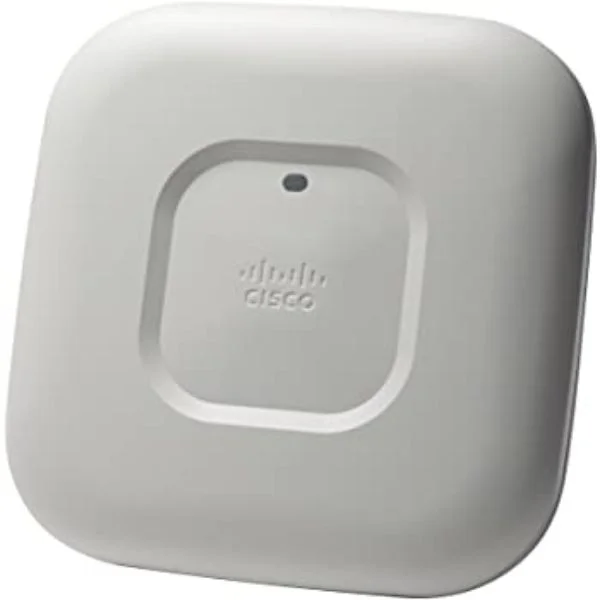
AIR-AP2702I-UXK9 (802.11ac AP w/CleanAir; 3x4:3SS; Mod; Int Ant; Universal)
4.8 (5)- Wireless Access Point
- Cisco
- Access Point
- Wi-Fi 6 (802.11ax)
- 2.4GHz / 5GHz
- Up to 2.4Gbps
- 200 feet
Est Value $1,245.00$74.53
94% offIn stockNewRefurbishedFirst-Time Buyer Discount – Get up to 2% additional off on your first order
ORM Rewards Earn $50 in Rewards + Free Expedited Delivery – Join Now!
Use eCoupon ORMSAVE10
eCoupon limited to 5 units
- BEST SELLING
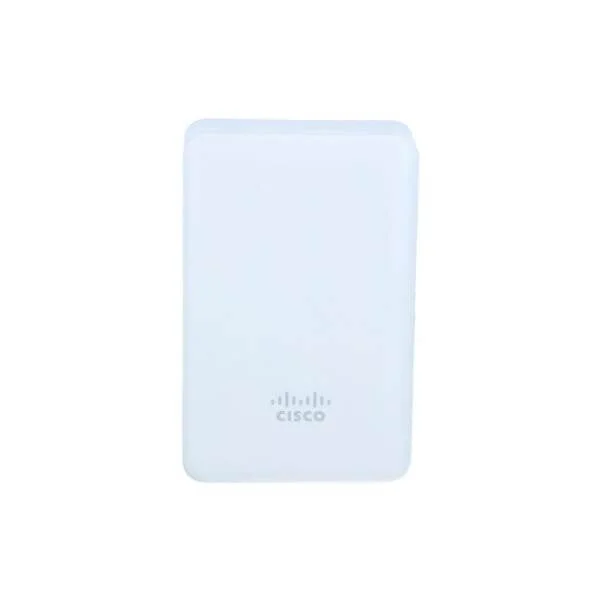
AIR-AP1810W-B-K9 (802.11AC WAVE 2 1810W 2X2:2 3 GBE B DOMAIN FOR US)
4.9 (7)- Wireless Access Point
- Cisco
- Access Point
- 802.11ac
- 2.4GHz / 5GHz
- 1.3Gbps
- 150 meters
Est Value $645.00$179.55
72.2% offIn stockNewRefurbishedFirst-Time Buyer Discount – Get up to 2% additional off on your first order
ORM Rewards Earn $50 in Rewards + Free Expedited Delivery – Join Now!
Use eCoupon ORMSAVE10
eCoupon limited to 5 units
- BEST SELLING
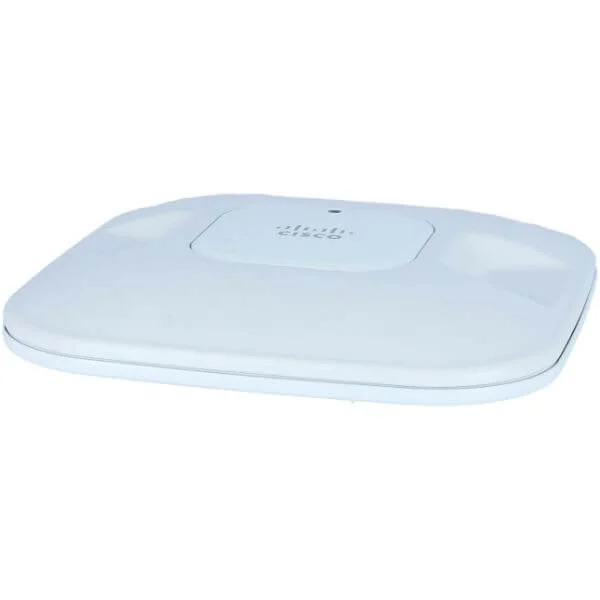
AIR-CAP3602I-E-K9 (AIRONET 3602I 11N 450MB 2.4GHZ AND 5GHZ AES INTEGRATED ANT E REG)
4.6 (7)- Wireless Product
- Cisco
- Access Point
- 802.11a/b/g/n/ac
- 2.4GHz / 5GHz
- Up to 1.3Gbps (5GHz) / Up to 300Mbps (2.4GHz)
Est Value $1,645.00$69.20
95.8% offIn stockNewRefurbishedFirst-Time Buyer Discount – Get up to 2% additional off on your first order
ORM Rewards Earn $50 in Rewards + Free Expedited Delivery – Join Now!
Use eCoupon ORMSAVE10
eCoupon limited to 5 units
- BEST SELLING
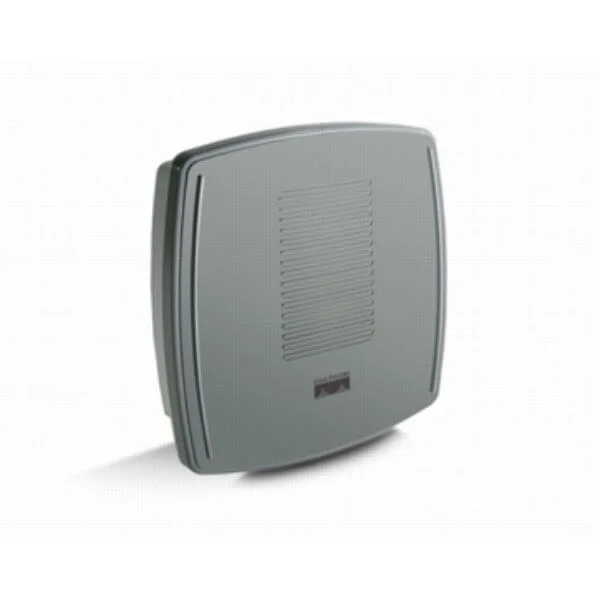
AIR-BR1310G-E-K9-R (Aironet 1310 Outdoor AP/BR w/RP-TNC Connectors, ETSI Config 1310 Series Access Points and Bridges)
4.7 (6)- Wireless Bridge
- Cisco
- Bridge
- 802.11g
- 2.4GHz
- 54Mbps
- 200 meters
Est Value $426.74$213.37
50% offIn stockRefurbishedFirst-Time Buyer Discount – Get up to 2% additional off on your first order
ORM Rewards Earn $50 in Rewards + Free Expedited Delivery – Join Now!
Use eCoupon ORMSAVE10
eCoupon limited to 5 units

ORM Sales Advisors
Buying for your business? Get a personalised quote in under 2 hours. Talk to an expert
LEARNFilters (992) 
Questions & Answers
What is Cisco Wireless and why choose it for enterprise networks?
Cisco Wireless delivers scalable, secure Wi-Fi solutions with unified management, advanced RF optimization and integrated security, ensuring reliable connectivity and simplified operations for enterprise environments.
What are the key differences between Cisco Catalyst and Cisco Meraki wireless access points?
Catalyst APs offer on-premises control with deep programmability via DNA Center, while Meraki APs provide cloud-native management with zero-touch provisioning and seamless over-the-air updates.
How does Cisco Wireless support Wi-Fi 6 and Wi-Fi 6E?
Cisco Wireless APs support 802.11ax (Wi-Fi 6/6E) features like OFDMA, MU-MIMO and WPA3 encryption, delivering higher throughput, capacity and security for dense client environments.
What security features are built into Cisco Wireless solutions?
Cisco Wireless integrates Threat Defense, Encrypted Traffic Analytics, Trustworthy Solutions and policy enforcement via Identity Services Engine (ISE) to protect users and applications in real time.
How can I manage and monitor Cisco Wireless networks centrally?
Use Cisco DNA Center for on-premises orchestration or Cisco Meraki Dashboard for cloud-managed visibility, analytics and proactive assurance across all access points.
What is Cisco DNA Assurance for wireless, and how does it work?
Cisco DNA Assurance uses AI/ML analytics to detect anomalies, predict performance issues and automate troubleshooting, delivering proactive insights into wireless health and user experience.
How do I plan and size a Cisco Wireless deployment?
Perform a site survey using Cisco DNA Spaces or third-party tools, model RF coverage, estimate client density and select AP models to meet capacity, coverage and application requirements.
What licensing options are available for Cisco Wireless access points?
Catalyst APs use DNA Essentials, Advantage or Premier subscriptions; Meraki APs include Enterprise or Advanced licenses—all providing feature tiers for security, analytics and automation.
Can Cisco Wireless integrate with existing network infrastructure?
Yes. Cisco Wireless seamlessly integrates with Catalyst switches, routers and Cisco SD-Access fabric, enabling unified policy, segmentation and end-to-end visibility.
How does Cisco Wireless support location-based services?
Cisco DNA Spaces leverages AP-embedded BLE radios and Hyperlocation accuracy to deliver real-time asset tracking, proximity marketing and space utilization insights.
What are the best practices for securing a Cisco Wireless network?
Implement WPA3 encryption, enable 802.1X with ISE, segment SSIDs, apply dynamic access policies, deploy rogue AP detection and regularly update firmware.
How do I troubleshoot performance issues on Cisco Wireless access points?
Use real-time dashboards in DNA Center or Meraki Dashboard, analyze RF heatmaps, check channel utilization, inspect client logs and run automated health checks.
What is the difference between autonomous and controller-based Cisco Wireless?
Autonomous APs operate independently; controller-based solutions centralize policy, RF management and security on a Cisco Wireless LAN Controller or cloud controller.
Can I upgrade legacy Cisco Wireless APs to the latest software?
Yes. Supported APs can run Cisco IOS XE or Meraki firmware upgrades via DNA Center, WLC or Meraki Dashboard with minimal downtime and zero-touch provisioning.
How does Cisco Wireless enable secure IoT deployments?
Cisco Wireless segments IoT devices on dedicated SSIDs, enforces micro-segmentation via ISE, and uses TrustSec to ensure device compliance and data confidentiality.
What support options are available for Cisco Wireless customers?
Cisco offers SMART Net, Cisco TAC, software updates and technical advisory services, ensuring rapid issue resolution and access to the latest features and security patches.
About Cisco Wireless
Cisco Wireless solutions provide enterprise-grade networking that ensures seamless connectivity, robust security, and advanced performance for businesses of all sizes. With Cisco wireless access points, controllers, and networking solutions, organizations can create scalable, high-speed networks that support modern applications and high-density environments.
Cisco’s innovative wireless technologies integrate Wi-Fi 6, Wi-Fi 6E, and AI-driven network optimizations, ensuring faster speeds, reduced latency, and enhanced security. These advancements allow businesses to handle increased network traffic, support IoT devices, and provide a seamless user experience. Whether deploying Cisco wireless LAN controllers or leveraging a Cisco virtual wireless controller, businesses can optimize their network infrastructure for efficiency, security, and long-term scalability.
Cisco’s wireless networking solutions also provide cloud-managed options through Cisco Meraki, allowing businesses to remotely monitor, troubleshoot, and enhance network performance from anywhere. With AI-powered security and automated traffic management, Cisco Wireless ensures consistent performance even in the most demanding environments.
Buy Cisco Wireless from ORM Systems
At ORM Systems, we provide a comprehensive selection of Cisco Wireless solutions, ensuring businesses, IT professionals, and enterprises can access high-performance wireless networking technology tailored to their unique needs. We offer the best Cisco wireless solutions with scalability and cutting-edge technology; whether Cisco wireless LAN controller you need a Cisco Meraki wireless access point, a Cisco virtual wireless controller, or a Cisco wireless LAN controller, we offer the best Cisco wireless solutions with scalability and cutting-edge technology.
Our Cisco wireless solutions serve various industries, including corporate enterprises, healthcare, education, and government sectors. They provide secure, high-speed connectivity with seamless roaming capabilities. With advanced traffic management, load balancing, and adaptive security, Cisco Wireless ensures optimal network performance for mission-critical applications.
With cost-effective Cisco Wireless price options, businesses can deploy scalable, secure, high-speed Wi-Fi networks supportingenterprise applications, remote work, and smart business operations. Browse our selection today for the best Cisco Wireless solutions to meet your networking needs and business objectives.
Best Cisco Wireless Solutions for Businesses and Enterprises
Cisco offers a wide range of wireless solutions designed to meet the needs of different business environments. Here are some of the best Cisco wireless solutions available today:
- Cisco Wireless Access Points (APs) – High-speed, Wi-Fi 6-enabled access points for seamless connectivity.
- Cisco Meraki Wireless Access Points – Cloud-managed solutions designed for secure, scalable, high-performance networks.
- Cisco Wireless LAN Controllers – Centralized management of multiple APs to ensure seamless roaming and network security.
- Cisco Virtual Wireless Controller – A cloud-based, software-driven solution for managing wireless networks remotely.
- Cisco Wireless Networking – Designed for enterprise, SMB, and industrial deployments with AI-driven optimizations.
Cisco’s wireless solutions provide intelligent traffic management, seamless device onboarding, and high-capacity performance, making them ideal for offices, schools, hospitals, and large enterprise environments.
Key Features of Cisco Wireless
Cisco Wireless solutions are known for their cutting-edge features that enhance network performance, security, and scalability:
- Wi-Fi 6 & Wi-Fi 6E Support – Faster speeds, higher efficiency, and low-latency networking.
- Cisco Wireless Controller Integration – Enables centralized network control for large-scale deployments.
- Advanced Security & Threat Protection – Includes AI-driven threat detection, WPA3 encryption, and zero-trust security.
- Cloud-Based Management – Cisco Meraki wireless access points provide remote monitoring and AI-powered optimizations.
- High-Density Performance – Ideal for environments with multiple devices and heavy bandwidth usage.
- Scalable and Flexible Deployments – Supports hybrid, cloud-managed, and virtual network configurations.
Cisco Wireless Price Trends: What to Expect in 2025
As demand for high-speed and secure wireless networking increases, Cisco Wireless is expected to introduce next-generation networking solutions while keeping pricing competitive and accessible.
The Cisco Wireless price remains cost-effective, ensuring businesses, enterprises, and IT professionals can invest in top-tier wireless solutions without exceeding their budgets. With a strong focus on scalability, security, and efficiency, Cisco continues to refine its pricing strategies to accommodate businesses of all sizes, from startups to multinational corporations.
By 2025, Cisco will push the boundaries of wireless networking by integrating Wi-Fi 6E, Wi-Fi 7, AI-powered analytics, and cloud-based optimizations into its product lineup. These advancements will enhance network efficiency, connectivity speeds, and device capacity, making Cisco’s wireless solutions an essential investment for businesses looking to future-proof their network infrastructure.
With Wi-Fi 7 on the horizon, Cisco is expected to introduce higher throughput, reduced latency, and greater bandwidth capabilities. These features will make its wireless solutions ideal for high-density environments such as corporate offices, educational institutions, healthcare facilities, and smart cities.
How Cisco Wireless Networking Improves Business Connectivity
Cisco Wireless Networking is designed to provide reliable, high-performance connectivity, enabling businesses to support multiple devices and applications while optimizing bandwidth allocation and ensuring network security. As businesses increasingly rely on digital solutions and cloud-based services, the demand for robust and scalable wireless solutions has never been higher. Cisco addresses these needs with a range of advanced wireless solutions, including wireless LAN controllers and cloud-based management platforms, designed to deliver seamless performance for modern IT infrastructures.
One of the primary benefits of Cisco Wireless Networking is its ability to optimize wireless traffic for real-time applications such as video conferencing, cloud computing, and VoIP. These applications require consistent, high-speed connectivity to function properly, and Cisco’s solutions ensure that bandwidth is allocated efficiently to maintain optimal performance.
Additionally, Cisco Wireless solutions enhance network security with advanced encryption techniques, intrusion prevention systems, and AI-powered security tools that detect and mitigate threats in real-time. With these robust security measures in place, businesses can safeguard sensitive data and protect their networks from cyber threats.
By choosing Cisco Wireless Networking solutions, businesses can achieve faster speeds, enhanced security, and seamless network performance, empowering them to meet the demands of today’s fast-paced, connected world.
Cisco Wireless Technologies: Advancements in Wi-Fi 6 and Beyond
As technology continues to evolve, Cisco Wireless technologies remain at the forefront of innovation. Wi-Fi 6 and Wi-Fi 6E advancements have transformed networking by enabling higher speeds, reduced congestion, and improved security for businesses and enterprises.
Looking beyond Wi-Fi 6, Cisco is preparing for Wi-Fi 7, which will introduce greater bandwidth, lower latency, and enhanced multi-device handling. Additionally, Cisco AI-driven wireless networking ensures real-time network optimization, providing a seamless and adaptive user experience in high-density environments.
With Cisco wireless access points and controllers, businesses can future-proof their networks, enabling faster, smarter, and more secure wireless communication for years.
Cisco Virtual Wireless Controller: Simplifying Cloud-Based Network Management
The Cisco Virtual Wireless Controller is a game-changer in cloud-based network management. Unlike traditional hardware controllers, this software-based solution allows businesses to deploy and manage wireless networks remotely with enhanced flexibility and scalability.
Key advantages of the Cisco Virtual Wireless Controller include:
- Centralized Cloud Management – Enables remote monitoring and troubleshooting of all Cisco wireless devices.
- Seamless Network Expansion – Businesses can scale their networks without additional hardware.
- AI-Powered Network Optimizations – Real-time traffic management ensures optimal bandwidth allocation.
- Improved Security & Compliance – Integrated zero-trust security and automated threat detection.
For enterprises looking to transition to cloud-based wireless solutions, the Cisco Virtual Wireless Controller provides greater agility, cost savings, and performance improvements over traditional controllers.
The Future of Cisco Wireless: What’s Next in Networking Innovation?
Cisco Wireless continues to innovate and evolve to meet the growing demands of businesses, enterprises, and the ever-expanding need for next-generation connectivity. As businesses strive to stay competitive in an increasingly digital world, Cisco is committed to delivering cutting-edge wireless solutions that not only meet today’s needs but also anticipate future demands. Looking ahead, Cisco is expected to introduce several groundbreaking advancements in wireless technology that will redefine how businesses connect, communicate, and operate.
One of the key innovations is Wi-Fi 7 & Beyond, which promises to offer higher data rates, reduced interference, and multi-device connectivity enhancements, allowing businesses to handle even more data-intensive applications. Additionally, AI-powered wireless optimization will enable real-time network adjustments and predictive analytics, ensuring that networks are constantly optimized for maximum efficiency and minimal downtime.
Edge computing and IoT integrations are also on the horizon, allowing Cisco to enhance smart city deployments, industrial automation, and remote work solutions. This integration will open the door for businesses to streamline operations, improve productivity, and increase operational flexibility. Furthermore, Cisco’s increased focus on cloud-native solutions will drive more businesses toward adopting the Cisco Virtual Wireless Controller and cloud-based network management, enabling centralized control and management of wireless networks from anywhere.
Why You Must Get Your Hands on Cisco Wireless
Cisco Wireless solutions are among today's most advanced and reliable networking options. Whether for small businesses, enterprises, or industrial applications, Cisco’s wireless technologies provide high-speed connectivity, seamless integration, and top-tier security. With innovations in Wi-Fi 6, cloud-based networking, and AI-powered optimizations, Cisco continues to redefine wireless communication.
Investing in Cisco Wireless means benefiting from enterprise-grade performance, scalable solutions, and secure wireless networking. Businesses can deploy Cisco wireless access points, controllers, and Meraki cloud solutions to ensure optimal network efficiency and future-proof connectivity.
The price of Cisco Wireless remains competitive, making it an affordable yet powerful investment for those looking to enhance their IT infrastructure. With the rapid advancements in wireless technologies, there has never been a better time to get your hands on Cisco Wireless solutions to drive business efficiency, productivity, and innovation.