 United States
Hpe Cables & Adapters Solutions
Explore premium Hpe cables and adapters engineered for outstanding performance and durability. Optimize connectivity solutions with our industry-leading products designed to meet diverse and demanding specifications.
Talk to an expert
185 Matching results
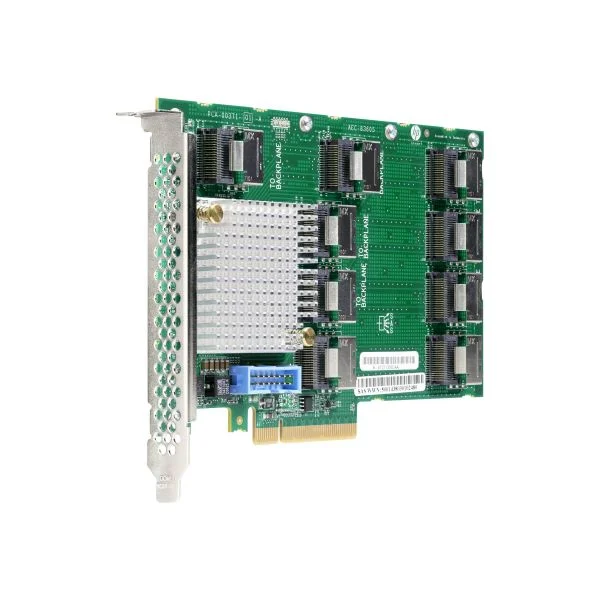
804228-B21 (HPE ProLiant DL560 Gen9 SAS Expander Card)
4.4 (5)- Expansion Card
- Hpe
- Storage Controller
- PCIe x8
- PCIe 3.0
Est Value $467.20
$120.96
74.1% offIn stockRefurbishedFirst-Time Buyer Discount – Get up to 2% additional off on your first order
ORM Rewards Earn $50 in Rewards + Free Expedited Delivery – Join Now!
Use eCoupon ORMSAVE10
eCoupon limited to 5 units

874576-B21 (HPE ML350 Gen10 12Gb SAS Expander Kit)
4.6 (5)- Expansion Card
- Hpe
- Storage Controller
Est Value $855.34$571.73
33.2% offIn stockRefurbishedFirst-Time Buyer Discount – Get up to 2% additional off on your first order
ORM Rewards Earn $50 in Rewards + Free Expedited Delivery – Join Now!
Use eCoupon ORMSAVE10
eCoupon limited to 5 units
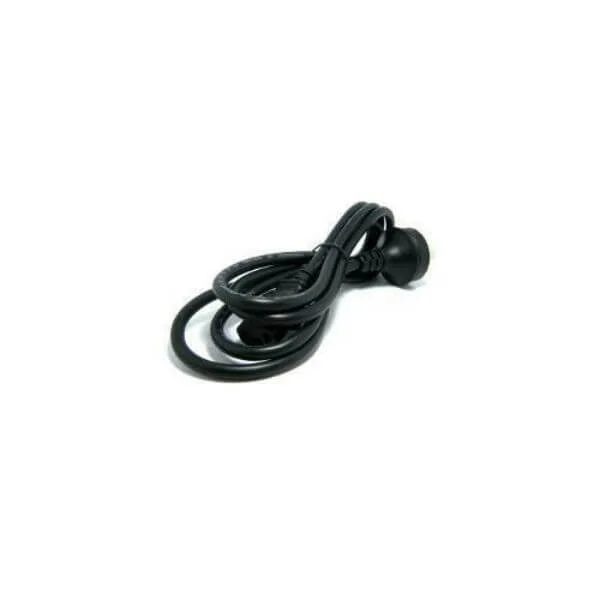
JW127A (PC-AC-UK UK AC POWER CORD INTL SKU PL=VL INTERNATIONAL SKU)
4.6 (5)Est Value $7.00$3.15
55% offIn stockNewFirst-Time Buyer Discount – Get up to 2% additional off on your first order
ORM Rewards Earn $50 in Rewards + Free Expedited Delivery – Join Now!
Use eCoupon ORMSAVE10
eCoupon limited to 5 units
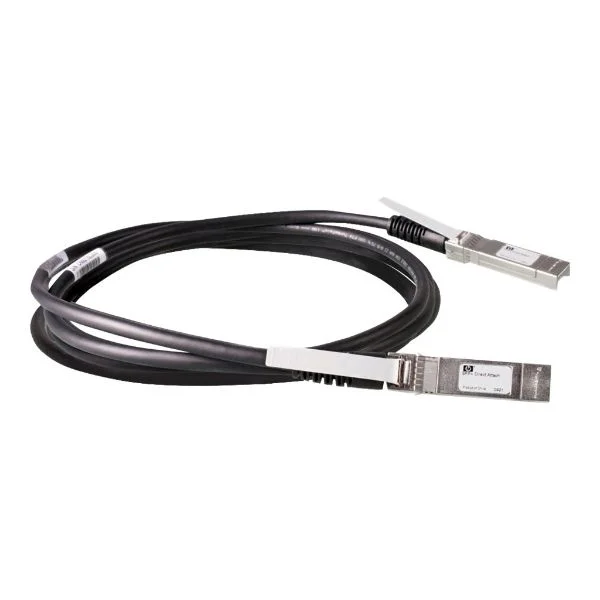
JG081C (HP X240 10G SFP+ SFP+ 5m DAC Cable)
4.6 (5)Est Value $122.79$79.79
35% offIn stockNewRefurbishedFirst-Time Buyer Discount – Get up to 2% additional off on your first order
ORM Rewards Earn $50 in Rewards + Free Expedited Delivery – Join Now!
Use eCoupon ORMSAVE10
eCoupon limited to 5 units

797946-B21 (HPE ProLiant DL560 Gen9 Mini SAS Bay2 SAS Cable Kit)
4.6 (5)Est Value $65.78$32.89
50% offIn stockRefurbishedFirst-Time Buyer Discount – Get up to 2% additional off on your first order
ORM Rewards Earn $50 in Rewards + Free Expedited Delivery – Join Now!
Use eCoupon ORMSAVE10
eCoupon limited to 5 units

786092-B21 (DL380 GEN9 8SFF H240 CABLE KIT PL=SY)
4.8 (5)Est Value $161.39
In stockNewRefurbishedFirst-Time Buyer Discount – Get up to 2% additional off on your first order
ORM Rewards Earn $50 in Rewards + Free Expedited Delivery – Join Now!
Use eCoupon ORMSAVE10
eCoupon limited to 5 units

871830-B21 (GPU 8X6P CABLE KIT PL-SY)
4.6 (5)Est Value $87.00$35.70
59% offIn stockNewFirst-Time Buyer Discount – Get up to 2% additional off on your first order
ORM Rewards Earn $50 in Rewards + Free Expedited Delivery – Join Now!
Use eCoupon ORMSAVE10
eCoupon limited to 5 units
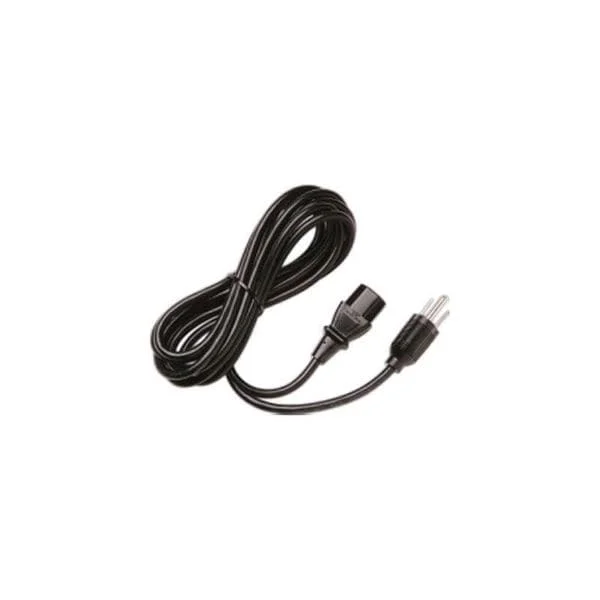
A0N33A (HPE 3.6M 15A 250V C13-NEMA6-15P CORD PL-SH)
5 (5)Est Value $88.18$41.99
52.4% offIn stockNewRefurbishedFirst-Time Buyer Discount – Get up to 2% additional off on your first order
ORM Rewards Earn $50 in Rewards + Free Expedited Delivery – Join Now!
Use eCoupon ORMSAVE10
eCoupon limited to 5 units
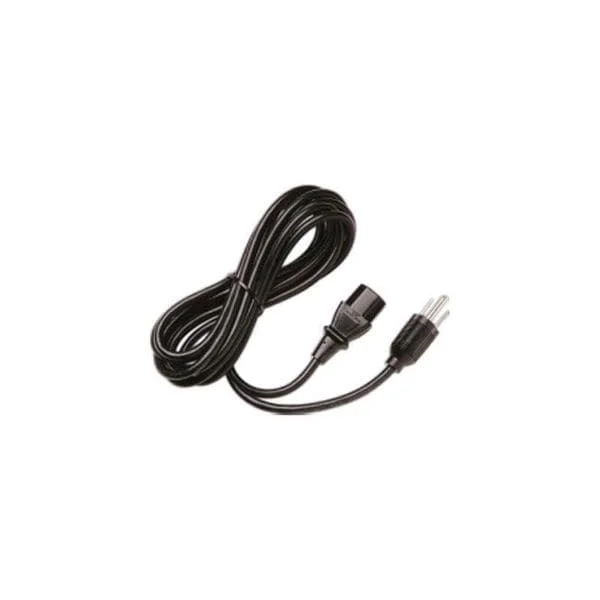
AF557A (HP PWR CRD 1.83m 10A C13-CHINA)
4.4 (5)Est Value $118.00$100.80
14.6% offIn stockNewRefurbishedFirst-Time Buyer Discount – Get up to 2% additional off on your first order
ORM Rewards Earn $50 in Rewards + Free Expedited Delivery – Join Now!
Use eCoupon ORMSAVE10
eCoupon limited to 5 units
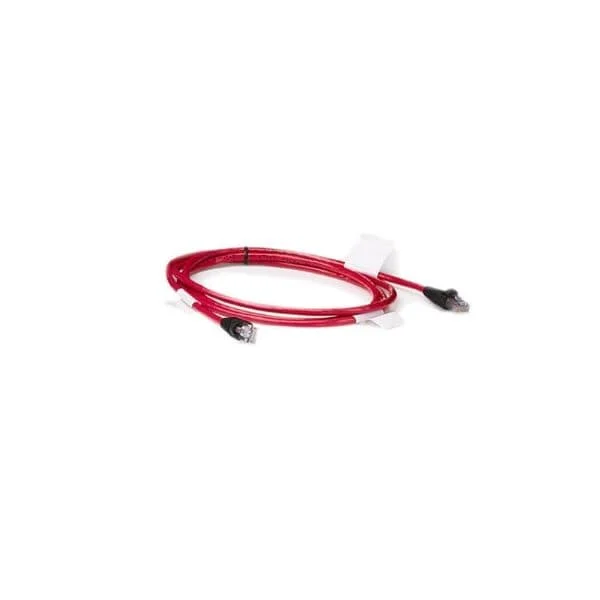
263474-B23 (8PK 12FT CAT5 PATCH CABLES PL=SH)
4.6 (5)Est Value $152.00$88.35
41.9% offIn stockNewRefurbishedFirst-Time Buyer Discount – Get up to 2% additional off on your first order
ORM Rewards Earn $50 in Rewards + Free Expedited Delivery – Join Now!
Use eCoupon ORMSAVE10
eCoupon limited to 5 units

487652-B21 (HPE BLc 10G SFP+ SFP+ 1m DAC Cable)
4.2 (5)Est Value $56.22$52.49
6.6% offIn stockNewRefurbishedFirst-Time Buyer Discount – Get up to 2% additional off on your first order
ORM Rewards Earn $50 in Rewards + Free Expedited Delivery – Join Now!
Use eCoupon ORMSAVE10
eCoupon limited to 5 units
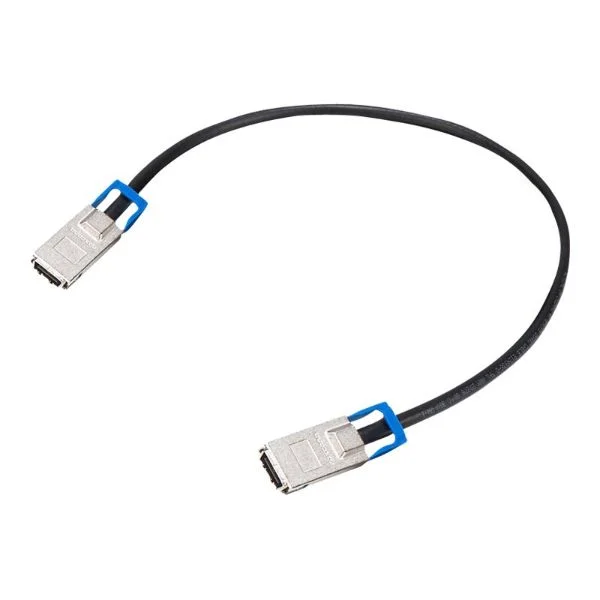
JD363B (HP X230 Local Connect 50cm CX4 Cable)
4.8 (5)Est Value $133.26$113.76
14.6% offIn stockNewRefurbishedFirst-Time Buyer Discount – Get up to 2% additional off on your first order
ORM Rewards Earn $50 in Rewards + Free Expedited Delivery – Join Now!
Use eCoupon ORMSAVE10
eCoupon limited to 5 units

783008-B21 (HP CBL MINI SAS 2SFF KIT 1YR IMS WARRANTY STANDARD)
4.4 (5)Est Value $107.10$53.55
50% offIn stockRefurbishedFirst-Time Buyer Discount – Get up to 2% additional off on your first order
ORM Rewards Earn $50 in Rewards + Free Expedited Delivery – Join Now!
Use eCoupon ORMSAVE10
eCoupon limited to 5 units

816284-B21 (HPE DL20 Gen9 M.2 RA and Optical Disk Drive Power Cable Kit)
4.4 (5)Est Value $107.10$53.55
50% offIn stockRefurbishedFirst-Time Buyer Discount – Get up to 2% additional off on your first order
ORM Rewards Earn $50 in Rewards + Free Expedited Delivery – Join Now!
Use eCoupon ORMSAVE10
eCoupon limited to 5 units

766209-B21 (HPE DL360 Gen9 SFF Smart Array P440ar/H240ar SAS Cable)
5 (5)Est Value $68.55$58.52
14.6% offIn stockRefurbishedFirst-Time Buyer Discount – Get up to 2% additional off on your first order
ORM Rewards Earn $50 in Rewards + Free Expedited Delivery – Join Now!
Use eCoupon ORMSAVE10
eCoupon limited to 5 units
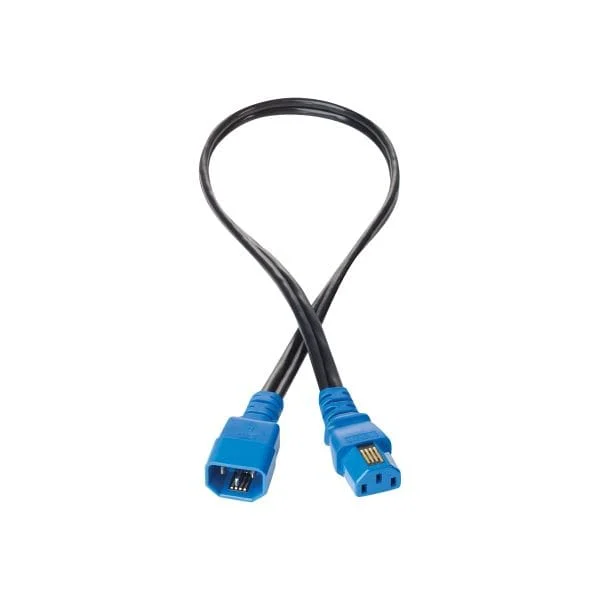
A0K02A (HPE 2.0M 10A C13-C14 BLK JUMPER CORD PL-SH)
4.6 (5)Est Value $121.38$20.99
82.7% offIn stockNewRefurbishedFirst-Time Buyer Discount – Get up to 2% additional off on your first order
ORM Rewards Earn $50 in Rewards + Free Expedited Delivery – Join Now!
Use eCoupon ORMSAVE10
eCoupon limited to 5 units
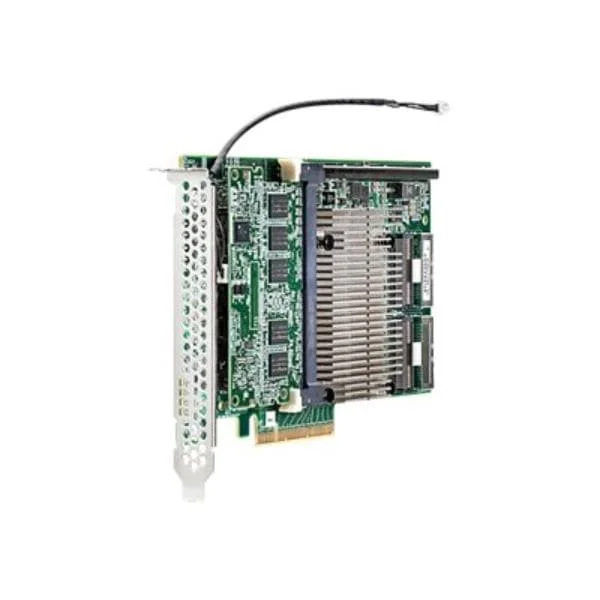
766205-B21 (HPE DL360 Gen9 Smart Array P840 SAS Card with Cable Kit)
4.6 (5)- Expansion Card
- Hpe
- RAID Controller
- PCIe x8
- PCIe 3.0
- HPE Smart Array P840
Est Value $405.00$60.90
85% offIn stockRefurbishedFirst-Time Buyer Discount – Get up to 2% additional off on your first order
ORM Rewards Earn $50 in Rewards + Free Expedited Delivery – Join Now!
Use eCoupon ORMSAVE10
eCoupon limited to 5 units
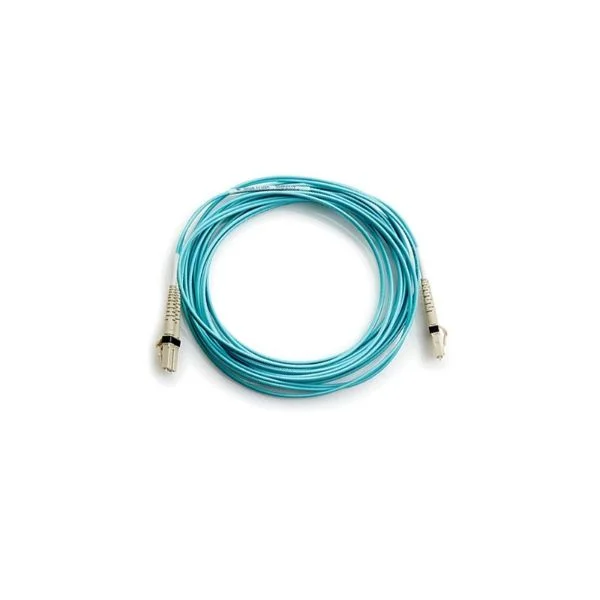
AJ837A (HP 15m Multi-mode OM3 LC/LC FC Cable)
4.6 (5)Est Value $135.00$80.84
40.1% offIn stockNewRefurbishedFirst-Time Buyer Discount – Get up to 2% additional off on your first order
ORM Rewards Earn $50 in Rewards + Free Expedited Delivery – Join Now!
Use eCoupon ORMSAVE10
eCoupon limited to 5 units

631660-B21 (HPE DL580/DL585/DL980 G7 Power Cable Kit)
4.6 (5)Est Value $73.80$63.00
14.6% offIn stockRefurbishedFirst-Time Buyer Discount – Get up to 2% additional off on your first order
ORM Rewards Earn $50 in Rewards + Free Expedited Delivery – Join Now!
Use eCoupon ORMSAVE10
eCoupon limited to 5 units

716197-B21 (EXT 2.0M MINISAS HD TO MINISAS HD CABLE PL=SI)
5 (5)Est Value $168.00$137.56
18.1% offIn stockNewRefurbishedFirst-Time Buyer Discount – Get up to 2% additional off on your first order
ORM Rewards Earn $50 in Rewards + Free Expedited Delivery – Join Now!
Use eCoupon ORMSAVE10
eCoupon limited to 5 units

ORM Sales Advisors
Buying for your business? Get a personalised quote in under 2 hours. Talk to an expert
LEARNFilters (185) 
Questions & Answers
What types of HPE cables & adapters are available for servers and storage?
HPE offers a broad portfolio of cables & adapters including SAS, SATA, Mini-SAS, QSFP, SFP+, fiber optic, copper DAC, power, management, and USB adapters designed for servers, storage arrays, and networking equipment.
How do I choose the right HPE cable or adapter for my hardware?
Identify your device interface (e.g., SAS, SATA, SFP+), confirm data rate and length requirements, then select the matching HPE certified cable or adapter to ensure full compatibility and performance.
Are HPE cables & adapters compatible with third-party servers and switches?
Yes. HPE cables & adapters adhere to standard form factors and protocols, providing interoperability with most industry-compliant third-party servers, storage systems, and network switches.
What is the difference between HPE Mini-SAS and SAS cables?
Mini-SAS uses a small SFF-8087 or SFF-8643 connector for high-density server backplanes, while standard SAS cables use full-size SFF-8482 connectors for external storage enclosures.
Can I use HPE transceiver modules with HPE fiber optic cables?
Absolutely. HPE fiber optic cables are qualified and tested with HPE transceiver modules such as SFP, SFP+, QSFP+, ensuring optimized signal integrity and network performance.
How do I install HPE cables & adapters in a server rack?
Power down equipment, route cables along rack cable management paths, connect firmly to port, secure with retention clips, then power up to verify link status via LEDs or system management tools.
Do HPE network adapters and cables support hot-swapping?
Yes. Most HPE network adapters and compatible hot-swappable cables (e.g., QSFP+, DAC) can be inserted or removed without powering down the system, provided the host OS and hardware support it.
How can I verify genuine HPE cables & adapters?
Check the HPE holographic label, part number (e.g., 593718-001), packaging seal, and use HPE’s online warranty checker or HPE Support Center to validate authenticity.
What warranty covers HPE cables & adapters?
HPE cables & adapters typically carry a one-year limited warranty, subject to HPE’s general warranty terms, with options to extend coverage through HPE Care Pack services.
How do I troubleshoot connectivity issues with HPE cables & adapters?
Inspect connectors for damage, verify correct cable type and port assignment, swap with a known good cable, check link lights, and review host firmware logs for errors.
What maximum data transfer rates do HPE networking adapters support?
HPE adapters support speeds from 1 GbE up to 100 GbE. Typical configurations include 10 GbE (SFP+), 25 GbE (SFP28), 40 GbE (QSFP+), 50 GbE (QSFP28), and 100 GbE (QSFP28).
Are HPE copper cables backward compatible with lower speeds?
Yes. HPE copper DAC and twinax cables designed for 25 GbE, 40 GbE, and 100 GbE automatically negotiate to lower supported rates such as 10 GbE if connected to slower ports.
Can HPE fiber optic cables be extended or repaired?
Fiber extension requires compatible optical transceivers and patch panels. Repairing factory-terminated HPE fiber cables is not recommended; instead, replace with certified assemblies.
How should I maintain and clean HPE fiber optic connectors?
Use lint-free wipes and isopropyl alcohol to gently clean ferrule endfaces, inspect with a fiber scope, and cap connectors when not in use to prevent contamination.
What is the difference between HPE passive and active copper cables?
Passive cables transmit signals without electrical amplification and are cost-effective below 10 m. Active cables include inline signal conditioning for longer reach and higher data rates.
How do I order replacement HPE cables & adapters?
Locate your HPE part number on the original cable or adapter, then order through an authorized HPE reseller or HPE’s online store to ensure genuine products and warranty coverage.