 United States
System Cooling Solutions Unrivaled Thermal Efficiency
Engineered with cutting-edge technology, our cooling systems deliver exceptional thermal management and energy efficiency for industrial, commercial, and high-performance computing applications, ensuring reliability and optimal performance.
Talk to an expert
7 Matching results
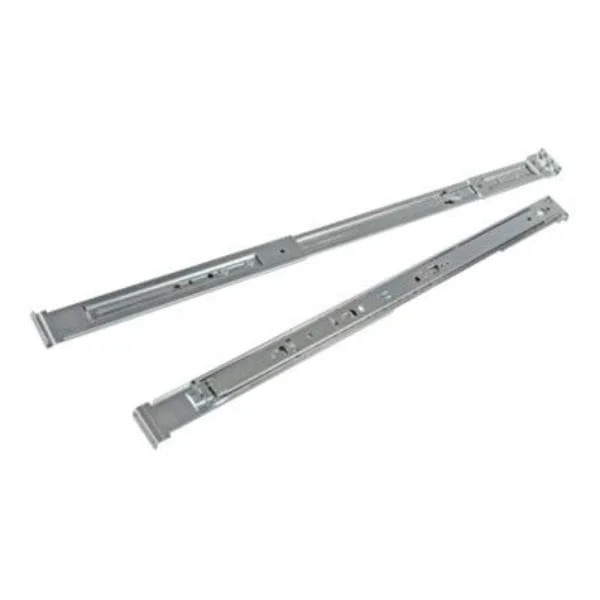
BXTS15A (Intel Thermal Solution BXTS15A - processor cooler)
4.9 (7)- Cooling Solution
- Intel
- Liquid (AIO)
- LGA 1700 / AM4
- Dual Ball
- Gaming / Overclocking / Server Cooling
- 2
Est Value $113.69
$97.05
14.6% offIn stockNewRefurbishedFirst-Time Buyer Discount – Get up to 2% additional off on your first order
ORM Rewards Earn $50 in Rewards + Free Expedited Delivery – Join Now!
Use eCoupon ORMSAVE10
eCoupon limited to 5 units
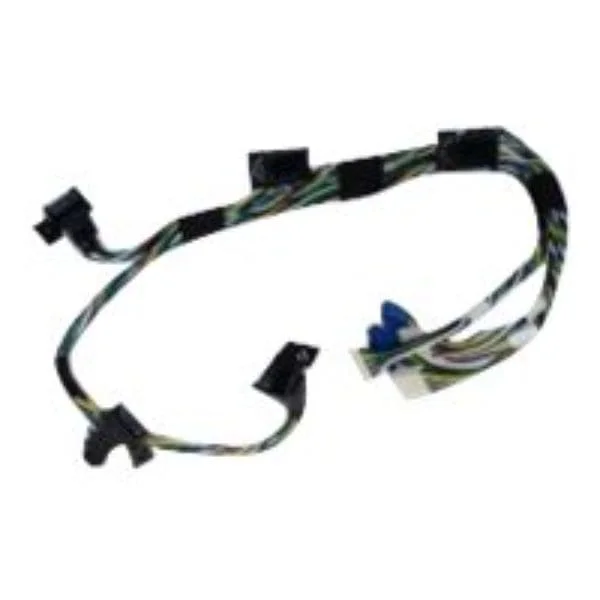
AWFCOPRODUCTAD (Intel Passive Airduct Kit AWFCOPRODUCTAD air duct)
4.6 (7)- Cooling Solution
- Intel
- Liquid (AIO)
- LGA 1700 / LGA 1200 / LGA 115x / AM4
- Fluid Dynamic
- Gaming / Overclocking / Server Cooling
- 2
Est Value In stockFirst-Time Buyer Discount – Get up to 2% additional off on your first order
ORM Rewards Earn $50 in Rewards + Free Expedited Delivery – Join Now!
Use eCoupon ORMSAVE10
eCoupon limited to 5 units
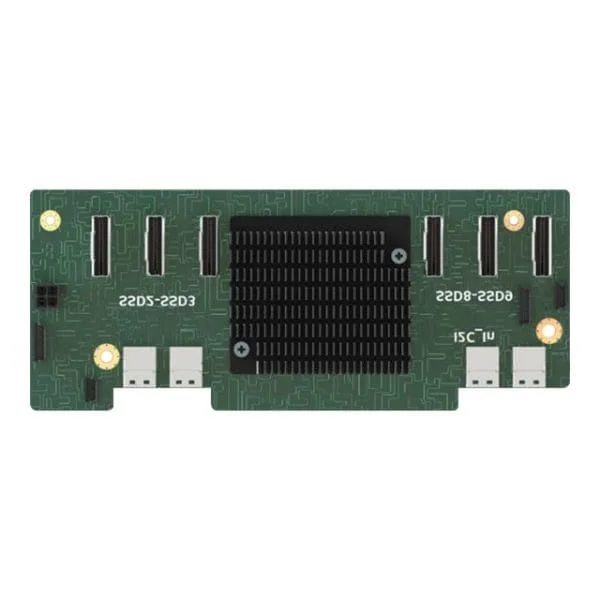
AXXSTCBLFAN (Intel fan cable)
4.4 (7)- Cooling Solution
- Intel
- Air
- LGA 1700 / LGA 1200 / LGA 115x / AM4
- Ball
- Gaming / Overclocking / Server Cooling
- 2
Est Value In stockFirst-Time Buyer Discount – Get up to 2% additional off on your first order
ORM Rewards Earn $50 in Rewards + Free Expedited Delivery – Join Now!
Use eCoupon ORMSAVE10
eCoupon limited to 5 units
ABSWHSX (Intel - processor heatsink)
4.7 (7)- Cooling Solution
- Intel
- Liquid (AIO)
- LGA 1700 / LGA 1200 / LGA 115x / AM4 / AM5
- Fluid Dynamic
- Gaming / Overclocking / Server Cooling
- 2
Est Value In stockFirst-Time Buyer Discount – Get up to 2% additional off on your first order
ORM Rewards Earn $50 in Rewards + Free Expedited Delivery – Join Now!
Use eCoupon ORMSAVE10
eCoupon limited to 5 units
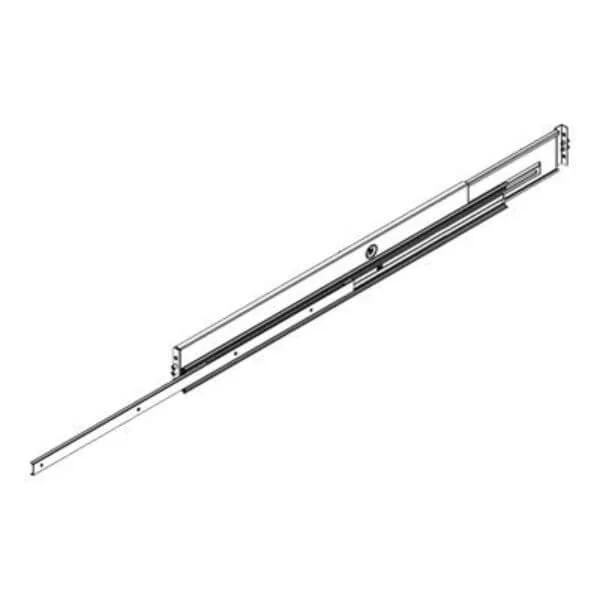
BXTSRS1 (BULK 24PK - LAMIANR RS1 COOLER 3YR WARRANTY MM#99ATLF NCNR 9/27/24)
4.7 (7)- Cooling Solution
- Intel
- Liquid (AIO)
- LGA 1200 / LGA 1700 / AM4 / AM5
- Fluid Dynamic
- Gaming / Overclocking / Server Cooling
- 2
Est Value In stockFirst-Time Buyer Discount – Get up to 2% additional off on your first order
ORM Rewards Earn $50 in Rewards + Free Expedited Delivery – Join Now!
Use eCoupon ORMSAVE10
eCoupon limited to 5 units
BXHTS1155LP (Intel Thermal Solution HTS1155LP - processor cooler)
4.6 (7)- Cooling Solution
- Intel
- Liquid (AIO)
- LGA 115x / AM4
- Dual Ball
- Gaming / Overclocking / Server Cooling
- 2
Est Value In stockFirst-Time Buyer Discount – Get up to 2% additional off on your first order
ORM Rewards Earn $50 in Rewards + Free Expedited Delivery – Join Now!
Use eCoupon ORMSAVE10
eCoupon limited to 5 units
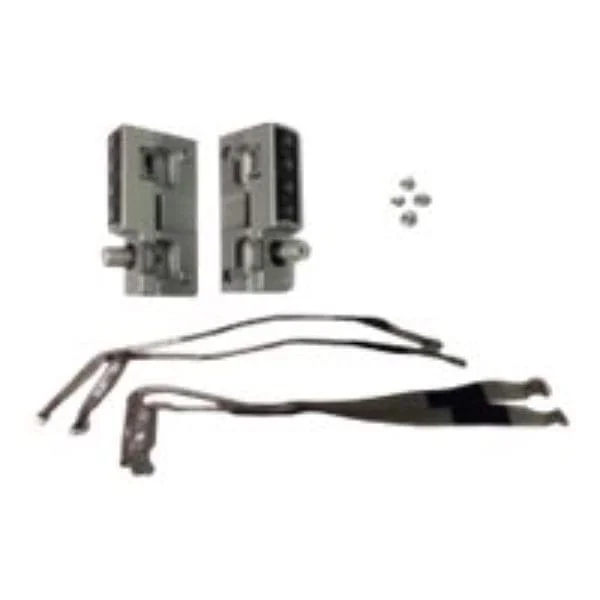
A4UCWDUCT (Intel - air duct)
4.9 (7)- Cooling Solution
- Intel
- Liquid (AIO)
- LGA 1700 / AM4
- Fluid Dynamic
- Gaming / Overclocking / Server Cooling
- 2
Est Value In stockFirst-Time Buyer Discount – Get up to 2% additional off on your first order
ORM Rewards Earn $50 in Rewards + Free Expedited Delivery – Join Now!
Use eCoupon ORMSAVE10
eCoupon limited to 5 units

ORM Sales Advisors
Buying for your business? Get a personalised quote in under 2 hours. Talk to an expert
LEARNFilters (7) 
Questions & Answers
What are system cooling solutions?
System cooling solutions are engineered technologies—such as air, liquid, or immersion cooling—designed to regulate temperatures in electronic and industrial systems, prevent overheating, and ensure optimal performance.
Why are system cooling solutions critical for data centers?
System cooling solutions maintain stable temperatures, reduce hardware failures, extend equipment lifespan, and enhance uptime by efficiently dissipating heat generated by servers and network devices.
What types of system cooling solutions are available?
The main categories include air cooling (CRAC/CRAH units), liquid cooling (direct-to-chip, rear-door heat exchangers), and immersion cooling, each offering unique performance and efficiency advantages.
How do liquid cooling solutions work?
Liquid cooling circulates a coolant—water or dielectric fluid—through heat exchangers or cold plates attached to components, rapidly absorbing heat and transferring it to an external chiller or cooling tower.
How do I choose the right cooling solution for my system?
Assess your heat load, space constraints, energy-efficiency goals, and budget; then compare performance metrics like PUE, CAPEX/OPEX, and scalability to select the optimal cooling method.
What factors affect cooling system efficiency?
Key factors include ambient temperature, airflow management, coolant type, system layout, component density, and control algorithms, all of which influence energy consumption and heat removal rates.
How much energy can I save with an optimized cooling system?
By implementing high-efficiency chillers, variable-speed fans, and precise controls, organizations can reduce cooling energy use by up to 40%, lowering operating costs and carbon footprint.
What is the typical ROI for system cooling investments?
ROI timelines vary by solution, but most enterprises achieve payback within 12–36 months through energy savings, reduced downtime, and extended hardware life.
How is noise level measured in cooling systems?
Noise levels are measured in decibels (dB) at specified distances; low-noise systems typically operate below 55 dB, ensuring compliant, comfortable environments for personnel.
Can cooling solutions integrate with existing infrastructure?
Yes. Modular cooling units and standardized interfaces allow seamless integration with current racks, CRAC/CRAH units, building-management systems, and power distribution architectures.
What maintenance is required for system cooling solutions?
Regular tasks include filter replacements, coolant checks, pump inspections, leak detection, and control-system software updates to uphold optimal performance and reliability.
How long does it take to install a cooling system?
Installation timelines range from 1–4 weeks, depending on solution complexity, site readiness, permitting, and integration with existing mechanical and electrical systems.
Are there scalable cooling solutions for growing data centers?
Modular cooling systems and rack-level solutions offer plug-and-play scalability, allowing capacity expansion without major infrastructure overhauls.
Can cooling systems be customized for specific workloads?
Yes. Solutions can be tailored by adjusting coolant flow rates, heat-exchanger sizes, and control algorithms to match workload density, power profiles, and redundancy requirements.
What support and warranty options are available for system cooling solutions?
Vendors typically offer 1–5 year warranties, 24/7 remote monitoring, preventative maintenance contracts, and rapid-response on-site service to guarantee uptime and performance.