 United States
Cooling Solutions Efficient Thermal Performance
Our advanced cooling solutions deliver unmatched efficiency and reliability for critical environments. Enhance system performance, protect sensitive equipment, and optimize energy consumption with our proven thermal management expertise.
Talk to an expert
47 Matching results
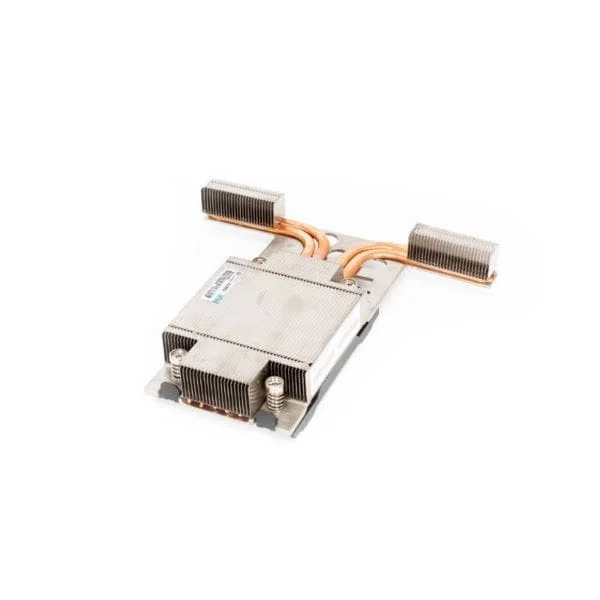
795235-B21 (HP DL360 Gen9 High Prfmance Heat Sink)
4.8 (5)- Cooling Solution
- Hpe
- Air
- LGA 115x / AM4
- Ball
- Gaming / Overclocking / Server Cooling
- 2
Est Value $198.65
$103.95
47.7% offIn stockRefurbishedFirst-Time Buyer Discount – Get up to 2% additional off on your first order
ORM Rewards Earn $50 in Rewards + Free Expedited Delivery – Join Now!
Use eCoupon ORMSAVE10
eCoupon limited to 5 units
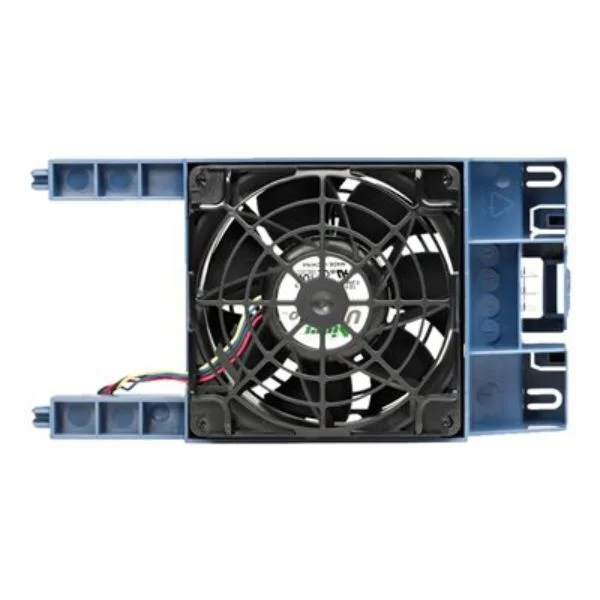
725587-B21 (HPE DL160 Gen9 Redundant Fan Kit)
4.8 (5)- Cooling Solution
- Hpe
- Liquid (AIO)
- LGA 1700 / LGA 1200 / LGA 115x / AM4
- Fluid Dynamic
- Gaming / Overclocking / Server Cooling
- 2
Est Value $225.22$69.30
69.2% offIn stockNewRefurbishedFirst-Time Buyer Discount – Get up to 2% additional off on your first order
ORM Rewards Earn $50 in Rewards + Free Expedited Delivery – Join Now!
Use eCoupon ORMSAVE10
eCoupon limited to 5 units
871246-B21 (DL360 GEN10 HIGH PERF HEAT SINK KIT PL=SY)
4.8 (5)- Cooling Solution
- Hpe
- Air
- LGA 1200 / AM4
- Sleeve
- Gaming / Overclocking / Server Cooling
- 2
Est Value $258.00$78.75
69.5% offIn stockNewRefurbishedFirst-Time Buyer Discount – Get up to 2% additional off on your first order
ORM Rewards Earn $50 in Rewards + Free Expedited Delivery – Join Now!
Use eCoupon ORMSAVE10
eCoupon limited to 5 units
BW930A (AIR FLOW OPTIMIZATION KIT PL=SH)
4.6 (5)- Cooling Solution
- Hpe
- Liquid (AIO)
- LGA 1700 / LGA 1200 / LGA 115x / AM4 / AM5
- Fluid Dynamic
- Gaming / Overclocking / Server Cooling
- 2
Est Value $244.12$85.49
65% offIn stockNewRefurbishedFirst-Time Buyer Discount – Get up to 2% additional off on your first order
ORM Rewards Earn $50 in Rewards + Free Expedited Delivery – Join Now!
Use eCoupon ORMSAVE10
eCoupon limited to 5 units
JL088A (ARUBA 3810 SWITCH FAN TRAY PL=35)
4.6 (5)- Cooling Solution
- Hpe
- Liquid (AIO)
- LGA 1700 / LGA 1200 / AM4 / AM5
- Fluid Dynamic
- Gaming / Overclocking / Server Cooling
- 2
Est Value $489.00$50.40
89.7% offIn stockNewRefurbishedFirst-Time Buyer Discount – Get up to 2% additional off on your first order
ORM Rewards Earn $50 in Rewards + Free Expedited Delivery – Join Now!
Use eCoupon ORMSAVE10
eCoupon limited to 5 units
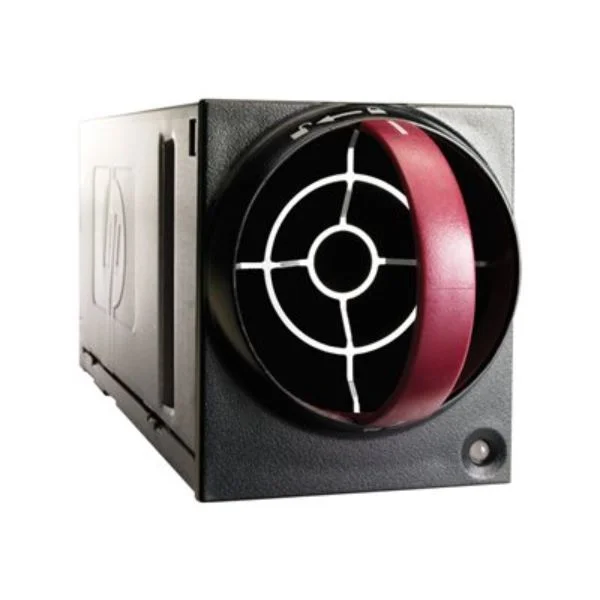
412140-B21 (HP BLc Encl Single Fan Option)
4.4 (5)- Cooling Solution
- Hpe
- Liquid (AIO)
- LGA 1700 / AM4
- Fluid Dynamic
- Gaming / Overclocking / Server Cooling
- 2
Est Value $260.40$26.25
89.9% offIn stockNewRefurbishedFirst-Time Buyer Discount – Get up to 2% additional off on your first order
ORM Rewards Earn $50 in Rewards + Free Expedited Delivery – Join Now!
Use eCoupon ORMSAVE10
eCoupon limited to 5 units
867810-B21 (DL38X GEN10 HIGH PERF FAN PL=SY)
4.4 (5)- Cooling Solution
- Hpe
- Liquid (AIO)
- LGA 1200 / LGA 115x / AM4 / AM5
- Ball
- Gaming / Overclocking / Server Cooling
- 2
Est Value $349.30$157.50
54.9% offIn stockRefurbishedFirst-Time Buyer Discount – Get up to 2% additional off on your first order
ORM Rewards Earn $50 in Rewards + Free Expedited Delivery – Join Now!
Use eCoupon ORMSAVE10
eCoupon limited to 5 units
AIR-FAN-5500 (FIELD REPLACEABLE FAN TRAY)
4.4 (5)- Cooling Solution
- Cisco
- Air
- LGA 1700 / LGA 1200 / AM4 / AM5
- Fluid Dynamic
- Gaming / Overclocking / Server Cooling
- 3
Est Value $298.43$121.28
59.4% offIn stockNewRefurbishedFirst-Time Buyer Discount – Get up to 2% additional off on your first order
ORM Rewards Earn $50 in Rewards + Free Expedited Delivery – Join Now!
Use eCoupon ORMSAVE10
eCoupon limited to 5 units
806562-B21 (HP APOLLO 4200 GEN9 REDUNDANT FAN KIT PL=S4)
4.2 (5)- Cooling Solution
- Hpe
- Liquid (AIO)
- LGA 1700 / LGA 1200 / LGA 115x / AM4 / AM5
- Fluid Dynamic
- Gaming / Overclocking / Server Cooling
- 2
Est Value $198.23$169.22
14.6% offIn stockRefurbishedFirst-Time Buyer Discount – Get up to 2% additional off on your first order
ORM Rewards Earn $50 in Rewards + Free Expedited Delivery – Join Now!
Use eCoupon ORMSAVE10
eCoupon limited to 5 units
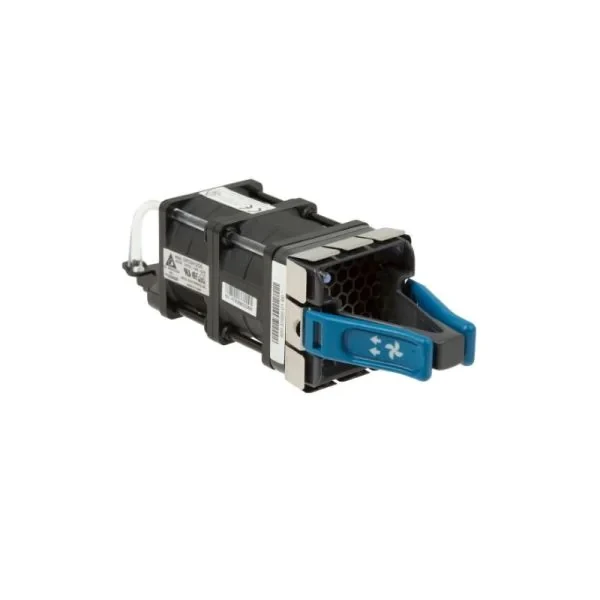
NXA-FAN-30CFM-F (Cisco Nexus Individual Fan Module, 30 CFM, Port-Side Exhaust, Front-to-Back Airflow)
4.7 (6)- Individual Fan Module
- Fan
- Cisco Nexus 2000 or 3000 individual fan, forward airflow
- NXA-FAN-30CFM-F
- Cisco
- Nexus 2000 / Nexus 3000
- Switch
Est Value $236.25$54.60
76.9% offIn stockNewRefurbishedFirst-Time Buyer Discount – Get up to 2% additional off on your first order
ORM Rewards Earn $50 in Rewards + Free Expedited Delivery – Join Now!
Use eCoupon ORMSAVE10
eCoupon limited to 5 units
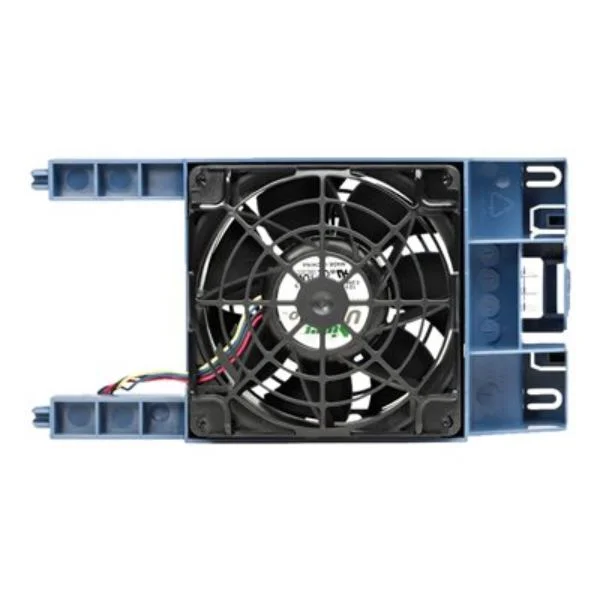
820290-B21 (HPE ML30 Gen9 Front PCI Fan Kit)
4.4 (5)- Cooling Solution
- Hpe
- Liquid (AIO)
- LGA 1700 / LGA 1200 / LGA 115x / AM4
- Fluid Dynamic
- Gaming / Overclocking / Server Cooling
- 2
Est Value $217.18$185.40
14.6% offIn stockRefurbishedFirst-Time Buyer Discount – Get up to 2% additional off on your first order
ORM Rewards Earn $50 in Rewards + Free Expedited Delivery – Join Now!
Use eCoupon ORMSAVE10
eCoupon limited to 5 units
517520-B21 (HP BLc 6X Active Cool 200 FIO Fan Opt)
4.2 (5)- Cooling Solution
- Hpe
- Liquid (AIO)
- LGA 1700 / LGA 1200 / LGA 115x / AM4 / AM5
- Fluid Dynamic
- Gaming / Overclocking / Server Cooling
- 2
Est Value $228.37$194.95
14.6% offIn stockRefurbishedFirst-Time Buyer Discount – Get up to 2% additional off on your first order
ORM Rewards Earn $50 in Rewards + Free Expedited Delivery – Join Now!
Use eCoupon ORMSAVE10
eCoupon limited to 5 units
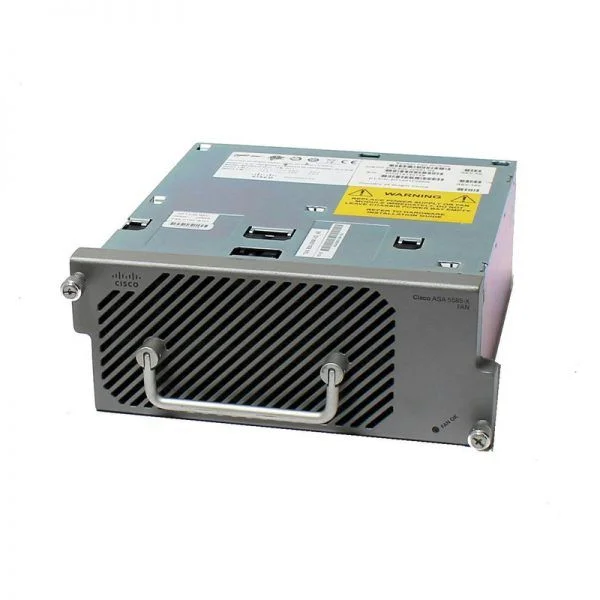
ASA5585-FAN (SPARE FAN MODULE FOR ASA5585-X)
4.6 (5)- Cooling Solution
- Cisco
- Air
- LGA 1200 / AM4
- Ball
- Gaming / Overclocking / Server Cooling
- 1
Est Value $317.25$228.38
28% offIn stockRefurbishedFirst-Time Buyer Discount – Get up to 2% additional off on your first order
ORM Rewards Earn $50 in Rewards + Free Expedited Delivery – Join Now!
Use eCoupon ORMSAVE10
eCoupon limited to 5 units
N7K-C7010-FAN-F (Nexus 7000 - 10 Slot Fabric Fan)
4.4 (5)- Cooling Solution
- Cisco
- Air
- LGA 115x / AM4
- Fluid Dynamic
- Gaming / Overclocking / Server Cooling
- 1
Est Value $503.98$131.25
74% offIn stockNewRefurbishedFirst-Time Buyer Discount – Get up to 2% additional off on your first order
ORM Rewards Earn $50 in Rewards + Free Expedited Delivery – Join Now!
Use eCoupon ORMSAVE10
eCoupon limited to 5 units
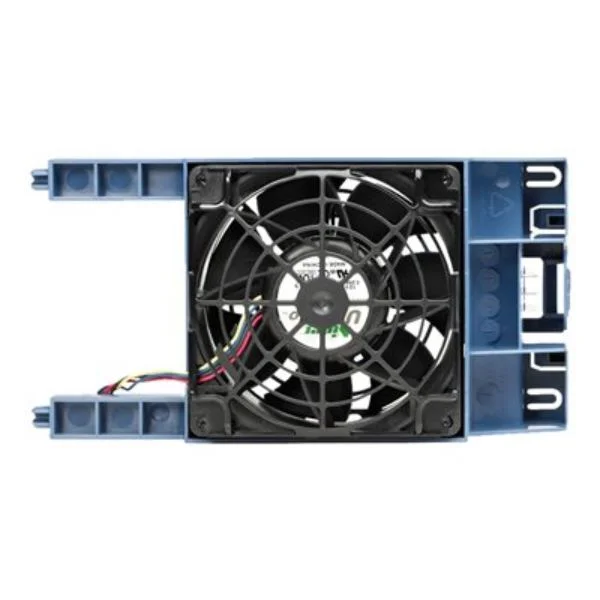
766201-B21 (HPE DL360 Gen9 High Performance Fan Kit)
4.4 (5)- Cooling Solution
- Hpe
- Air
- LGA 1700 / LGA 1200 / AM4
- Fluid Dynamic
- Gaming / Overclocking / Server Cooling
- 1
Est Value $593.78$296.89
50% offIn stockRefurbishedFirst-Time Buyer Discount – Get up to 2% additional off on your first order
ORM Rewards Earn $50 in Rewards + Free Expedited Delivery – Join Now!
Use eCoupon ORMSAVE10
eCoupon limited to 5 units
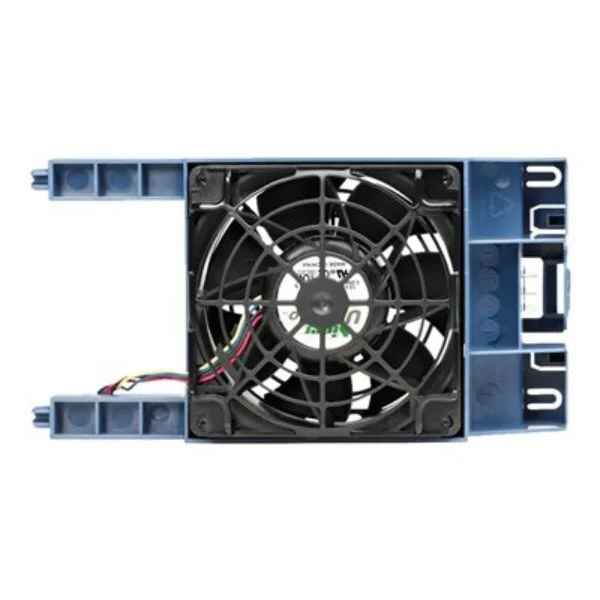
725878-B21 (HPE ML350 Gen9 Redundant Fan Kit)
4.2 (5)- Cooling Solution
- Hpe
- Liquid (AIO)
- LGA 1700 / AM4
- Ball
- Gaming / Overclocking / Server Cooling
- 2
Est Value $593.78$296.89
50% offIn stockRefurbishedFirst-Time Buyer Discount – Get up to 2% additional off on your first order
ORM Rewards Earn $50 in Rewards + Free Expedited Delivery – Join Now!
Use eCoupon ORMSAVE10
eCoupon limited to 5 units
869489-B21 (ML110 GEN10 REDUNDANT FAN KIT PL-LA)
4.4 (5)- Cooling Solution
- Hpe
- Air
- LGA 1700 / AM4
- Fluid Dynamic
- Gaming / Overclocking / Server Cooling
- 2
Est Value $348.59$297.58
14.6% offIn stockRefurbishedFirst-Time Buyer Discount – Get up to 2% additional off on your first order
ORM Rewards Earn $50 in Rewards + Free Expedited Delivery – Join Now!
Use eCoupon ORMSAVE10
eCoupon limited to 5 units
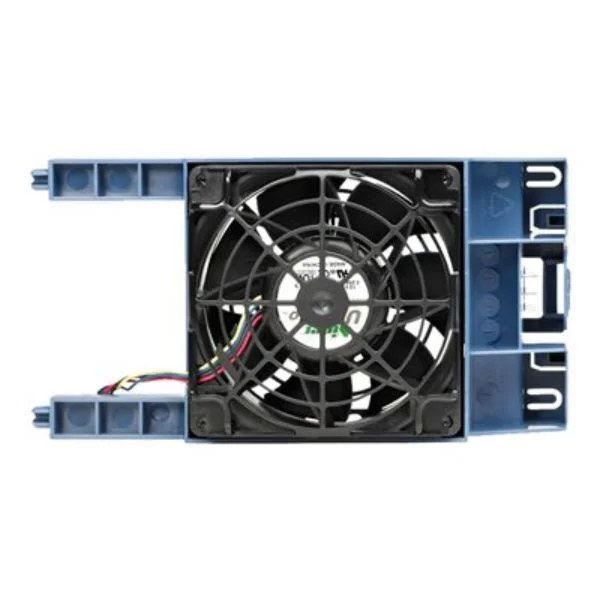
784580-B21 (HP ML110 Gen9 PCI Fan and Baffle Kit)
4.4 (5)- Cooling Solution
- Hpe
- Air
- LGA 1700 / AM4
- Fluid Dynamic
- Gaming / Overclocking / Server Cooling
- 2
Est Value $406.82$347.29
14.6% offIn stockRefurbishedFirst-Time Buyer Discount – Get up to 2% additional off on your first order
ORM Rewards Earn $50 in Rewards + Free Expedited Delivery – Join Now!
Use eCoupon ORMSAVE10
eCoupon limited to 5 units
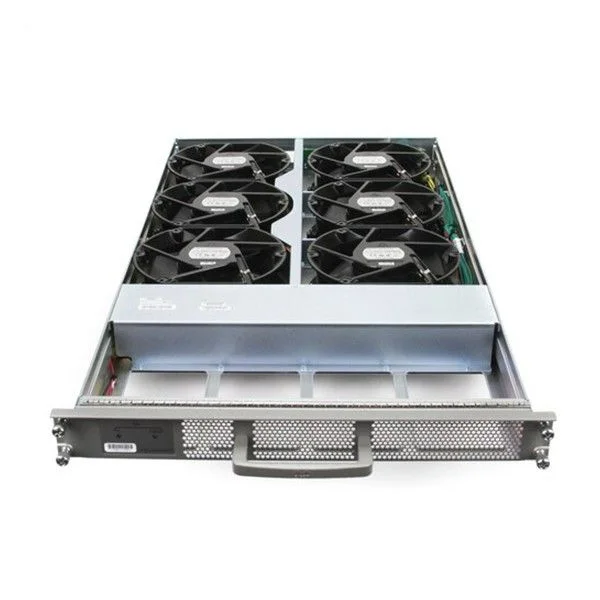
N7K-C7010-FAN-S (Nexus 7000 - 10 Slot System Fan)
4.6 (5)- Cooling Solution
- Cisco
- Air
- LGA 1700 / LGA 1200 / AM4 / AM5
- Ball
- Gaming / Overclocking / Server Cooling
- 1
Est Value $465.75$89.25
80.8% offIn stockNewRefurbishedFirst-Time Buyer Discount – Get up to 2% additional off on your first order
ORM Rewards Earn $50 in Rewards + Free Expedited Delivery – Join Now!
Use eCoupon ORMSAVE10
eCoupon limited to 5 units
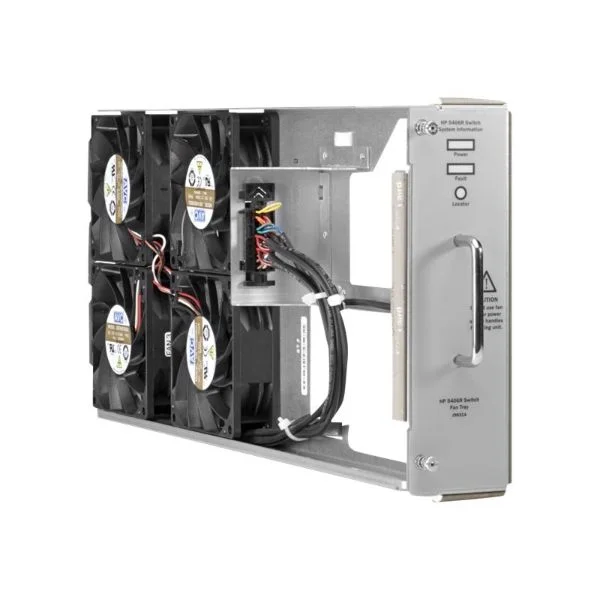
J9831A (HP 5406R zl2 Switch Fan Tray)
4.6 (5)- Cooling Solution
- Hpe
- Liquid (AIO)
- LGA 1200 / LGA 1700 / AM4 / AM5
- Fluid Dynamic
- Gaming / Overclocking / Server Cooling
- 2
Est Value $467.00$147.00
68.5% offIn stockNewRefurbishedFirst-Time Buyer Discount – Get up to 2% additional off on your first order
ORM Rewards Earn $50 in Rewards + Free Expedited Delivery – Join Now!
Use eCoupon ORMSAVE10
eCoupon limited to 5 units

ORM Sales Advisors
Buying for your business? Get a personalised quote in under 2 hours. Talk to an expert
LEARNFilters (47) 
Questions & Answers
What are the main types of cooling solutions?
The main cooling solutions include central air conditioning, ductless mini-split systems, portable units, and evaporative coolers, each suited for different space sizes and budgets.
How do I choose the right cooling solution for my home?
Assess your square footage, insulation, budget, and energy goals, then compare system types, SEER ratings, and installation complexity to select the optimal solution.
What is the average lifespan of a residential cooling system?
A well-maintained residential cooling system typically lasts 12–15 years, with regular service and filter changes extending its operational life.
How often should I schedule maintenance for my cooling system?
Schedule professional maintenance at least once a year, ideally before peak summer use, to optimize performance and prevent costly breakdowns.
What factors affect the energy efficiency of a cooling solution?
Energy efficiency depends on SEER rating, proper sizing, installation quality, thermostat settings, and home insulation levels.
How can I reduce my cooling costs?
Lower costs by upgrading to a high-SEER unit, sealing duct leaks, using programmable thermostats, improving insulation, and scheduling regular maintenance.
Are ductless mini-split systems effective?
Yes. Ductless mini-splits deliver targeted, energy-efficient cooling without duct losses, offering SEER ratings up to 30 and zone temperature control.
What are the benefits of a central air conditioning system?
Central systems provide uniform cooling, quieter operation, improved air filtration, and compatibility with smart thermostats for whole-home comfort.
How do portable air conditioners compare to window units?
Portable units offer mobility and easy setup but generally have lower efficiency and higher noise levels compared to fixed window air conditioners.
What is the installation process for a cooling system?
Installation involves load calculation, unit placement, duct or line set installation, refrigerant charging, and system calibration by a licensed technician.
How do smart thermostats improve cooling performance?
Smart thermostats learn usage patterns, adjust temperatures automatically, provide remote control, and can reduce energy use by up to 15%.
What are common signs my cooling system needs repair?
Watch for uneven cooling, unusual noises, rising energy bills, frequent cycling, ice buildup, or water leaks around the unit.
How eco-friendly are modern cooling solutions?
Modern systems use R-410A or R-32 refrigerants, feature high SEER ratings, and integrate smart controls to lower greenhouse gas emissions.
What rebates or incentives are available for energy-efficient cooling?
Federal and state programs often offer rebates, tax credits, or utility incentives for installing ENERGY STAR®–rated systems and high-efficiency upgrades.
How can I improve indoor air quality with my cooling system?
Use high-MERV filters, add UV lamps or air purifiers, maintain proper humidity, and schedule coil and duct cleaning annually.
What should I look for in a cooling solutions provider?
Choose a licensed, insured contractor with strong references, transparent pricing, factory training, and maintenance service agreements.