 United States
Category HPE Cooling Solutions
Optimize enterprise thermal management with industry-leading HPE cooling solutions. Engineered for maximum performance and reliability, these state-of-the-art systems ensure efficient heat dissipation and uninterrupted operations.
Talk to an expert
33 Matching results
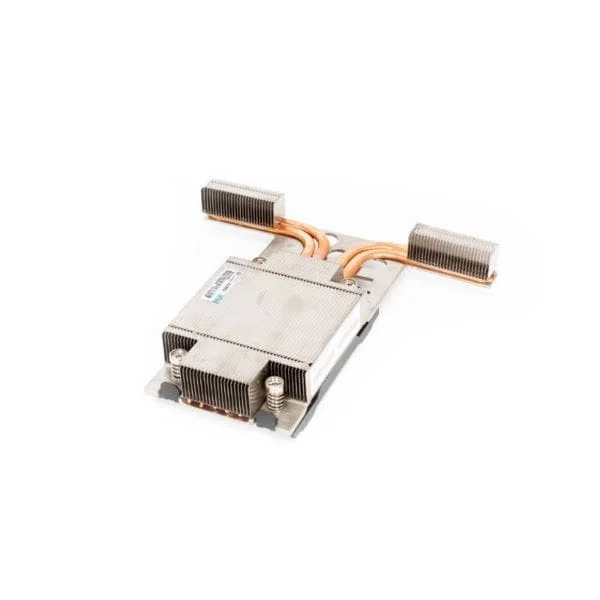
795235-B21 (HP DL360 Gen9 High Prfmance Heat Sink)
4.8 (5)- Cooling Solution
- Hpe
- Air
- LGA 115x / AM4
- Ball
- Gaming / Overclocking / Server Cooling
- 2
Est Value $198.65
$103.95
47.7% offIn stockRefurbishedFirst-Time Buyer Discount – Get up to 2% additional off on your first order
ORM Rewards Earn $50 in Rewards + Free Expedited Delivery – Join Now!
Use eCoupon ORMSAVE10
eCoupon limited to 5 units
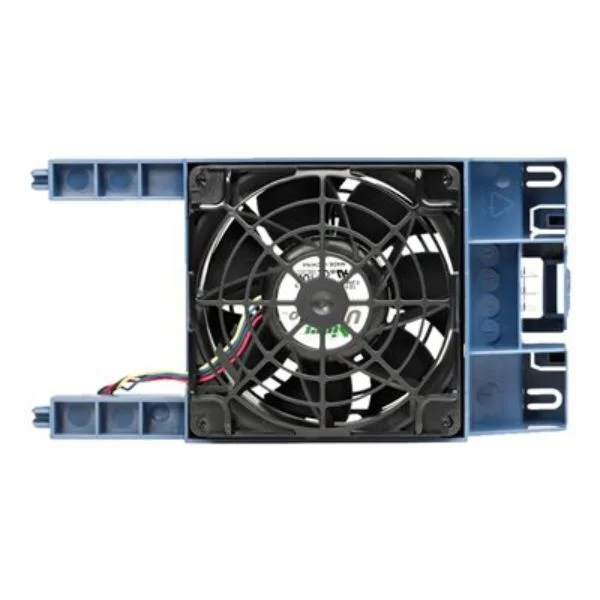
725587-B21 (HPE DL160 Gen9 Redundant Fan Kit)
4.8 (5)- Cooling Solution
- Hpe
- Liquid (AIO)
- LGA 1700 / LGA 1200 / LGA 115x / AM4
- Fluid Dynamic
- Gaming / Overclocking / Server Cooling
- 2
Est Value $225.22$69.30
69.2% offIn stockNewRefurbishedFirst-Time Buyer Discount – Get up to 2% additional off on your first order
ORM Rewards Earn $50 in Rewards + Free Expedited Delivery – Join Now!
Use eCoupon ORMSAVE10
eCoupon limited to 5 units
871246-B21 (DL360 GEN10 HIGH PERF HEAT SINK KIT PL=SY)
4.8 (5)- Cooling Solution
- Hpe
- Air
- LGA 1200 / AM4
- Sleeve
- Gaming / Overclocking / Server Cooling
- 2
Est Value $258.00$78.75
69.5% offIn stockNewRefurbishedFirst-Time Buyer Discount – Get up to 2% additional off on your first order
ORM Rewards Earn $50 in Rewards + Free Expedited Delivery – Join Now!
Use eCoupon ORMSAVE10
eCoupon limited to 5 units
BW930A (AIR FLOW OPTIMIZATION KIT PL=SH)
4.6 (5)- Cooling Solution
- Hpe
- Liquid (AIO)
- LGA 1700 / LGA 1200 / LGA 115x / AM4 / AM5
- Fluid Dynamic
- Gaming / Overclocking / Server Cooling
- 2
Est Value $244.12$85.49
65% offIn stockNewRefurbishedFirst-Time Buyer Discount – Get up to 2% additional off on your first order
ORM Rewards Earn $50 in Rewards + Free Expedited Delivery – Join Now!
Use eCoupon ORMSAVE10
eCoupon limited to 5 units
JL088A (ARUBA 3810 SWITCH FAN TRAY PL=35)
4.6 (5)- Cooling Solution
- Hpe
- Liquid (AIO)
- LGA 1700 / LGA 1200 / AM4 / AM5
- Fluid Dynamic
- Gaming / Overclocking / Server Cooling
- 2
Est Value $489.00$50.40
89.7% offIn stockNewRefurbishedFirst-Time Buyer Discount – Get up to 2% additional off on your first order
ORM Rewards Earn $50 in Rewards + Free Expedited Delivery – Join Now!
Use eCoupon ORMSAVE10
eCoupon limited to 5 units
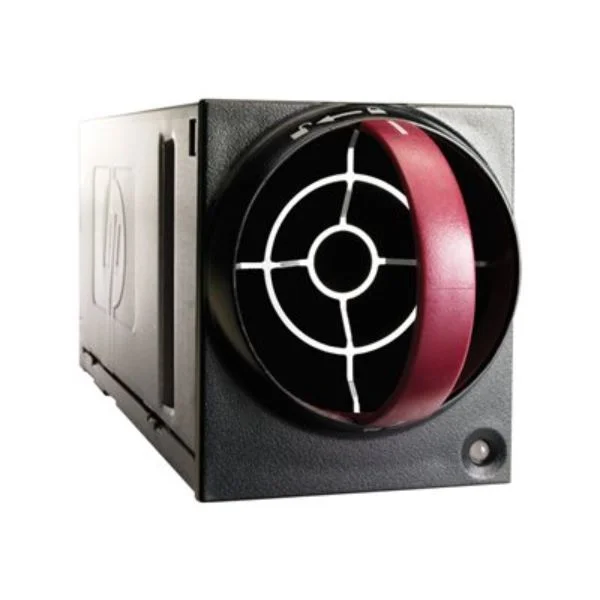
412140-B21 (HP BLc Encl Single Fan Option)
4.4 (5)- Cooling Solution
- Hpe
- Liquid (AIO)
- LGA 1700 / AM4
- Fluid Dynamic
- Gaming / Overclocking / Server Cooling
- 2
Est Value $260.40$26.25
89.9% offIn stockNewRefurbishedFirst-Time Buyer Discount – Get up to 2% additional off on your first order
ORM Rewards Earn $50 in Rewards + Free Expedited Delivery – Join Now!
Use eCoupon ORMSAVE10
eCoupon limited to 5 units
867810-B21 (DL38X GEN10 HIGH PERF FAN PL=SY)
4.4 (5)- Cooling Solution
- Hpe
- Liquid (AIO)
- LGA 1200 / LGA 115x / AM4 / AM5
- Ball
- Gaming / Overclocking / Server Cooling
- 2
Est Value $349.30$157.50
54.9% offIn stockRefurbishedFirst-Time Buyer Discount – Get up to 2% additional off on your first order
ORM Rewards Earn $50 in Rewards + Free Expedited Delivery – Join Now!
Use eCoupon ORMSAVE10
eCoupon limited to 5 units
806562-B21 (HP APOLLO 4200 GEN9 REDUNDANT FAN KIT PL=S4)
4.2 (5)- Cooling Solution
- Hpe
- Liquid (AIO)
- LGA 1700 / LGA 1200 / LGA 115x / AM4 / AM5
- Fluid Dynamic
- Gaming / Overclocking / Server Cooling
- 2
Est Value $198.23$169.22
14.6% offIn stockRefurbishedFirst-Time Buyer Discount – Get up to 2% additional off on your first order
ORM Rewards Earn $50 in Rewards + Free Expedited Delivery – Join Now!
Use eCoupon ORMSAVE10
eCoupon limited to 5 units
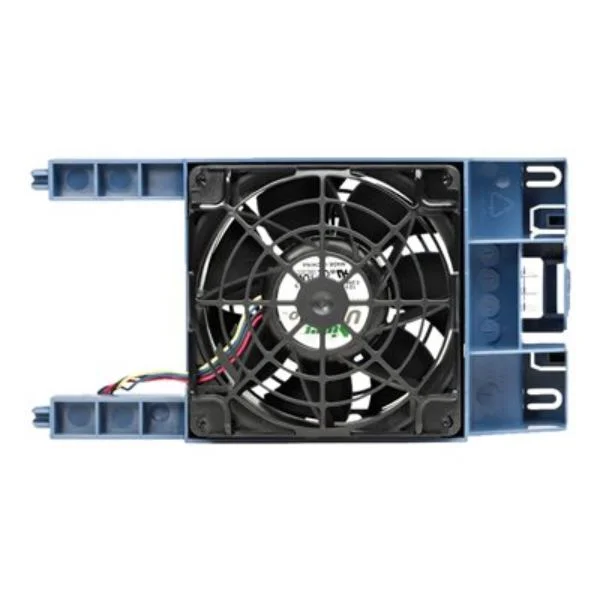
820290-B21 (HPE ML30 Gen9 Front PCI Fan Kit)
4.4 (5)- Cooling Solution
- Hpe
- Liquid (AIO)
- LGA 1700 / LGA 1200 / LGA 115x / AM4
- Fluid Dynamic
- Gaming / Overclocking / Server Cooling
- 2
Est Value $217.18$185.40
14.6% offIn stockRefurbishedFirst-Time Buyer Discount – Get up to 2% additional off on your first order
ORM Rewards Earn $50 in Rewards + Free Expedited Delivery – Join Now!
Use eCoupon ORMSAVE10
eCoupon limited to 5 units
517520-B21 (HP BLc 6X Active Cool 200 FIO Fan Opt)
4.2 (5)- Cooling Solution
- Hpe
- Liquid (AIO)
- LGA 1700 / LGA 1200 / LGA 115x / AM4 / AM5
- Fluid Dynamic
- Gaming / Overclocking / Server Cooling
- 2
Est Value $228.37$194.95
14.6% offIn stockRefurbishedFirst-Time Buyer Discount – Get up to 2% additional off on your first order
ORM Rewards Earn $50 in Rewards + Free Expedited Delivery – Join Now!
Use eCoupon ORMSAVE10
eCoupon limited to 5 units
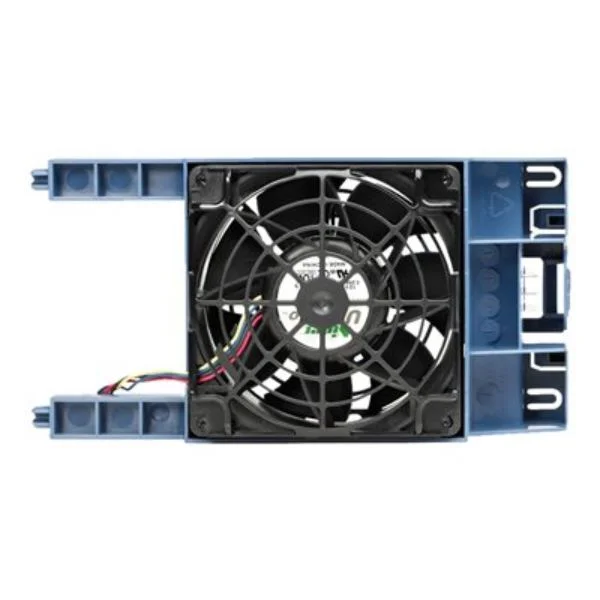
766201-B21 (HPE DL360 Gen9 High Performance Fan Kit)
4.4 (5)- Cooling Solution
- Hpe
- Air
- LGA 1700 / LGA 1200 / AM4
- Fluid Dynamic
- Gaming / Overclocking / Server Cooling
- 1
Est Value $593.78$296.89
50% offIn stockRefurbishedFirst-Time Buyer Discount – Get up to 2% additional off on your first order
ORM Rewards Earn $50 in Rewards + Free Expedited Delivery – Join Now!
Use eCoupon ORMSAVE10
eCoupon limited to 5 units
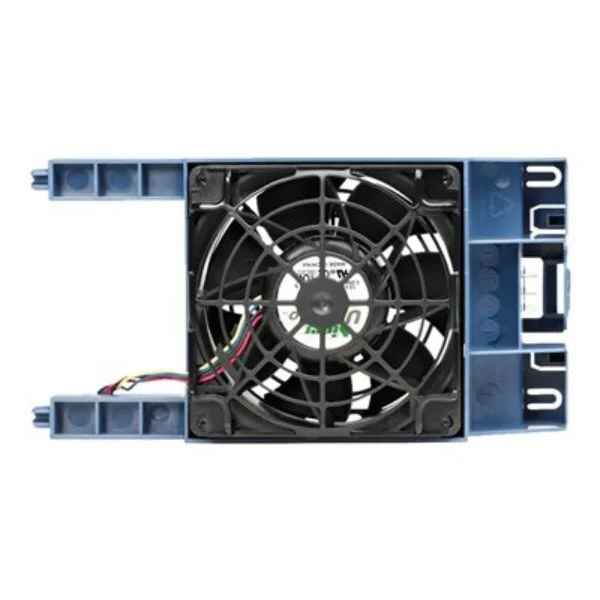
725878-B21 (HPE ML350 Gen9 Redundant Fan Kit)
4.2 (5)- Cooling Solution
- Hpe
- Liquid (AIO)
- LGA 1700 / AM4
- Ball
- Gaming / Overclocking / Server Cooling
- 2
Est Value $593.78$296.89
50% offIn stockRefurbishedFirst-Time Buyer Discount – Get up to 2% additional off on your first order
ORM Rewards Earn $50 in Rewards + Free Expedited Delivery – Join Now!
Use eCoupon ORMSAVE10
eCoupon limited to 5 units
869489-B21 (ML110 GEN10 REDUNDANT FAN KIT PL-LA)
4.4 (5)- Cooling Solution
- Hpe
- Air
- LGA 1700 / AM4
- Fluid Dynamic
- Gaming / Overclocking / Server Cooling
- 2
Est Value $348.59$297.58
14.6% offIn stockRefurbishedFirst-Time Buyer Discount – Get up to 2% additional off on your first order
ORM Rewards Earn $50 in Rewards + Free Expedited Delivery – Join Now!
Use eCoupon ORMSAVE10
eCoupon limited to 5 units
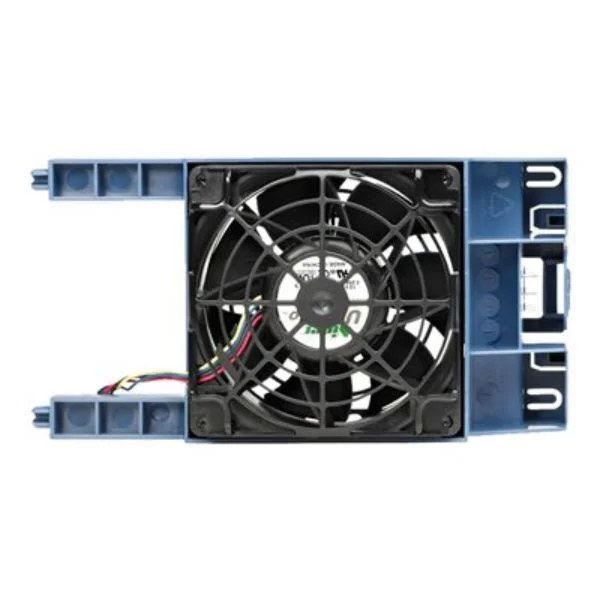
784580-B21 (HP ML110 Gen9 PCI Fan and Baffle Kit)
4.4 (5)- Cooling Solution
- Hpe
- Air
- LGA 1700 / AM4
- Fluid Dynamic
- Gaming / Overclocking / Server Cooling
- 2
Est Value $406.82$347.29
14.6% offIn stockRefurbishedFirst-Time Buyer Discount – Get up to 2% additional off on your first order
ORM Rewards Earn $50 in Rewards + Free Expedited Delivery – Join Now!
Use eCoupon ORMSAVE10
eCoupon limited to 5 units
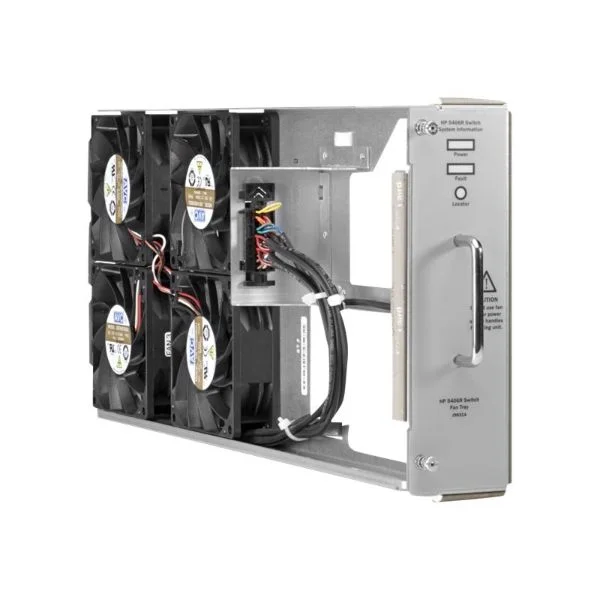
J9831A (HP 5406R zl2 Switch Fan Tray)
4.6 (5)- Cooling Solution
- Hpe
- Liquid (AIO)
- LGA 1200 / LGA 1700 / AM4 / AM5
- Fluid Dynamic
- Gaming / Overclocking / Server Cooling
- 2
Est Value $467.00$147.00
68.5% offIn stockNewRefurbishedFirst-Time Buyer Discount – Get up to 2% additional off on your first order
ORM Rewards Earn $50 in Rewards + Free Expedited Delivery – Join Now!
Use eCoupon ORMSAVE10
eCoupon limited to 5 units
871244-B21 (DL360 GEN10 HIGH PERF FAN KIT PL=SY)
4.4 (5)- Cooling Solution
- Hpe
- Liquid (AIO)
- LGA 1700 / LGA 1200 / LGA 115x / AM4 / AM5
- Ball
- Gaming / Overclocking / Server Cooling
- 2
Est Value $1,021.44$510.72
50% offIn stockRefurbishedFirst-Time Buyer Discount – Get up to 2% additional off on your first order
ORM Rewards Earn $50 in Rewards + Free Expedited Delivery – Join Now!
Use eCoupon ORMSAVE10
eCoupon limited to 5 units
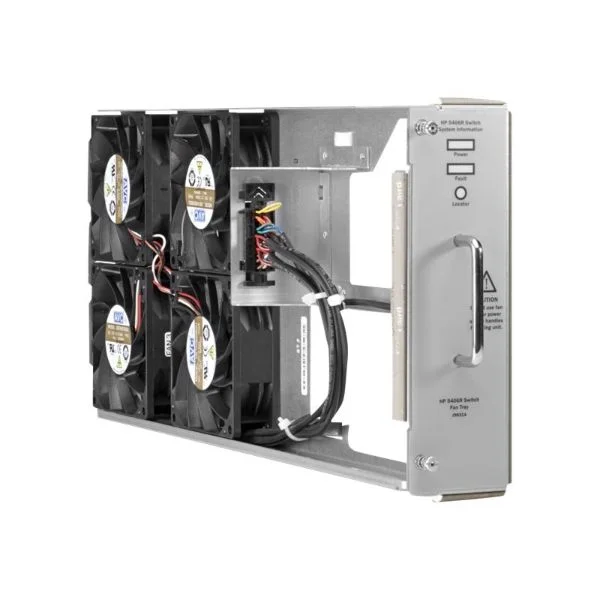
J9832A (ARUBA 5412R ZL2 SWITCH FAN TRAY PL-35)
5 (5)- Cooling Solution
- Hpe
- Liquid (AIO)
- LGA 1700 / LGA 1200 / AM4 / AM5
- Ball
- Gaming / Overclocking / Server Cooling
- 2
Est Value $755.00$334.73
55.7% offIn stockNewRefurbishedFirst-Time Buyer Discount – Get up to 2% additional off on your first order
ORM Rewards Earn $50 in Rewards + Free Expedited Delivery – Join Now!
Use eCoupon ORMSAVE10
eCoupon limited to 5 units
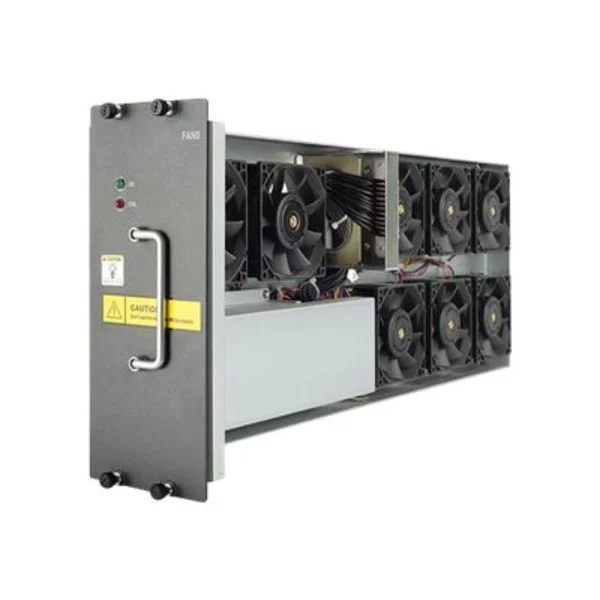
JC632A (HPE 10504 Spare Fan Assembly)
4.8 (5)- Cooling Solution
- Hpe
- Liquid (AIO)
- LGA 1700 / LGA 1200 / LGA 115x / AM4
- Rifle
- Gaming / Overclocking / Server Cooling
- 2
Est Value $1,232.00$754.69
38.7% offIn stockNewRefurbishedFirst-Time Buyer Discount – Get up to 2% additional off on your first order
ORM Rewards Earn $50 in Rewards + Free Expedited Delivery – Join Now!
Use eCoupon ORMSAVE10
eCoupon limited to 5 units
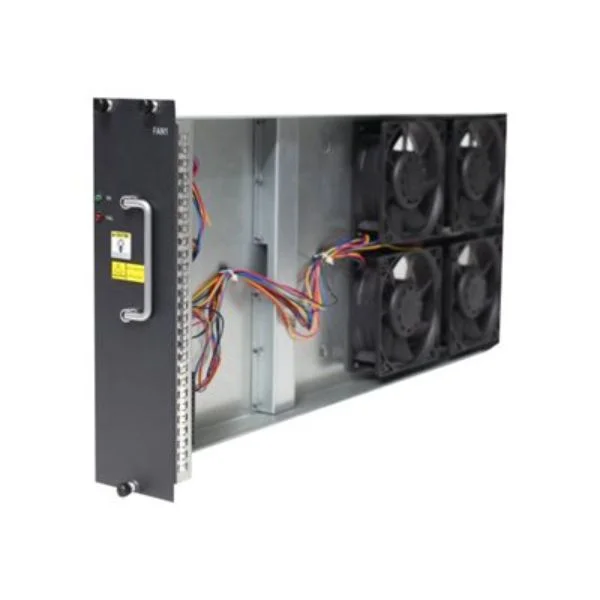
JC773A (HPE 10512 Spare Bottom Fan Tray Assembly)
4.6 (5)- Cooling Solution
- Hpe
- Liquid (AIO)
- LGA 115x / AM4
- Fluid Dynamic
- Gaming / Overclocking / Server Cooling
- 2
Est Value $1,294.00$777.00
40% offIn stockNewFirst-Time Buyer Discount – Get up to 2% additional off on your first order
ORM Rewards Earn $50 in Rewards + Free Expedited Delivery – Join Now!
Use eCoupon ORMSAVE10
eCoupon limited to 5 units
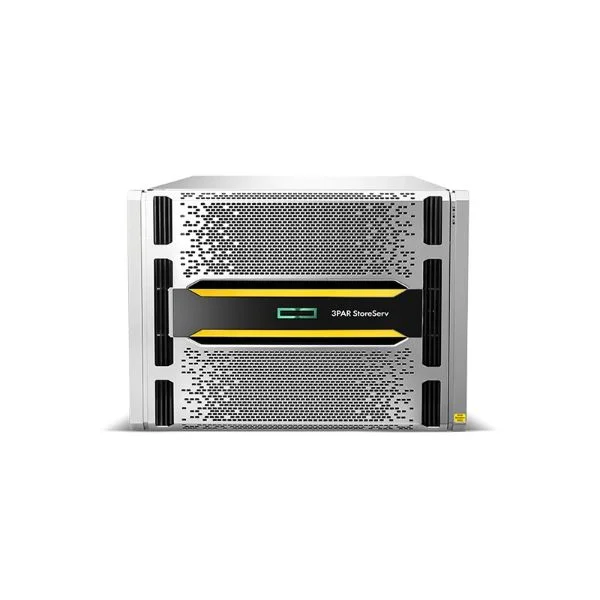
JG367A (HPE HSR6802 Router Spare Fan Assembly)
4.6 (5)- Cooling Solution
- Hpe
- Air
- LGA 1700 / LGA 115x / AM4
- Ball
- Gaming / Overclocking / Server Cooling
- 2
Est Value $1,717.80$858.90
50% offIn stockNewFirst-Time Buyer Discount – Get up to 2% additional off on your first order
ORM Rewards Earn $50 in Rewards + Free Expedited Delivery – Join Now!
Use eCoupon ORMSAVE10
eCoupon limited to 5 units

ORM Sales Advisors
Buying for your business? Get a personalised quote in under 2 hours. Talk to an expert
LEARNFilters (33) 
Questions & Answers
What are HPE Cooling Solutions and how do they benefit my data center?
HPE Cooling Solutions are integrated thermal management systems that optimize airflow, reduce hotspots, and lower operating costs by up to 40%, ensuring reliable data center performance.
Which HPE servers and racks are compatible with HPE Cooling Solutions?
HPE Cooling Solutions support ProLiant, Synergy, Apollo, and Integrity servers, plus HPE racks and third-party enclosures, enabling seamless deployment across hybrid IT environments.
How do HPE rear-door heat exchangers work?
HPE rear-door heat exchangers replace standard cabinet doors and use chilled water to absorb heat directly at the rack, cutting data center cooling energy usage by up to 30%.
Can HPE Cooling Solutions integrate with HPE OneView for monitoring?
Yes. HPE Cooling Solutions integrate natively with HPE OneView to provide real-time thermal metrics, predictive alerts, and automated cooling adjustments for proactive management.
What energy efficiency improvements can I expect from HPE Cooling Solutions?
By leveraging direct-to-chip cooling and intelligent controls, HPE Cooling Solutions can improve PUE (Power Usage Effectiveness) by 15–25%, lowering energy bills and carbon footprint.
How long does it take to install HPE Cooling Solutions in an existing rack?
An average installation of HPE Cooling Solutions, including rear-door exchangers or in-row units, takes 2–4 hours per rack, with minimal downtime when following HPE best practices.
What maintenance is required for HPE Cooling Solutions?
HPE Cooling Solutions require semiannual fluid checks and filter replacements. With HPE Smart Array monitoring, alerts notify you when preventive maintenance is due.
How do HPE Cooling Solutions support high-density computing?
HPE Cooling Solutions deliver direct liquid cooling and adjustable airflow, enabling support for racks with >20 kW density, ideal for AI, HPC and virtualization workloads.
What upfront and operational costs are associated with HPE Cooling Solutions?
HPE provides transparent pricing models that include hardware, installation, and maintenance. ROI is typically achieved within 12–18 months via energy savings and improved rack density.
Are HPE Cooling Solutions environmentally friendly?
Yes. HPE Cooling Solutions use non-ozone-depleting refrigerants and water-side economization to reduce greenhouse gas emissions and comply with industry-leading sustainability standards.
Does HPE offer service and support for Cooling Solutions?
HPE supports Cooling Solutions with global Proactive Care, 24/7 remote monitoring, on-site spares, and certified field engineers to ensure optimal uptime and performance.
Can I customize HPE Cooling Solutions for my specific rack layout?
HPE offers modular cooling modules and adjustable hardware kits that can be tailored to unique rack heights, power profiles, and data center floor plans.
How do HPE Cooling Solutions handle redundancy and failover?
HPE Cooling Solutions feature N+1 redundancy, automatic pump and fan failover, and integrated alerts to guarantee continuous thermal protection even during component failures.
What compliance standards do HPE Cooling Solutions meet?
HPE Cooling Solutions comply with ASHRAE, ISO 14001, LEED, and UL/CE certification requirements, ensuring safe, reliable, and sustainable data center operations.
How do I choose the right HPE Cooling Solution for my workload?
Assess rack density, power usage, and ambient conditions. Consult with HPE experts to select from direct-to-chip, in-row, or rear-door solutions that match your performance and budget goals.
What performance metrics should I track after deploying HPE Cooling Solutions?
Monitor PUE, inlet and outlet temperatures, fluid flow rates, and alarm thresholds via HPE OneView or iLO to validate cooling efficiency and detect anomalies in real time.