 United States
Data Tape DDS-2 High Performance
Experience unparalleled data security and archival excellence with DDS-2 Data Tape. Engineered for seamless integration, robust performance, and enduring durability, this advanced solution redefines enterprise-level data storage.
Talk to an expert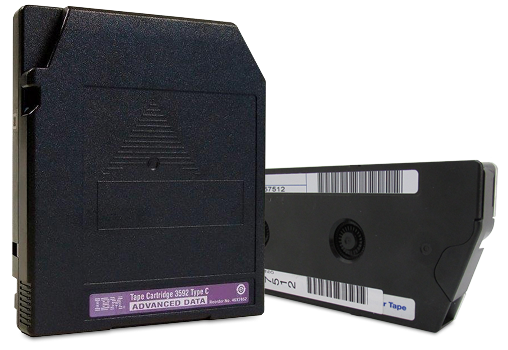

ORM Sales Advisors
Buying for your business? Get a personalised quote in under 2 hours. Talk to an expert
LEARNFilters (0) 
Questions & Answers
What is DDS-2 Data Tape?
DDS-2 Data Tape is the second-generation Digital Data Storage format on a 4 mm magnetic cartridge, offering 4 GB of native capacity and up to 8 GB with 2:1 hardware compression.
What is the storage capacity of a DDS-2 Data Tape?
A DDS-2 Data Tape provides 4 GB of uncompressed storage and up to 8 GB when using 2:1 hardware compression.
What is the data transfer speed of DDS-2 Data Tape?
DDS-2 Data Tape supports a native transfer rate of 1.3 MB/s and up to 2.6 MB/s with compression enabled.
Which backup drives support DDS-2 Data Tape?
DDS-2 Data Tape is supported by DDS-2 compatible drives from major vendors such as HP, Sony, Tandberg and other SCSI or SAS tape libraries.
Is DDS-2 Data Tape backward compatible with DDS-1?
Yes, DDS-2 drives can read and write DDS-1 cartridges, ensuring seamless migration from first-generation DDS media.
How long is the archival life of DDS-2 Data Tape?
Under proper storage conditions, DDS-2 Data Tape offers an archival life of 10–20 years due to its stable magnetic formulation.
How should I store DDS-2 Data Tapes to ensure longevity?
Store DDS-2 Data Tapes vertically in a clean environment at 10–25 °C and 20–50% relative humidity, away from direct sunlight and magnetic fields.
What are the recommended cleaning procedures for DDS-2 Data Tape drives?
Use manufacturer-approved cleaning cassettes every 40–50 tape mounts or when drive indicators prompt cleaning to maintain head performance.
Can I reuse DDS-2 Data Tapes for multiple backups?
Yes, DDS-2 Data Tapes are fully reusable; simply overwrite existing data or reformat the cartridge between backup cycles.
How do I verify data integrity on DDS-2 Data Tapes?
Verify data integrity by generating checksums or hashes during backup and performing periodic test restores to confirm recoverability.
What are the best practices for labeling DDS-2 Data Tapes?
Use archival-quality adhesive labels with a unique barcode or identifier, backup date, and content description for efficient tape rotation and tracking.
What environmental conditions are ideal for DDS-2 Data Tape storage?
Maintain 10–25 °C temperature, 20–50% relative humidity, minimal dust, and no exposure to magnetic sources for optimal tape health.
What is the difference between DDS-2 and DDS-3 Data Tapes?
DDS-3 cartridges increase native capacity to 12 GB (24 GB compressed) and boost transfer rates, while remaining backward compatible with DDS-2 drives.
Where can I purchase genuine DDS-2 Data Tapes?
Genuine DDS-2 Data Tapes are available from authorized IT media distributors, specialized archival suppliers, and online marketplaces such as Amazon.
What modern alternatives exist to DDS-2 Data Tape?
Modern alternatives include LTO-6/LTO-8 tape libraries, RDX removable disk systems, and cloud backup services offering higher capacity and speed.
How often should I perform test restores from DDS-2 Data Tape backups?
Schedule test restores at least quarterly to validate backup integrity and ensure your disaster-recovery procedures remain effective.
Are there specialized software tools for managing DDS-2 Data Tape backups?
Yes, enterprise backup solutions like IBM Spectrum Protect (Tivoli), Veritas Backup Exec, and Bacula support automated DDS-2 tape management and reporting.