 United States
Industrial Ethernet Switch Robust Connectivity
Optimized for critical industrial environments, our high-performance industrial ethernet switch ensures uninterrupted connectivity, efficient data transmission, and robust network security for all mission-critical operations.
Talk to an expert
3 Matching results
- BEST SELLING
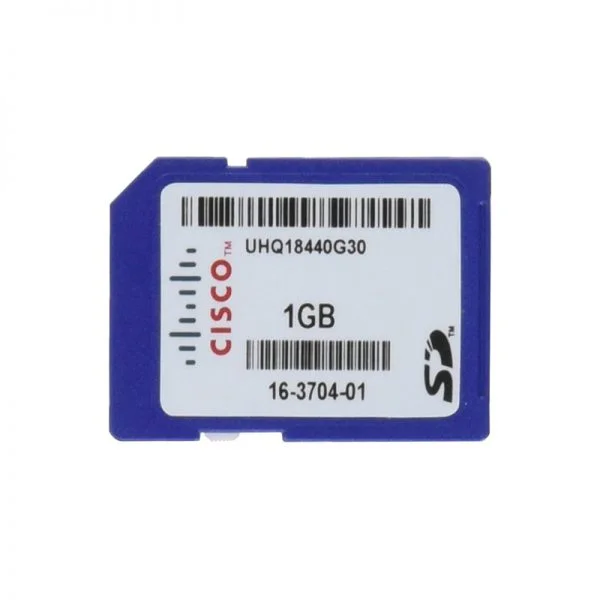
SD-IE-1GB (1GB SD Memory Card)
4.8 (5)- 1.2 inches
- Cisco
- 5.3 inches
- 0.1 lbs
- 0.75 inches
- Computer Memory
Est Value $202.00
$90.26
55.3% offIn stockNewRefurbishedFirst-Time Buyer Discount – Get up to 2% additional off on your first order
ORM Rewards Earn $50 in Rewards + Free Expedited Delivery – Join Now!
Use eCoupon ORMSAVE10
eCoupon limited to 5 units
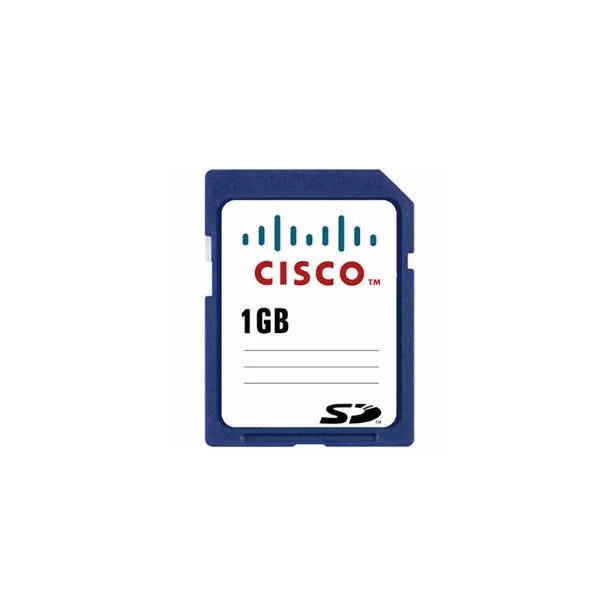
MEM-SD-1GB-RGD (1 GB industrial-grade secure digital (SD) memory card)
4.8 (5)- Computer Memory
- Cisco
- DDR4
- 1GB
- Laptop
- SODIMM
Est Value $473.00$259.35
45.2% offIn stockNewFirst-Time Buyer Discount – Get up to 2% additional off on your first order
ORM Rewards Earn $50 in Rewards + Free Expedited Delivery – Join Now!
Use eCoupon ORMSAVE10
eCoupon limited to 5 units
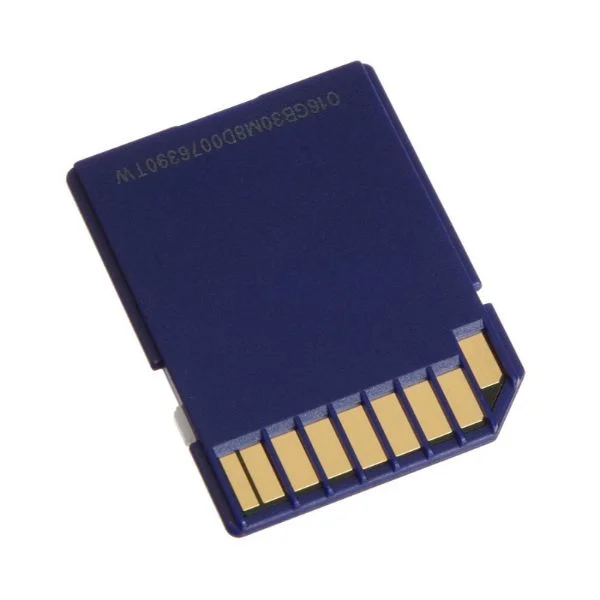
CF-IE3000 (SPARE COMPACT FLASH)
4.8 (5)- Computer Memory
- Cisco
- DDR4
- 16 GB
- Desktop
- Workstation
- UDIMM
Est Value In stockFirst-Time Buyer Discount – Get up to 2% additional off on your first order
ORM Rewards Earn $50 in Rewards + Free Expedited Delivery – Join Now!
Use eCoupon ORMSAVE10
eCoupon limited to 5 units

ORM Sales Advisors
Buying for your business? Get a personalised quote in under 2 hours. Talk to an expert
LEARNFilters (3) 
Questions & Answers
What is an industrial Ethernet switch?
An industrial Ethernet switch is a networking device designed to operate reliably in harsh environments, providing Ethernet connectivity, traffic management, and protocol support for industrial automation and control systems.
How does an industrial Ethernet switch differ from a commercial switch?
Industrial Ethernet switches feature ruggedized housings, extended temperature ranges, higher MTBF ratings, and advanced redundancy protocols, whereas commercial switches are optimized for office or data-center environments with less stringent environmental demands.
What environmental conditions can industrial Ethernet switches withstand?
Industrial switches are rated for extreme temperatures (–40 °C to +75 °C), high vibration, shock, humidity, and electromagnetic interference, ensuring reliable operation in factories, outdoor installations, and transportation systems.
What network protocols do industrial Ethernet switches support?
They support standard Ethernet protocols (IEEE 802.3), industrial real-time protocols (PROFINET, EtherNet/IP, Modbus TCP), and redundancy schemes (RSTP, ERPS, PRP, HSR) to ensure deterministic communication and high availability.
How do managed and unmanaged industrial Ethernet switches differ?
Managed industrial switches offer configuration interfaces (CLI, web GUI, SNMP), VLANs, QoS, security policies, and redundancy features, while unmanaged switches provide plug-and-play connectivity without advanced management capabilities.
What is the importance of redundancy and ring topology in industrial Ethernet switches?
Redundancy protocols and ring topologies minimize downtime by automatically rerouting traffic within milliseconds in case of link or device failure, ensuring continuous operation in critical industrial processes.
How do industrial Ethernet switches provide network security?
They implement features such as access control lists (ACLs), port security, 802.1X authentication, MAC address filtering, and encrypted management interfaces (HTTPS, SSH) to safeguard industrial networks against unauthorized access.
What power input options are available for industrial Ethernet switches?
Industrial switches support wide-range DC inputs (12–60 VDC), AC inputs (100–240 VAC), redundant power feeds, and Power over Ethernet (PoE/PoE+) to power both the switch and connected devices.
How do industrial Ethernet switches handle harsh temperatures?
They use industrial-grade components, conformal coating, and fanless or forced-air designs rated for extended temperature operation (–40 °C to +75 °C) to maintain performance in extreme conditions.
What is the typical MTBF for industrial Ethernet switches?
Mean Time Between Failures (MTBF) for industrial Ethernet switches typically exceeds 200,000 hours, reflecting high reliability and reduced maintenance in continuous-operation environments.
How do I choose the right industrial Ethernet switch for my application?
Select a switch based on required port count and speed, environmental ratings, protocol support, redundancy features, PoE capabilities, and management needs to match your automation or control system requirements.
Can industrial Ethernet switches be used in outdoor installations?
Yes. Outdoor-rated industrial switches feature IP67 or IP68 enclosures, corrosion-resistant materials, and extended temperature ranges to withstand rain, dust, and UV exposure.
How do industrial Ethernet switches support PoE and PoE+?
They comply with IEEE 802.3af/at standards to deliver up to 30 W per port, enabling centralized power delivery for IP cameras, wireless APs, and other field devices without separate power supplies.
What maintenance is required for industrial Ethernet switches?
Periodic checks include cleaning vents, verifying power and fiber connections, updating firmware, monitoring error counters, and inspecting environmental seals to ensure optimal performance.
How can I monitor network performance on industrial Ethernet switches?
Use built-in SNMP, sFlow, RMON, and port-based statistics to track throughput, latency, error rates, and link status via an NMS or SCADA system for proactive diagnostics.
Are industrial Ethernet switches compatible with legacy equipment?
Most industrial switches support auto-negotiation, legacy speed modes (10/100 Mbps), and media converters, ensuring interoperability with older devices and serial-to-Ethernet gateways.