 United States
Networking Solutions Intel Network Adapters
Engineered for superior performance, Intel Network Adapters deliver reliable connectivity, advanced security, and optimized throughput to empower enterprise infrastructures with minimized latency and robust networking reliability.
Talk to an expert
68 Matching results
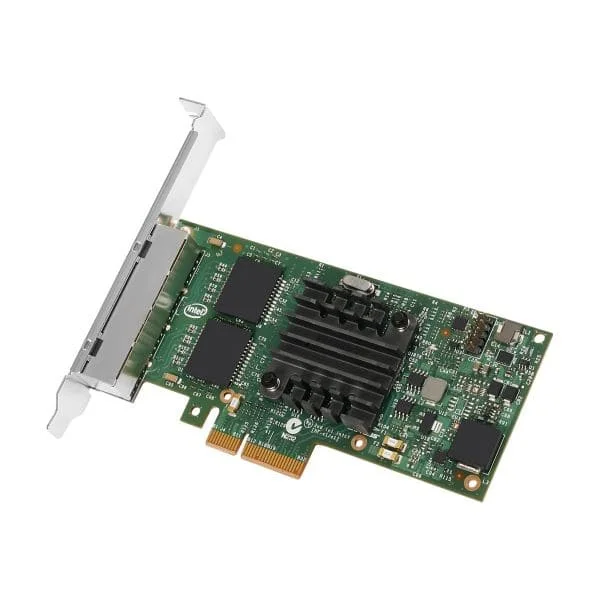
I350T2V2BLK (Intel Ethernet Server Adapter I350-T2 - network adapter - PCIe 2.1 x4 - 1000Base-T x 2)
5 (5)- Network Adapter
- Intel
- Ethernet
- 1Gbps
- PCIe
- TCP/IP, UDP, iSCSI
- Internal PCIe Card
Est Value $132.30
$102.90
22.2% offIn stockRefurbishedFirst-Time Buyer Discount – Get up to 2% additional off on your first order
ORM Rewards Earn $50 in Rewards + Free Expedited Delivery – Join Now!
Use eCoupon ORMSAVE10
eCoupon limited to 5 units
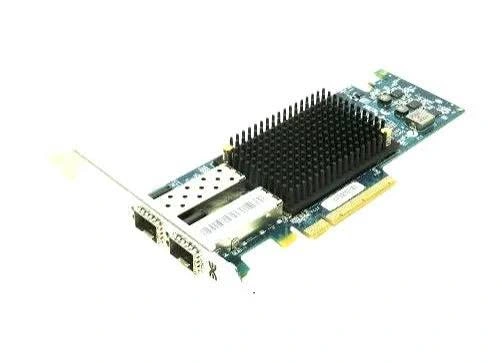
8265.NGWMG.DTX1 (Intel Dual Band Wireless-AC 8265 - Desktop Kit - network adapter - M.2 Card)
4.8 (6)- Network Adapter
- Intel
- Ethernet
- 10Gbps
- PCIe
- TCP/IP, UDP, iSCSI
- Internal PCIe Card
Est Value $124.54$106.31
14.6% offIn stockRefurbishedFirst-Time Buyer Discount – Get up to 2% additional off on your first order
ORM Rewards Earn $50 in Rewards + Free Expedited Delivery – Join Now!
Use eCoupon ORMSAVE10
eCoupon limited to 5 units
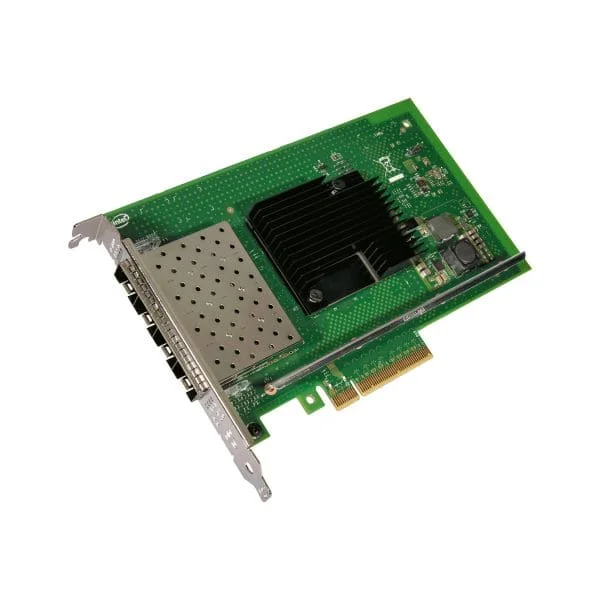
XL710QDA1BLK (ENET CONVERGED NTWK ADAPTER BULK PACK)
4.6 (5)- Network Adapter
- Intel
- Ethernet
- 10Gbps
- PCIe x8
- TCP/IP, UDP, iSCSI
- Internal PCIe Card
Est Value $380.76$115.92
69.6% offIn stockRefurbishedFirst-Time Buyer Discount – Get up to 2% additional off on your first order
ORM Rewards Earn $50 in Rewards + Free Expedited Delivery – Join Now!
Use eCoupon ORMSAVE10
eCoupon limited to 5 units
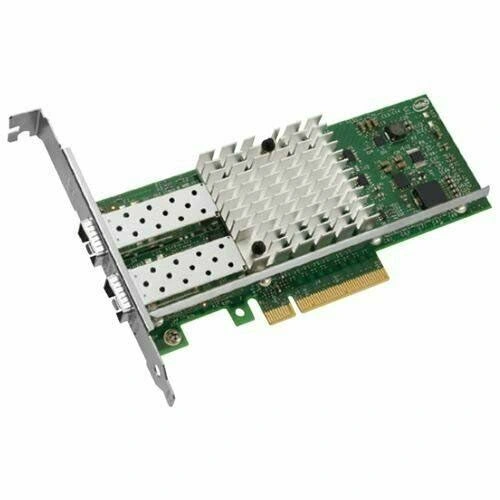
XXV710DA1OCP (Intel Ethernet Converged Network Adapter XXV710-DA1 - network adapter - PCIe 3.0 x8 - 25 Gigabit SFP28 x 1)
4.6 (5)- Network Adapter
- Intel
- Ethernet
- 25Gbps
- PCIe
- TCP/IP, UDP, iSCSI, NFS
- Internal PCIe Card
Est Value $242.56$121.28
50% offIn stockRefurbishedFirst-Time Buyer Discount – Get up to 2% additional off on your first order
ORM Rewards Earn $50 in Rewards + Free Expedited Delivery – Join Now!
Use eCoupon ORMSAVE10
eCoupon limited to 5 units
X550T2BLK (Intel Ethernet Converged Network Adapter X550-T2 - network adapter - PCIe 3.0 x4 - 10Gb Ethernet x 2)
4.5 (6)- Network Adapter
- Intel
- Ethernet
- 10Gbps
- PCIe 3.0 x4
- TCP/IP, UDP, iSCSI
- Internal PCIe Card
Est Value $185.98$131.04
29.5% offIn stockRefurbishedFirst-Time Buyer Discount – Get up to 2% additional off on your first order
ORM Rewards Earn $50 in Rewards + Free Expedited Delivery – Join Now!
Use eCoupon ORMSAVE10
eCoupon limited to 5 units
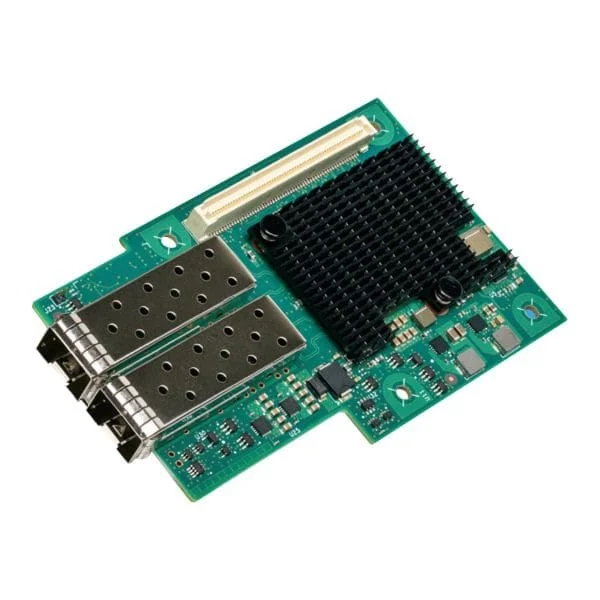
XXV710DA2OCP1 (Intel Ethernet Network Adapter XXV710-DA2 - network adapter - Mezzanine Card - 25 Gigabit SFP28 x 2)
4.6 (5)- Network Adapter
- Intel
- Ethernet
- 25Gbps
- PCIe
- TCP/IP, UDP, iSCSI, NFS
- Open Compute Project (OCP) Network Interface Card
Est Value $168.75$131.25
22.2% offIn stockNewFirst-Time Buyer Discount – Get up to 2% additional off on your first order
ORM Rewards Earn $50 in Rewards + Free Expedited Delivery – Join Now!
Use eCoupon ORMSAVE10
eCoupon limited to 5 units
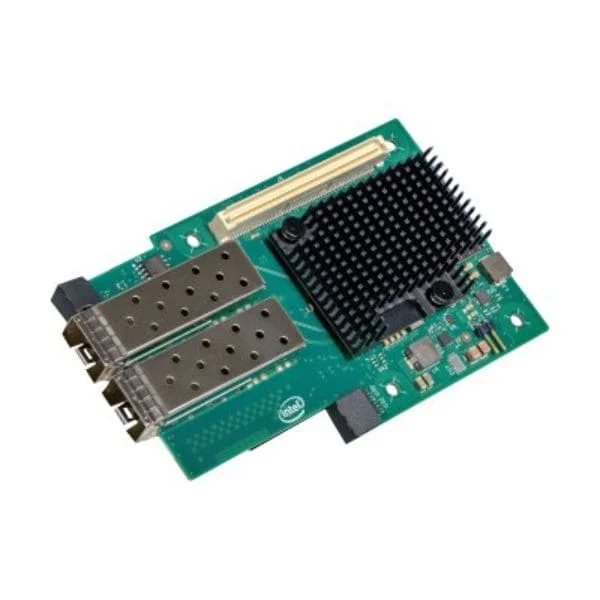
I357T4OCPG1P5 (Intel Ethernet Network Connection OCP I357-T4 - network adapter - OCP - 1000Base-T x 4)
4.6 (5)- Network Adapter
- Intel
- Ethernet
- 10Gbps
- PCIe
- TCP/IP, UDP, iSCSI, NFS
- Internal PCIe Card
Est Value $270.90$135.45
50% offIn stockRefurbishedFirst-Time Buyer Discount – Get up to 2% additional off on your first order
ORM Rewards Earn $50 in Rewards + Free Expedited Delivery – Join Now!
Use eCoupon ORMSAVE10
eCoupon limited to 5 units
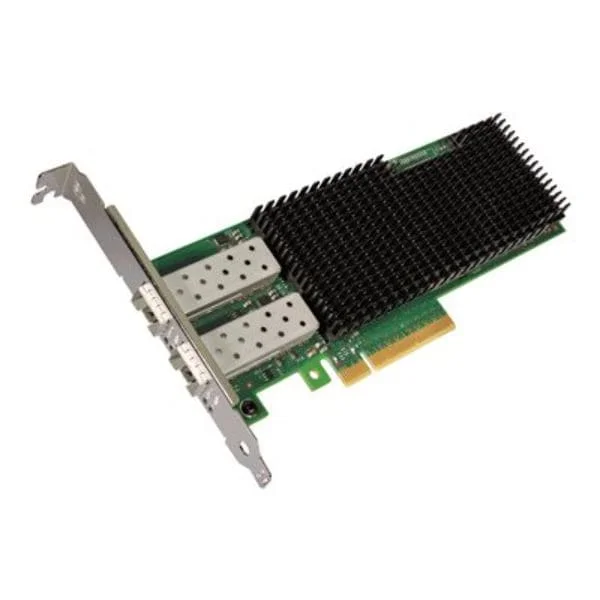
X710DA2 (Intel Ethernet Converged Network Adapter X710-DA2 - network adapter - PCIe 3.0 x8 - 10 Gigabit SFP+ x 2)
4.8 (5)- Network Adapter
- Intel
- Ethernet
- 10Gbps
- PCIe
- TCP/IP / UDP / iSCSI / NFS
- Internal PCIe Card
Est Value $572.69$241.04
57.9% offIn stockNewRefurbishedFirst-Time Buyer Discount – Get up to 2% additional off on your first order
ORM Rewards Earn $50 in Rewards + Free Expedited Delivery – Join Now!
Use eCoupon ORMSAVE10
eCoupon limited to 5 units
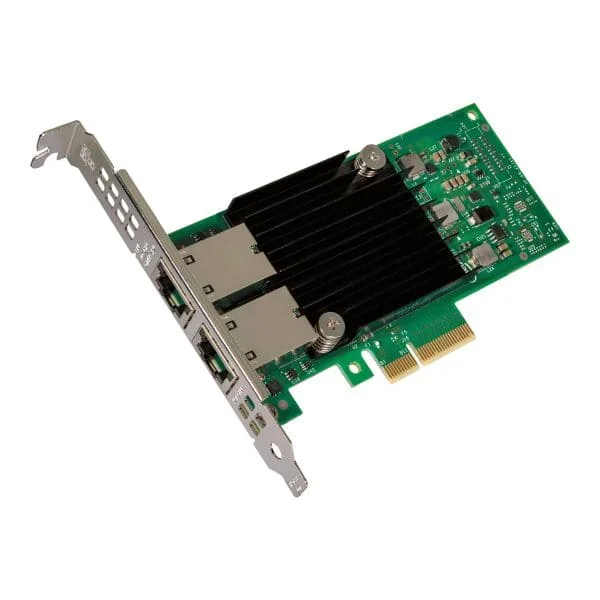
IQA89701G1P5 (Intel QuickAssist Adapter 8970 - cryptographic accelerator - PCIe 3.0 x16)
4.7 (6)- Network Adapter
- Intel
- Ethernet
- 1Gbps
- PCIe
- TCP/IP, UDP, iSCSI
- Internal PCIe Card
Est Value $179.55$152.78
14.9% offIn stockRefurbishedFirst-Time Buyer Discount – Get up to 2% additional off on your first order
ORM Rewards Earn $50 in Rewards + Free Expedited Delivery – Join Now!
Use eCoupon ORMSAVE10
eCoupon limited to 5 units
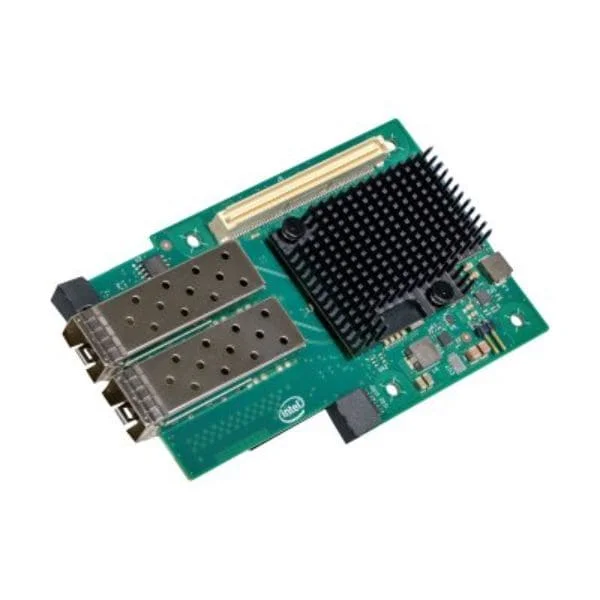
E10GSFPSRX (Intel Ethernet SFP+ SR Optics - SFP+ transceiver module - GigE, 10 GigE)
5 (5)- Network Adapter
- Intel
- Ethernet
- 10Gbps
- PCIe
- TCP/IP, UDP, iSCSI
- Internal PCIe Card
Est Value $216.00$213.15
1.3% offIn stockNewRefurbishedFirst-Time Buyer Discount – Get up to 2% additional off on your first order
ORM Rewards Earn $50 in Rewards + Free Expedited Delivery – Join Now!
Use eCoupon ORMSAVE10
eCoupon limited to 5 units
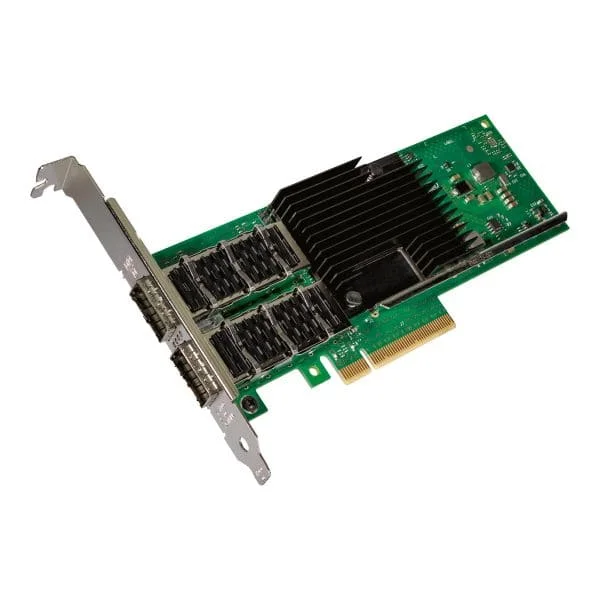
I350T2V2 (I350-T2V2 ETHERNET SERVER ADAP RETAIL UNIT MM#936711)
4.8 (6)- Network Adapter
- Intel
- Ethernet
- 1Gbps
- PCIe x4
- TCP/IP, UDP, iSCSI, NFS
- Internal PCIe Card
Est Value $263.16$105.84
59.8% offIn stockNewRefurbishedFirst-Time Buyer Discount – Get up to 2% additional off on your first order
ORM Rewards Earn $50 in Rewards + Free Expedited Delivery – Join Now!
Use eCoupon ORMSAVE10
eCoupon limited to 5 units
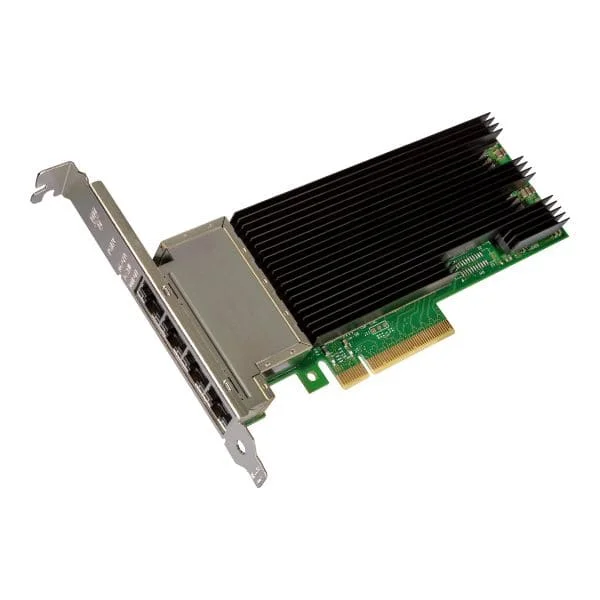
X550T2 (ETHERNET CONVERGED NETWORK ADAPTER X550-T2 SINGLE PK-MM#940128)
4.8 (5)- Network Adapter
- Intel
- Ethernet
- 10Gbps
- PCIe x4
- TCP/IP, UDP, iSCSI, NFS
- Internal PCIe Card
Est Value $263.84$149.10
43.5% offIn stockNewRefurbishedFirst-Time Buyer Discount – Get up to 2% additional off on your first order
ORM Rewards Earn $50 in Rewards + Free Expedited Delivery – Join Now!
Use eCoupon ORMSAVE10
eCoupon limited to 5 units
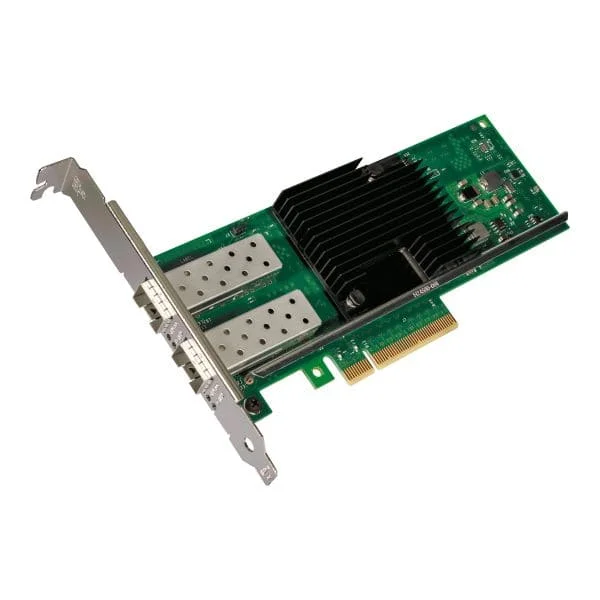
X527DA2OCPG1P5 (Intel Ethernet Network Connection OCP X527-DA2 - network adapter - OCP - 10 Gigabit SFP+ x 2)
4.7 (6)- Network Adapter
- Intel
- Ethernet
- 10Gbps
- PCIe
- TCP/IP, UDP, iSCSI
- Internal PCIe Card
Est Value $300.42$256.45
14.6% offIn stockNewRefurbishedFirst-Time Buyer Discount – Get up to 2% additional off on your first order
ORM Rewards Earn $50 in Rewards + Free Expedited Delivery – Join Now!
Use eCoupon ORMSAVE10
eCoupon limited to 5 units
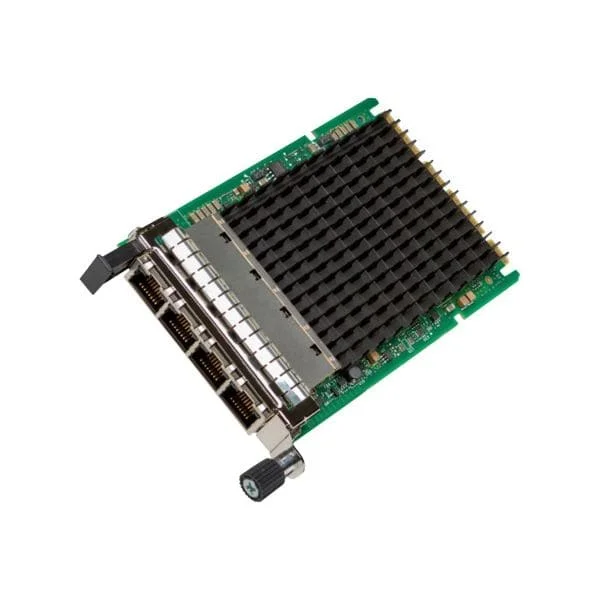
I350T4OCPV3 (Intel Ethernet Network Adapter I350-T4 - network adapter - OCP 3.0 - 1000Base-T x 4)
4.6 (5)- Network Adapter
- Intel
- Ethernet
- 1Gbps
- PCIe
- TCP/IP, UDP, iSCSI, NFS
- Internal PCIe Card
Est Value $244.35$126.00
48.4% offIn stockNewRefurbishedFirst-Time Buyer Discount – Get up to 2% additional off on your first order
ORM Rewards Earn $50 in Rewards + Free Expedited Delivery – Join Now!
Use eCoupon ORMSAVE10
eCoupon limited to 5 units
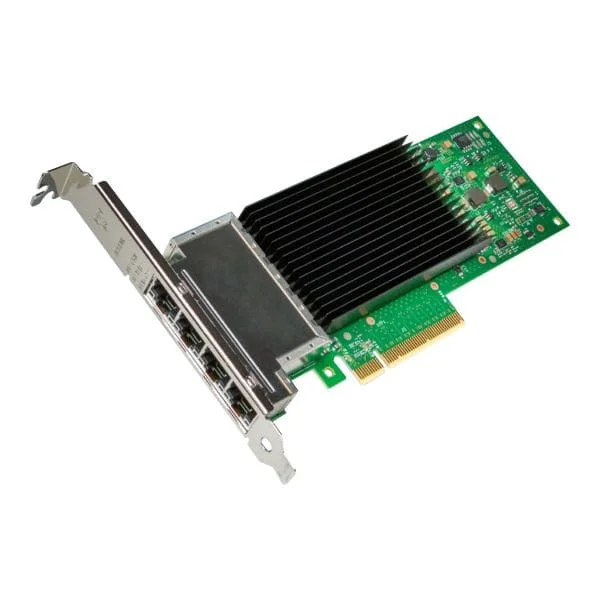
XL710QDA2OCP (ADAPTER XL710-QDA2 FOR OCP SINGLE)
5 (5)- Network Adapter
- Intel
- Ethernet
- 40Gbps
- PCIe
- TCP/IP, iSCSI, NFS
- Internal PCIe Card
Est Value $261.90$208.79
20.3% offIn stockNewFirst-Time Buyer Discount – Get up to 2% additional off on your first order
ORM Rewards Earn $50 in Rewards + Free Expedited Delivery – Join Now!
Use eCoupon ORMSAVE10
eCoupon limited to 5 units

I225T1BLK (Intel Ethernet Network Adapter I225-T1 - network adapter - PCIe - 2.5GBase-T x 1)
4.8 (6)- Network Adapter
- Intel
- Ethernet
- 1Gbps
- PCIe
- TCP/IP, UDP
- Internal PCIe Card
Est Value $251.24$214.47
14.6% offIn stockRefurbishedFirst-Time Buyer Discount – Get up to 2% additional off on your first order
ORM Rewards Earn $50 in Rewards + Free Expedited Delivery – Join Now!
Use eCoupon ORMSAVE10
eCoupon limited to 5 units
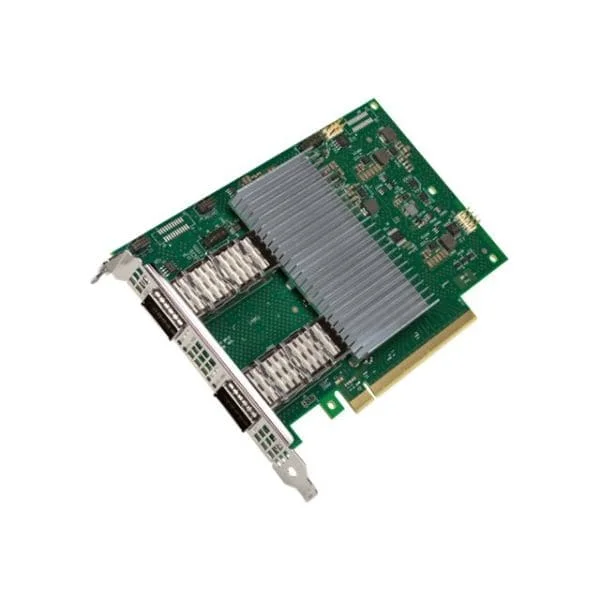
AXX10GBIOMOD (Intel - network adapter)
4.8 (6)- Network Adapter
- Intel
- Ethernet
- 10Gbps
- PCIe
- TCP/IP, UDP, iSCSI
- Internal PCIe Card
Est Value $442.92$221.46
50% offIn stockRefurbishedFirst-Time Buyer Discount – Get up to 2% additional off on your first order
ORM Rewards Earn $50 in Rewards + Free Expedited Delivery – Join Now!
Use eCoupon ORMSAVE10
eCoupon limited to 5 units

X710DA2OCP (Intel Ethernet Network Adapter X710-DA2 for OCP - network adapter - OCP 2.0 - 10 Gigabit SFP+ x 2)
4.7 (6)- Network Adapter
- Intel
- Ethernet
- 10Gbps
- PCIe
- TCP/IP / UDP / iSCSI / NFS
- Internal PCIe Card
Est Value $311.09$239.01
23.2% offIn stockRefurbishedFirst-Time Buyer Discount – Get up to 2% additional off on your first order
ORM Rewards Earn $50 in Rewards + Free Expedited Delivery – Join Now!
Use eCoupon ORMSAVE10
eCoupon limited to 5 units
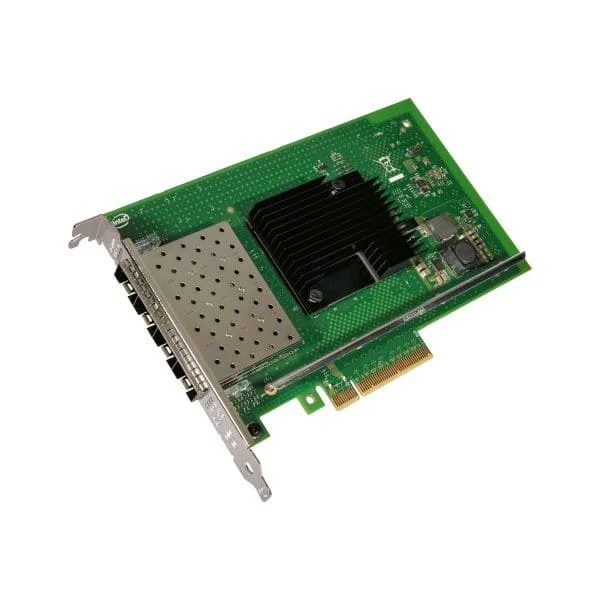
I350T4V2 (I350-T4V2 ETHERNET SERVER ADAP RETAIL UNIT MM#936715)
4.6 (5)- Network Adapter
- Intel
- Ethernet
- 1Gbps
- PCIe
- TCP/IP, UDP, iSCSI
- Internal PCIe Card
Est Value $317.25$189.00
40.4% offIn stockNewRefurbishedFirst-Time Buyer Discount – Get up to 2% additional off on your first order
ORM Rewards Earn $50 in Rewards + Free Expedited Delivery – Join Now!
Use eCoupon ORMSAVE10
eCoupon limited to 5 units
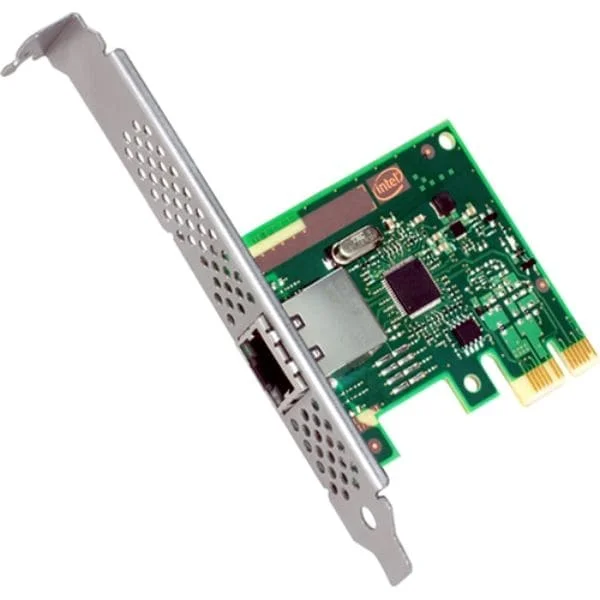
I350T4V2BLK (BULK 5PK I350-T4V2 ETHERNET SERVER ADAP MM#936716)
4.4 (5)- Network Adapter
- Intel
- Ethernet
- 1Gbps
- PCIe
- TCP/IP / UDP
- Internal PCIe Card
Est Value $371.50$287.99
22.5% offIn stockNewRefurbishedFirst-Time Buyer Discount – Get up to 2% additional off on your first order
ORM Rewards Earn $50 in Rewards + Free Expedited Delivery – Join Now!
Use eCoupon ORMSAVE10
eCoupon limited to 5 units

ORM Sales Advisors
Buying for your business? Get a personalised quote in under 2 hours. Talk to an expert
LEARNFilters (68) 
Questions & Answers
What is an Intel network adapter?
An Intel network adapter is a hardware component that provides Ethernet connectivity, offloads packet processing, and boosts data throughput in PCs and servers.
How do Intel network adapters enhance data throughput?
Intel adapters use hardware offloads, multi-queue processing, and virtualization features like SR-IOV to reduce CPU overhead and maximize packet forwarding rates.
Which Intel network adapter is recommended for small business networks?
The Intel® Ethernet Server Adapter I350-T4 delivers four Gigabit ports, advanced QoS, and energy-efficient performance ideal for small business deployments.
Are Intel network adapters interoperable with Windows and Linux operating systems?
Yes. Intel provides WHQL-signed drivers for Windows and open-source drivers for most Linux distributions, ensuring broad OS compatibility and seamless integration.
How do I install Intel network adapter drivers?
Download the latest driver package from the Intel Download Center, extract it, run the installer, and reboot your system to complete the installation.
What distinguishes the Intel Ethernet Server Adapter X550 from X710?
The X550 supports 10GBASE-T copper connectivity, while the X710 adds 10/25-GbE support, flexible port options, and enhanced virtualization offloads.
Do Intel network adapters support SR-IOV virtualization?
Yes. Most Intel adapters offer SR-IOV support to share physical functions across virtual machines, delivering low-latency, high-throughput networking in virtualized environments.
How can I configure link aggregation on an Intel network adapter?
Use Intel PROSet software or your OS’s teaming utility to create a link aggregation group (LAG) for load balancing and failover across adapter ports.
What port speeds are available on Intel network adapters?
Intel adapters support speeds from 1 GbE and 2.5 GbE up to 10 GbE, 25 GbE, 40 GbE, and 100 GbE depending on the model and interface.
Can I manage Intel network adapters remotely?
Yes. Intel® Ethernet adapters integrate with Intel® AMT and manageability tools for remote monitoring, firmware updates, and configuration via a secure interface.
How do I troubleshoot an Intel network adapter not detected by the system?
Verify PCIe slot seating, update or reinstall drivers from the Intel Download Center, and check BIOS/UEFI settings to ensure the adapter is enabled.
Where can I find firmware updates for my Intel network adapter?
Firmware updates are available on Intel’s Download Center; search by adapter model and apply the latest firmware using Intel® Integrator Toolkit or PROSet.
Does Intel provide security features on its network adapters?
Yes. Intel adapters include features like MACsec encryption, secure boot support, and firmware resiliency to protect data in transit and secure adapter firmware.
What is Intel Ethernet Flow Director and its benefit?
Flow Director is a hardware-based packet steering feature that accelerates application performance by directing flows to specific CPU cores for cache-optimized processing.
Are Intel network adapters compatible with PCIe 4.0 slots?
Most Intel adapters support PCIe 3.0 and are backward compatible with PCIe 4.0 slots; newer adapter families also natively support PCIe 4.0 for higher throughput.