 United States
Network Adapters for Enhanced Efficiency
Explore advanced network adapters engineered for superior data transfer and seamless connectivity performance. Our solutions ensure reliable network optimization, robust performance, and enhanced productivity for every enterprise environment.
Talk to an expert
Cisco Network Adapters
(7)Cisco network adapters for campus access closets using 1/10/25GbE interfaces across switch uplinks, virtualization hosts, and storage VLANs
Intel Network Adapters
(68)Intel network adapters for rack server virtualization clusters using PCIe Ethernet ports at 1/10/25/40GbE within VMware and Hyper-V hosts
Hpe Network Adapters
(52)HPE network adapters for ProLiant data center compute rows using FlexibleLOM or PCIe NICs with 10/25GbE uplinks to top-of-rack switches
Lenovo Network Adapters
(7)Lenovo network adapters for ThinkSystem refresh projects using OCP or PCIe interfaces across 10/25/100GbE leaf-spine fabrics in regional colocation racks
134 Matching results
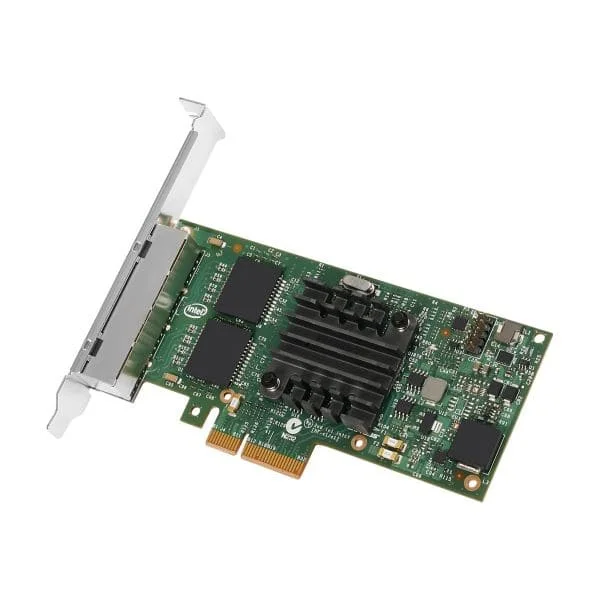
I350T2V2BLK (Intel Ethernet Server Adapter I350-T2 - network adapter - PCIe 2.1 x4 - 1000Base-T x 2)
5 (5)- Network Adapter
- Intel
- Ethernet
- 1Gbps
- PCIe
- TCP/IP, UDP, iSCSI
- Internal PCIe Card
Est Value $132.30
$102.90
22.2% offIn stockRefurbishedFirst-Time Buyer Discount – Get up to 2% additional off on your first order
ORM Rewards Earn $50 in Rewards + Free Expedited Delivery – Join Now!
Use eCoupon ORMSAVE10
eCoupon limited to 5 units
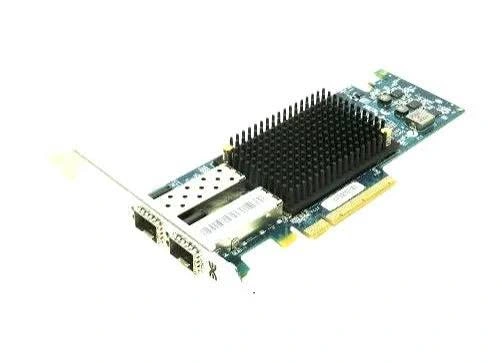
8265.NGWMG.DTX1 (Intel Dual Band Wireless-AC 8265 - Desktop Kit - network adapter - M.2 Card)
4.8 (6)- Network Adapter
- Intel
- Ethernet
- 10Gbps
- PCIe
- TCP/IP, UDP, iSCSI
- Internal PCIe Card
Est Value $124.54$106.31
14.6% offIn stockRefurbishedFirst-Time Buyer Discount – Get up to 2% additional off on your first order
ORM Rewards Earn $50 in Rewards + Free Expedited Delivery – Join Now!
Use eCoupon ORMSAVE10
eCoupon limited to 5 units
872725-B21 (HP INFINIBAND EDR 100GB 1PORT 841QSFP28 ADAPTER)
4.2 (5)- Network Adapter
- Hpe
- Ethernet
- 10Gbps
- PCIe
- TCP/IP, UDP
- Internal PCIe Card
Est Value $223.17$90.72
59.3% offIn stockNewRefurbishedFirst-Time Buyer Discount – Get up to 2% additional off on your first order
ORM Rewards Earn $50 in Rewards + Free Expedited Delivery – Join Now!
Use eCoupon ORMSAVE10
eCoupon limited to 5 units
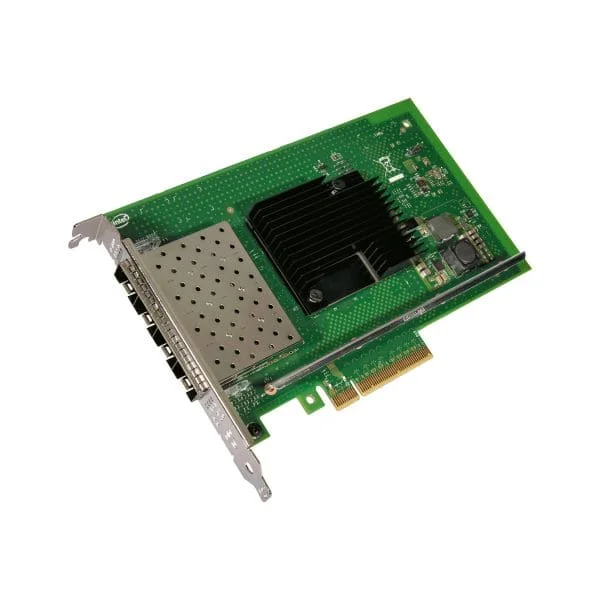
XL710QDA1BLK (ENET CONVERGED NTWK ADAPTER BULK PACK)
4.6 (5)- Network Adapter
- Intel
- Ethernet
- 10Gbps
- PCIe x8
- TCP/IP, UDP, iSCSI
- Internal PCIe Card
Est Value $380.76$115.92
69.6% offIn stockRefurbishedFirst-Time Buyer Discount – Get up to 2% additional off on your first order
ORM Rewards Earn $50 in Rewards + Free Expedited Delivery – Join Now!
Use eCoupon ORMSAVE10
eCoupon limited to 5 units
817738-B21 (ETH 10GB 2P 562T ADAPTER PL-SI)
5 (5)- Network Adapter
- Hpe
- Ethernet
- 10Gbps
- PCIe
- TCP/IP / UDP
- Internal PCIe Card
Est Value $1,394.00$209.37
85% offIn stockNewRefurbishedFirst-Time Buyer Discount – Get up to 2% additional off on your first order
ORM Rewards Earn $50 in Rewards + Free Expedited Delivery – Join Now!
Use eCoupon ORMSAVE10
eCoupon limited to 5 units
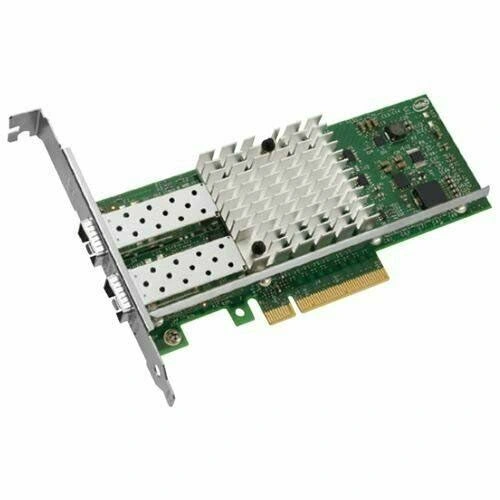
XXV710DA1OCP (Intel Ethernet Converged Network Adapter XXV710-DA1 - network adapter - PCIe 3.0 x8 - 25 Gigabit SFP28 x 1)
4.6 (5)- Network Adapter
- Intel
- Ethernet
- 25Gbps
- PCIe
- TCP/IP, UDP, iSCSI, NFS
- Internal PCIe Card
Est Value $242.56$121.28
50% offIn stockRefurbishedFirst-Time Buyer Discount – Get up to 2% additional off on your first order
ORM Rewards Earn $50 in Rewards + Free Expedited Delivery – Join Now!
Use eCoupon ORMSAVE10
eCoupon limited to 5 units
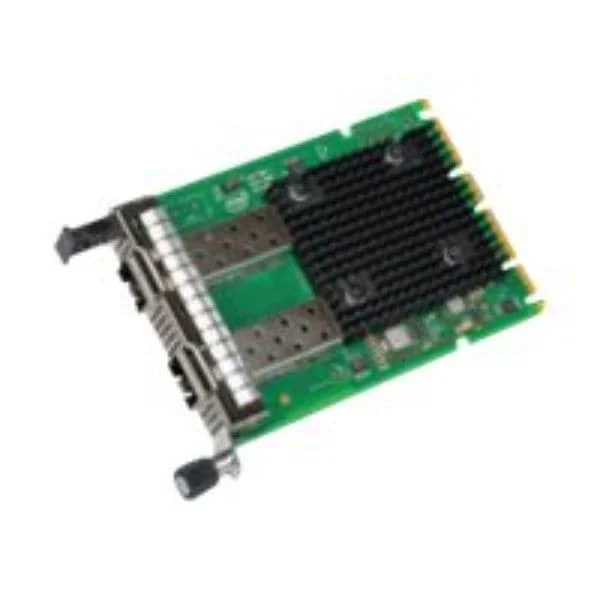
X550T2BLK (Intel Ethernet Converged Network Adapter X550-T2 - network adapter - PCIe 3.0 x4 - 10Gb Ethernet x 2)
4.5 (6)- Network Adapter
- Intel
- Ethernet
- 10Gbps
- PCIe 3.0 x4
- TCP/IP, UDP, iSCSI
- Internal PCIe Card
Est Value $185.98$131.04
29.5% offIn stockRefurbishedFirst-Time Buyer Discount – Get up to 2% additional off on your first order
ORM Rewards Earn $50 in Rewards + Free Expedited Delivery – Join Now!
Use eCoupon ORMSAVE10
eCoupon limited to 5 units
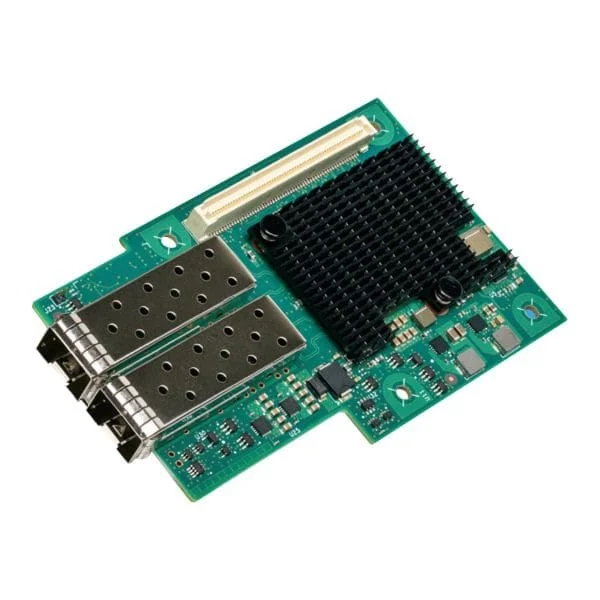
XXV710DA2OCP1 (Intel Ethernet Network Adapter XXV710-DA2 - network adapter - Mezzanine Card - 25 Gigabit SFP28 x 2)
4.6 (5)- Network Adapter
- Intel
- Ethernet
- 25Gbps
- PCIe
- TCP/IP, UDP, iSCSI, NFS
- Open Compute Project (OCP) Network Interface Card
Est Value $168.75$131.25
22.2% offIn stockNewFirst-Time Buyer Discount – Get up to 2% additional off on your first order
ORM Rewards Earn $50 in Rewards + Free Expedited Delivery – Join Now!
Use eCoupon ORMSAVE10
eCoupon limited to 5 units
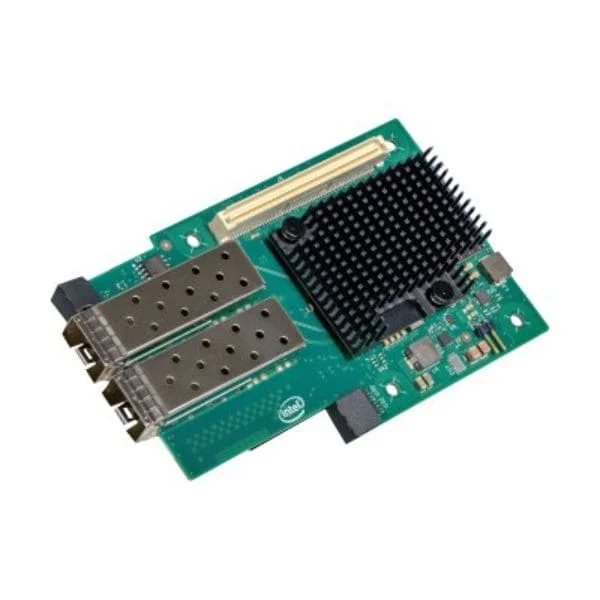
I357T4OCPG1P5 (Intel Ethernet Network Connection OCP I357-T4 - network adapter - OCP - 1000Base-T x 4)
4.6 (5)- Network Adapter
- Intel
- Ethernet
- 10Gbps
- PCIe
- TCP/IP, UDP, iSCSI, NFS
- Internal PCIe Card
Est Value $270.90$135.45
50% offIn stockRefurbishedFirst-Time Buyer Discount – Get up to 2% additional off on your first order
ORM Rewards Earn $50 in Rewards + Free Expedited Delivery – Join Now!
Use eCoupon ORMSAVE10
eCoupon limited to 5 units
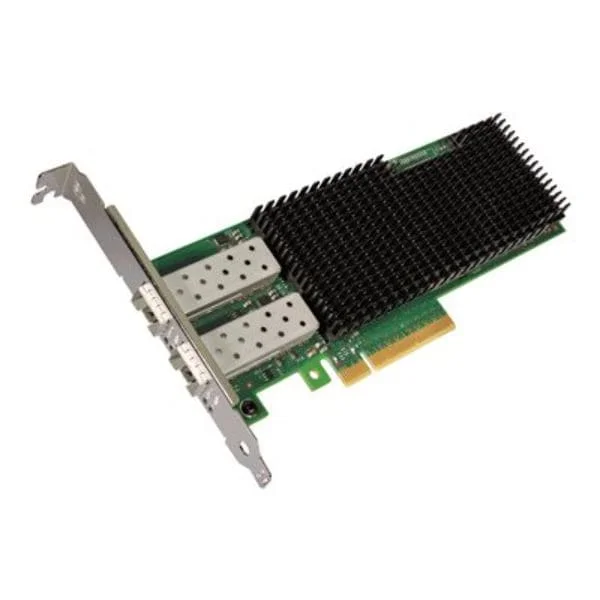
X710DA2 (Intel Ethernet Converged Network Adapter X710-DA2 - network adapter - PCIe 3.0 x8 - 10 Gigabit SFP+ x 2)
4.8 (5)- Network Adapter
- Intel
- Ethernet
- 10Gbps
- PCIe
- TCP/IP / UDP / iSCSI / NFS
- Internal PCIe Card
Est Value $572.69$241.04
57.9% offIn stockNewRefurbishedFirst-Time Buyer Discount – Get up to 2% additional off on your first order
ORM Rewards Earn $50 in Rewards + Free Expedited Delivery – Join Now!
Use eCoupon ORMSAVE10
eCoupon limited to 5 units
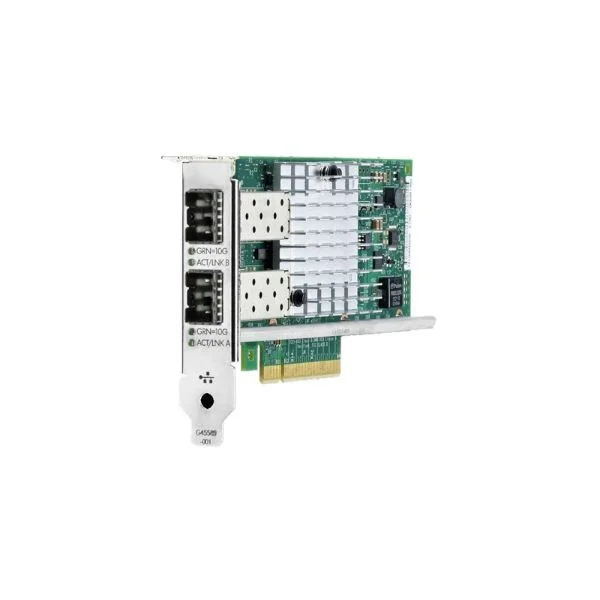
817750-B21 (HPE Eth 10/25Gb2p 640FLR-SFP28 FIO Adptr)
4.8 (5)- Network Adapter
- Hpe
- Ethernet
- 1Gbps
- PCIe
- TCP/IP, UDP
- Internal PCIe Card
Est Value $645.20$550.78
14.6% offIn stockNewRefurbishedFirst-Time Buyer Discount – Get up to 2% additional off on your first order
ORM Rewards Earn $50 in Rewards + Free Expedited Delivery – Join Now!
Use eCoupon ORMSAVE10
eCoupon limited to 5 units
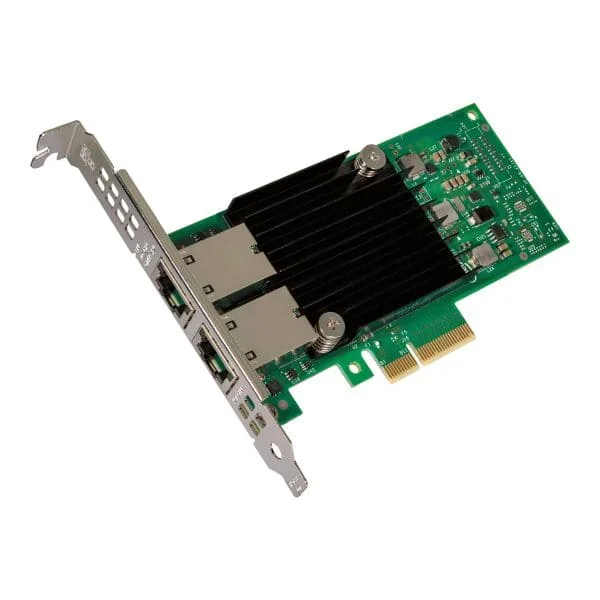
IQA89701G1P5 (Intel QuickAssist Adapter 8970 - cryptographic accelerator - PCIe 3.0 x16)
4.7 (6)- Network Adapter
- Intel
- Ethernet
- 1Gbps
- PCIe
- TCP/IP, UDP, iSCSI
- Internal PCIe Card
Est Value $179.55$152.78
14.9% offIn stockRefurbishedFirst-Time Buyer Discount – Get up to 2% additional off on your first order
ORM Rewards Earn $50 in Rewards + Free Expedited Delivery – Join Now!
Use eCoupon ORMSAVE10
eCoupon limited to 5 units
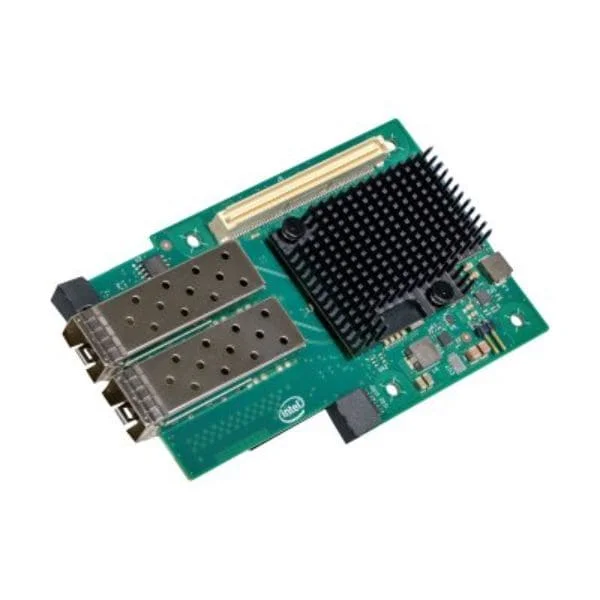
E10GSFPSRX (Intel Ethernet SFP+ SR Optics - SFP+ transceiver module - GigE, 10 GigE)
5 (5)- Network Adapter
- Intel
- Ethernet
- 10Gbps
- PCIe
- TCP/IP, UDP, iSCSI
- Internal PCIe Card
Est Value $216.00$213.15
1.3% offIn stockNewRefurbishedFirst-Time Buyer Discount – Get up to 2% additional off on your first order
ORM Rewards Earn $50 in Rewards + Free Expedited Delivery – Join Now!
Use eCoupon ORMSAVE10
eCoupon limited to 5 units
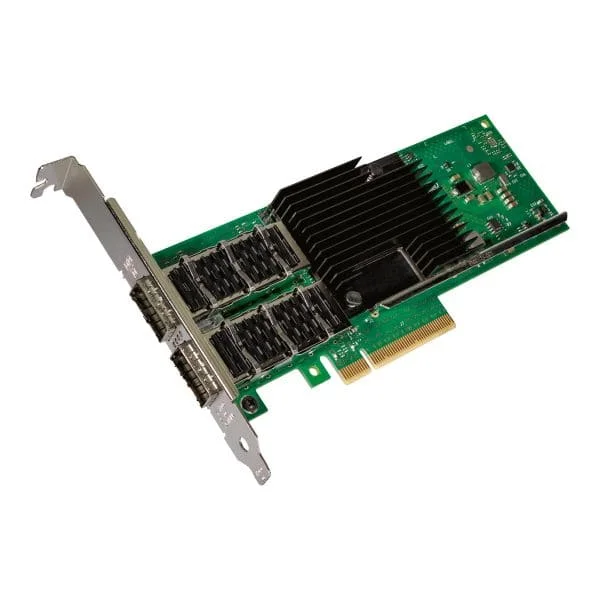
I350T2V2 (I350-T2V2 ETHERNET SERVER ADAP RETAIL UNIT MM#936711)
4.8 (6)- Network Adapter
- Intel
- Ethernet
- 1Gbps
- PCIe x4
- TCP/IP, UDP, iSCSI, NFS
- Internal PCIe Card
Est Value $263.16$105.84
59.8% offIn stockNewRefurbishedFirst-Time Buyer Discount – Get up to 2% additional off on your first order
ORM Rewards Earn $50 in Rewards + Free Expedited Delivery – Join Now!
Use eCoupon ORMSAVE10
eCoupon limited to 5 units
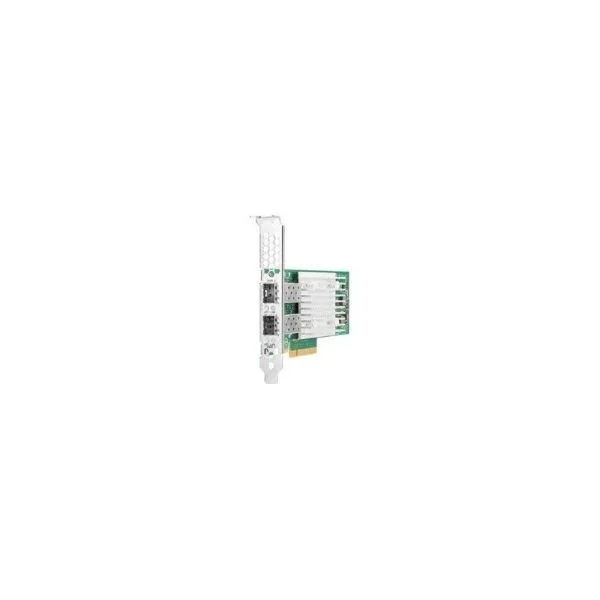
867707-B21 (ETH 10GB 2P 521T ADAPTER PL-SI)
4.6 (5)- Network Adapter
- Hpe
- Converged
- 10Gbps
- PCIe
- TCP/IP, UDP, iSCSI, NFS
- Internal PCIe Card
Est Value $604.80$302.40
50% offIn stockNewRefurbishedFirst-Time Buyer Discount – Get up to 2% additional off on your first order
ORM Rewards Earn $50 in Rewards + Free Expedited Delivery – Join Now!
Use eCoupon ORMSAVE10
eCoupon limited to 5 units
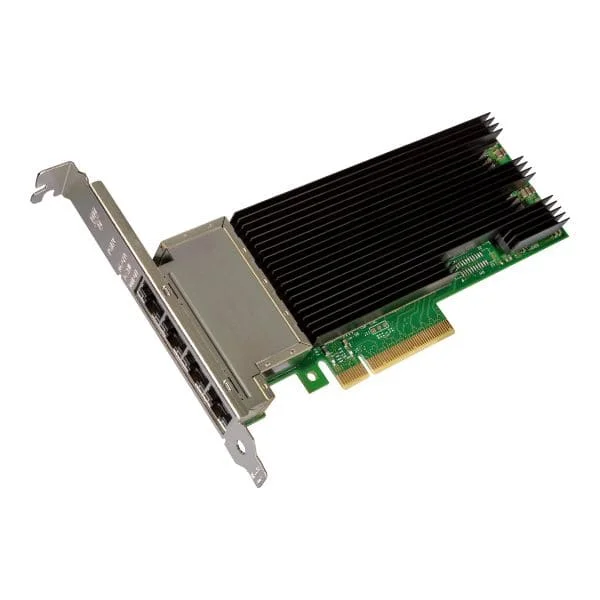
X550T2 (ETHERNET CONVERGED NETWORK ADAPTER X550-T2 SINGLE PK-MM#940128)
4.8 (5)- Network Adapter
- Intel
- Ethernet
- 10Gbps
- PCIe x4
- TCP/IP, UDP, iSCSI, NFS
- Internal PCIe Card
Est Value $263.84$149.10
43.5% offIn stockNewRefurbishedFirst-Time Buyer Discount – Get up to 2% additional off on your first order
ORM Rewards Earn $50 in Rewards + Free Expedited Delivery – Join Now!
Use eCoupon ORMSAVE10
eCoupon limited to 5 units
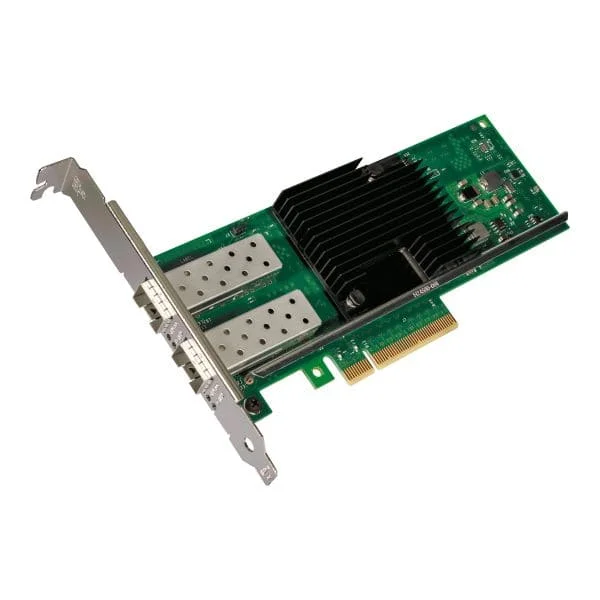
X527DA2OCPG1P5 (Intel Ethernet Network Connection OCP X527-DA2 - network adapter - OCP - 10 Gigabit SFP+ x 2)
4.7 (6)- Network Adapter
- Intel
- Ethernet
- 10Gbps
- PCIe
- TCP/IP, UDP, iSCSI
- Internal PCIe Card
Est Value $300.42$256.45
14.6% offIn stockNewRefurbishedFirst-Time Buyer Discount – Get up to 2% additional off on your first order
ORM Rewards Earn $50 in Rewards + Free Expedited Delivery – Join Now!
Use eCoupon ORMSAVE10
eCoupon limited to 5 units
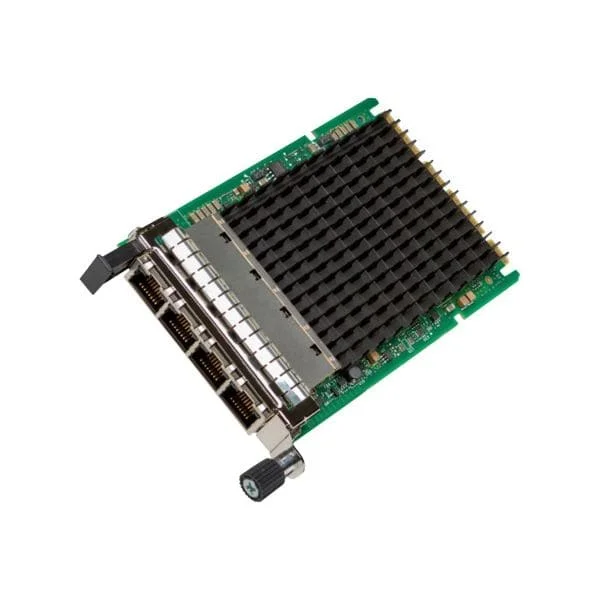
I350T4OCPV3 (Intel Ethernet Network Adapter I350-T4 - network adapter - OCP 3.0 - 1000Base-T x 4)
4.6 (5)- Network Adapter
- Intel
- Ethernet
- 1Gbps
- PCIe
- TCP/IP, UDP, iSCSI, NFS
- Internal PCIe Card
Est Value $244.35$126.00
48.4% offIn stockNewRefurbishedFirst-Time Buyer Discount – Get up to 2% additional off on your first order
ORM Rewards Earn $50 in Rewards + Free Expedited Delivery – Join Now!
Use eCoupon ORMSAVE10
eCoupon limited to 5 units

798192-B21 (HPE Server Network Controllers)
4.6 (5)- Network Adapter
- Hpe
- Ethernet
- 10Gbps
- PCIe
- TCP/IP, UDP
- Internal PCIe Card
Est Value $380.62$190.31
50% offIn stockRefurbishedFirst-Time Buyer Discount – Get up to 2% additional off on your first order
ORM Rewards Earn $50 in Rewards + Free Expedited Delivery – Join Now!
Use eCoupon ORMSAVE10
eCoupon limited to 5 units
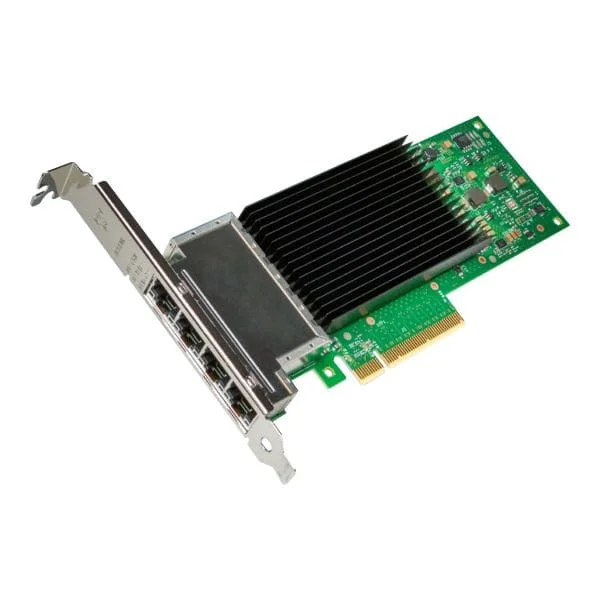
XL710QDA2OCP (ADAPTER XL710-QDA2 FOR OCP SINGLE)
5 (5)- Network Adapter
- Intel
- Ethernet
- 40Gbps
- PCIe
- TCP/IP, iSCSI, NFS
- Internal PCIe Card
Est Value $261.90$208.79
20.3% offIn stockNewFirst-Time Buyer Discount – Get up to 2% additional off on your first order
ORM Rewards Earn $50 in Rewards + Free Expedited Delivery – Join Now!
Use eCoupon ORMSAVE10
eCoupon limited to 5 units

ORM Sales Advisors
Buying for your business? Get a personalised quote in under 2 hours. Talk to an expert
LEARNFilters (134) 
Questions & Answers
What is a network adapter?
A network adapter is a hardware component that enables a computer or device to connect to a network by converting data into a network-compatible format.
How do I choose the right network adapter for my PC?
Select a network adapter based on your required interface (PCIe, USB, M.2), supported speeds (1 Gbps, 10 Gbps), and compatibility with your operating system.
What is the difference between wired and wireless network adapters?
Wired adapters connect via Ethernet cables for stable, high-speed links, while wireless adapters use Wi-Fi protocols for cable-free connectivity and flexibility.
How do I install a network adapter?
Install a PCIe or M.2 adapter by securing it in the appropriate slot, then install drivers from the manufacturer’s website or included media and restart your device.
How can I update my network adapter drivers?
Download the latest drivers from the adapter manufacturer’s website or use your operating system’s device manager to automatically search and install updates.
What is the difference between internal and external network adapters?
Internal adapters mount inside the PC chassis via PCIe or M.2 slots, while external adapters connect via USB or Thunderbolt for plug-and-play network access.
What network adapter speed do I need?
Choose an adapter speed that matches your network infrastructure—1 Gbps for standard use, 2.5–10 Gbps for high-performance or server environments.
Can I use a network adapter for virtualization?
Yes, many adapters support SR-IOV or VM-Q features to allocate virtual functions and optimize network performance in virtualized environments.
How do I troubleshoot a network adapter not working?
Check physical connections, verify driver installation in Device Manager, run the network troubleshooter, and test with a known-good cable or port.
What is a PoE network adapter?
A Power over Ethernet (PoE) adapter delivers both network data and electrical power over a single Ethernet cable to compatible devices.
How do I upgrade my network adapter?
Power down your system, replace the old adapter with a new one compatible with your slot and OS, then install updated drivers and configure network settings.
How do I check network adapter compatibility with my operating system?
Review the adapter’s technical specifications for supported OS versions and download compatible drivers before making your purchase.
What is an SFP network adapter?
An SFP adapter uses small form-factor pluggable modules to support fiber or copper connections, enabling flexible network media and distances.
How do I configure network adapter settings in Windows?
Open Network Connections, right-click the adapter, select Properties, and adjust IPv4/IPv6, DNS, speed, and duplex settings as needed.
What is the difference between a NIC and a network adapter?
A NIC (Network Interface Card) is a type of network adapter; the term NIC typically refers to internal cards, while adapter covers all interface types.
Do network adapters affect gaming performance?
Yes, high-quality adapters with low latency and high throughput can reduce lag and improve stability during online gaming sessions.