United States
![Single, Hot-plug power supply (1+0), 1600W, need 250V power cable [SKU: 450-AFMR]](https://backend.ormsystems.com/storage/products/thumbnails/450-afmr-price.webp "Single, Hot-plug power supply (1+0), 1600W, need 250V power cable [SKU: 450-AFMR]")
450-AFMR
$786.31$671.24
SAVE $115.07

Featured Deal
Hand-picked by our procurement team for standout value. This unit is offered at our sharpest price on current stock, verified against live market rates.
Name:

Added to cart 28 times recently
Ready to Ship
Certified Refurbished
Professionally inspected, bench-tested, and firmware-verified, with configurations wiped. Restored to full working order and backed by our warranty.


3 Year Extended Warranty


Same-day Shipping

30-Day Money Back Guarantee
Shipping:
Payment:
3 Year Extended Warranty
Same-day Shipping
30-Day Money Back Guarantee
Need Additional Discount on Product?
Request a quote below - Get Exclusive Pricing and Support.
Shipping:
Payment:
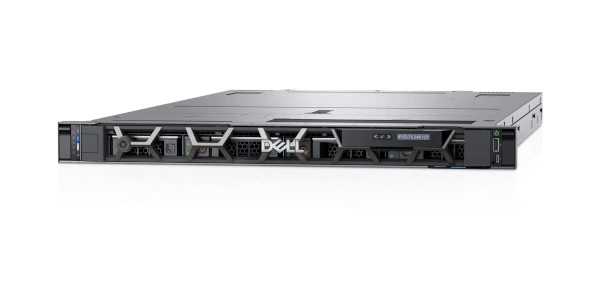
R6525
Dell PowerEdge R6525 Rack Server, 2-Socket AMD EPYC 7002/700...
Trusted by the Highest-Stakes Buyers
Federal agencies and Fortune 500 operations source through ORM Systems.
US Government & Defense




Enterprise Clients



Built Global. Stocked Local.
Regional teams and 25+ distribution partners keep stock near you and accountability in your time zone.
Buyer Protection on Every Order
Pay by PayPal or Revolut with full chargeback rights. Order on PO terms, Net-30 for government.
Verified By Federal Bodies
Every registration we claim is public record — check our federal contractor status yourself before you spend a dollar.



Since 2016, Enterprise-Trusted
Ten years serving buyers who audit their vendors. From federal agencies to 20,000+ enterprise clients worldwide.
R6525 is a Dell EMC PowerEdge 1U rack server chassis for dense two-socket AMD compute in the R-series line. It supports two AMD EPYC 7002 or 7003 series processors, 32 DIMM slots, and a configure-to-order build model rather than a fixed CPU, memory, or drive shipment from the model code alone. Front storage choices include 4 x 3.5-inch, 8 x 2.5-inch, 10 x 2.5-inch, and 10 + 2 x 2.5-inch hot-swappable SAS, SATA, or NVMe layouts depending on chassis build. Embedded networking starts with 2 x 1GbE LOM, with OCP 3.0 adapter options up to 100GbE. Compared with R6515, this model doubles the supported processor socket count from one to two for denser dual-processor rack designs. This platform suits buyers needing more socket density than a single-processor node while staying in a 1U rack envelope.
Two processor sockets host AMD EPYC 7002 or 7003 series CPUs with up to 64 cores and 128 threads per CPU. 4 TB of maximum memory capacity across DDR4 ECC DIMM slots supports virtualization, database, and high performance computing profiles that need a compact rack footprint. Up to 12 hot-swappable drive positions support SAS, SATA, or NVMe storage layouts when the chassis is ordered with the matching backplane and controller. PCIe 4.0 expansion supports up to four expansion cards for storage, accelerator, and network options. 3200 MT/s memory speed gives the platform a DDR4 performance ceiling for supported DIMM populations. Up to two AC or DC PSUs provide redundant power input for the selected configuration. R6525 uses iDRAC9 for remote hardware inventory, lifecycle tasks, and out-of-band administration, while supported operating systems include Windows Server, Red Hat Enterprise Linux, SUSE Linux Enterprise Server, Ubuntu Server LTS, and VMware ESXi/vSAN as buyer-supplied software environments.
R6525 fits data center rows, virtualization clusters, HCI nodes, and dense compute refresh projects where rack space, redundant power, serviceable storage, and remote management matter. The operating system or hypervisor is buyer-supplied unless a configured order separately documents a factory image, so procurement teams should align CPU, memory, drive, RAID, network, rail, and support requirements before quoting. ORM Systems supplies this server in new and certified refurbished condition, with server-focused refurbishment checks such as burn-in testing, memory and CPU diagnostics, firmware and iDRAC reset, drive wipe or certification, and chassis slot inspection before dispatch. For refurbished replacement projects, that validation supports continuity when existing application images, VMware clusters, or Linux builds remain tied to this hardware generation. Request a quote with target configuration, quantity, condition preference, and deployment schedule so enterprise buyers can standardize fleet or cluster nodes without mixing unsupported build assumptions.
R6525 price is is available on request. Get immediate quote.
Request bulk order quote for R6525 for additional pricing. Browse the full Dell Rack Server series or explore all Dell products.
R6525 operates as a dense 1U virtualization host where dual AMD EPYC 7002 or 7003 processors, 32 DIMM slots, and PCIe 4.0 expansion support consolidated compute pools. Engineers configure the chassis with the chosen CPU, memory, storage, RAID, and OCP 3.0 network options, then attach iDRAC9 to the management plane for lifecycle tasks. SAS, SATA, or NVMe bay options align local boot and datastore layouts with cluster design. The result is higher rack density with controlled management separation across standardized host groups.
R6525 fits a hyperconverged infrastructure node role where compute, memory, and local hot-swap storage share the same 1U footprint. Teams select 2.5-inch SAS, SATA, or NVMe drive layouts, pair them with PERC or HBA controller options, and size the OCP 3.0 adapter for east-west traffic. iDRAC9 keeps firmware, inventory, and hardware health visible outside the guest stack. This placement concentrates validated compute and storage resources while preserving serviceable drive access, redundant power design, and lifecycle staging during planned capacity expansion.
The server anchors a database or HPC compute tier where two AMD EPYC sockets, DDR4 ECC memory capacity, and PCIe 4.0 expansion support memory-sensitive and throughput-heavy jobs. R6525 is staged with buyer-selected processors, DIMM population, storage controller, and network adapter so each node matches the approved workload profile. Redundant power options and iDRAC9 management keep hardware operations separate from the application stack. The deployment creates a compact compute layer with repeatable configuration control across multiple rack nodes without changing the approved data center footprint.
Mon–Fri: [09:00-16:00]
Avg. response under 30 mins


Every unit is authentic, sourced through trusted and authorised channels, and serial-verified on request. Genuine networking and IT hardware, guaranteed, or your money back.

New products are backed by up to 3 years of extended warranty, and certified refurbished units by up to 3 months, for dependable protection on every order. Coverage is clear, honoured in full, and confirmed on each product page.

If a unit ever falls short, our streamlined RMA process gets a replacement to you fast, with advance replacement available to keep your network running. No jargon, no runaround.

Every device is inspected, bench-tested, and firmware-verified, with configurations wiped before dispatch. Additional testing can be arranged to confirm full working condition on request.

Our specialists assist with compatibility, configuration, licensing, and installation, before and after you buy. Real hardware expertise, whenever you need it.

dispatched quickly and shipped worldwide from regional hubs, fully tracked and insured.
Reviewed on the 22 July 2023

R6525 matched our virtualization host standard and arrived with the configuration details needed for staging and inventory checks.
Reviewed on the 13 June 2020
The server was documented clearly enough for procurement to compare CPU, memory, storage, and condition options before approval.
Reviewed on the 13 August 2024
Refurbished R6525 units gave our team a practical way to extend an existing AMD EPYC cluster without changing platform generation.
Reviewed on the 20 January 2020
Good fit for dense rack refresh planning. The quote process helped confirm drives, controllers, and rails before purchase.
Reviewed on the 29 December 2024
iDRAC management and configurable storage options made the R6525 straightforward to align with our existing deployment process.
Reviewed on the 20 January 2021
The listing helped separate the base R6525 chassis from configured builds, which reduced confusion during technical review.
R6525 is the Dell EMC PowerEdge R6525, a 1U rack server chassis for two AMD EPYC 7002 or 7003 series processors. The model supports 32 DIMM slots, redundant AC or DC power supply options, iDRAC9 management, and hot-swappable SAS, SATA, or NVMe drive layouts. Because the bare model code is configure-to-order, CPU, RAM, and storage must be specified at quote stage.
The R in R6525 identifies a rack PowerEdge platform, while the model belongs to Dell's AMD EPYC based R-series generation. It identifies the chassis family, not a complete bill of materials. A quote should bind exact processor, DIMM population, drive backplane, controller, network adapter, rails, and support terms to avoid mixing the model with a reseller-specific configuration.
R6525 is a rack server, not a tower, blade, or blade enclosure. It uses a 1U rack-mount chassis designed for standard data center rack deployment. The platform is a standalone PowerEdge server with its own processors, memory slots, drive bays, redundant PSU options, and iDRAC9 management, so it does not require a blade enclosure to operate.
R6525 sits in Dell's AMD EPYC PowerEdge rack family as a dense 1U, two-socket platform. It is positioned above single-socket 1U models such as R6515 for processor density, while remaining smaller than 2U alternatives such as R7525. Buyers usually evaluate it for virtualization, dense compute, database, and HCI node roles.
R6525 supports up to two AMD EPYC 7002 or 7003 series processors. The chassis supports processor options with up to 64 cores and 128 threads per CPU, depending on the configured AMD EPYC model. Since R6525 by itself is configure-to-order, the exact processor model should be confirmed in the final bill of materials.
R6525 supports 32 DDR4 ECC DIMM sockets with RDIMM and LRDIMM options. Dell specifications list up to 4 TB maximum memory in a dual-processor configuration using 128 GB LRDIMMs. Supported memory speeds include 3200 MT/s, 2933 MT/s, and 2666 MT/s, subject to processor, DIMM type, and population rules.
R6525 supports several hot-swappable drive layouts, including 4 x 3.5-inch SAS or SATA, 8 x 2.5-inch SAS or SATA, 10 x 2.5-inch SAS, SATA, or NVMe, and 10 + 2 x 2.5-inch SAS, SATA, or NVMe. The exact drive bay format depends on the ordered chassis, backplane, and controller configuration.
R6525 supports PCIe 4.0 expansion with up to four expansion cards, depending on riser configuration and chassis build. Slot height and length vary by riser, including low-profile and full-height options. Buyers should match risers with GPU, storage controller, HBA, NIC, or accelerator requirements before ordering because the bare model number does not define the riser set.
R6525 supports Dell storage controller options including PERC H755N, PERC H745, HBA345, HBA355, S150, H345, BOSS-S1, and BOSS-S2. RAID support depends on the selected controller and drive layout. PERC options are commonly used for RAID 0, 1, 5, 6, and 10 designs, while HBA options suit pass-through storage architectures.
R6525 includes embedded 2 x 1GbE LOM networking and supports optional OCP 3.0 adapters, including 1GbE, 10GbE, 25GbE, 50GbE, and 100GbE options. Remote management is handled through Dell iDRAC9. This combination separates operating system traffic, data traffic, and out-of-band hardware administration when the deployment is designed with matching adapters.
R6525 suits virtualization clusters where dense 1U compute, dual AMD EPYC sockets, 32 DIMM slots, and redundant power options match the host standard. Engineers configure processor, memory, network, and storage selections for the target hypervisor. VMware ESXi/vSAN, Windows Server with Hyper-V, and Linux virtualization stacks are supported as buyer-supplied software environments.
R6525 fits database workloads that benefit from high core density, DDR4 ECC memory capacity, PCIe 4.0 expansion, and configurable SAS, SATA, or NVMe storage. The exact database profile depends on the selected CPU, DIMM population, controller, and drive layout. Procurement should treat R6525 as the platform baseline and bind the final configuration to workload sizing.
R6525 works well as a dense compute refresh platform when a team wants two AMD EPYC sockets inside a 1U rack footprint. It is especially relevant for replacing older rack nodes while preserving rack density. iDRAC9 management, redundant PSU options, hot-swappable drives, and configurable OCP 3.0 networking support repeatable fleet deployment.
R6525 can be used in remote rack deployments when the site has suitable power, cooling, rack depth, and remote management access. The 1U format saves rack space, while iDRAC9 supports out-of-band administration. Configuration should prioritize verified airflow, PSU selection, rails, network adapters, and storage serviceability before treating the server as an edge node.
R6525 supports major server operating systems including Microsoft Windows Server with Hyper-V, Red Hat Enterprise Linux, SUSE Linux Enterprise Server, Ubuntu Server LTS, VMware ESXi/vSAN, and Citrix XenServer families. These are compatibility targets, not proof that an operating system ships pre-installed. The final order should specify any required OS media, license, or hypervisor entitlement.
R6525 integrates with Dell iDRAC9 for out-of-band hardware management and Dell Lifecycle Controller for deployment and maintenance workflows. It also fits Dell OpenManage operational models where inventory, firmware, health monitoring, and remote tasks are centralized. Access method, license tier, and management features should be checked against the configured service tag and iDRAC entitlement.
R6525 supports SAS, SATA, and NVMe storage when ordered with the correct backplane, drive carriers, and controller. PERC H755N, PERC H745, HBA345, HBA355, S150, H345, BOSS-S1, and BOSS-S2 appear in Dell controller support for the platform. Drive type and RAID design should be matched to workload, operating system, and serviceability requirements.
R6525 supports embedded 2 x 1GbE LOM networking and optional OCP 3.0 adapters in 1GbE, 10GbE, 25GbE, 50GbE, and 100GbE variants. The selected adapter should match switch port speed, cabling, transceiver policy, and virtualization traffic design. Buyers should confirm exact Dell adapter part numbers before ordering multi-host deployments.
R6525 is the denser dual-socket alternative to R6515 in the 1U AMD PowerEdge family. R6515 supports one AMD EPYC 7002 or 7003 processor and 16 DIMM slots, while R6525 supports two processors and 32 DIMM slots. R6515 suits single-socket density, while R6525 suits higher processor and memory scale per rack unit.
R6525 and R7525 are both two-socket AMD EPYC PowerEdge rack servers, but R6525 is a 1U platform and R7525 is a 2U platform. R7525 is selected when additional chassis space, drive capacity, or expansion headroom matters more than rack density. R6525 is selected when two-socket compute must stay inside one rack unit.
R6525 differs from R7515 mainly in socket count and rack height. R7515 is a 2U, single-socket AMD EPYC platform with larger chassis storage options, while R6525 is a 1U, two-socket platform with 32 DIMM slots. R7515 fits storage-heavy single-socket builds, while R6525 fits dense dual-processor compute and virtualization nodes.
R6625 is Dell's newer 1U, two-socket AMD EPYC platform using later AMD EPYC 9004 generation processors, DDR5 memory, and PCIe 5.0 architecture. R6525 remains the correct match when a deployment standard is built around AMD EPYC 7002 or 7003 processors, DDR4 ECC memory, PCIe 4.0, and existing R6525-compatible parts.
ORM Systems supplies R6525 in new and certified refurbished condition, subject to market availability and the requested build. The model is configure-to-order, so condition should be tied to the exact chassis, processor, memory, drive, controller, NIC, rail, and PSU requirements. Refurbished units should include validation appropriate for enterprise server reuse.
R6525 pricing depends on chassis format, processors, DIMM population, storage backplane, drive count, RAID or HBA controller, OCP adapter, power supplies, rails, condition, warranty, and quantity. The model code alone is not enough for an accurate price. ORM Systems should quote against a defined bill of materials so buyers compare equivalent configurations.
R6525 availability depends on current distributor, refurbished, and configured-system supply at the time of quote. The platform remains documented in Dell support resources, but model documentation should not be treated as a stock guarantee or service entitlement. Buyers should request current availability for the exact build, condition, quantity, and delivery location.
R6525 lead time depends on whether the required system is already configured, needs CPU and memory population, includes specific drives or controllers, or requires refurbished validation before dispatch. Large orders may require component matching across multiple chassis. ORM Systems should confirm lead time after reviewing quantity, configuration, condition, testing, and shipping destination.
ORM Systems supports bulk R6525 quote requests for cluster, fleet refresh, lab, and spares requirements. Bulk purchasing should define a standard build, acceptable alternates, cosmetic grade, firmware expectations, rails, power cords, and warranty coverage. Consistent configuration control helps buyers avoid mixed processors, DIMM layouts, backplanes, and network adapters across multi-node deployments.
Eligible R6525 orders are quoted with applicable ORM Systems warranty options, including up to 3-year coverage where available. Manufacturer warranty status depends on the specific service tag, region, and original entitlement, so it should not be assumed from the model number. Buyers should request warranty terms alongside condition and configuration details.
Certified refurbished R6525 servers should receive server-class validation before dispatch, including burn-in testing, CPU and memory diagnostics, firmware and iDRAC reset, drive wipe or certification where storage is included, PSU checks, and chassis slot inspection. These checks matter because R6525 deployments often support virtualization clusters, database hosts, and standardized fleet replacements.
R6525 compliance should be checked against Dell regulatory and environmental documentation for the exact region and configuration. Dell environmental specifications include ASHRAE operating categories, while BIOS security documentation covers TPM and Secure Boot settings. Safety, EMC, power cord, and export requirements should be confirmed against the final country, service tag, and configured order.
First-use configuration for R6525 normally includes installing rails, connecting redundant power where specified, assigning iDRAC9 network access, checking firmware, configuring BIOS workload settings, creating RAID or HBA storage presentation, and installing the buyer-supplied operating system or hypervisor. The exact steps depend on the ordered controller, drives, network adapter, and management license.
R6525 does not have a fixed operating system or hypervisor included when identified only by the model number. Buyers should provide or request the required Windows Server, VMware, Linux subscription, backup, monitoring, or management licenses separately. iDRAC feature access and Dell management integrations should also be checked against the configured service tag and license entitlement.
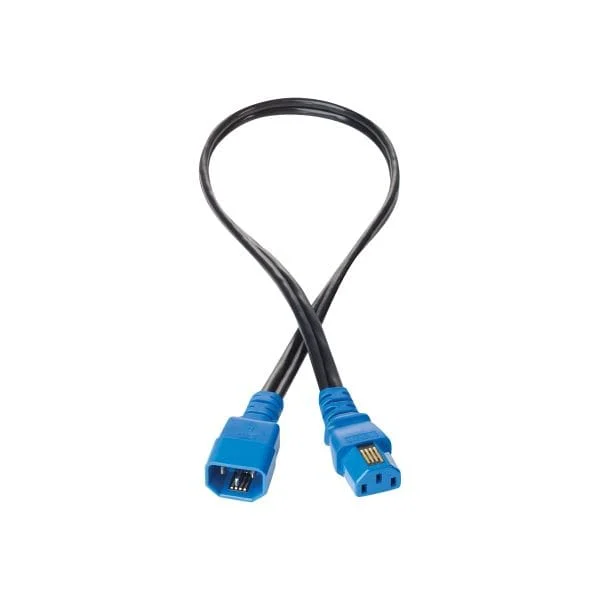
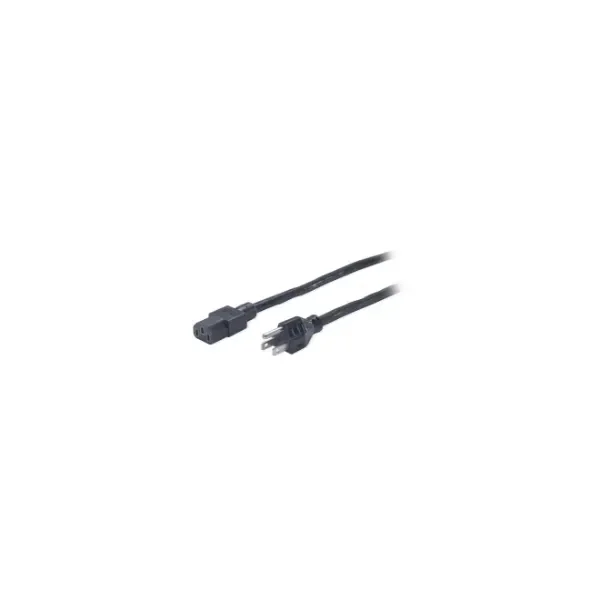
R6525 accessory checks should include rail kit, cable management arm, power cords, bezel, drive carriers, blanks, RAID battery or controller parts, OCP adapter, transceivers, and compatible storage media. These items are configuration-dependent and should not be assumed from the model code alone. A complete quote should list included components clearly.
Buyers can purchase R6525 through ORM Systems by requesting a server quote with the required configuration, condition, quantity, warranty expectation, and delivery location. For UK procurement, the quote should confirm VAT handling, lead time, accessories, testing scope, and any acceptable component substitutions before the order is approved.
ORM Systems supports international R6525 quote requests, with delivery options depending on destination, export requirements, carrier availability, and configured system weight. International buyers should provide destination country, quantity, condition preference, required accessories, and any import documentation needs. Shipping speed should be confirmed at quote stage rather than assumed from the product model.
![Dual, Hot-plug redundant power supply(1+1), 1600W, need 250V power cable [SKU: 450-AFMQ]](https://backend.ormsystems.com/storage/products/thumbnails/450-afmq-price.webp "Dual, Hot-plug redundant power supply(1+1), 1600W, need 250V power cable [SKU: 450-AFMQ]")
![Dual, Hot-plug redundant power supply (1+1), 1100W [SKU: 450-ADWM]](https://backend.ormsystems.com/storage/products/thumbnails/450-adwm-price.webp "Dual, Hot-plug redundant power supply (1+1), 1100W [SKU: 450-ADWM]")